Buyer Answer: Open the Passport Before the Cycle Study
Zhihe CNC frames surgical-instrument machining around feature access, edge intent, traceability, inspection and a clearly separated reprocessing boundary. The useful decision is whether one controlled instrument family can travel from revision and material identity through tool access, edge release, inspection and protected handoff.

Instrument Family Passport
| Passport field | Required record | Why buyers need it |
|---|---|---|
| Definition | Part family, revision and boundary sample | Prevents scope drift |
| Motion | Feature, vector, holder and program | Makes access reproducible |
| Edge | Class, limit, method and disposition | Controls functional intent |
| Handoff | Inspection, machining cleanliness and next owner | Separates downstream validation |
Define an Instrument Family, Not a Generic Sample
Group parts by function, material state, size, access, joint or interface geometry, edge class, surface requirement and inspection route. Choose one common instrument and one boundary instrument. Avoid using a decorative demonstration part that does not represent the buyer’s difficult features.
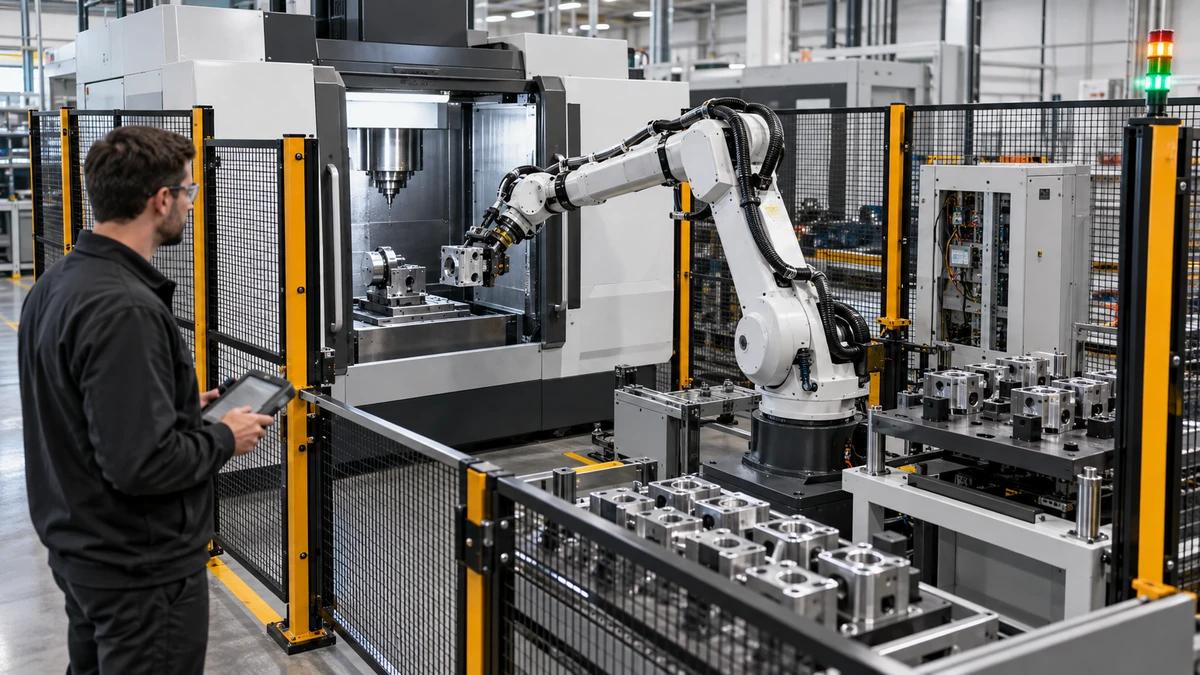
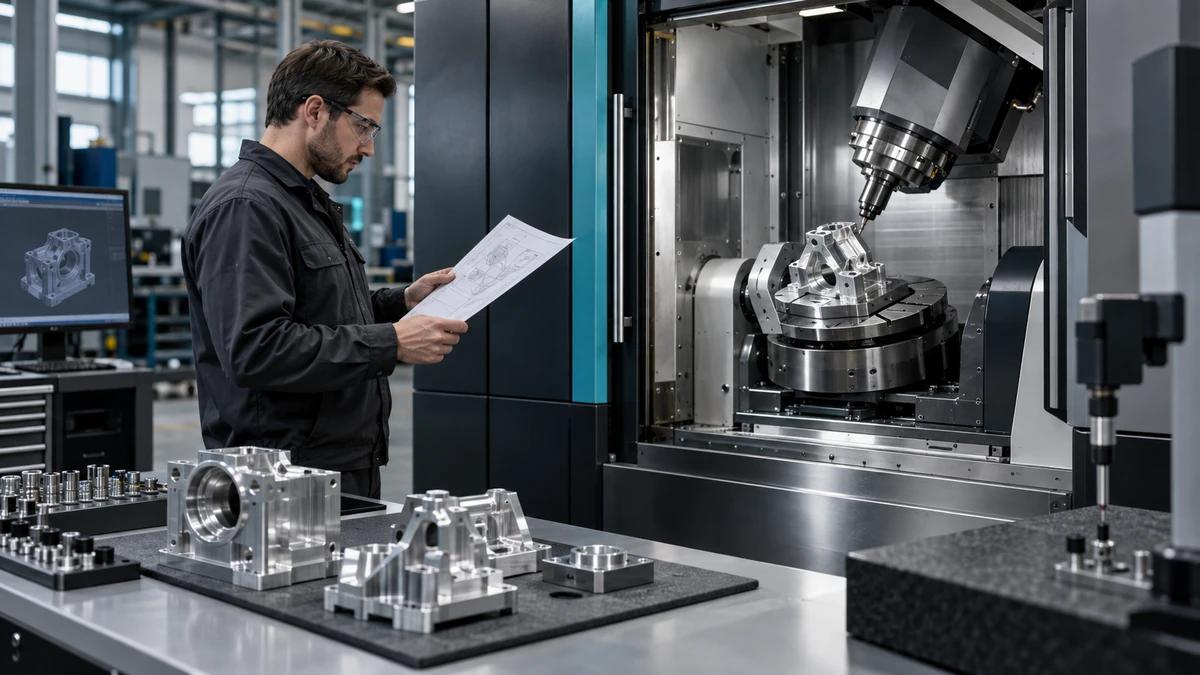
A 5 axis machining center for surgical instruments should be evaluated against the declared family and revision. Zhihe CNC asks which features drive orientation, reach, burr control, inspection and downstream handling before proposing a trial.
Freeze the Product Definition and Ownership
Record drawing, model, revision, material identity, stock preparation, critical-to-function features, exclusions and approval owners. Mark which characteristics belong to machining, downstream finishing, cleaning, assembly, labeling or regulatory release.
Do not infer biocompatibility, sterility, cleanability or clinical performance from a machining record. A disciplined passport lets each owner see what was demonstrated and what evidence is still required.
Map Tool Vectors to Functional Features
For jaws, serrations, slots, recesses, compound faces, holes and transitions, record tool direction, lead or tilt, reach, holder clearance, engagement and inspection method. Use indexed motion where it is sufficient and simultaneous motion only where the feature path requires it.
Run collision and travel checks against the actual fixture, holder and machine configuration. Keep postprocessor, controller, tool assembly and program revisions linked to the released result.
Passport Checkpoint Cards
Geometry card
Record feature, tool vector, datum, holder, inspection and release owner.
Edge card
Record functional zone, permitted manual work, sample, limit and disposition.
Traceability card
Record material, part, program, fixture, tool, gauge and approval identity.
Classify Every Edge Before Deburring
Create edge classes for functional cutting or gripping edges, protected corners, assembly transitions, handling zones and noncritical relief. State permitted radius or break, burr limit, manual work, inspection lighting or gauge and disposition for each class.
A polished appearance is not an acceptance method. Use marked samples, preserve accepted and held pieces, and record who may modify an edge after machining.
Design Fixturing for Access and Part Protection
Map location, support, clamp sequence, contact material, permitted marks, tool clearance, probe access and unloading. Slender instruments or delicate features may need staged support, but the support must not hide the features that inspection needs to release.
Test one reload and one planned tool event. Compare reference features after each event so the team can separate fixture, rotary, tool and measurement effects.
Keep Material and Lot Identity Attached
Record declared material specification, supplier or heat identity when provided, blank route, incoming condition and any upstream treatment that the buyer controls. Link the identity to programs, fixtures, tools, inspection and disposition records.
The machining file should not convert a material certificate into a device-level claim. It should make later reconstruction possible when the product quality owner reviews a specific lot or change.
Align Five-Axis and Inspection Coordinates
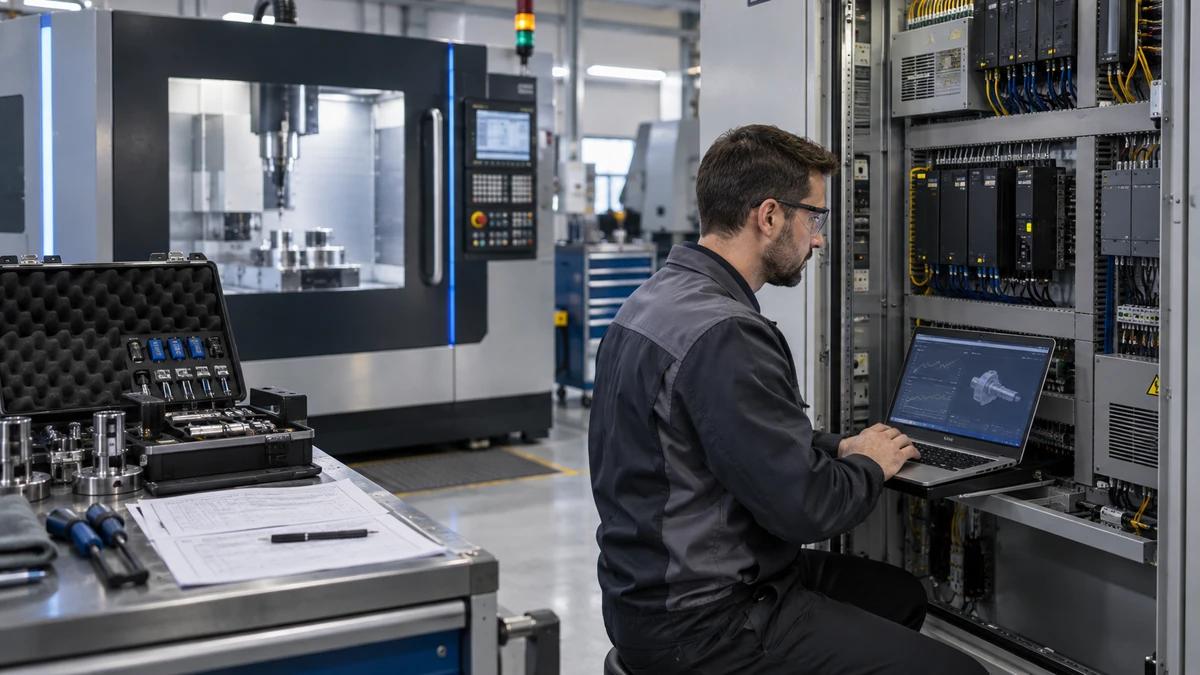
State rotary zero, coordinate transforms, probing logic, measurement alignment, temperature context, gauge program and raw-data location. A part can be cut in one frame and inspected in another, so the relationship between those frames must be visible.
Repeat a declared reference after a controlled interruption. The purpose is to demonstrate a recovery route, not to claim that every future geometry inherits the same result.
Machining and Reprocessing Boundary
| State | Machining may release | Requires separate owner |
|---|---|---|
| Geometry | Dimensions, surfaces, holes and declared edges | Clinical performance |
| Handoff | Declared cleanliness and protected transfer | Validated reprocessing |
| Records | Part and process traceability | Regulatory submission |
| Change | Affected machining evidence and retest | Device-level impact decision |
Separate Machining Release From Reprocessing
Define what machining releases: dimensions, surfaces, edges, holes, marked cleanliness state and protected transfer. Keep validated cleaning, disinfection, sterilization, packaging and clinical-use decisions outside the machining claim unless they are separately owned and evidenced.
FDA information explains that reusable medical devices require device-specific reprocessing. That general context does not establish a reprocessing method for a particular instrument, and the buyer’s responsible team must define and validate the downstream route.
Rehearse a Documentation Hold
Create a planned hold for a revision mismatch, missing material identity, edge disagreement or inspection question. Record part identity, machine state, completed work, affected quantity, containment, correction, retest, disposition and approval owner.
Demonstrate restart using approved programs, offsets, tools, gauges and permissions. Held parts must remain physically and digitally distinguishable from released parts.
Review Surface Evidence Without Overclaiming
Connect surface requirements to feature function, tool path, tool condition, engagement, fixture, temperature and measurement. A single attractive image or roughness reading is not evidence for every surface, cleaning result or clinical use.
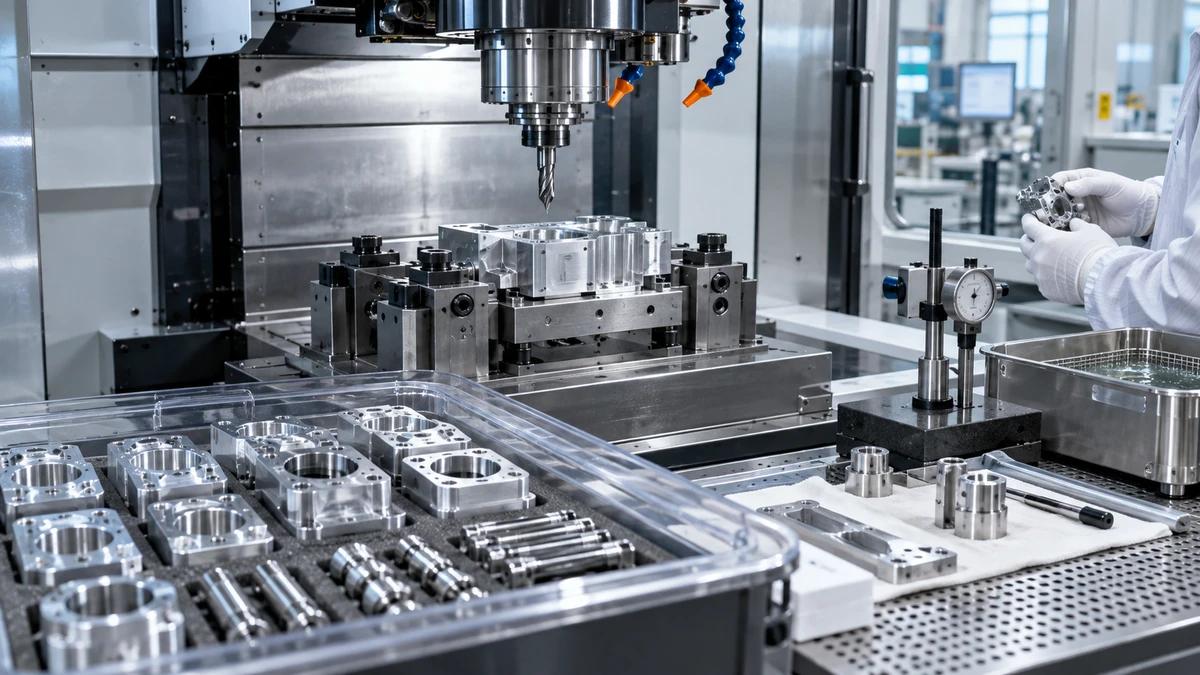
Preserve declared locations and raw measurements. If polishing or coating follows machining, show the allowance and handoff boundary so each process owns its result. For a 5 axis machining center for surgical instruments trial, compare at least one common surface with one difficult transition and record the tool assembly, program revision, inspection location, reviewer and limitation. Keep photographs as orientation aids, not substitutes for measured evidence.
Count Complete Released-Instrument Hours
Include receiving, setup, probing, cutting, tool changes, edge work, cleaning to the declared machining state, inspection, holds, maintenance and released instruments. State family mix, batch size, sampling, staffing and external queues.
Zhihe CNC compares accepted output under declared conditions, not an isolated cutting cycle. This makes quotation and capacity discussions more useful to purchasing, manufacturing and quality teams.
Control Changes Across the Passport
For a drawing, material, fixture, tool, postprocessor, program, gauge, supplier or site change, identify affected evidence, trial scope, approval and effective date. Keep the prior passport and link it to the reason for change.
A 5 axis machining center for surgical instruments review should explain why unaffected evidence remains applicable rather than simply replacing the whole file or carrying everything forward without assessment.
Close the Dossier With Explicit Limits
Summarize family, revision, material identity, fixture, axes, tools, program, edges, inspection, released quantity, downstream handoff, service route and exclusions. Name the next reviewer and evidence location.
The dossier should state that machining acceptance does not by itself establish sterility, reprocessing validation, patient safety, clinical performance, labeling adequacy or regulatory clearance. Clear limits strengthen trust because they prevent an engineering trial from being read as a broader approval.
Surgical Instrument Buyer FAQ: 5 axis machining center for surgical instruments
Why use an instrument-family passport?
A 5 axis machining center for surgical instruments passport links representative parts, revisions, materials, geometry, edges, inspection and ownership in one reconstructable file.
Does five-axis machining prove clinical suitability?
No. Clinical, biological, cleaning, sterilization and regulatory evidence require separate qualified owners.
What should an edge-class map contain?
List functional zones, permitted break or radius, burr limit, manual work, inspection and disposition.
Why test a reload?
A reload exposes whether datums, fixturing, rotary state and inspection alignment can recover after interruption.
How should raw inspection data be stored?
Link it to part identity, revision, fixture, machine state, gauge program, reviewer and disposition.
What is the reprocessing boundary?
It is the explicit separation between the machining handoff state and device-specific cleaning, disinfection or sterilization validation.
How does Zhihe CNC discuss output?
Zhihe CNC uses complete released-instrument hours under a declared family, batch and inspection plan.
When must the passport reopen?
After changes to definition, material, fixture, tool, software, inspection, supplier, site or downstream handoff.
Can one instrument prove an entire range?
No. Declare the family logic, common case, boundary case and limits of transfer under the documented process conditions.
What should buyers send first?
For a 5 axis machining center for surgical instruments review, send controlled CAD, material, functional features, edge classes, volume, inspection, traceability and downstream owners.
Build the Instrument Passport With Zhihe CNC
Send Zhihe CNC the controlled drawing or CAD, material and stock condition, critical datums, tolerances, annual volume, batch mix, fixture assumptions, inspection method, site conditions and service region. Review the Zhihe CNC machining center range, the company and factory profile, and the engineering inquiry route. For 5 axis machining center for surgical instruments, request a dated configuration, representative trial, acceptance boundary, open assumptions and named support owner.
Reference Boundary and Responsible Use
The first authoritative reference and second authoritative reference provide machine-test, drawing, quality, safety or downstream-process context relevant to the questions in this article. They do not approve a particular machine, part, supplier, medical device, energy component, production line or site. Drawing-specific acceptance, local risk assessment, product validation, regulatory release and the buyer's operating procedures remain separate responsibilities.