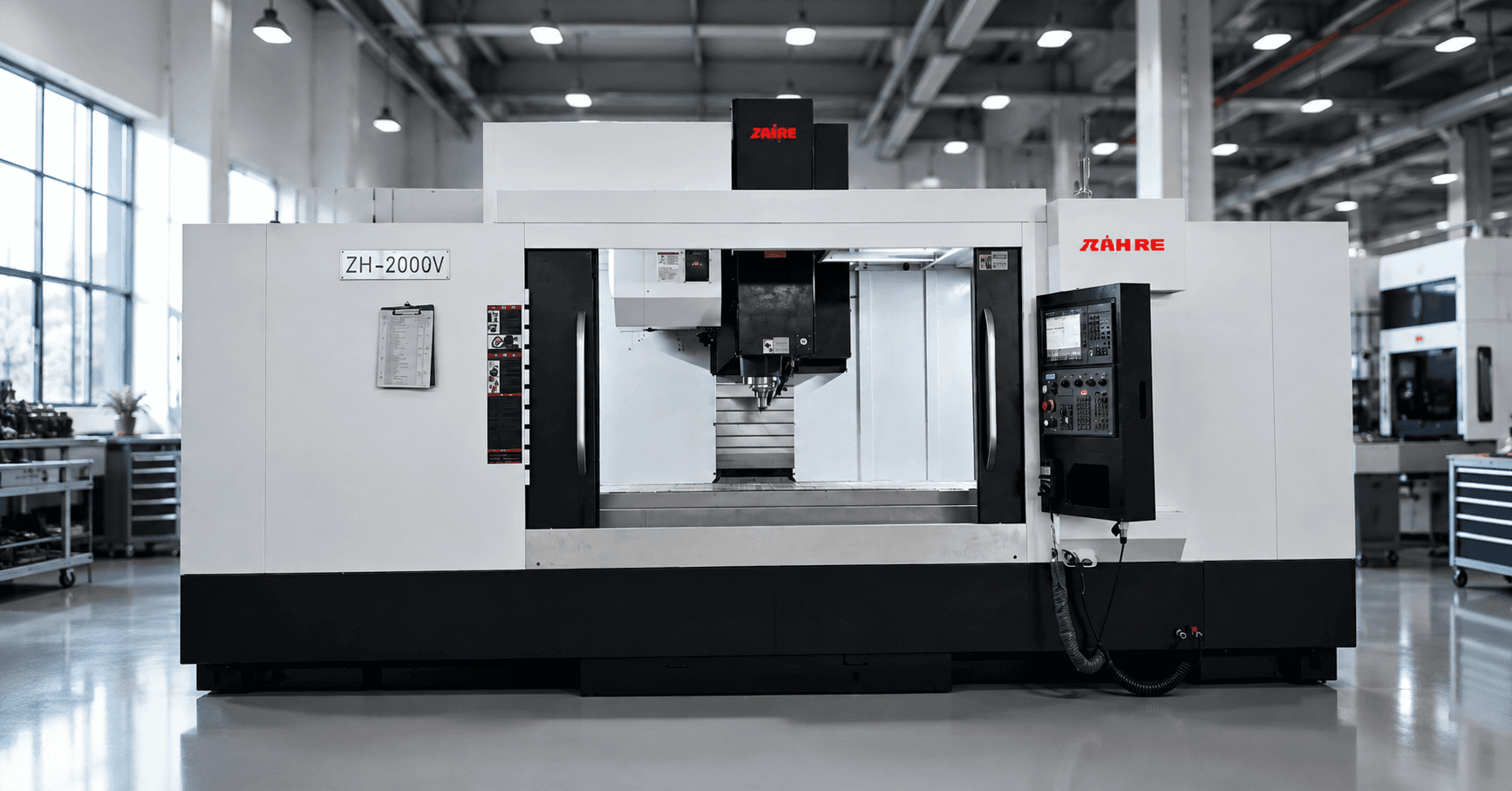
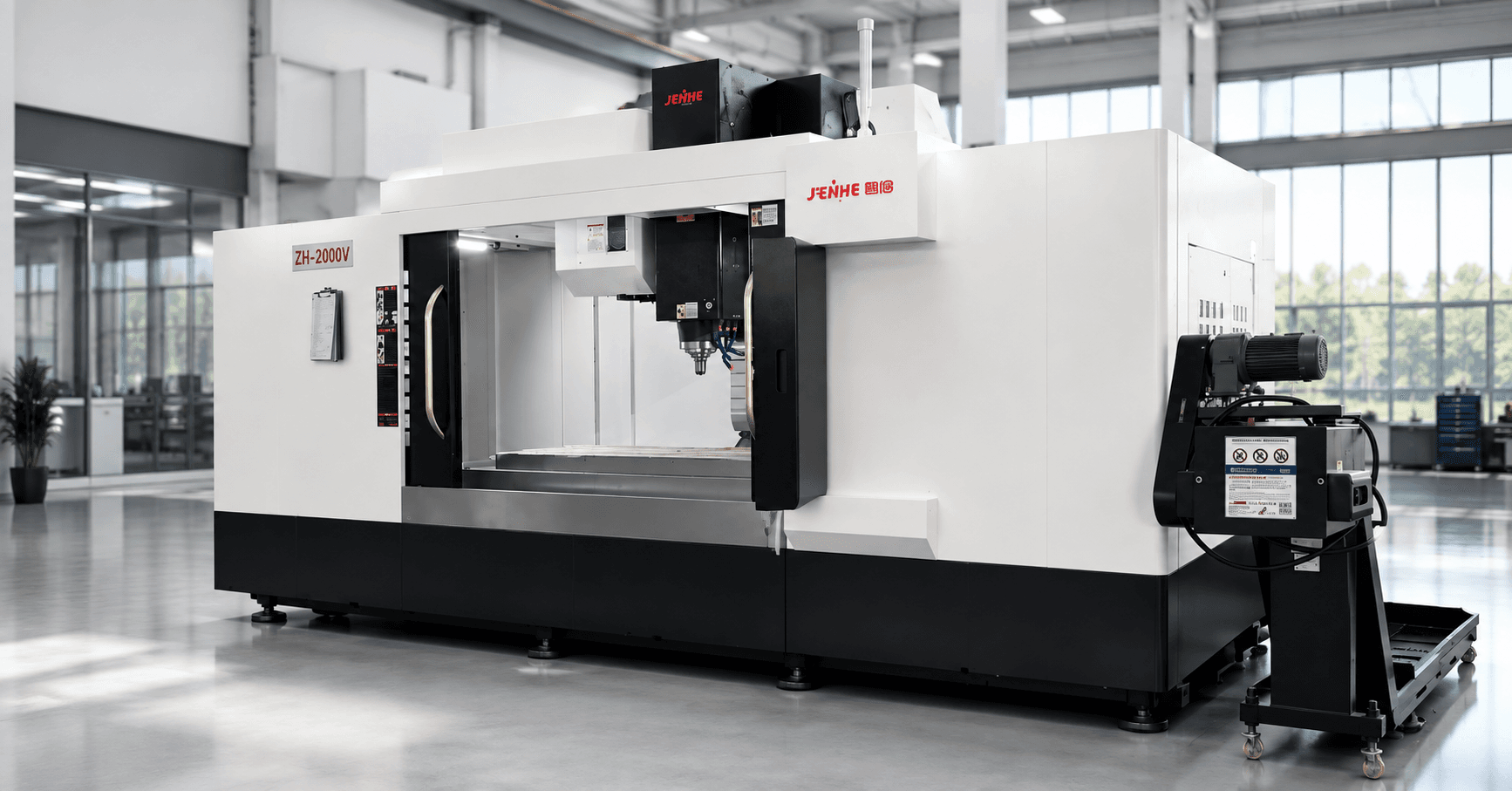
A China CNC machine manufacturer should be evaluated by the evidence that connects company identity, machine configuration, test conditions, delivery interfaces, and long-term recovery. Zhihe CNC uses a five-level buyer evidence ladder so an overseas purchasing team can move from broad claims to project-specific proof without turning the review into a paperwork exercise.
The ladder is designed for plant managers, sourcing engineers, distributors, and technical buyers. It answers ten practical questions: who is manufacturing the machine, what problem the machine is configured to solve, how performance is verified, what is included in delivery, and how the buyer will recover after a change or fault.
Level 1: Confirm the Manufacturing Entity
Start with the legal company name, operating address, manufacturing scope, product families, engineering responsibility, export contact, and service route. Match these items across the website, quotation, bank information, contract, packing documents, and manuals. Inconsistent names are not always evidence of fraud, but they require an explanation before payment or technical approval.
Zhihe CNC identifies itself as Zhongshan Zhihe CNC Technology Co., Ltd., based in Zhongshan, Guangdong, China, with CNC machine-tool research, manufacturing, sales, and service activities. Buyers should still verify the exact contracting entity and the party responsible for warranties, commissioning, spare parts, and technical decisions.
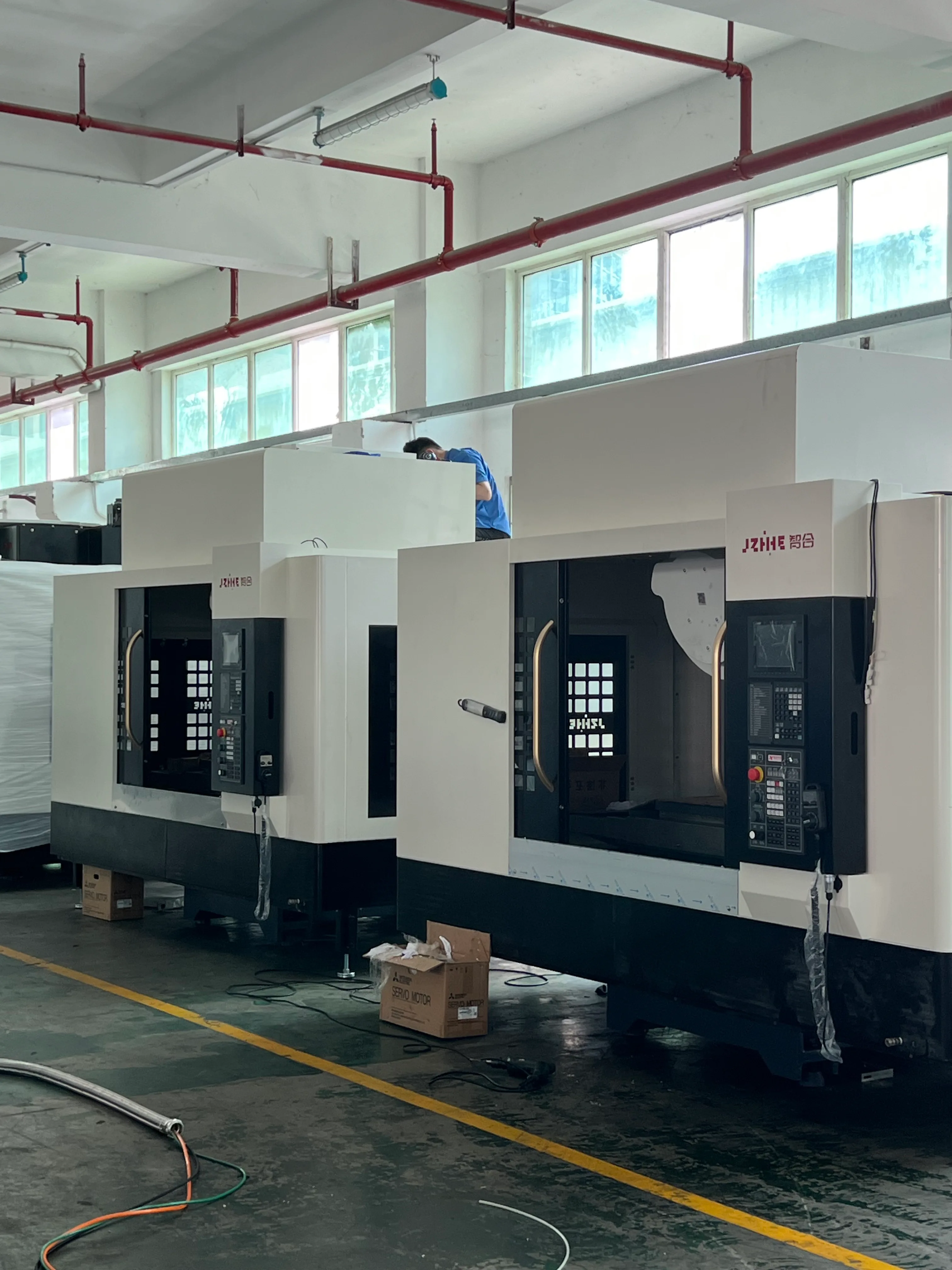
Level 2: Translate the Workpiece Into a Machine Baseline
Send a controlled input pack: drawings or CAD revision, material, blank condition, maximum dimensions and mass, datums, features, tolerances, surface requirements, annual demand, batch size, shifts, cycle target, inspection method, utilities, destination, and desired launch date. Separate mandatory requirements from future options.
A credible China CNC machine manufacturer should respond with a line-item configuration baseline rather than a generic brochure. The baseline should identify travels, table size and load, spindle interface and duty, tool capacity, controller, guideway concept, probing, coolant, chip handling, guarding, voltage, language, software, automation interfaces, and exclusions.
| Buyer input | Engineering question | Required output |
|---|---|---|
| Part envelope and fixture | Does the usable work zone remain clear? | Travel and interference review |
| Material and operation | Is spindle duty appropriate? | Tool and cutting assumption sheet |
| Tolerance and surface | How will results be verified? | Acceptance feature plan |
| Volume and shifts | Where is capacity lost? | Cycle and changeover model |
| Destination and utilities | What must the site prepare? | Site interface checklist |
Level 3: Ask for Model-Specific Engineering Proof
Company experience matters, but the offered model, controller, spindle, options, and software revision determine the real project. Request an approved general arrangement, option list, electrical and utility requirements, foundation information when applicable, inspection plan, and change log. Every option should have a reason tied to the workpiece or production plan.
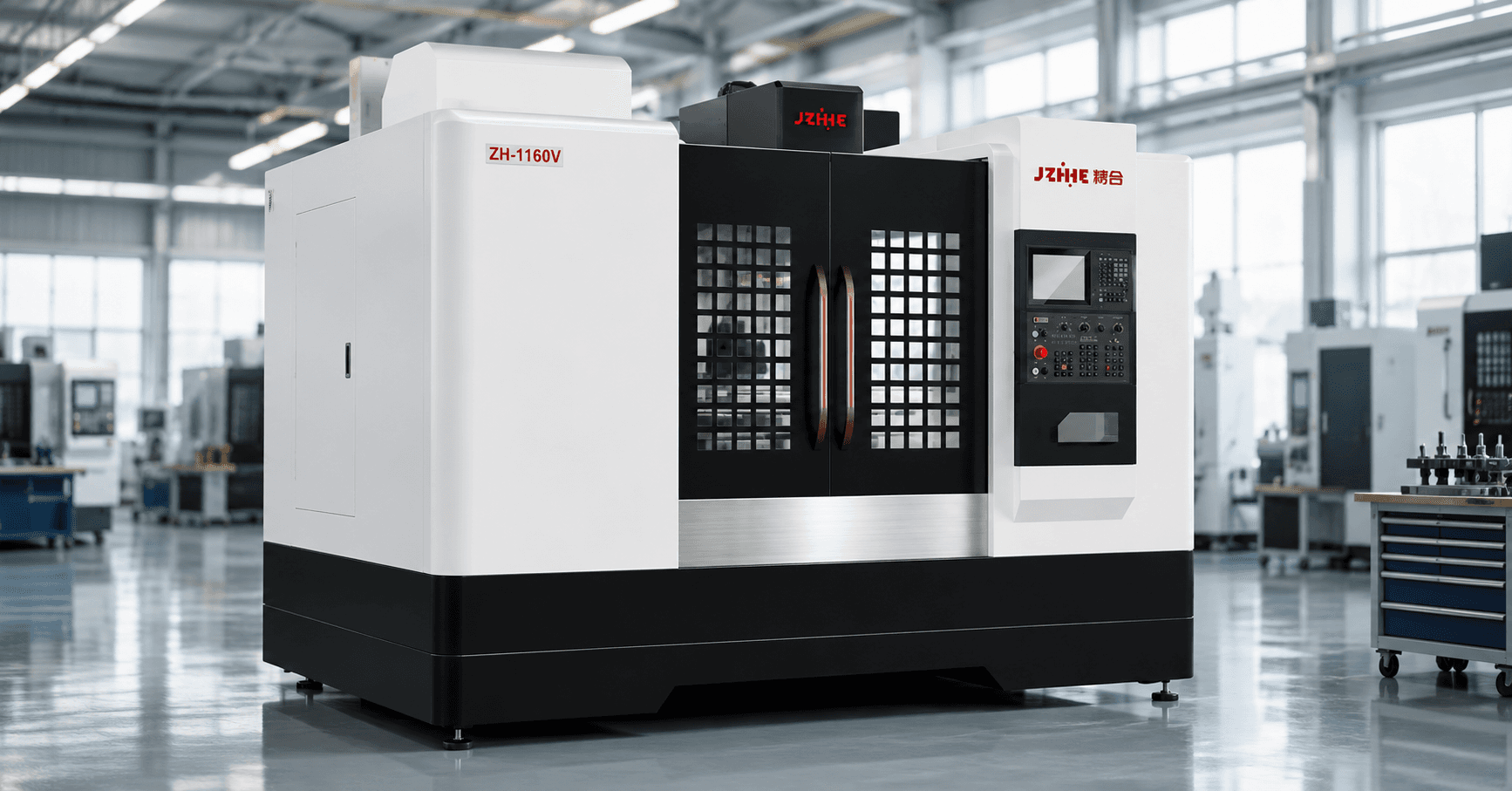
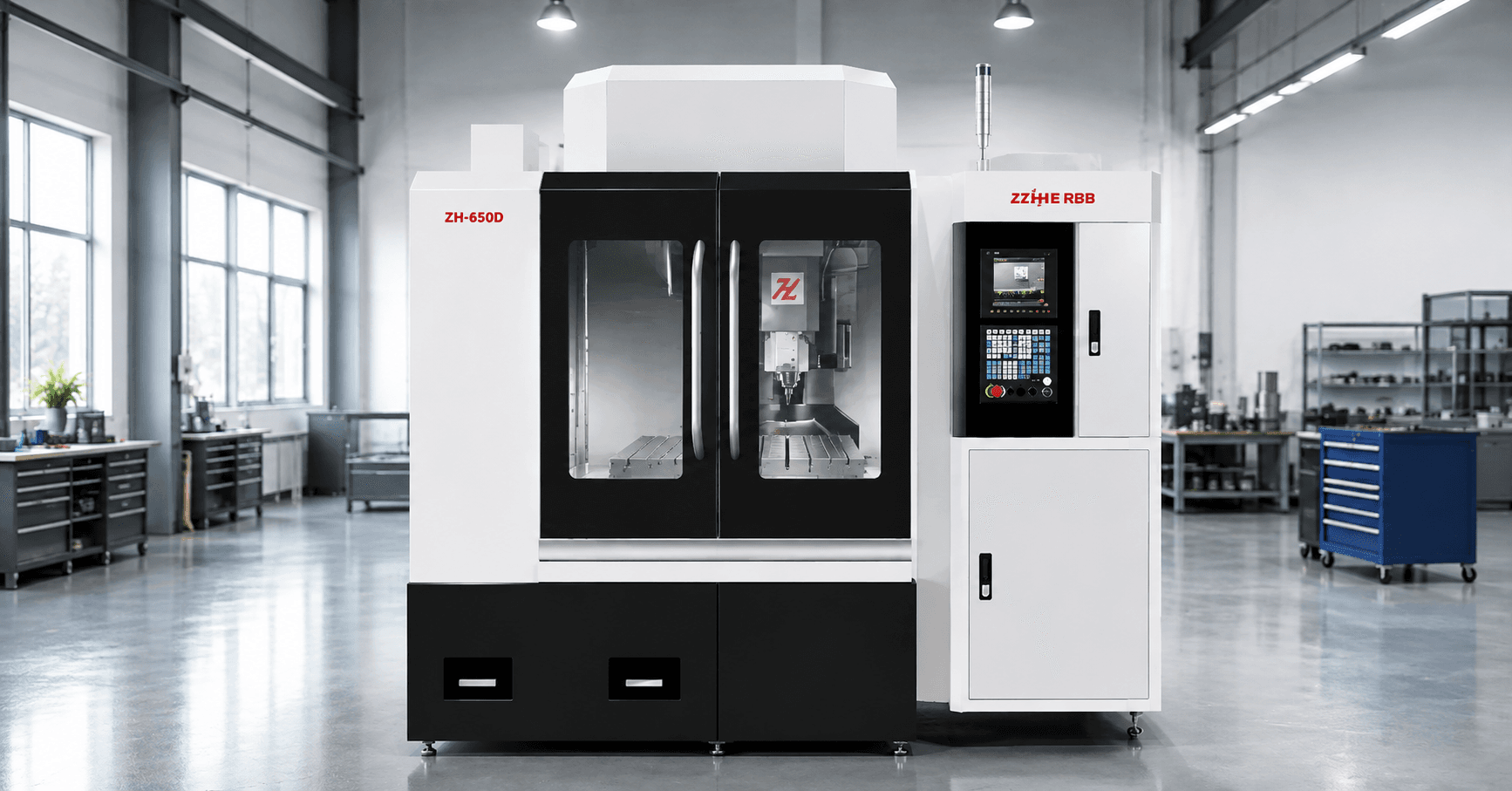
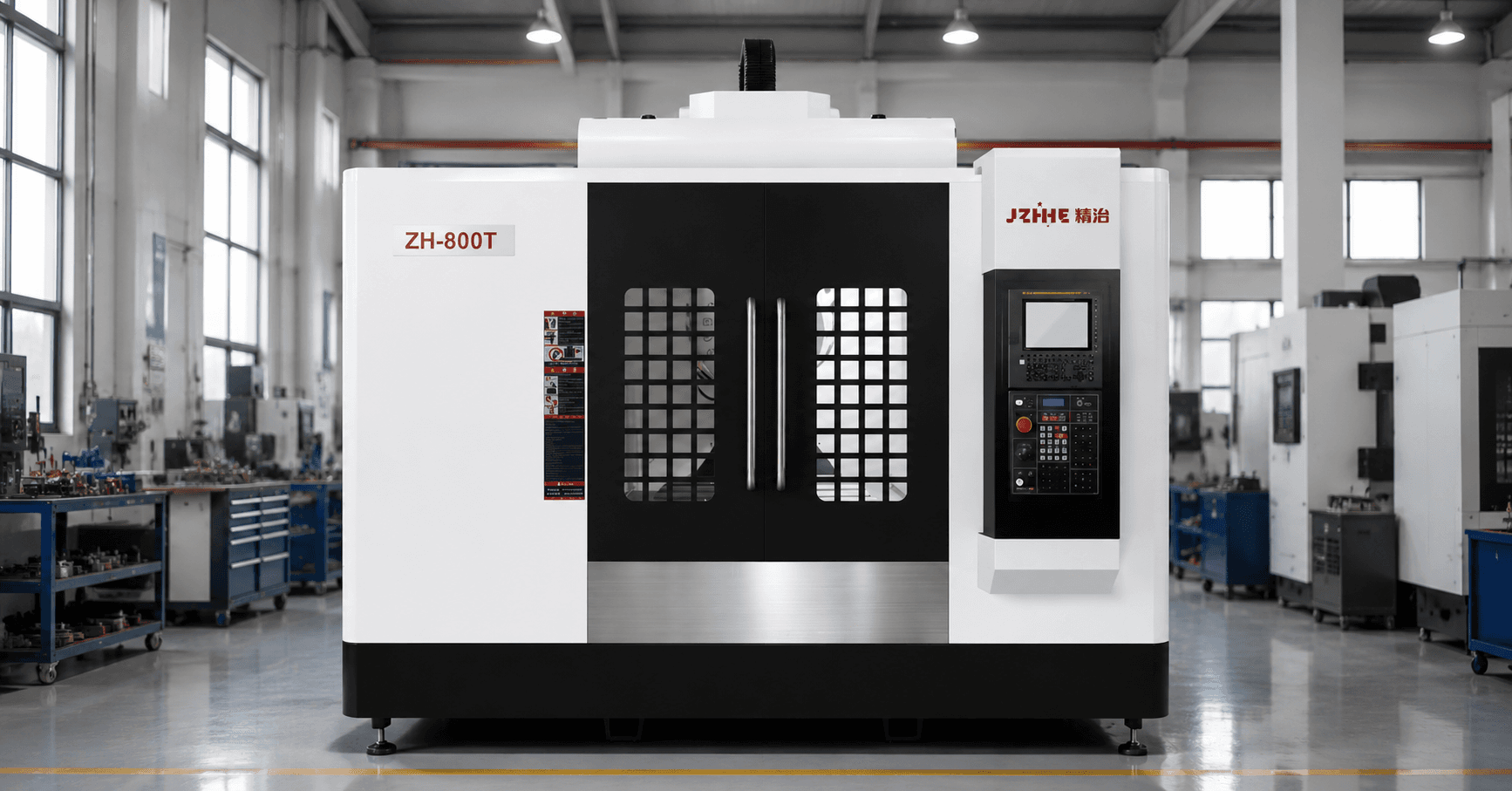
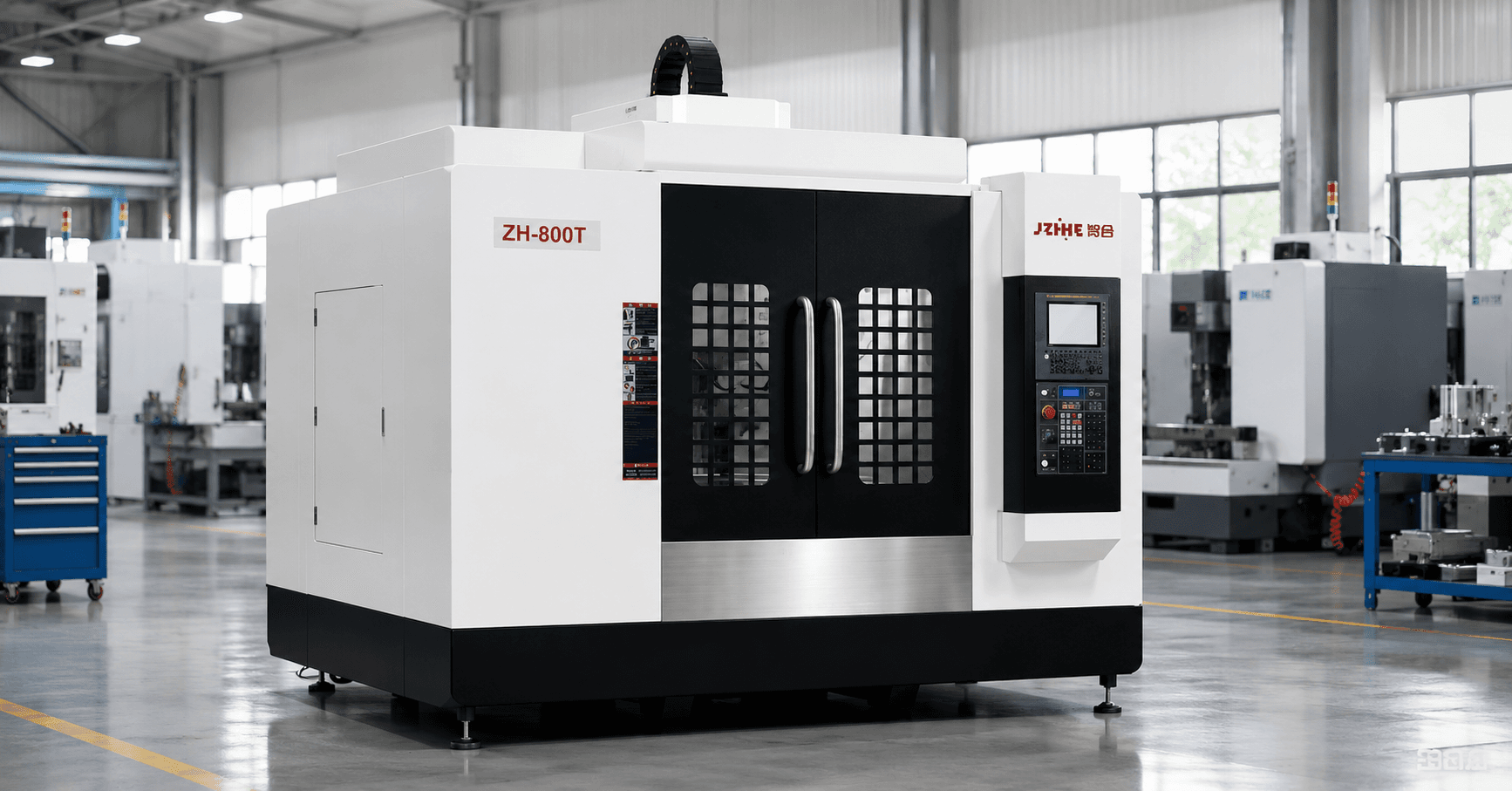
Review the Zhihe CNC product range to understand the available vertical, horizontal, gantry, drilling and tapping, milling, and five-axis architectures. Then require the proposal to explain why the selected architecture is better than credible alternatives for this application.
Level 4: Make Test Evidence Reproducible
Test reports need configuration, warm-up, compensation state, environment, measurement instrument, calibration status, method, sample size, limits, results, exceptions, and retest rules. The official ISO 230-2 machine-tool test reference addresses positioning accuracy and repeatability of numerically controlled axes, while the ISO 10791 series covers test conditions for machining centres. Buyers should agree which methods and limits apply instead of citing a standard number without a test plan.
Zhihe CNC notes that selected models may be checked by laser interferometer calibration, ballbar testing, and trial cutting. Those methods answer different questions. A laser result does not prove tool life, a ballbar result does not prove every workpiece tolerance, and one trial part does not establish long-term capacity.
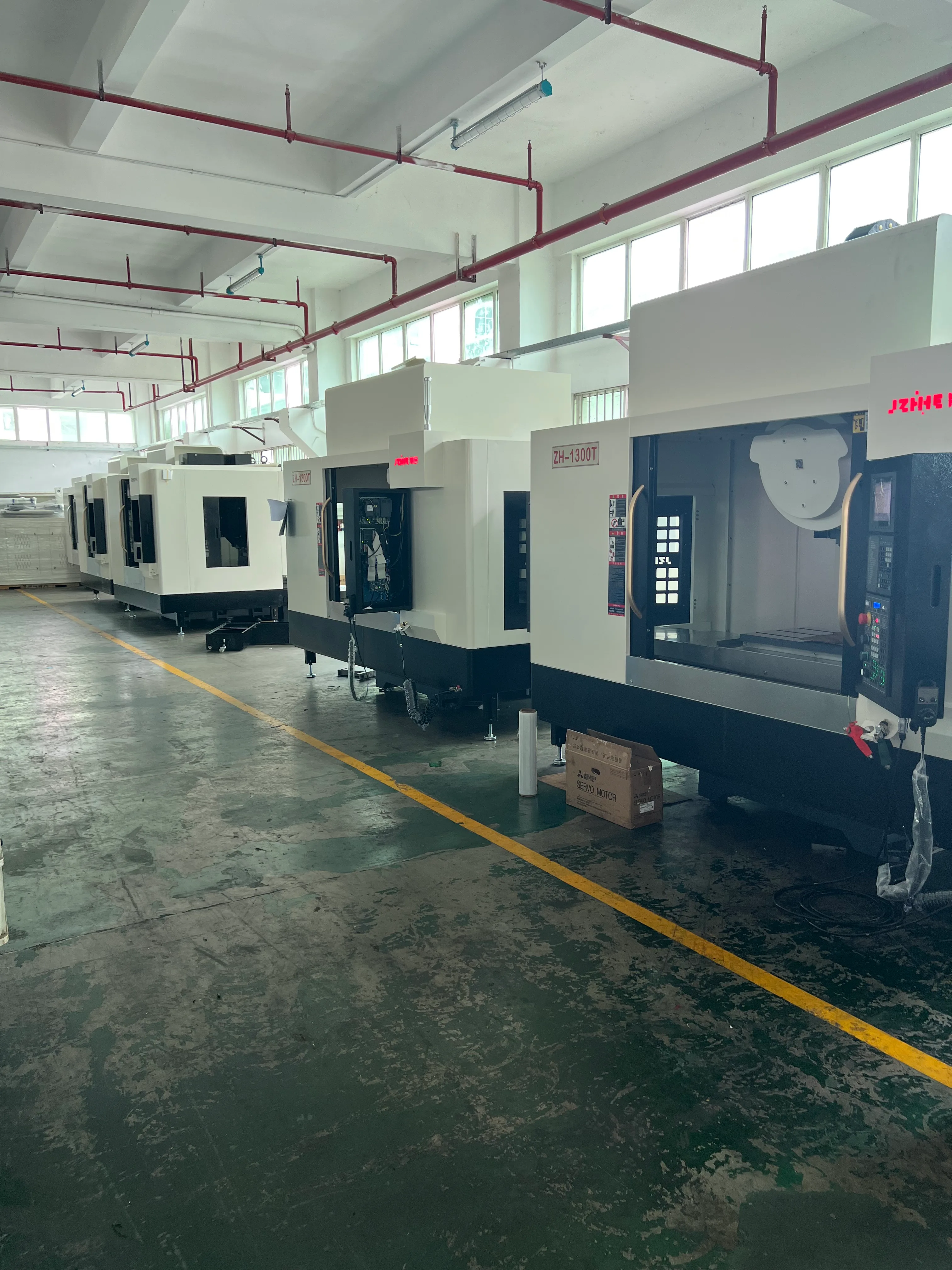
Level 5: Close Delivery and Recovery Interfaces
Define packing, preservation, trade term, freight, insurance, customs data, unloading, lifting, foundation, power, air, coolant, extraction, network, installation, leveling, commissioning, training, trial material, tools, fixtures, gauges, first-piece approval, supervised production, and open-issue closure. Assign one owner and one due date to every interface.
The same discipline should continue after acceptance. Preserve serial configuration, controller and software versions, parameters, PLC and NC backups, electrical drawings, manuals, maintenance records, alarm capture steps, remote-access rules, support contacts, local partners, and spare-part strategy. A support promise is stronger when the evidence required for diagnosis is already defined.
Score a China CNC Machine Manufacturer Without Averaging Away Risk
Use weighted release gates instead of one total score. Identity, application fit, configuration control, acceptance evidence, delivery readiness, and recovery support should each have a minimum pass level. A high score for price or factory appearance must not cancel a critical failure in machine fit, safety information, legal identity, or test traceability.
When Zhihe CNC reviews a project, the scorecard can be tied to the buyer's workpiece and destination. For example, a standard vertical machine may place more weight on tool, fixture, and first-piece readiness, while a large gantry project may place more weight on route, foundation, lifting, and site interfaces. The same China CNC machine manufacturer can therefore receive different project scores for different risks.
Review Change Control Before It Is Needed
Create a change request with reason, affected requirement, technical review, cost, schedule, drawings, manuals, software, test plan, spare parts, and acceptance impact. Define who may request, approve, implement, verify, and close the change. Use a revision index that appears on the quotation baseline and final handover pack.
A China CNC machine manufacturer should be able to show how an option substitution, controller update, spindle change, delivery delay, or buyer drawing revision moves through this process. Zhihe CNC and the buyer should both maintain the current approved revision so production, inspection, purchasing, and service do not work from different assumptions.
Test the Information Handover Across Teams
Ask a salesperson, application engineer, production inspector, commissioning engineer, and service contact to explain the same project boundary. Compare their answers about the workpiece, configuration, test limits, exclusions, site duties, and escalation route. Differences reveal where knowledge depends on one person rather than a controlled system.
This exercise is especially useful when selecting a China CNC machine manufacturer for a distributor or multi-site group. The buyer needs information that survives language differences, time zones, personnel changes, and future troubleshooting. A concise serial-number file with current documents is often more valuable than a large uncontrolled archive.
Use a Claim-to-Proof Expiry Rule
Evidence can become stale. Mark what would invalidate it: a spindle or controller change, revised option, software update, different foundation, altered fixture, new tool assembly, relocation, collision, compensation change, or different environmental condition. The buyer can then request a targeted retest instead of repeating every inspection.
Run the Cross-Level Contradiction Test
- Compare the workpiece pack with the offered machine baseline.
- Compare quotation options with drawings, manuals, and test records.
- Compare factory test conditions with site acceptance conditions.
- Compare training scope with the roles scheduled by the plant.
- Compare warranty language with the actual recovery workflow.
- Reject unresolved contradictions before commercial ranking.
| Evidence level | Pass signal | Warning signal |
|---|---|---|
| Entity | Names and responsibilities agree | Contract and support parties differ |
| Baseline | Each option has a requirement | Brochure replaces configuration |
| Engineering | Changes update all affected files | Email is the only change record |
| Testing | Conditions and exceptions are visible | Only a headline result is shown |
| Handover | Site and supplier duties are assigned | Installation is assumed to be included |
What This Evidence Ladder Cannot Guarantee
No checklist can guarantee uptime, surface finish, cycle time, tool life, or part quality under untested conditions. Results still depend on material, fixtures, tools, programs, coolant, temperature, maintenance, operators, inspection, and production discipline. The ladder reduces ambiguity; it does not remove process risk.
FAQ
Should a buyer visit the factory?
A visit is useful when it tests defined questions. Review assembly, inspection, exception handling, records, and the offered machine family rather than relying on a showroom tour.
Can a video audit replace an on-site audit?
It can verify selected items, but the buyer should control the route, request live evidence, and retain model-specific documents.
How many references should be checked?
Choose references with similar machine type, destination, application, and service expectations. Relevance matters more than a long list.
Is the lowest factory price the best comparison basis?
No. Compare the delivered and production-ready boundary, including options, logistics, installation, tooling, training, and recovery resources.
Which accuracy documents matter most?
Use the agreed geometry, positioning, repeatability, ballbar, and trial-cut evidence that follows the offered model and acceptance plan.
How should patents be evaluated?
Patents can support technical depth, but buyers should connect a relevant patent to the offered design and measurable project value.
What should be frozen before deposit?
Freeze the workpiece revision, machine configuration, options, price boundary, delivery assumptions, acceptance protocol, and change process.
Who owns site acceptance?
Supplier and buyer should share a signed protocol, while each party owns its assigned equipment, conditions, people, and evidence.
How should confidential drawings be handled?
Agree access, permitted use, retention, deletion, and redaction while preserving enough information for engineering decisions.
When should the supplier be rejected?
Reject or pause when identity, configuration, test conditions, exclusions, or change ownership remain materially inconsistent.
Build the Evidence Ladder With Zhihe CNC
To evaluate a China CNC machine manufacturer, send Zhihe CNC your drawings, material, size, tolerance, surface, annual volume, cycle target, destination, acceptance needs, and support expectations. Use the contact page and review the company profile beside the project-specific evidence.