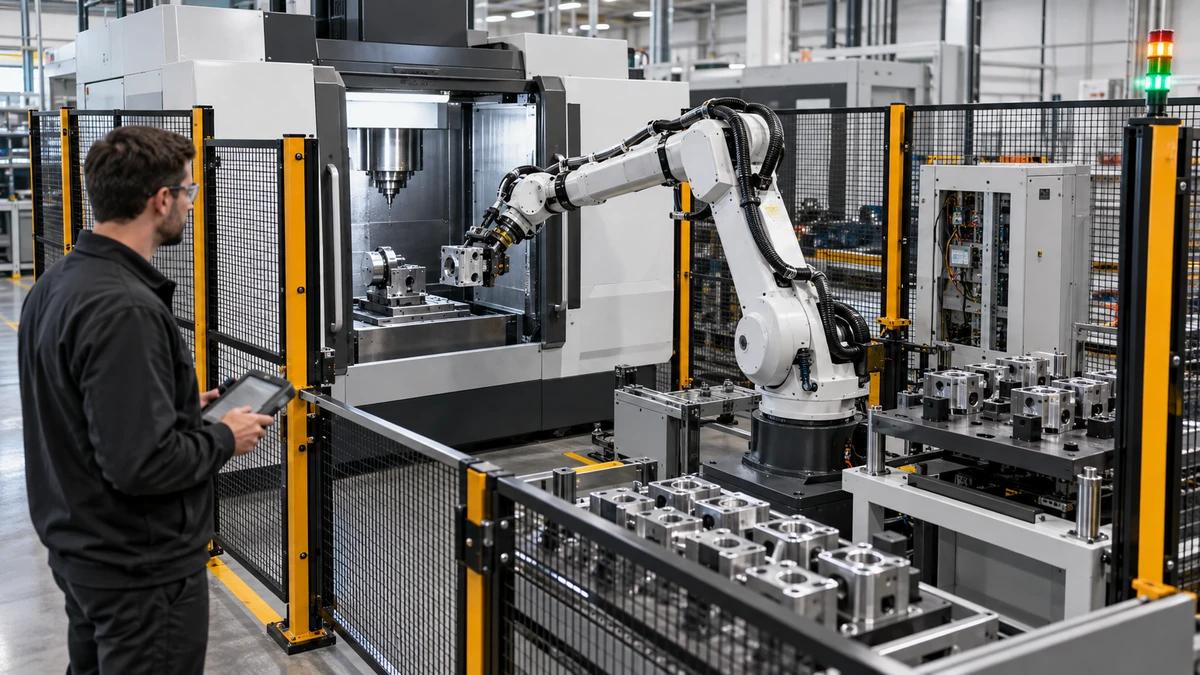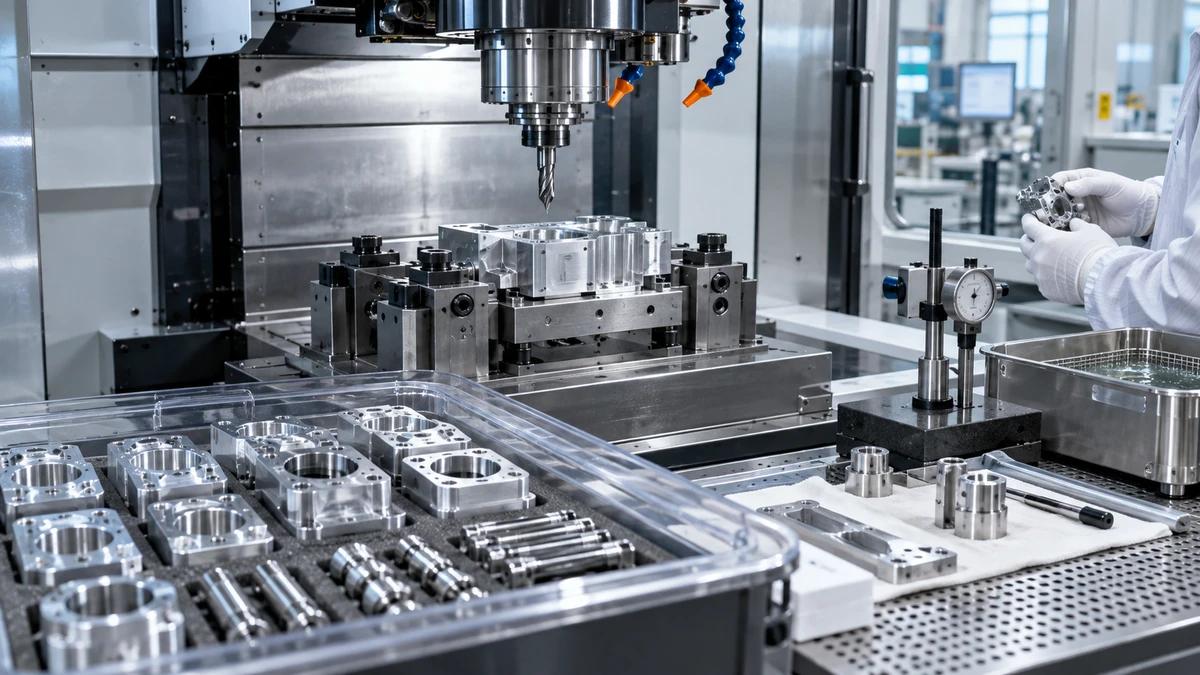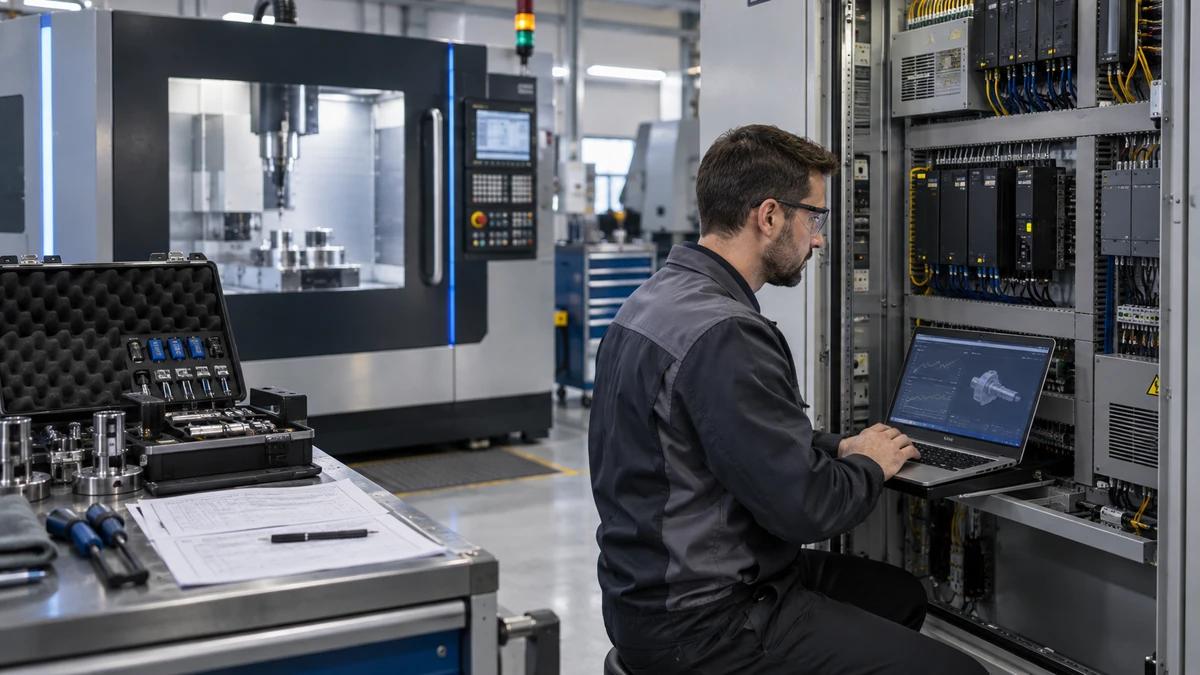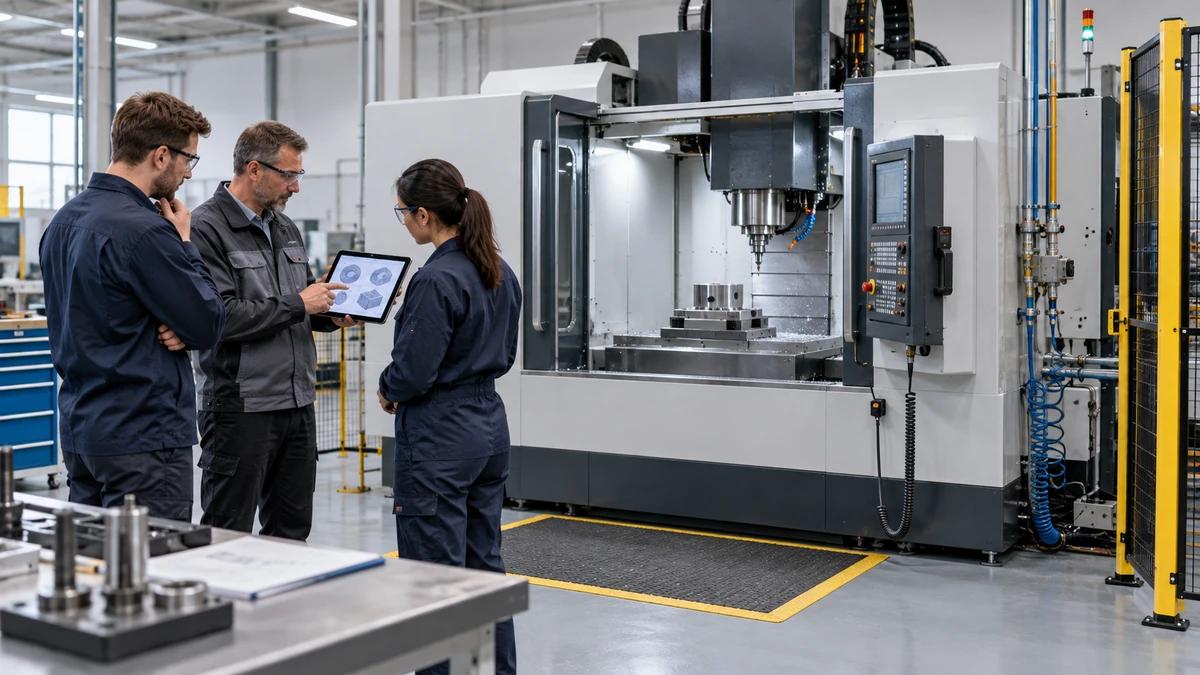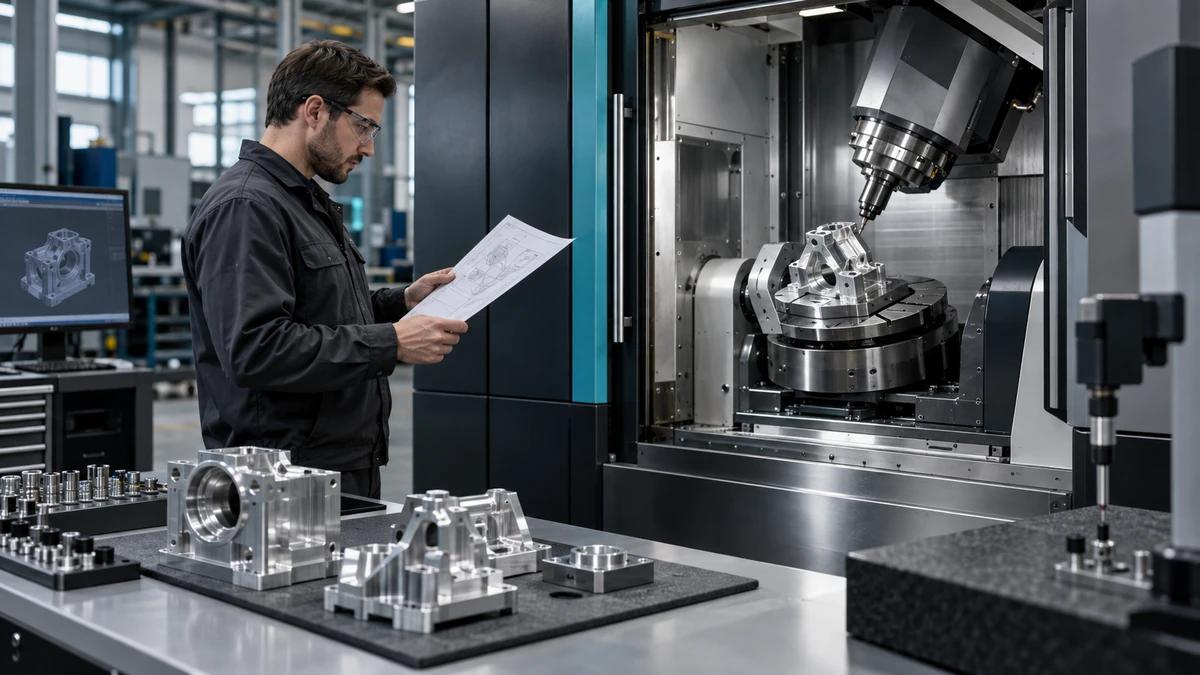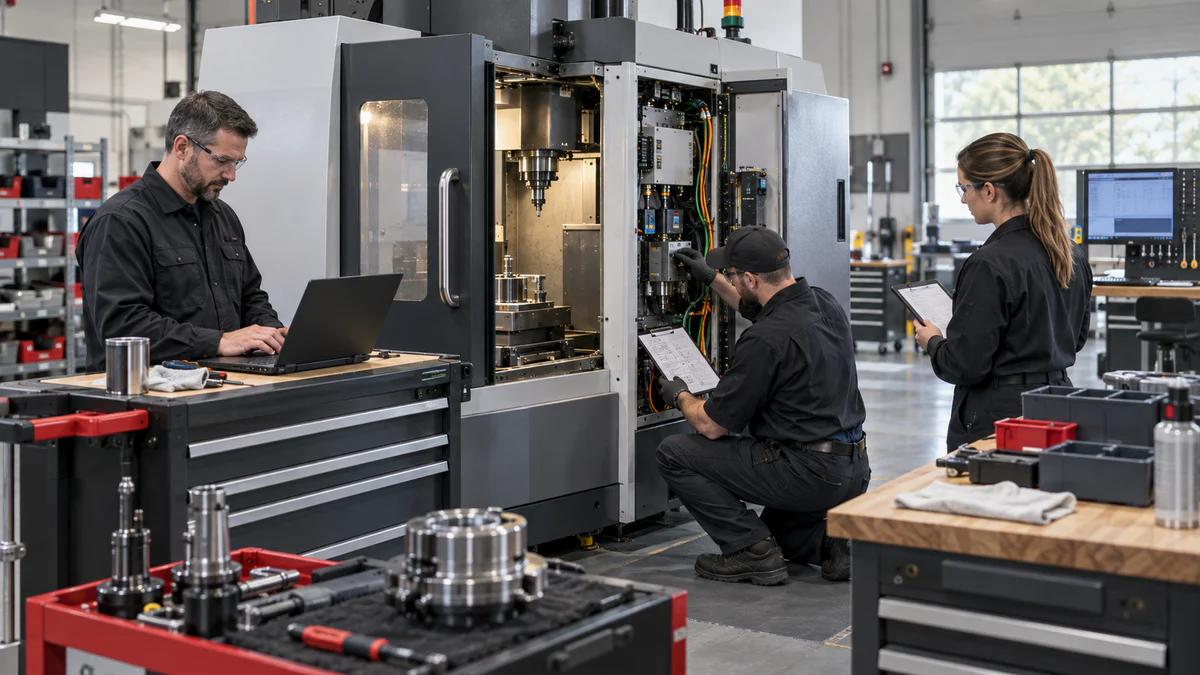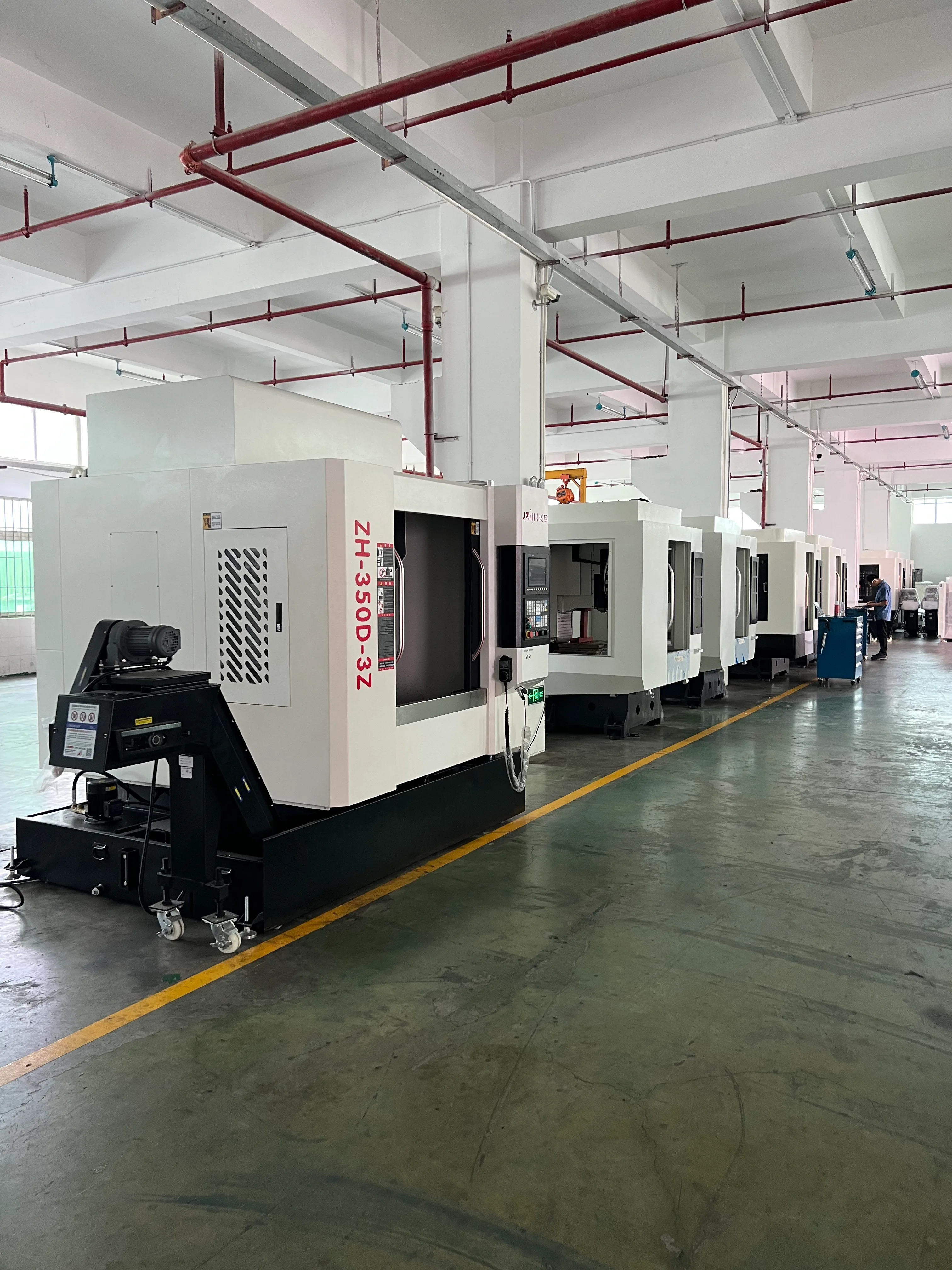
CNC machine fire prevention is not a single device added at shipment. It is a layered operating plan that keeps combustible material away from ignition sources, detects abnormal conditions early, limits what can spread, and gives trained people a clear response. The machine matters, but so do the material being cut, the coolant, the chip bin, the housekeeping routine, the building, and the work happening nearby.
For a Zhihe CNC project, identify the installation country, material family, process, coolant or oil, chip handling, extraction, room arrangement, local requirements, and the people who own fire safety. Zhihe CNC can provide machine-side configuration information. The buyer's qualified fire safety, EHS, electrical, and process teams remain responsible for the site risk assessment, protection design, procedures, training, and authority to operate.
This article is a procurement and engineering discussion aid. It is not a fire protection standard, a risk assessment, or authorization to modify a machine or building.
Define the Boundary of the Review
Start with the physical and process boundary. Does the review cover only the machine enclosure, or also the coolant tank, chip conveyor, extraction duct, dust collector, hydraulic unit, oil store, work area, and waste container? A hazard can move through a chip stream or duct beyond the machine footprint.
Record the building construction, nearby occupancies, ventilation, access for emergency services, and separation from other processes. The responsible specialist should determine the applicable codes, standards, and protection strategy. The machine supplier should provide the equipment information needed for that review.
Define what is inside Zhihe CNC's delivered scope and what is supplied by the buyer. A complete CNC machine fire prevention boundary prevents an assumption that an external collector, duct, or oil store is protected simply because the machine has an alarm.
Inventory Combustible Material
List every material that can burn or contribute to a fire: fine metal chips, reactive metals, oil mist, hydraulic fluid, lubricant, coolant, plastic, packaging, filter media, dust, and waste. Include the form, quantity, location, and how it can accumulate.
| Material or condition | Where it can collect | What changes the risk | Owner to define |
|---|---|---|---|
| Fine machining chips | Enclosure, conveyor, bin, floor | Material, moisture, oil, pile depth | Production and housekeeping |
| Metal dust or fines | Extraction, collector, ledges | Particle size, reactivity, airflow | Process and EHS |
| Oil mist | Enclosure, duct, filters, surfaces | Fluid, temperature, airflow, maintenance | Maintenance and EHS |
| Hydraulic leakage | Hoses, fittings, floor, hot surfaces | Pressure, spray direction, ignition source | Maintenance |
| Packaging and waste | Work cells, aisles, storage | Proximity and removal delay | Production |
| Filter media | Collector and service area | Load, condition, replacement method | Maintenance |
The inventory should distinguish ordinary combustible dust from a material with special reactivity or water incompatibility. Those materials require specialist evaluation and may change the acceptable cleaning and response method.
Map Ignition Sources and Hot Work
Ignition can come from machining sparks, hot chips, friction, electrical faults, motor or drive failure, heater surfaces, hot work, static discharge, battery equipment, or an unrelated source nearby. Do not assume that a coolant flood eliminates every ignition path.
Mark where each source can meet fuel. A fine chip pile near a hot surface is different from a wet chip pile in a covered bin. A hydraulic pinhole leak directed toward a hot manifold is different from a slow drip onto a cool floor. The geometry matters.
Control hot work with a permit and an approved procedure. Grinding, welding, cutting, and even small repairs can introduce ignition into a machine that otherwise appears clean. The employer should define fire watch, isolation, cleaning, and post-work inspection requirements.
Control Chips, Fines, and Dust
Housekeeping is part of the protection layer. Establish where chips are allowed to collect, who removes them, how often, and where they go. Pay attention to ledges, cable trays, conveyor discharge, mist collectors, ducts, floor corners, and the space behind guarding.
Do not use an uncontrolled blow-down as a general cleaning method. It can turn settled material into airborne dust and spread it into occupied areas. The cleaning method should match the material and the approved procedure.
| Cleaning or handling control | Common weak point | Evidence to keep | Escalation trigger |
|---|---|---|---|
| Scheduled enclosure cleaning | Hidden ledges and guards | Completed check and condition note | Material accumulation beyond limit |
| Conveyor and bin management | Overflow or delayed removal | Removal time and receiving point | Hot, smoking, or unusual material |
| Dust collector service | Filter change and disposal | Service record and replacement method | Differential pressure or damage |
| Duct inspection | Inaccessible buildup | Inspection and cleaning record | Blockage, leak, or abnormal noise |
| Floor and aisle control | Packaging, oil, or chips | Housekeeping audit | Obstruction or repeated spill |
| Waste segregation | Mixed reactive material | Label and disposal record | Unknown or incompatible waste |
The actual acceptance criteria belong to the site's risk assessment and applicable requirements. A generic interval copied from another plant may be too long for a fine-dust process or too frequent for a stable chip.
Manage Oil Mist and Coolant Aerosols
Oil mist and coolant aerosol can deposit on surfaces and filters. A mist collector may reduce airborne concentration, but its duct, fan, filter, drain, and discharge still need design, maintenance, and cleaning. The system should be reviewed with the material and process, not selected by airflow alone. This is one of the easiest places for CNC machine fire prevention assumptions to become separated from the installed system.
Check where mist can travel if a door opens, a duct leaks, or extraction stops. Confirm that the machine enclosure, door interlocks, and extraction logic work together. The supplier's machine information and the buyer's process risk assessment should define the shutdown and alarm response.
Keep the coolant system healthy. A change in concentration, contamination, foam, temperature, or odor can indicate a process problem. It may also affect mist generation and the condition of the machine interior. Maintenance should know what normal looks like and when to escalate.
Treat Hydraulic and Lubrication Leaks as Fuel Paths
A leak is not only a maintenance nuisance. It can wet insulation, pool under equipment, create a slip hazard, and place fluid near a hot surface. Inspect hoses, fittings, cylinders, reservoirs, drains, and guards for signs of leakage or chafing.
Route lines away from hot surfaces and moving parts, support them properly, and use the specified replacement parts. When a leak is found, isolate and repair it under the approved procedure. Do not keep operating because the leak is small or because production cannot stop without an authorized risk decision.
The choice of hydraulic and lubricating fluid affects fire behavior and compatibility with seals, coatings, and nearby materials. The responsible engineers should document the approved fluid and any change. A supplier substitution or maintenance substitution should reopen the review.
Build Detection and Shutdown Logic With a Specialist
Detection may include smoke, heat, flame, spark, pressure, temperature, flow, or equipment-specific monitoring. Selection depends on the fuel, enclosure, airflow, process, environment, nuisance sources, and response capability. The fire safety specialist should determine the appropriate technology and installation standard. CNC machine fire prevention does not require guessing at a detector because another machine has one.
An alarm is useful only when it leads to a defined action. State which signal stops the process, isolates extraction, closes a damper, releases an agent, alerts a control room, or triggers evacuation. Consider what happens if detection fails or if a maintenance activity creates a false signal.
Do not test a suppression system by creating a real fire or an unsafe release. Use the approved commissioning and inspection procedure, qualified personnel, and manufacturer instructions.
Separate Compartments and Limit Propagation
Machine enclosures, cabinets, ducts, collector rooms, and storage areas can either slow a hazard or provide a path for it. The responsible design should review openings, penetrations, dampers, firestopping, material compatibility, and pressure effects.
Keep combustible waste away from hot equipment and exit routes. Do not store drums, packaging, or filters in a location that blocks access or adds fuel. If a fire-rated separation is required, protect its openings and document changes.
OSHA's combustible dust overview provides a general starting point for understanding dust hazards and the need for a site-specific program. NFPA 664 is one of the standards teams may need to evaluate for wood processing and woodworking facilities; applicability must be determined by the responsible specialist.
Make Housekeeping a Production Control
Write housekeeping as an operating task with an owner, method, frequency, record, and stop condition. Put a cleaning checkpoint at shift handover and after maintenance. Include the areas that are easy to forget: behind guards, above doors, inside conveyor covers, around cable entries, and beneath tanks.
Do not assign a cleaning task without the correct tools and training. A vacuum, brush, water method, or container that is safe for one material may be wrong for another. The EHS and process teams should approve the method for the specific dust or chip.
A clean workplace also makes abnormal conditions easier to see. A new stain, a dark patch, a hot smell, or a changed chip color can be noticed sooner when normal is documented.
Control Maintenance and Process Changes
Changes to material, feed rate, tooling, coolant, extraction, enclosure, ducting, collector, or automation can change the fire risk. Use a management-of-change review before the change is released.
Record who approves the change, which drawings and procedures are affected, what test or inspection is needed, and when old information becomes obsolete. Training should be updated before the new condition is used in production.
Keep the machine's delivered information with the site records. If a customer adds a different material or process, the original machine configuration may no longer describe the current risk. The buyer should not assume that an earlier acceptance test remains valid forever.
Define Emergency Roles and Communication
The employer should establish the emergency plan, evacuation criteria, alarm communication, shutdown responsibilities, and contact path. Employees should know what they are authorized to do and when they must withdraw. Fire response is not a substitute for a clear emergency procedure.
Define who can isolate power, air, hydraulic pressure, coolant, extraction, or material feed during an emergency. If a controlled shutdown could create another hazard, the responsible team must plan it in advance. Never ask an untrained operator to make an improvised decision.
After an event, preserve evidence and follow the site's investigation and reporting process. Do not restart the machine, reset an alarm, or return material to production until the responsible people authorize it.
Link Prevention to Machine Selection and Lifecycle Cost
Fire prevention features can affect initial cost and lifecycle cost. Enclosure design, extraction, detection, cleaning access, filter consumption, spare parts, training, and downtime all belong in the comparison. The cheapest visible option may shift work to operators or increase the chance of a delayed response. A mature CNC machine fire prevention plan makes those operating consequences explicit.
| Decision area | Low-friction question | Evidence for the project file | Lifecycle consideration |
|---|---|---|---|
| Material and process | What can burn, collect, or react? | Approved hazard inventory | Cleaning and disposal |
| Enclosure and extraction | Where can mist or dust travel? | Layout and airflow review | Filters, ducts, and access |
| Detection and shutdown | What action follows each signal? | Alarm and response matrix | Testing and false alarms |
| Housekeeping | Who cleans what and when? | Task standard and record | Labor and waste handling |
| Maintenance | How are leaks and damage found? | Inspection and repair record | Parts and downtime |
| Emergency readiness | Who decides and communicates? | Training and drill record | Confidence and recovery |
For an OEM or ODM machine, standardize the interfaces that can be reused but reassess the risk whenever the material, process, or plant changes. A machine that is suitable for one application is not automatically suitable for another.
Ten Buyer Questions About CNC Machine Fire Prevention
Can a machine enclosure alone prevent a fire?
No. Enclosure design is one layer. Fuel, ignition, extraction, housekeeping, detection, maintenance, and emergency response must be evaluated together.
What should be included in the combustible inventory?
Include chips, fines, dust, oil mist, coolant aerosol, hydraulic fluid, lubricant, packaging, filters, and waste, along with where each can collect.
Is a fire alarm enough?
An alarm is useful only when it triggers a defined response. Detection type, shutdown logic, communication, and training must match the site risk.
Should we use compressed air to clean the machine?
Not automatically. It can spread dust and create a cloud. Use a method approved for the material and the site.
How often should dust and chips be removed?
The site risk assessment and applicable requirements should set the frequency. Record the decision and revisit it when material or production changes.
Can coolant eliminate ignition risk?
No. Coolant may reduce some conditions but can also form mist, leak, or become contaminated. Other ignition paths still require control.
What happens after a small fire or smoke event?
Follow the emergency plan, isolate as authorized, preserve evidence, and do not restart until the responsible team approves the investigation and corrective actions.
Does a dust collector remove the hazard?
It can be part of the control strategy, but the collector, duct, filter, fan, and discharge create their own inspection and maintenance needs.
How does a new material affect the plan?
It can change fuel load, dust behavior, fluid compatibility, cleaning, detection, and response. Reopen the risk review before production.
What should I ask Zhihe CNC for?
Ask for the selected machine's relevant enclosure, extraction, alarm, maintenance, and documentation information, then connect it to the buyer's site risk assessment.
Put Responsibility on the Same Drawing
Review the Zhihe CNC machining-center portfolio and the company and manufacturing profile. Then use the engineering contact route to share the material, process, extraction, and site-planning questions.
A credible CNC machine fire prevention record names the fuel, ignition path, detection response, housekeeping owner, emergency role, and change trigger. It also admits where specialist judgment or local authority is required. A useful CNC machine fire prevention review is therefore specific to the material, building, process, and people who must respond when something goes wrong.