Trace the Housing From Inlet to Released Assembly Interface
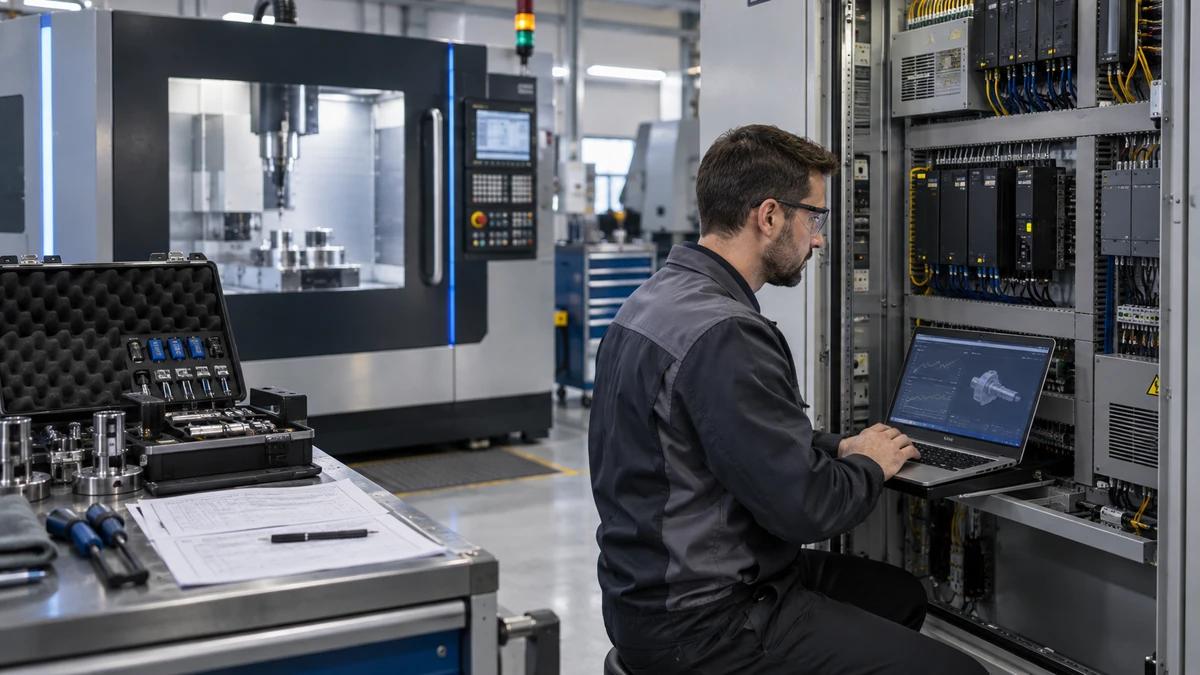
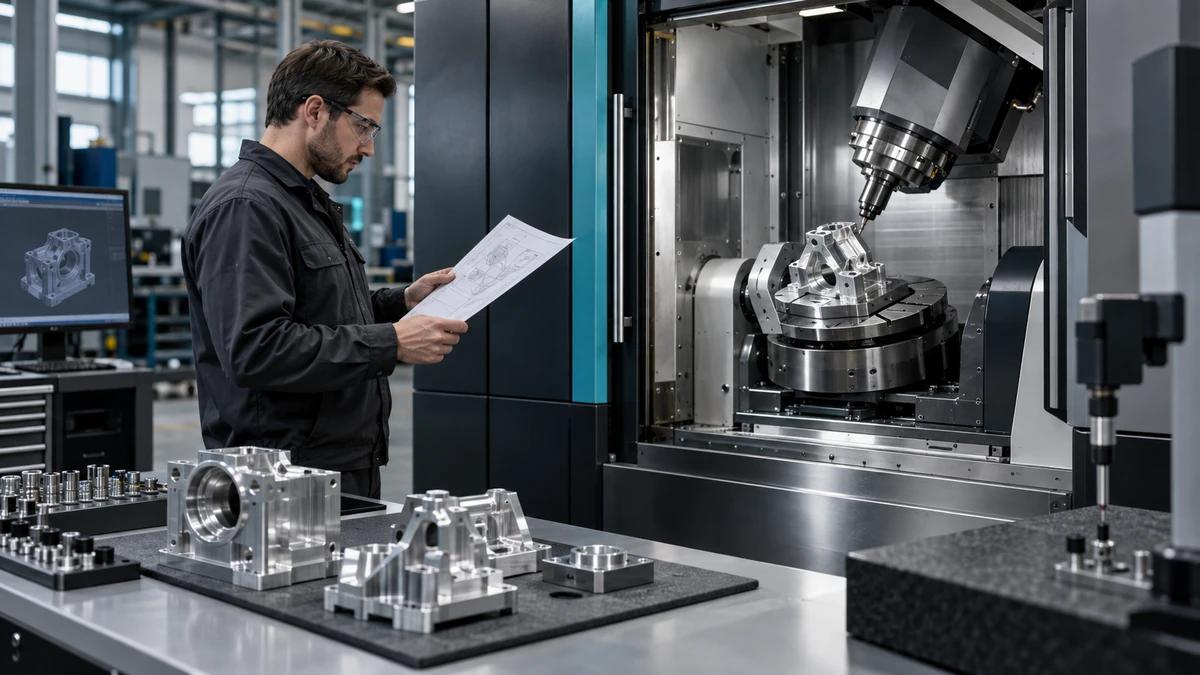
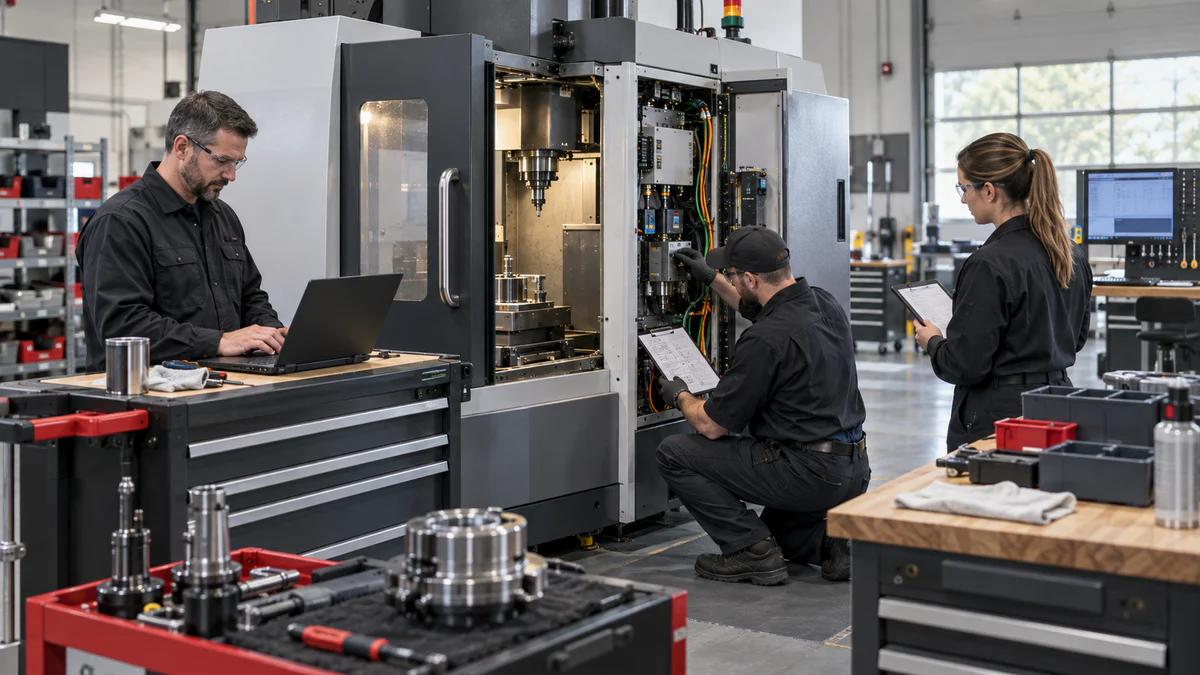
Zhihe CNC follows compressor housing bores, faces, ports, datum relationships, chips and inspection along an air-path stack. A CNC machining center for compressor housings decision should connect the declared part family to setup, tools, support work, inspection, recovery and a stated commercial boundary. The strongest evidence is reproducible by the receiving team and transparent about what has not been tested.
Stage 1: Incoming Housing and Datum Creation
Start at the Functional Air Path
Map inlet, outlet, bore families, sealing faces, ports, threads and mounting interfaces. Mark which relationships control assembly or airflow, while keeping system-level pressure, leak and performance tests separate unless contracted.
A CNC machining center for compressor housings should be evaluated on related features, not isolated diameters. Zhihe CNC keeps the functional map with the drawing revision so a program change cannot silently break a cross-feature requirement.
Characterize the Incoming Housing
Record material, casting or billet revision, lot, stock range, flash or trim state, visible defects and critical surfaces. Define what may be cleaned or corrected before machining and who approves an exception.
Use representative and boundary inputs in the trial. If stock or seating exceeds the declared envelope, stop and escalate rather than improvising an undocumented route.
Build the Primary Datum Stack
Define supports, locators, clamps, cleaning, probe points, work offsets and datum creation sequence. Check whether the fixture references a stable machined feature or an incoming surface with known variation.
Repeat unload and reload, then inspect the same reference features. Separate seating, fixture, cutting and measurement effects before changing several variables.
The Air-Path Stack
| Stack layer | Buyer question | Evidence |
|---|---|---|
| Casting or stock | What variation enters the fixture? | Lot and receiving record |
| Datum | Which features establish the air path? | Fixture and probing plan |
| Bores | Are related diameters and axes controlled? | Raw aligned measurements |
| Interfaces | Do faces, ports and threads meet their role? | Feature release file |
| Recovery | Can the route restart without losing identity? | Hold and restart record |
Protect Bore Relationships
For related bores, record diameter, axis, position, depth, tool assembly, temperature context and inspection alignment. The first bore may pass while coaxiality or a downstream relationship fails.
Preserve raw data by housing identity and fixture state. A CNC machining center for compressor housings should prove the declared bore family around a normal tool event, not only with a fresh tool.
Release Faces, Ports and Threads Separately
Give sealing faces, mounting faces, ports, holes and threads their own feature records. State burr, depth, entry, surface, gauge and cleanup. A correct face does not prove its port or thread.
Keep drilling and tapping evidence separate. If a port intersects a bore, define chip removal and inspection of the relationship.
Trace Chips Through the Housing
Map chip traps in cavities, intersecting holes, fixture ledges and sealing areas. Define coolant, washdown, filtration, brushing, flushing, drying and safe access.
Observe cleaning through a complete production window. Count the time and identify the evidence that closes cleanliness before measurement or downstream testing.
Separate Machining From System Tests
State which dimensions, surfaces, threads and cleanliness checks machining releases. Identify pressure, leak, flow, balance or assembly tests as separate stages with their own equipment and authority.
Zhihe CNC avoids presenting a machining sample as proof of compressor system performance. Clear boundaries protect both the buyer and supplier.
Stage a Housing Hold
Use a planned inspection hold or tool-life event. Record housing identity, machine state, affected features, containment, correction, retest, disposition and restart owner.
Do not create unsafe conditions. Demonstrate the backup, program, offset, gauge and permission route needed for a normal restart.
Housing Review Gates
| Gate | Decision | Owner |
|---|---|---|
| Incoming | Stock is inside the declared envelope | Engineering |
| Machining | Related bores and interfaces pass | Production and quality |
| Cleaning | Chip-removal evidence is complete | Production |
| Handoff | System-test boundary is accepted | Buyer and supplier |
Stage 2: Production and Commercial Closure
Calculate Accepted Housing Hours
Count receiving, setup, probing, cutting, tool changes, chips, cleaning, inspection, holds, rework, maintenance and released housings. State the part mix and external test queue.
Compare a frequent housing and a boundary housing. Identify whether incoming variation, fixture work, tools, inspection or downstream tests control output.
Freeze the Air-Path Handoff
Transfer the functional map, lot, fixture, datum, tools, programs, offsets, inspection, cleaning, held work, backups and test boundary. Keep effective revision and owner visible.
Reopen affected evidence after changes to housing, material, fixture, bore, tool, program, gauge, cleaning or test.
Build a Bore-Family Passport
Give every housing a traceable link to lot, fixture, datum, program, tool assemblies, offsets, bore measurements, cleaning and disposition. Group results by bore family so a later hold can identify the features and quantity at risk without quarantining unrelated work.
Compare early, middle and late housings around a planned tool event. Preserve the same inspection alignment and fixture identity. This shows whether the CNC machining center for compressor housings route remains stable through a normal production change.
Review the Housing Interface With Assembly
Invite the downstream assembly or test owner to review sealing faces, locating features, ports and cleaning handoff. Confirm which surfaces may be touched, protected or re-cleaned and which test results remain outside machining acceptance.
Record interface, requirement, evidence, owner and due date. A shared register prevents machining, assembly and test teams from assuming that another group owns an unresolved condition.
Carry the Evidence Into the Purchase Order
Attach the offered configuration, representative and boundary part conditions, fixture assumptions, critical tool assemblies, inspection route, accepted-time definition, training, spares, service contacts and exclusions. Tie payment or acceptance milestones to named evidence instead of calendar dates alone. For the CNC machining center for compressor housings decision, keep every unresolved interface visible as a blocker, accepted limitation or dated deliverable with an approval owner.
Schedule a review after installation, the first accepted part, a normal tool-life event and the first representative production window. Compare the delivered setup, access, chips or cleaning, gauges, maintenance, held work and released output with the purchase file. Close each difference with repeated evidence, an accepted operating limitation or a dated action. Preserve the previous revision so later improvements remain traceable and no team silently changes the commercial boundary.
Bore-Family Evidence Register
| Lane | Minimum record | Reopen when |
|---|---|---|
| Part | Representative and boundary features | Drawing, material or mix changes |
| Setup | Fixture, datum, tools, offsets and program | Fixture, holder or software changes |
| Quality | Gauge, sampling, raw data and disposition | Gauge or acceptance rule changes |
| Output | Complete time and released quantity | Labor, batch or support assumptions change |
Cost the Complete Housing Route
Build a ledger for incoming checks, fixture preparation, tool presetting, probing, cutting, cleaning, bore inspection, held-work review, maintenance and downstream test queues. Use declared volume and mix; do not create a speculative payback number.
Compare accepted housing hours across representative and boundary inputs. The largest opportunity may be casting control, gauge availability or cleaning rather than a faster spindle.
Close the 30-Day Housing Review
After the first production month, compare actual stock variation, seating, tool events, chips, cleaning, inspection and released quantity with the accepted route. Classify every difference as correction, limitation, training need, spare requirement or future improvement.
Keep open items visible with evidence, owner, due date and release authority. Preserve the original acceptance file so improvements do not erase the conditions behind the purchase decision.
Compressor Housing Buyer FAQ: CNC machining center for compressor housings
Why map the air path first?
It shows which bores, faces, ports and threads must remain related for the declared assembly.
What incoming variation matters?
Material, lot, stock, casting trim, flash, defects and seating surfaces can affect the route.
Why measure related bores together?
Individual diameters can pass while axes, positions or datum relationships fail.
Does machining prove compressor performance?
No. Pressure, leak, flow, balance and assembly need separate contracted tests.
How should chips be removed?
Define coolant, washdown, flushing, brushing, drying, inspection and ownership.
How does Zhihe CNC calculate output?
Zhihe CNC includes complete support work and released housings under declared conditions.
What belongs in a housing hold?
Identity, state, affected features, containment, correction, retest, disposition and owner.
Why test tool replacement?
It verifies that preset, offsets and bore inspection can restore the approved route.
When should evidence reopen?
After changes to housing, material, fixture, tools, program, gauge, cleaning or tests.
What should buyers send?
Send housing CAD, material, bore stack, faces, ports, volume, gauges and test boundaries.
Implementation Review
Convert the accepted CNC machining center for compressor housings route into a short first-shift checklist. Confirm drawing revision, material or stock, setup identity, tools, program, gauge, cleaning or chip route, hold authority and escalation contact. Keep the checklist at the machine and in the shared quality file so a trained operator can follow the release logic without reconstructing the trial from scattered messages.
After the first representative lot, compare actual setup, support work, tool events, inspection queue, held quantity, rework and released output with the accepted route. Preserve the original record and mark each difference with evidence, owner and date. This keeps a practical improvement from becoming an undocumented capability claim and gives Zhihe CNC a focused basis for follow-up.
Keep the Final Approval Traceable
Before commercial release, ask purchasing, engineering, production, quality and maintenance to confirm their evidence location and remaining concern. Record the final reviewer, approval authority, effective revision and next review date. This short approval record keeps the technical route usable after the original sourcing meeting ends.
If a later change affects only one feature, interface or support assumption, repeat the smallest sufficient evidence and preserve the unaffected results. Do not overwrite the original file. A proportional change route reduces unnecessary retesting while protecting the conditions behind the accepted machine and process decision.
Bring the Decision to Zhihe CNC
Send Zhihe CNC controlled drawings or CAD, material and stock, critical features, annual volume, batch mix, fixture ideas, tool constraints, inspection methods, site conditions and service region. Review the Zhihe CNC product portfolio, the company and factory profile, and the engineering inquiry route. For CNC machining center for compressor housings, request a dated configuration, representative trial, acceptance boundary, open-assumption list and named support owner.
Reference Boundary
The ISO machining-centre reference and the OSHA machine-guarding guidance provide testing or safeguarding context. They do not replace drawing-specific acceptance, local risk assessment, product certification, regulatory release or the buyer's operating procedures.