Why a horizontal CNC machining center changes the conversation for automotive parts
When buyers start looking for a CNC machining center for automotive parts, they are usually not shopping for a machine in the abstract. They are trying to solve a production problem: too many setups, chips building up in awkward pockets, unstable cycle times, or parts that need machining on several faces without constant manual handling. That is where a horizontal machining center earns its place on the shop floor. For automotive programs, especially serial production, the machine’s layout can matter as much as spindle power or controller choice.
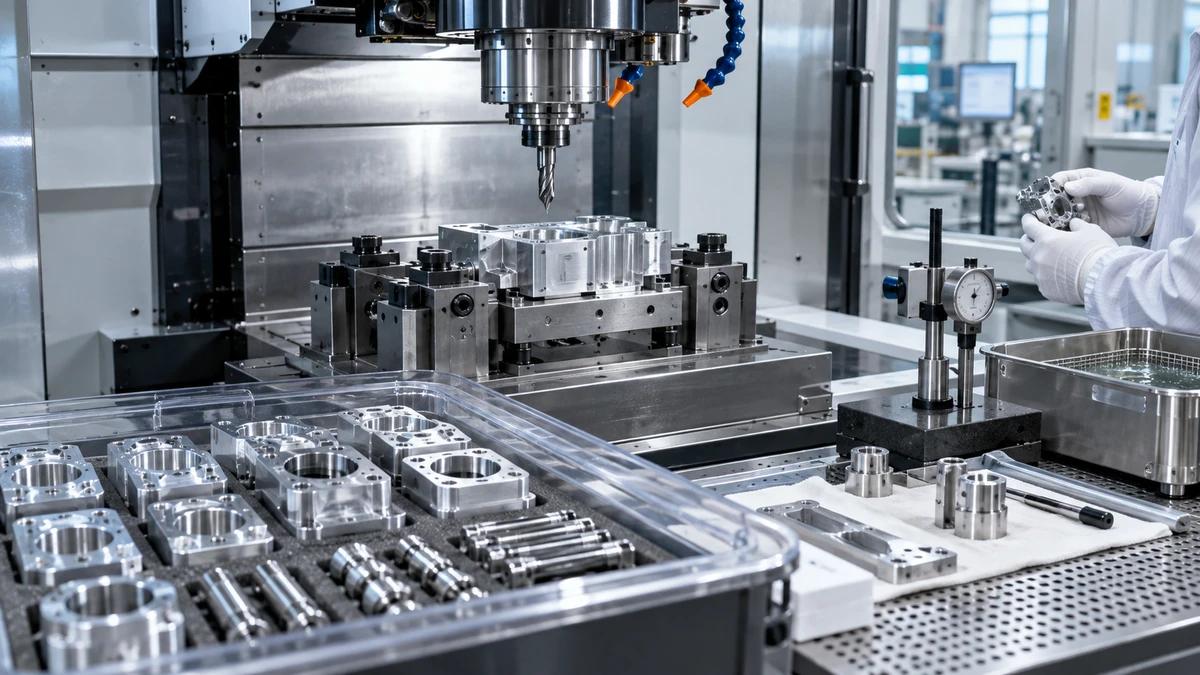
A horizontal machine is not automatically the right answer for every part. But for prismatic components, housings, brackets, manifold-style bodies, and other workpieces that benefit from multi-face machining, the format can improve chip evacuation and reduce the number of times an operator has to touch the part. In automotive CNC machining, that tends to translate into more stable throughput and fewer small errors that creep in during repeated clamping.
What the horizontal layout brings to automotive production
The key advantage is simple: gravity works with the machine instead of against it. In horizontal machining, chips fall away from the cutting zone more naturally, which helps when you are milling pockets, drilling deep holes, or tapping on parts that tend to trap swarf. That is not a glamorous benefit, but it is a practical one. Anyone who has watched chips pack around a fixture knows how quickly a promising cycle can turn into a nuisance.
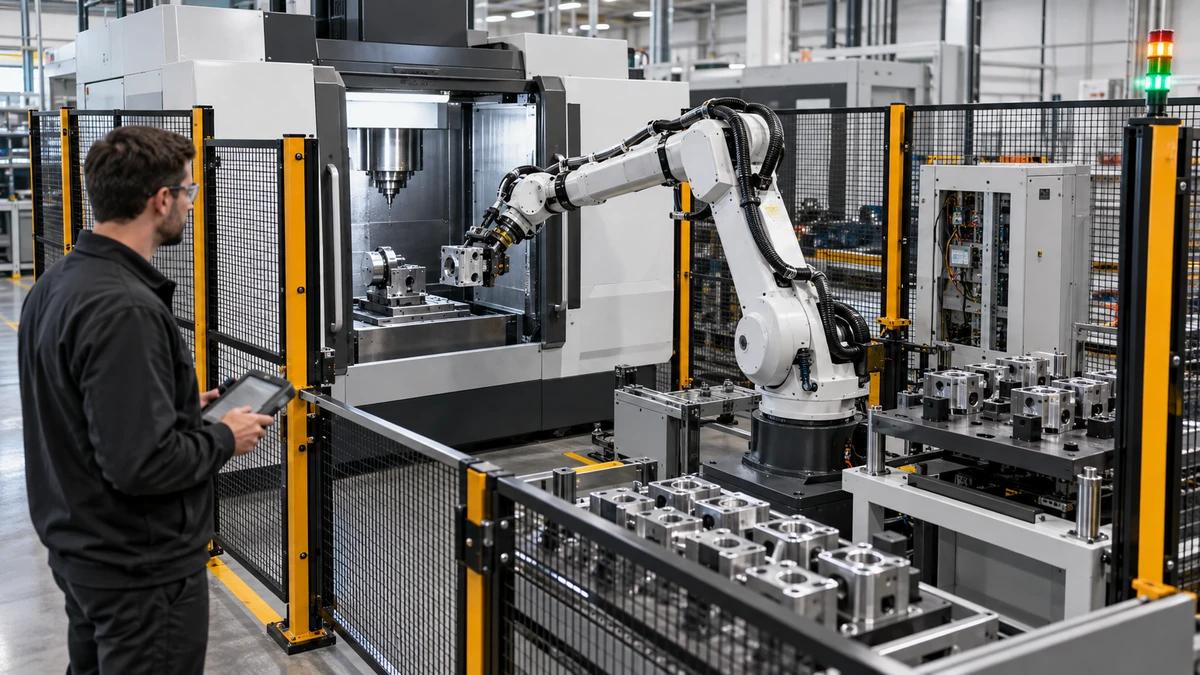
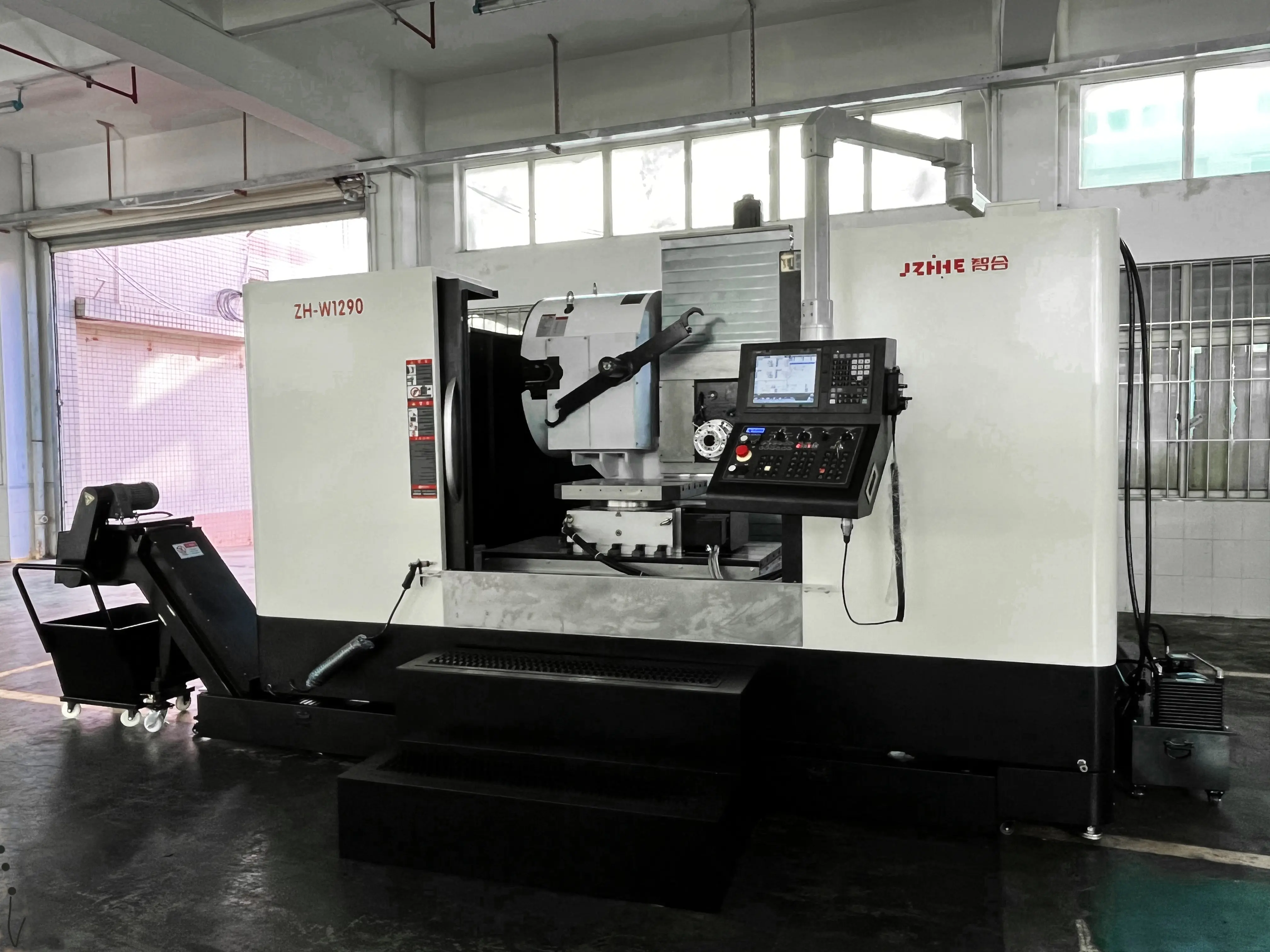
The machine described here, marked ZH-LW1075, is an enclosed horizontal CNC metal-cutting machine tool with a front access opening, an external control panel on an articulated arm, and a chip conveyor visible on the side. Those are sensible features for production work. The enclosed chamber helps contain chips and coolant, while the chip-handling unit supports longer unattended runs. For buyers evaluating CNC milling for automotive components, these are not minor details; they directly affect housekeeping, operator effort, and day-to-day consistency.
Where automotive parts benefit most
Horizontal machining centers are often chosen for parts that need multiple operations with repeatable location control. In automotive work, that can include metal housings, mounting blocks, transmission-related components, structural brackets, and similar items produced in batches. If a part requires machining on more than one face, a horizontal setup can cut down on the number of re-clamps. Fewer setups usually mean fewer opportunities for stack-up error.
Zhongshan Zhihe CNC Technology Co., Ltd. positions its machines for drilling, tapping, milling, multi-face machining, mold work, and batch production. That range makes sense for automotive supply chains, where the same platform may be asked to handle both steady-volume parts and mixed-job shop work. The company also notes that it can recommend models based on workpiece geometry, material, accuracy needs, and capacity requirements. That kind of application support matters more than buyers sometimes admit. A machine that looks strong on paper can still be the wrong fit if the fixture strategy is weak or the work envelope is mismatched.
How to evaluate a machine for your line
Start with the part, not the brochure.
1. Match the machine to the part family
If your automotive parts are mostly plate-like, block-like, or need access from several sides, a horizontal machining center is worth serious attention. If your work is mostly very tall, thin, or irregularly shaped, you may need a different configuration. The exact axis count, table size, spindle speed, and tool magazine capacity for this model are not provided, so buyers should request those details before drawing conclusions.
2. Look at fixturing and pallet logic
Horizontal production often pays off when paired with good fixture design and pallet-based workflow. Even without a pallet changer, the machine can still support efficient serial work if the clamping is well thought out. But if changeover is frequent, ask how the line will be staged. A machine can be mechanically capable and still lose time in the wrong fixture arrangement.
3. Inspect chip management early
In automotive CNC machining, chip evacuation is not a side issue. Deep pockets, cast surfaces, and aggressive roughing can create more mess than expected. An integrated chip conveyor is a positive sign, though the real test is whether the machine keeps the cutting area clean under your own part geometry and coolant conditions.
Common buyer mistakes
One frequent mistake is overvaluing machine size and undervaluing process fit. Another is assuming that any horizontal machine will automatically solve throughput problems. It will help only if your part mix matches the machine’s strengths. A third mistake is skipping the trial cut or fixture review. Zhongshan Zhihe notes that it can support test cutting and process recommendations, which is exactly the sort of step that should not be rushed.
Also, do not treat automation as an all-or-nothing decision. A machine may be manually loaded at first and still make sense for future scale-up. Just make sure the base configuration does not box you in.
What this type of machine is really buying you
For sourcing managers and manufacturing engineers, the decision is rarely about owning the most advanced machine on paper. It is about stable output, acceptable setup time, and a workable route to repeatable quality. A well-matched CNC machining center for automotive parts should reduce handling, support multi-face machining, and keep the cutting zone cleaner than a vertical setup would in similar conditions. That is the practical value.
Zhihe’s broader product range includes vertical machining centers, gantry machines, drilling and tapping centers, CNC milling machines, and five-axis models. That breadth can help a buyer compare options instead of forcing every job into one machine type. For a factory building an automotive process plan, that flexibility is useful.
Next step for buyers
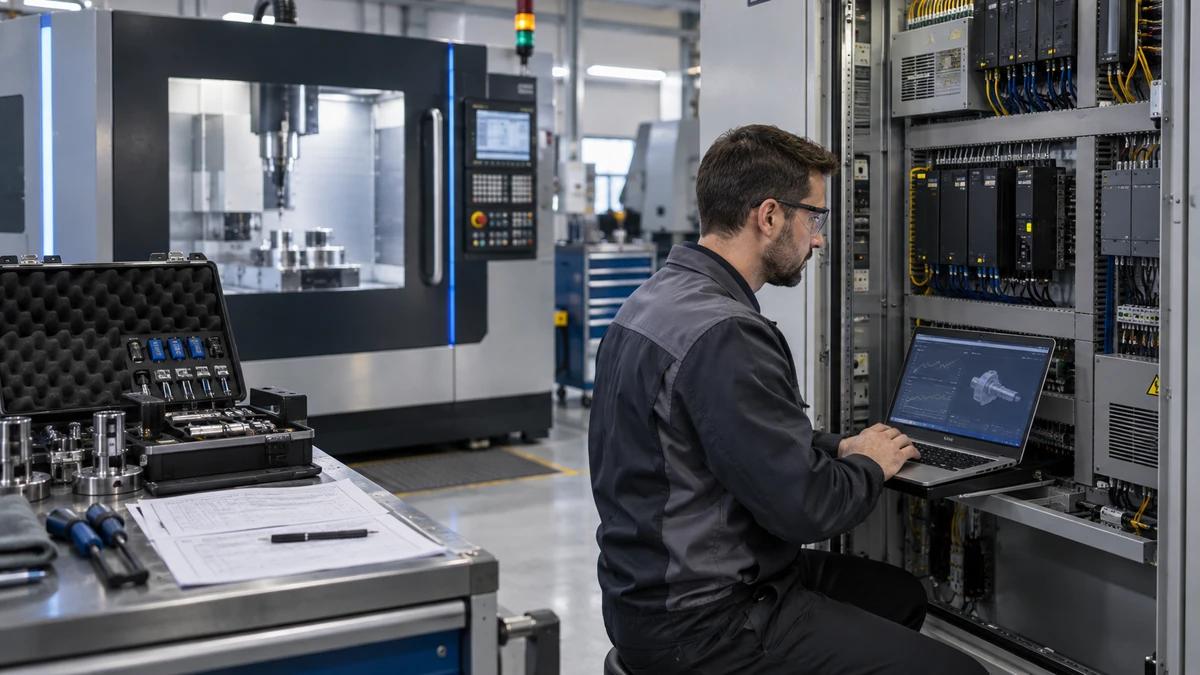
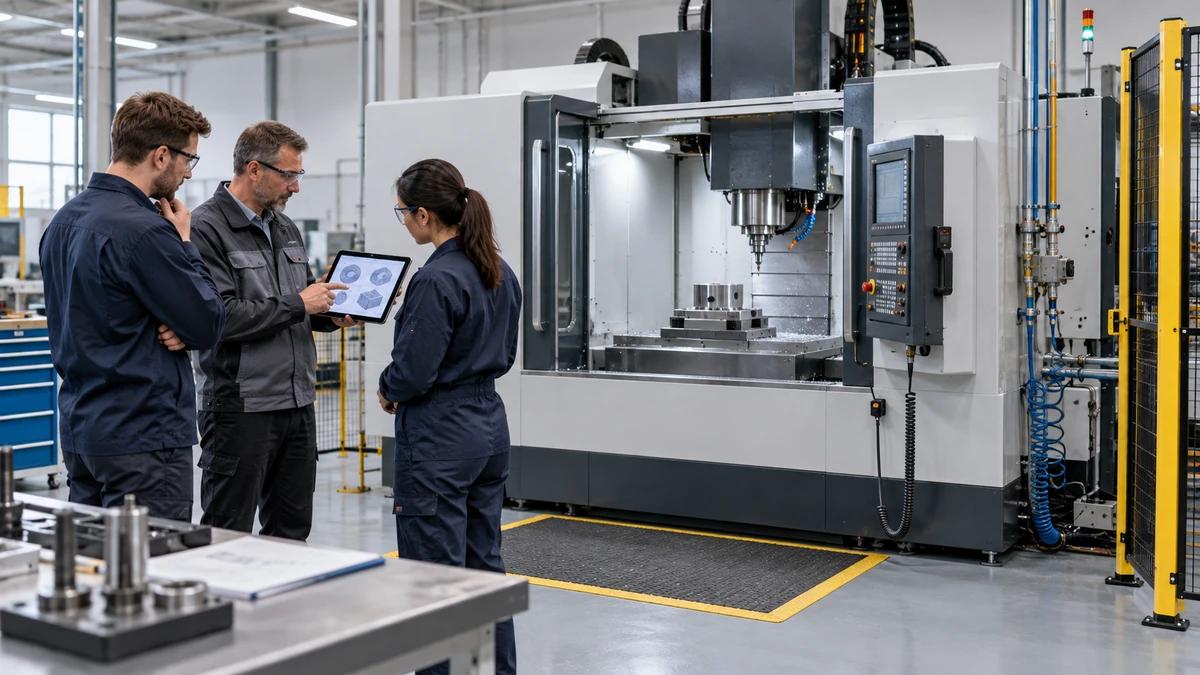
If you are comparing models for automotive production, prepare a part drawing, material data, dimensions, accuracy targets, and estimated output volume before you ask for a quote. That is the fastest way to get a meaningful recommendation instead of a generic machine list. If the part family is suitable for horizontal machining, ask for fixture ideas, control system options, and a trial-cut discussion before committing. Those early questions usually reveal more than a glossy spec sheet ever will.
For teams evaluating a horizontal machine like the ZH-LW1075, the real test is simple: can it machine your part family repeatedly, cleanly, and with less handling than your current setup? If the answer is yes, you are looking at a machine that may earn its floor space quickly.