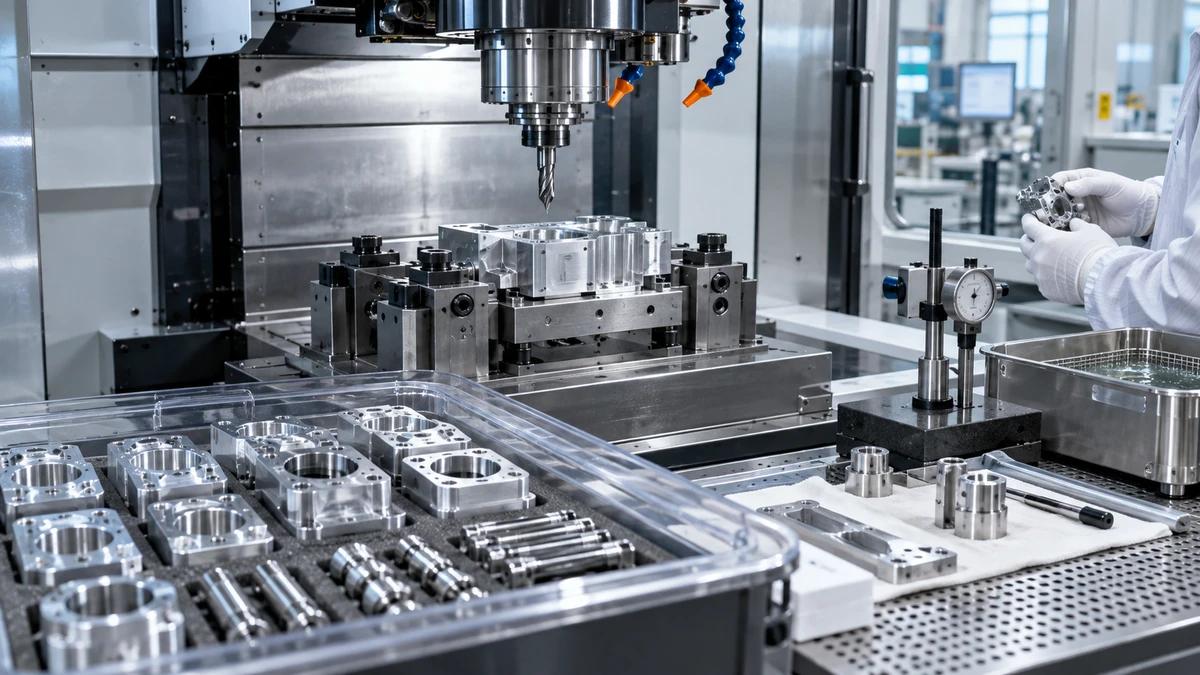
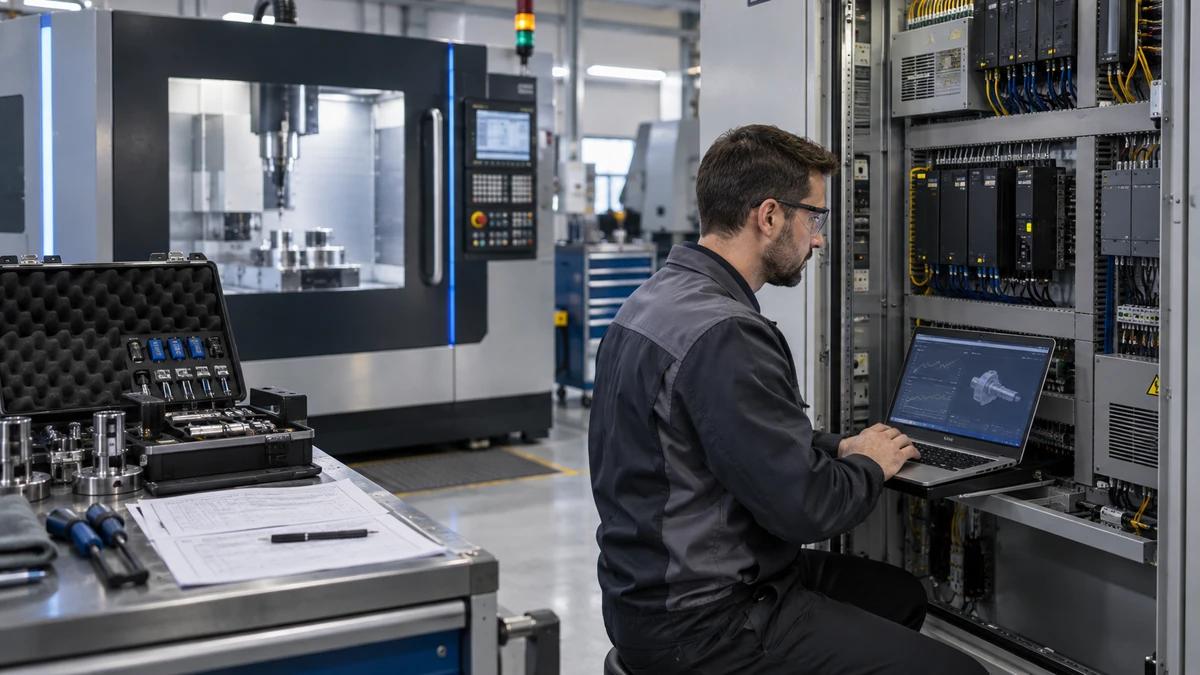
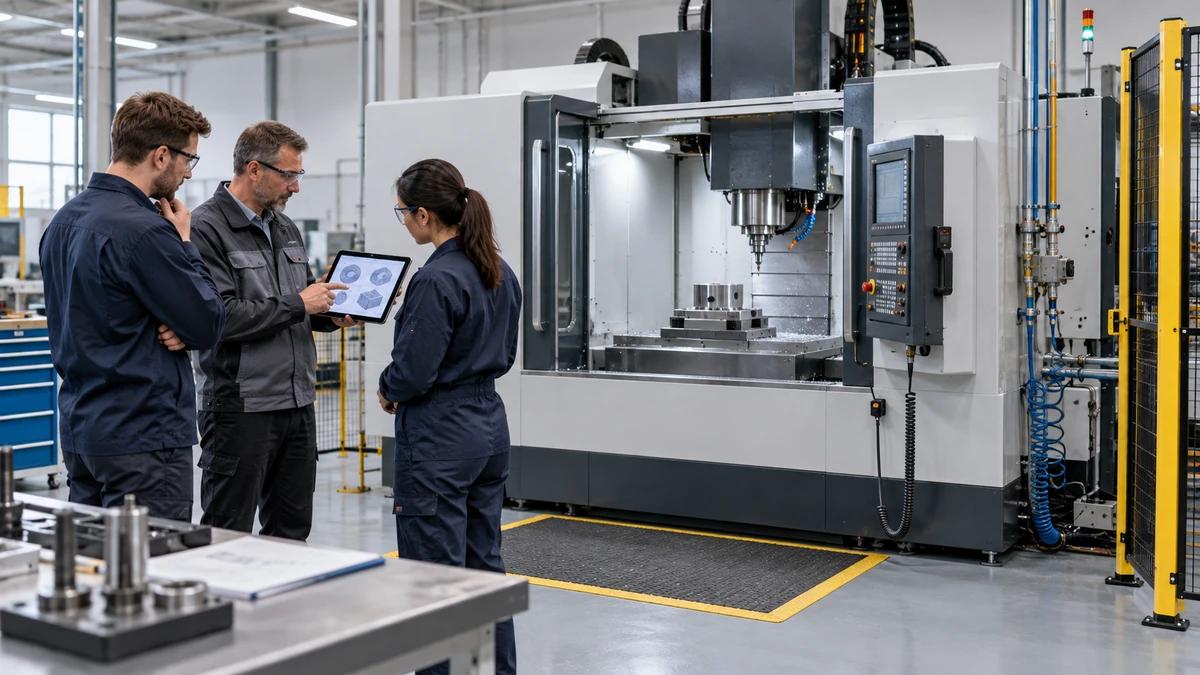
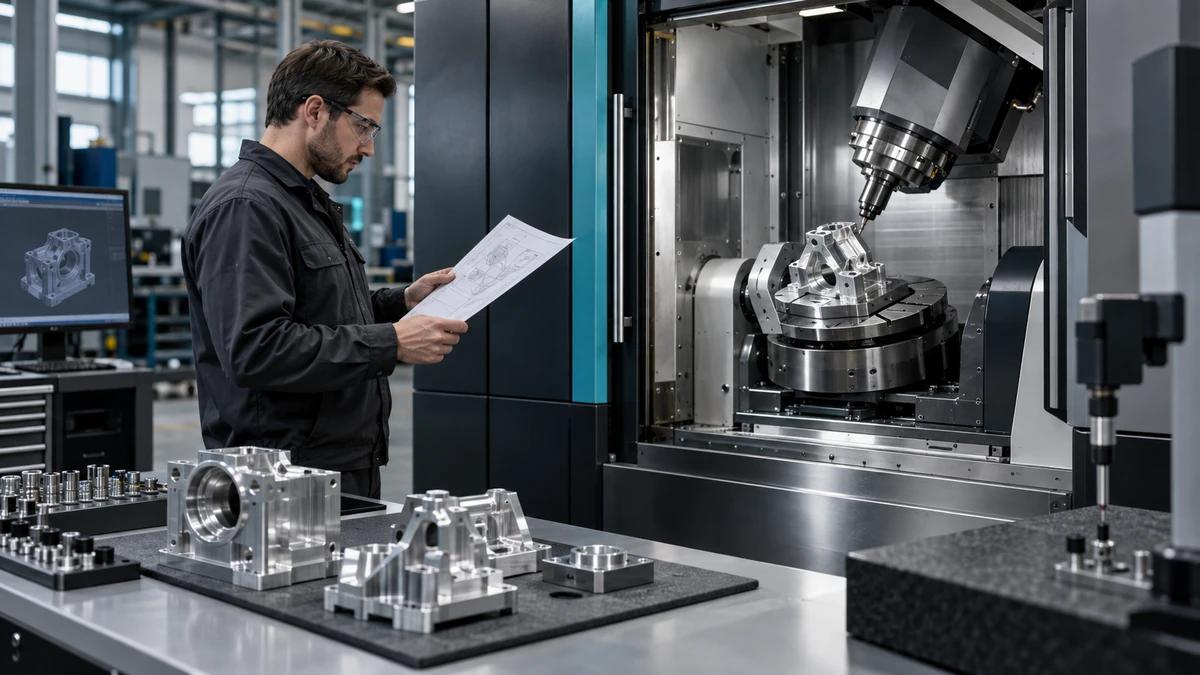
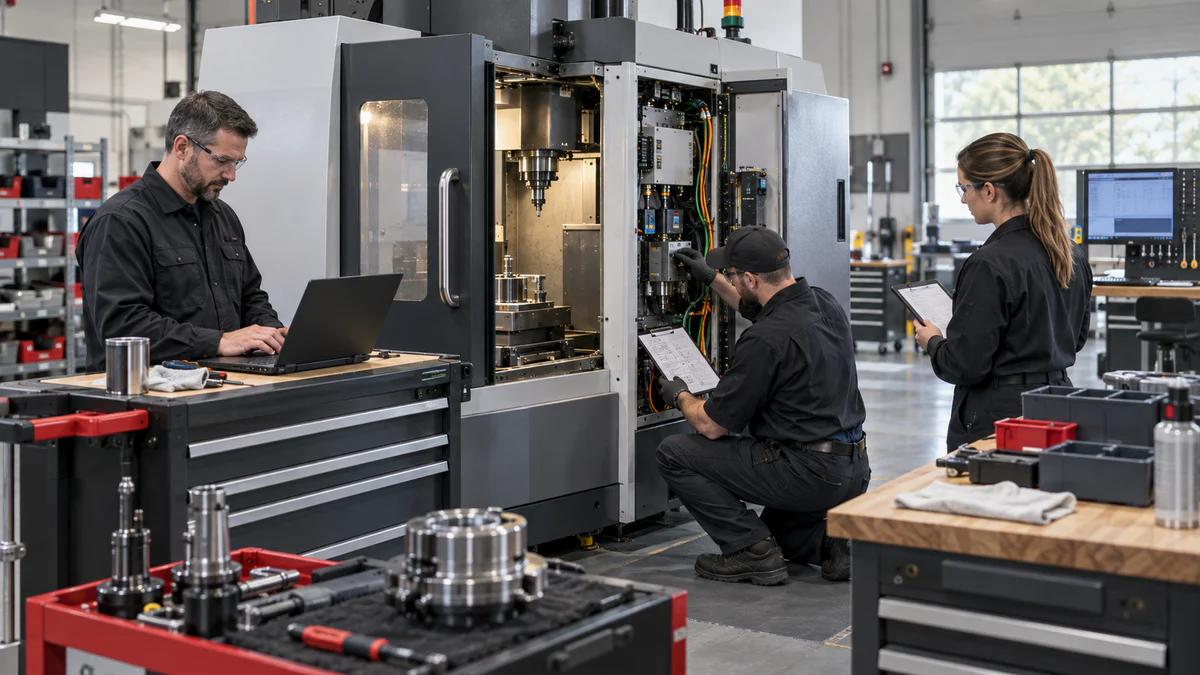
A CNC machining center for medical parts must be evaluated through controlled evidence from released design inputs to accepted components, not through a generic precision claim. Zhihe CNC uses an evidence ladder covering revision, material, setup, tools, programs, cleanliness, inspection, exceptions, and change control.
This guide addresses machining capability for components used in medical equipment and related supply chains. It does not certify a device, validate a regulated manufacturing system, or replace the buyer's quality, risk, regulatory, sterilization, biocompatibility, and product-release responsibilities.
Rung 1 — Freeze the Intended Component Scope
Index part number, drawing and model revision, material, stock route, dimensions, datums, tolerances, surfaces, threads, edges, cleanliness, marking, traceability, inspection, packaging handoff, volume, and approved deviations. Separate components, prototypes, tooling, and process-development samples.
Zhihe CNC recommends a contradiction check across drawing, CAD, traveler, setup sheet, tool list, program header, inspection plan, and purchase specification before machine selection begins.
Use an Evidence Ladder With Stop Rules
| Rung | Release question | Stop example |
|---|---|---|
| Input | Is one revision approved? | Drawing and CAD conflict |
| Material | Is stock identified? | Certificate or lot missing |
| Setup | Are datum and fixture controlled? | Unapproved fixture revision |
| Process | Are tools and software released? | Local program change |
| Inspection | Can results be reproduced? | Method undefined |
| Output | Is disposition complete? | Held part mixed with accepted work |
A missing rung blocks release even when the machine can physically cut the feature.
Rung 2 — Preserve Material and Stock Identity
Record material specification, supplier, certificate, lot, condition, dimensions, surface, preservation, storage, blank process, and any customer-owned traceability. Define how remnants, cut blanks, work in process, and samples retain identity.
A CNC machining center for medical parts cannot repair a broken identity chain. The buyer must decide which material controls and records apply to the product and quality system.
Rung 3 — Approve Datum and Workholding Logic
Document primary, secondary, and tertiary location; fixture revision; contact and clamp surfaces; torque or force where controlled; loading sequence; deformation risk; access; probing; cleaning; wear checks; maintenance; and replacement. Explain how the part moves between setups without losing feature relationships.
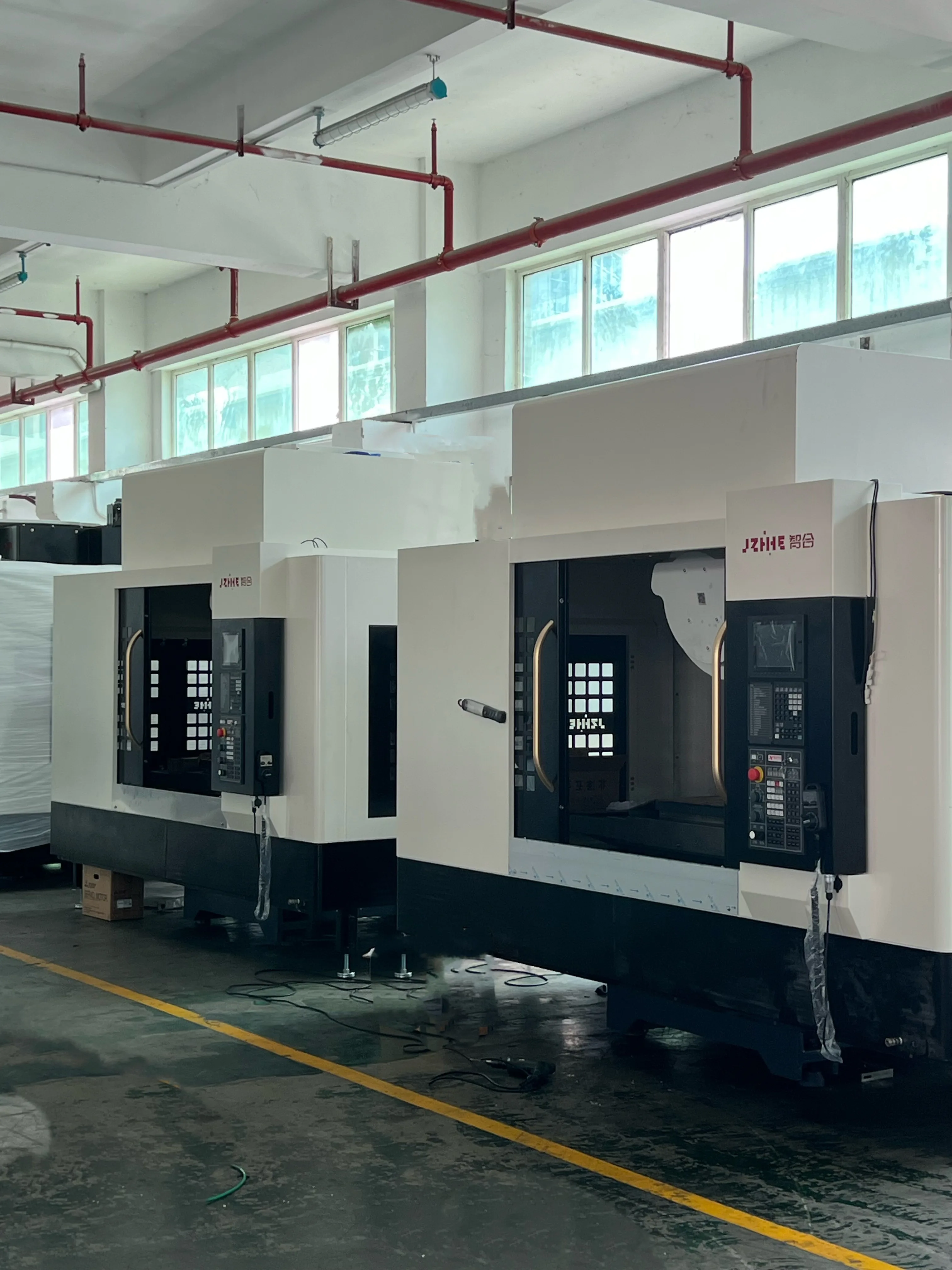
Rung 4 — Lock the Digital and Tool State
Control CAM source, postprocessor, NC program, controller options, parameters, macros, offsets, probe routines, tool assemblies, holders, projection, runout, sister tools, life rules, coolant, deburring, and approved operator adjustments. Back up the released state and mark superseded versions.
Zhihe CNC asks suppliers to demonstrate how a change is requested, reviewed, tested, approved, distributed, and traced to affected work.
Build a Feature-to-Evidence Matrix
| Feature class | Process evidence | Inspection evidence |
|---|---|---|
| Small holes | Tool, runout, breakage control | Size and position method |
| Thin walls | Sequence and support | Restrained and free-state result |
| Fine surfaces | Tool condition and handling | Method and protection |
| Threads | Tool life and chips | Gauge or measured result |
| Edge conditions | Deburr and handling route | Visual or dimensional criteria |
The matrix should state who owns each acceptance decision.
Rung 5 — Control Cleanliness Without Making False Claims
Map coolant, chips, burrs, fixture contact, tool residues, wash steps, air use, drying, corrosion protection, containers, handling, and transfer to downstream cleaning. State exactly which cleanliness step belongs to machining and which belongs to another validated process.
Do not describe a normal machine enclosure as a cleanroom or imply sterilization. Zhihe CNC limits claims to the defined delivered equipment and witnessed process conditions.
Rung 6 — Make Measurement Reproducible
Define characteristic, datum alignment, instrument, calibration, resolution, environment, temperature, cleaning, restraint, sampling, decision rule, data format, reviewer, and response to an uncertain result. Include method capability where the buyer's quality plan requires it.
Inspection cannot be an afterthought to a short cycle. Gauge access, queue time, programming, fixtures, and trained personnel belong in the capacity model.
Rehearse a Controlled Change
Select a safe planned change such as a new tool lot, fixture replacement, program revision, material lot, or measurement update. Before release, identify affected documents, risks, trials, sample, limits, approvers, training, and traceability. Confirm that old versions cannot return through local storage or printed sheets.
The rehearsal shows whether the evidence ladder survives normal production evolution rather than only an ideal first article.
Design a Traceable Acceptance Trial
Freeze part, revision, material and lot, stock, fixture, tools, programs, controller state, coolant, thermal sequence, cleanliness handoff, measurement, sample size, limits, exceptions, and retest. The ISO 10791 series reference gives machining-centre test context. Buyer-specific quality and regulatory owners must define any additional requirements.
Review one normal route and one controlled hold-and-recovery route.
Keep Safety and Compliance Claims in Their Lanes
The ISO 16090-1 search reference offers safety context for machining centres. The delivered assessment must cover fixtures, small or sharp work, tools, doors, interlocks, ejection, chips, coolant, access, maintenance, cleanout, recovery, and applicable local requirements.
Machine safety evidence does not certify the medical component or finished device.
Audit One Accepted Part and One Exception
For the accepted part, trace revision, material, setup, program, tools, offsets, inspection, deburring, cleaning handoff, marking, records, and release. For the exception, trace detection, containment, affected quantity, preserved evidence, investigation, disposition, correction, retest, and authorization.
Compare the physical labels and files with the current controlled system. A complete form is not evidence if it names the wrong revision, lot, instrument, or process state.
Zhihe CNC recommends tracking accepted output alongside setup, proving, cutting, tool events, inspection wait, cleaning, rework, scrap, maintenance, and recovery. This prevents speed improvements from hiding a capacity loss downstream.
Schedule periodic ladder audits and reopen affected rungs after material, supplier, part, fixture, tool, software, coolant, measurement, site, staffing, or maintenance changes.
Stress-Test the CNC Machining Center for Medical Parts With a Revision Drill
Prepare two clearly identified revisions of a representative component, but authorize only the current one for machining. Place the obsolete drawing, model, program, setup sheet, or inspection file in the same controlled test environment without making it available for normal production. Ask the team to retrieve the job, verify the released package, and explain how superseded data is blocked.
Continue through material issue, fixture selection, tool loading, program transfer, first-piece machining, inspection, and release. At every handoff, confirm that identifiers agree and that local notes or saved offsets cannot silently override the approved baseline. Record who makes each decision and what evidence closes an inconsistency.
The CNC machining center for medical parts should then face a safe mid-route engineering change. Change one defined noncritical process input through the buyer's approved change procedure. Trace impact assessment, revised files, trial scope, sample, inspection, training, distribution, and effective date. Keep pre-change and post-change work physically and digitally distinguishable.
Finish by auditing one accepted result and one held result. The accepted route should connect input, material, machine state, setup, tools, software, measurement, cleaning handoff, and disposition. The hold should preserve the original evidence and affected quantity. This drill demonstrates revision discipline around machining; it does not validate a medical device, replace the buyer's quality system, or establish regulatory compliance.
Keep the drill package with timestamps, approvals, superseded-file evidence, released baselines, affected identifiers, training, inspection, holds, and closure decisions. This allows later auditors to understand what the CNC machining center for medical parts test actually demonstrated and which responsibilities remained with the buyer.
Understand What the Evidence Ladder Does Not Certify
The ladder cannot guarantee device safety, clinical performance, regulatory approval, validation status, sterility, biocompatibility, or conformity. A CNC machining center for medical parts demonstrates defined machining capability under stated conditions. The responsible manufacturer retains product, process, quality, and compliance decisions.
FAQ
What medical scope does this guide address?
It addresses machining capability for defined equipment components and related parts, not finished-device certification.
Why start with revision control?
An accurate part made to the wrong released input is still unacceptable.
How should material identity survive blank cutting?
Use controlled identifiers and records that follow certificates, lots, remnants, blanks, work in process, and samples.
What belongs in the digital baseline?
Include CAM, postprocessor, NC program, controller state, parameters, macros, offsets, probes, and approved revisions.
Does the machine provide a cleanroom process?
Not unless such a system is specifically designed, delivered, qualified, and controlled; normal machining should not be described that way.
Why include inspection time in capacity?
Measurement programming, access, queues, fixtures, instruments, and review can constrain accepted output.
What change should be rehearsed?
Choose a normal controlled change such as a tool lot, fixture replacement, program revision, material lot, or method update.
Does machine acceptance validate the medical process?
No. It contributes defined evidence; the responsible manufacturer determines validation and regulatory needs.
When should a ladder rung reopen?
Reopen affected controls after relevant product, material, supplier, fixture, tool, software, inspection, site, or maintenance changes.
Which medical-part inputs should Zhihe CNC receive?
Send controlled parts, materials, stock, datums, fixtures, tools, quality characteristics, volumes, and inspection plans.
Build the Evidence Ladder With Zhihe CNC
To evaluate a CNC machining center for medical parts, send Zhihe CNC your controlled drawings, CAD, material, stock, datum plan, fixture, tools, critical characteristics, volume, inspection, cleanliness handoff, and change expectations. Review the vertical machining center range, the Zhihe CNC profile, and the contact route before approving the ladder.