The Direct Buyer Answer
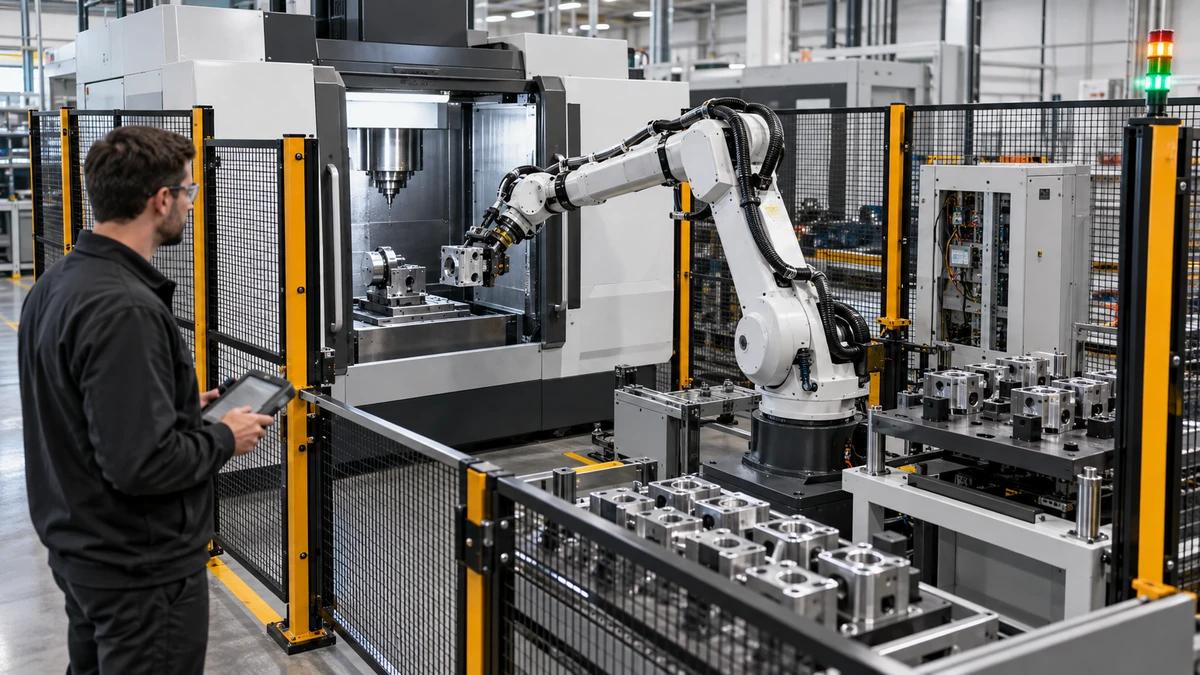
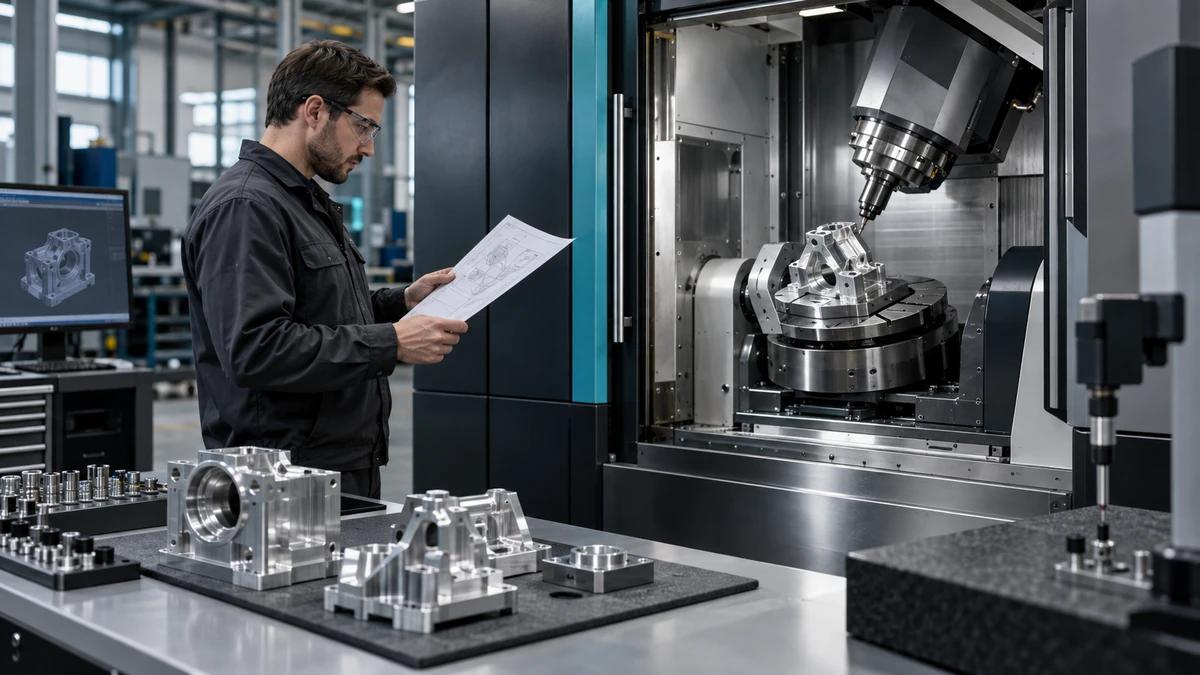
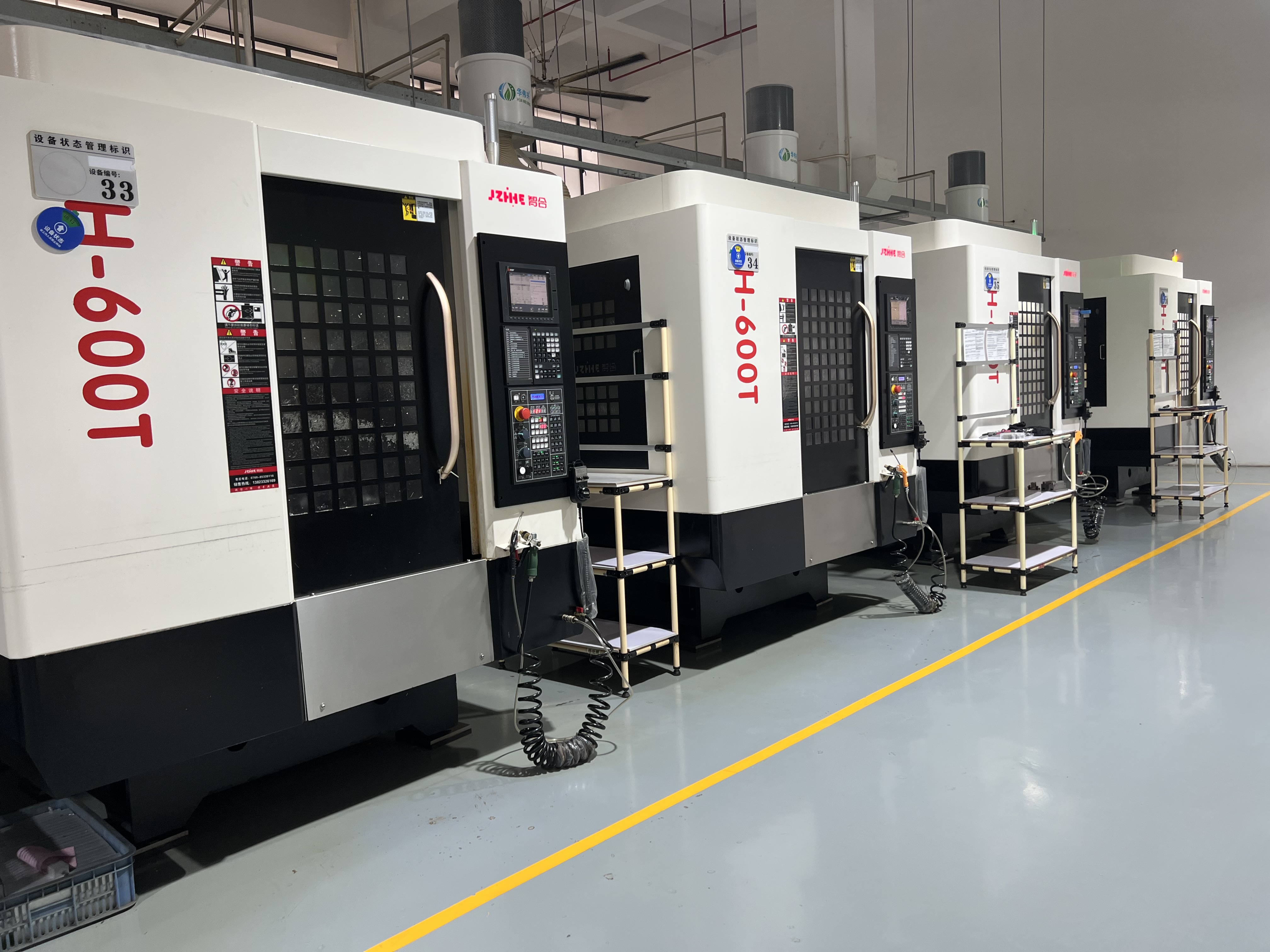
Flatness Is a System. Zhihe CNC links flatness, channel depth, sealing faces, fixture support, chip evacuation and inspection for heat exchanger plates. CNC machining center for heat exchanger plates should be selected from the declared feature family, support route and release evidence rather than from one headline specification.
Decision Map
| Functional face | Flatness, channels, holes and sealing boundary | Feature map |
|---|---|---|
| Support | Stock, backing, clamps and release | Fixture trial |
| Flatness | Datum, sequence, temperature and gauge | Raw measurement |
| Channels | Depth, width, burrs and chips | Feature report |
| Sealing | Face, holes, surface and cleanliness | Interface check |
| Capacity | Complete time and released plate | Ledger |
Start With the Sealing Function
List sealing faces, channel geometry, hole patterns, flatness, parallelism, surface condition and any cleaning or pressure-related downstream requirement. Machining evidence does not automatically certify heat-transfer, pressure or leak performance; it must state where the buyer acceptance begins and ends.
Identify the functional face that controls release. A CNC machining center for heat exchanger plates should be reviewed against the face, channel and hole relationships that the assembly needs, not only against isolated dimensions.
Design the Support Strategy
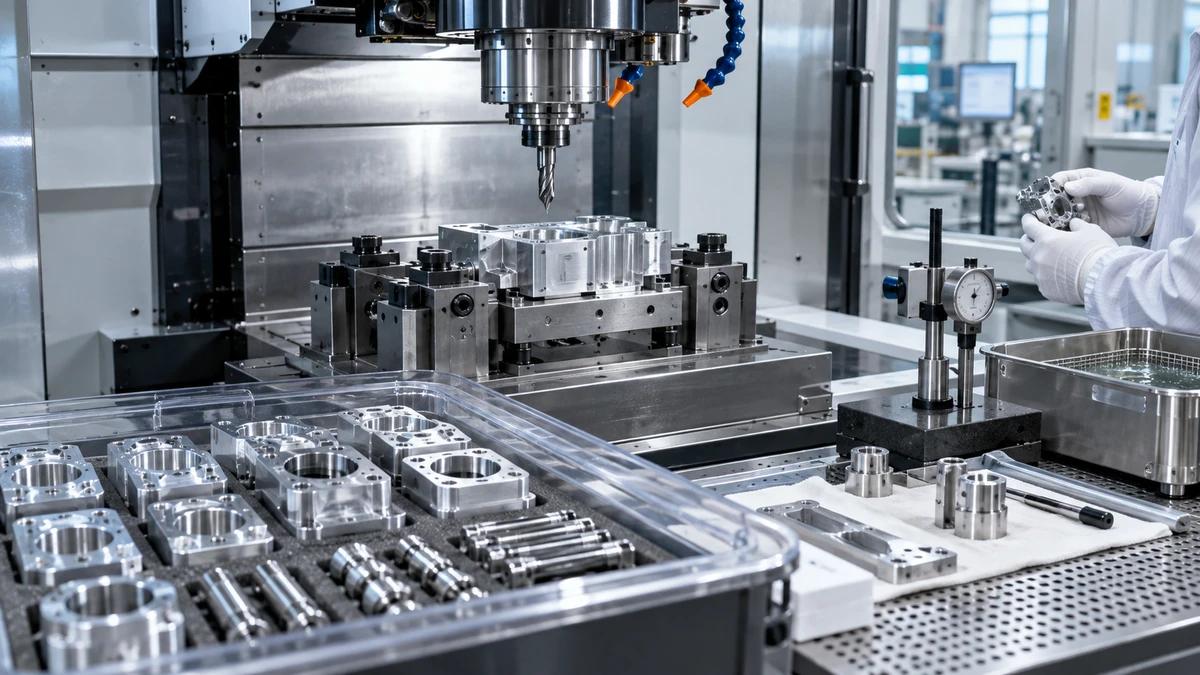
Record stock thickness, backing, support points, clamps, access, cleaning and release sequence. Large plates can move when material is removed or when clamps are relaxed.
Run seating and unclamping observations before final inspection. If flatness changes, separate support, process, thermal and measurement effects. Zhihe CNC keeps the starting condition in the acceptance file.
Balance Material Removal
Separate roughing, channel work, face finishing, drilling, deburring and any permitted secondary operation. State sequence, allowance, tool, coolant and engagement.
Measure marked points after each meaningful stage where practical. This helps locate when the plate begins to move instead of blaming the final pass without evidence.
Protect Channels and Edges
Define channel depth, width, corners, burrs, intersections, chip evacuation and cleaning. Chips or burrs can obstruct flow or change seating.
Observe a full cycle with cleaning and inspection. Record time, ownership and safe access. Do not treat channel cleaning as free support work.
Control Hole and Face Relationships
For mounting and sealing holes, record datum, probing, tool state, position, depth and inspection. A correct hole pattern still fails if the sealing face or datum relationship is wrong.
Keep raw data by plate identity and revision. Repeat affected checks after a fixture, tool or program change.
Use Temperature Context
State warm-up, ambient context, coolant, handling time and measurement timing where flatness or geometry is sensitive. Do not invent a compensation value without evidence.
Compare early and late pieces around a planned event. Explain what was measured and what remains outside the claim.
Build an Interface Inspection
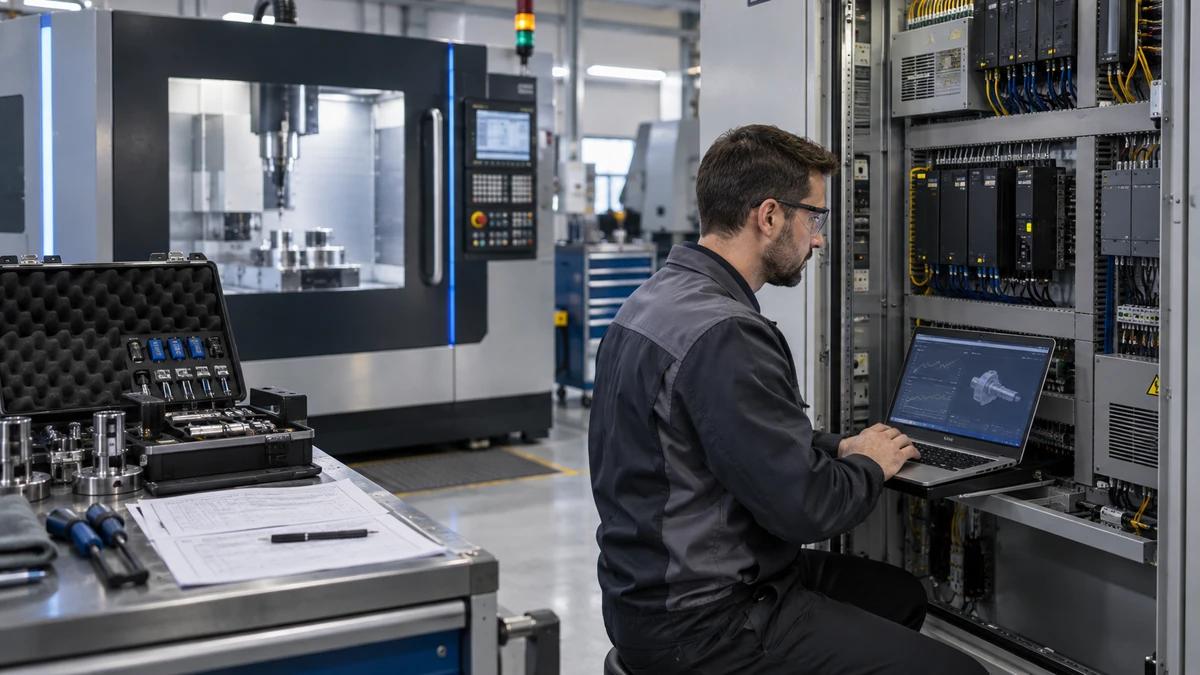
Check flatness, channels, holes, sealing face, burrs, cleanliness and interface fit or gauge route. External pressure or leak tests should be separately identified.
Include handling, queue and release authority if a CMM or external lab is used. A cutting trial is incomplete when release depends on an unowned measurement step.
Run a Planned Hold
Use an inspection hold or tool-life event with safe machine state. Record affected plate, containment, correction, retest, disposition and restart owner.
Review whether the team can recover with delivered tools, documents, gauges and permissions. Keep open limitations visible.
Calculate Released Plate Hours
Count setup, supports, cutting, tool changes, cleaning, deburring, inspection, holds, maintenance and released plates. State batch, staffing and gauge assumptions.
Compare a representative plate and a boundary plate. Identify the queue that limits output and assign an owner.
Freeze the Handoff
Transfer drawing, plate revision, support method, programs, tools, offsets, inspection, cleaning, backups and downstream interface notes.
Reopen affected evidence after changes to thickness, channel, fixture, tool, program, gauge or site.
Protect the Sealing Interface After Delivery
Keep the plate revision, support method, flatness data, channel map, cleaning rule and downstream test boundary together. A CNC machining center for heat exchanger plates is ready only when the interface can be reproduced and inspected by the teams who load the next operation.
Review the baseline after a fixture, thickness, channel, tool, gauge or measurement change. Repeat affected points, name the effective revision and preserve the previous file so the CNC machining center for heat exchanger plates evidence remains traceable.
Commercial Close
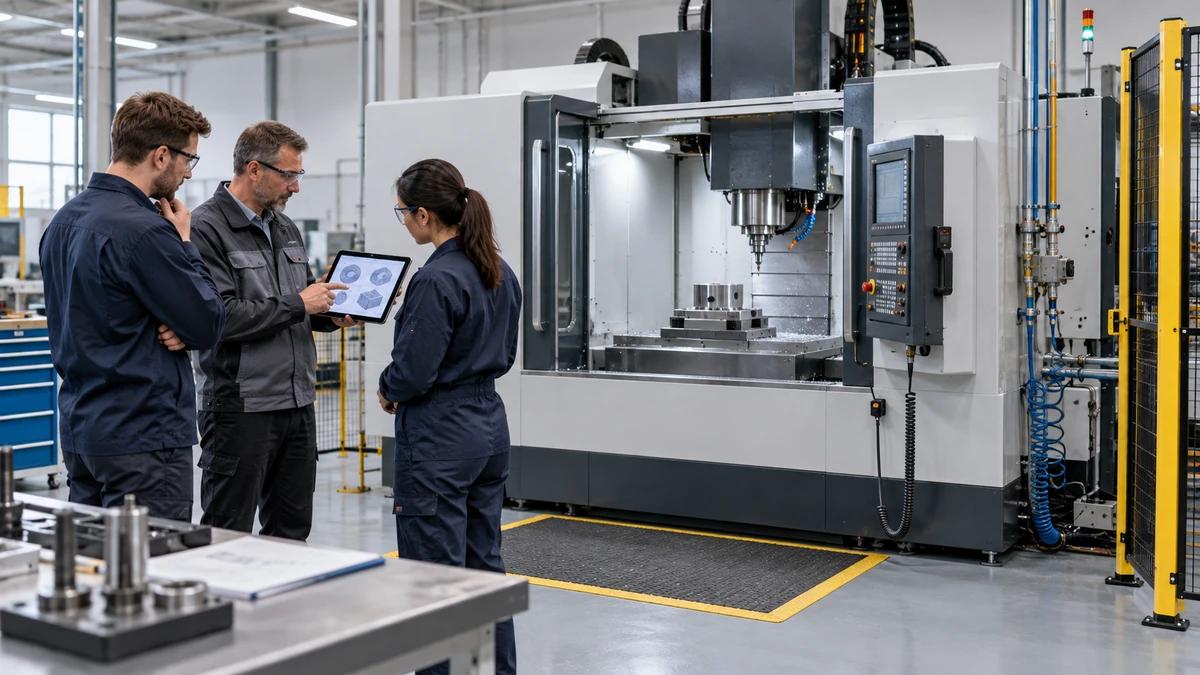
Before the order is released, align purchasing, applications, quality, production, maintenance and service on the tested condition. The CNC machining center for heat exchanger plates route should show the accepted part family, material or stock range, fixture state, tool assemblies, inspection method, complete time definition and restart owner. If one item remains open, label it as a blocker, accepted limitation or dated deliverable instead of hiding it in a general note.
After the first representative lot, compare actual setup, support work, tool events, inspection queue, held work and released output with the trial. Keep the original evidence and add a dated review. Zhihe CNC uses this review to decide whether the CNC machining center for heat exchanger plates baseline is ready for reuse, needs a focused repeat test or should remain limited to the tested configuration.
Operating Review
Give the receiving team a short review sheet with the tested condition, the first decision to make when a result moves, the person who can hold work and the evidence needed to restart. This is especially important when the CNC machining center for heat exchanger plates route crosses applications, production, quality and maintenance. A useful handoff does not require every reader to reconstruct the trial from scattered files.
At the next review, compare the declared route with what actually happened: setup time, support work, tool events, inspection queue, held quantity, rework and released output. Keep the original baseline, explain every material difference and assign a date for closure. This protects the buyer from a silent change in assumptions and gives Zhihe CNC a concrete basis for the next improvement.
Implementation Note
Convert the accepted route into a short checklist for the first production shift: confirm the effective drawing, setup identity, tools, program, gauge, cleaning, hold authority and escalation contact. The CNC machining center for heat exchanger plates decision should be visible at the machine and in the shared quality file.
After the first run, mark each item confirmed, limited or open. Record evidence, owner and date for every open item. This closes the gap between a buying guide and the work performed by the team, while giving Zhihe CNC a clear basis for a focused follow-up. Review the first accepted lot with the same feature map, setup identity, inspection route and complete-time definition used during the trial. Preserve the original record and mark only the changed assumption, affected evidence, responsible owner and closure date. This makes the next decision easier to audit and prevents a small operating change from becoming an undocumented capability claim. Keep a short note on what the team learned, what remains unverified and when the next review is due. Keep the note with the release file and the responsible team. Use the same review language in the quote, setup passport and final acceptance record so no team reads a different baseline. Keep the signed review with the effective revision, the responsible owner and the evidence location so the next planned production batch starts from the same controlled baseline for review.
Evidence Ledger
| Lane | Minimum record | Reopen when |
|---|---|---|
| Part | Representative and boundary features | Drawing, material or mix changes |
| Setup | Fixture, datum, tools, offsets and program | Fixture, holder or software changes |
| Quality | Gauge, sampling, raw data and disposition | Gauge or acceptance rule changes |
| Output | Complete time and released quantity | Labor, batch or support assumptions change |
Buyer FAQ: CNC machining center for heat exchanger plates
Why is flatness a system?
Stock, support, sequence, temperature, clamping and measurement all influence the final face.
Does machining prove leak performance?
No. Leak, pressure and downstream assembly claims need their own contracted tests.
What should channel inspection include?
Depth, width, corners, burrs, chips, cleanliness, sampling and raw data.
How should plate movement be investigated?
Measure before and after support, removal stages, release and inspection.
Why include a boundary plate?
It exposes support, stock, channel and inspection limits.
How does Zhihe CNC count capacity?
Zhihe CNC includes complete support work against released plates.
What belongs in the interface file?
Faces, holes, channels, flatness, cleanliness, downstream gauge and release authority.
When should evidence reopen?
After changes to thickness, channels, support, fixture, tools, program or gauge.
Can visual cleanliness release a plate?
Only when the declared acceptance defines the method and consequence.
What should buyers send?
Send plate CAD, thickness, channels, flatness, holes, volume, fixtures and tests.
Bring the Decision to Zhihe CNC
Send Zhihe CNC controlled drawings or CAD, material and stock, critical features, annual volume, batch mix, fixture concept, tool constraints, inspection route, site conditions and service region. Review the Zhihe CNC product portfolio, the company and factory profile, and the engineering inquiry route. For CNC machining center for heat exchanger plates, request a dated configuration, representative trial, acceptance boundary, open-assumption list and named support owner.
Reference Boundary
The ISO machining-centre reference and OSHA machine-guarding guidance provide context. They do not replace drawing-specific acceptance, local risk assessment, product certification, regulatory release or the buyer's operating procedures.