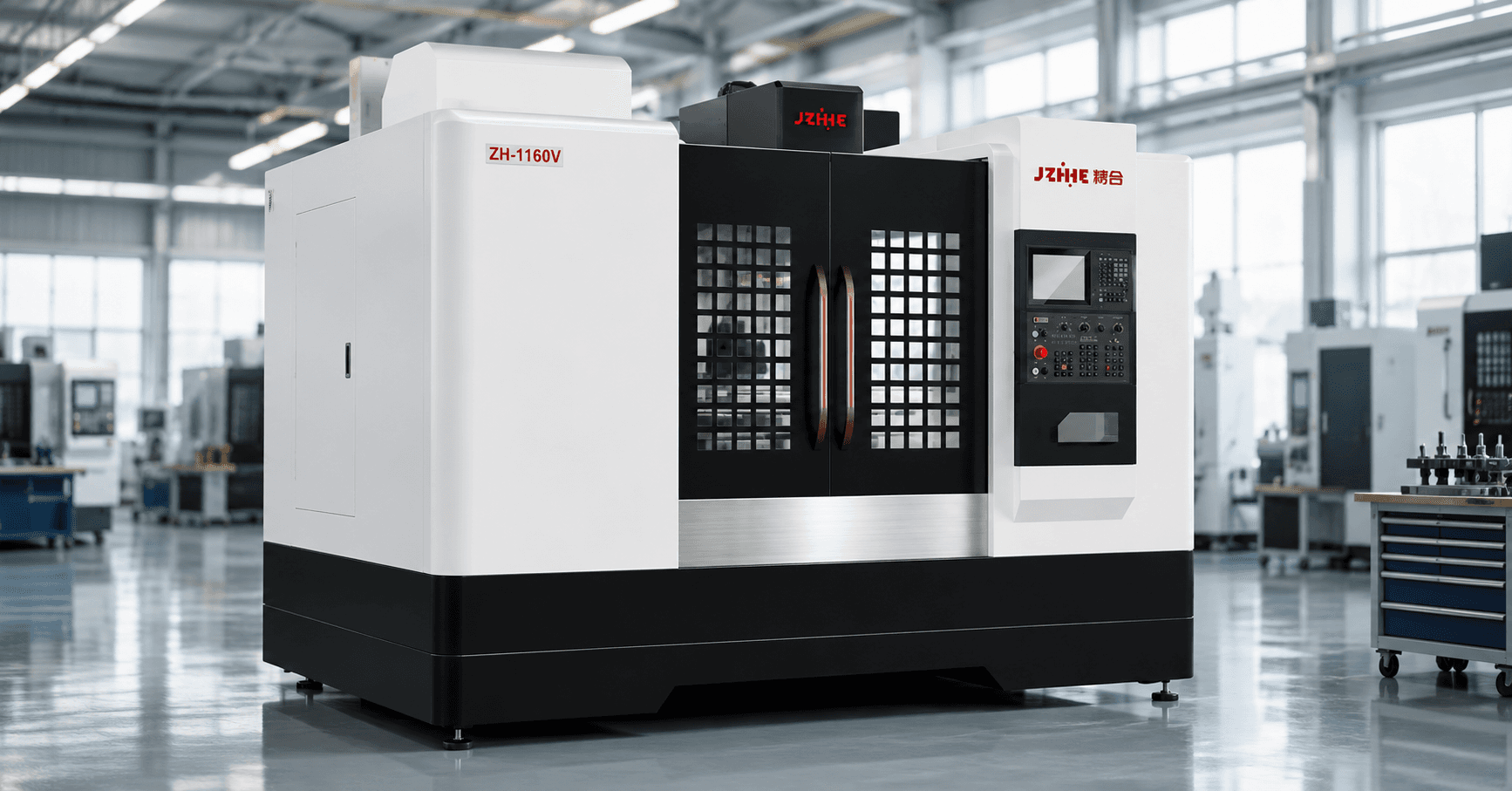
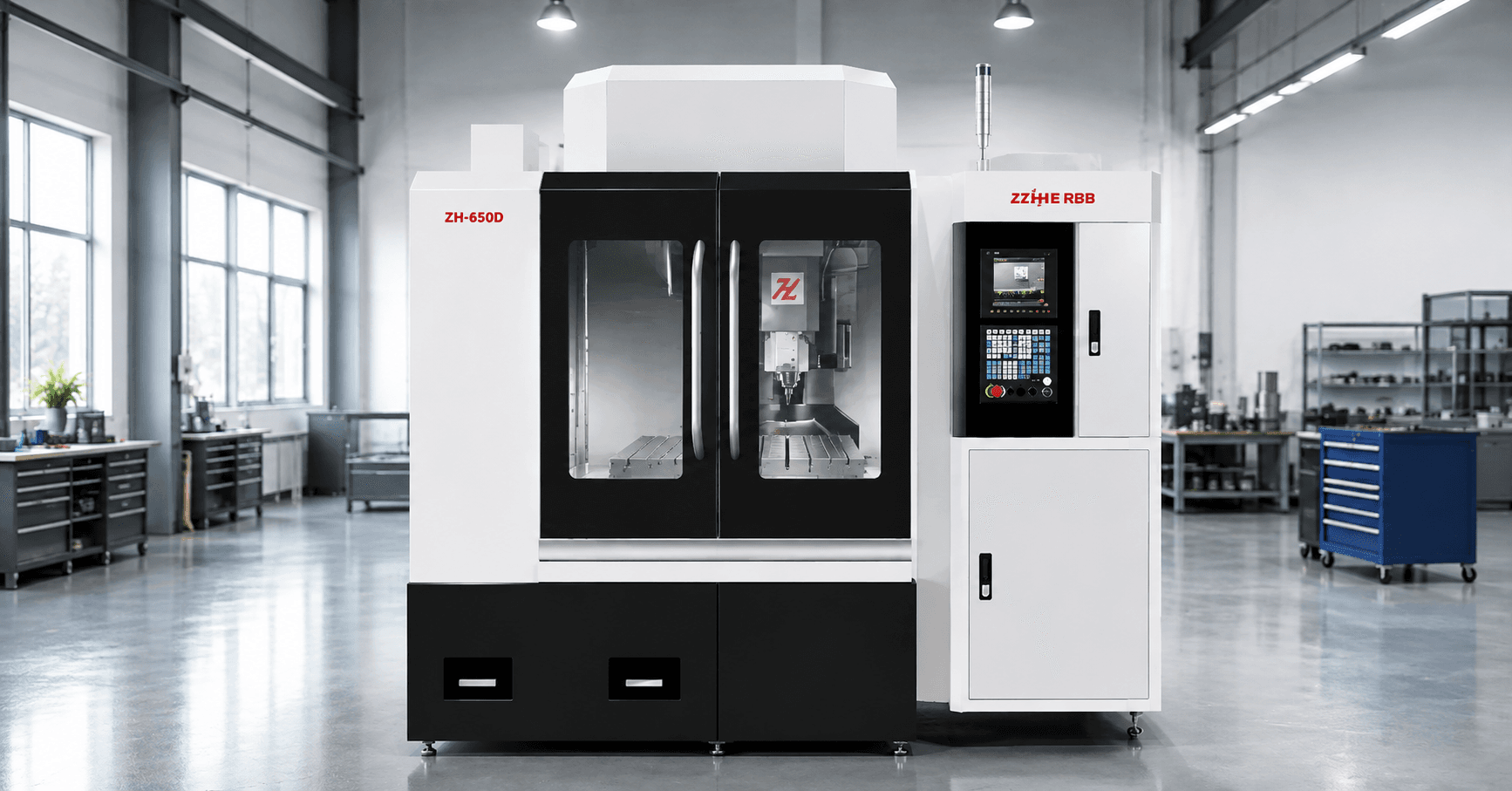
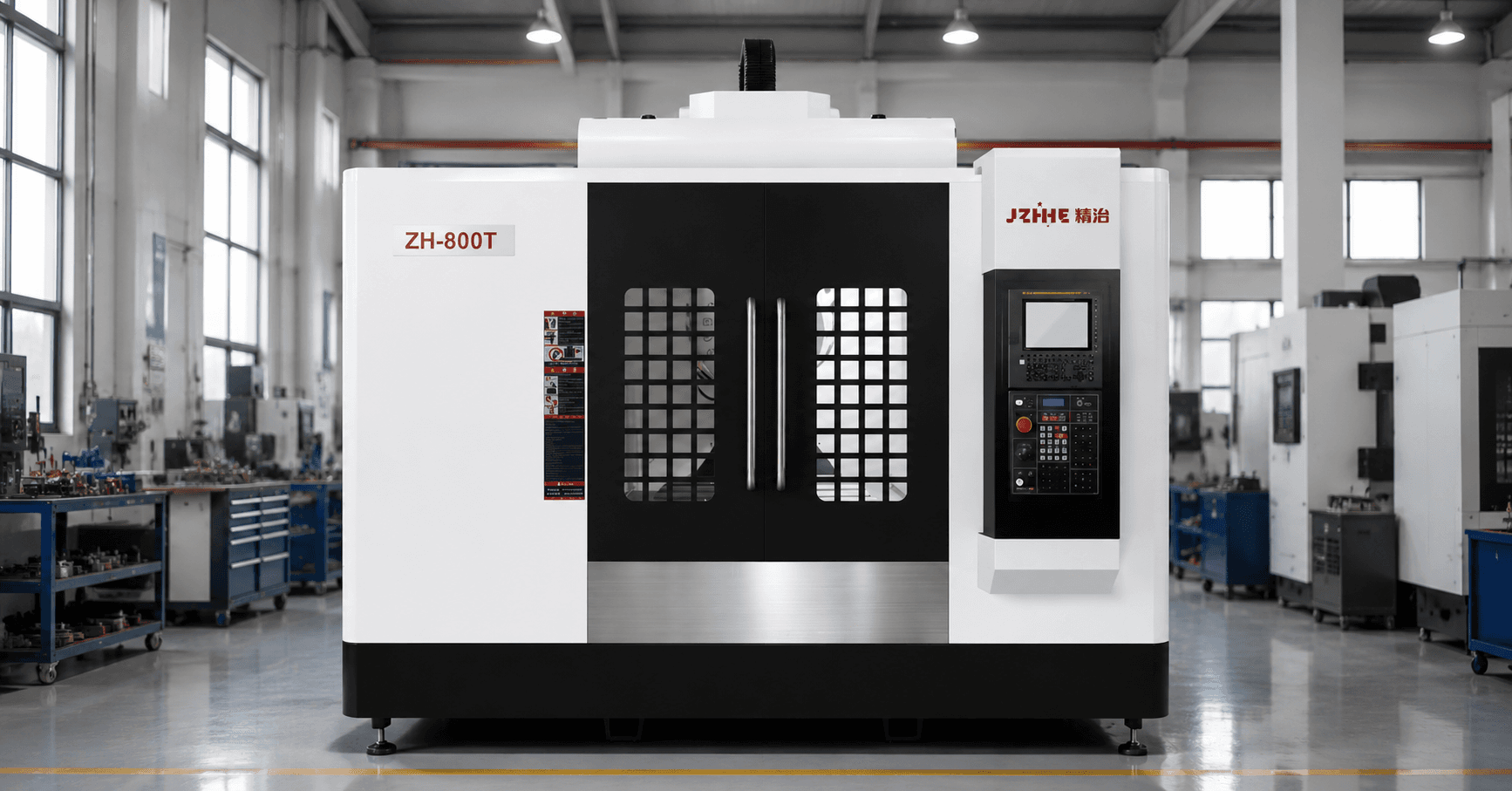
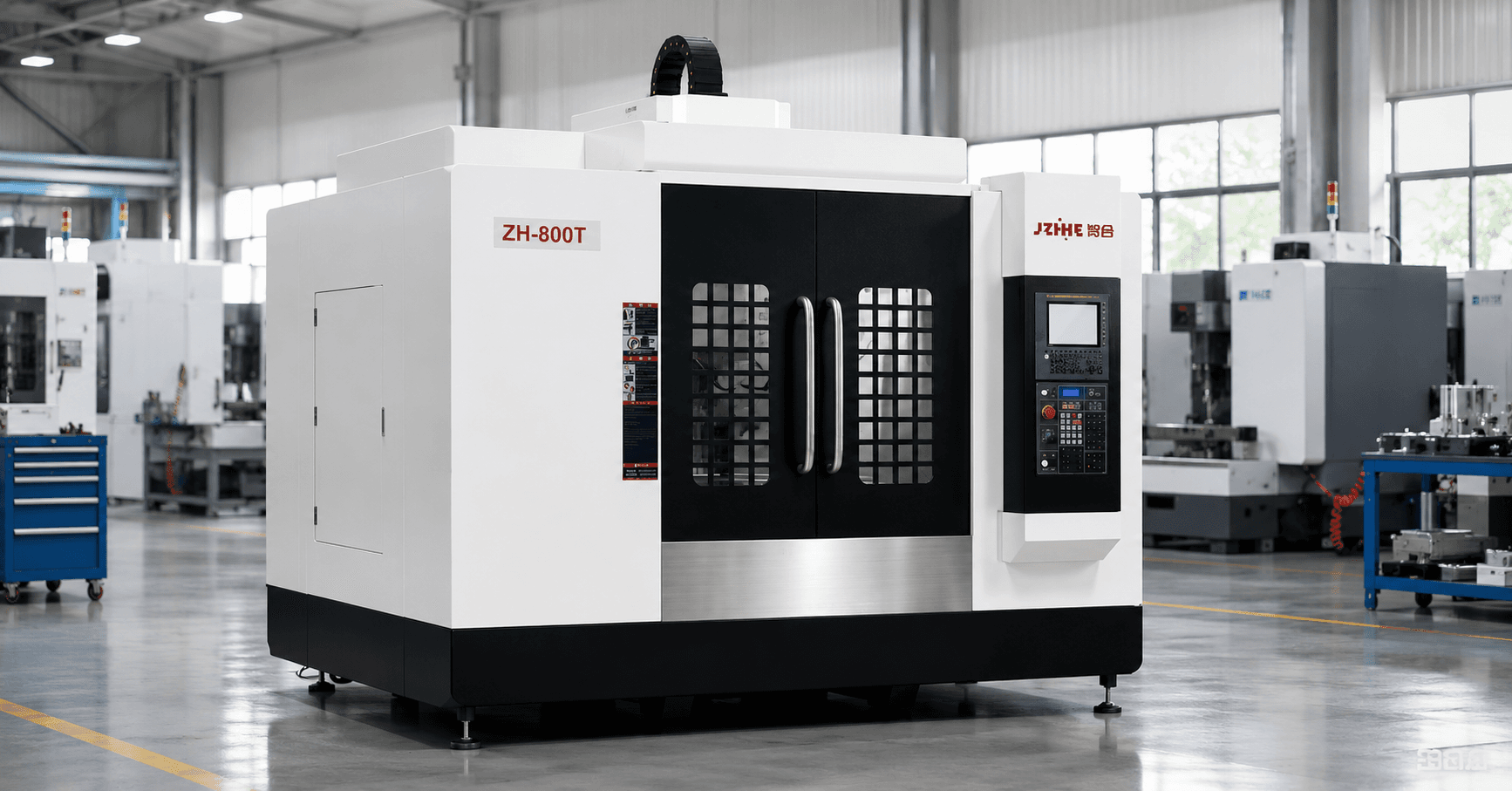
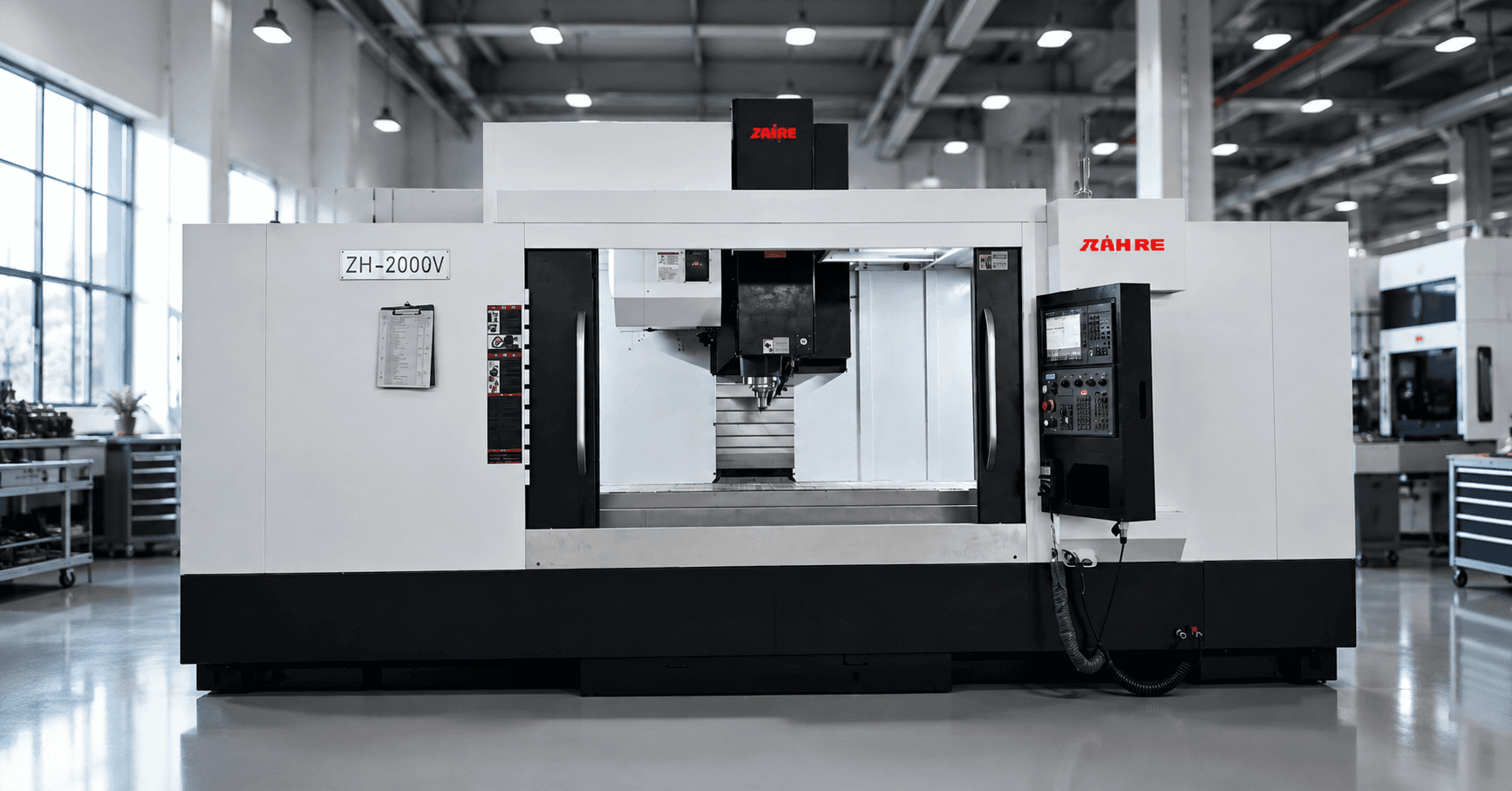
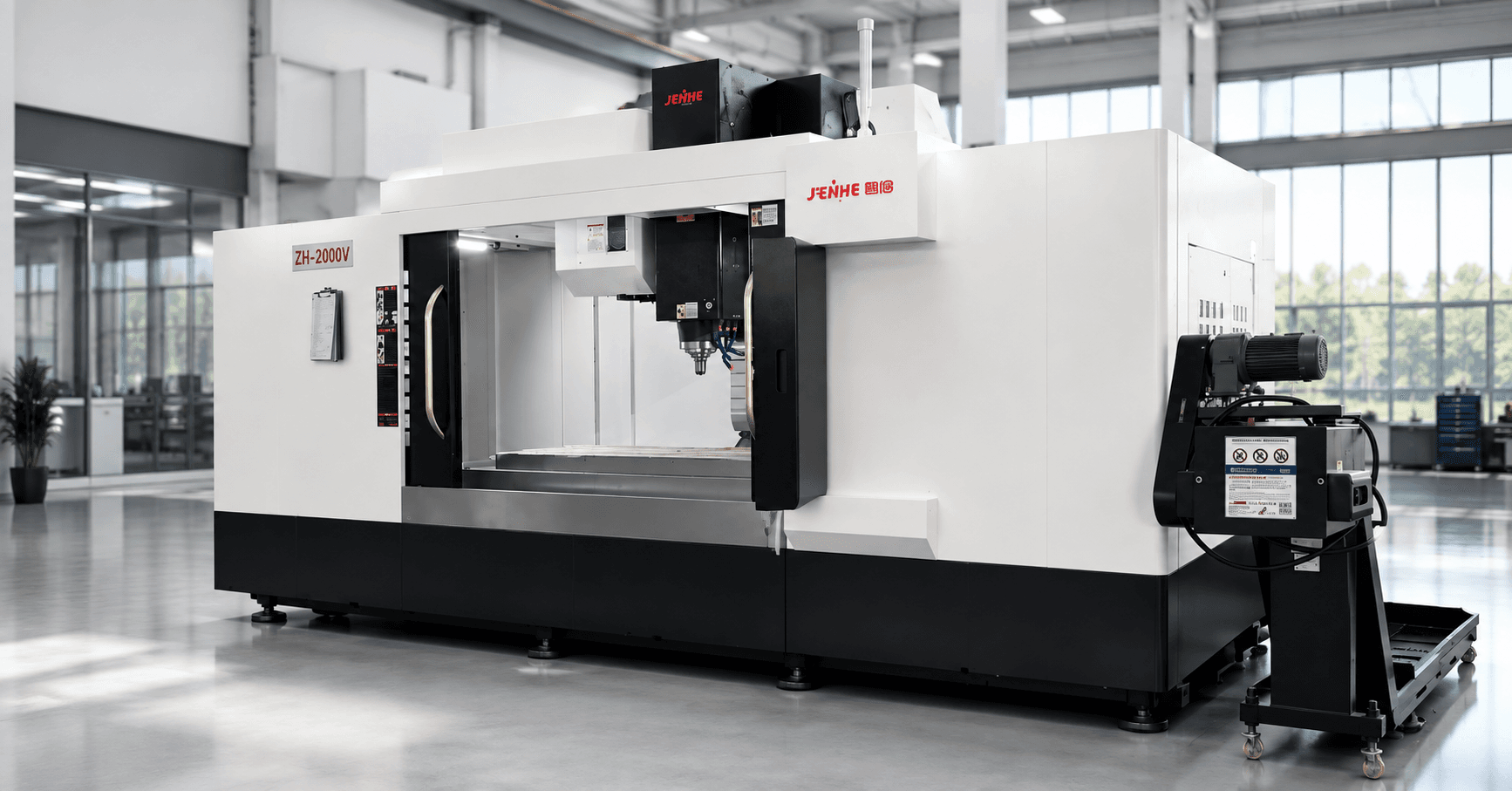
A useful CNC machining center quotation is built from a controlled RFQ package, not from a machine name and a request for the lowest price. The buyer should define the workpiece, production objective, scope boundary, options, acceptance evidence, delivery responsibilities, training, service, and commercial assumptions so suppliers are quoting the same task.
This guide provides a practical RFQ structure and a quote-normalization method. It helps buyers reduce clarification cycles, expose missing scope, compare technical risk, and move from headline price to an executable project.
The 10-Minute RFQ Summary
Start with one page that lets an applications engineer understand the project quickly:
- Company, factory location, contact roles, and target decision date.
- Representative drawings and revision status.
- Material, blank condition, maximum size and mass.
- Critical tolerances, surfaces, threads, and inspection method.
- Annual volume, batch size, peak demand, shifts, and cycle target.
- Current process, main problem, and reason for investment.
- Preferred controller, tooling interface, automation, and factory utilities.
- Delivery destination, installation window, and requested acceptance method.
Attach a Representative Drawing Package
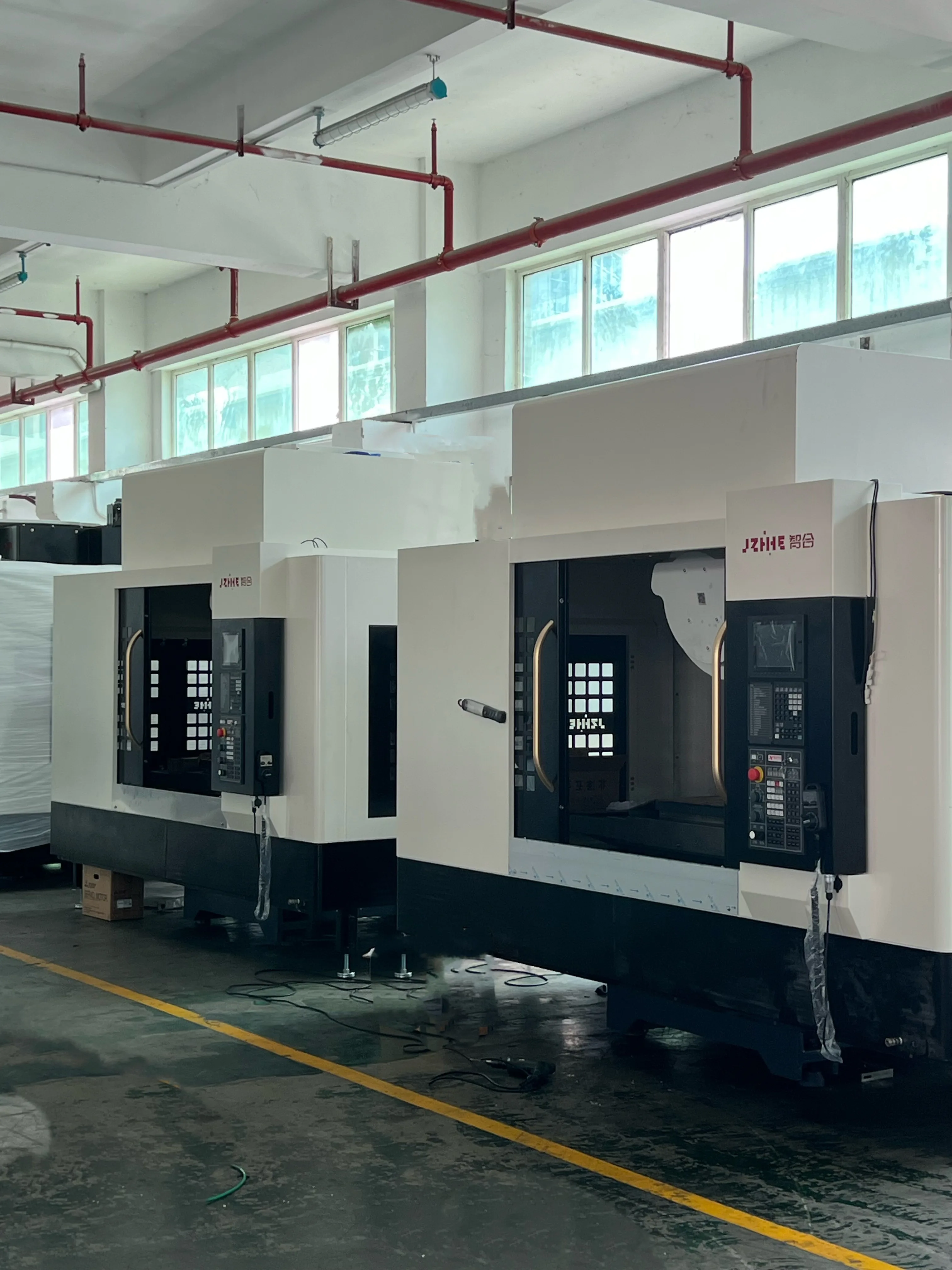
Do not send only the easiest part or a confidential drawing with all functional information removed. Include representative extremes: largest envelope, hardest material, tightest tolerance, longest tool, highest-volume part, most complex setup, and most important cosmetic or burr requirement. Mark which parts are required for acceptance and which illustrate future flexibility.
If drawings cannot be shared initially, provide a controlled feature summary and clarify that the recommendation is preliminary. A final CNC machining center quotation should state which drawing revision and production assumptions it covers.
Create an Assumption Log Before Prices Arrive
| Assumption | Buyer position | Supplier response required |
|---|---|---|
| Cycle time | Target and included manual work | Estimated, simulated, or trial-proven |
| Fixture | Buyer, supplier, or third-party scope | Concept, quantity, actuation, acceptance |
| Tooling | Existing standards and required tools | Included list and exclusions |
| Inspection | Critical features and method | Machine probing and external gauges |
| Utilities | Available power, air, coolant, foundation | Requirements and preparation duties |
| Automation | Current or future requirement | Interfaces, safety, recovery, ownership |
Keep unresolved assumptions visible. A low price often depends on silent exclusions or optimistic assumptions. Closing them before order is cheaper than resolving them during installation.
Define the Machine and Option Scope
Request the exact model, current specification revision, travels, table or pallet, load, spindle, tool interface, magazine, controller, feedback, probing, coolant, filtration, chip conveyor, enclosure, transformer, manuals, safety configuration, and included software or licenses. Ask suppliers to label standard, optional, recommended, and excluded items.
Use the Zhihe CNC product range to identify the machine category, then allow the application review to determine model and options. Do not freeze a model before the workpiece and production constraints are understood.
Separate Project Scope From Machine Scope
The machine may be only one part of the project. List fixtures, tools, toolholders, presetting, CAM or postprocessor, programs, automation, guarding, gauging, lifting, freight, insurance, customs, unloading, placement, foundation, utilities, commissioning, trial material, training, travel, spares, and documentation.
Write Acceptance Before the Order
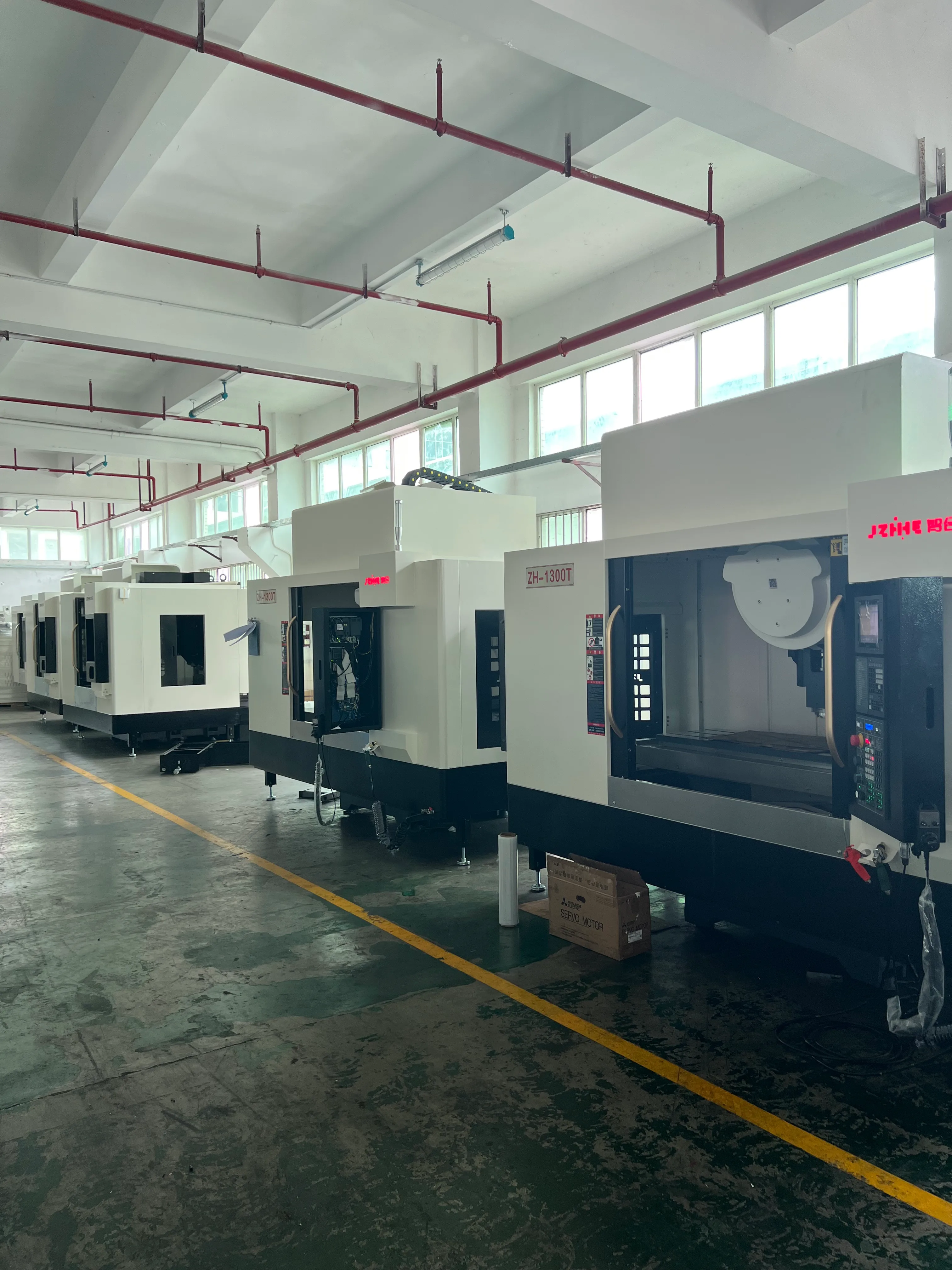
Define factory and site acceptance where applicable. State the machine condition, warm-up, material, fixture, tools, program, cycle elements, measurement method, tolerances, sample quantity, allowed adjustments, documentation, and sign-off roles. If cycle time is quoted, clarify whether loading, tool service, probing, cleaning, and inspection are included.
Zhihe CNC describes a workflow that includes workpiece review, model recommendation, technical proposal and quotation, trial cutting when required, delivery, installation, training, and after-sales support. Convert that general flow into project-specific milestones through the company and service overview.
Normalize Quotes Line by Line
- Create one comparison sheet using the RFQ categories.
- Move every included item, option, exclusion, and assumption into the same row structure.
- Convert currency, tax basis, freight basis, and payment timing consistently.
- Add buyer-side costs required to reach production readiness.
- Score technical evidence, delivery risk, service readiness, and assumption quality.
- Hold clarification meetings on the largest differences before commercial ranking.
Do not assign hidden precision to uncertain costs. Use ranges or open-risk labels where fixture design, tooling, logistics, site work, or trial results are not final. Retain versioned comparison records so later scope changes remain visible to technical and commercial reviewers.
Use a Risk Register With the Commercial Comparison
For each proposal, list the risk, consequence, current evidence, owner, next action, due date, and order condition. Common risks include unproven cycle, incomplete fixture concept, controller incompatibility, long-lead options, unclear site preparation, missing local service, import requirements, and acceptance ambiguity.

FAQ
Can a supplier quote without drawings?
A preliminary budget may be possible, but model, cycle, fixture, tooling, and acceptance assumptions should be marked provisional until representative data is reviewed.
Why do quotations vary so much?
Suppliers may include different configurations, options, fixtures, tooling, logistics, services, evidence, margins, and risk assumptions. Normalize scope before comparing price.
Should cycle time be guaranteed?
Only with a defined part, material, fixture, tooling, program, manual-work boundary, measurement method, and acceptance condition. Otherwise treat it as an estimate.
What should be agreed before a deposit?
Agree configuration, scope, drawings, assumptions, acceptance, schedule, payment milestones, delivery terms, site responsibilities, training, warranty, service, and change control.
Submit a Comparable RFQ
For a complete CNC machining center quotation, send Zhihe CNC the 10-minute summary, representative drawings, production targets, assumption log, option preferences, delivery destination, and acceptance needs. Use the contact page to request a technical proposal, trial recommendation, and clearly scoped commercial offer.