Choosing a CNC Machining Center Supplier: What Buyers Usually Compare First
When a shop starts looking for a CNC machining center supplier, the first question is rarely “which machine looks best?” It is usually more practical: which source can deliver the right machine, with the right support, for the parts you actually make. That sounds simple, but it is where many purchases go sideways. A machine can look suitable on paper and still miss the mark if the supplier does not understand your part mix, production rhythm, or tolerance demands.
For engineers, sourcing managers, and product teams, the decision is less about a brochure and more about fit. Are you drilling plates and brackets in batches? Do you need a compact enclosed machine for safer floor operation? Are you comparing a CNC machining center manufacturer with a trading partner, or trying to sort out whether an industrial CNC machining center is better than a more specialized drilling-and-tapping machine? These are the questions that actually change uptime, scrap rates, and the amount of handholding your team will need after delivery.
Supplier Versus Machine: Why the Comparison Matters
A lot of buyers compare machines as if the machine alone determines success. In reality, the supplier often determines whether the machine is usable in your plant.
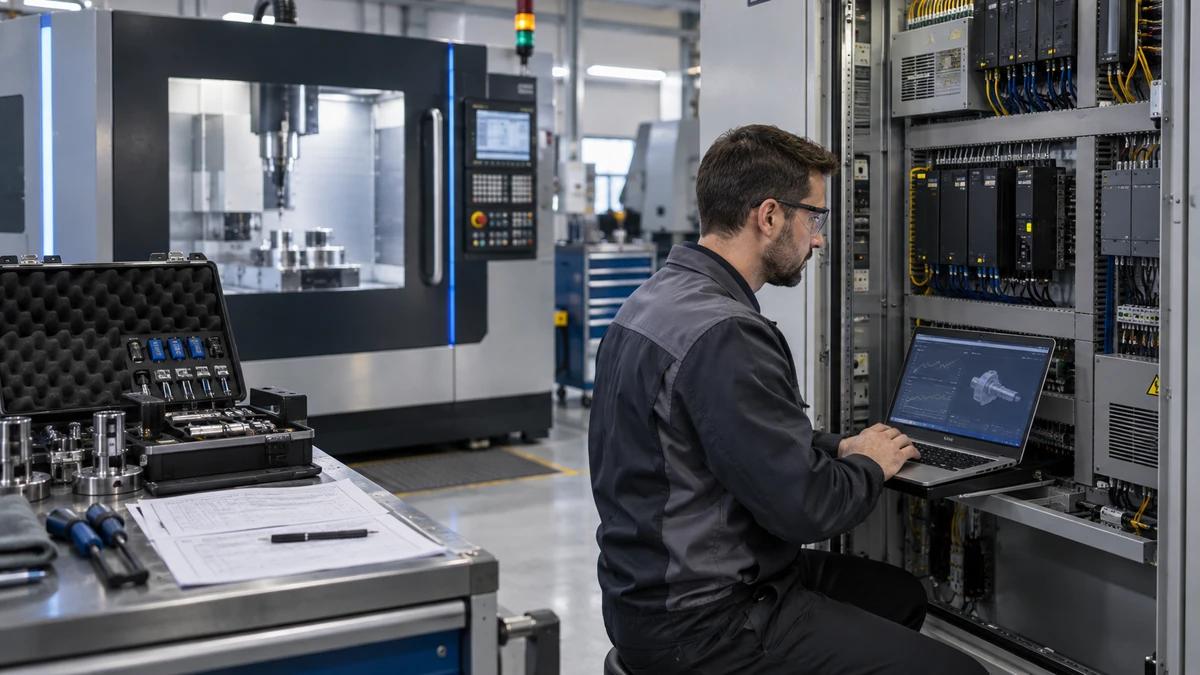
A capable supplier should help with model selection, control system choice, fixture support, test cuts, installation guidance, operator training, warranty service, and spare parts support. Zhongshan Zhihe CNC Technology Co., Ltd., for example, states that it supports customers from selection through delivery and after-sales service, and that it serves industries such as automotive parts, 3C electronics, aluminum processing, precision hardware, communications equipment, molds, home appliances, and lithium battery equipment. That breadth matters because it usually means the company has seen different part types and production pressures.
By contrast, a machine-only discussion can hide important gaps. A box-style enclosed machine may be ideal for operator safety and chip control, but if the supplier cannot explain how it fits your clamping method or your cycle expectations, the purchase may still disappoint.
What the ZH-800T Suggests About the Product Type
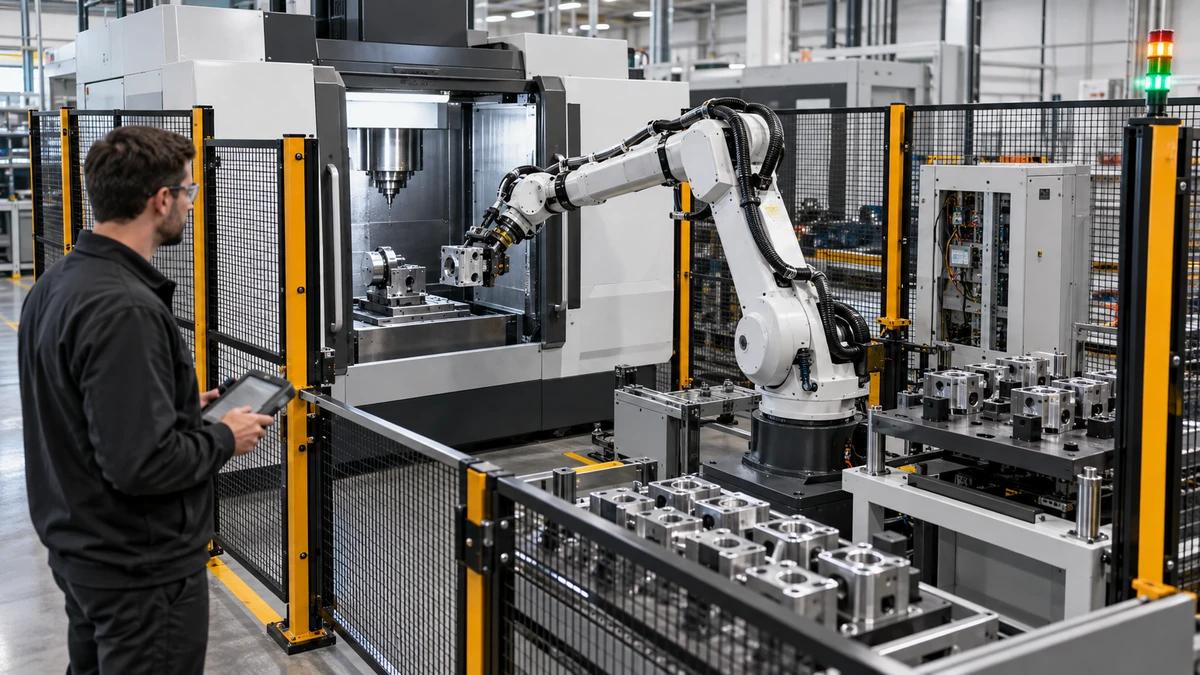
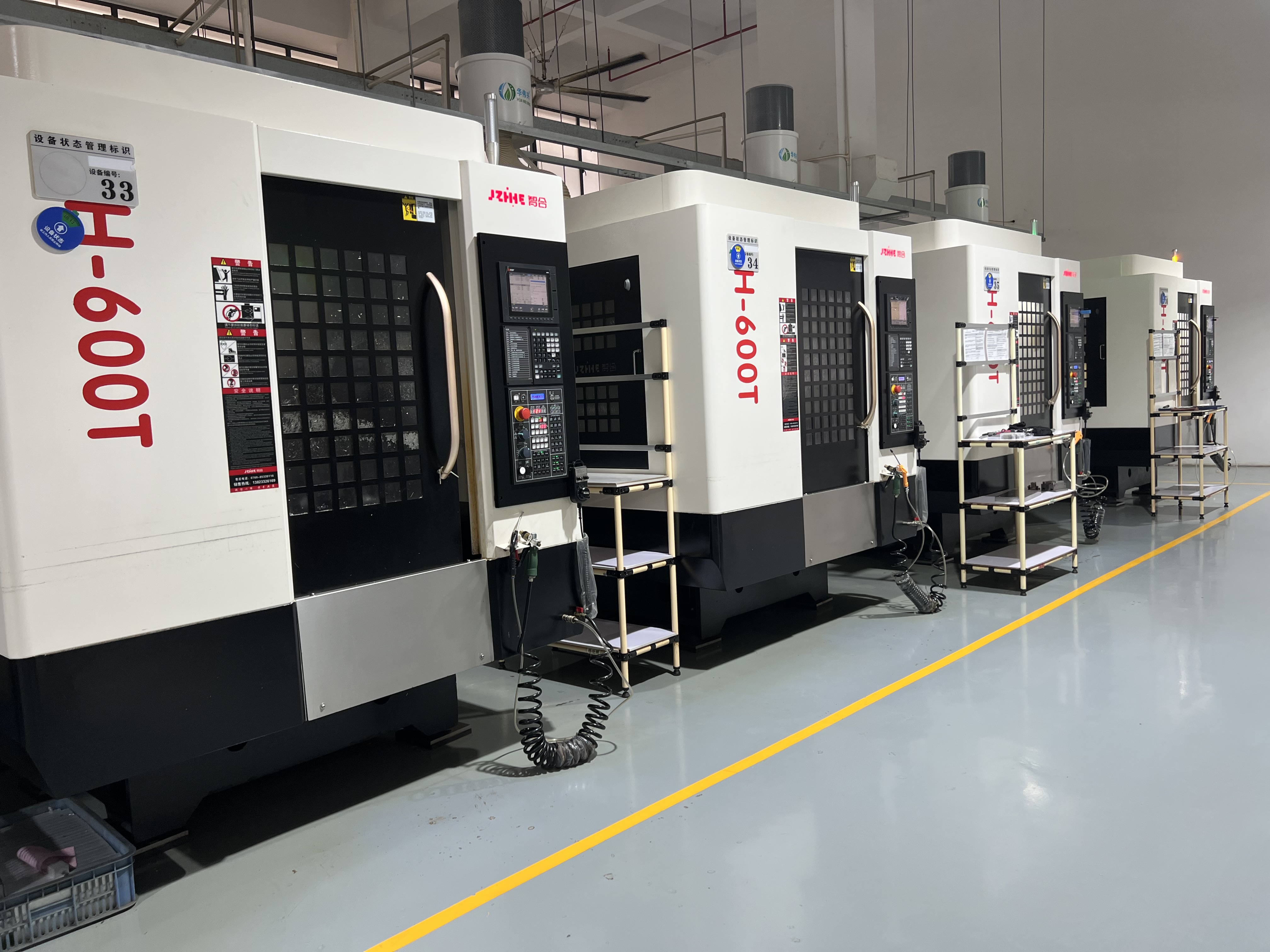
The visible product marking on the supplied information identifies the model as ZH-800T, with JZHE branding shown on the control-side panel. Based on the description and image cues, this appears to be a vertical, enclosed CNC drilling machining center with a front double-door safety enclosure and a side-mounted control panel.
That layout is useful in shops that need repeatable drilling on plates, brackets, housings, and similar workpieces. The enclosed structure is not just a safety feature; it also helps keep the work area more controlled, which is valuable when operators are running batch jobs or handling parts with sharp edges and chips.
It is worth saying plainly: from the available information, exact spindle speed, axis count, travel range, tool capacity, and power specifications are not visible. Buyers should not assume those details. Ask for the technical sheet, and ask how the machine is configured for your actual workpiece rather than a generic demo part.
Quick Comparison: General Supplier Types
Factory-direct manufacturer
Usually better when you want configuration support, technical clarification, and a clearer path from inquiry to after-sales service. A CNC machining center manufacturer can often discuss machine structure and options in more detail.
Trading or sourcing intermediary
Can help with procurement convenience, but the technical chain may be longer. That sometimes slows down answers when you need to confirm control compatibility, packaging details, or service scope.
Local integrator or service partner
Useful when installation, local support, and long-term maintenance matter more than lowest initial price. For some buyers, that is the safest route, especially if the factory has limited in-house maintenance capacity.
Selection Criteria That Actually Affect Daily Use
The best industrial CNC machining center for one shop may be the wrong choice for another. The deciding factors are usually not glamorous.
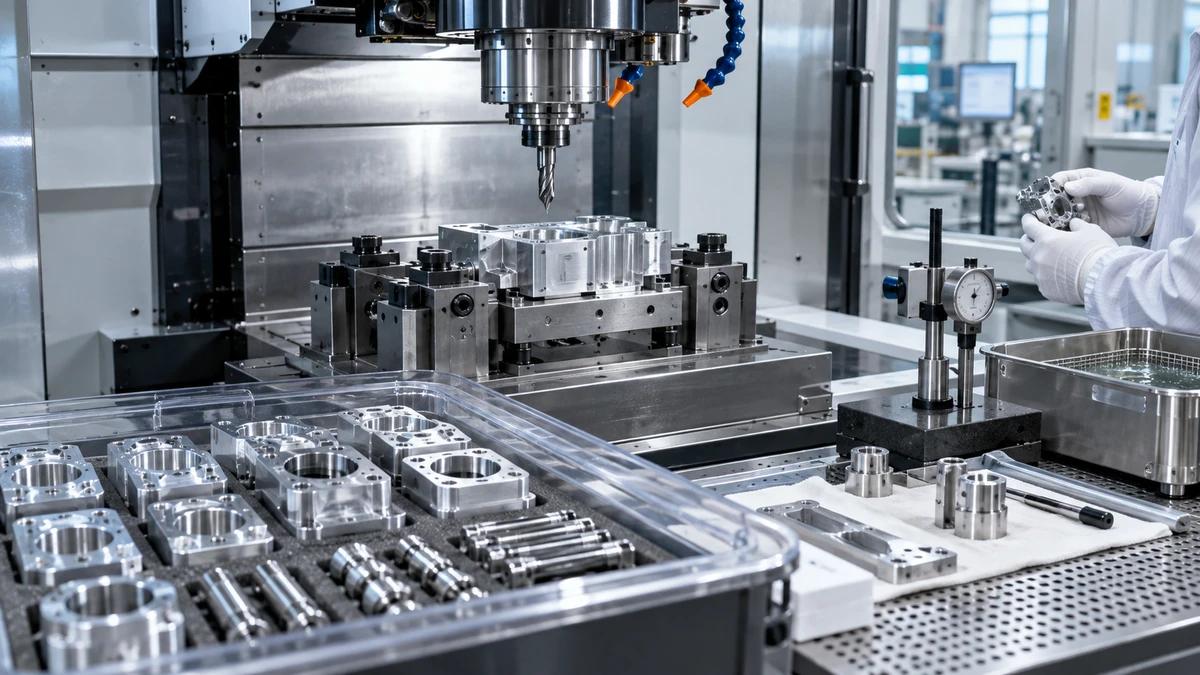
First, look at part family and batch size. A machine built for drilling and light machining can be a better fit than a larger, more complex platform if your work is repetitive and fixtured.
Second, think about enclosure and access. The ZH-800T style front-door layout is practical for front loading and operator visibility, but you still need to confirm how it fits your handling flow.
Third, ask about configuration flexibility. Zhongshan Zhihe notes that it can recommend machine types based on workpiece, material, precision requirement, and output demand. That is the sort of support buyers should ask for in writing, even if it is only a brief proposal.
Fourth, do not ignore packing and transport. The company says it supports secure packaging and domestic or international shipping, including sea and land transport coordination. For overseas buyers, packaging photos and shipping documents are not a small detail; they are part of risk control.
Common Buyer Mistakes
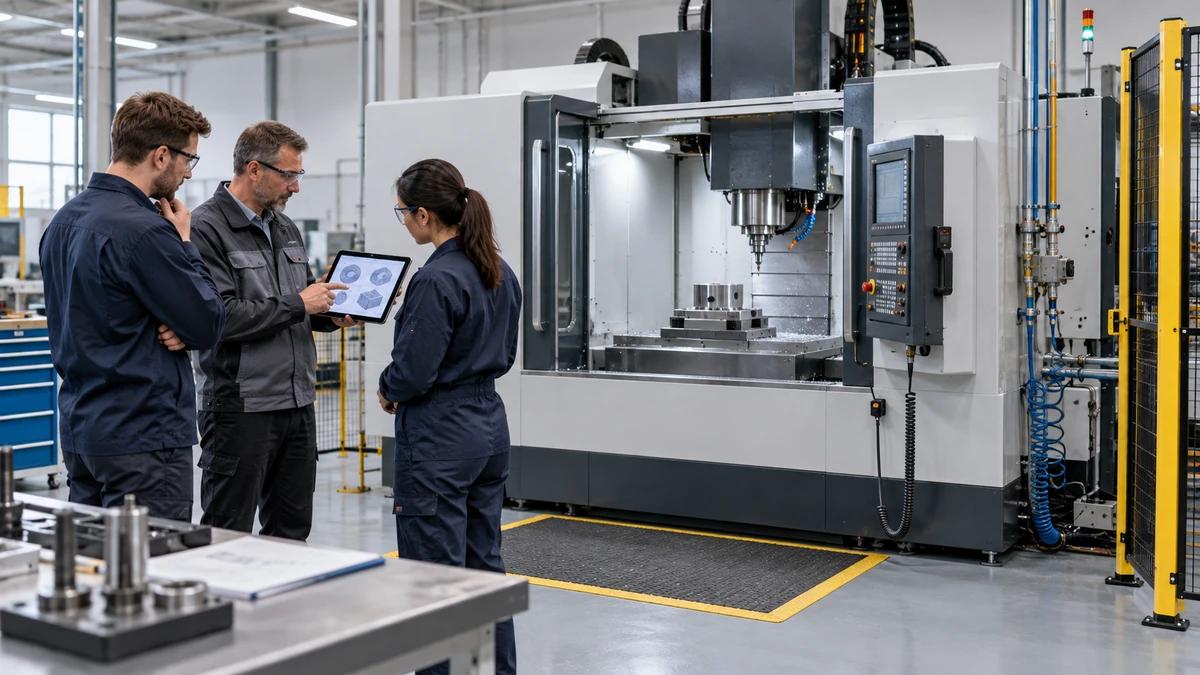
The most common mistake is buying for a theoretical part instead of the real production mix. Another is underestimating the importance of training. A machine with a sensible layout can still underperform if the team does not understand setup discipline, tool management, or basic maintenance.
One practical caution: ask how the supplier handles trial verification or sample cutting if your parts are critical. If the vendor is vague there, treat that as a warning sign. Not every shop needs elaborate acceptance testing, but no buyer should rely on hope.
Questions to Put on the RFQ
Ask for machine configuration, controller details, supported workpiece range, loading style, enclosure features, service scope, and delivery support. If you have drawings, material data, dimensions, precision targets, and production volume, send them. That is exactly the kind of information Zhongshan Zhihe says it uses to recommend a suitable CNC model.
FAQ for Sourcing Teams
Is an enclosed machine always better?
Not always, but for drilling and batch metalwork it often improves safety and chip containment.
Should I choose a supplier or a manufacturer?
If technical clarity and long-term support matter, a direct manufacturer is often easier to evaluate.
What if I only need light machining?
Then a drilling machining center may be more appropriate than a heavier platform, provided the supplier confirms it matches your part and process.
Next Step
If you are comparing suppliers now, start with your drawings and your production target, not with the catalog. Send the part details, ask for a configuration recommendation, and make the supplier explain why a specific machine is the right fit. For inquiries, Zhongshan Zhihe CNC Technology Co., Ltd. provides direct contact through its listed email and WhatsApp/WeChat channels, along with support for selection, shipping, and after-sales coordination.