Why Automotive Buyers Keep Reaching for CNC Milling
A CNC milling machine automotive buyers can trust is less about the brochure language and more about whether the machine can hold shape, repeat it, and survive production-floor reality. In automotive work, the pressure is rarely on one dramatic part; it is on steady output across brackets, housings, fixtures, precision plates, and engine-related components that must all fit downstream without drama. That is why machine selection matters as much as process planning.
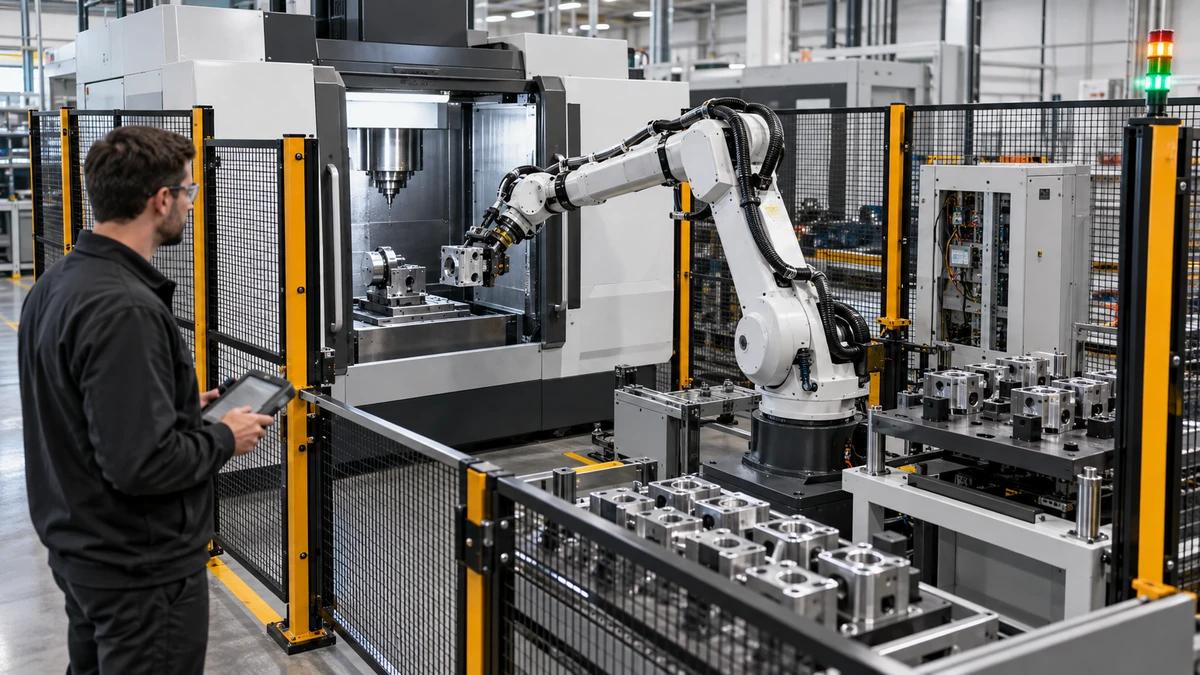
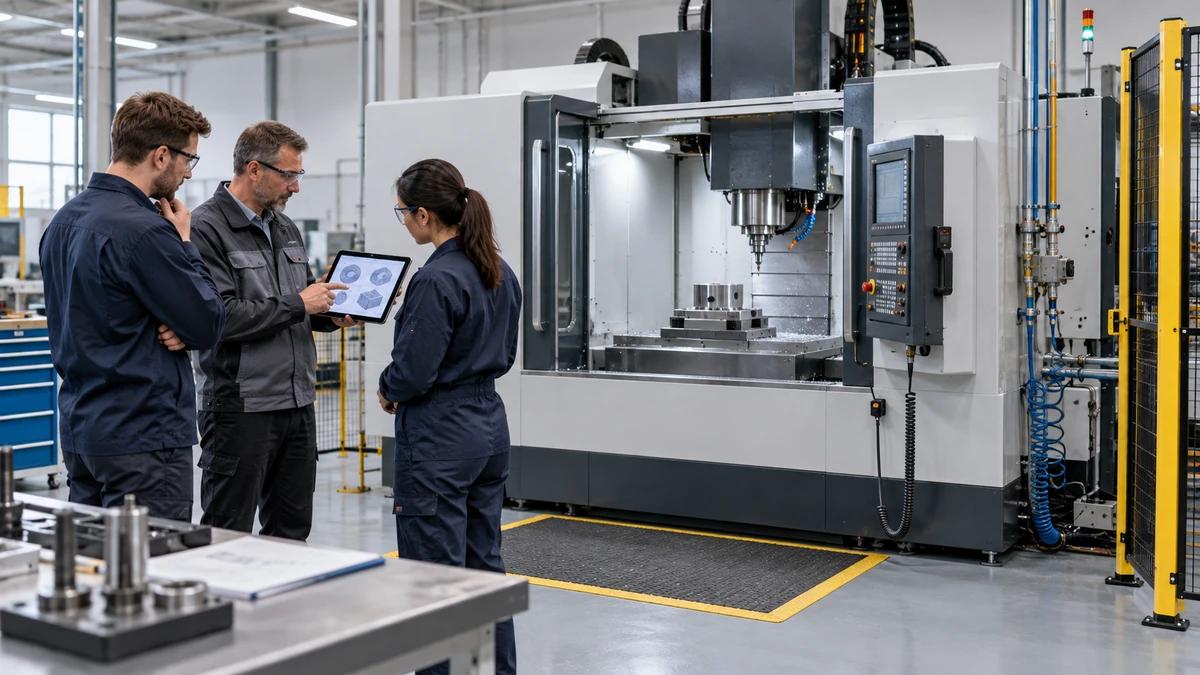
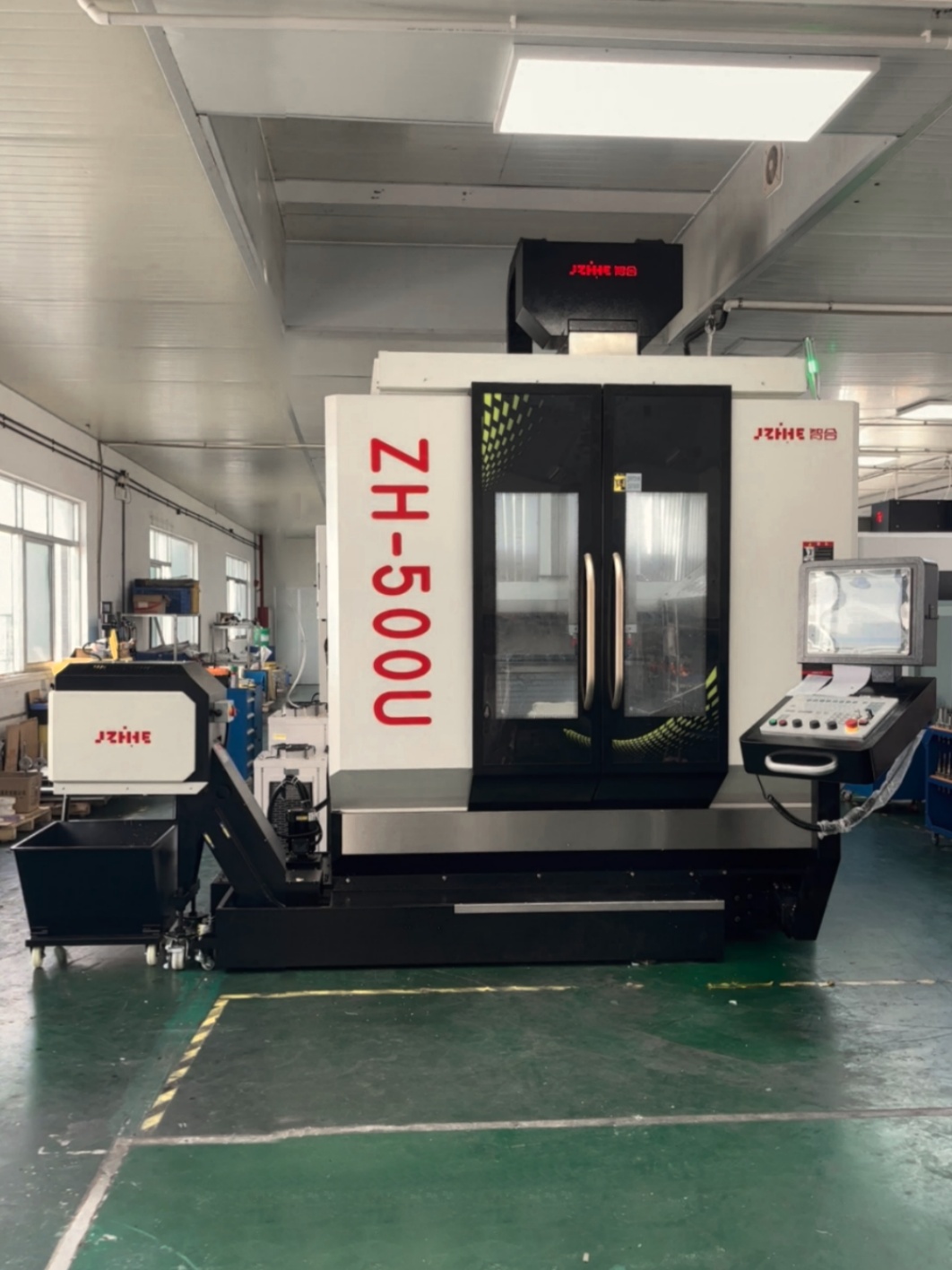
The visible ZH-500U enclosed machine is a good reminder of what production-minded users tend to want: a rigid safety cabinet, a guarded work zone, a side-mounted control console, and chip handling built into the machine rather than treated as an afterthought. Those details do not sound glamorous, but they are exactly the kind of details that help a shop keep chips controlled, operators safer, and cycle time more predictable.
What Automotive Shops Usually Need From the Machine
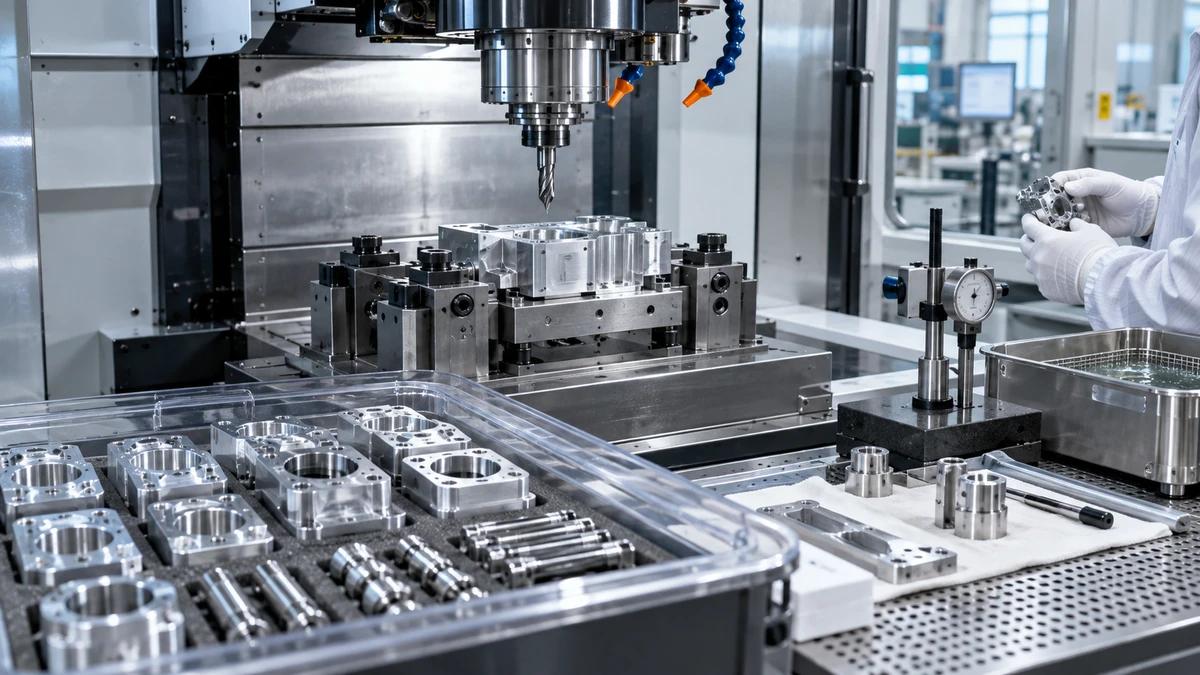
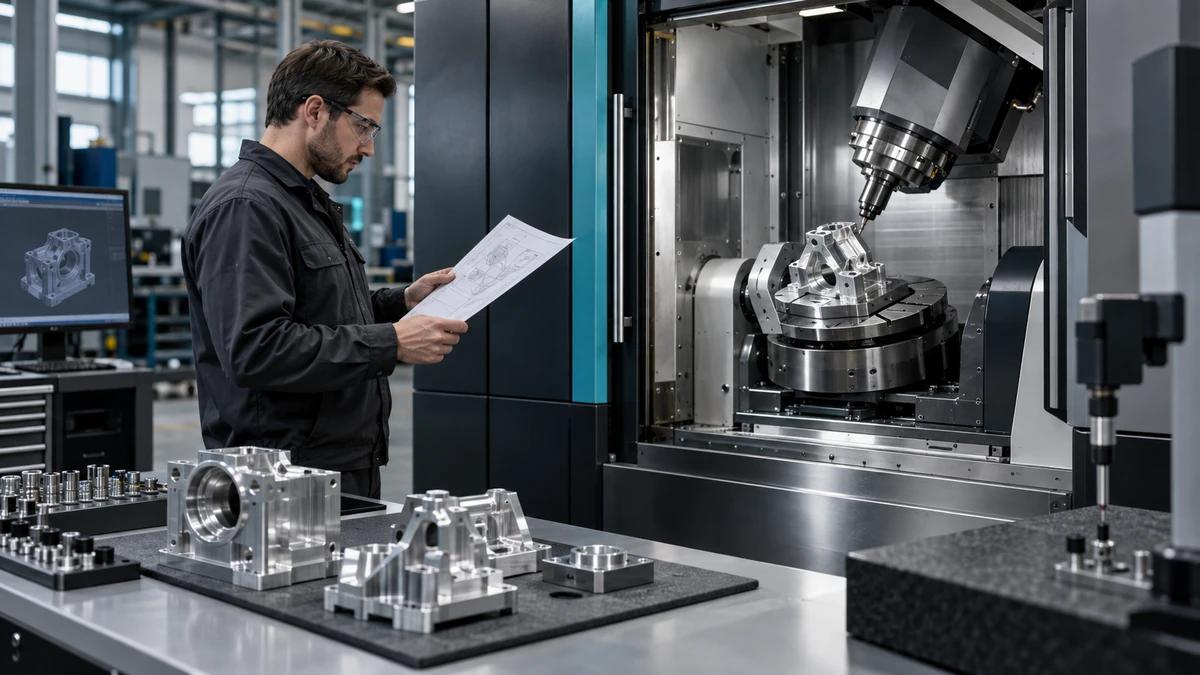
Automotive parts work often combines drilling, contouring, pocketing, face milling, and multi-side finishing. The challenge is not just cutting metal. It is cutting the same metal the same way hundreds or thousands of times, with enough process stability that inspection does not turn into firefighting. For that reason, an enclosed CNC machining center is often a practical fit when the shop needs a controlled environment and cleaner chip evacuation.
For buyers comparing a CNC milling machine automotive application against a CNC turning center auto parts workflow, the decision usually comes down to part geometry. Round parts, shafts, and rotational components naturally lean toward turning. Prismatic parts, housings, covers, brackets, and many fixture bodies are better suited to milling or machining centers. Some factories use both, because automotive production rarely stays neatly inside one process family.
If the part includes deep pockets, angled features, or several faces that must line up, a CNC machining center for engine components can be especially attractive. The phrase covers a range of equipment, though, and it is worth being careful: not every machining center is built for the same level of complex work. Axis configuration, spindle behavior, and fixture strategy all matter, even when the outside cabinet looks similar.
What the ZH-500U Suggests on the Shop Floor
From the visible product details, the ZH-500U appears to be an enclosed CNC machining center with twin front access doors, a guarded viewing window, a side control console, and a chip-removal system with a collection bin. That combination points to a machine intended for production use rather than occasional job-shop duty. The enclosed structure helps contain chips and coolant mist, while the control station keeps the operator close enough for setup and monitoring without opening the entire work area.
It is reasonable to read the machine as suited to precision milling, drilling, and cutting of metal workpieces in an industrial environment. The likely applications include automotive parts, mold and die work, machinery components, fixtures, and other complex metal parts. I would not assume the exact axis count or spindle specification from the exterior alone, and that is a useful caution for buyers: appearance can tell you the category, but not the full capability.
Selection Criteria That Actually Matter
When a sourcing manager evaluates a machine for automotive production, the first question should be part family, not machine size. Are you making aluminum housings, steel brackets, cast components, or mixed materials? Does the job require repeated setup changes, or can one fixture carry most of the load? Can the machine accept the tool strategy you need without stretching cycle times beyond reason?
Zhongshan Zhihe CNC Technology Co., Ltd. says its product range includes vertical machining centers, horizontal machining centers, gantry machining centers, drilling and tapping centers, CNC milling machines, and five-axis machining centers. That range matters because different automotive plants need different answers. A small aluminum parts supplier may care most about speed and repeatability. A mold or tooling department may care more about rigidity and multi-face access. A larger production line may care about standardization across multiple machines and easier operator training.
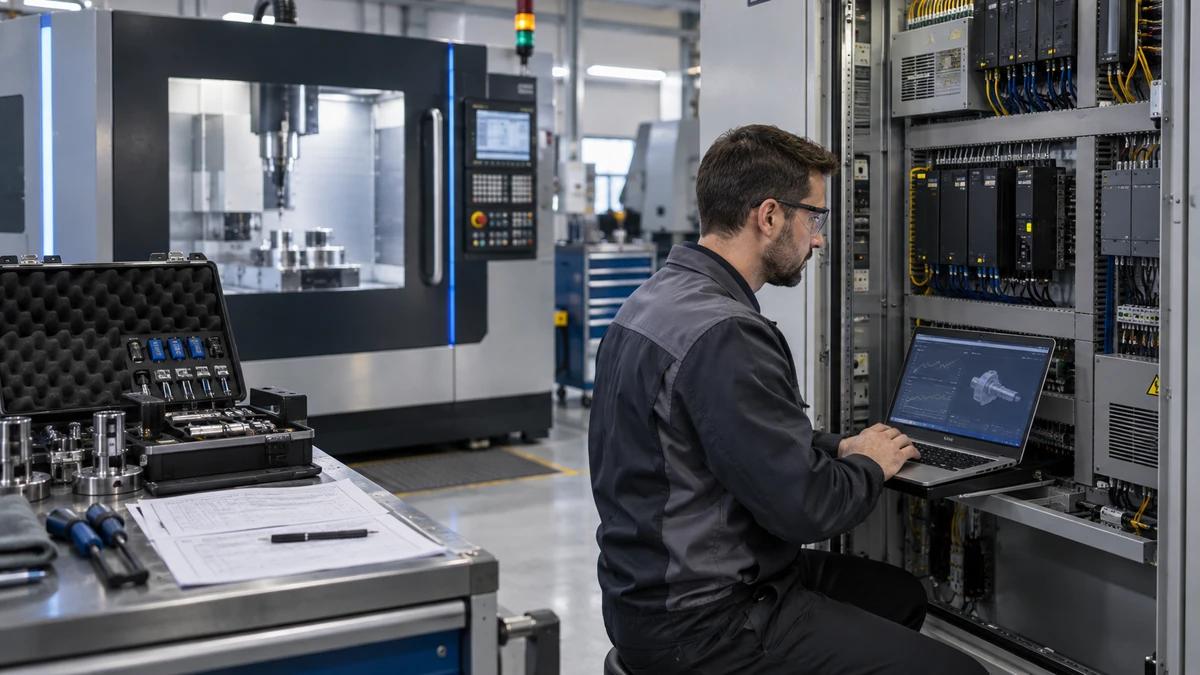
The company also states that it supports model recommendation, control system selection, fixture support, trial cutting, installation guidance, training, warranty service, and spare parts support. That kind of full-cycle support is often underrated during purchase, then suddenly very important after installation. For overseas buyers, packaging photos, shipping documents, and delivery coordination are practical signs that the seller has thought beyond the factory gate.
Common Mistakes Buyers Still Make
One common mistake is buying for the drawing and ignoring the production rhythm. A machine that can technically cut the part may still be a poor fit if loading is awkward, chip clearing is weak, or the setup takes too long. Another mistake is assuming that all enclosed machines deliver the same results. They do not. Structure, control selection, fixturing, and process discipline can change the outcome as much as the nominal machine category.
There is also a habit in automotive purchasing of focusing too hard on a single headline number, such as spindle speed or table size, before confirming the rest of the workflow. That approach can backfire. A production machine needs the whole system: fixture design, tool management, operator training, maintenance access, and a path for handling chips and coolant. Skip one link and the rest of the chain shows it.
Practical Buyer Questions Before You Request a Quote
Before you send drawings, it helps to gather the basics: material, part dimensions, tolerance targets, expected monthly output, and whether the parts are simple prismatic pieces or complex multi-face components. If the job involves engine parts or closely related cast and machined items, ask about the machine’s fit for your fixture strategy and inspection routine as well. A strong supplier will usually respond with more than a price; they should help narrow the machine type, control option, and support package.
For buyers comparing options across automotive machining, the best choice is rarely the biggest machine or the flashiest spec sheet. It is the one that can repeat the part cleanly, keep operators comfortable enough to work a full shift, and leave enough process margin for tooling wear and real-world variation.
FAQ
Is an enclosed machining center useful for automotive production?
Yes. The enclosure helps with chip containment, operator safety, and general shop cleanliness, which all matter when parts move through steady production.
Can one machine cover all automotive parts?
Usually not. Automotive work spans turning, milling, drilling, and multi-face finishing, so many shops use different machines for different part families.
What should I ask the supplier first?
Ask for the best match based on your drawings, material, precision requirements, and expected output. A supplier that asks for those inputs is usually the one thinking like a process partner, not just a machine seller.
Next Step
If you are comparing an automotive machining setup and want a machine recommendation, prepare your part drawings, material, size, accuracy target, and production volume. Zhongshan Zhihe CNC Technology Co., Ltd. invites that kind of inquiry and can guide selection, trial cutting, and delivery support. For many plants, that first technical conversation is where a workable machine choice starts to become clear.