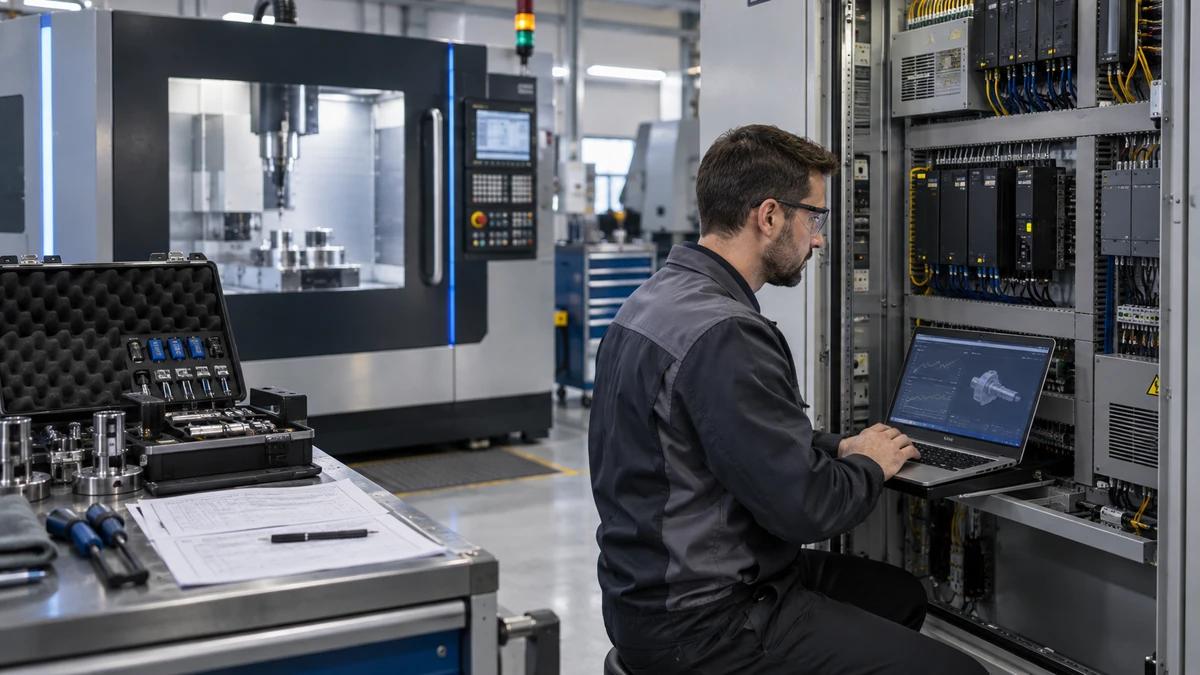
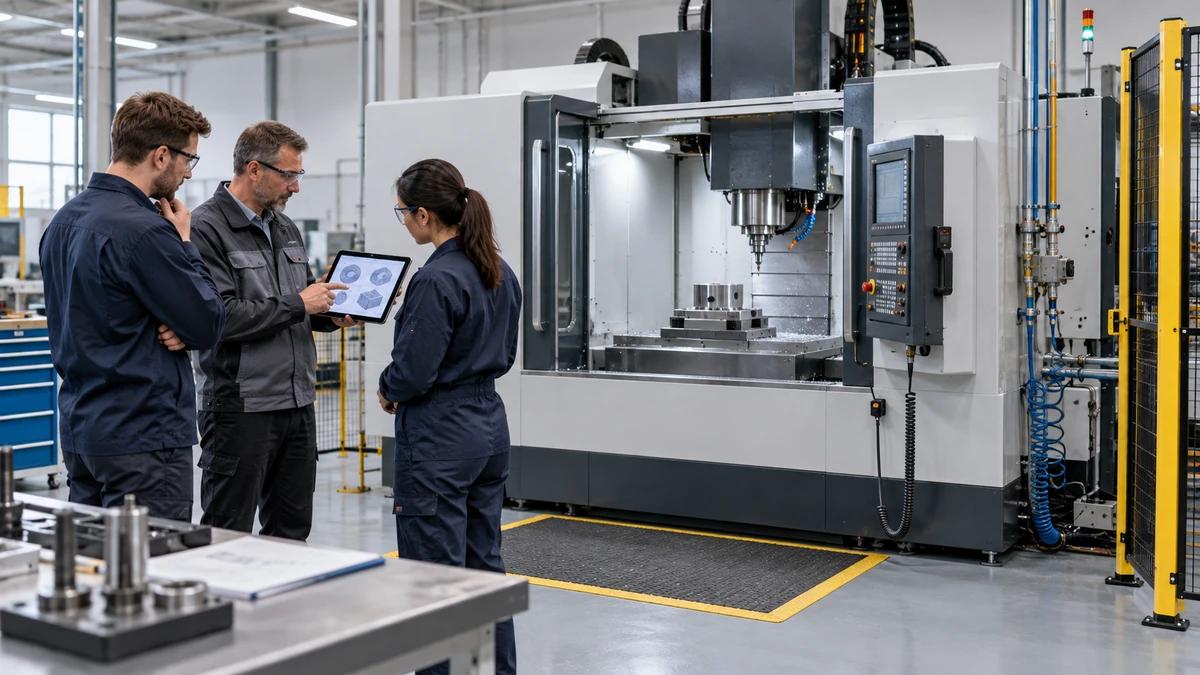
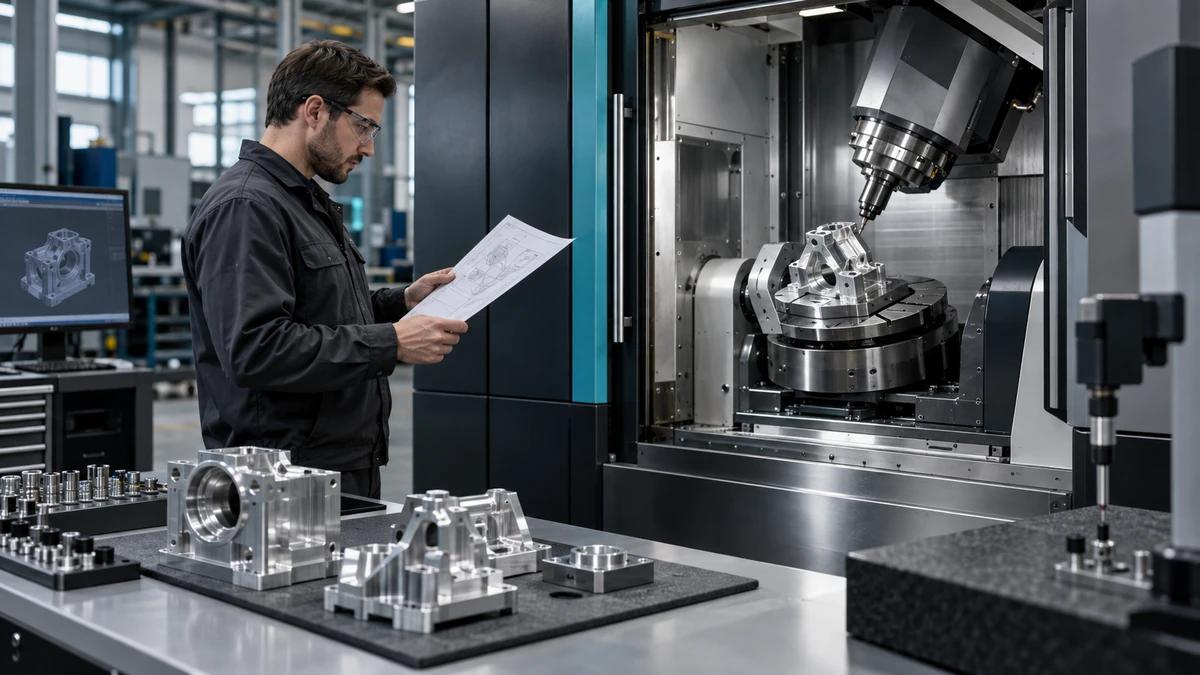
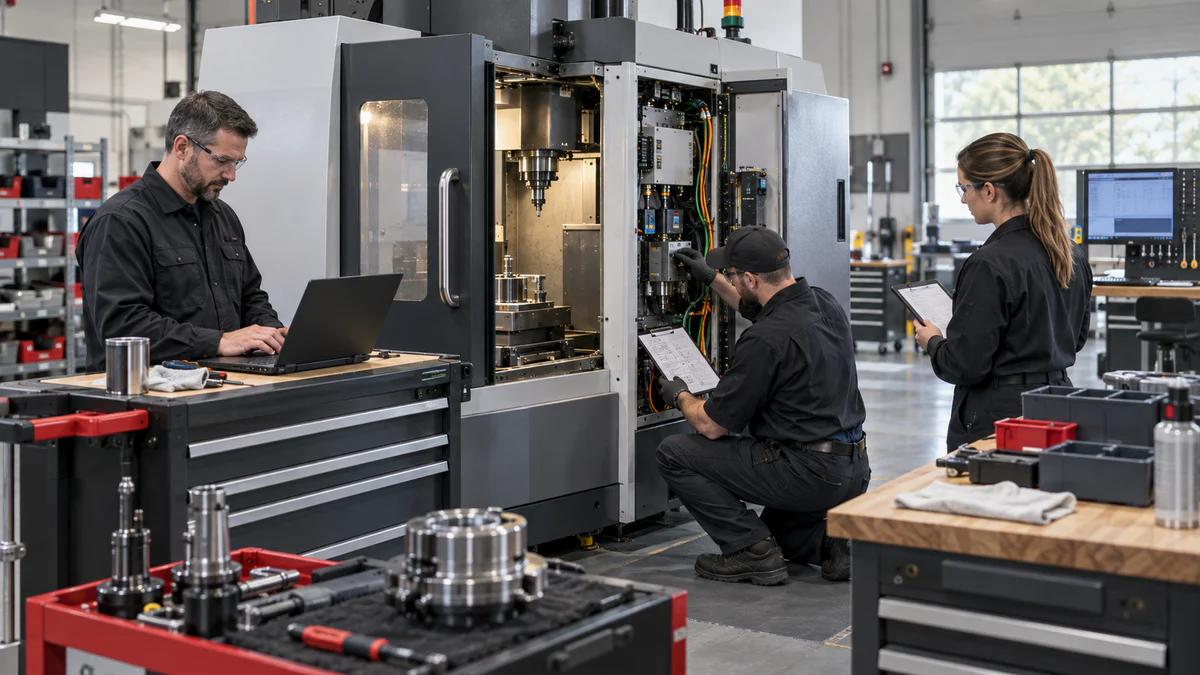
A CNC vertical milling machine should be tested through changing cutting conditions, because the real process rarely stays inside one calm demonstration cycle. Zhihe CNC builds a toolpath weather map that marks stock fronts, engagement pressure, long-reach turbulence, thermal drift, chip storms, and inspection visibility.
The weather-map analogy gives buyers and process engineers a practical way to discuss variation without pretending to predict every result. It links each risky zone to measured evidence, a response rule, and a limit that stops production before damage or quality escape.
Draw the Map From the Workpiece Inward
Layer the drawing, CAD, blank, stock allowance, datums, fixture supports, clamps, tool access, roughing, finishing, holes, pockets, walls, floors, transitions, inspection, loading, and cleaning. Add material condition, hardness, residual stress, casting or forging variation, and free-state behavior.
Zhihe CNC recommends locating risk by feature and operation rather than applying one general label to the entire part.
Mark the Six Weather Systems
| Weather system | Process signal | Evidence |
|---|---|---|
| Stock front | Load changes at entry | Stock map and spindle trend |
| Reach turbulence | Deflection or chatter | Tool assembly and surface map |
| Heat ridge | Size drifts with time | Thermal sequence and checks |
| Chip storm | Recutting or blockage | Video and cleaning record |
| Fixture shadow | Support changes by feature | Clamp and datum study |
| Inspection fog | Result cannot be reproduced | Method and uncertainty |
The table turns a vague difficult part into testable zones.
Forecast the Stock Front Before Cutting
Measure or classify incoming stock where variation changes engagement, tool entry, fixture contact, or remaining material. Keep actual stock aligned with the digital model used for rest machining. Define what variation is acceptable and what must be reworked, reprogrammed, or held.
A CNC vertical milling machine trial should use realistic stock rather than an ideal blank selected only for demonstration.
Read Pressure Through the Complete Tool Assembly
Track tool diameter, flute count, material, holder, projection, runout, balance, spindle speed, feed, radial engagement, axial depth, direction, entry, exit, corner behavior, and local fixture stiffness. Spindle load alone cannot distinguish every cause, but it can help locate changes when aligned with the path.
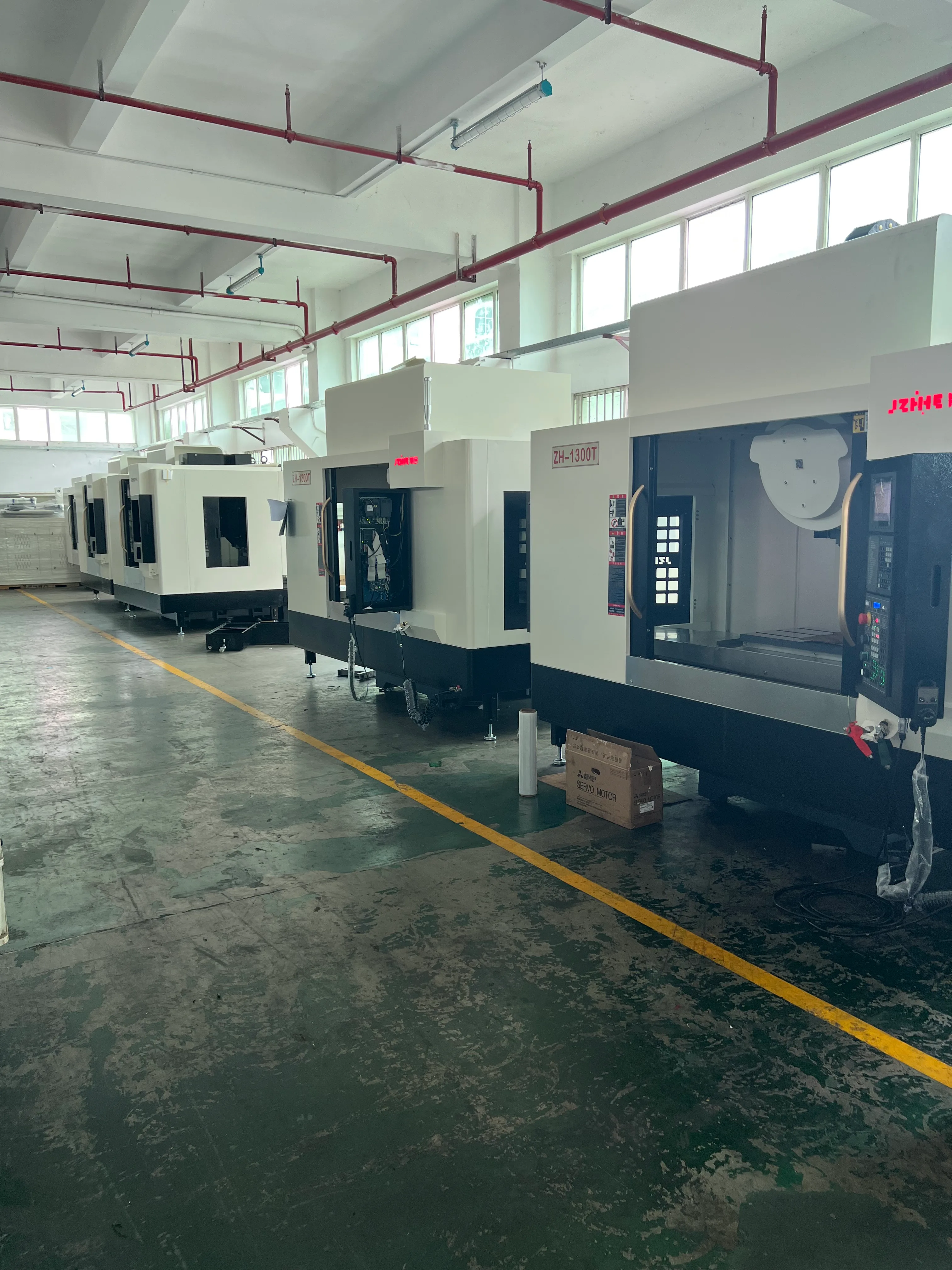
Chart Long-Reach Turbulence
Map tool projection, holder clearance, feature depth, contact direction, local wall thickness, support, expected deflection, chatter sensitivity, surface class, and recovery. Test the longest and smallest risky assemblies, not only a short rigid tool.
Zhihe CNC recommends controlled single-variable trials only after collision, stock, fixture, and safe operating limits have been reviewed.
Follow the Heat Ridge Across the Shift
Record ambient range, machine cold state, warm-up, spindle duty, axis motion, coolant condition, roughing duration, delays, tool changes, inspection timing, and restarts. Place checks at the beginning, after heavy duty, before finishing, and near the end of the intended cycle.
The purpose is to define a repeatable sequence and response, not to assume that one compensation value cancels every thermal effect.
Give Chip Storms a Route Out
Study chip formation, cavities, ribs, clamps, fixture ledges, coolant direction, through-tool flow, air use, toolpath, recutting, washdown, conveyor, filtration, tank cleaning, and material changeover. A conveyor cannot remove chips that remain trapped at the cut.
Observe both normal accumulation and a planned cleanout. Record who decides when the process can continue.
Build a Forecast-to-Response Card
| Forecast | Trigger | Controlled response |
|---|---|---|
| Higher stock | Load band exceeded | Hold and verify blank |
| Long-reach vibration | Surface or sound threshold | Stop and inspect assembly |
| Thermal drift | Check feature trends | Stabilize and reverify |
| Chip blockage | Flow or visual limit | Safe cleanout routine |
| Probe deviation | Defined control limit | Inspect datum and fixture |
Responses need authorization, verification, and a return-to-run condition.
Keep Safety Outside the Metaphor
Weather language must never replace a formal hazard assessment. The OSHA machine-guarding resource offers general guarding context. Responsible teams must evaluate the delivered enclosure, doors, interlocks, ejection, tooling, fixtures, loading, chips, coolant, maintenance, cleanout, and local requirements.
Validate the Storm Cell, Not Only the Average
Freeze workpiece, material, stock, fixture, tools, program, controller state, thermal sequence, coolant, inspection, limits, sample, and retest. The ISO 10791 series reference provides machining-centre test context; the production test must still include the buyer's worst credible zones.
Measure accepted output, not just elapsed machine motion.
Operate the Map as a Shift Control
At shift start, confirm blank class, fixture state, tool assemblies, coolant, warm-up, program revision, offsets, probe readiness, inspection capacity, and open deviations. During production, link observations to feature, operation, tool, time, and machine state.
A CNC vertical milling machine map becomes useful when operators know which signals are information, which require adjustment by an authorized method, and which stop the process.
Improve the Forecast After Every Batch
Compare predicted zones with actual spindle trends, tool wear, surface marks, dimensions, chip interruptions, cleaning, rework, scrap, and operator interventions. Retire false alarms and strengthen weak signals only after controlled review.
Zhihe CNC recommends keeping a revision history so a successful batch does not erase the conditions that made it successful. Separate mandatory limits from diagnostic clues and record any temporary workaround.
Use the map to plan future parts: identify shared tools, fixtures, thermal sequences, chip behavior, and inspection capacity, while marking new extremes that require fresh trials.
Run a Red-Team Drill on the CNC Vertical Milling Machine
After the normal process is stable, schedule a controlled review that challenges the map without endangering people, equipment, or work. The red team does not create random failures. It selects credible variations already inside the approved test plan, such as the high end of stock allowance, a long tool at its defined projection, a warm restart, a chip-prone orientation, or a delayed inspection.
For each scenario, state the forecast, trigger, authorized response, evidence, and return-to-run rule before machining begins. The CNC vertical milling machine must stay inside approved operating and safety limits. If the scenario would require bypassing a guard, interlock, tool limit, fixture rule, or program control, reject the drill and review the engineering instead.
Ask an operator who did not write the map to interpret the signals. Observe whether the person can identify the feature zone, distinguish information from a stop condition, find the correct procedure, preserve the evidence, and escalate without guessing. Zhihe CNC treats unclear instructions as a system finding, not an operator failure.
Compare predicted and observed tool load, sound, chips, surface, dimensions, probe results, cleaning, and time loss. A correct forecast increases confidence only for the tested range. An incorrect forecast should open the assumptions behind stock, tool assembly, fixture, heat, coolant, or measurement.
Repeat the review after meaningful changes to material, blank supplier, fixture, tool, program, coolant, environment, software, or maintenance. The CNC vertical milling machine weather map should evolve through controlled evidence, while earlier revisions remain available for traceability.
Finish with one recovery rehearsal. Preserve offsets, tool state, stock, completed operations, inspection status, and approval. Confirm that the restarted part can be distinguished from uninterrupted work and that quality release does not depend on memory.
Know What the Weather Map Cannot Predict
The map cannot guarantee behavior for every material lot, stock condition, tool, fixture, program, temperature, operator, maintenance state, or inspection system. It organizes evidence and response. New extremes of reach, engagement, heat, chips, surface, or tolerance must reopen the relevant zone and trigger targeted verification. Keep temporary responses visible, because a workaround that passes one batch can become an unsafe or unstable habit when its original conditions are forgotten. Review those conditions during every formal process release meeting.
FAQ
Why use a weather map for milling?
It makes changing process conditions visible by feature and connects them to evidence and response rules.
What is a stock front?
It is a zone where incoming material variation changes tool entry, engagement, load, or remaining stock.
Does spindle load prove process stability?
No. It is one signal that must be aligned with toolpath, tool assembly, stock, fixture, sound, surface, and dimensions.
Which tool should be used in a trial?
Include the long, small, or otherwise risky assemblies that define production limits.
How is thermal drift mapped?
Record the complete duty sequence and measure controlled features at meaningful times and states.
Why can chips remain a problem with a conveyor?
Chips may stay trapped in the cut, part, fixture, or enclosure before they ever reach the conveyor.
What makes a response controlled?
It has a defined trigger, authorized action, verification, record, and return-to-run condition.
Should the map include inspection?
Yes. A process cannot be released when the measurement method or capacity hides the result.
Can one successful batch approve every variant?
No. New materials, reaches, stock, features, tolerances, or thermal sequences may require new trials.
Which production clues should Zhihe CNC receive?
Send controlled parts, stock variation, tools, fixtures, process sequence, quality risks, and site conditions.
Map the Production Weather With Zhihe CNC
To evaluate a CNC vertical milling machine, send Zhihe CNC your controlled drawings, CAD, material, stock range, fixture, tool assemblies, operations, surfaces, tolerances, cycle, inspection, and known failure zones. Review the vertical machining center range, the engineering profile, and the contact page before building the forecast.