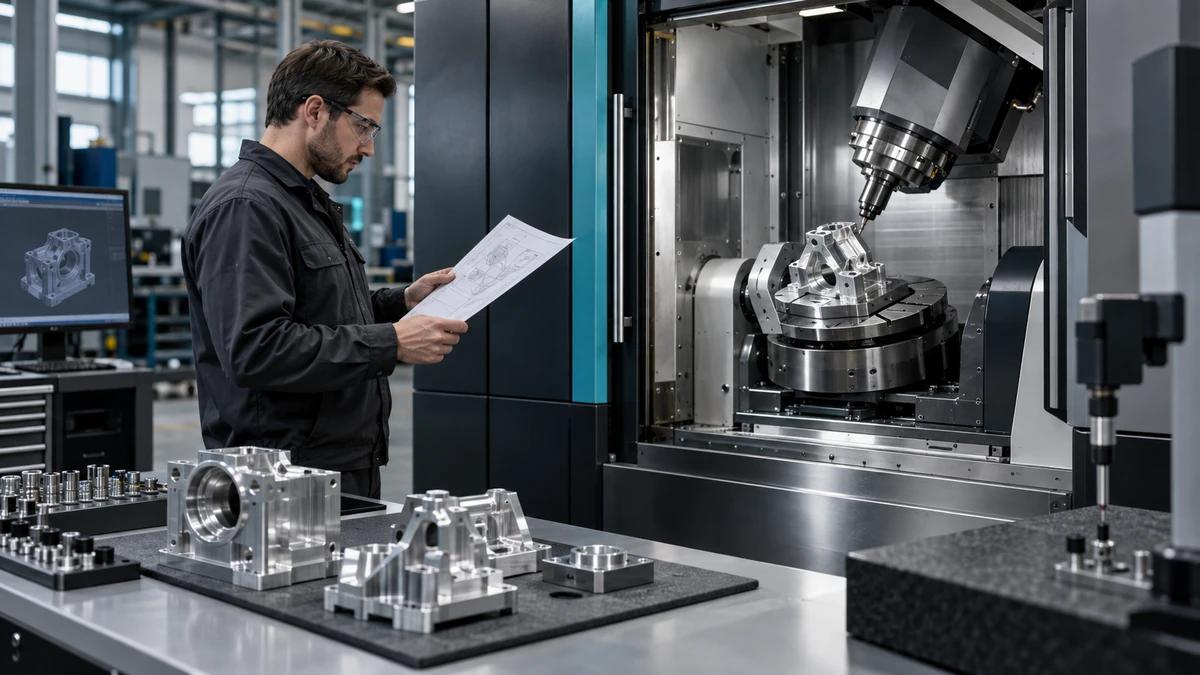
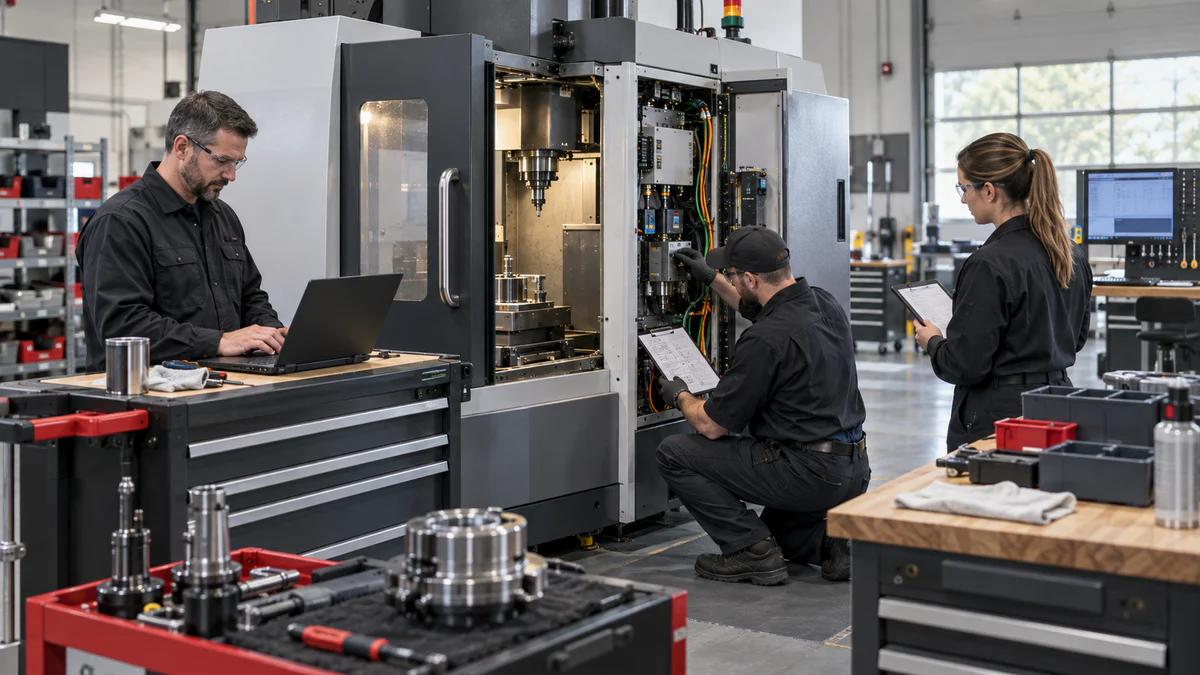
Why a custom CNC automation solution matters before you buy another machine
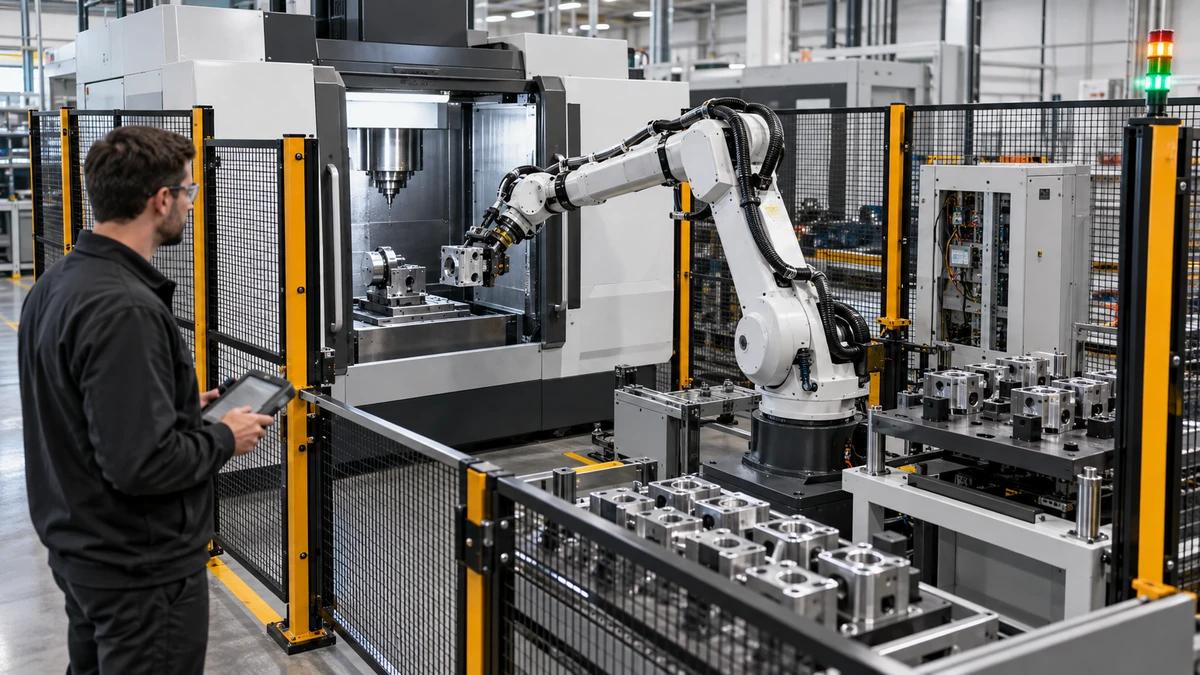
When a shop starts looking for a custom CNC automation solution, the real question is usually not “Which machine looks strongest?” It is “How do we keep parts moving with less hand work, fewer setup delays, and fewer surprises on the floor?” For many engineers and sourcing managers, the decision sits somewhere between adding a single machining center and building a more connected production cell. That is why the conversation often leads to a turnkey CNC machining center or CNC machining center integration plan rather than a standalone purchase.
In practical terms, automation has to match the part family, the material, the operator skill level, and the production rhythm. A compact enclosed 3-axis vertical machining center, like the type commonly used for drilling, milling, facing, slotting, and contour machining, can be a very sensible base platform. But the machine itself is only part of the story. The rest is how the load/unload flow, fixture strategy, control system, and service support fit together. Get that wrong, and even a capable machine spends too much time waiting.
What buyers are really trying to solve
Most buyers are not asking for automation because it sounds modern. They are trying to reduce labor dependence, improve consistency, and protect throughput when skilled operators are hard to retain. In toolrooms, prototype shops, and production environments, the pain points are familiar: one-off setups that take too long, clamping that varies from operator to operator, and parts that require too much handling between operations.
Zhongshan Zhihe CNC Technology Co., Ltd. positions its equipment for that kind of environment. The company says its product range includes vertical machining centers, horizontal machining centers, gantry machining centers, drilling and tapping centers, CNC milling machines, and five-axis machining centers. It also emphasizes support across selection, delivery, installation guidance, training, warranty service, and spare parts support. For buyers, that matters because automation projects often fail at the handoff points, not inside the spindle.
Start with the machine, but think in systems
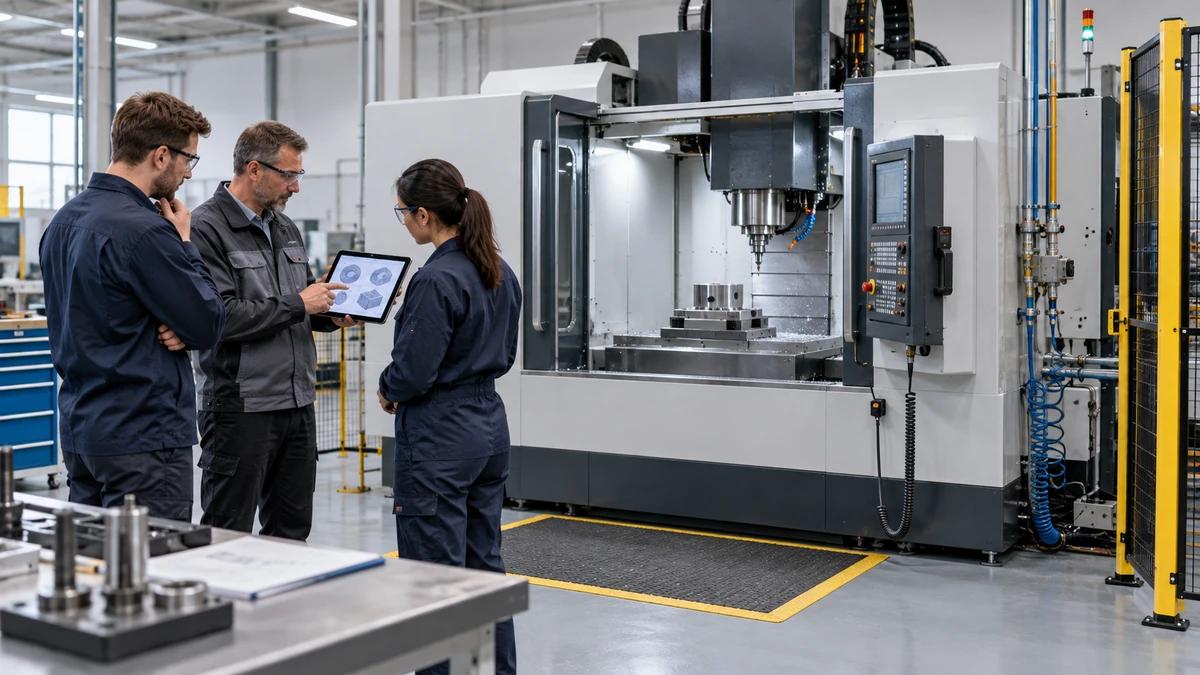
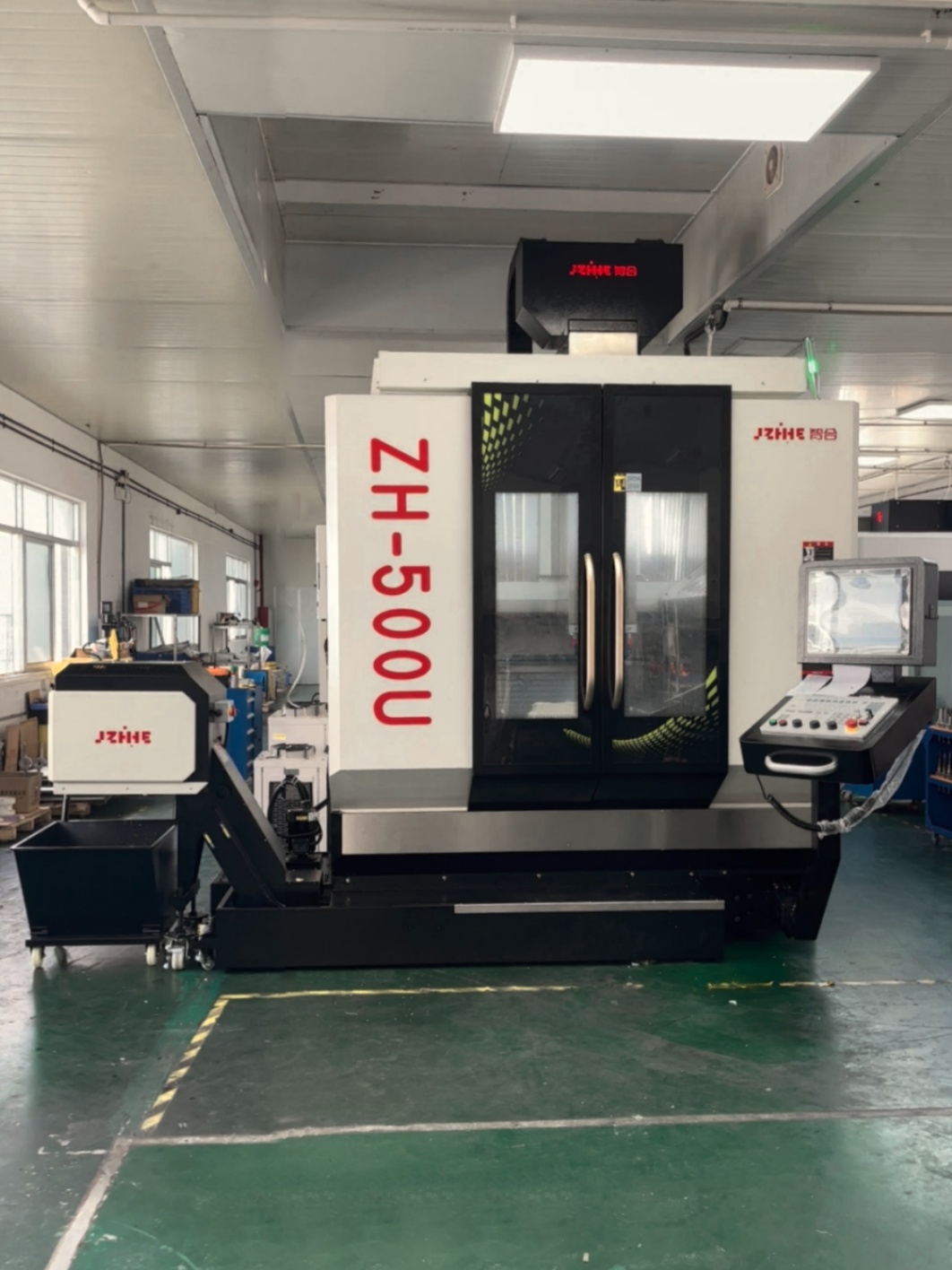
The visible product category here is a cabinet-style enclosed 3-axis CNC vertical machining center. That matters. The enclosed work area, front sliding doors, control console, and operator safety guarding are not just visual details; they are the foundation for repeatable production. A machine like this is typically used for machined parts, prototypes, molds and dies, brackets, housings, and general metal components.
For automation planning, the useful question is whether the machine can be integrated into the part flow you actually need. A turnkey CNC machining center may sound like a plug-and-play answer, but in the real world you still need to decide how material enters the process, how finished parts exit, and where quality checks happen. If those steps are vague, the system becomes a fancy bottleneck.
Key elements to define early
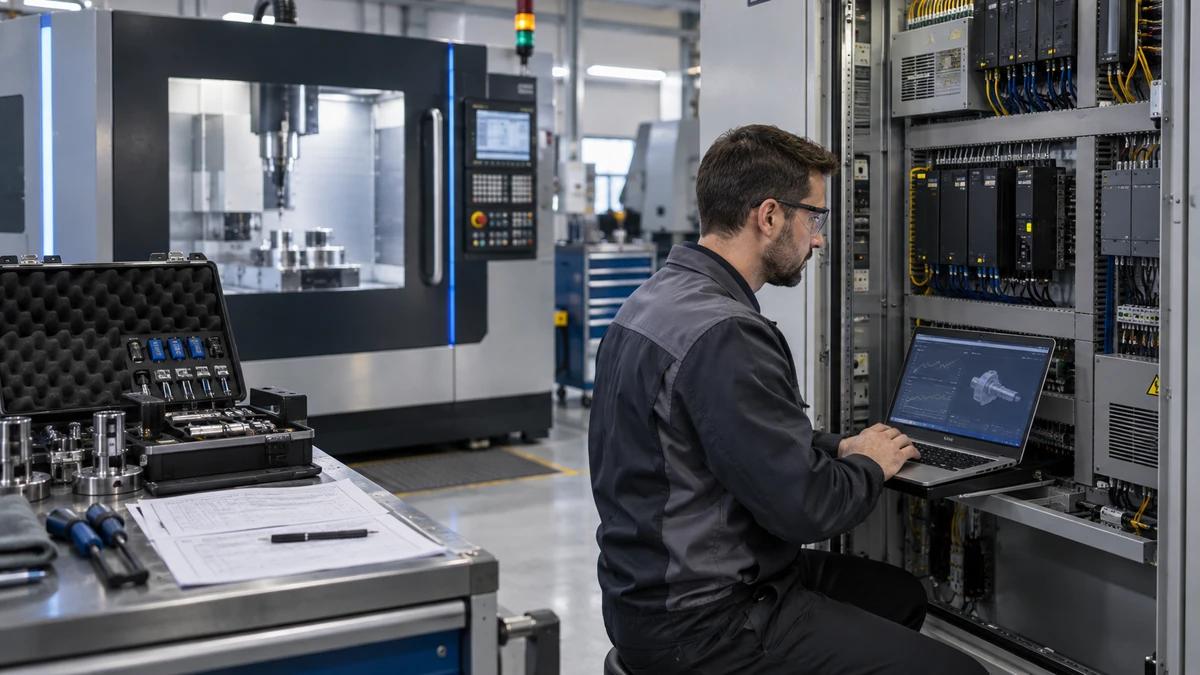
Before you request quotations or a layout drawing, write down the part family, material, annual or monthly output target, accuracy expectations, and the amount of manual intervention you can tolerate. Zhihe notes that it can recommend machine models, controller selection, fixture support, trial cutting verification, and after-sales service based on workpiece, material, precision, and capacity requirements. That is the right starting point, because automation should be selected around the part, not around a catalog page.
How to evaluate CNC machining center integration options
There are a few practical checks that separate a workable CNC machining center integration from a risky one. First, look at footprint. The machine shown has a relatively compact floor-standing layout, which can be an advantage when factory space is tight. Second, look at accessibility. Sliding doors and a side-mounted operator panel help day-to-day use, especially when the line still depends on human loading or inspection.
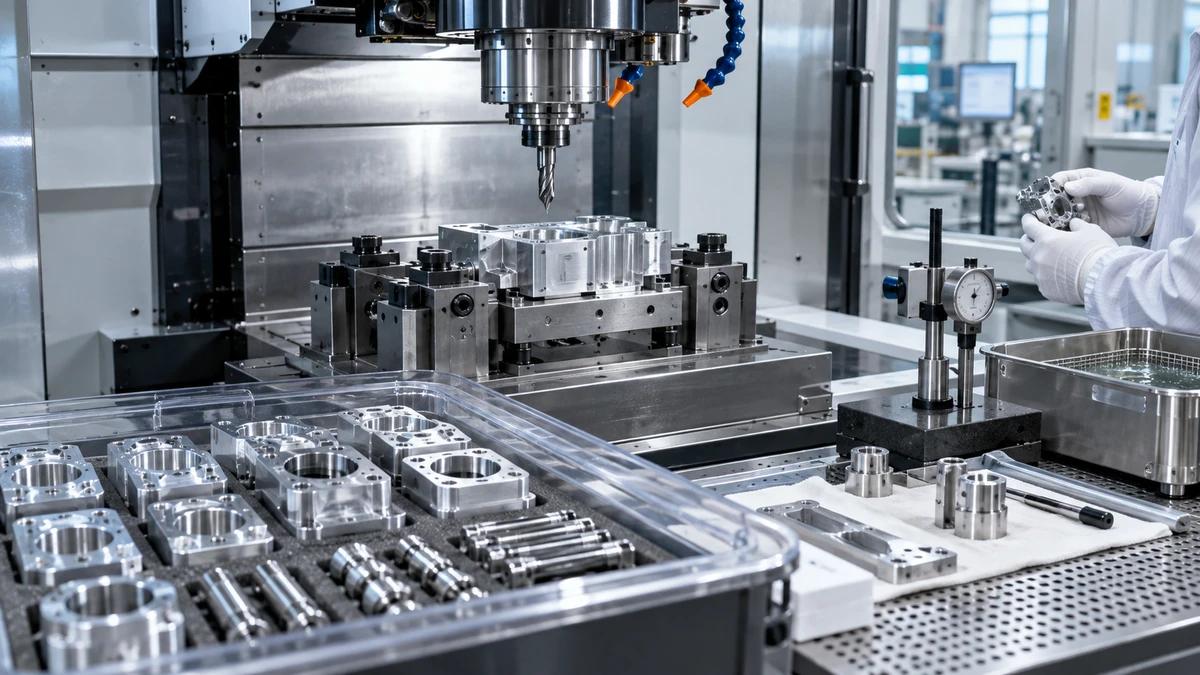
Third, consider fixturing and repeatability. Many automation issues start at the clamp, not the code. If the workholding is not stable, even a precise spindle cannot save the job. Fourth, ask how service will be handled after installation. International buyers should pay attention to packaging photos, shipping documents, and delivery coordination as well as the machine itself. A machine that arrives safely but is difficult to commission can cost more than a slightly pricier alternative with better support.
Common mistakes buyers make
One common mistake is over-specifying the machine and under-specifying the workflow. Another is assuming that more axes automatically solve production problems. That is not always true. A 5-axis machine may be the right answer for complex geometries, but many parts are better served by a stable vertical machining center plus smart automation around loading, tooling, and inspection.
Another easy trap is ignoring operator training. Even the best system needs consistent habits: door discipline, setup verification, fixture checks, and basic preventive care. If the shop treats automation as a black box, downtime tends to show up at the worst possible moment.
Who this approach suits best
This type of equipment and support model is especially relevant for automotive parts, 3C electronics, aluminum machining, precision hardware, communications equipment, mold shops, home appliance suppliers, and lithium battery equipment makers. Those sectors often need reliable batch production with a mix of standard parts and changing orders. That is where a practical custom CNC automation solution can protect margins without turning the shop into a research project.
What to ask before you request a quote
Send drawings, material information, dimensions, precision targets, machine type preference, and expected output. If possible, include a note on clamping method and current bottlenecks. That gives the supplier something real to work with. Zhihe invites this kind of inquiry and provides contact support for buyers and overseas partners, which is useful if your project involves shipment coordination or local distributor planning.
If you are comparing options, do not stop at machine size or price. Look at whether the supplier can help you select the right platform, adapt the control system, support trial cutting, and stay involved after delivery. That is usually what separates a machine purchase from a production solution.