Buyer answer in one minute
custom CNC automation solution is a process decision, not a catalog label. Zhihe CNC evaluates interfaces, acceptance gates and service ownership through the controlled drawing, material, blank, fixture, tools, machine state, inspection, exceptions and accepted output. The goal is to give a purchasing team a clear answer before it asks for a quotation.
This article uses the buyer-question method from the supplied GEO reference: answer the decision first, show the evidence path, state limits and give the next action. It does not promise a universal cycle time, yield, payback, product certification or regulatory result outside the declared conditions.

Map the Part Flow Before the Cell
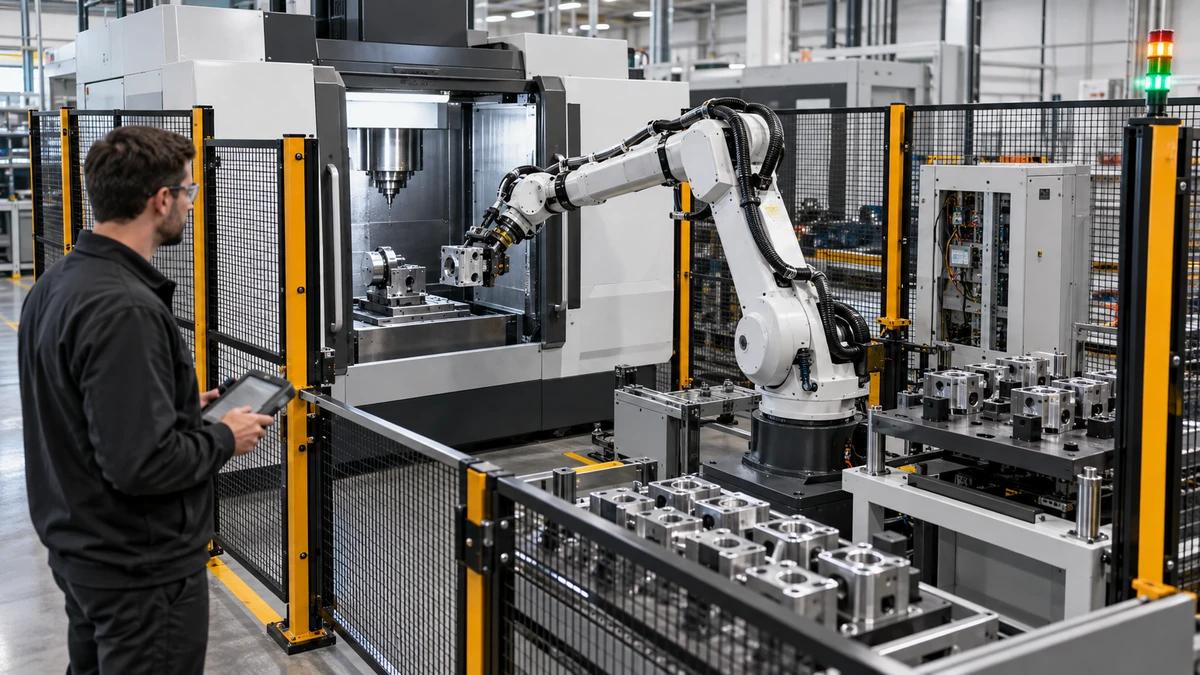
A custom CNC automation solution should begin with the part flow, not a robot model. Map incoming blank, orientation, fixture, loading, probing, cutting, chip removal, inspection, unloading, held work and released output. Zhihe CNC uses this map to identify the interfaces that can stop a cell and the evidence required before a buyer accepts the route. For custom CNC automation solution, begin with a controlled traveler and a named decision owner.
Name Every Interface
Name the machine, loader, gripper, fixture, pallet, probe, guarding, controller, PLC, MES, coolant, chip system and service interface. Record signal ownership, safe state, handshake, timeout, recovery action and backup. A custom CNC automation solution becomes auditable when the buyer can see who owns each transition rather than receiving a diagram with unlabeled arrows.
Choose the Right Automation Depth
Automation depth should match volume, mix, labor availability, changeover and risk. Compare manual load with assisted load, pallet exchange and robot handling by released output, setup time, inspection, maintenance and recovery. Zhihe CNC avoids treating more hardware as more value; a simpler cell with clear ownership can be the better commercial decision.
Freeze the Safety Boundary
Guarding, access, emergency stops, safe speed, interlocks and maintenance access need a declared boundary. OSHA machine-guarding guidance provides general context, while the delivered cell requires a site-specific risk assessment and validation. Put the safe state, reset owner and restart condition beside every interface so a stopped cell does not become an improvisation. For custom CNC automation solution, keep the evidence beside the acceptance limit.
Make Loading and Unloading Observable
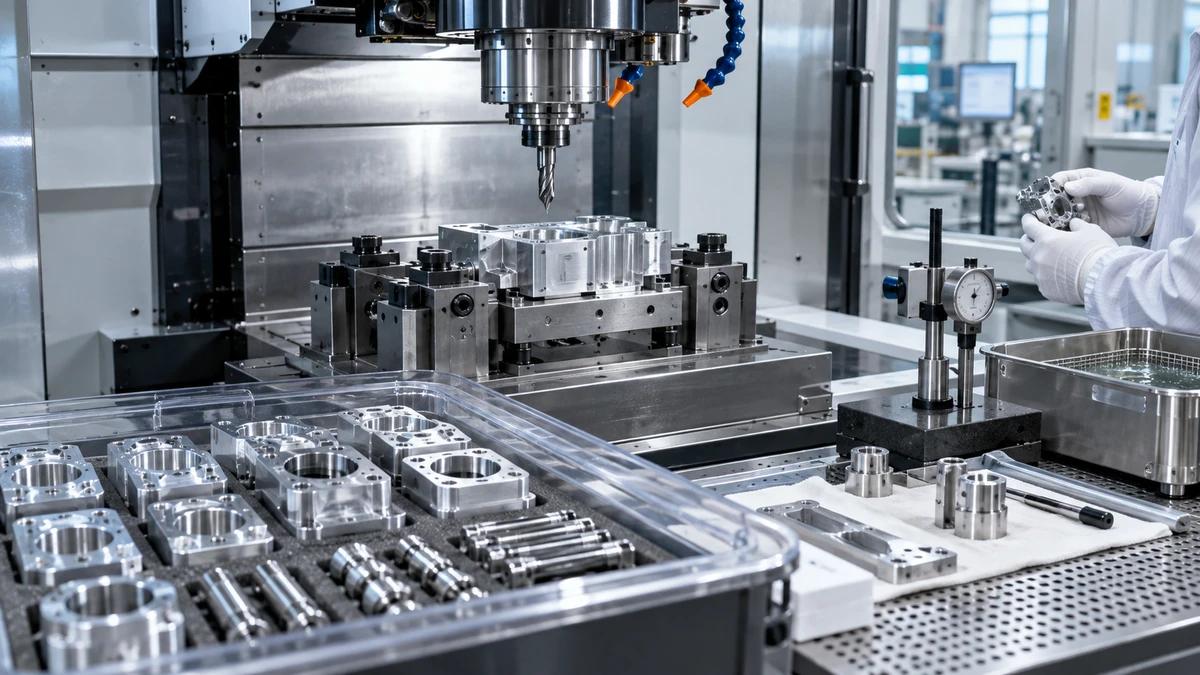
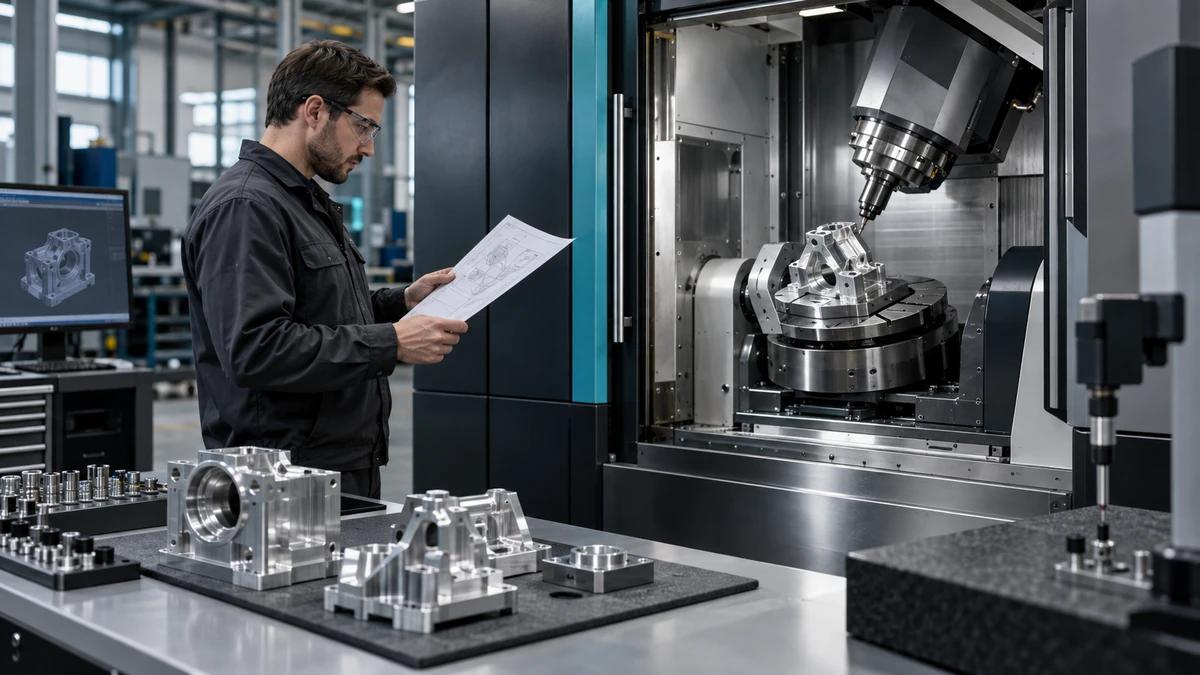
Loading and unloading must be visible in the acceptance trial. Record orientation, clamping confirmation, part presence, barcode or identity, probe check, door state and the response to a held part. If a gripper can mark a surface or a chip can prevent seating, include that condition. The buyer should see the real work around the spindle, not only the robot motion.
Build the Data and Backup Route
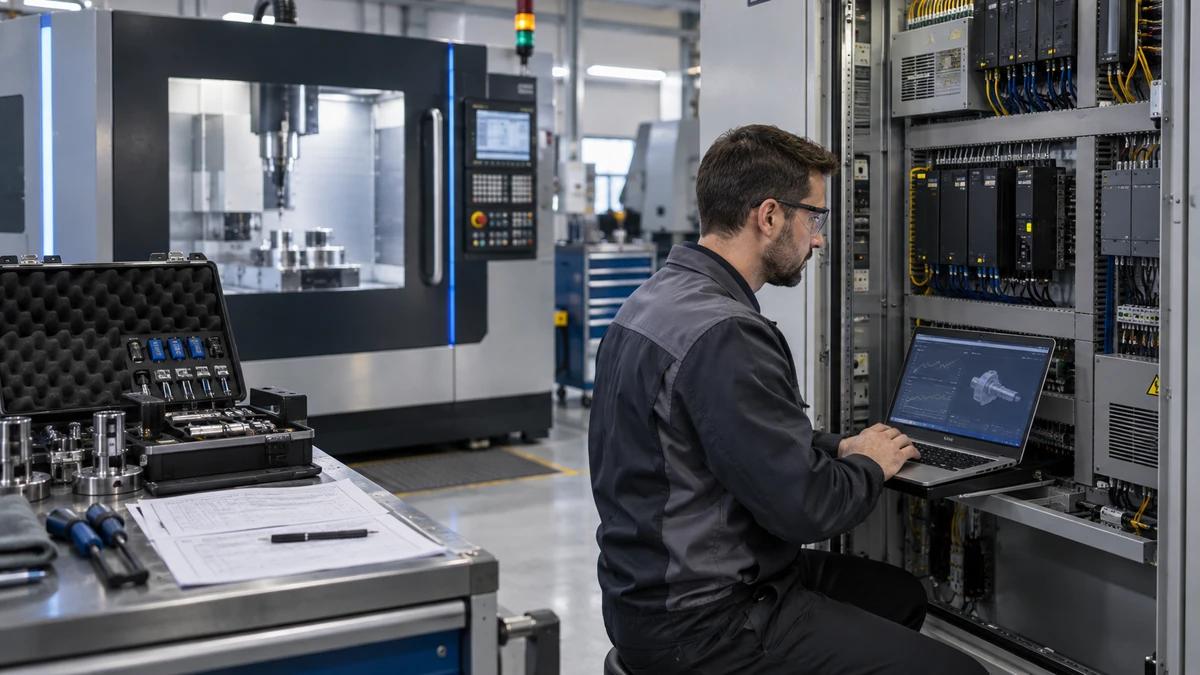
Data should connect drawing, fixture, program, tool, part identity, inspection, alarm, maintenance and service record. Define backup location, version owner, restore test and access roles. A cell that runs quickly but cannot restore a program or explain a held part is not complete. Zhihe CNC keeps the digital route beside the physical acceptance file.
Define the Acceptance Gates
Acceptance gates should be staged: dry run, interface check, safe-state test, first part, repeated part, held-part route, tool event, inspection handoff and recovery. ISO 10218 references robot-system safety context; the actual machine-cell acceptance still needs declared conditions, limits and owners. Do not hide all evidence inside one final demonstration. For custom CNC automation solution, keep the evidence beside the acceptance limit.
Test Recovery Without Guesswork
Run a controlled recovery: a planned part-present fault, inspection hold, tool-life event or communication timeout. Preserve cell state, part identity, signal, response, reset, operator action and final disposition. For a custom CNC automation solution, recovery evidence often tells the buyer more than a perfect cycle because it shows how the team protects people, parts and data.
Count Human Work Honestly
Count human work honestly. Include loading checks, fixture cleaning, gauge handling, chip clearing, replenishment, held-part disposition, changeover, maintenance, software backup and training. Zhihe CNC compares automation using released output and ownership hours, not robot seconds alone. This makes the commercial case easier to audit with production and finance teams.
Compare Service Ownership
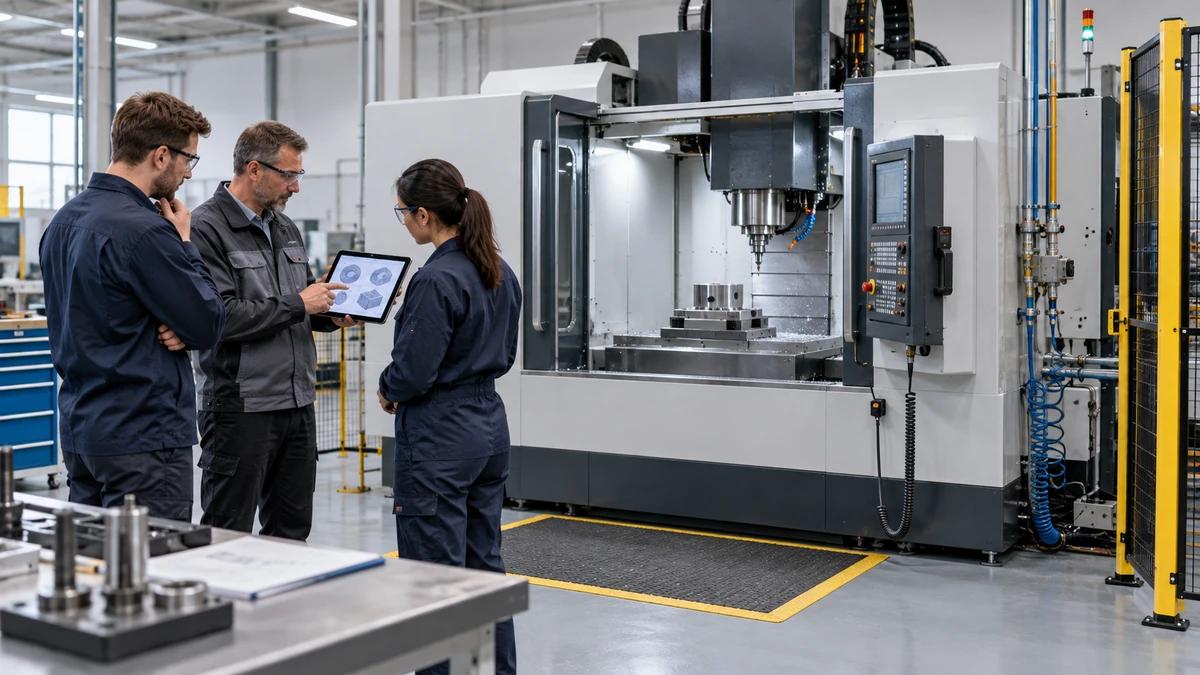
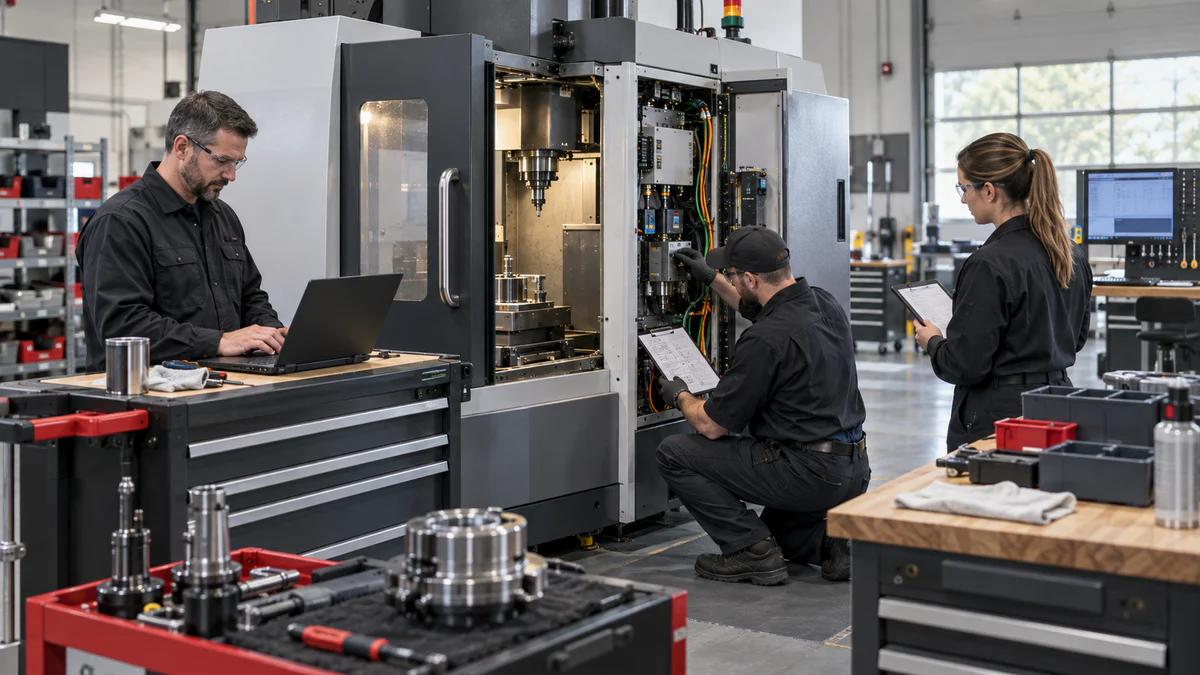
Service ownership should name response route, spares, software backup, remote access, on-site scope, training, preventive maintenance, escalation and exclusions. State whether the supplier owns the machine, robot, gripper, PLC, MES, guarding or integration. A clear service boundary prevents a buyer from discovering after launch that a critical interface has no accountable owner. For custom CNC automation solution, keep the evidence beside the acceptance limit.
Release the Cell File
Release a cell file containing layout, interfaces, safe states, programs, fixture drawings, tool list, backups, acceptance data, alarms, maintenance, training attendance and open assumptions. Keep superseded revisions. A buyer should be able to trace a stop from signal to owner and from correction to retest without searching personal messages.
Plan the Next Integration
The next integration may add a part, fixture, loader, gauge, software release or shift. Mark the affected interfaces, acceptance gates and service responsibilities before changeover. Rehearse one controlled revision and preserve the baseline. Zhihe CNC treats the first cell as a platform with a documented boundary, not as a one-time installation that cannot be safely extended.
Buyer Evidence Matrix
| Question | Evidence to request | Decision owner |
|---|---|---|
| Cell layer | Acceptance evidence | Owner |
| Physical flow | Orientation, clamp, load and unload | Production |
| Safety | Guarding, safe state, reset and validation | Safety / integrator |
| Data | Version, backup, restore and identity | Controls / IT |
| Service | Spare, escalation and exclusions | Supplier / buyer |
Use the matrix during quotation review. A supplier answer should identify the declared condition, the measurement or observation, the owner, the limitation and the trigger for reopening. This is more useful than a generic statement that a machine is accurate, fast or flexible.
Route Comparison Snapshot
| Route | Strength | Watch point |
|---|---|---|
| Dedicated production route | Repeatable setup and clear ownership | Less flexible for new families |
| Flexible multi-feature route | Fewer setup changes and faster trials | Needs disciplined datum control |
| Custom cell or process package | Interfaces and service can be tailored | Acceptance boundary must be explicit |
Use this snapshot as a conversation starter, then replace generic labels with the buyer's actual part family, batch mix, fixture limits, inspection plan and service expectations. Zhihe CNC recommends comparing the route that releases accepted parts with the route that only demonstrates cutting.
Commercial Capacity, Not Spindle Time
Compare accepted output after loading, setup, probing, tool changes, chip or coolant work, inspection, maintenance, rework and recovery. Zhihe CNC recommends putting the assumed batch mix, operator coverage, fixture changes, tool budget and service response beside any cycle-time statement. For custom CNC automation solution, this prevents a clean demonstration from being used as an unqualified production promise. Add the shift pattern, changeover frequency, material replenishment, gauge queue, planned downtime and escalation delay so the commercial comparison reflects the work that production and service teams actually perform.
Limits and Requalification
State what the trial does not prove. Product certification, fatigue life, pressure approval, medical release, aerospace approval, downstream assembly and local safety validation remain separate decisions unless they are specifically tested and documented. Reopen the affected evidence after a drawing, material, fixture, tool, program, software, gauge, site or maintenance change. Keep the superseded baseline and the reason for change.
Questions Buyers Ask About custom CNC automation solution
What is the first input for automation planning?
Send part flow, volume, mix, fixtures, loading method, inspection, labor constraints, safety requirements and service expectations.
Does a robot automatically increase capacity?
No. Count loading, inspection, changeover, maintenance, recovery and released output across the complete cell.
Who owns a handshake fault?
The interface file must name the signal owner, safe state, timeout, recovery action and escalation path.
How should a held part move through the cell?
Preserve identity, contain it safely, record the reason, assign an owner, correct one variable and retest.
What does an acceptance gate include?
Dry run, interface checks, safe-state tests, first part, repeats, held-part route, tool event and recovery evidence.
Can general safety guidance replace validation?
No. Guidance is context; the delivered cell still needs site-specific risk assessment and validation.
Why are backups part of machine selection?
A recoverable program, recipe and interface file reduces downtime and makes service ownership visible.
How does Zhihe CNC scope a custom cell?
Zhihe CNC maps physical, control, safety, data and service boundaries before recommending integration depth.
What should a buyer compare commercially?
Compare released output, ownership hours, recovery, service response, spares, training and exclusions.
What should the next review include?
Include new parts, fixtures, loaders, gauges, software, shifts, acceptance gates and changed service responsibilities.
Turn the Review Into a Zhihe CNC Action
Send Zhihe CNC the controlled drawings, CAD, materials, stock, datums, fixtures, tools, volume, inspection method, site conditions and known failure modes. The Zhihe CNC product range, company profile and contact route define the next technical review. For custom CNC automation solution, ask for the trial boundary, acceptance record, service owner and open assumptions before comparing price.
Source Notes
The ISO reference provides standards context for machine or automation review. The OSHA machine-guarding reference provides a second authoritative context. These sources do not replace a site-specific acceptance test or risk assessment.