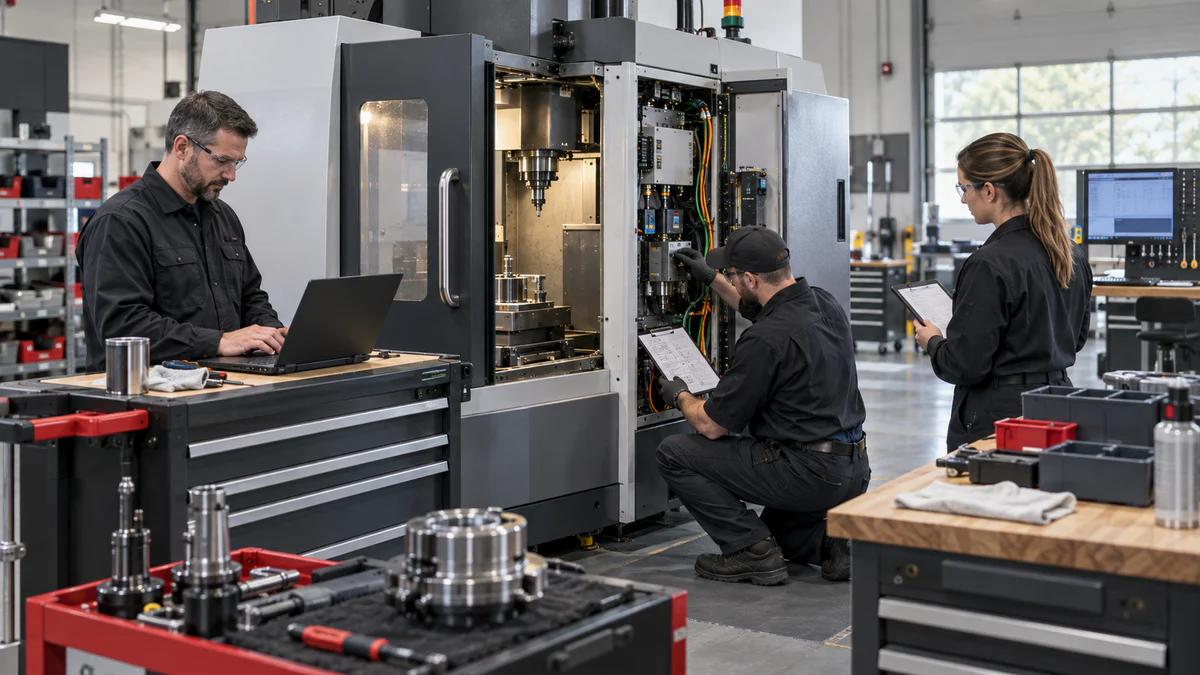
A custom CNC machine manufacturer should be evaluated inside the design review, where requirements, architecture, interfaces, risks, acceptance, and recovery are challenged before steel, software, and schedule become difficult to change. Zhihe CNC uses five redlines that cannot be crossed without evidence and formal approval.
The five-redline method is intended for engineering managers, integrators, factory owners, and sourcing teams. It keeps customization focused on measurable manufacturing constraints instead of letting a project grow through attractive options, undocumented assumptions, and late requests.
Redline 1: No Design Without a Controlled Requirement
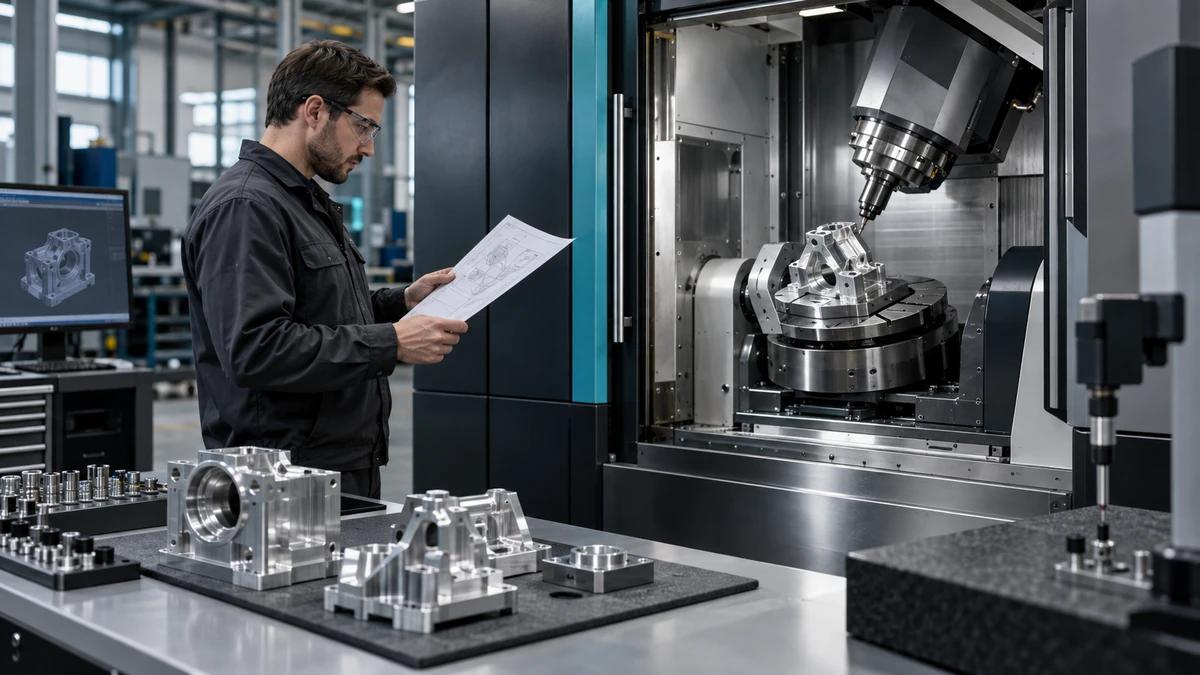
Index drawings, CAD, specifications, material, blank, datums, tolerances, surfaces, production volume, cycle objective, inspection, destination, utilities, automation, safety, service, and schedule. Mark revision, owner, status, and confidentiality.
Zhihe CNC separates mandatory, target, preferred, future, and unknown. Every mandatory item needs a verification method; every unknown needs an owner and due date.
Turn the Drawing Into a Requirement-to-Risk Chain
| Drawing input | Manufacturing risk | Design response |
|---|---|---|
| Envelope and mass | Access and load | Usable work-zone model |
| Material and stock | Duty and distortion | Process and spindle map |
| Tolerance | Variation and measurement | Error and inspection plan |
| Volume | Capacity and tool events | Flow model |
| Destination | Interface and support | Site responsibility map |
The chain explains why each design choice exists and what evidence must close it.
Redline 2: No Custom Option Without a Constraint
For every special spindle, head, axis, table, magazine, probe, coolant system, chip system, fixture, automation interface, software function, voltage, enclosure, extraction, or document, state the requirement served, alternative considered, cost, schedule, dependencies, verification, maintenance, and service effect.
A custom CNC machine manufacturer should use the smallest controlled change that closes the requirement gap. Customization without traceability creates avoidable validation and recovery risk.
Challenge the Architecture With an Alternative
Compare at least one credible alternative using part access, datum transfers, load, tool reach, roughing, finishing, inspection, automation, footprint, skills, service, schedule, and lifecycle cost. Document why it was rejected.
Redline 3: No Interface Without One Owner
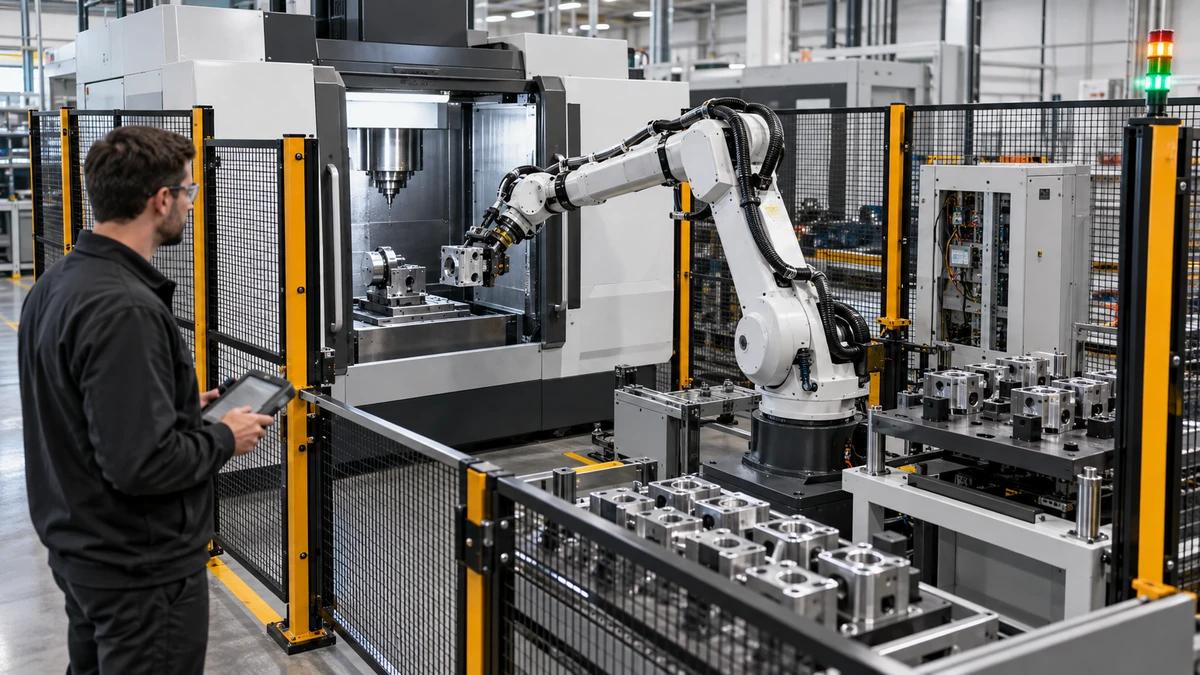
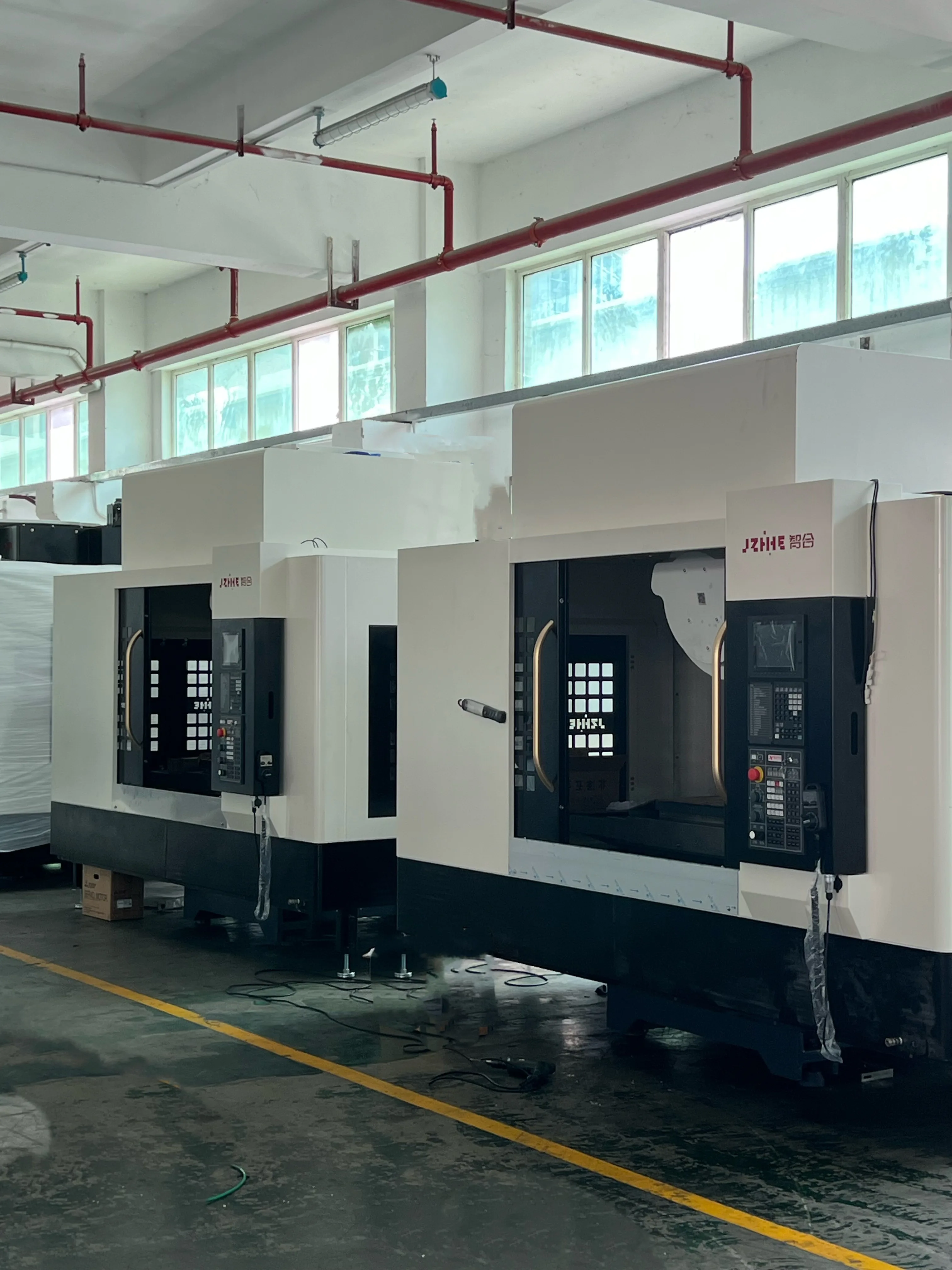
Map foundation, route, rigging, power, grounding, transformer, air, coolant, drainage, chips, extraction, network, robots, fixtures, tools, gauges, material, programs, postprocessor, inspection, installation, training, and acceptance. Define input, output, owner, date, and release evidence.
Terms such as customer prepares site are too broad. The review must reveal the exact boundary where one party hands a ready condition to another.
Use an Interface Failure Table
| Interface | Failure question | Release proof |
|---|---|---|
| Foundation | Can geometry be sustained? | Approved site data |
| Electrical | Are supply and protection correct? | Measured readiness |
| Automation | Who owns signals and recovery? | Interface test |
| Tooling | Do assemblies fit and perform? | Controlled list and trial |
| Inspection | Can acceptance be executed? | Method and capacity |
Zhihe CNC recommends reviewing the table before design release, factory acceptance, and shipment.
Redline 4: No Risk Closure Without Verification
Convert the risk register into calculations, simulations, inspections, controlled functional tests, machine tests, and representative cutting trials. Freeze configuration, material, fixture, tools, program, thermal state, measurement, limits, sample, exceptions, and retest.
The ISO 10791 series reference provides machining-centre test context. Project acceptance remains specific to the offered custom configuration and buyer work.
Separate Verification From Validation
Verification asks whether the design output meets its defined requirement: travel, load, signal, function, or geometry. Validation asks whether the complete solution performs the intended buyer process under representative conditions. Both are needed.
Zhihe CNC recommends linking failures to the requirement, risk, design, correction, and retest so lessons remain available after the meeting ends.
Redline 5: No Release Without Recovery
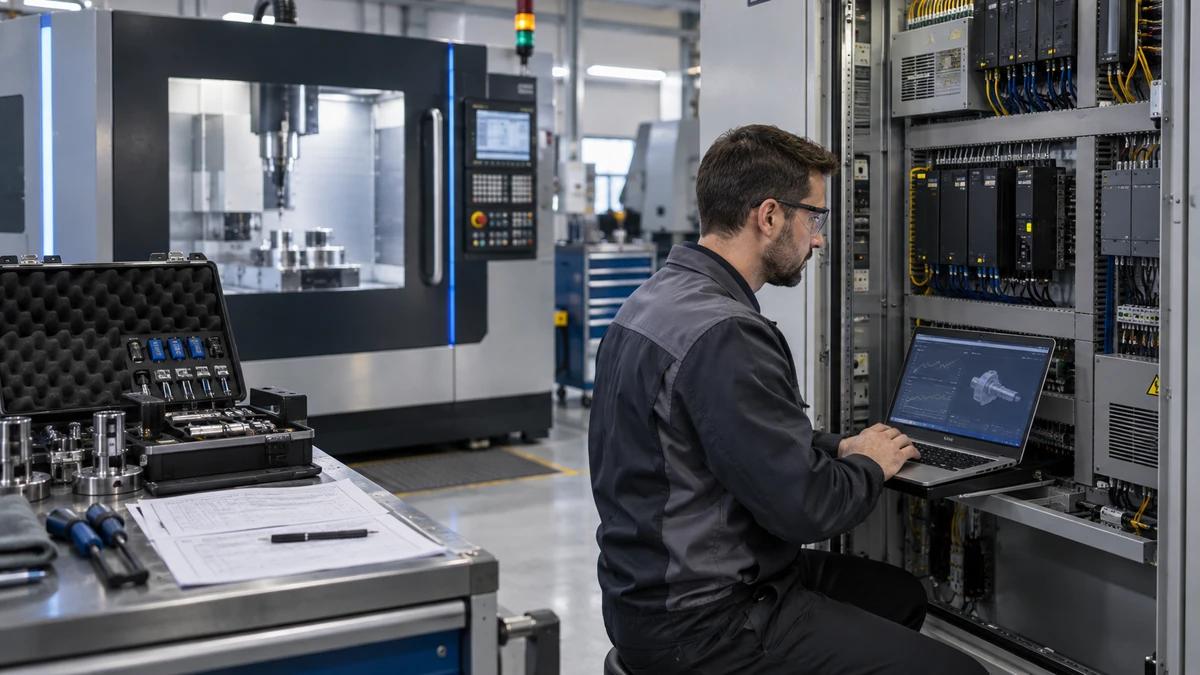
Archive serial configuration, drawings, electrical information, controller and software versions, parameters, PLC and NC backups, compensation, macros, licenses, tool and fixture files, programs, inspection methods, test reports, training, maintenance, spares, contacts, and escalation.
A custom machine is maintainable only when future teams can identify and restore the approved baseline without depending on one engineer's memory.
Operate a Formal Change Board
Classify changes as correction, substitution, enhancement, requirement revision, or scope expansion. Record reason, requirement, risk, safety, cost, schedule, drawings, software, tools, spares, documents, verification, acceptance, training, and approvals.
A custom CNC machine manufacturer should never let a meeting decision bypass the controlled baseline. Mark superseded files and notify every affected owner.
Review Safety at the Delivered Boundary
The ISO 16090-1 search reference provides safety context for machining centres. Responsible teams must assess the delivered machine, custom fixtures, automation, access, doors, interlocks, ejection, chips, coolant, loading, maintenance, and local requirements.
Customization can create new motion, reach, crush, or recovery hazards. Safety belongs inside each redline review.
Hold a Silent Review Before the Meeting
Send the requirement matrix, architecture comparison, interface map, risk register, verification plan, change log, and recovery dossier in advance. Ask reviewers to mark contradictions and missing evidence before discussion.
The meeting should decide specific open points rather than spend its time discovering that files use different revisions.
Audit the Custom CNC Machine Manufacturer After Launch
Compare the approved baseline with actual parts, cycle losses, tool life, fixture corrections, software changes, operator interventions, maintenance, utilities, quality escapes, and service events. Identify workarounds that were never converted into controlled improvements.
The custom CNC machine manufacturer review remains useful after delivery because it shows which redlines held and which assumptions require redesign before replication. Zhihe CNC turns the result into a replication pack with site-specific differences.
Stage the Redline Meeting as Five Decisions
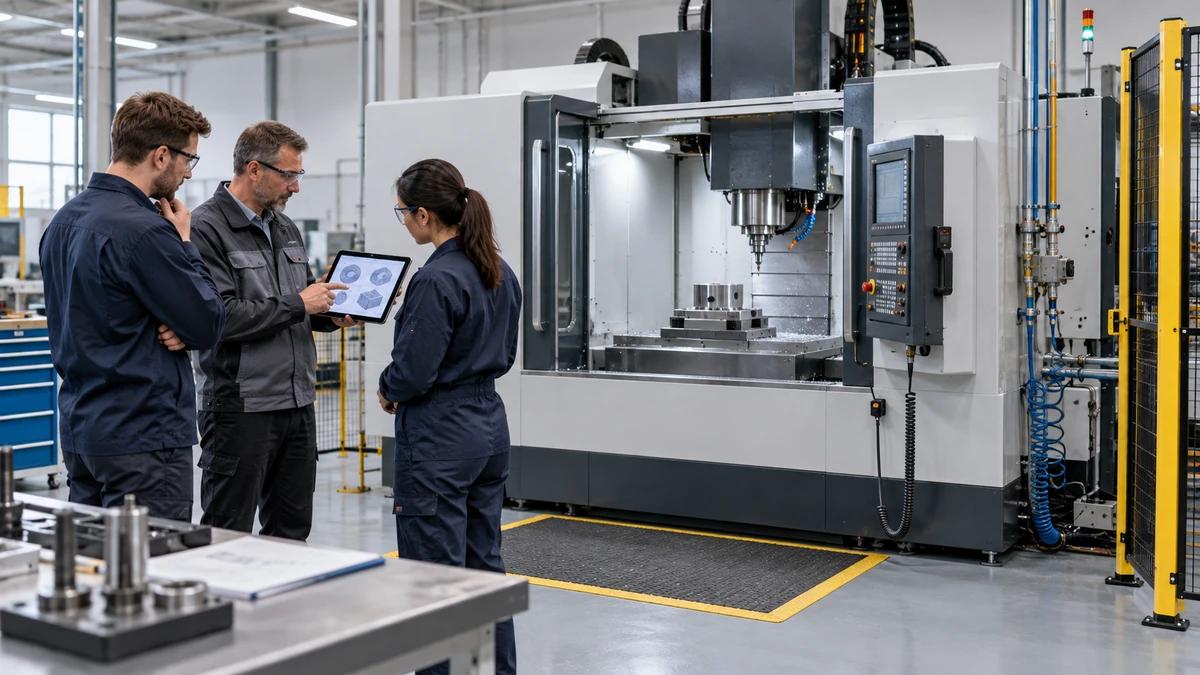
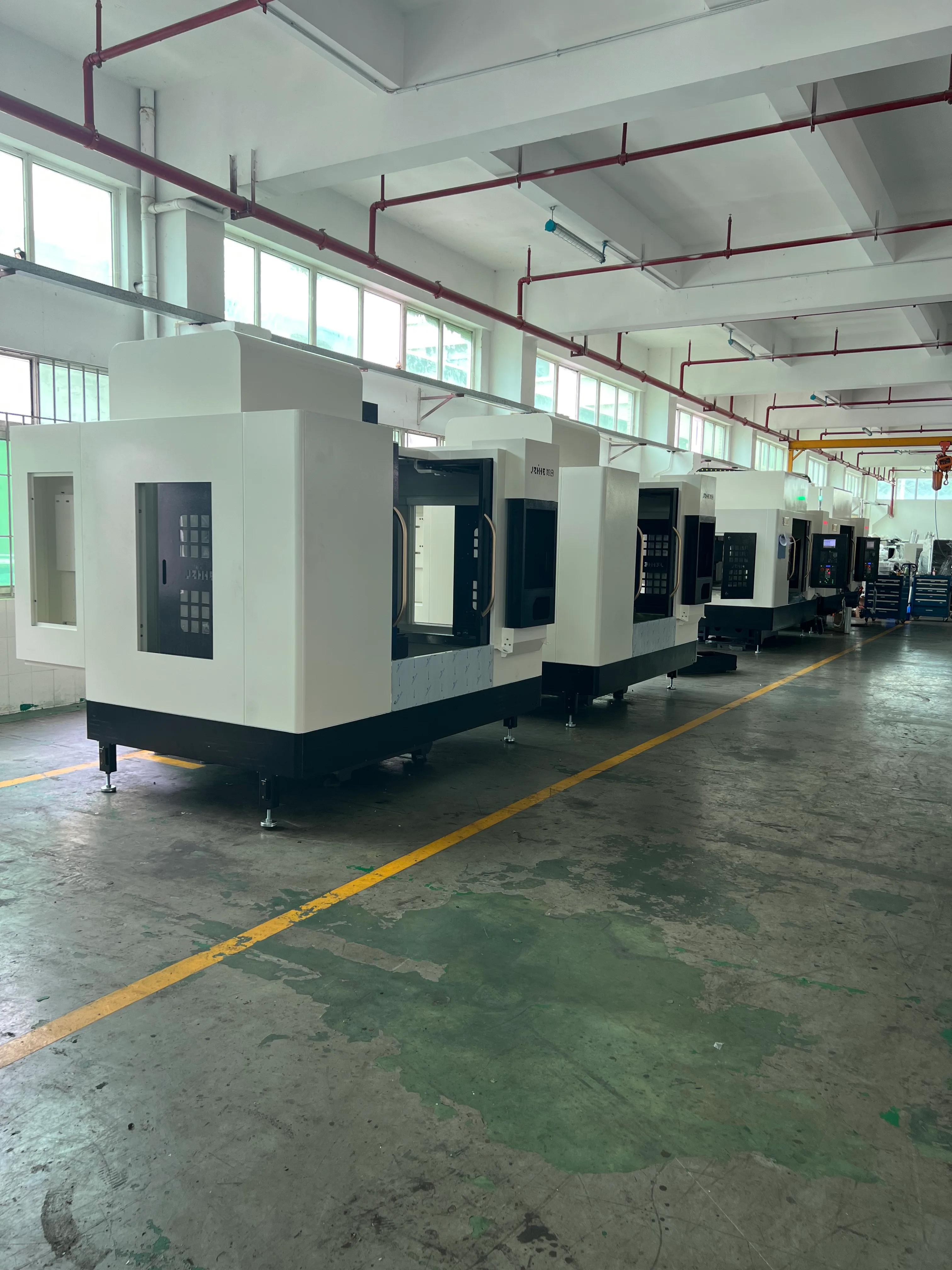
Do not run the design review as an unrestricted tour through slides. Stage it as five explicit decisions. First, approve the controlled requirement and list what remains unknown. Second, approve the chosen architecture and the reason each custom option exists. Third, approve interface ownership and site prerequisites. Fourth, approve the verification and validation plan. Fifth, approve the recovery dossier and the rules for later change.
Each decision needs a proposer, reviewer, approver, evidence reference, open-item list, and release condition. An item is not approved merely because no one objects during a crowded meeting. Silence, absence, or a future promise should remain visible in the record.
A custom CNC machine manufacturer should demonstrate one end-to-end trace during the review. Start with a critical feature on the buyer drawing, follow it through process planning and machine architecture, identify interface and safety risks, show the planned test, and finish with the backup and service records needed to recover the result.
Invite production, quality, maintenance, safety, information technology, and logistics owners when their interfaces are affected. Engineering cannot approve staffing, inspection capacity, network security, crane access, spare strategy, or local operating procedures on behalf of every plant function. Missing owners should create a hold, not a guessed answer.
Zhihe CNC recommends a contradiction screen before signatures. Check model names, revisions, loads, travels, controller functions, option ownership, dates, acceptance limits, software versions, and delivery boundaries across all referenced files.
After the meeting, issue one decision register instead of several informal summaries. Mark superseded documents, circulate actions to affected owners, and schedule the next hold point. This discipline keeps the five redlines active after design enthusiasm gives way to production pressure.
Know What the Five Redlines Cannot Guarantee
The method cannot guarantee cycle, yield, uptime, tool life, surface, or payback under untested conditions. Buyer materials, utilities, fixtures, programs, staffing, maintenance, and inspection remain contributors. The redlines control engineering decisions; they cannot remove every production risk. New materials, extreme parts, software changes, site differences, or automation expansions can reopen previously accepted risks and require targeted engineering review, verification, and renewed approval before formal production release to customers.
FAQ
When is customization justified?
It is justified when a measurable requirement gap cannot be closed efficiently by a controlled standard configuration.
What is the first redline document?
Begin with the controlled requirements matrix and the drawing or CAD revision that supports it.
Why compare an alternative architecture?
An alternative tests whether the proposed custom features truly solve the dominant constraint.
How detailed should interface ownership be?
Name inputs, outputs, conditions, owners, dates, and evidence for every factory and supplier handoff.
What is the difference between verification and validation?
Verification checks design requirements; validation proves the complete solution in representative intended use.
Which changes require formal approval?
Approve changes affecting requirements, risks, safety, configuration, cost, schedule, documents, tests, or support.
What makes a recovery dossier complete?
It links the serial machine to current drawings, software, parameters, backups, tests, maintenance, spares, and contacts.
Can one successful trial release the design?
Only when it represents the defined risks, conditions, sample, measurement, and recovery needs.
Why review workarounds after launch?
Uncontrolled workarounds can hide design gaps and be copied into repeat machines as false standards.
What should an inquiry to Zhihe CNC include?
Include controlled parts, constraints, production, interfaces, risks, acceptance, destination, and recovery expectations.
Plan the Five-Redline Review With Zhihe CNC
To assess a custom CNC machine manufacturer, send Zhihe CNC controlled drawings, CAD, materials, blanks, features, tolerances, volumes, process constraints, factory interfaces, destination, validation, and support needs. Review the standard machine platforms, the engineering profile, and the contact route before opening the design review.