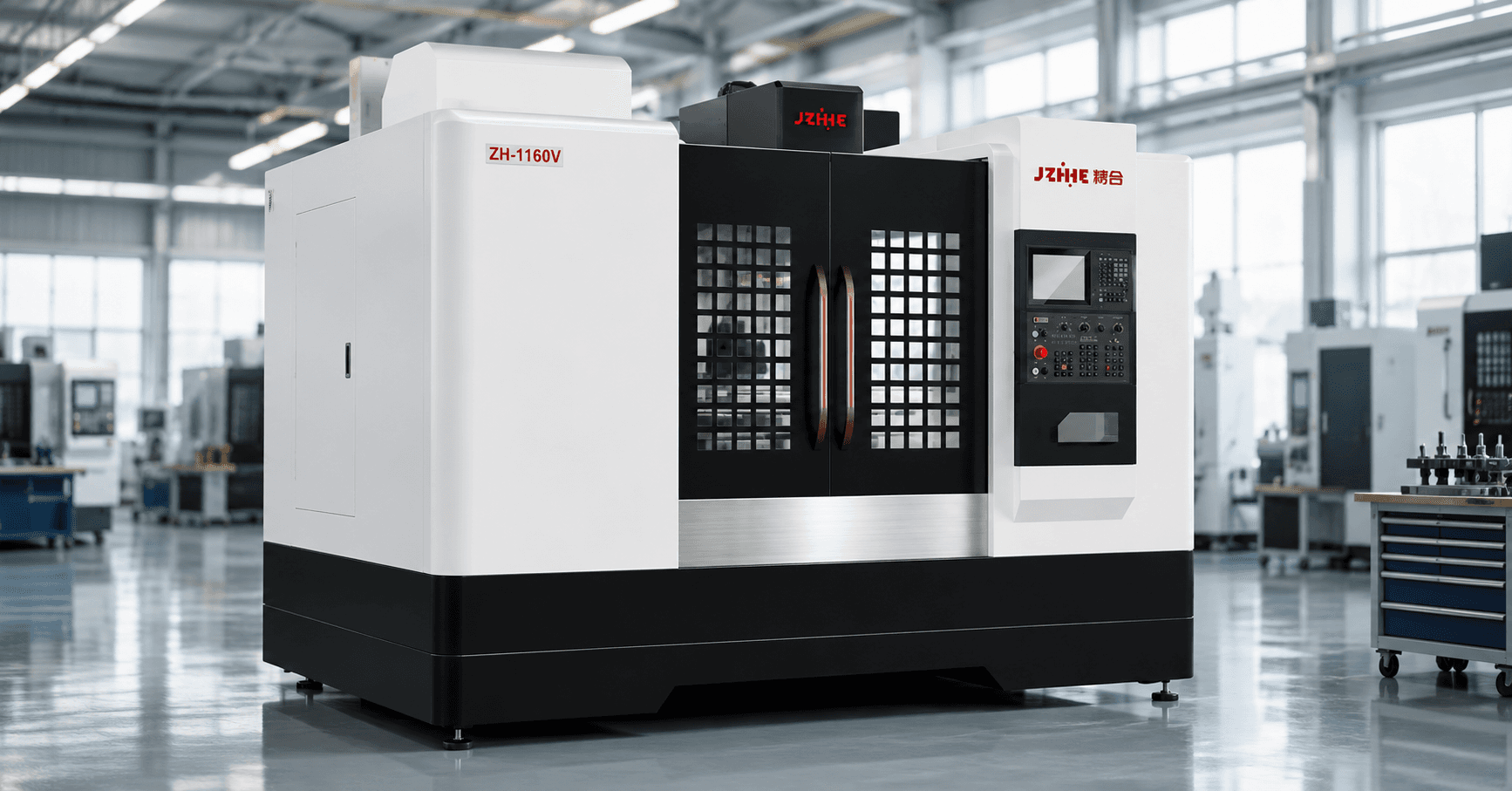
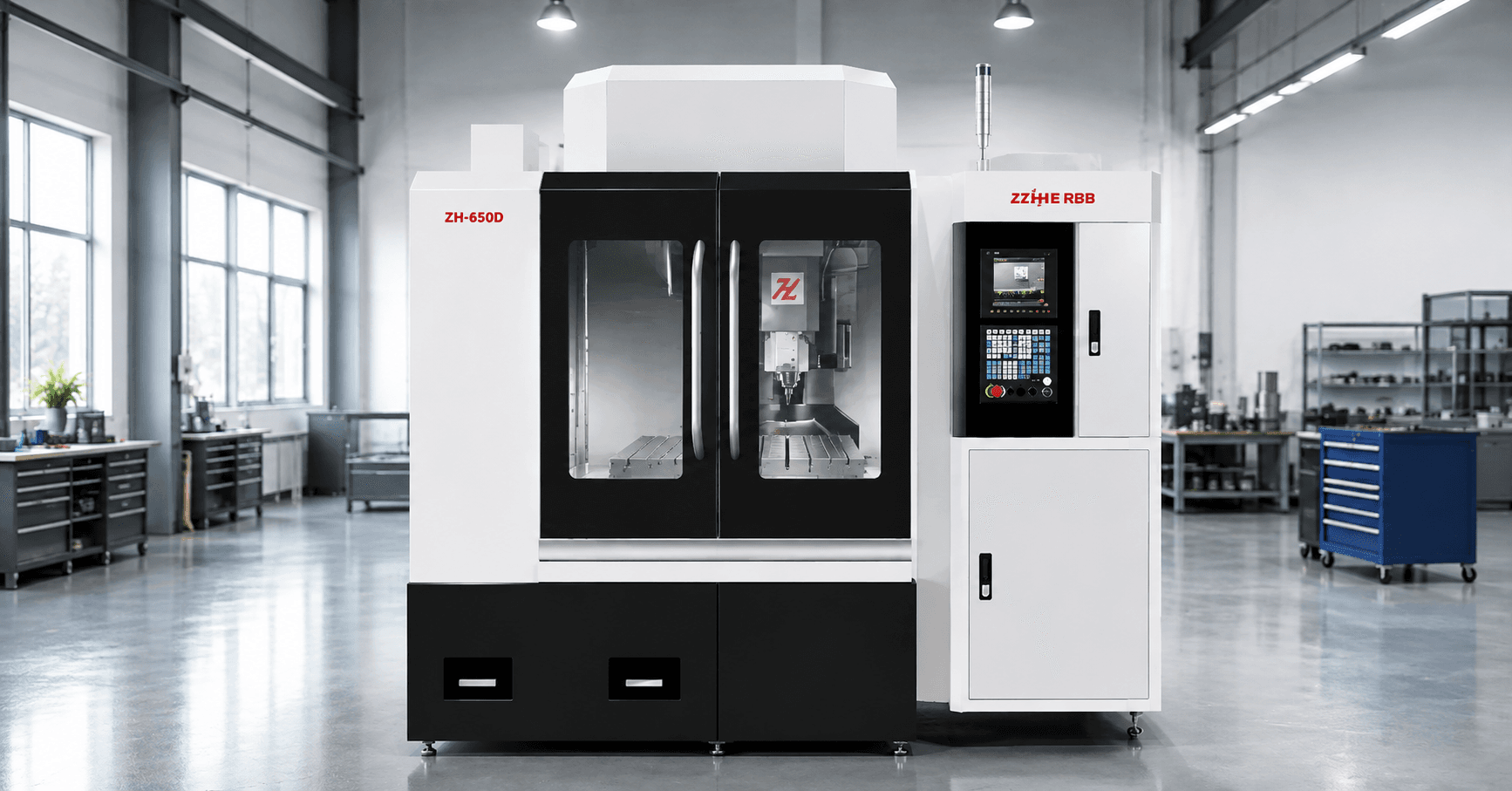
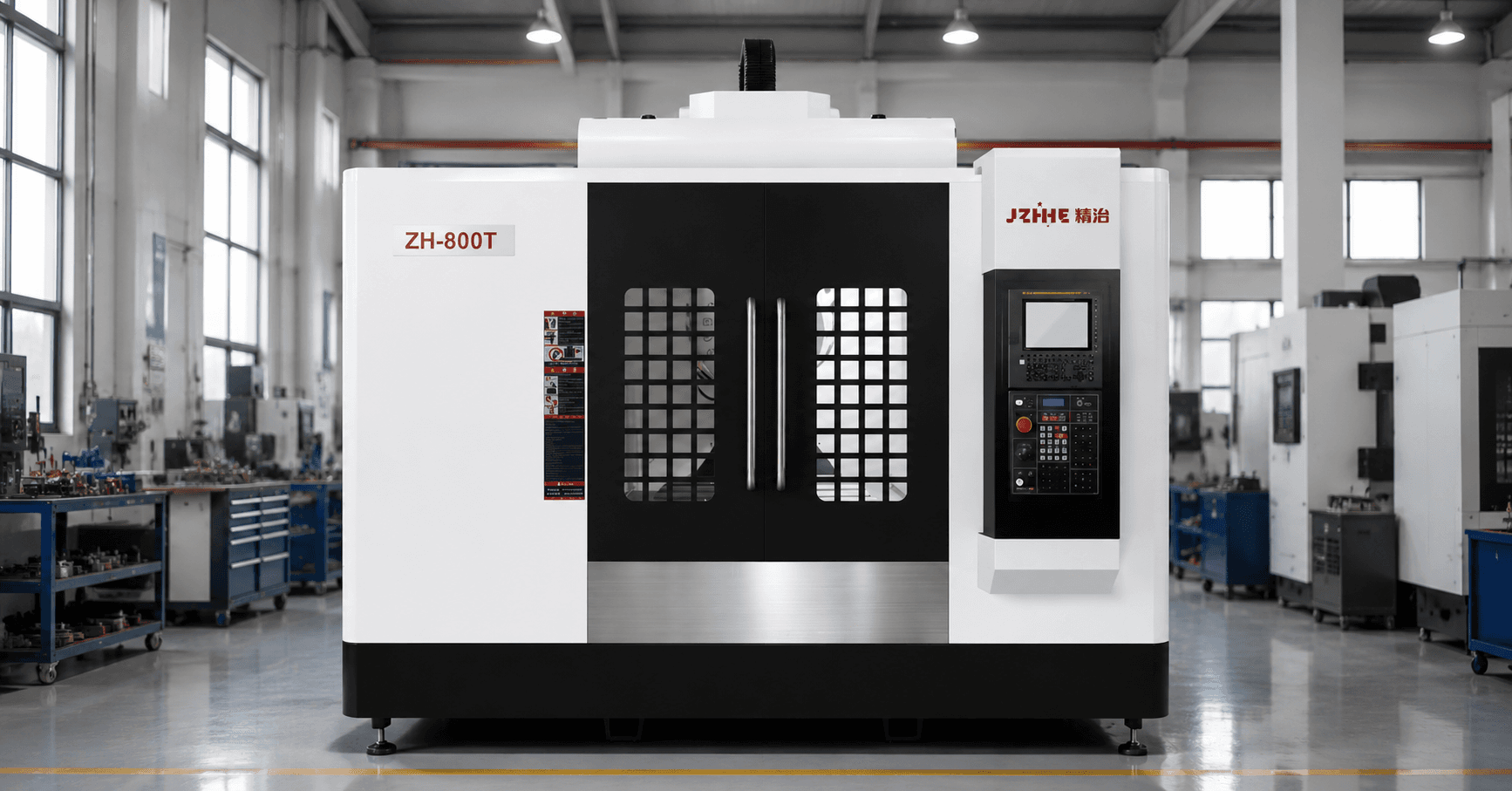
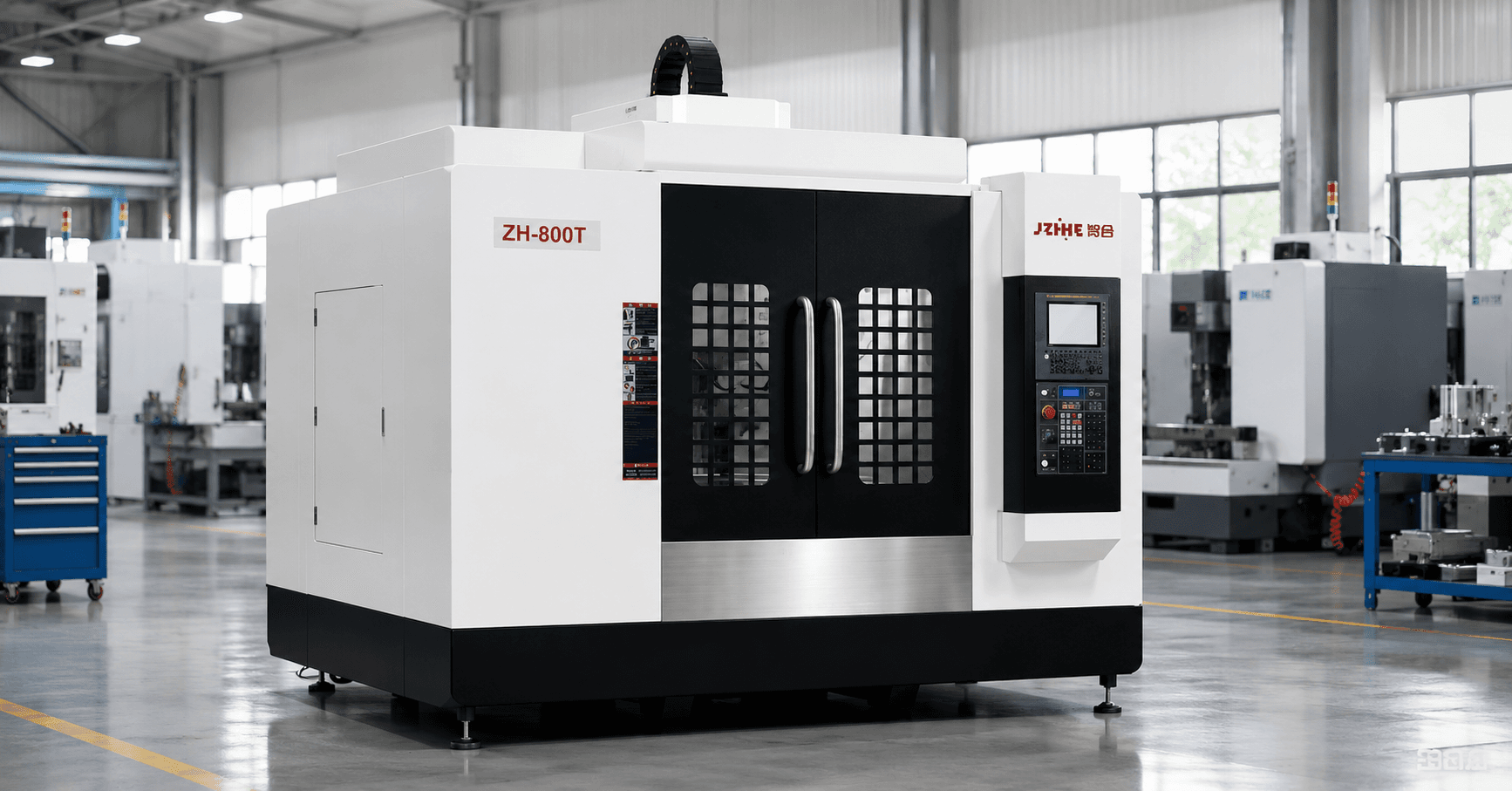
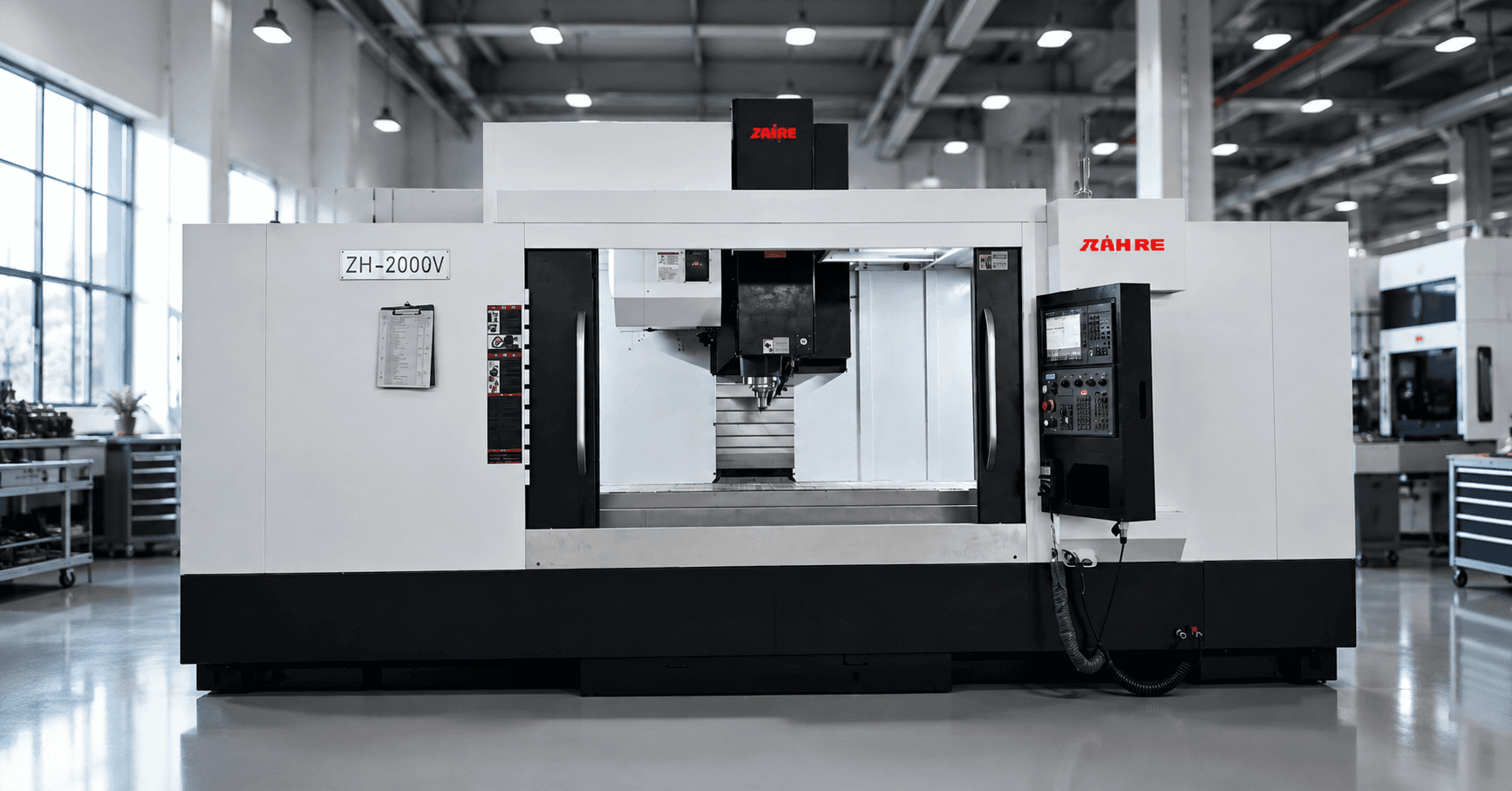
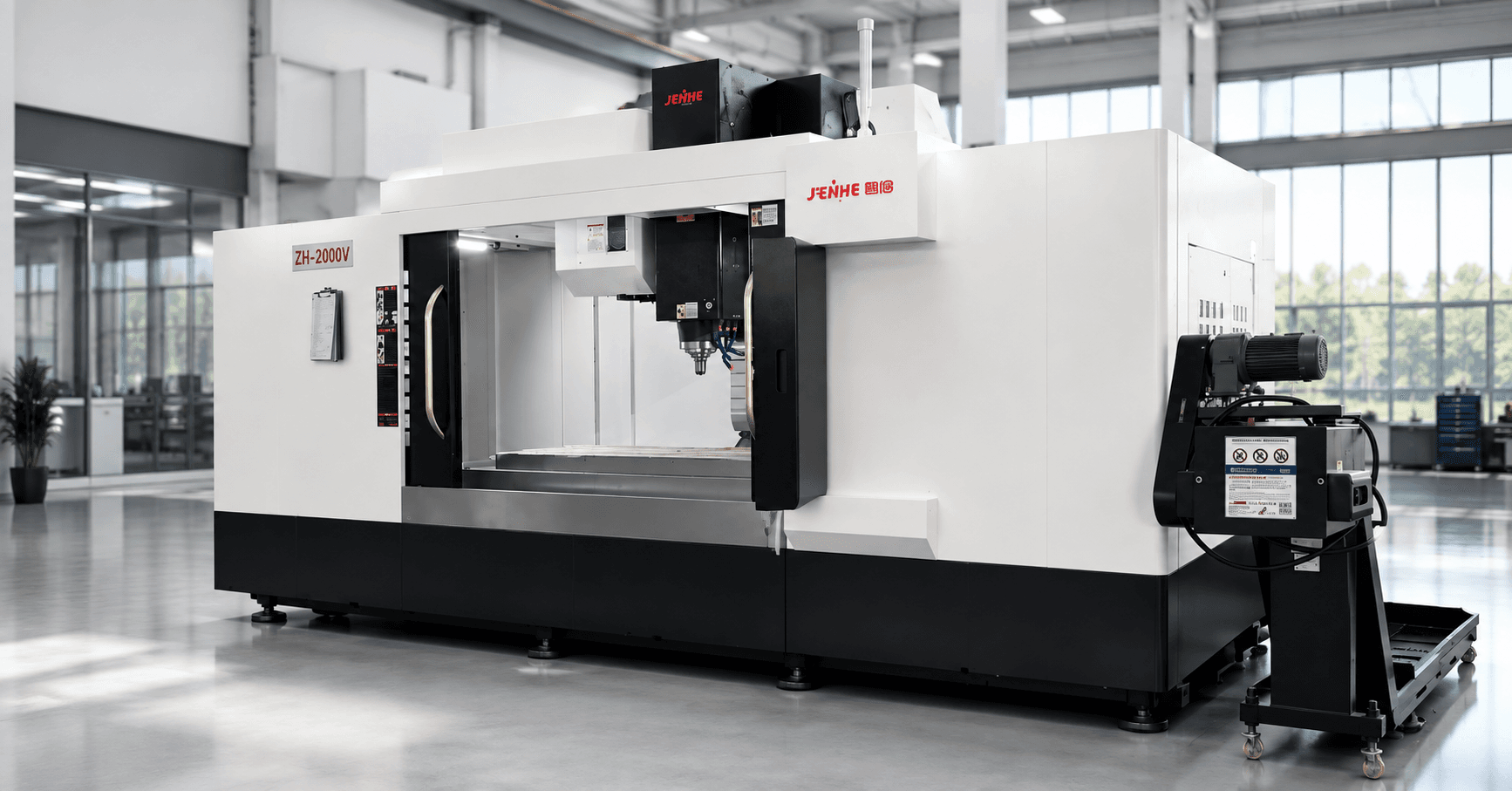
A custom CNC milling machine should be designed from a controlled part-family brief that separates mandatory production requirements from preferences, options, and future ideas. Customization creates value when a standard platform cannot meet the proven envelope, access, process, automation, inspection, or integration need. It creates risk when requirements remain informal or change after interfaces are frozen.
The goal is not to add the largest possible option list. The goal is to build the simplest configuration that produces the defined part family safely, repeatedly, serviceably, and at an accepted total cost.
Open With the Part-Family Boundary
Select representative drawings that define the maximum envelope, weight, material, chip volume, tolerance relationships, surface requirements, tool reach, setup pattern, batch size, and annual mix. Include the smallest or lightest part when it creates a different clamping or handling problem. State what the project must produce and what is explicitly outside scope.
A family boundary prevents one late drawing from quietly changing travel, spindle, fixture, magazine, coolant, guarding, automation, or foundation requirements. New parts can be evaluated through controlled change rather than assumption.
Gate A: Separate Must-Haves From Preferences
| Requirement class | Example | Decision rule |
|---|---|---|
| Mandatory | Mounted envelope, load, critical accuracy, safety | Failure means the project cannot release |
| Performance | Accepted output, tool life, changeover, uptime | Measured with an agreed method |
| Interface | Robot, fixture, data, coolant, utilities | Owner and connection point frozen |
| Preference | Controller brand, layout, accessory choice | Optimized against cost and risk |
| Future option | Automation expansion or new part family | Prepared only when value justifies it |
Give every mandatory requirement an acceptance method. Words such as accurate, rigid, automatic, easy, and high speed are not testable until they are connected to a part, condition, quantity, measurement, and limit.
Gate B: Convert Features Into Architecture
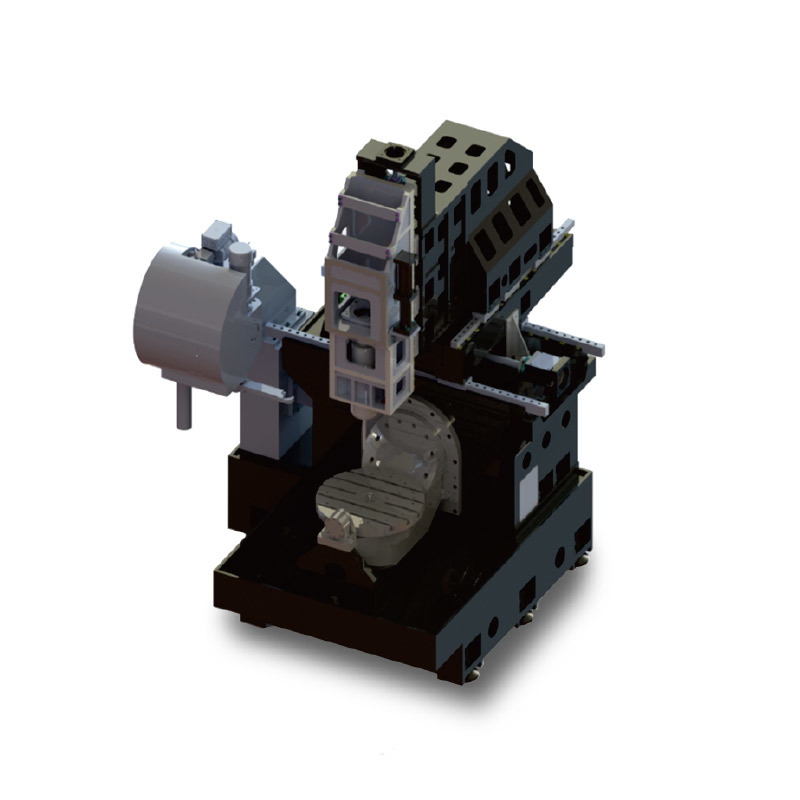
Map each part feature to access direction, tool length, cutter diameter, material removal, datum strategy, fixture position, inspection access, and chip path. Then compare vertical, horizontal, gantry, drilling-tapping, five-axis, and milling-oriented platforms. Architecture should follow the feature route and production system.
For a custom CNC milling machine, customization may involve travel, spindle duty, table or fixture interface, enclosure, coolant, probing, tool capacity, chip handling, loading, automation, or software integration. Each change should solve a stated requirement and carry an owner, verification method, maintenance implication, and cost.
Gate C: Design Serviceability Before Options
Reserve access for lubrication, filters, pumps, tanks, conveyors, tool magazine, spindle service, electrical cabinets, sensors, guarding, fixture cleaning, and automation recovery. Define the floor space needed with doors and panels open. Consider crane or lifting access, spare replacement paths, and safe removal of heavy components.
Review consumables, locally available service items, recommended spares, backup procedures, diagnostic access, remote-support conditions, and training. A compact layout that blocks routine maintenance can reduce long-term availability.
Gate D: Freeze Interfaces and Responsibilities
Create an interface register for workholding, robot or loader, safety system, part identification, probing, tool data, coolant, mist extraction, chips, inspection, factory network, power, air, foundation, and downstream equipment. For every interface, name the supplier, buyer, or third party responsible for design, data, hardware, installation, test, and acceptance.
Freeze drawings, protocols, signal lists, utility values, file formats, and mechanical connection points by date. If an interface changes, review schedule, cost, safety, software, guarding, documentation, and validation impact before approval.
Gate E: Validate With an Assumption Register
List assumptions that still affect selection or performance: stock consistency, fixture stiffness, tool availability, operator staffing, part mix, inspection time, chip form, ambient condition, network access, or automation rate. Give each assumption evidence, owner, due date, and consequence if wrong.
Build the factory trial around the highest-risk assumptions. Use representative material, fixture logic, tool reach, and feature relationships. Record quality, automatic time, attended time, interventions, tool condition, chip behavior, and recovery. One optimized demonstration does not prove every future part.
Control Changes After Design Freeze
Use a formal change request that describes the new requirement, reason, affected interfaces, technical response, acceptance change, schedule, cost, documentation, and approval. Distinguish defect correction from scope expansion. Maintain a decision log so later teams can understand why a configuration was selected.
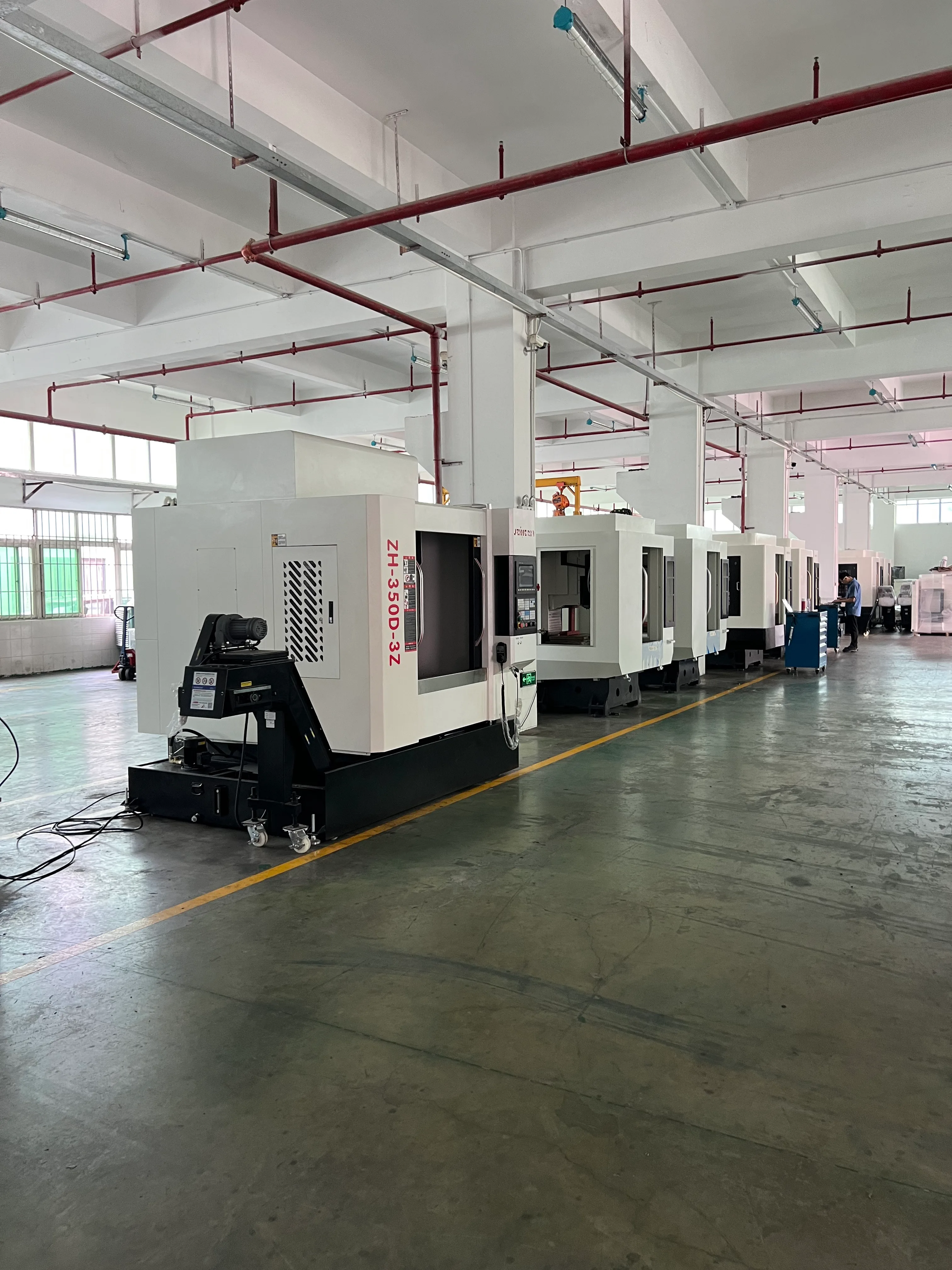
Review the milling machining center range and the wider product portfolio before approving customization. A standard or lightly configured platform may meet the application with lower engineering, validation, spare, and schedule risk.
When Standard Equipment Is the Better Choice
Customization is not the best choice when the requirement can be met through standard options, fixtures, tooling, process design, or cell layout; when future volume is uncertain; when the custom feature lacks a measurable acceptance method; or when a one-off interface creates disproportionate service and spare risk. Compare life-cycle value, not only technical possibility.
FAQ
How many drawings should define a custom project?
Use enough representative and extreme parts to define the envelope, access, materials, quality, output, handling, and changeover risks.
Which requirements must have acceptance tests?
Every mandatory safety, interface, quality, capacity, and performance requirement should have an agreed verification method and condition.
When should interfaces be frozen?
Freeze them after owners approve the data and before dependent mechanical, electrical, software, guarding, and site work becomes costly to change.
Does customization guarantee higher productivity?
No. Productivity must be proven across the complete route, including loading, tools, cleaning, inspection, changeovers, recovery, and maintenance.
Submit a Controlled Customization Brief
To scope a custom CNC milling machine, send representative drawings, blanks, materials, part mix, annual volumes, critical features, cycle targets, fixture and automation concepts, inspection needs, site utilities, preferred interfaces, delivery timing, and acceptance rules. Use the contact page to request an architecture review, assumption register, and configuration proposal.