Why buyers look for a drilling and tapping center in the first place
A drilling and tapping center is usually not the machine people dream about first; it is the machine they buy when throughput, repeatability, and floor-space efficiency start to matter more than broad versatility. For many shops, the real question is not whether a machining center can drill holes and cut threads. It is whether a dedicated machine can do those jobs fast enough, consistently enough, and with less operator attention than a general-purpose setup.
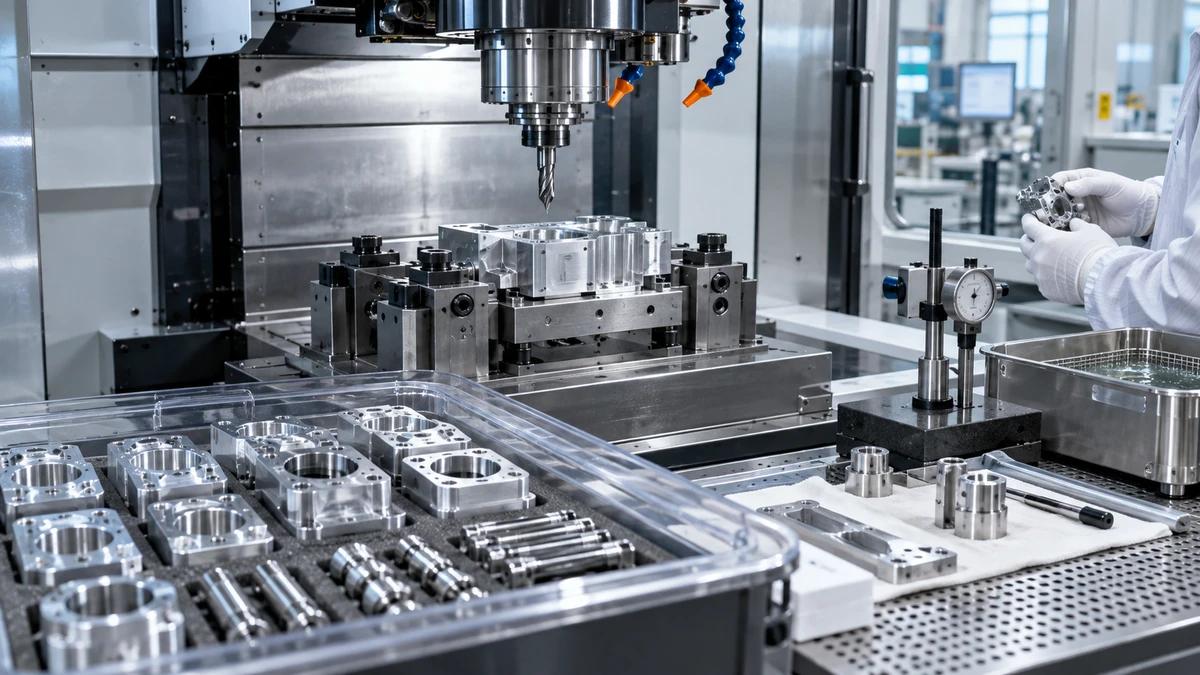
That matters because drilling and tapping often sit on the critical path of production. A bracket, housing, fixture plate, or electronic enclosure may need a handful of accurate holes and threads before it can move to assembly. If that step is slow or inconsistent, the whole workflow feels it. A well-matched CNC drilling and tapping center can shorten cycle time, reduce handling, and make daily output more predictable.
What this machine category is designed to do
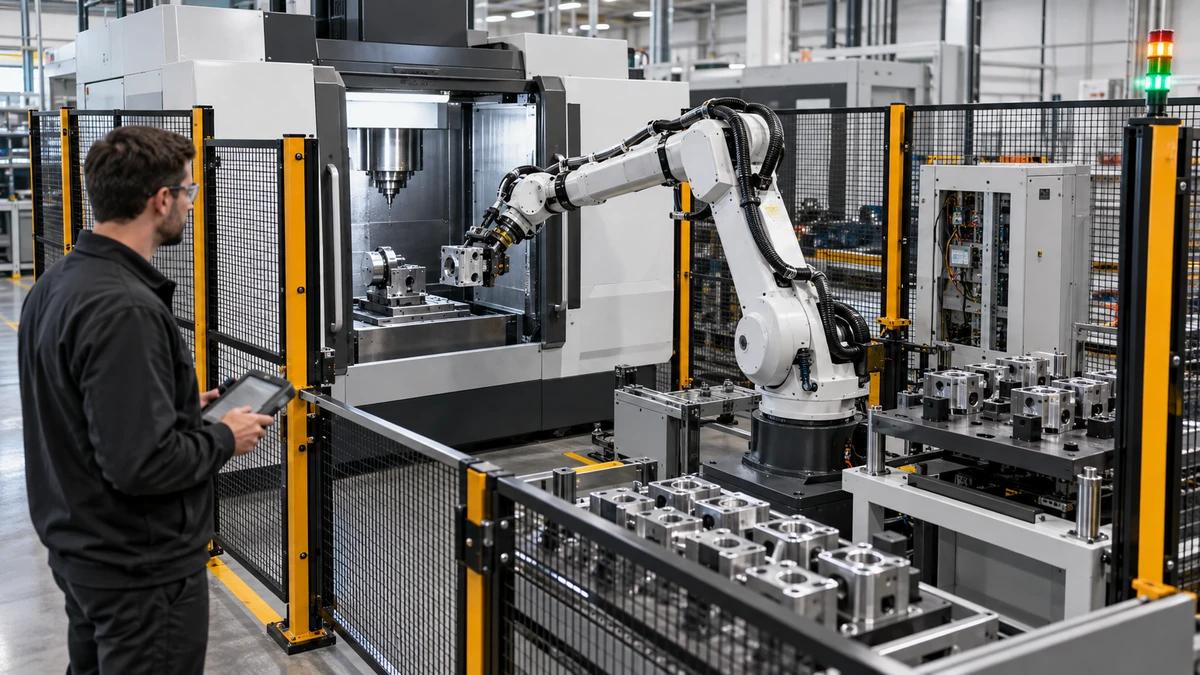
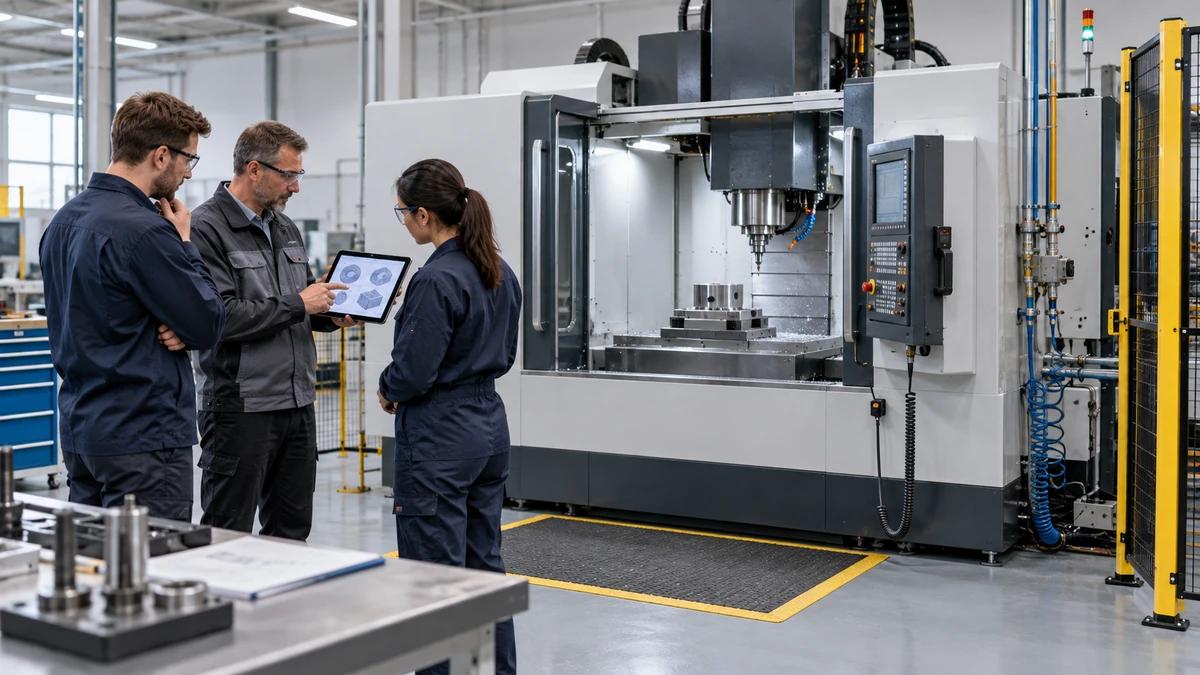
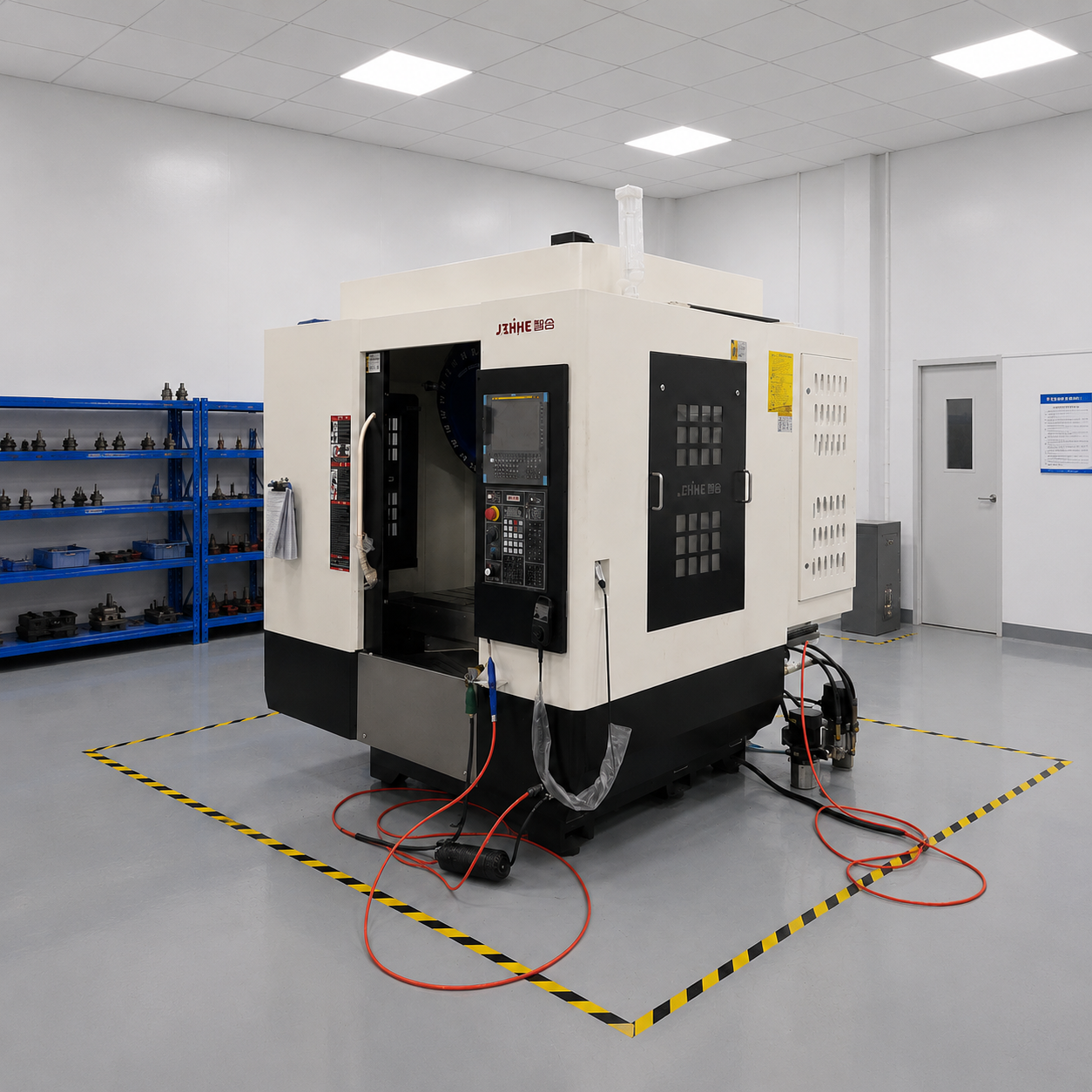
In practical terms, a drilling tapping machining center is an enclosed CNC machine tool used for precision drilling, tapping, and light to moderate milling on machinable materials. The machine shown in the supplied data is an industrial floor-standing, cabinet-style unit with a fully enclosed machining area, a front CNC control console, and visible coolant or auxiliary line connections. The model marking appears to read ZH-600T-4, though the exact specification is not verified.
That enclosure is not just a safety feature, although it is that first. It also helps contain chips and coolant, which matters when you are running repetitive holemaking cycles all day. The machine’s structure suggests the kind of setup often used in job shops and factory machining departments where operators need quick access, but not at the expense of containment and control.
Where a drilling and tapping center fits best
These machines are commonly considered for parts such as mechanical components, tooling, fixtures, housings, brackets, molds, and precision metal parts. Zhongshan Zhihe CNC Technology Co., Ltd. notes that its machines are used across automotive parts, 3C electronics, aluminum processing, precision hardware, communications equipment, molds, home appliances, and lithium battery equipment. That range is typical of the market: anywhere hole patterns, thread quality, and production rhythm matter, this machine type has a role.
For buyers, the appeal is straightforward. If your work involves a high proportion of drilled holes, threaded holes, and repeatable face milling, a purpose-built center can be a better business decision than a heavier machining platform that is technically capable but not especially efficient for the job.
Quick buyer takeaway: what to compare before you buy
The useful comparison is not “can it cut metal?” Nearly every CNC machine can do that. The better questions are:
1. Cycle time versus part mix
If your parts are dominated by drilling and tapping operations, a dedicated machine may outperform a general VMC in actual daily output. If your parts swing heavily toward deep pocket milling, a more general vertical machining center may be the safer choice.
2. Enclosure and chip control
The fully enclosed cabinet design visible on the machine is important for production hygiene and operator comfort. Poor chip control is one of those shop-floor annoyances that turns into downtime sooner than people expect.
3. Control usability
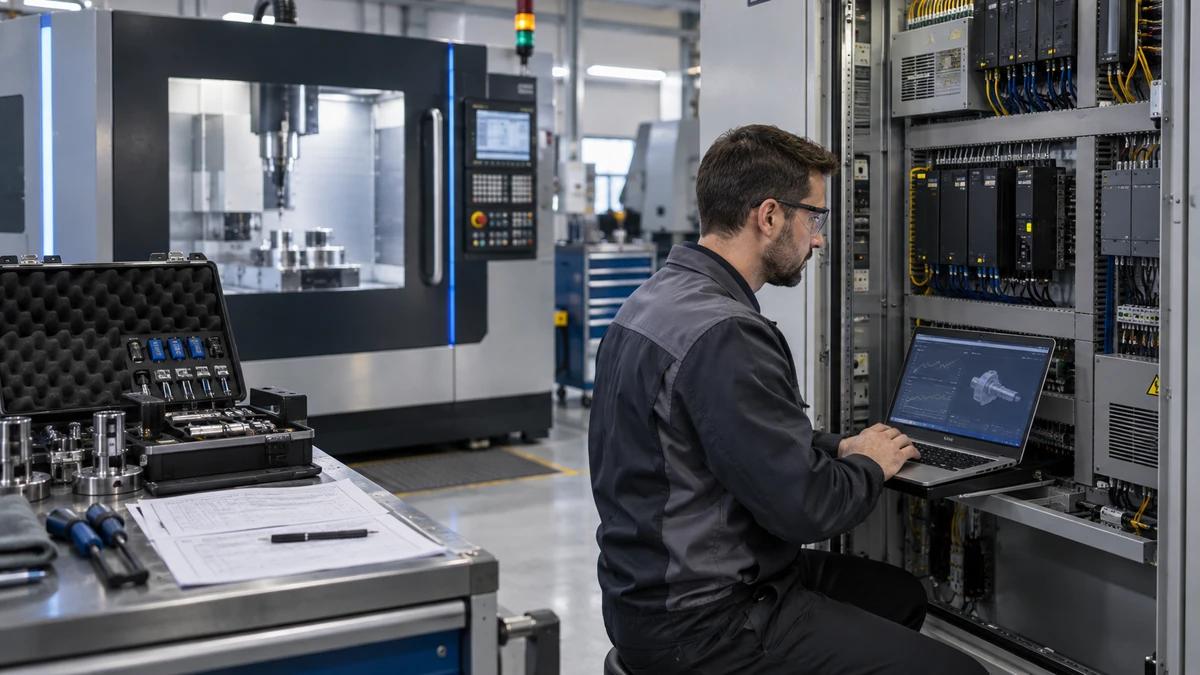
A front-mounted CNC controller with display, keypad, and emergency stop is basic equipment, but the layout still matters. Operators spend real time at the panel. If the interface is awkward, changeovers slow down and small mistakes creep in.
4. Configuration flexibility
Zhihe CNC says its equipment lineup supports flexible configuration depending on workpiece, material, precision, and capacity needs. That is worth asking about directly, because “flexible” can mean many things in practice: control system choice, fixture support, test cutting, or application guidance.
Common mistakes buyers make
One mistake is buying only for spindle power or machine size and ignoring the actual holemaking mix. Another is assuming every CNC drilling and tapping center is equally suited to high-thread-count work. Thread quality depends on more than the control screen; toolholding, rigidity, chip evacuation, and process discipline all play a role.
A second mistake is underestimating support. Zhihe CNC says it provides selection guidance, trial cutting verification, installation guidance, operator training, warranty service, and spare parts support. That kind of after-sales structure can matter as much as the iron itself, especially for teams that are adding a new machine type or standardizing production.
Practical advice for sourcing teams
If you are comparing suppliers, ask for part drawings, material details, dimensions, precision requirements, and expected output before you talk about machine model. That is also how Zhihe CNC frames its inquiry process. It is a sensible approach, because the right machine for a small aluminum enclosure line may not be right for a steel fixture department.
Also ask how the machine is packaged and shipped, especially for overseas projects. The company states that it supports safe packaging, domestic and international transport, and can provide shipping photos and delivery documents. That may sound administrative, but for cross-border buyers it reduces one more source of uncertainty.
FAQ
Is a drilling and tapping center only for small parts?
Not necessarily. It is often chosen for compact, high-volume parts, but the deciding factor is the operation mix, not just part size.
Can it also mill?
Yes, within the limits of the machine’s configuration and the application. These centers are commonly used for drilling, tapping, and milling in the same setup.
What should I request from the supplier?
Send drawings, material, size, precision targets, machine type needs, and production volume. That gives the supplier enough context to recommend a suitable configuration instead of a generic machine.
When should I choose a different machine?
If your work is dominated by heavy milling, multi-face machining, or more complex part geometry, a broader machining center may be the better fit.
Next step for buyers
If you are evaluating a drilling and tapping center for production use, start with the part, not the brochure. Match the machine to your hole patterns, threading volume, fixture strategy, and daily output target. Then compare enclosure design, control layout, support package, and shipment readiness. For sourcing and application questions, Zhongshan Zhihe CNC Technology Co., Ltd. invites buyers to share drawings and requirements so the recommended machine matches the job, not just the catalog.