Gantry Machining Center Buying Guide: What B2B Buyers Should Check Before Ordering
A gantry machining center is not a casual equipment purchase. For most buyers, it enters the discussion only after ordinary machining platforms begin to show their limits. The workpiece may be too large, too heavy, too complex, or too sensitive to vibration. Maybe the factory is machining large molds, automotive engine blocks, transmission housings, wind power components, hydraulic parts, automation equipment bases, or heavy machinery structures. At that point, the buyer is no longer asking, “Can this machine cut metal?” The better question is: can this machine hold accuracy while cutting large parts for long production cycles?
That is why procurement teams should evaluate a gantry machining center from the workpiece outward. Start with part size, material, cutting load, tolerance, fixture method, chip volume, finishing requirement, and expected production rhythm. A gantry machine may look powerful in a photo, but the real value appears only when its structure matches the parts being produced.
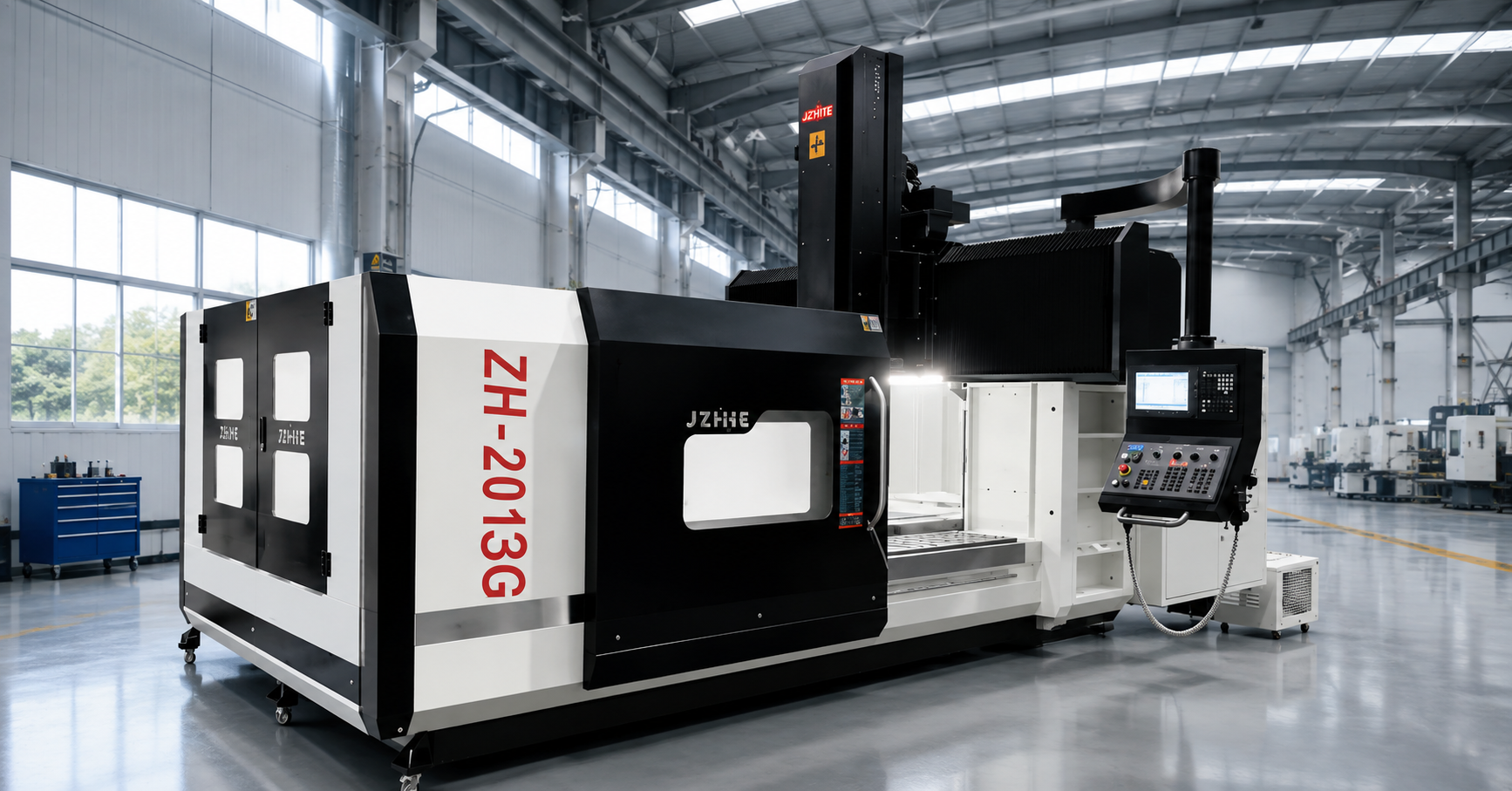
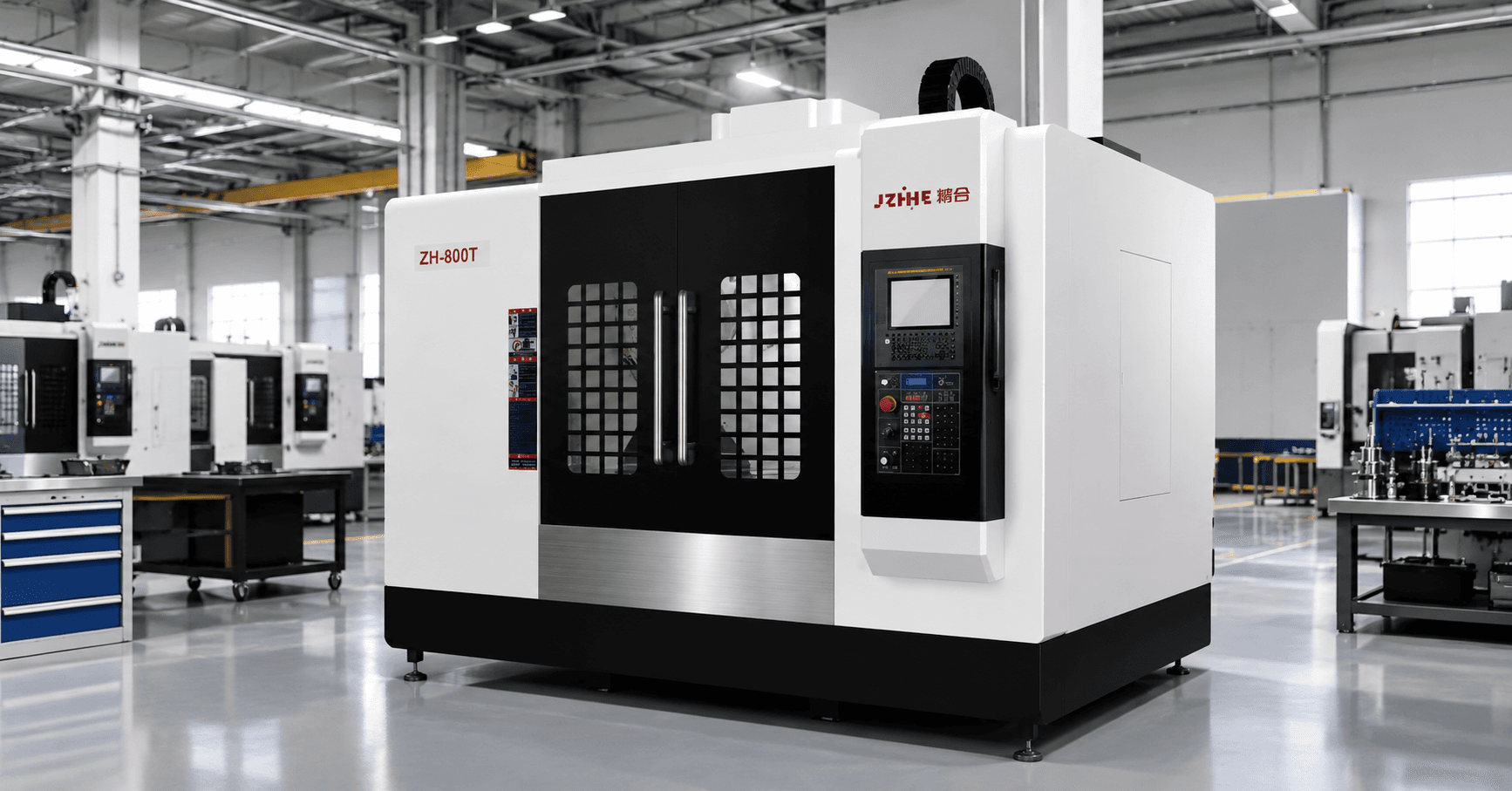
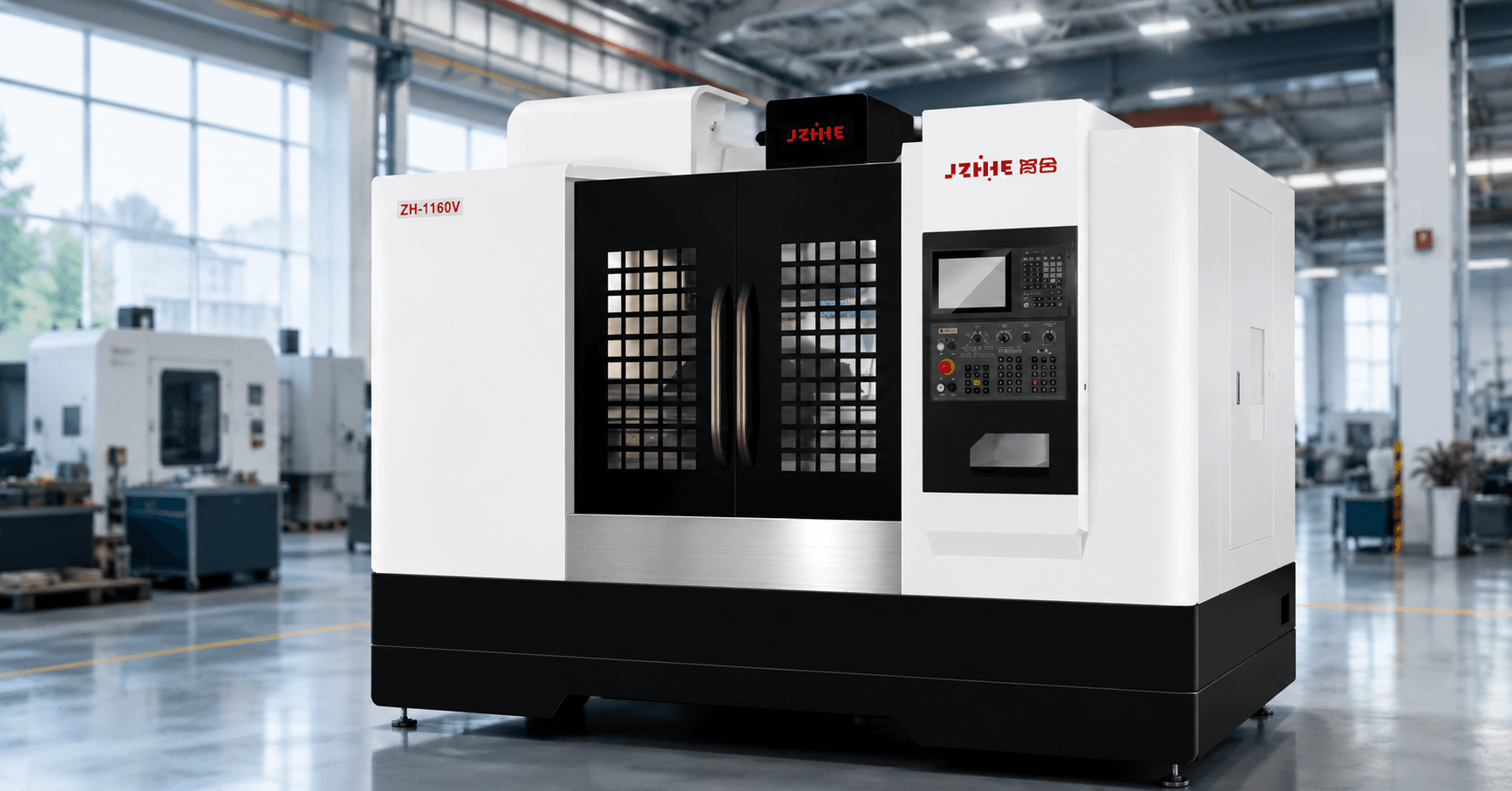
The Zhihe CNC gantry machining center is positioned as a High-Rigidity Gantry Machining Solution. Its product page states that the machine uses a fixed-beam structure where the columns and crossbeam remain stationary while the worktable moves along the X-axis. This structure is designed to reduce thermal deformation and provide a stable foundation for high-precision, high-efficiency machining. For buyers, this point matters because a large machine is only useful if it stays stable during real cutting.
Why Buyers Should Start with the Workpiece
Before asking for a quotation, buyers should prepare the actual workpiece information. A gantry machining center may be suitable for large and complex workpieces, but not every gantry machine is right for every part.
A large mold may require stable finishing and long-cycle precision retention. A heavy plate may need strong rough milling and reliable flatness control. A wind power component may require large working capacity and strong rigidity. An automation equipment base may need accurate mounting surfaces, repeated holes, and stable datum control. These are different machining problems.
A buyer should prepare:
| What to Check | Why It Matters |
|---|---|
| Workpiece size | Confirms whether the machine envelope is suitable |
| Workpiece weight | Affects table support, structure, and fixture design |
| Material | Determines cutting load, tooling, coolant, and rigidity needs |
| Machining process | Rough milling, finishing, deep cavity machining, and interrupted cutting require different stability |
| Tolerance target | Helps judge whether the machine can hold long-term accuracy |
| Surface finish | Important for molds, precision plates, and functional surfaces |
| Batch quantity | Determines whether production efficiency or flexibility matters more |
| Fixture method | A large part can fit the machine but still be difficult to clamp correctly |
This information gives the supplier enough context to recommend a realistic machine solution. Without it, the quotation is only a guess.
Machine Structure: The First Thing Buyers Should Review
For a heavy duty gantry machining center, structure is not just a sales phrase. It affects vibration, deformation, cutting stability, and final part quality.
The Zhihe CNC page says the machine is engineered for superior structural rigidity and long-term precision retention, making it suitable for demanding heavy-duty industrial machining environments. This is important because large workpieces often require long machining cycles. A machine may perform well during a short test, but buyers need to know whether it can remain stable after hours of cutting.
The fixed-beam gantry layout has a practical advantage. Since the columns and crossbeam remain stationary, the machine structure can provide a more stable force path during cutting. The moving worktable handles X-axis travel, while the gantry frame provides rigidity around the cutting zone. For buyers machining large molds, heavy plates, and structural components, this can help reduce deformation risk compared with lighter machine designs.
Guideway Configuration: Why It Matters in Daily Production
The product page highlights an advanced guideway configuration. The X and Y axes use high-rigidity heavy-duty roller linear guides, while the Z-axis uses a four-sided embracing rectangular hard rail structure. The page also describes a hybrid configuration of “two linear guides + one hard rail,” intended to balance high-speed feed, heavy-duty cutting, stable rough machining, and precision finishing.
This is one of the most important product features buyers should notice.
Linear guides can support smoother, faster movement. Hard rails can offer strong rigidity and resistance to offset loads, which becomes important during aggressive cutting or Z-axis load conditions. A hybrid design tries to balance both needs: speed for efficiency and rigidity for cutting stability.
For procurement teams, the right question is not only “What guideways are used?” It is “How does this guideway design support our parts?”
If your factory mostly does finishing on large molds, you may care about smooth motion and surface quality. If you perform heavy rough milling or interrupted cutting, you may care more about rigidity and resistance to cutting shock. If you do both, the hybrid design becomes more relevant.
What This Product Is Designed to Handle
According to the product page, the machine can efficiently handle rough milling, deep cavity machining, interrupted cutting, complex structural part processing, and precision surface finishing. These process types tell buyers a lot about where the machine fits.
A normal light-duty machining center may complete simple milling, but deep cavities and interrupted cutting are more demanding. Deep cavity work can create tool overhang, vibration, and chip evacuation issues. Interrupted cutting places repeated impact loads on the tool and machine structure. Complex structural parts may involve long tool paths and different cutting directions. Precision surface finishing requires stability after roughing.
This combination means the machine is aimed at buyers who need both roughing strength and finishing reliability. That is a different buying logic from selecting a small, general-purpose CNC machine.
Application Industries Buyers Should Consider
The page lists applications including automotive engine blocks, transmission housings, wind power components, hydraulic equipment parts, heavy machinery structural components, automation equipment bases, large precision molds, industrial metal fabrication, and energy equipment manufacturing.
For buyers in these industries, the common requirement is not only size. It is process stability.
| Industry / Part Type | Buyer Concern | Why Gantry Machining Helps |
|---|---|---|
| Automotive engine blocks | Accuracy across large functional surfaces | Rigid structure supports stable cutting |
| Transmission housings | Complex features and machining consistency | Gantry layout supports large-part machining |
| Wind power components | Large scale and heavy material removal | Heavy-duty structure is important |
| Hydraulic equipment parts | Bores, faces, and sealing areas | Stability affects functional accuracy |
| Automation equipment bases | Flatness and mounting accuracy | Long-term precision retention matters |
| Large precision molds | Surface finish and cavity accuracy | Roughing and finishing balance is needed |
| Energy equipment parts | Large workpieces and production reliability | Strong structure reduces machining risk |
The buyer should compare these examples with their own part family. The closer the match, the more relevant the machine may be.
Procurement Risks Buyers Should Avoid
One mistake is buying only by machine size. A large machine is not automatically a rigid machine. Buyers should check the structure, guideway configuration, Z-axis support, thermal stability, and cutting process suitability.
Another mistake is ignoring finishing requirements. Heavy-duty cutting capability is useful, but many large parts also need accurate finishing. The product page specifically mentions precision surface finishing and micron-level machining accuracy retention during prolonged operation and heavy-load production cycles. Buyers should ask how that accuracy is verified and what acceptance process is available.
A third mistake is underestimating installation and foundation requirements. Large gantry machines need proper floor planning, lifting arrangements, leveling, power supply, coolant planning, and operator access. These details are not exciting, but they decide how quickly the machine can enter production.
What to Ask the Manufacturer
Before ordering, buyers should ask:
| Question | Why It Matters |
|---|---|
| Can the machine handle our largest regular workpiece? | Avoids envelope mismatch |
| What cutting processes is it optimized for? | Confirms roughing, finishing, cavity, or interrupted cutting fit |
| How is rigidity achieved? | Checks whether “heavy-duty” is structural or just marketing |
| What guideway configuration is used? | Helps evaluate speed and cutting stability |
| What accuracy can be retained during long-cycle machining? | Important for large molds and precision structures |
| What foundation and installation conditions are required? | Prevents startup delays |
| Can trial machining or technical review be arranged? | Reduces purchase risk |
| What after-sales support is available? | Affects long-term ownership cost |
Zhihe CNC is identified on the page as a national high-tech enterprise specializing in CNC machine tool R&D, manufacturing, sales, and customized industrial machining solutions. For buyers, that manufacturer capability should be turned into a practical discussion: drawing review, configuration recommendation, installation support, training, and service response.
FAQ
What is a gantry machining center best used for?
It is commonly used for large molds, heavy plates, automotive engine blocks, transmission housings, wind power components, hydraulic equipment parts, automation bases, and large structural components.
What should buyers check before purchasing?
Buyers should check workpiece size, weight, material, tolerance, machining process, fixture plan, structure rigidity, guideway configuration, installation needs, and supplier support.
Why is a fixed-beam gantry structure important?
A fixed-beam gantry structure keeps the columns and crossbeam stationary while the worktable moves along the X-axis, helping provide a stable machining foundation and reduce thermal deformation risk.
Conclusion
A gantry machining center should be purchased based on real production needs, not only machine appearance. Buyers should evaluate part size, cutting load, tolerance, guideway structure, thermal stability, finishing needs, and supplier capability.
The Zhihe CNC gantry machining center offers clear advantages for heavy-duty precision metal processing: fixed-beam structure, low thermal deformation design, heavy-duty roller linear guides on X/Y axes, four-sided rectangular hard rail on Z-axis, hybrid guideway configuration, and suitability for rough milling, deep cavity machining, interrupted cutting, complex structural parts, and precision finishing.
For procurement teams, the smartest next step is to send real drawings and process requirements. A serious recommendation should start from the workpiece, not from a generic machine model.