Begin Where the Machine Will Stand
A gantry machining center should be selected from the floor upward: site, logistics, mounted workpiece, cutting duty, inspection, maintenance and service must form one compatible route. Zhihe CNC asks buyers to define representative and boundary parts before comparing spans or spindle power. The complete envelope includes stock, fixture, supports, clamps, tools, holders, lifting, guards, chips and human access.
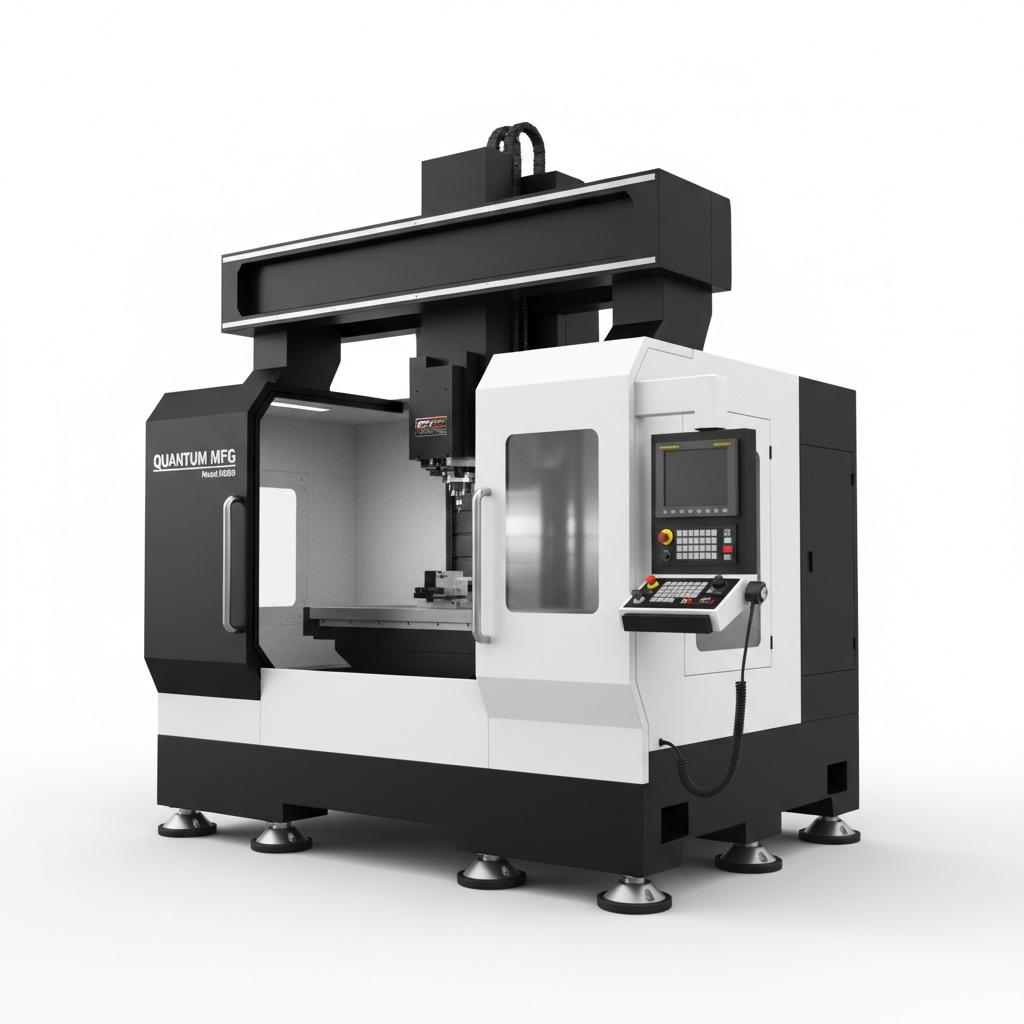
Stop 1: Verify the Foundation Brief
Record floor loading, foundation concept, anchors, leveling, drainage, vibration context, utilities, environment and engineering ownership. Confirm which data the supplier provides and which calculations the buyer or local engineer must approve. A late foundation question can change schedule, alignment work and installed cost even when the machine configuration is unchanged.
The Floor-to-Production Route
| Route stop | Evidence before release | Owner |
|---|---|---|
| Site | Foundation, utilities, environment and access | Buyer facilities |
| Delivery | Packing, route, lifting, placement and inspection | Logistics team |
| Envelope | Part, fixture, load, reach and clearance | Applications engineering |
| Process | Spindle duty, tools, chips and coolant | Production engineering |
| Quality | Alignment, gauges, raw data and acceptance | Quality team |
| Support | Maintenance, spares, training and escalation | Supplier and buyer |
Stop 2: Trace the Delivery Route
Check packed dimensions, transport limits, permits, risk transfer, insurance, unloading, crane capacity, door and aisle clearances, placement, assembly space and waste removal. Walk the route physically where practical. Zhihe CNC treats logistics as part of machine readiness because a blocked lift or inaccessible doorway can stop installation before technical acceptance begins.
Stop 3: Model the Mounted Workpiece
Place representative and maximum workpieces with supports, fixture, clamps, datum access, tool reach and service clearance. Mark center of gravity, lifting points and loading orientation. For a gantry machining center, nominal table size and axis travel do not describe usable access when fixtures, long holders or bridge geometry enter the route.
Envelope Risk Board
| Risk | Question | Trial evidence |
|---|---|---|
| Span and height | Does the mounted part clear the structure? | Controlled model and loading check |
| Tool reach | Can critical features be reached without unstable projection? | Holder, path and surface result |
| Support | Does clamping protect datum and geometry? | Reload and inspection comparison |
| Chips and coolant | Can the route remain clean and observable? | Production-window record |
| Access | Can operators and service teams reach owned tasks? | Site walk and task demonstration |
Stop 4: Describe the Real Cutting Duty
List materials, stock condition, removal zones, tool diameters, engagement, speed, torque need, tool length, finishing and cycle mix. Avoid a single “heavy duty” or “high speed” label. Zhihe CNC connects spindle, structure, tooling, coolant and chips to the declared part route and states where the evidence stops.
Stop 5: Plan Tooling and Chip Work
Record holders, cutters, angle heads when relevant, probing, presetting, fixture access, coolant delivery, filtration, chip evacuation and cleaning intervals. Observe deep cavities, long surfaces and difficult corners. Tooling and chip management can control surface results, labor and release even when travel and spindle specifications appear sufficient.
Stop 6: Build a Two-Window Acceptance
Use a short window to confirm geometry, program, tools and measurement, then a production window to observe temperature, loading, chips, inspection, tool events, maintenance and recovery. Keep accepted and held pieces identifiable. ISO references provide test context, but the buyer still needs a drawing-specific acceptance file.
Stop 7: Align the Inspection Route
Name gauge identity, calibration status, alignment, datum, sampling, raw-data location, correction rules and release authority. Large-part inspection can require time, space and specialized handling that belong in the capacity model. A gantry machining center trial is incomplete if measurement cannot reproduce the declared acceptance decision.
Stop 8: Demonstrate Maintenance Access
Show routine lubrication, coolant, chip, spindle, covers, filters, probes, backups and inspection tasks with the delivered access. Record special lifting, lockout or supplier-support requirements. Zhihe CNC includes maintenance work in readiness because a technically capable machine can still create avoidable downtime when daily care is difficult or unowned.
Stop 9: Create the Site Interface Register
Keep interface, requirement, drawing or evidence, owner, due date, status and escalation in one register. Separate blockers, accepted limitations and post-installation deliverables. Review the register at configuration freeze, shipment, placement, acceptance and the first production window so unresolved assumptions remain visible.
Stop 10: Transfer the Operating Baseline
Handoff configuration, site records, alignment, fixtures, tools, programs, offsets, inspection, maintenance, backups, spares, training and service contacts. Preserve superseded versions. Reopen affected evidence after part, fixture, spindle, tool, software, gauge, foundation, environment or maintenance changes.
Measure Readiness, Not Arrival
Physical delivery is one milestone. Installed readiness means the declared utilities, machine configuration, process package, inspection route, people and documents can run the acceptance plan. Zhihe CNC recommends a final open-issue review and a named restart owner before releasing production or the final commercial milestone.
State the Boundary of the Site Map
The route does not certify every workpiece, material, product, local safety condition or regulatory requirement. Record tested conditions and limitations. Use site-specific engineering and risk assessment where required. Clear boundaries let teams reuse valid evidence without turning one installation into an unsupported universal claim.
Buyer FAQ: Gantry Machining Center
What should be checked before machine specifications?
Check site, foundation, delivery route and the complete mounted workpiece envelope.
Why is table size not enough?
Fixtures, supports, clamps, tools, holders, guards, chips and access reduce the usable envelope.
What should the foundation brief include?
Include loading, anchors, leveling, drainage, vibration context, utilities, environment and approval ownership.
Why walk the delivery route?
Transport, crane, door, aisle and assembly constraints can stop installation even when the machine is ready.
How should spindle duty be defined?
Tie materials, stock, engagement, tools, speed, torque, reach, finishing and mix to the target route.
What is a two-window acceptance?
A short window confirms the route; a production window reveals temperature, chips, tool events, inspection and recovery.
How should maintenance access be tested?
Demonstrate delivered daily and scheduled tasks with actual space, tools, permissions and escalation.
How does Zhihe CNC manage interfaces?
Zhihe CNC records requirements, owners, evidence, dates, limits and escalation in a shared register.
When is the machine installed-ready?
When site, configuration, process, inspection, people and documents can run the declared acceptance route.
What should buyers send first?
Send workpiece envelopes, materials, fixtures, duty, volumes, site, logistics, inspection and service needs.
Rehearse Installation Before Shipment
Run a documented readiness meeting using the final packing plan, delivery route, lifting method, foundation drawings, utilities, assembly sequence, alignment tools, site contacts and waste-removal plan. Walk through the day of arrival in chronological order. Identify the first condition that could stop unloading, placement, assembly or power-up. Assign evidence and a close date instead of relying on a general statement that the site is ready.
Include contingencies for route obstruction, crane availability, damaged packaging, missing utilities, weather exposure where relevant and delayed local support. A gantry machining center project does not need an exaggerated risk register, but it does need named decisions for high-impact interfaces. Zhihe CNC recommends freezing the receiving plan with the configuration so a late machine or site change does not remain invisible.
Review the First Production Month
Schedule checks after alignment, first accepted part, the first normal tool-life event and a declared production window. Compare actual loading, cutting, chips, inspection, maintenance, holds, service contacts and document use with the accepted route. Record where the site map worked and where ownership or access was unclear. The purpose is to improve the operating baseline without rewriting the evidence from installation.
Close each issue as a correction, accepted limitation, training need, spare requirement or future improvement. Name the responsible team, evidence, due date and release authority. Preserve items that remain open at month end. This gives purchasing and operations a shared view of readiness after the project team leaves and prevents physical installation from being mistaken for stable production.
Use a Readiness Score With Evidence
Score site, delivery, envelope, process, quality, maintenance, training and service only after attaching a document or observation. A gantry machining center should not receive a green readiness status because most teams feel comfortable. One unresolved foundation, lifting, utility or inspection interface can still block the planned acceptance route. Weight issues by consequence and ownership, not by how recently they were discussed.
At the release meeting, distinguish a blocker from an accepted limitation and a post-installation action. Record the approving person, evidence, due date and escalation. Keep the score with the installation and first-month reviews so improvements remain traceable and the buyer can see which assumptions were truly retired.
Bring the Decision to Zhihe CNC
Send Zhihe CNC controlled drawings or CAD, material and stock, critical features, annual volume, batch mix, fixture ideas, tool constraints, inspection methods, site conditions and service region. Review the Zhihe CNC product portfolio, the company and factory profile, and the engineering inquiry route. For gantry machining center, ask for a dated configuration, representative trial, acceptance boundary, open-assumption list and named support owner.
Reference Boundary
The ISO 230-2 positioning reference and the OSHA machine-guarding guidance provide machine-test or safeguarding context. They do not replace drawing-specific acceptance, local risk assessment, product certification, regulatory release or the buyer's operating procedures.