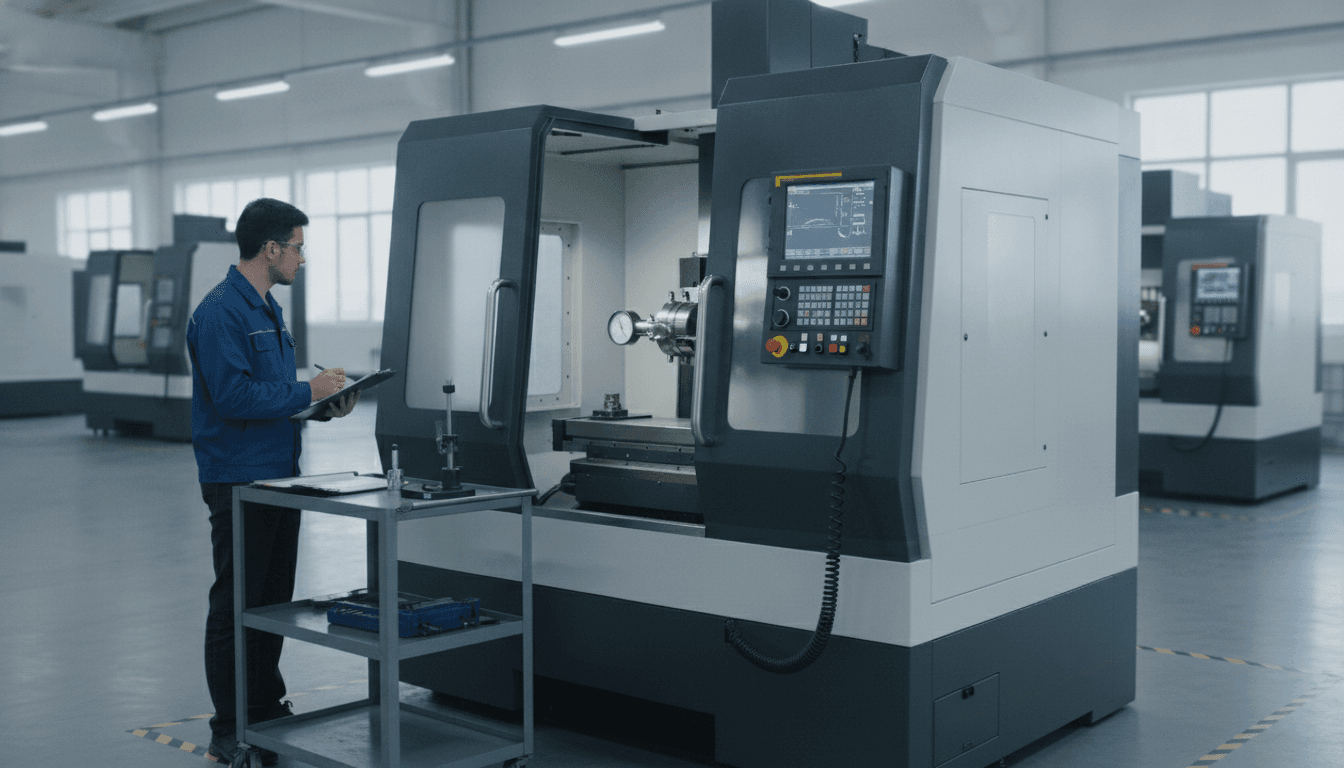
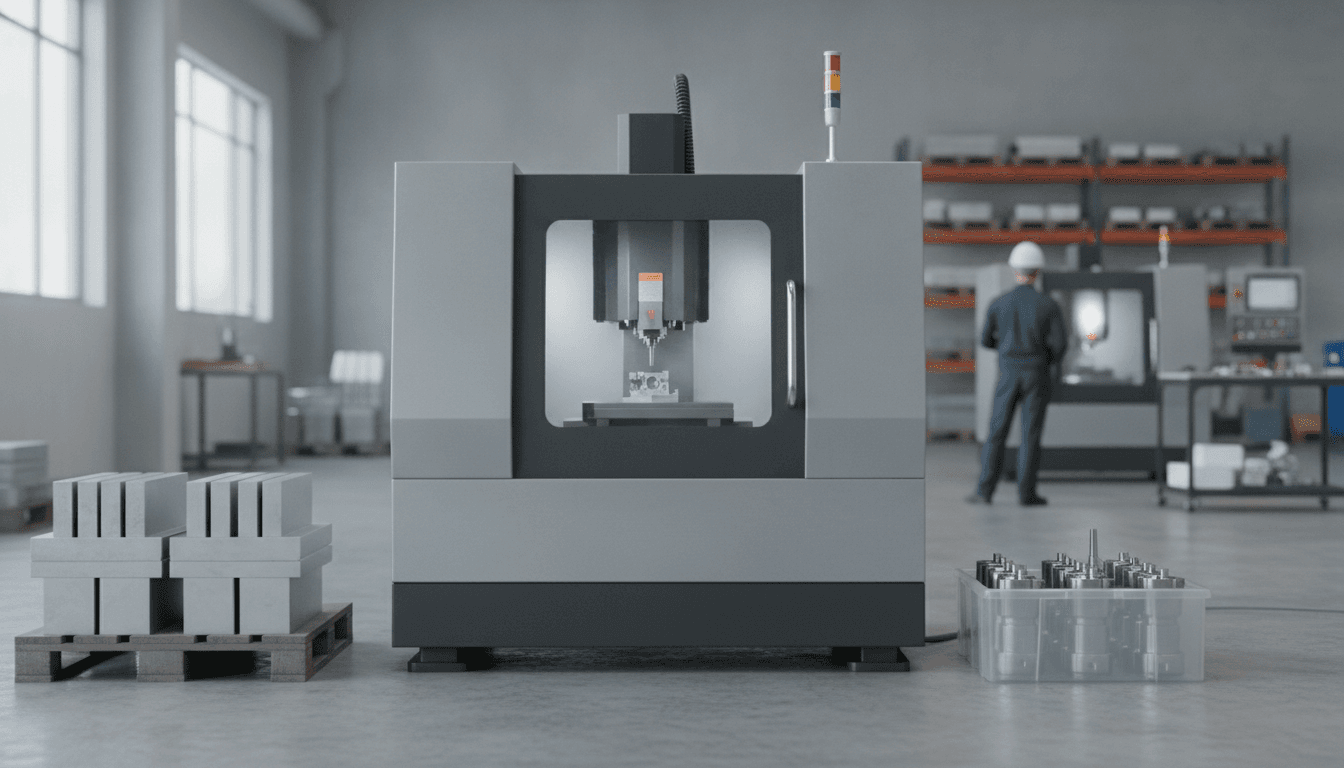
A gantry quote is useful only when it describes the machine that can finish the buyer's actual work. Two machines may have similar X-axis travel yet differ substantially in table capacity, bridge clearance, spindle duty, structure, guideway design, chip handling, controller functions, accuracy verification, installation scope, and delivery risk.
The practical way to evaluate a gantry machining center price is to connect every major cost item to a drawing, workpiece weight, cutting requirement, production target, and factory condition. A lower base number can become the more expensive project if the delivered machine needs extra foundation work, cannot clear the fixture, lacks torque for the roughing operation, or omits essential accessories.
This guide explains the main price drivers, how to compare quotations line by line, and what information Zhihe CNC needs to recommend a suitable gantry configuration.
Gantry Machining Center Price: Price the Complete Production Scope
Start with the smallest gantry platform that safely covers the part, fixture, tool, cutting load, and known future work. Then add only the spindle, coolant, tooling, probing, chip, controller, inspection, and service options needed to make the process repeatable. Compare delivered and accepted cost, not an isolated machine price.
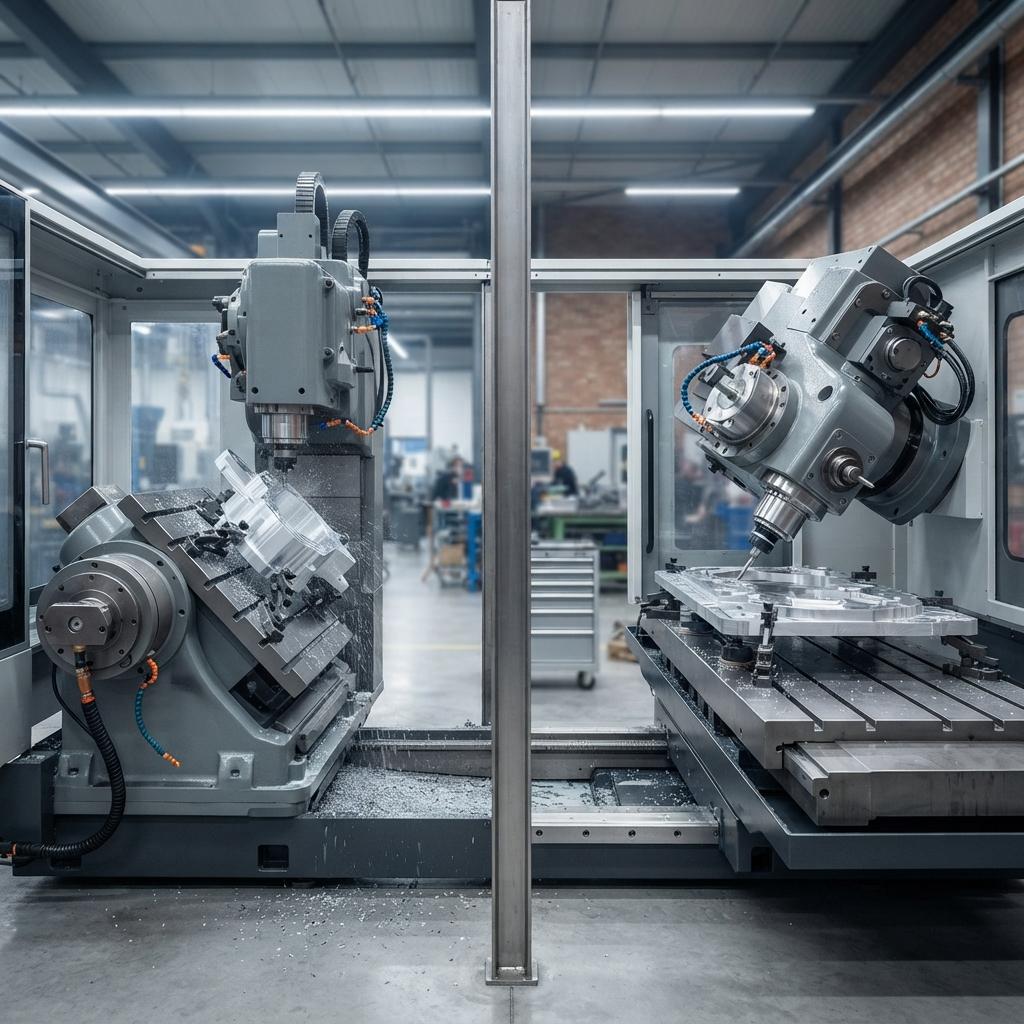
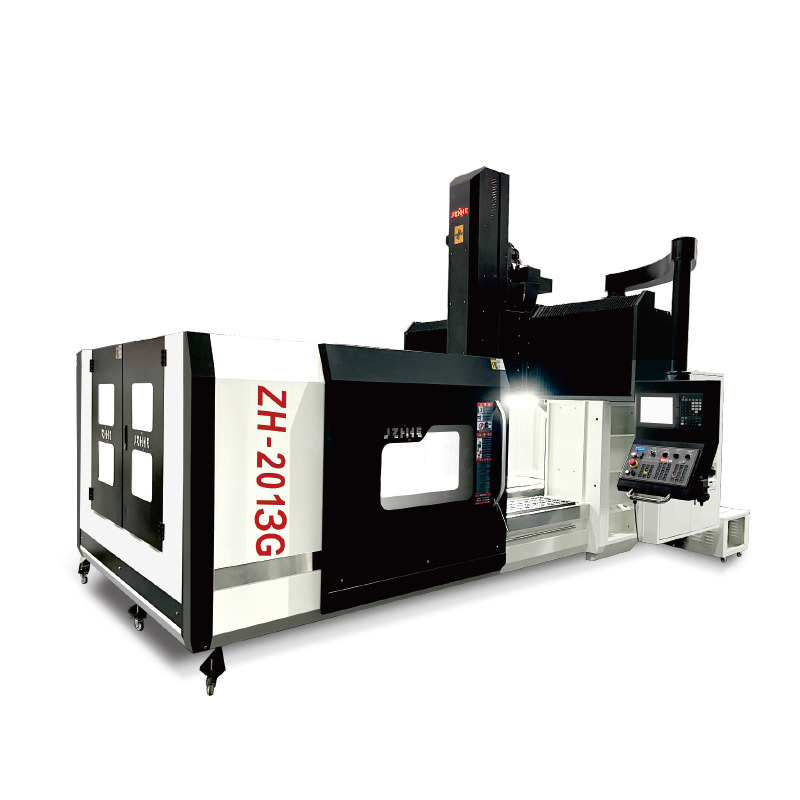
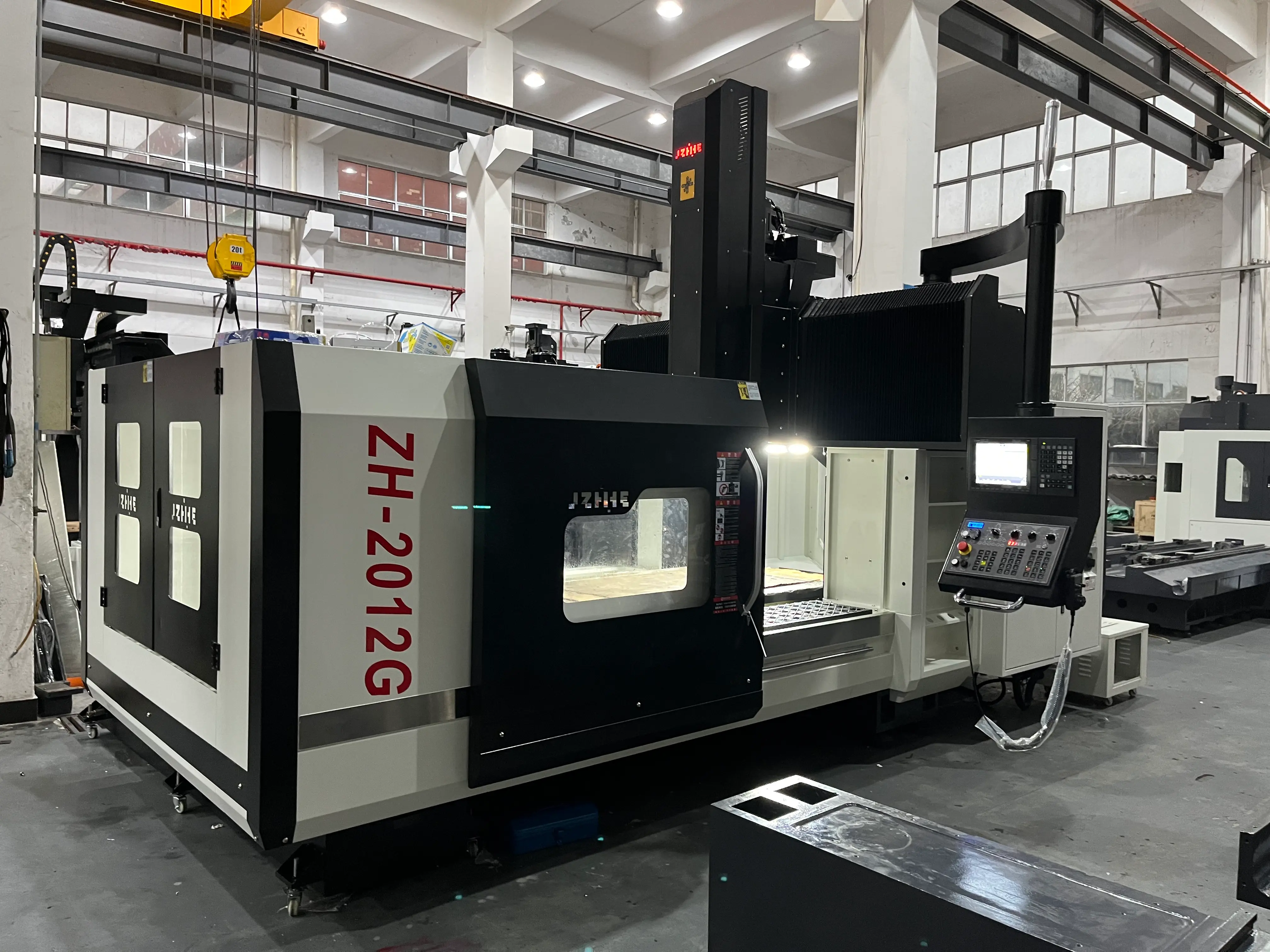
Zhihe CNC describes its gantry machining center series as equipment for large molds, heavy plates, oversized workpieces, and stable heavy-duty machining. Those applications require more than long travel. The machine must support the load, maintain clearance, control chips, and stay stable during a long cycle.
1. Travel Is Only the First Size Variable
X, Y, and Z travel define axis motion, but they do not automatically prove that the workpiece fits. The buyer also needs table dimensions, distance between columns, spindle-nose clearance, maximum workpiece height, tool length, head geometry, fixture height, and access for loading.
A large mold may fit on the table but collide with the bridge or enclosure when a long tool approaches a deep feature. A structural plate may fit geometrically but exceed the recommended table load after the fixture and clamps are included. These details can move the project into a larger machine series, which changes castings, motors, shipping volume, foundation requirements, and price.
Provide a simple envelope drawing with the raw stock, finished part, fixture, lifting points, and longest tool. Ask the supplier to mark the usable machining area instead of confirming fit from nominal travel alone.
2. Table Load and Structure Follow the Cutting Process
Heavy workpieces create static load, but the cutting operation creates dynamic load. A buyer roughing cast steel with a large cutter needs a different structural margin from a shop finishing aluminum tooling plate with small stepovers.
Review the material, cutter diameter, engagement, stock allowance, tool overhang, removal target, and expected spindle load. The bridge, columns, base, guideways, ballscrews, drive system, and foundation work together. It is not enough to label the machine "heavy duty" without showing how the proposed process fits the machine.
Ask which operation is expected to create the highest load and what spindle range, holder, and tool are planned. A transparent quotation should identify whether the offered structure and spindle are standard or upgraded for that operation.
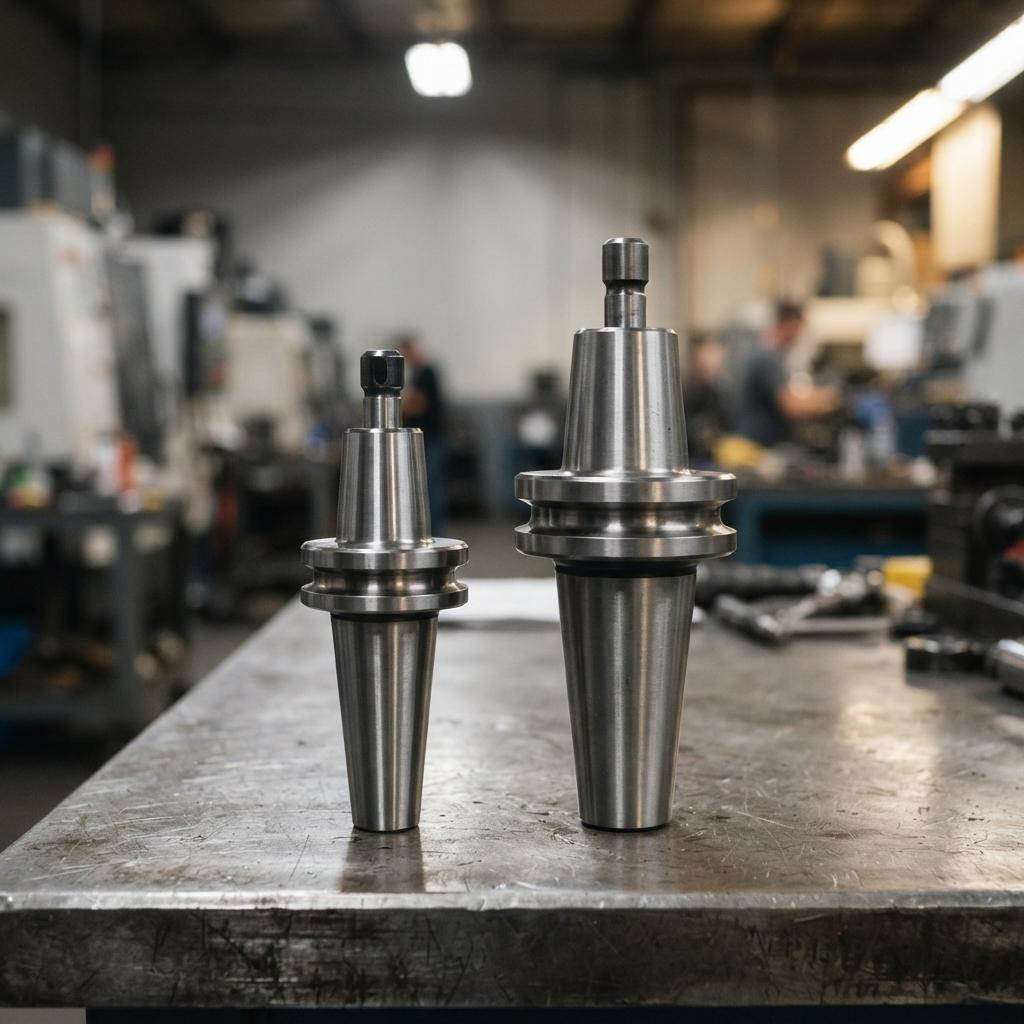
3. Spindle Configuration Can Change Both Cost and Output
Maximum rpm is only one spindle characteristic. Large-mold roughing may favor torque and sustained duty. Finish machining may place more value on speed, thermal stability, acceleration, and surface quality. Deep pockets may require long tools, which increases the importance of spindle condition, holder quality, balance, and process stability.
Compare the full spindle specification:
- Rated and peak power, torque curve, and usable duty.
- Maximum speed and the speed range planned for critical tools.
- Spindle interface and available holder ecosystem.
- Cooling, warm-up, and thermal-management method.
- Through-spindle coolant availability and pressure.
- Runout and acceptance checks for the delivered spindle.
A more powerful spindle is not automatically better. It should remove a known bottleneck or provide a documented margin for the production route.
4. Head Options and Rotary Capability Add Application Value
Some parts need only vertical three-axis access. Others benefit from an angle head, indexing head, rotary table, or five-face machining arrangement. These options can remove setups, improve feature relationships, and reduce manual handling, but they also add cost, programming requirements, calibration work, collision risk, and maintenance.
Before adding an accessory, identify the features it will machine and the setup it will remove. Confirm the remaining work envelope with the head installed. Ask how tool length, spindle power, and accuracy change when the accessory is used.
If the option is intended for future work, define that future work as clearly as possible. Buying unused complexity increases capital cost without guaranteeing new business.
5. Tool Magazine, Coolant, and Chip Handling Affect Shift Output
Large-part cycles often include roughing, semi-finishing, finishing, drilling, tapping, probing, and backup tools. Count the complete route and any sister tools before accepting a standard magazine.
Chip volume can be substantial. Review enclosure washdown, conveyor type, chip direction, tank capacity, filtration, through-spindle coolant, external nozzles, and access for cleaning. A long unattended cycle is only productive if the machine can keep chips away from the tool, fixture, probe, and guideway protection.
These systems may look secondary on a quotation, but they determine whether the machine can run the planned shift without repeated manual interruption.
6. Accuracy and Long-Cycle Stability Need an Acceptance Plan
Catalog positioning figures do not prove the buyer's part. Large machines are sensitive to leveling, foundation, temperature, warm-up, head position, tool reach, fixture condition, and cutting load.
Agree on machine-level tests and a representative trial. The plan can include geometric checks, laser interferometer measurement, ballbar testing, spindle checks, and a test part that exposes the important dimensions. Zhihe CNC states that selected models may support positioning accuracy up to +/-0.005 mm and repeatability up to +/-0.003 mm, depending on series, model, travel, and configuration. Treat those as model-specific claims to be confirmed in the final proposal.
The purchase agreement should record the exact test method, environmental condition, machine configuration, pass limits, reports, and responsibility if a result is outside the agreed range.
7. Delivery, Foundation, and Commissioning Are Part of the Cost
A gantry machine can create project costs before it makes a chip. Ask for shipping dimensions and weights, container or break-bulk plan, unloading method, crane capacity, doorway clearance, floor loading, foundation drawing, power requirements, air supply, coolant preparation, and assembly sequence.
Clarify who supplies anchors, leveling pads, transformer, voltage adaptation, hydraulic oil, coolant, rigging, local labor, travel, accommodation, and interpretation. Confirm whether installation is remote, on site, or shared with a local partner.
A quote that omits these responsibilities can appear attractive while leaving the buyer with an uncertain commissioning budget.
| Quotation section | What to compare | Risk if unclear |
|---|---|---|
| Machine envelope | Travel, table, column distance, clearance, load, longest tool | Part or fixture does not fit safely |
| Cutting system | Structure, spindle power and torque, holder, duty, coolant | Slow or unstable critical operation |
| Productivity | Magazine, probing, chip conveyor, filtration, automation | Manual stops reduce planned output |
| Quality | Model-specific accuracy, test method, trial part, reports | Dispute during acceptance |
| Project delivery | Freight, foundation, rigging, installation, training, warranty | Large unbudgeted site costs |
How to Request a Comparable Gantry Quotation
Send each supplier the same application pack:
- Representative 2D/3D drawing and raw-stock dimensions.
- Material, workpiece weight, fixture concept, and lifting method.
- Critical tolerances, finish, datums, holes, pockets, and tool access.
- Annual volume, shift pattern, cycle target, and current bottleneck.
- Required controller, tooling interface, probing, coolant, and automation.
- Factory voltage, floor plan, doorway, crane, foundation, and destination.
- Requested inspection, trial cutting, installation, training, and warranty scope.
Ask for a base configuration, required options, optional upgrades, exclusions, lead time, payment milestones, and delivered scope. This format exposes differences that a one-line total cannot show.
Common Buying Mistakes
- Buying travel instead of usable envelope. The fixture, head, and tool may reduce practical access.
- Ignoring workpiece and fixture weight. Table capacity must include the complete setup.
- Choosing spindle rpm without the torque curve. The difficult cut may occur far below maximum speed.
- Leaving installation until after the order. Foundation, rigging, and utilities can change project timing and cost.
- Comparing different scopes. One quote may include probing, freight, and commissioning while another excludes them.
- Accepting brochure accuracy without a test plan. The delivered machine and representative process need defined evidence.

FAQ
Why can two gantry machines with similar travel have different prices?
Travel does not describe table load, column clearance, structure, spindle duty, guideways, motors, controller, head options, accuracy verification, chip systems, or service scope. Compare the complete configuration.
Should a buyer choose the largest machine within the budget?
Not automatically. Extra size increases capital cost, footprint, freight, foundation, and utility needs. Buy enough verified envelope and load capacity for the real work, with sensible margin.
Which options most often change the quotation?
Spindle upgrades, angle or indexing heads, rotary tables, larger magazines, through-spindle coolant, probing, filtration, chip handling, controller functions, automation, and on-site commissioning are common drivers.
Can Zhihe CNC quote without a drawing?
A budgetary proposal may be possible, but a drawing is needed to confirm access, load, spindle demand, setup count, and acceptance requirements. A process-based quote is more reliable.
What should be included in final acceptance?
Record machine identity and configuration, leveling and geometry checks, agreed accuracy tests, spindle condition, trial-part method, inspection results, documents, training, and open corrective actions.
Request a Process-Based Quote
For a meaningful gantry machining center price, send Zhihe CNC the drawing, material, weight, fixture concept, critical tolerances, annual volume, factory conditions, and delivery destination. Use the contact page to request a machine recommendation, technical proposal, and line-item quotation.