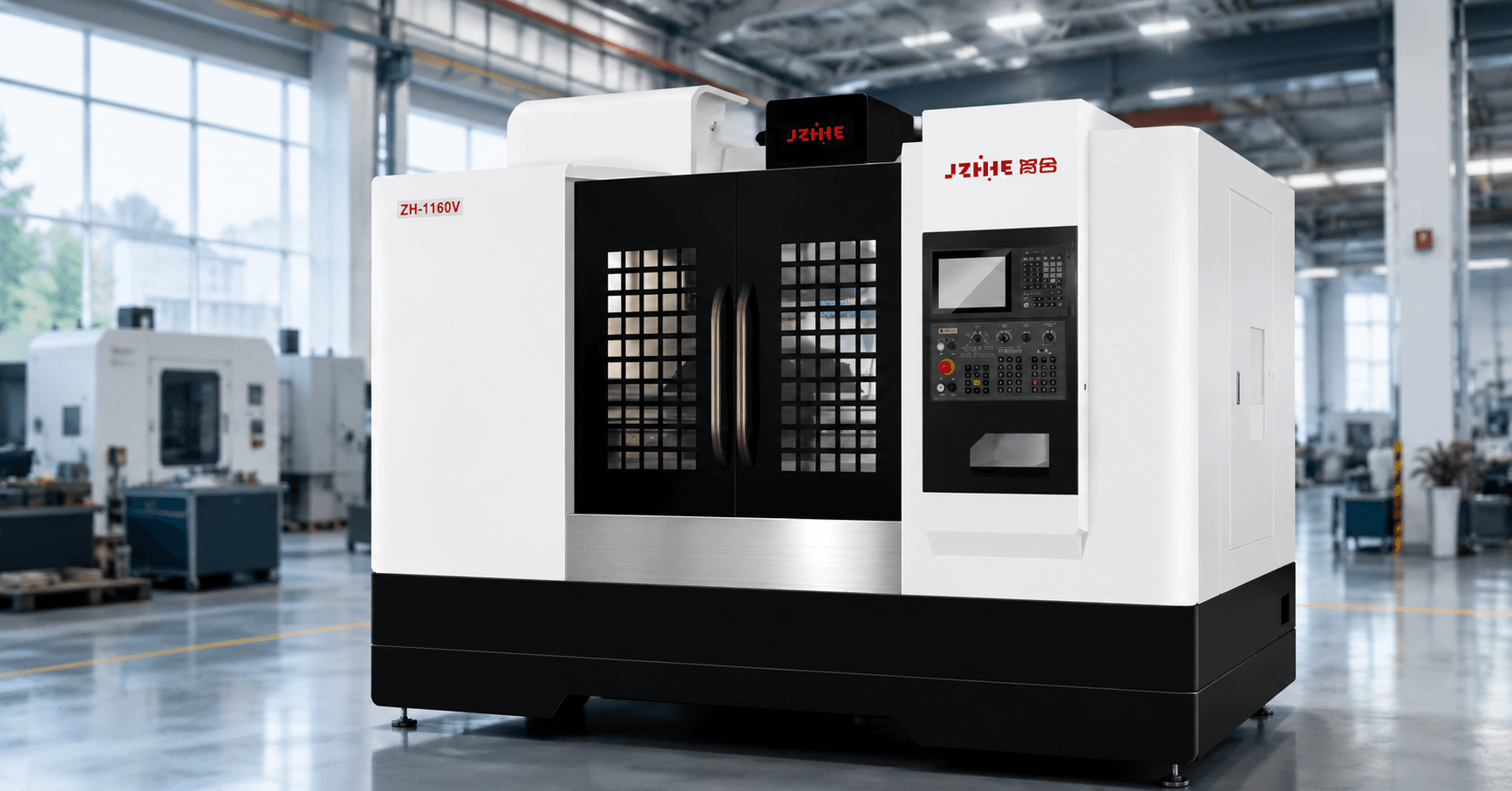
Gantry Machining Center vs Ordinary CNC Machine: Advantages for Heavy-Duty Precision Metal Processing
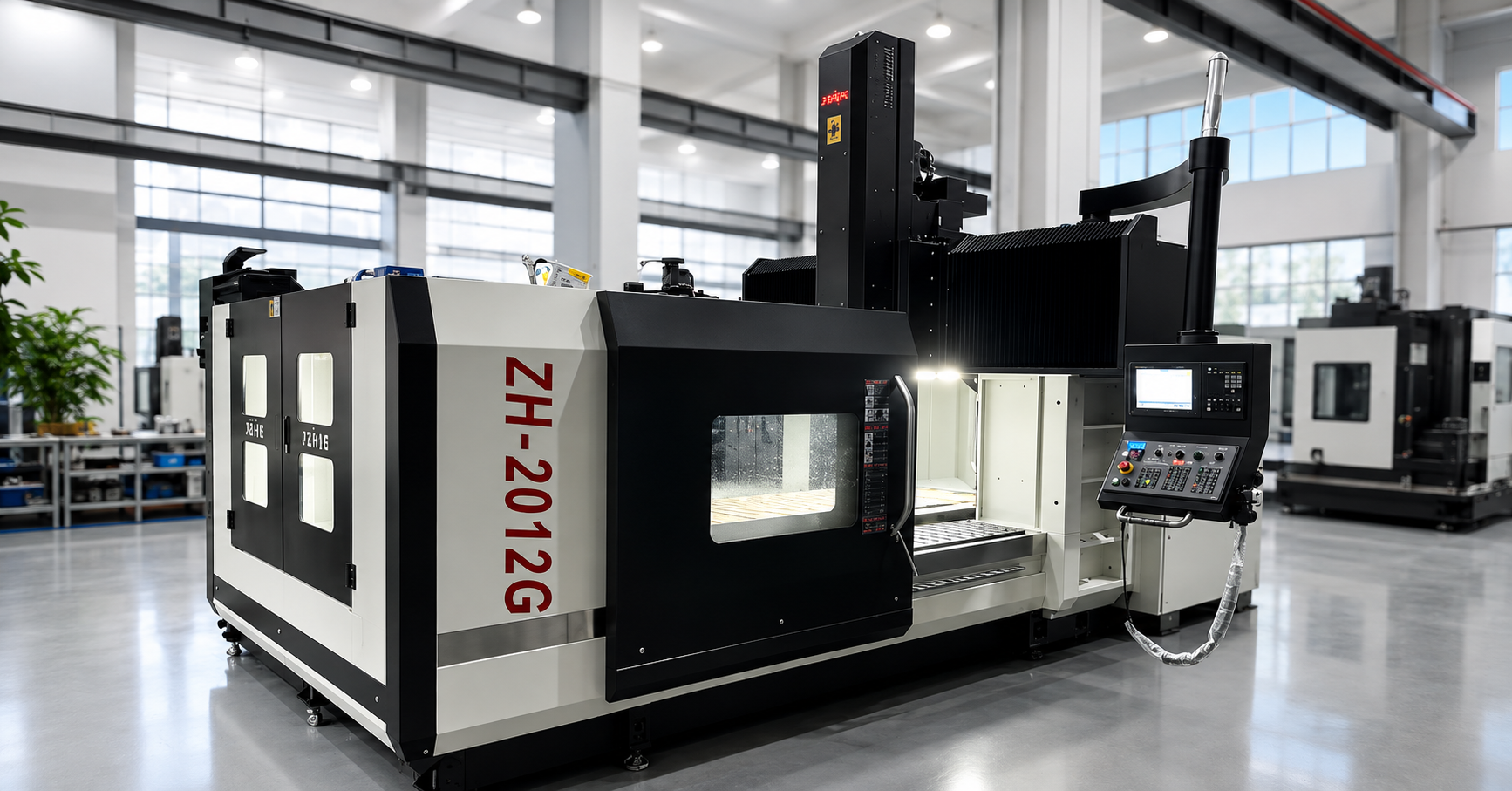
A buyer comparing a gantry machining center vs ordinary CNC machine is usually facing a practical production problem. The question is not which machine looks bigger or more impressive. The question is which machine can produce the part with less vibration, fewer setup problems, better accuracy retention, and lower long-term risk.
Ordinary CNC machines are useful. A vertical machining center, drilling and tapping center, or smaller milling machine may be the right choice for compact parts, lighter cutting, and flexible job shop work. But when the workpiece becomes large, heavy, or structurally complex, ordinary platforms can begin to struggle.
Large workpieces create different pressures. They require more support. They generate stronger cutting loads. They may need long machining cycles. They may include deep cavities, interrupted surfaces, or wide finishing areas. If the machine structure is not designed for this work, the buyer may see chatter, poor finish, longer cycle time, tool wear, and accuracy drift.
This is where a gantry machining center shows its advantage.
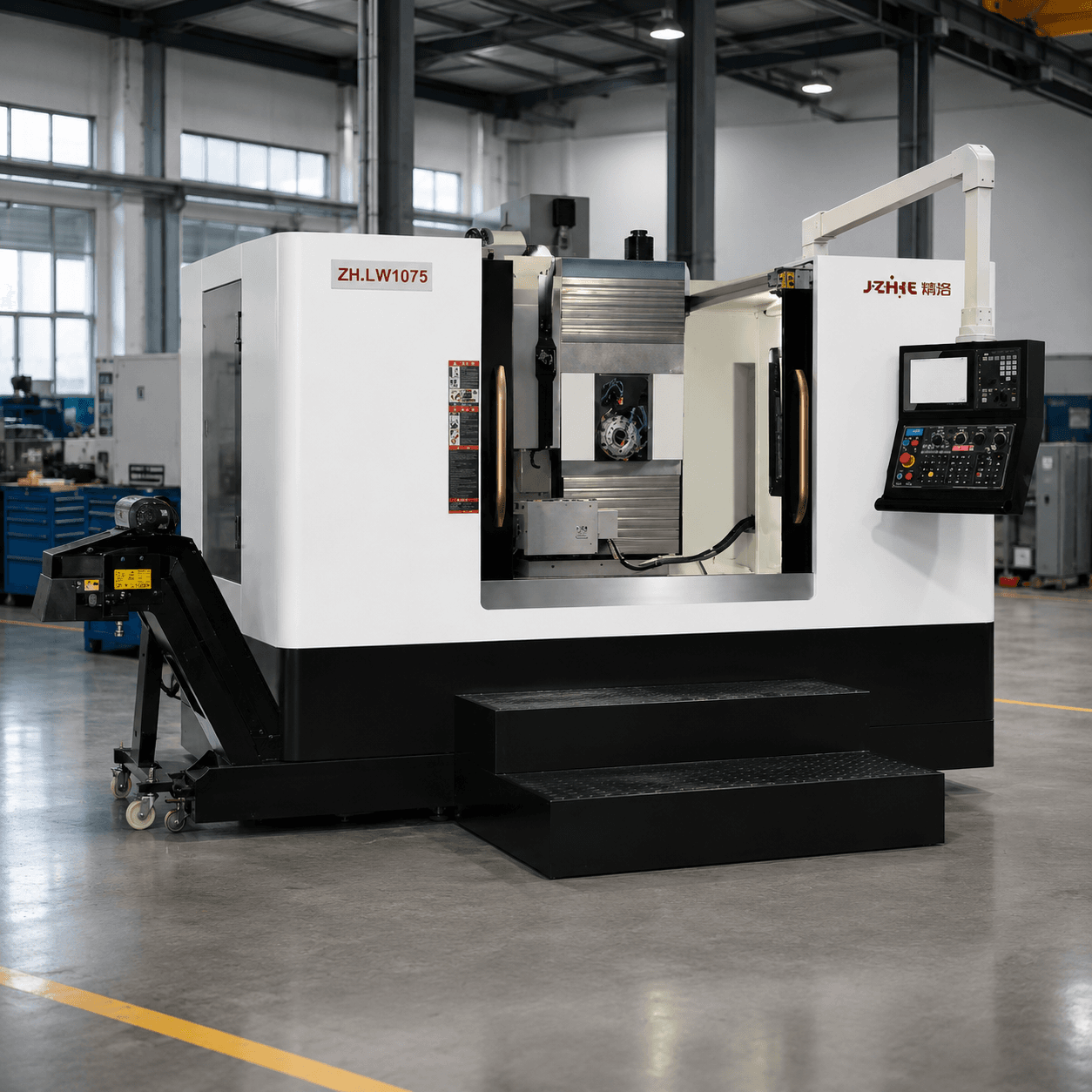
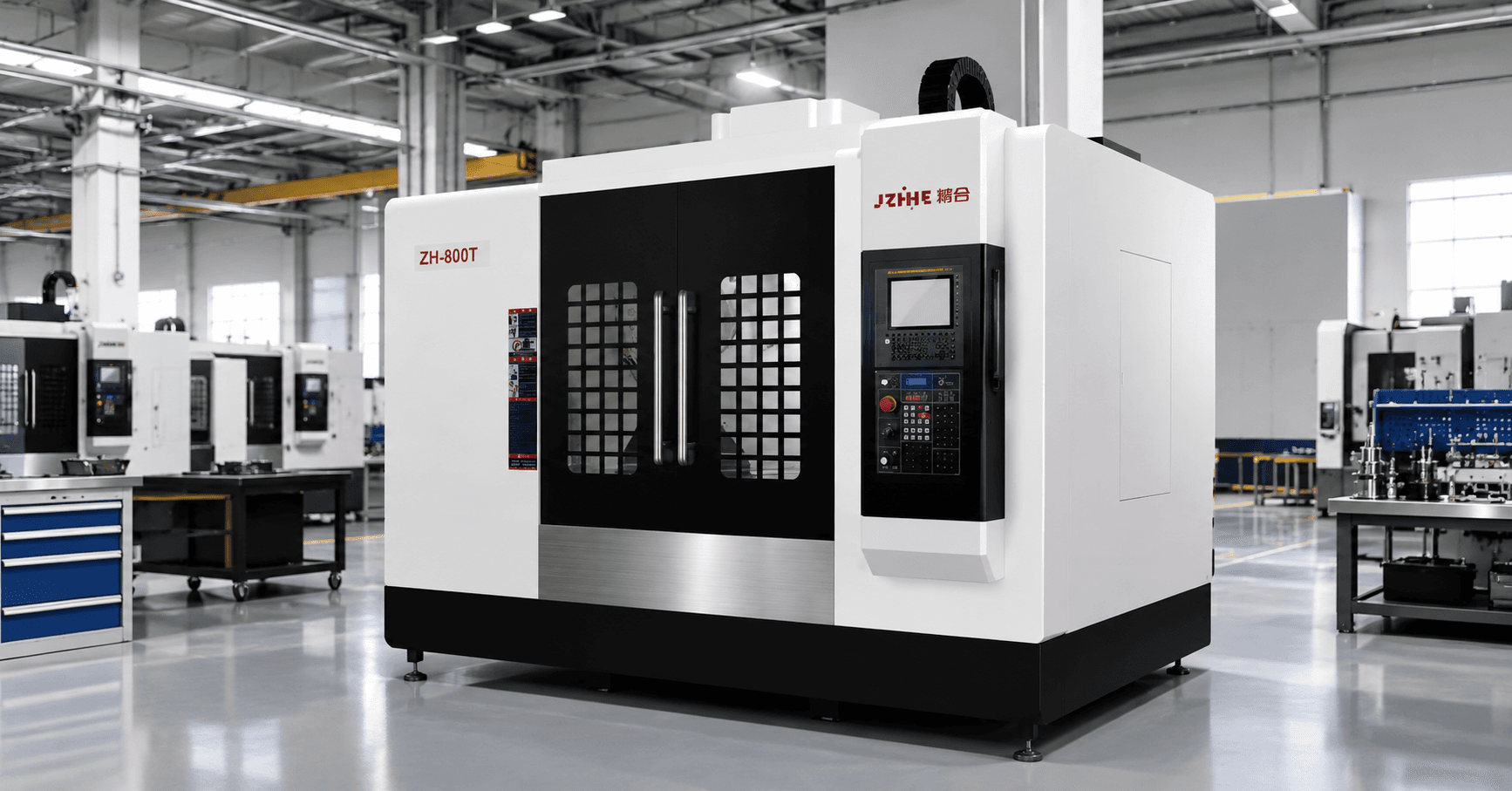
The Zhihe CNC gantry machining center uses a fixed-beam structural design, with stationary columns and crossbeam while the worktable moves along the X-axis. Its rigid architecture is designed to minimize thermal deformation and support high-precision, high-efficiency machining.
Advantage 1: Better Support for Large Workpieces
The most obvious advantage of a gantry machining center is its suitability for large workpieces. But the real issue is not just physical size. It is support.
Large molds, automation bases, engine blocks, transmission housings, wind power components, and heavy structural parts need a machine that can maintain rigidity across the cutting area. A smaller or lighter machine may allow the part to fit poorly, force awkward setups, or lose stability during heavy cutting.
The Zhihe CNC product page states that the machine is suitable for large and complex workpieces and is optimized for continuous industrial production. For buyers, this means the machine is positioned for production environments where the part is not only large but also demanding.
Compared with an ordinary CNC machine, a gantry platform gives buyers a stronger starting point for oversized work.
Advantage 2: Stronger Rigidity for Heavy Cutting
Heavy-duty precision metal processing requires rigidity. Without it, cutting force becomes vibration. Vibration becomes chatter. Chatter becomes poor finish, shorter tool life, and unstable dimensions.
The product page highlights a fixed-beam gantry structure for maximum rigidity, low thermal deformation design, heavy-duty roller linear guides on X/Y axes, and a four-sided rectangular hard rail on the Z-axis.
This combination is important because heavy cutting does not load every axis the same way. X/Y movement needs load-bearing capacity and responsiveness. The Z-axis needs torsional rigidity and resistance to offset loads. The frame needs to resist thermal and mechanical deformation.
An ordinary CNC machine may perform well under moderate cutting, but heavy rough milling, interrupted cutting, and deep cavity operations can expose its limits. A gantry machining center is better suited for those conditions when properly configured.
Advantage 3: More Suitable for Deep Cavity and Interrupted Cutting
Deep cavity machining and interrupted cutting are two areas where ordinary machines may struggle.
Deep cavity machining often requires long tools, stable Z-axis support, and vibration control. Interrupted cutting creates repeated impact loads as the tool enters and exits material. Both processes can damage surface quality and tool life if the machine is not rigid enough.
The Zhihe CNC page specifically lists deep cavity machining and interrupted cutting among the processes the machine can efficiently handle.
This is a meaningful advantage for buyers working with:
- Large molds
- Cast components
- Welded structures
- Heavy machinery frames
- Industrial bases
- Energy equipment parts
- Hydraulic equipment components
These parts often include uneven surfaces, cavities, pockets, ribs, or interrupted tool engagement. A machine designed for these conditions can reduce production risk.
Advantage 4: Roughing and Finishing on One Platform
Some buyers think of heavy-duty machines as roughing machines only. That is not always true.
A strong gantry machining center should also support precision finishing after roughing. This is important because moving a large part between machines can introduce handling risk and extra alignment work.
The Zhihe CNC page says the hybrid “two linear guides + one hard rail” configuration balances high-speed feed performance, heavy-duty cutting capability, stable rough machining, and precision finishing operations.
For buyers, this balance can be valuable. It may allow roughing and finishing to be managed on the same machine, depending on the part and process. That reduces unnecessary part transfers and helps preserve datum control.
This advantage is especially relevant for large precision molds, automation equipment bases, and heavy structural components that require both material removal and final accuracy.
Advantage 5: Long-Term Precision Retention
A machine may cut accurately when new. The harder question is whether it keeps accuracy during prolonged operation and heavy-load production cycles.
The product page states that the stable machine structure ensures long-term precision retention and maintains micron-level machining accuracy even during prolonged operation and heavy-load production cycles. It also states that the machine is designed for flexible manufacturing and batch production of medium-to-large complex components.
For production buyers, this is important. Batch work depends on repeatability. If the first part is good but later parts drift, the machine creates inspection pressure and rework.
Ordinary CNC machines may be sufficient for lighter cycles, but large and heavy parts make long-term stability more difficult. A gantry machine designed for heavy-duty precision work provides a stronger foundation.
Advantage 6: Better Fit for Industrial Sectors with Large Components
The application list on the product page includes automotive engine blocks, transmission housings, wind power components, hydraulic equipment parts, heavy machinery structural components, automation equipment bases, large precision molds, industrial metal fabrication, and energy equipment manufacturing.
These are not casual workshop parts. They are production components where accuracy, rigidity, and stability matter.
Compared with ordinary CNC machines, a gantry machining center is usually more suitable when the buyer’s work involves:
| Workpiece Type | Why Ordinary Machines May Struggle | Gantry Advantage |
|---|---|---|
| Large molds | Size, cavity depth, finishing quality | Strong structure and finishing stability |
| Engine blocks | Multi-surface accuracy and material removal | Heavy-duty support |
| Transmission housings | Complex geometry and batch consistency | Stable machining platform |
| Wind power parts | Large size and heavy material | Gantry layout supports oversized work |
| Hydraulic parts | Functional surfaces and bores | Precision retention matters |
| Automation bases | Flatness and mounting accuracy | Large stable work area |
| Heavy structural parts | Cutting load and vibration | Strong rigidity and Z-axis support |
This is where the machine’s value becomes clear. It is not “better” for every part. It is better when the part demands the structure.
What Buyers Should Still Be Careful About
A gantry machining center has advantages, but buyers should avoid overbuying.
If your parts are small, simple, low-volume, and easy to clamp, an ordinary vertical machining center may be more economical. A gantry machine requires more floor space, stronger installation planning, and a larger investment.
Buyers should also check full technical specifications before ordering. The public product page provides structure and application information, but detailed parameters such as travel, table size, load, spindle configuration, controller, tool magazine, machine weight, and accuracy acceptance should be confirmed through the specification sheet and technical agreement.
A good purchasing decision should compare total value, not only machine price.
Procurement Checklist
Before choosing between a gantry machining center and an ordinary CNC machine, ask:
| Question | Choose Ordinary CNC If… | Consider Gantry Machining Center If… |
|---|---|---|
| Workpiece size | Parts are compact | Parts are large or oversized |
| Cutting load | Mostly light or medium cutting | Heavy roughing or interrupted cutting is common |
| Cavity depth | Shallow features | Deep cavities or complex structures are frequent |
| Precision demand | Standard tolerance | Long-cycle accuracy retention is critical |
| Surface finish | Basic finish is enough | Precision finishing is required after roughing |
| Batch production | Small flexible batches | Medium-to-large batch stability matters |
| Industry | General job shop work | Energy, automotive, molds, heavy machinery, wind power |
| Budget and space | Limited | Enough floor space and investment for heavy-duty production |
This table helps buyers stay realistic. A gantry machine is powerful, but it should be justified by the part family.
FAQ
Is a gantry machining center always better than an ordinary CNC machine?
No. It is better for large, heavy, complex, and high-rigidity workpieces. For small or simple parts, an ordinary CNC machine may be more cost-effective.
What are the main advantages of this product?
Its main advantages include fixed-beam gantry structure, low thermal deformation design, heavy-duty X/Y roller linear guides, four-sided Z-axis rectangular hard rail, high torsional rigidity, heavy cutting capability, and precision finishing capability.
What machining processes does it support?
The product page states that it can handle rough milling, deep cavity machining, interrupted cutting, complex structural part processing, and precision surface finishing.
What industries is it suitable for?
It is suitable for automotive engine blocks, transmission housings, wind power components, hydraulic equipment parts, heavy machinery structural components, automation equipment bases, large precision molds, industrial metal fabrication, and energy equipment manufacturing.
Conclusion
A gantry machining center offers clear advantages over ordinary CNC machines when the buyer is working with large, heavy, complex, or precision-critical metal parts. Its value comes from stronger structural support, better rigidity, improved deep cavity and interrupted cutting capability, roughing and finishing balance, and long-term precision retention.
The Zhihe CNC model is designed around a fixed-beam gantry structure, low thermal deformation architecture, heavy-duty roller linear guides on X/Y axes, four-sided rectangular hard rail on Z-axis, and hybrid guideway configuration for high-speed feed, heavy cutting, stable roughing, and precision finishing.
For buyers, the conclusion is practical: do not choose a gantry machine just because it is bigger. Choose it when your parts truly require its structure, stability, and heavy-duty precision capability.