The GMC 2016 gantry machining center should be commissioned as a controlled project with route stops for site readiness, transport, rigging, leveling, utilities, geometry, trial cutting, training, and production release. Zhihe CNC uses a route-card format so every handoff has an owner, evidence requirement, hold point, and recovery path.
This article is for plant engineers, project managers, quality teams, and large-part manufacturers. The model reference should always be tied to the exact quotation, drawings, options, controller, spindle, accessories, and acceptance protocol because configuration and destination conditions can change the delivery boundary.
Route Stop 1: Freeze the Contract Baseline
Create one approved index covering machine model, serial reference when available, travels, table, load, spindle, controller, tool system, guarding, coolant, chip handling, probes, scales, voltage, transformer, language, software, documentation, packing, freight, installation, training, acceptance, warranty, and exclusions.
Zhihe CNC and the buyer should sign the revision used for production and site preparation. A verbal option or outdated brochure must not control foundation, lifting, utilities, or acceptance work.
Route Stop 2: Approve the Site Interface Drawing
Confirm floor elevation, foundation, anchors, pits, drainage, maintenance clearance, enclosure clearance, operator zone, chip and coolant service, electrical location, air, network, lighting, extraction, fire provisions, and future access. Mark dimensions from stable building references.
The buyer owns local civil design and compliance unless the contract states otherwise. Zhihe CNC should provide available machine interface information, while a qualified local party verifies soil, slab, reinforcement, vibration, drainage, and building constraints.
Route Stop 3: Survey the Delivery Path
Measure port or warehouse handling, road restrictions, gate, door, turning radius, overhead clearance, floor loading, crane reach, forklift capacity, temporary removal work, weather protection, and staging area. Include packing dimensions and masses from the approved shipping documents.
A GMC 2016 gantry machining center project can be delayed by one unverified doorway or lifting radius. Conduct a joint route walk, photograph constraints, and assign actions before shipment.
Route Stop 4: Write the Rigging Method
The method should identify equipment, rated capacities, lift points, spreaders, slings, shackles, center of gravity, sequence, exclusion zone, communication, weather limits, floor protection, emergency stop, and responsible persons. Use approved manufacturer information and qualified riggers.
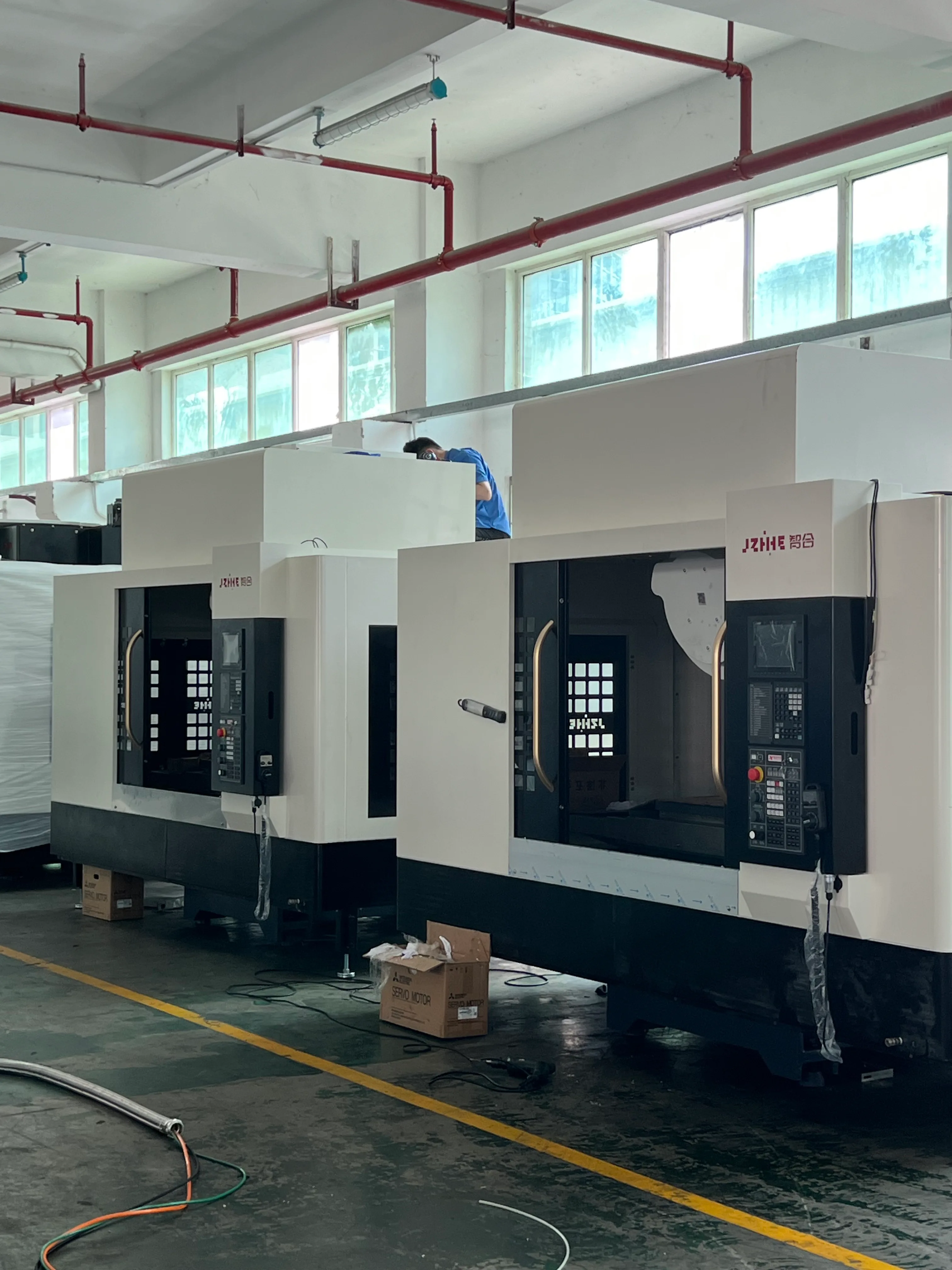
Do not improvise from a promotional image. The delivered units and lifting instructions control the plan. Record pre-lift inspection and any transport damage before assembly begins.
Route Stop 5: Inspect Arrival Condition
| Packet | Check | Disposition |
|---|---|---|
| Shipping | Packages and seals | Accept, note, or claim |
| Machine | Preservation and visible condition | Clean, protect, investigate |
| Accessories | Count against packing list | Release or shortage record |
| Documents | Revisions and language | Approve or request correction |
| Data | Backups and test records | Archive by serial baseline |
Open a numbered issue for every shortage, damage, contamination concern, or document mismatch. Photograph condition before cleaning or correction and preserve packaging evidence where a freight claim may be needed.
Route Stop 6: Assemble Without Losing Traceability
Record components, lifting events, fasteners, alignment references, lubrication points, guards, covers, hoses, cables, sensors, tool system, chip equipment, coolant equipment, and option installation. Use controlled instructions and torque or setting requirements where specified.
Zhihe CNC commissioning personnel and local support should sign the completed sequence and record deviations. Temporary jumpers, bypasses, or unapproved repairs must not disappear into normal production.
Route Stop 7: Level and Stabilize the Machine
Record foundation condition, anchor state, level instrument, calibration, reference points, sequence, readings, corrections, settlement period, and final results. Repeat checks after defined stabilization and after representative load or operation where the protocol requires it.
The GMC 2016 gantry machining center should not move to accuracy claims while the installation baseline is unsettled. Preserve the leveling map so future drift or relocation can be compared to a known condition.
Route Stop 8: Release Utilities and Safeguards
Verify voltage, phase, frequency, grounding, protection, air pressure and quality, coolant, lubrication, hydraulic conditions where applicable, network rules, lighting, extraction, chip handling, interlocks, emergency stops, doors, alarms, signage, and maintenance access.
The ISO 16090-1 reference offers safety context for machining centres. Local law, risk assessment, delivered design, and plant procedures still govern acceptance. No trial target justifies defeating a safeguard.
Route Stop 9: Load the Digital Baseline
Archive controller and software versions, licensed options, parameters, PLC and NC backups, compensation data, macros, network settings, user roles, passwords under plant control, language files, probe routines, postprocessor assumptions, and restore instructions.
Test backup integrity and define who may change production parameters. A route card should show the before and after state for every approved correction.
Route Stop 10: Verify Geometry and Positioning
The ISO 230-2 reference provides context for positioning accuracy and repeatability testing. The project protocol must name the axes, positions, runs, environment, warm-up, compensation, instrument, calibration, limits, results, exceptions, correction, and retest.
Zhihe CNC may also use ballbar or other checks where agreed. Different methods answer different questions. Preserve full reports rather than only pass labels.
Route Stop 11: Trial the Risk Workpiece
Select a part or artifact that represents envelope, mass, material, fixture, reach, roughing, finishing, tolerance, surface, tool-change, chip, thermal, and inspection risks. Freeze drawings, blank, tools, programs, offsets, coolant, sample plan, and measurement method.
A GMC 2016 gantry machining center trial should include normal setup and recovery work, not only uninterrupted cutting by exceptional personnel. Record accepted-part time, corrections, tool events, inspection, and open issues.
Route Stop 12: Train by Role and Demonstration
Separate operator, setup, programmer, quality, maintenance, supervisor, safety, and administrator learning objectives. Require participants to demonstrate startup, reference checks, loading, program control, tool handling, alarms, backup, cleaning, maintenance, containment, and escalation.
Attendance alone is not competence. Record trainer, language, materials, tasks, results, limitations, and follow-up actions. Zhihe CNC documentation should match the delivered baseline.
Classify Open Issues Before Release
| Class | Meaning | Release rule |
|---|---|---|
| A | Safety or critical acceptance failure | No production release |
| B | Capability or reliability risk | Controlled hold or concession |
| C | Document or minor completion item | Owner and due date required |
| D | Optimization opportunity | Track after stable launch |
Every concession should name affected products, duration, controls, authority, and closure evidence. Do not let a long issue list become an informal acceptance certificate.
Audit the GMC 2016 Gantry Machining Center at 30 Days
Thirty days after release, review leveling references, alarms, lubrication, coolant, chip removal, tool events, fixture behavior, geometry checks, offsets, rejected features, maintenance tasks, training gaps, open issues, and production interruptions. Compare the installed baseline with the condition accepted at site. Any foundation movement, collision, parameter change, major service, or repeated drift should trigger a defined engineering review rather than another informal correction.
The GMC 2016 gantry machining center should also be reviewed against actual part mix and staffed capacity. Record setup, accepted cycle, inspection queue, lifting delays, recovery, and maintenance access. Use the Zhihe CNC company information for supplier context, but keep conclusions tied to the delivered configuration and measured site evidence.
Close the review with a signed action register that identifies evidence, urgency, production controls, responsible people, completion dates, verification methods, and the authority that can release each correction.
State the Commissioning Boundary
Commissioning cannot guarantee cycle time, tool life, surface, yield, or uptime for untested workpieces and conditions. Results depend on foundation, environment, material, fixtures, tools, programs, coolant, maintenance, people, and inspection. The route card proves a defined baseline and makes changes visible.
FAQ
When should foundation work be completed?
Complete and verify it early enough for curing, survey, access, and correction before the machine arrives.
Who should approve the lifting plan?
Qualified rigging and plant authorities should approve it using current manufacturer data, local requirements, and actual site conditions.
Why repeat leveling after stabilization?
Foundation, anchors, interfaces, and machine structure may settle after assembly and initial operation.
Can factory tests replace site tests?
No. Factory and site tests answer related but different questions because transport, installation, environment, and utilities change.
What belongs in the digital backup?
Include controller, PLC, NC, parameters, compensation, macros, options, network settings, revisions, licenses, and restore instructions.
How should a trial workpiece be chosen?
Select the part or artifact that represents the major size, load, access, cutting, thermal, quality, and recovery risks.
May production start with open issues?
Only under an authorized rule that excludes critical safety or acceptance failures and defines controls and closure.
What proves training completion?
Use role-based demonstrations, results, limitations, materials, trainer records, and follow-up actions, not attendance alone.
When does geometry evidence expire?
Relocation, collision, foundation change, leveling correction, encoder work, compensation change, or major service can trigger retesting.
What should the buyer send before shipment?
Send site drawings, route survey, utilities, lifting plan, local constraints, acceptance protocol, workpiece pack, and responsible contacts.
Build the Commissioning Route With Zhihe CNC
To plan a GMC 2016 gantry machining center project, send Zhihe CNC the workpiece scope, destination, site drawing, foundation status, delivery route, lifting resources, utilities, options, acceptance features, trial plan, training roles, and launch date. Review the gantry platform page and use the contact page to freeze project responsibilities.