Why Aerospace Parts Require a High Precision 5-Axis Machining Center
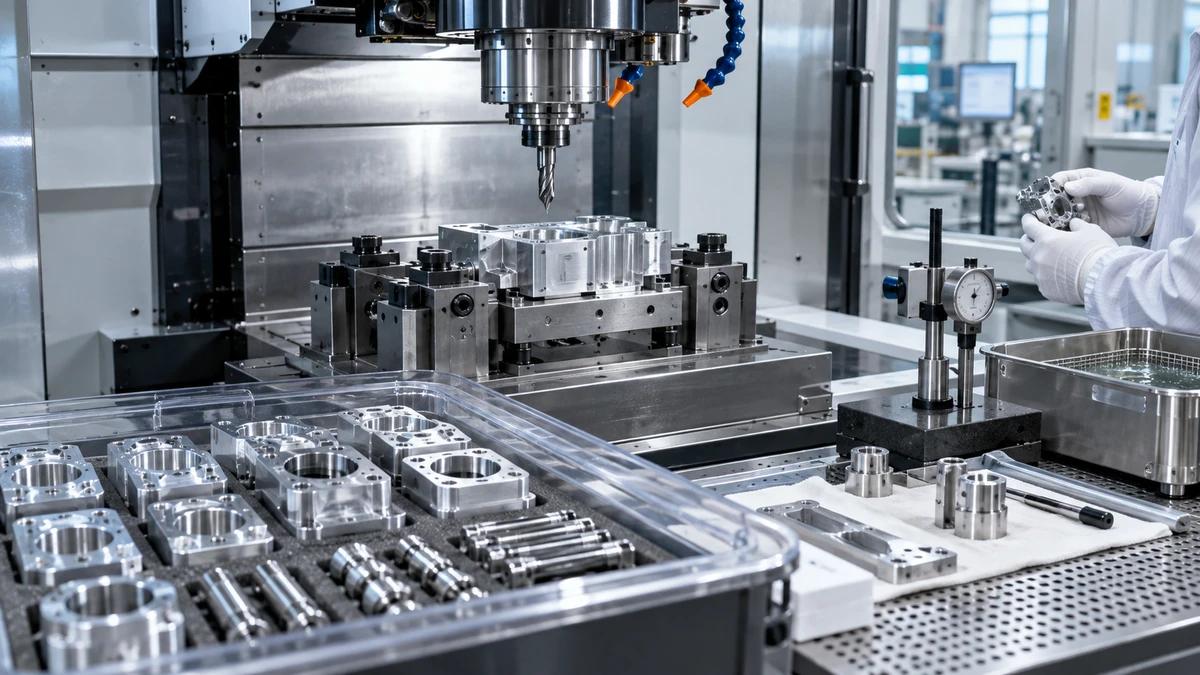
Aerospace parts do not forgive careless machining. A part may be light, thin, and full of complicated features, yet still need strong dimensional control. It may include angled surfaces, curved contours, pockets, ribs, and multi-face details that must remain accurate after roughing and finishing.
This is why aerospace suppliers often move toward a high precision 5-axis machining center. The goal is not simply to own a more advanced machine. The goal is to machine complex parts with fewer setups, better datum control, and more reliable consistency.
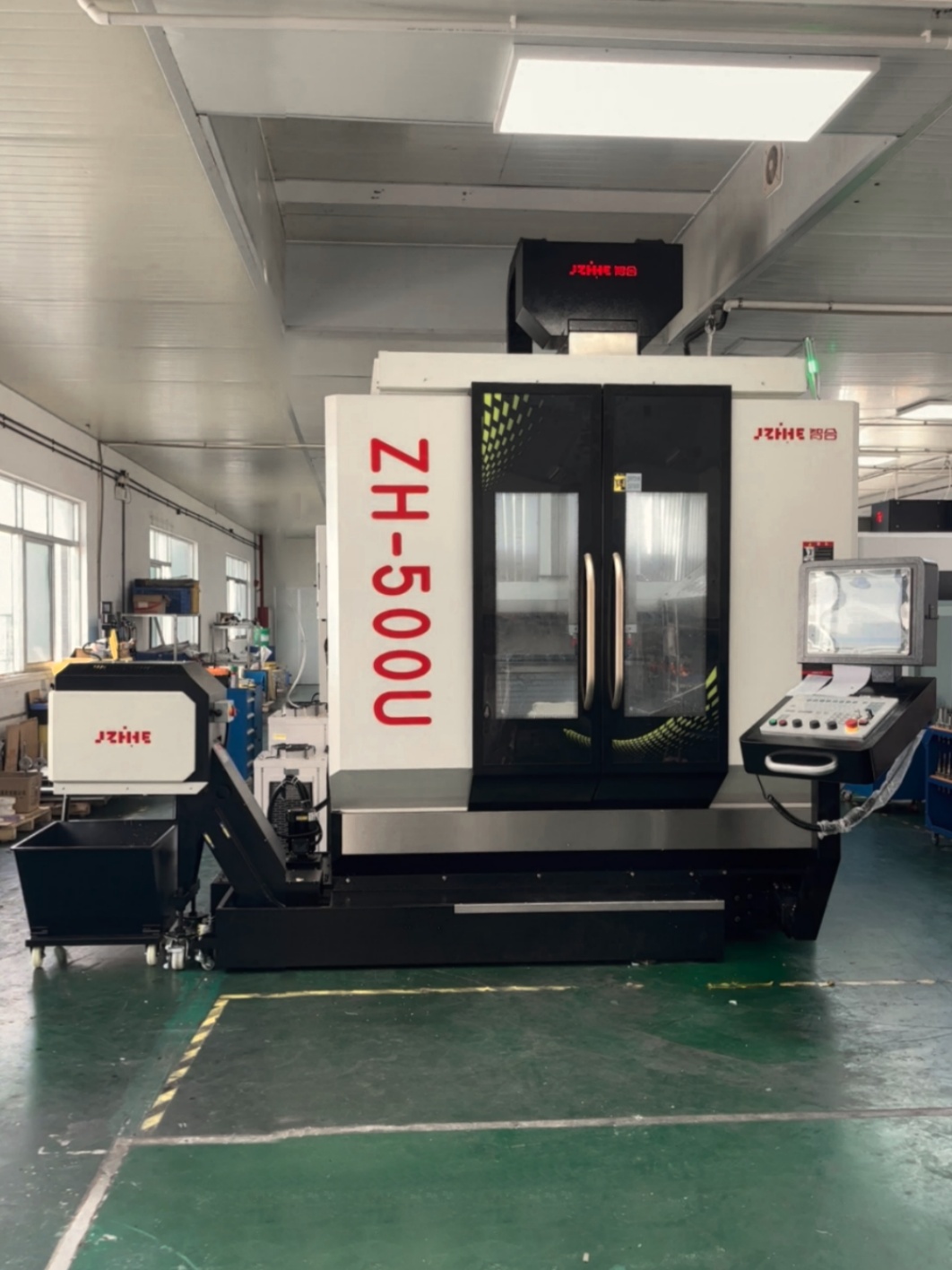
The ZH-500U 5-Axis Trunnion Machining Center is built for this type of demand. It supports high-precision, multi-sided machining of complex components, including aerospace structural parts, precision mold cavities, automotive turbocharger housings, and medical implants. Its 750 / 880 / 600 mm travel, A-axis ±110°, C-axis 360° DDR direct drive, and 20,000 rpm BBT40 spindle give manufacturers a strong foundation for complex 5-side machining.
Why Aerospace Machining Is Different
Aerospace components often combine low weight with high structural requirements. That means parts may have thin sections, hollowed areas, complex ribs, and strict tolerance zones. Cutting too aggressively can cause vibration or deformation. Machining with too many setups can create alignment errors.
A standard three-axis machine may be able to remove material, but aerospace parts often require access from several directions. If the workpiece must be repositioned again and again, each setup adds risk. A small datum shift may not look serious at first, but it can affect hole alignment, surface matching, or final assembly.
A high precision 5-axis machining center helps solve this problem by allowing the tool to reach difficult surfaces while the part remains in one controlled setup.
Multi-Face Accuracy Matters More Than Headline Speed
Speed is useful. Aerospace buyers, however, usually care more about controlled accuracy.
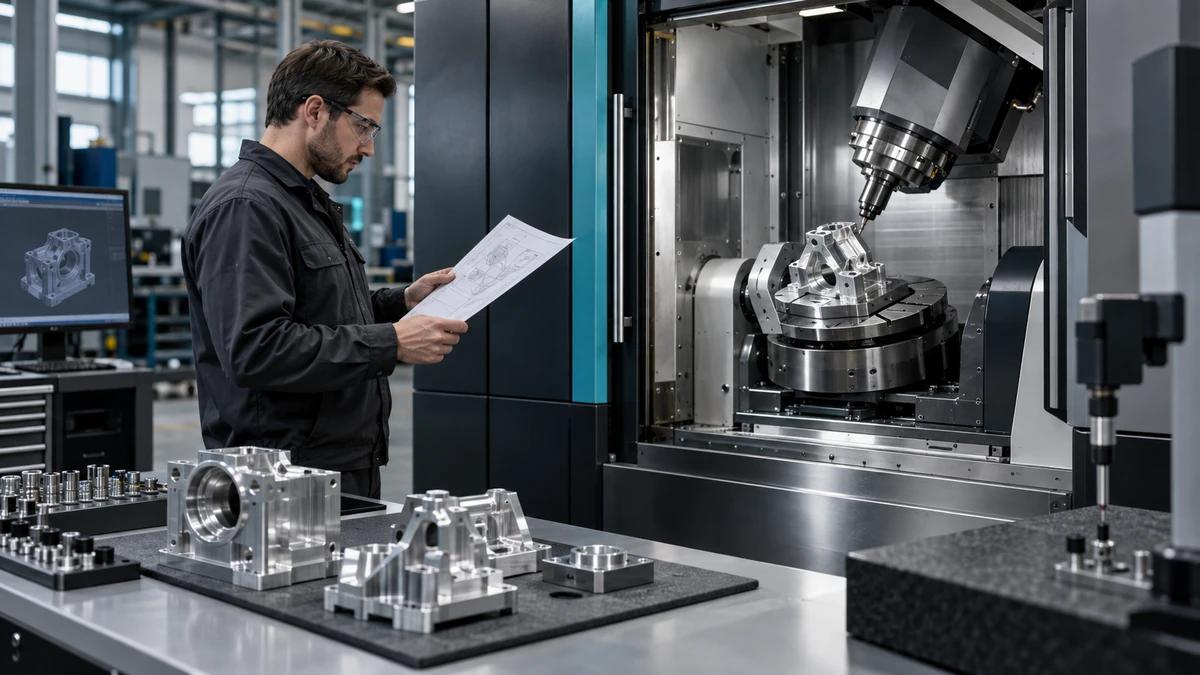
The ZH-500U uses a trunnion table with A-axis ±110° and C-axis 360°. This structure allows the part to be tilted and rotated so the tool can approach different surfaces more efficiently. The DDR direct-drive C-axis with ±6 arcsec positioning accuracy supports precise rotary positioning, which is important for multi-face aerospace parts.
This matters because aerospace parts are often judged by relationships between features, not by one single surface. A hole on one face may need to align with a pocket or surface on another face. If those relationships drift, inspection may fail even if each individual operation looked acceptable.
How One-Setup Machining Helps Aerospace Suppliers
One-setup machining can reduce several production risks:
| Production Issue | How Five-Axis Machining Helps |
|---|---|
| Re-clamping error | Keeps the part in one datum system |
| Long setup time | Reduces repeated positioning and manual adjustment |
| Difficult tool access | Allows tilted and rotated machining angles |
| Inspection pressure | Improves consistency between related features |
| Surface transition problems | Supports smoother contouring across complex geometry |
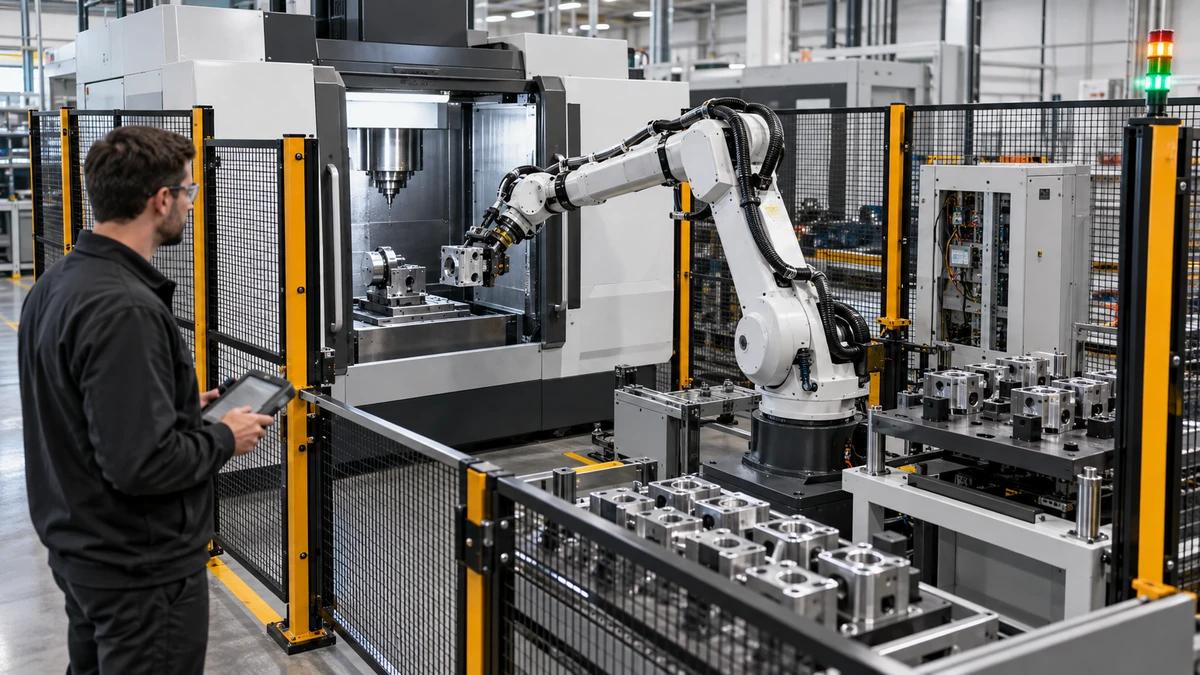
For aerospace suppliers, this is not just a technical benefit. It affects delivery reliability. A part that needs less rework is easier to schedule. A process with fewer setup changes is easier to control. A machine that holds accuracy across multiple features gives engineers more confidence.
Why the Spindle Matters for Aerospace Structural Parts
The ZH-500U is equipped with a 20,000 rpm built-in motor BBT40 spindle. For aerospace parts, high spindle speed can be useful when machining aluminum structural components, thin walls, fine contours, and finishing surfaces.
However, spindle speed must work together with the overall machine structure. Aerospace machining often involves both roughing and finishing. Roughing removes large amounts of material. Finishing protects surface quality and accuracy. If the machine lacks stability, finishing becomes harder, even with a fast spindle.
That is why a 5-axis machining center for aerospace parts should be reviewed as a complete system: spindle, axes, table, control, enclosure, fixture, and cutting strategy.
What Aerospace Buyers Should Check Before Ordering
Before selecting a machine, buyers should prepare detailed technical information. A useful machine recommendation depends on the part, not only the industry name.
| Buyer Check Point | Why It Matters |
|---|---|
| Part material | Aluminum, titanium, and steel require different cutting strategies |
| Maximum part size | Must fit travel, rotary table, fixture, and tool clearance |
| Thin-wall sections | May require stable cutting and careful fixture design |
| Critical tolerances | Define where machine accuracy must be protected |
| Surface finish | Affects spindle speed, tooling, and finishing paths |
| Batch quantity | Influences ROI and process planning |
| Existing setup count | Shows where five-axis machining can reduce errors |
Aerospace buyers should also ask about trial cutting, fixture support, operator training, and service response. The machine alone is important, but the process around the machine often decides the final result.
Common Mistakes in Aerospace Machine Selection
One mistake is assuming that any five-axis machine can handle aerospace work. Five-axis motion is not enough. The machine also needs accuracy, stability, suitable spindle performance, and a well-planned fixture strategy.
Another mistake is focusing only on the largest part. Buyers should consider the most frequent part family, not only the most difficult part. A machine should support regular production, not just one exceptional project.
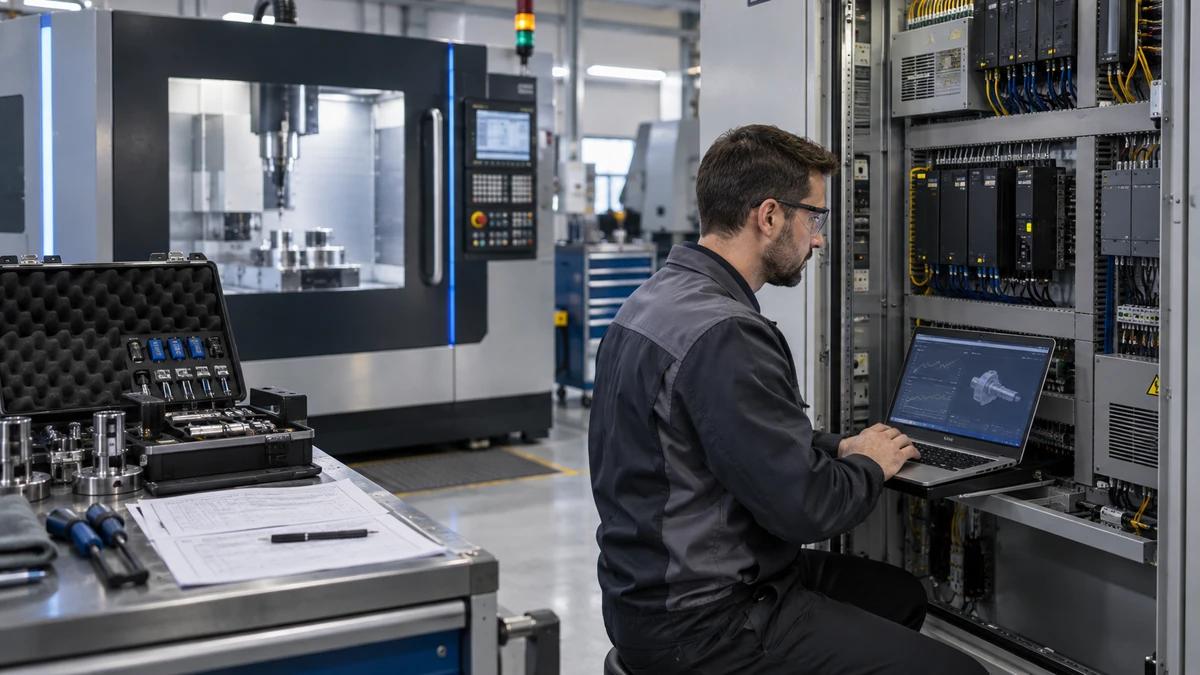
A third mistake is ignoring operator and programming capability. Aerospace parts often need careful toolpath planning. If the team is not prepared for five-axis programming and inspection, machine potential may not become real output.
FAQ
Why do aerospace parts often need five-axis machining?
Because many aerospace parts include angled features, curved surfaces, thin walls, pockets, ribs, and multi-face relationships that are difficult to machine efficiently with three-axis equipment.
Is high spindle speed important for aerospace machining?
Yes, especially for aluminum structural parts and finishing operations. But spindle speed must be supported by machine rigidity, axis accuracy, and proper tooling.
What makes the ZH-500U suitable for aerospace parts?
The ZH-500U offers five-axis trunnion machining, A/C-axis flexibility, DDR direct-drive rotary positioning, a 20,000 rpm BBT40 spindle, and a structure designed for complex multi-sided parts.
Conclusion
Aerospace parts require a high precision 5-axis machining center because the machining challenge is not only material removal. It is about preserving accuracy across several faces, controlling complex geometry, and reducing the risks caused by repeated setups.
The ZH-500U gives aerospace suppliers a practical platform for structural parts and other complex components. Its trunnion table, direct-drive rotary axis, high-speed spindle, and controlled five-axis capability make it suitable for buyers who need accuracy, repeatability, and flexible tool access in one machine.
For the best result, buyers should start with drawings, materials, tolerances, surface requirements, and production targets. A good five-axis machine only becomes valuable when it fits the real aerospace part family.