High Speed Drilling and Tapping Center: What B2B Buyers Should Check Before Ordering
A high speed drilling and tapping center can look impressive on a specification sheet. Fast spindle. Fast traverse. Compact footprint. Clean enclosure. Buyers notice those numbers first, and that is understandable.
But in real production, speed alone rarely tells the full story.
For factories making small-to-medium precision parts, the bigger question is whether the machine can keep parts moving without creating hidden delays. Can it drill, tap, and handle light milling in one controlled process? Can it reduce idle time between holes? Can it keep accuracy stable over repeated batches? If the answer is yes, the machine becomes more than a fast piece of equipment. It becomes a production stabilizer.
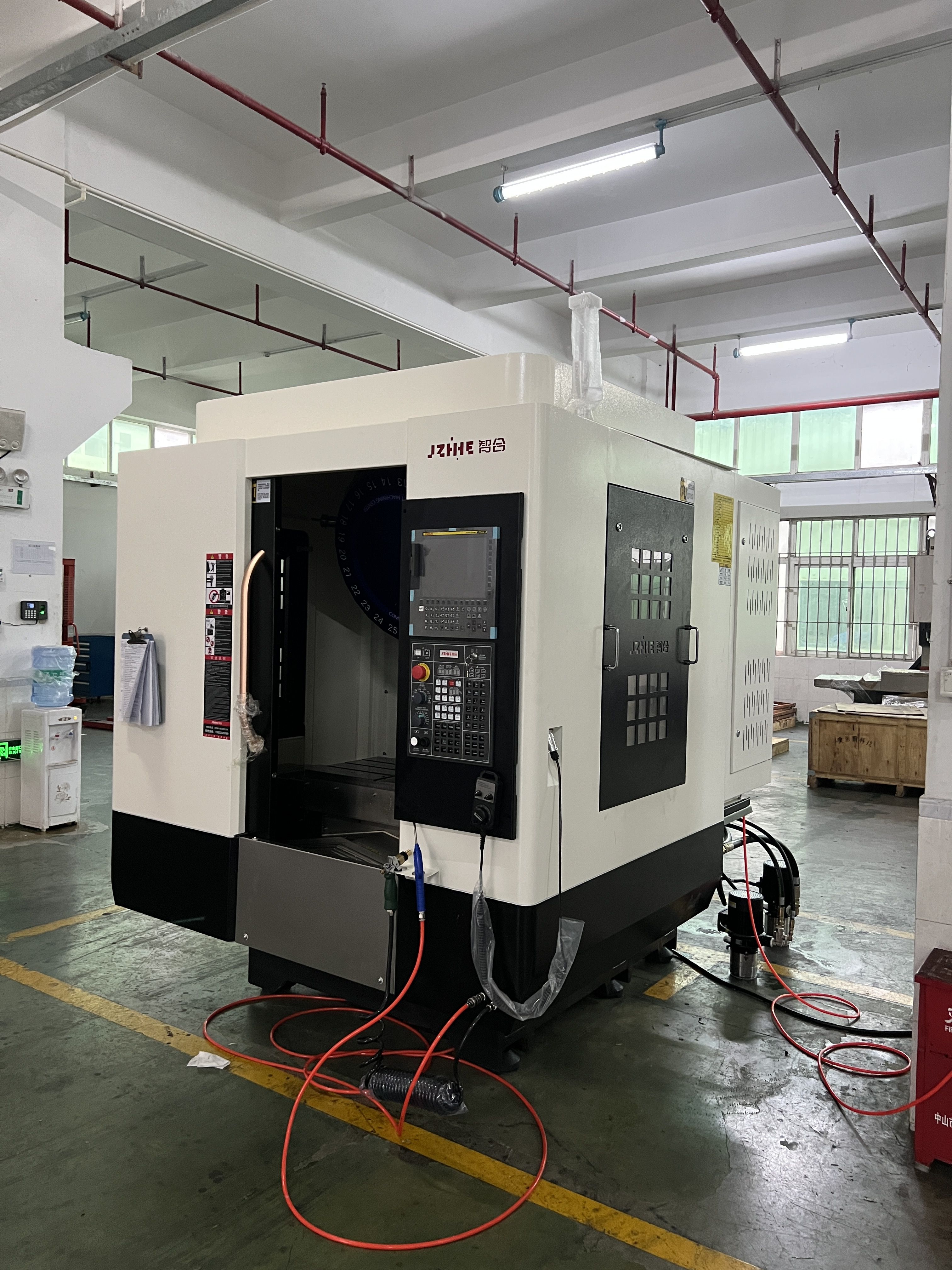
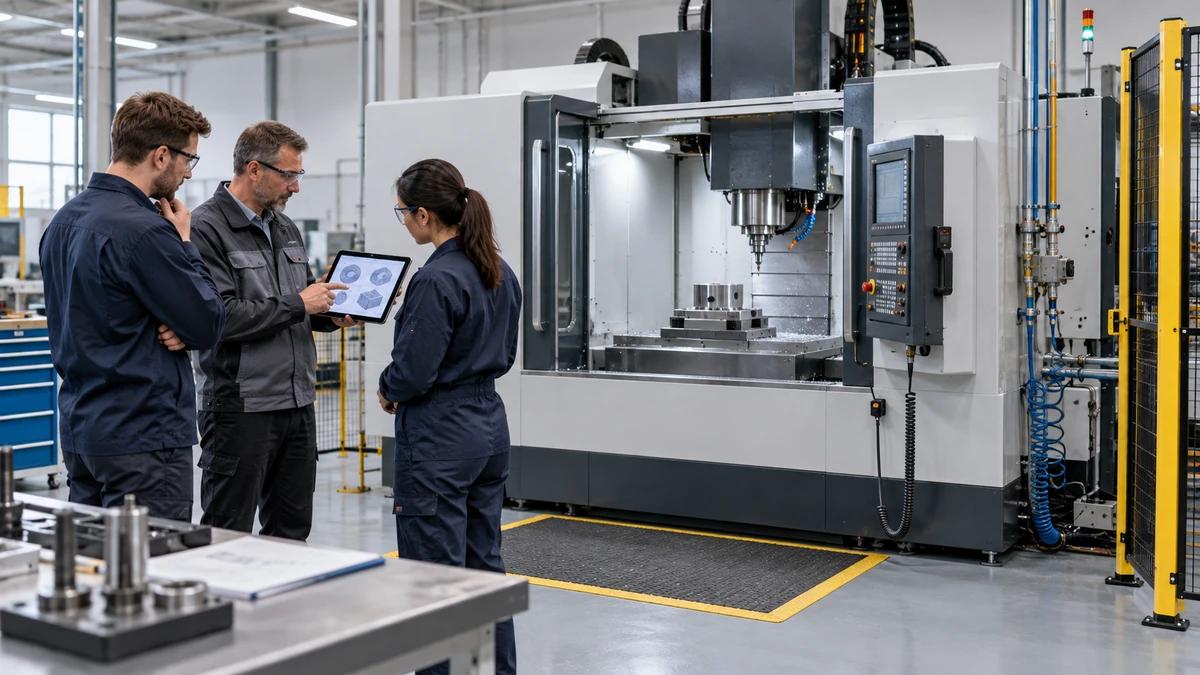
The ZH-600T Drilling and Tapping Center from Zhihe CNC is designed for high-speed drilling, tapping, and light milling of small-to-medium precision parts. Its product page lists a 600 / 400 / 300 mm X/Y/Z travel, 20,000 rpm Direct-Drive BT30 spindle, 48 / 48 / 48 m/min rapid traverse, and MITSUBISHI M80VB CNC controller. These details make it suitable for buyers who care about cycle time, repeatability, and batch output rather than headline speed alone.
Why High Speed Matters, But Only in the Right Place
High spindle speed helps when the part needs fast drilling, tapping, and fine machining on materials such as aluminum alloys, copper alloys, carbon steel, and low-carbon alloy steel. The ZH-600T page lists these as applicable materials, which gives buyers a clear starting point for matching the machine to their part family.
Still, spindle speed is only one part of production efficiency.
A machine may cut quickly but lose time during positioning, tool changes, chip cleaning, or manual rework. That is why buyers should look at the complete production rhythm. A 20000 rpm drilling and tapping center becomes valuable when the spindle speed works together with fast axis movement, stable tool change, and suitable fixture planning.
For ZH-600T, the 48 m/min rapid traverse is important because drilling and tapping jobs often include many repeated hole positions. Non-cutting movement can quietly consume a large share of cycle time. Reducing that movement time can make the whole job feel faster, even before changing the cutting parameters.
What Buyers Should Check Before Choosing a CNC Drilling and Tapping Machine
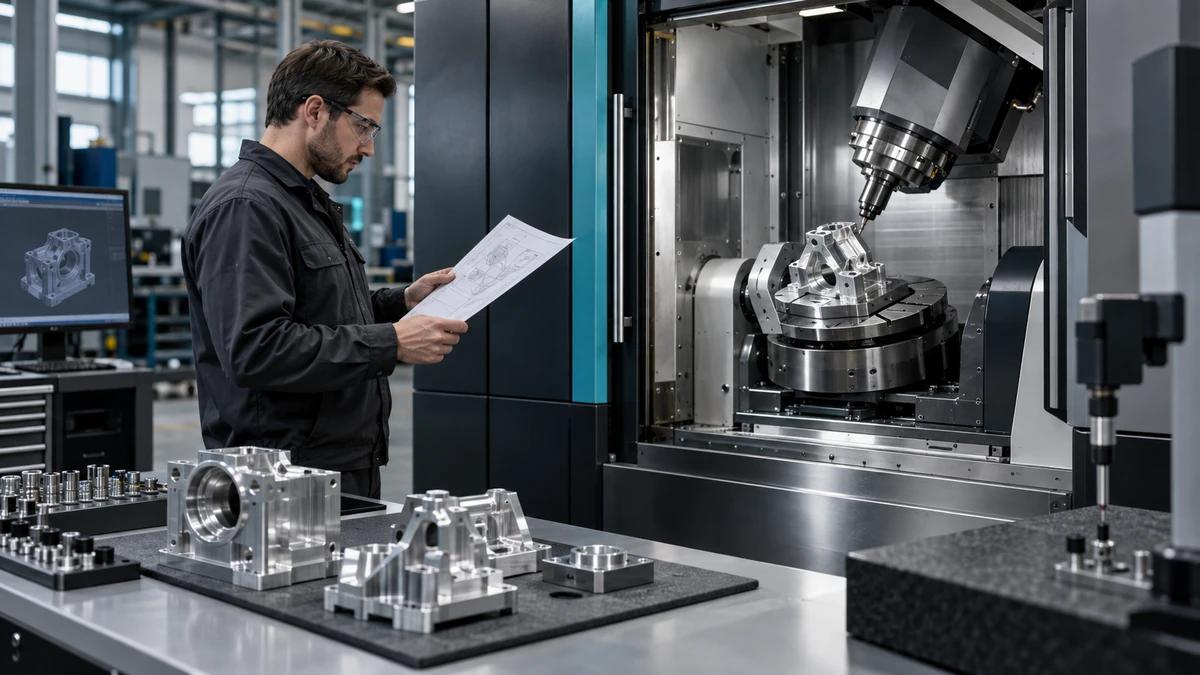
A CNC drilling and tapping machine should be selected around the real part, not just the machine category. Before placing an order, buyers should prepare part drawings, material information, tolerance requirements, expected volume, and the current process problem.
For example, are you losing time because of repeated tool changes? Are operators re-clamping parts too often? Are thin walls producing chatter marks? Are tapped holes unstable from batch to batch?
These questions matter because the machine needs to solve a production problem, not simply replace an older model.
The ZH-600T standard specification includes a 21-tool arm-type magazine, a BT30 direct-drive spindle, optional 4th axis interface, optional Renishaw / Marposs probe system, chain-type chip conveyor, and coolant options including spindle center through-coolant. For B2B buyers, these are not decorative features. They influence setup time, multi-face capability, measurement control, chip handling, and daily maintenance.
Accuracy and Repeatability Should Be Treated Seriously
In batch production, one good part does not prove much. The question is whether the machine can make the next part, and the next one after that, within the same process window.
The ZH-600T product page lists ±0.005 mm positioning accuracy and ±0.003 mm repeatability, with laser interferometer verification for positioning accuracy and repeatability. This is important because accuracy claims should be connected to inspection methods, not only written as marketing numbers.
Internationally, ISO 230-2 specifies methods for testing and evaluating the accuracy and repeatability of numerically controlled machine tool axes by direct measurement. For engineering buyers, this is a useful reminder: ask how accuracy is tested, how acceptance is handled, and whether trial cutting can be arranged before final approval.
Where a High Speed Drilling and Tapping Center Fits Best
The ZH-600T is suitable for high-efficiency batch production. Its listed target industries include automotive, precision molds, general machinery, and automation.
It is especially relevant for parts that need repeated drilling and tapping, small pockets, light milling, and stable output. Typical examples include aluminum valve bodies, 3C electronic aluminum frames, small brackets, mold plates, automation components, and medium-sized precision parts.
A heavier vertical machining center may handle more aggressive cutting. But for many small and medium components, that is not always the smartest choice. A drilling and tapping center can often deliver better rhythm: faster spindle response, compact structure, quick tool change, and efficient movement between features.
Common Buying Mistakes
One mistake is choosing the largest machine because it feels safer. If most parts are compact, a smaller high-speed drilling and tapping center may be more efficient.
Another mistake is only comparing spindle rpm. A machine with high rpm but slow tool change or poor chip control may still create delays.
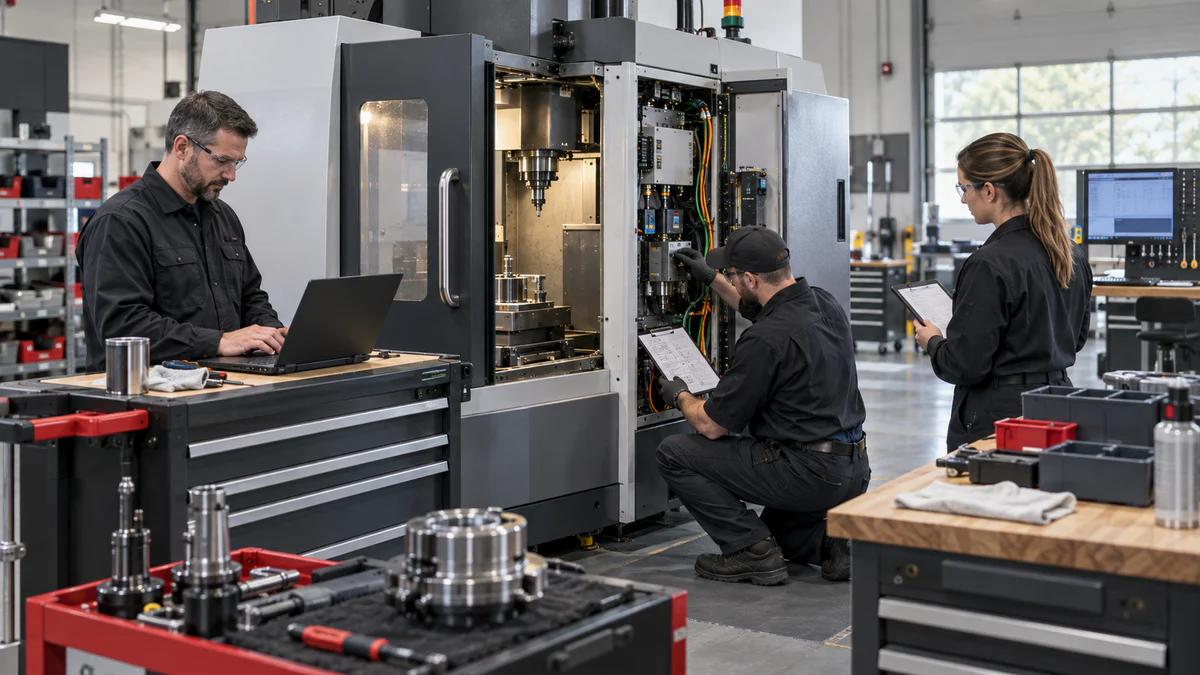
A third mistake is ignoring after-sales support. Installation, commissioning, training, spare parts, and maintenance guidance all affect production results. The ZH-600T page states that supplier engineers provide on-site installation and commissioning, with free on-site training covering machine operation, basic programming, daily maintenance, and troubleshooting.
That support can matter as much as the machine itself, especially for buyers adding a new process or expanding capacity.
FAQ
Is a high speed drilling and tapping center suitable for steel parts?
Yes, depending on material grade, tool selection, cutting parameters, and required tolerance. ZH-600T lists carbon steel and low-carbon alloy steel among applicable materials.
Why use BT30 for drilling and tapping?
BT30 is commonly used in compact, high-speed machining environments where quick tool response and efficient small-part machining are important.
Can the machine support multi-face machining?
The ZH-600T includes a standard 4th axis interface, with optional indexer or rotary table support. This can help when parts need additional face access.
Final Advice
A high speed drilling and tapping center should not be selected by speed alone. Buyers should look at the full production chain: part size, material, hole quantity, tapping requirements, tool change frequency, accuracy needs, chip control, training, and supplier service.
For buyers producing 3C parts, automotive components, precision molds, and automation parts, the ZH-600T offers a practical balance of speed, compact machining range, accuracy, and production support. The better the buyer understands the part family, the easier it becomes to decide whether this machine fits the job.