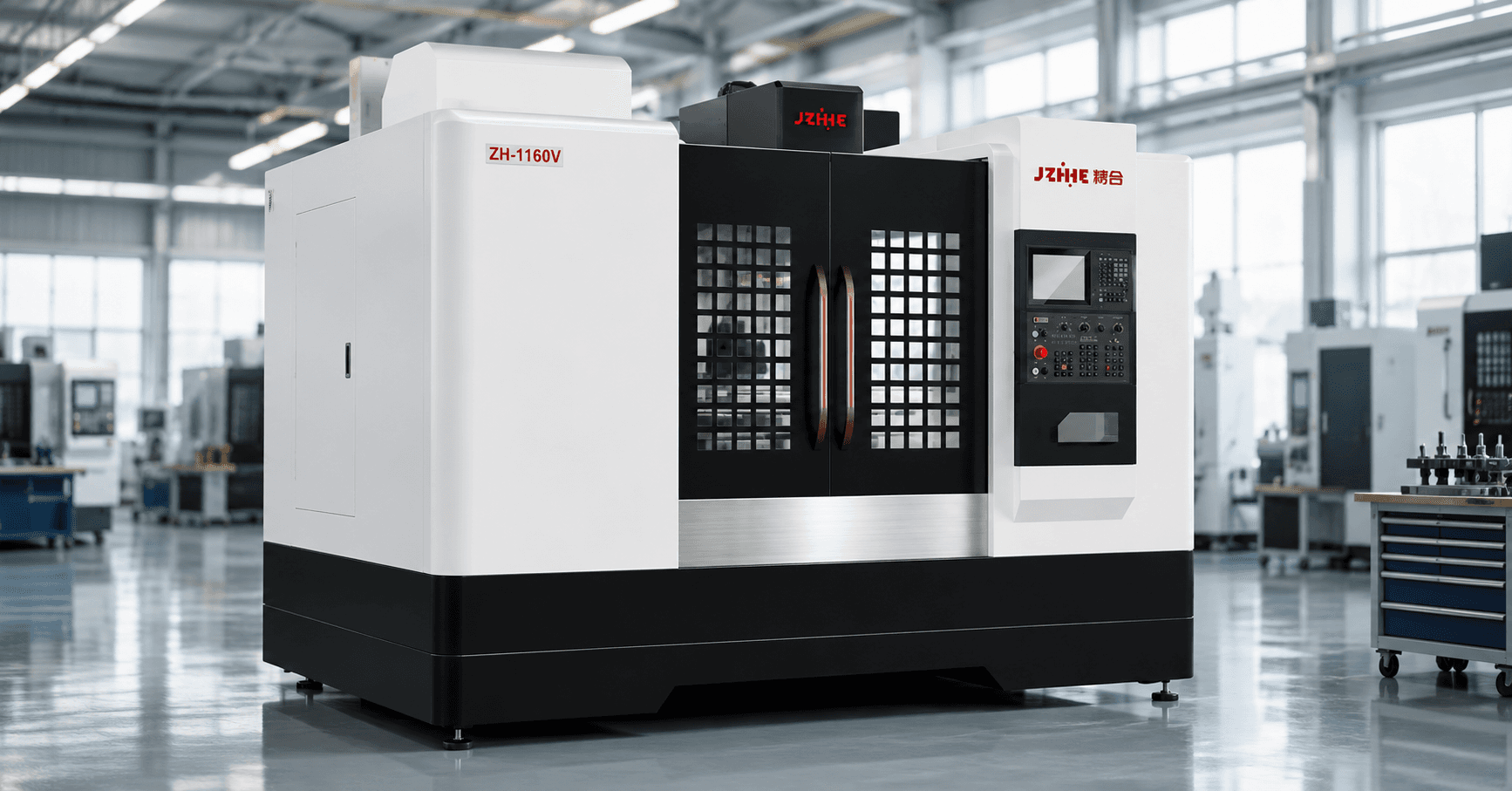
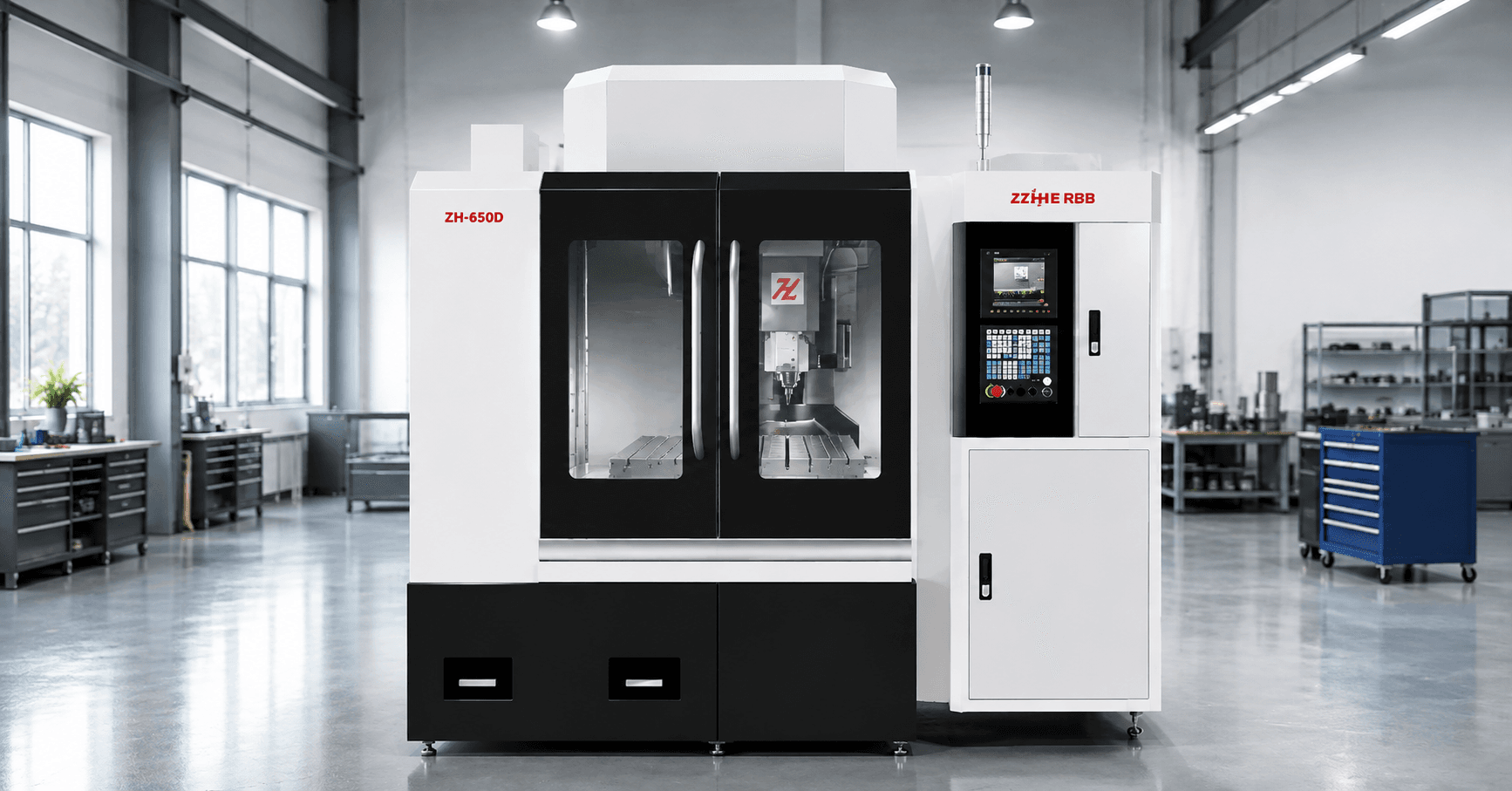
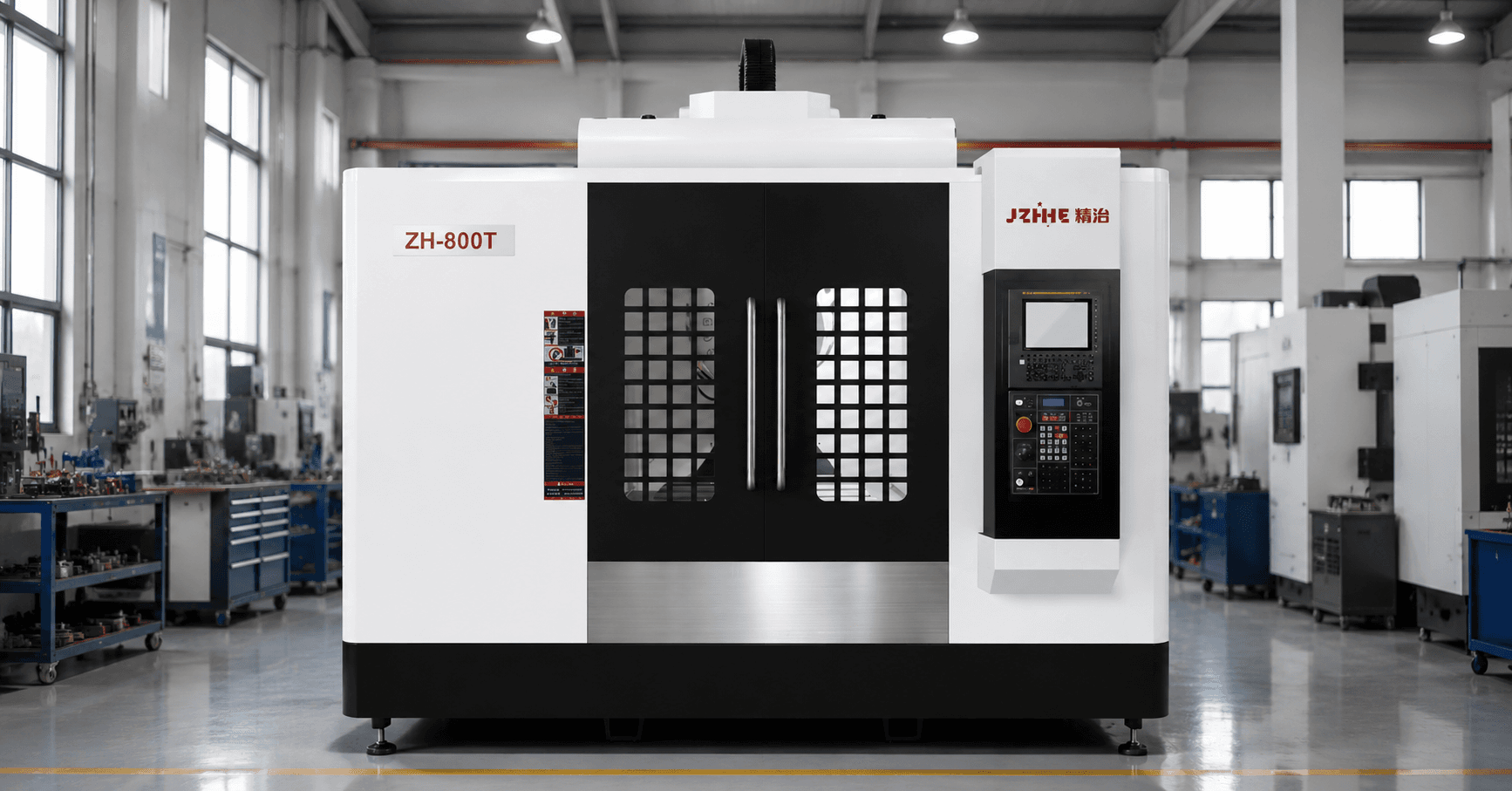
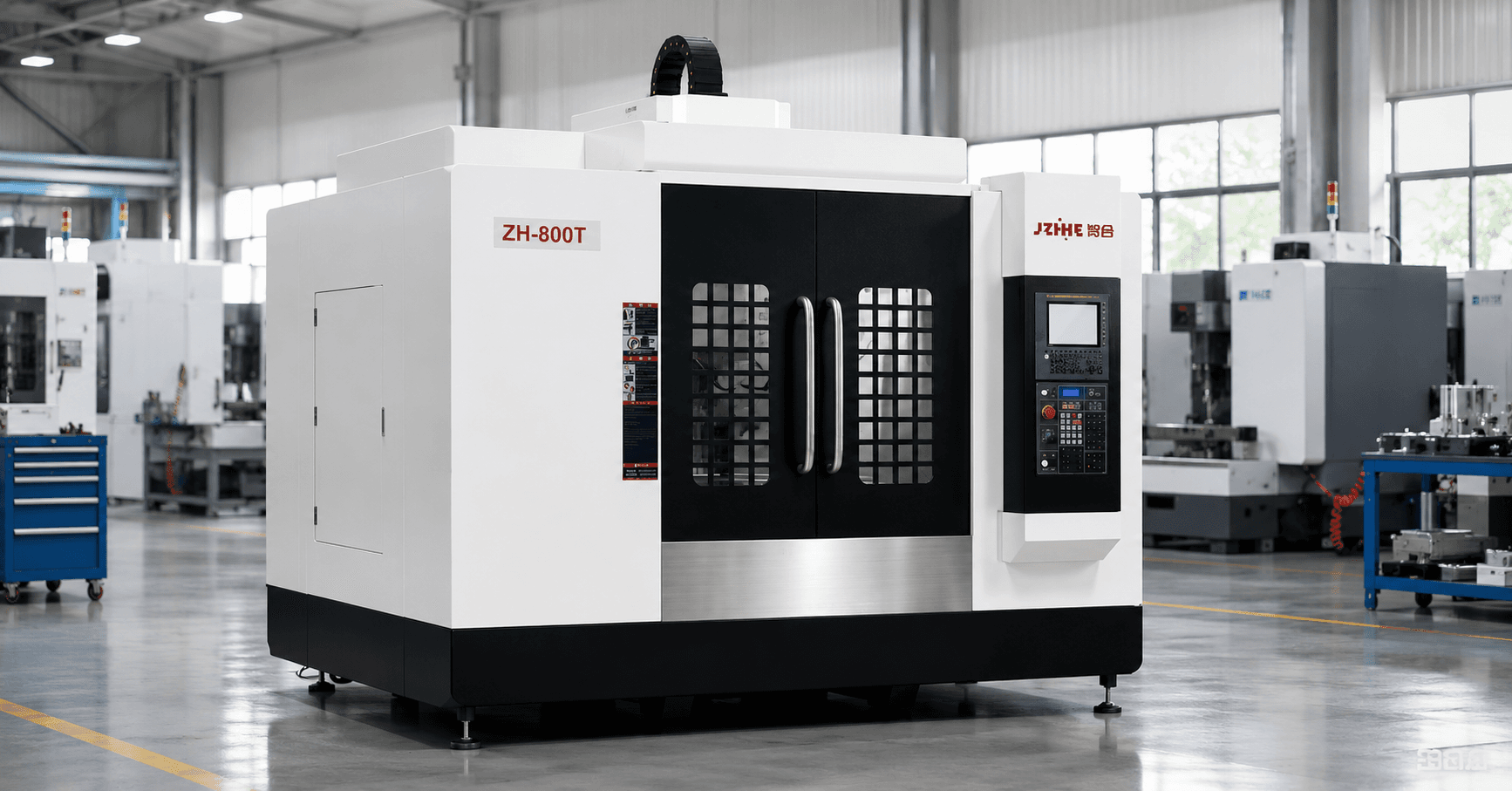
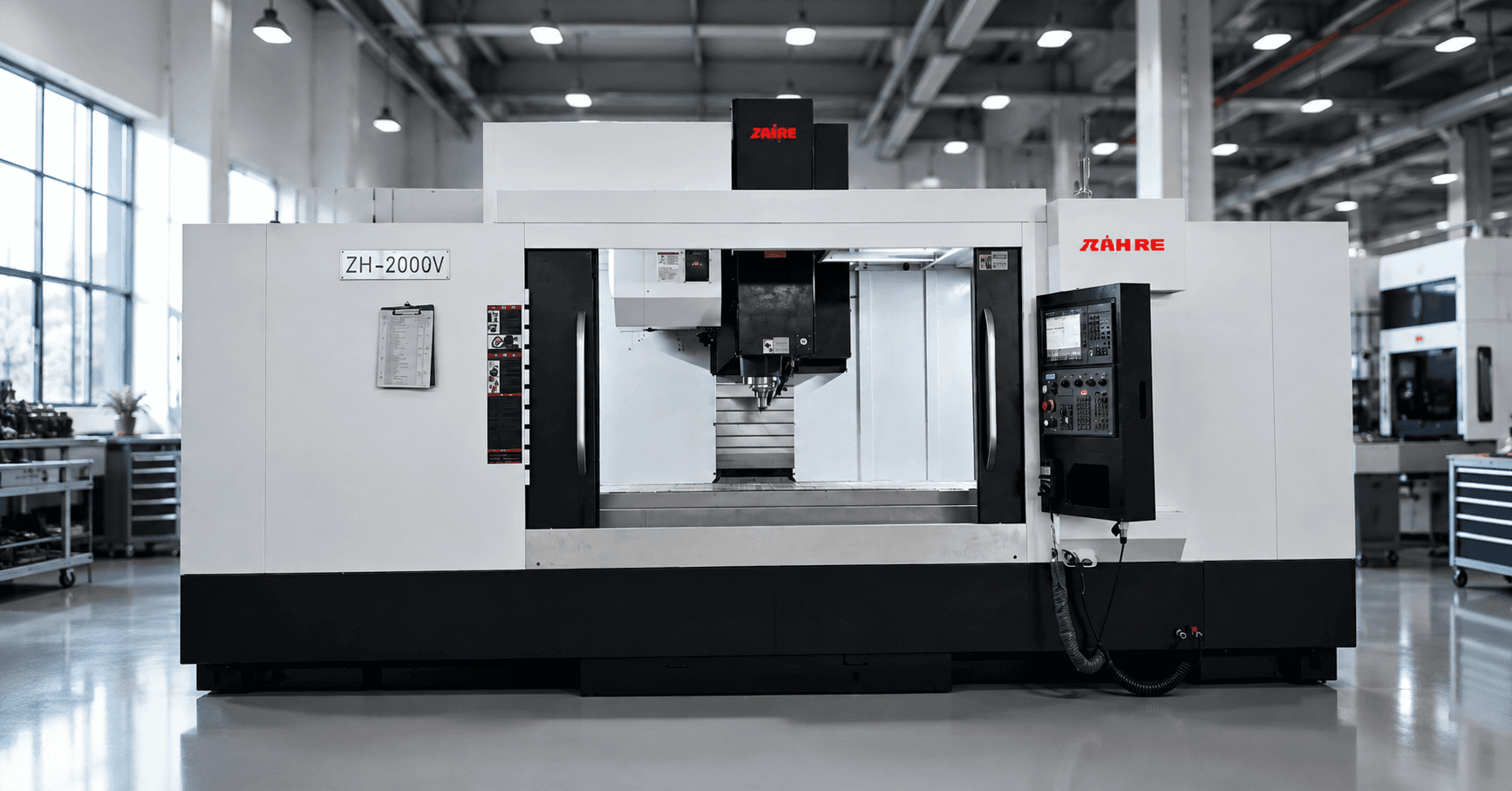
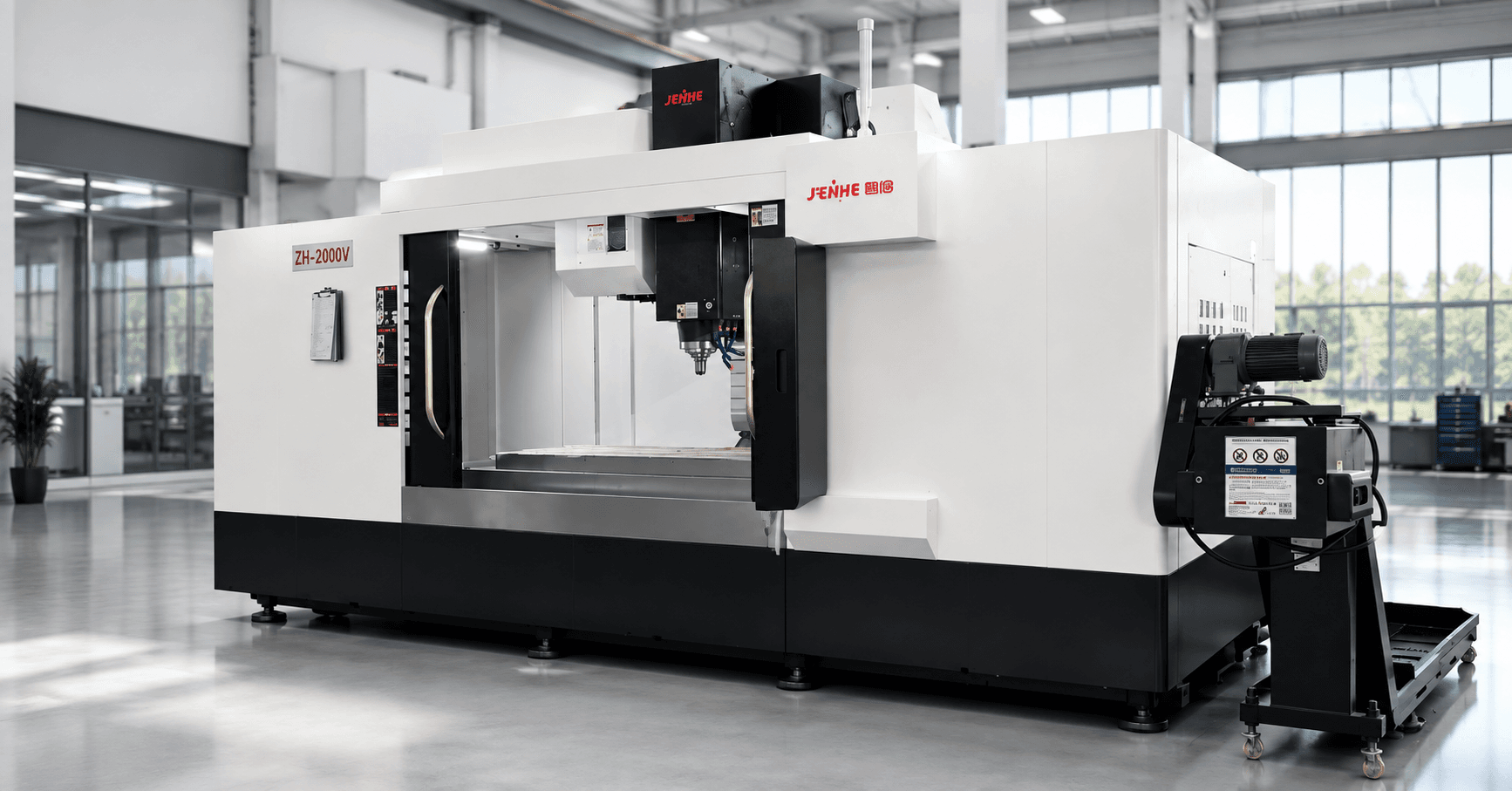
A horizontal machining center for automotive parts should be sized from a takt ladder that connects customer demand to pallets, fixtures, loading, multi-face cutting, tool life, inspection, recovery, changeovers, and accepted output. The fastest isolated cycle is not the same as a stable production rate.
The ladder works from the customer requirement downward. Each rung must support the one above it. If inspection, tool replacement, washing, or fixture loading cannot keep pace, additional spindle speed will not release more accepted parts.
Rung 1: Convert Demand Into a Net Takt
Start with accepted parts per day, product mix, working days, shifts, staffed minutes, planned breaks, maintenance, changeovers, and expected availability. Separate gross takt from net takt. Use the mix at peak demand, not only the annual average.
Define whether the target counts unique components, matched sets, left-right variants, or assemblies. Include scrap and rework assumptions visibly. A capacity model that quietly assumes perfect yield will understate the required production window.
Rung 2: Map the Complete Part Route
List casting or blank preparation, washing, loading, clamping, probing, roughing, finishing, drilling, tapping, boring, deburring, unloading, cleaning, leak or functional tests, inspection, marking, and transfer. Identify operations completed on the machine and those remaining downstream.
Multi-face machining can reduce datum transfers and queues, but only when tool access, fixture design, and process sequence support it. Record every removal and re-clamp that remains after the proposed horizontal route.
Rung 3: Balance the Pallet Loop
For palletized systems, measure external loading and unloading, fixture cleaning, part seating, clamp confirmation, identification, and queue time. Compare that work with automatic machining time. The operator should complete pallet preparation before the machine requests the next pallet under normal conditions.
| Pallet-loop element | Measure | Stress condition |
|---|---|---|
| Unload and clean | Attended seconds and variation | Heavy chips or hot parts |
| Load and locate | Seating time and error rate | Blank variation or mixed models |
| Clamp confirmation | Signal and manual checks | Contamination or pressure loss |
| Queue | Ready-pallet waiting time | Operator covers several machines |
| Changeover | Last good to first good | Fixture, tools, program, gauges change |
Rung 4: Break Automatic Time Into Elements
Separate pallet exchange, probing, rapid moves, tool changes, cutting, indexing, chip clearing, in-cycle inspection, and programmed pauses. Optimize the largest stable elements first. A small rapid-time gain may have less value than reducing a long tool, poor chip evacuation, repeated probing, or an unnecessary orientation.
Use a horizontal machining center for automotive parts where multi-face access improves the complete route. Compare cycle improvements with tool life, quality, fixture cost, and recovery risk rather than chasing the shortest demonstrated program.
Rung 5: Schedule Tool Life Without Starving Takt
Map each tool to parts per edge, wear signal, replacement time, sister tool, presetting, offset control, and affected features. Schedule planned changes during natural windows where possible. Track actual life by feature count and material condition.
A sister tool does not remove the need for diagnosis. If life falls unexpectedly, investigate material, coolant, runout, holder, chip recutting, spindle load, and program changes. Protect quality by defining which parts require review after an abnormal tool event.
Rung 6: Fit Inspection Into the Flow
Define first-off, in-process, patrol, automated, laboratory, and final checks. Record the measurement cycle, queue, sample rate, equipment capacity, temperature condition, and reaction plan. A machining cell can overproduce waiting parts if inspection cannot release them.
Use trend rules before tolerance failure. Link measurements to machine, pallet, fixture station, program, tool, material lot, operator, and time where traceability requires it. Distinguish process-control measurements from final customer acceptance.
Rung 7: Reserve Recovery Capacity
Model common stoppages: tool alarms, chip blockage, probe failure, clamp fault, part misload, inspection hold, material delay, coolant issue, and planned maintenance. Define mean recovery work, escalation, spare access, and whether another pallet can continue safely.
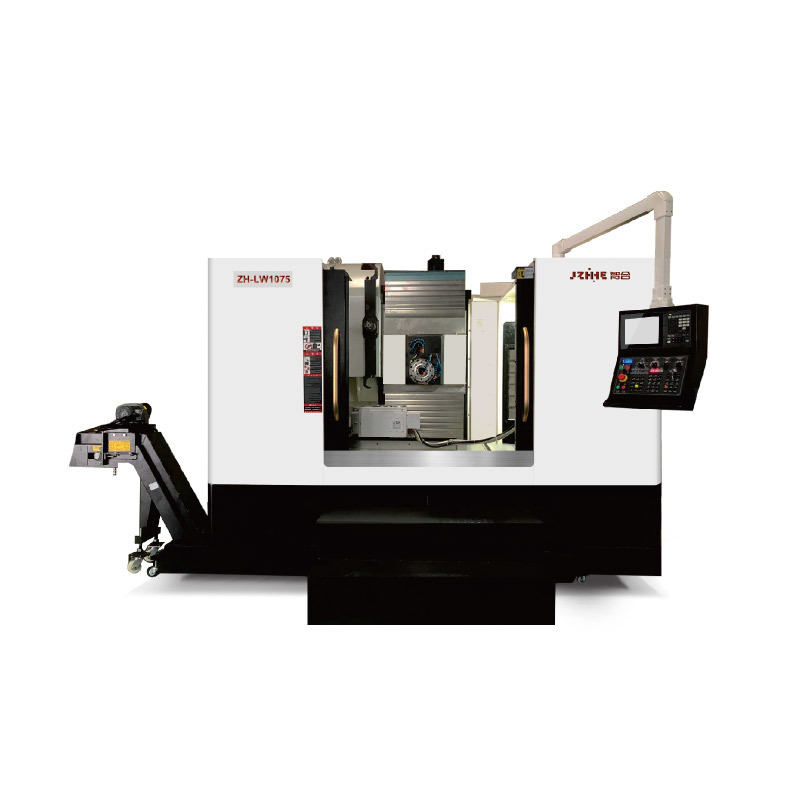
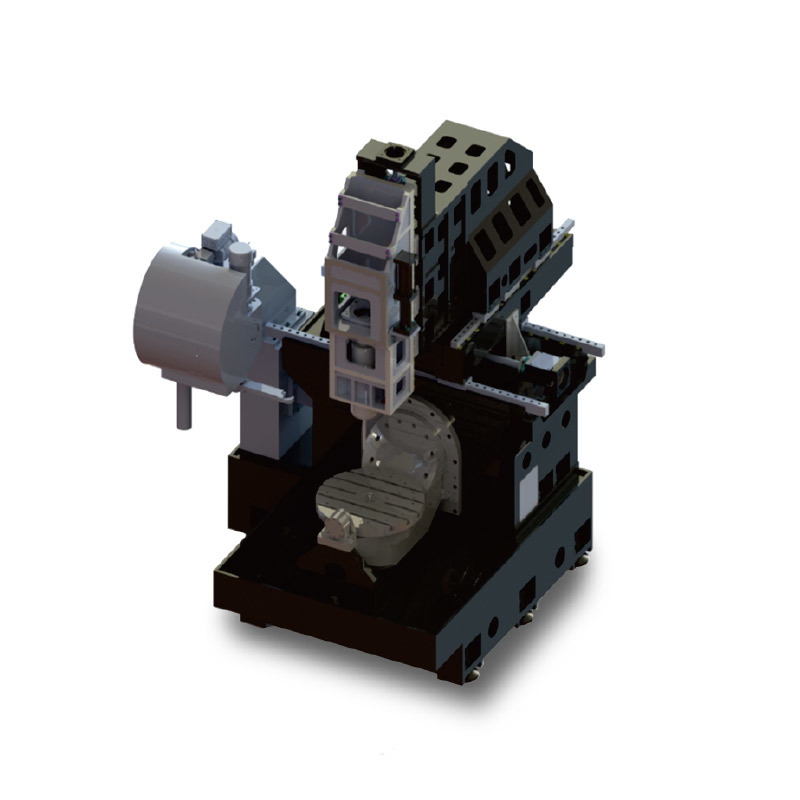
Capacity should include a visible recovery reserve. If the plan requires every minute of every shift to meet demand, normal variation will create backlog. Review the horizontal machining center range and the heavy-duty horizontal platform as references, then validate the actual configuration.
Run a Pallet-Loop Stress Test
- Use representative blanks, operators, tools, inspection, and downstream cleaning.
- Run the intended pallet sequence and product mix across a sustained window.
- Include a planned tool change and model changeover.
- Introduce one realistic recoverable interruption and record response time.
- Count accepted parts, attended work, queues, interventions, and quality holds.
- Compare actual output with every rung of the takt ladder.
Where the Takt Ladder Can Mislead
Averages can hide peak mix, difficult casting lots, new-product launches, operator variation, and downstream constraints. Not every automotive part benefits from horizontal architecture; simple one-face parts, low volumes, or very large structures may fit another platform better. Customer-specific quality, traceability, safety, and validation requirements must be included explicitly.
FAQ
What is the difference between cycle time and takt?
Cycle time measures process duration; takt expresses the rate required to meet accepted customer demand within available production time.
How many pallets are required?
The answer depends on machining time, load work, product mix, fixture stations, queues, inspection, maintenance, and recovery strategy.
Should inspection time be included in cell capacity?
Yes when inspection can delay release, consume operators, create queues, or trigger containment and rework.
Why include a recovery reserve?
Normal production contains stoppages and variation. A visible reserve prevents the capacity model from depending on perfect operation.
Request a Takt-Ladder Review
To evaluate a horizontal machining center for automotive parts, send the drawings, blanks, materials, part mix, accepted demand, shift pattern, current route, fixture concept, pallet work, tool-life data, inspection plan, changeovers, downstream operations, and recovery history. Use the contact page to request a cell and capacity review.