Horizontal Machining Center for Heavy-Duty Precision Manufacturing: What Buyers Should Check
A horizontal machining center is not usually the first machine a buyer considers for simple milling work. For many factories, the discussion starts only when the existing process becomes too slow, too unstable, or too dependent on repeated clamping.
That is often the real reason buyers begin looking at a heavy duty horizontal machining center. They are not only buying another CNC machine. They are trying to solve production problems around large housings, valve bodies, industrial enclosures, disk and sleeve parts, automotive powertrain components, construction machinery parts, energy equipment parts, and high-end molds.
These parts are rarely easy. They may be heavy. They may have several machined faces. They may require boring, milling, drilling, tapping, and surface finishing in controlled sequence. A vertical machining center can handle some of this work, but when the part needs better side access, fewer setups, and stronger multi-face machining logic, a horizontal platform often becomes more attractive.
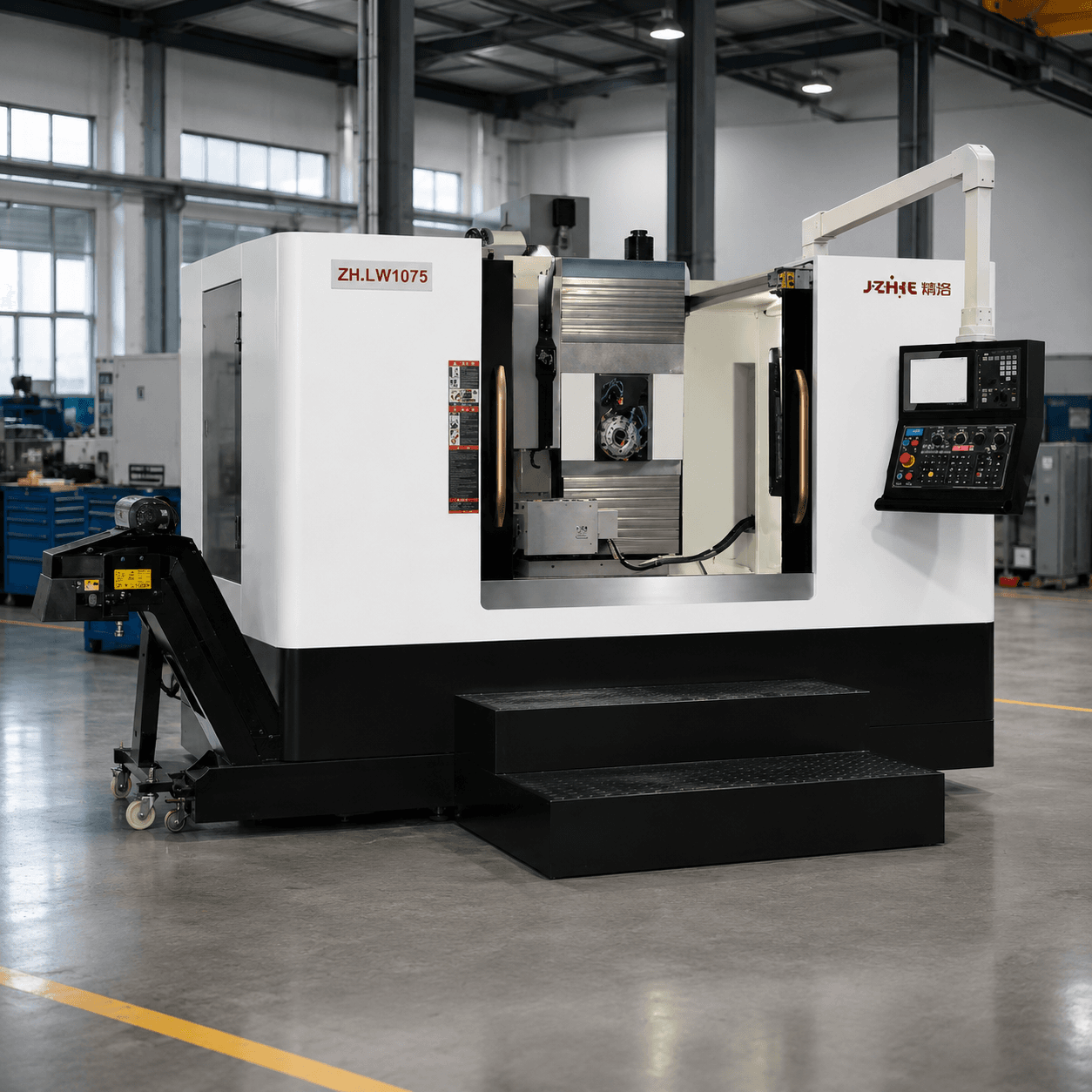
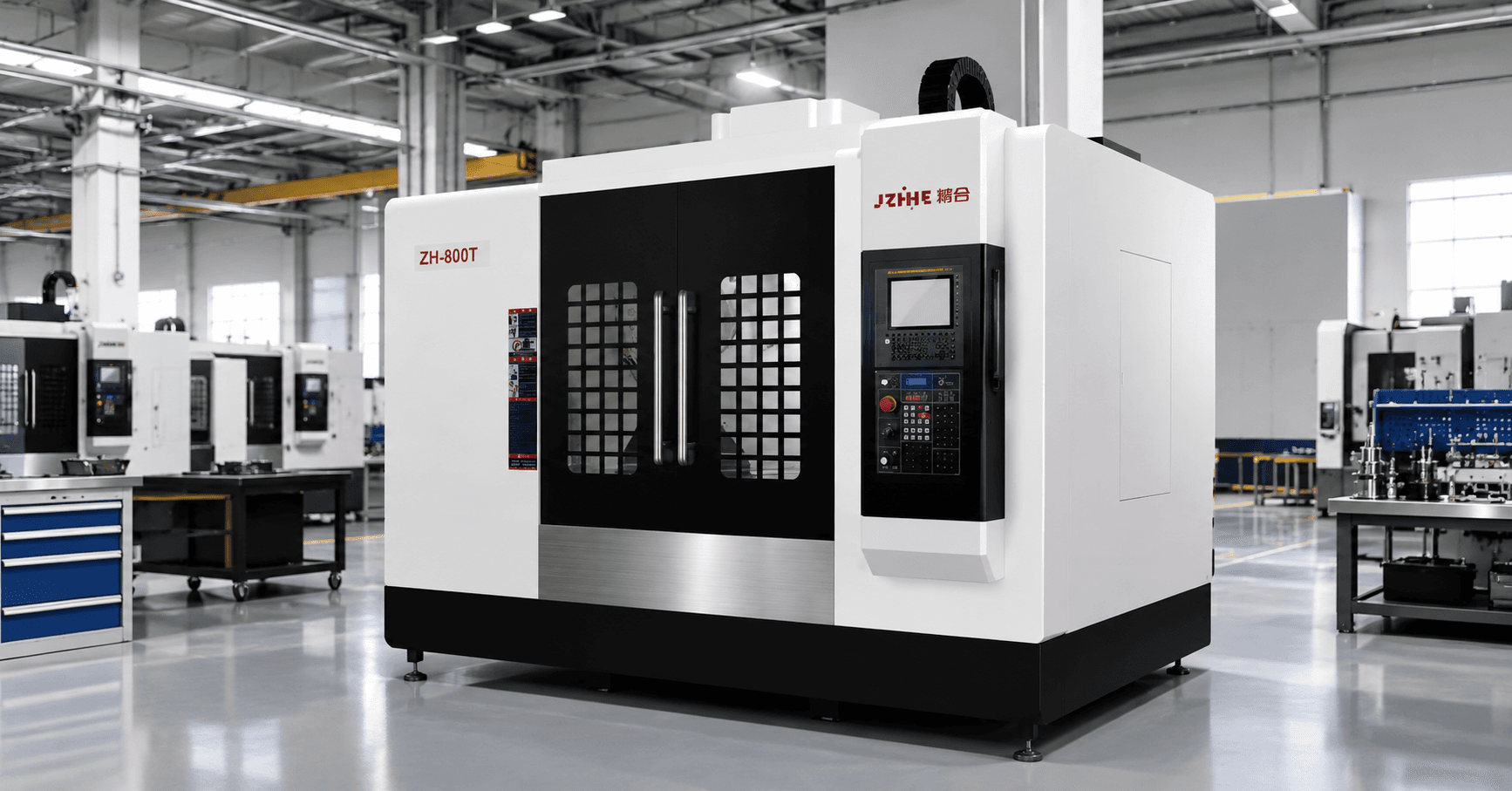
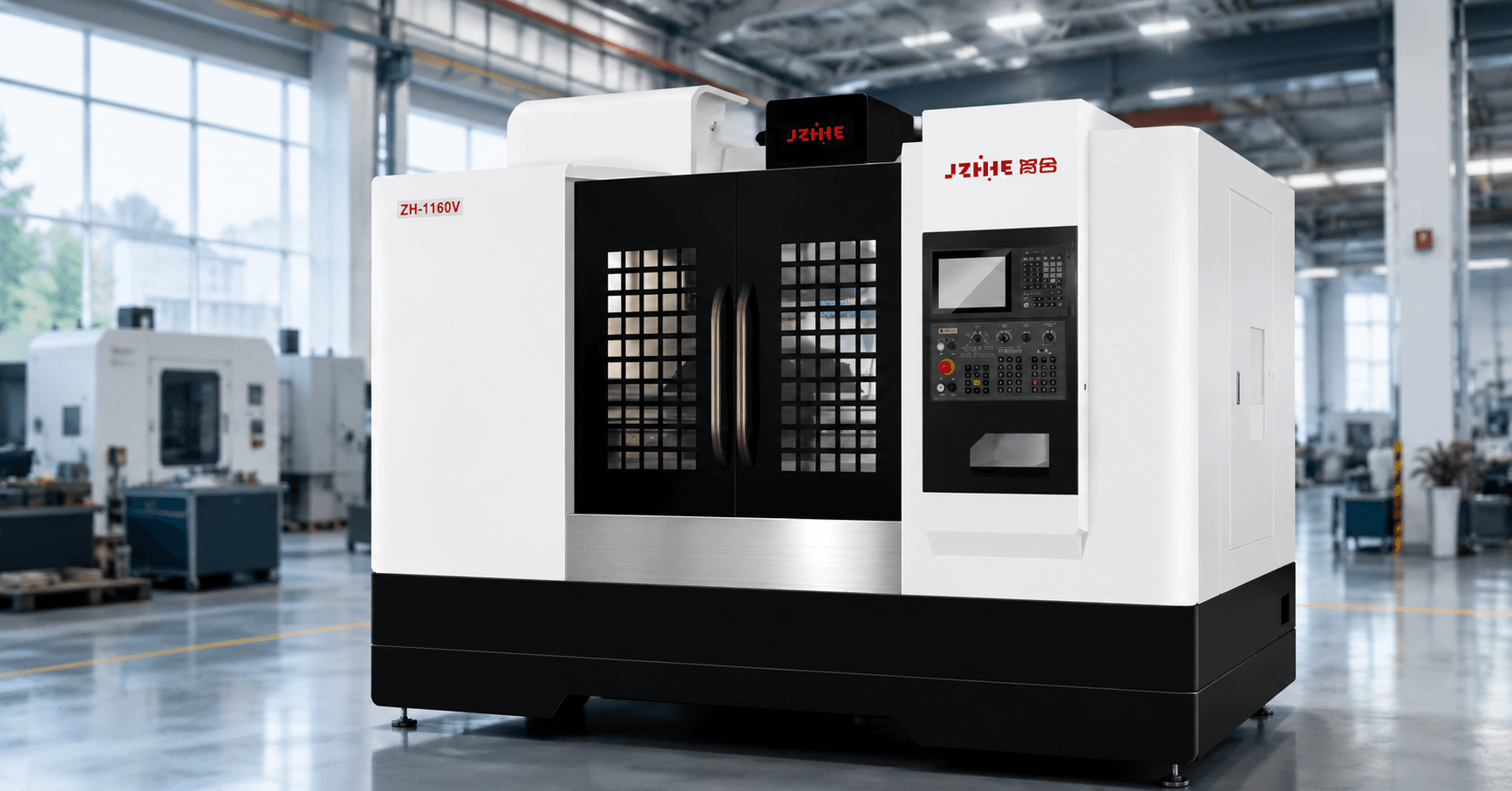
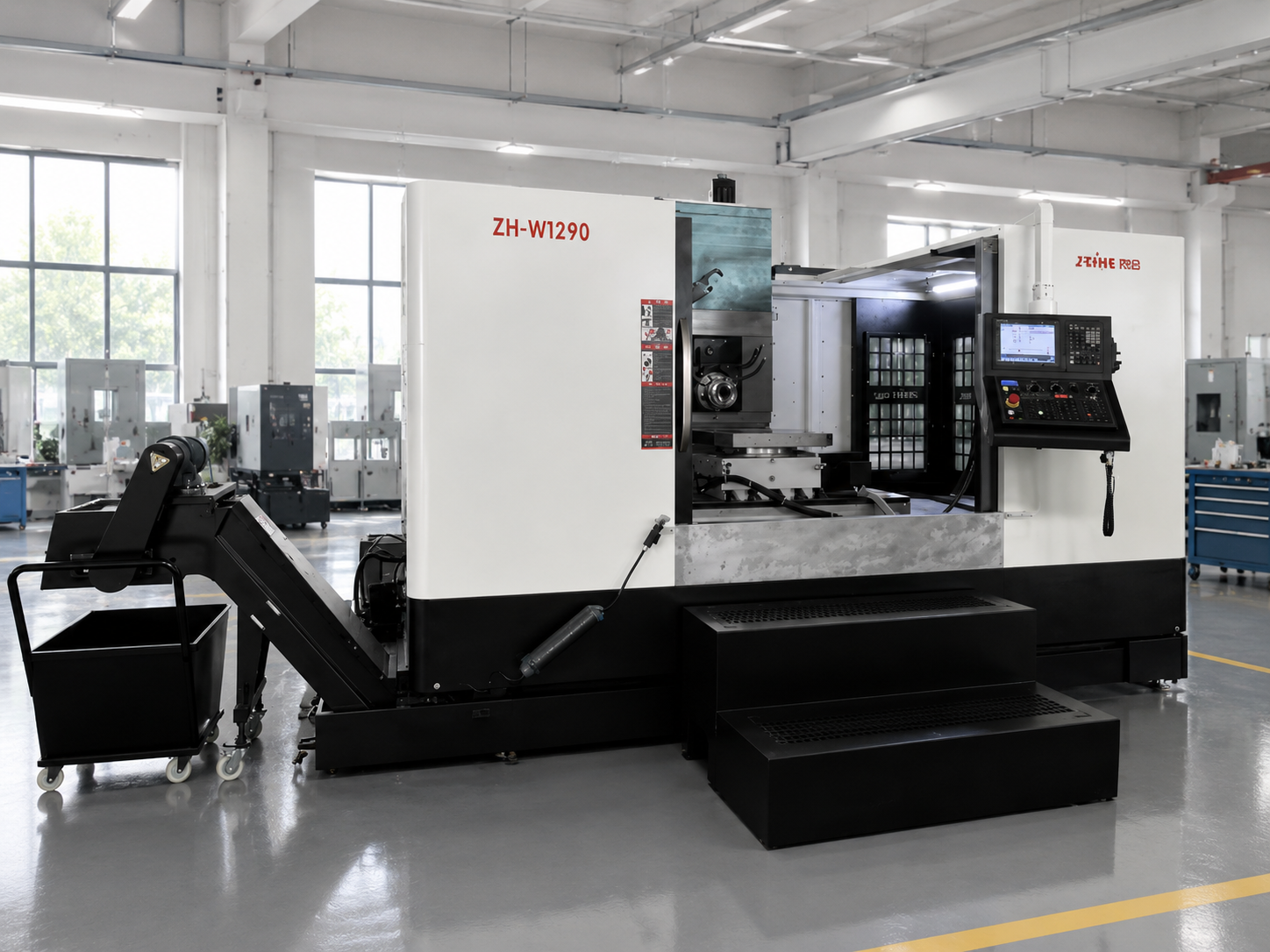
The Zhihe CNC horizontal machining center is positioned for this kind of work. According to the product page, it adopts a fixed-column integral structure with a cross-slide table layout, an extra-large monolithic machine base, and a wide-span A-shaped column structure to improve vibration resistance, load-bearing capacity, rigidity, and thermal stability during long production cycles.
For a buyer, those structural details are not just technical language. They directly affect whether the machine can stay stable when the workpiece is large, the cutting load is high, and the production schedule leaves little room for constant adjustment.
Why Buyers Move from General CNC Milling to Horizontal Machining
A general CNC machining center may be enough for small plates, brackets, simple housings, or light-duty production. But once the part becomes larger or more complex, the workflow changes.
A housing may need machining on several sides. A valve component may need aligned bores, threaded holes, and sealing surfaces. A gearbox-type enclosure may require precision features across different faces. If these features are machined through several separate setups, the buyer has to manage accumulated error.
Every time an operator removes and re-clamps a part, several things can happen. The datum can shift. The part can sit slightly differently. Inspection time increases. Operator workload increases. Scrap risk increases too.
A multi-face machining center helps reduce these risks by allowing more operations to be completed in one setup. The product page states that the machine uses an integrated high-precision CNC rotary table for multi-face and multi-process machining in a single setup, helping improve productivity while reducing repositioning errors.
From the buyer’s side, that is the practical value. The goal is not simply to rotate the part. The goal is to reduce handling, protect feature relationships, and make batch machining more predictable.
Structure Comes Before Marketing Claims
When comparing a horizontal machining center for precision industrial machining, buyers often see similar words in brochures: rigid, stable, heavy-duty, accurate. Those words are useful only if the machine structure supports them.
The Zhihe CNC product page gives several specific structure points: fixed-column machine structure, cross-slide table design, extra-large monolithic base, wide-span A-shaped column, and high thermal stability.
These features matter because heavy-duty machining creates force. If the structure lacks stiffness, vibration appears. If vibration appears, surface finish may decline, tool life may shorten, and dimensional consistency may drift. In a real factory, that usually means lower feed rates, more inspection, and more operator intervention.
The monolithic base is especially relevant for heavy parts. A large housing or industrial enclosure does not only require enough travel. It requires a base that can support weight and absorb cutting vibration. A machine that looks large enough on paper may still struggle if the structure is not designed for heavy-duty cutting.
The wide-span A-shaped column also matters. A column is not just a vertical support. It is part of the force path between spindle, tool, table, and workpiece. If that force path is unstable, accuracy becomes harder to maintain during long machining cycles.
Why the Rotary Table Matters
The product page highlights a precision CNC rotary table with arbitrary angle positioning and single-setup multi-face composite machining capability.
For buyers machining box-type parts, this can be a major advantage.
Imagine a medium-sized industrial enclosure. The front face needs milling. The side needs drilling. Another side requires tapping. A bore must align with features on a different face. On a less suitable machine, this may require multiple clamping operations. Each clamping adds time and risk.
With a rotary table, the workpiece can be indexed to different angles while staying in one controlled setup. The buyer gains several benefits:
| Buyer Concern | How Rotary Table Machining Helps |
|---|---|
| Too many setups | Reduces manual repositioning |
| Datum mismatch | Keeps more operations within one setup |
| Operator workload | Lowers handling and alignment effort |
| Inspection pressure | Improves relationship between machined faces |
| Cycle time | Reduces non-cutting setup time |
| Batch consistency | Makes repeated production more stable |
This is why buyers should not evaluate a horizontal machining center only by travel or spindle. Rotary table accuracy, indexing stability, table load, and fixture compatibility may affect the final result more than a headline specification.
Application Areas Buyers Should Match Carefully
The product page lists typical applications including medium and large-sized housings, valve components, industrial enclosures, disk and sleeve components, automotive powertrain parts, construction machinery components, high-end molds, energy equipment parts, and general industrial machinery.
These applications share a common theme: they often need stable machining across several faces.
A buyer should still be careful. A horizontal machining center is powerful, but it should not be treated as a universal answer for every part. The right machine depends on workpiece size, weight, material, number of machining faces, fixture method, accuracy target, and batch volume.
| Application | Main Buyer Concern | Why HMC Fits |
|---|---|---|
| Large housings | Multi-face accuracy and rigidity | Rotary table reduces re-clamping |
| Valve components | Bore alignment and sealing surfaces | Stable setup improves feature relationships |
| Powertrain parts | Batch consistency and repeatability | Heavy-duty structure supports production |
| Construction machinery parts | Large workpieces and cutting load | Rigid base supports heavier machining |
| Energy equipment parts | Accuracy across complex components | Multi-process machining reduces handling |
| High-end molds | Surface quality and stable cutting | Vibration resistance protects finish |
The key is not whether the machine can technically cut the part. The question is whether it can cut the part efficiently, repeatedly, and with fewer process risks.
Fully Enclosed Design Is a Production Feature
Some buyers treat enclosure design as secondary. It is not.
The product page states that the machine has a fully enclosed protection system for chip and coolant containment, operator safety, and a cleaner production environment. It also mentions ergonomic layout and accessible maintenance channels to improve operational efficiency and reduce maintenance downtime.
For heavy-duty machining, chips and coolant are not small issues. Large parts can generate large chip volume. Poor containment makes cleaning harder. Coolant splash affects the working environment. Chips around fixtures can damage surfaces or interfere with clamping.
A good enclosure supports:
- Safer operation
- Cleaner floor conditions
- Better chip containment
- More controlled coolant use
- Easier observation
- Reduced cleaning interruptions
For production managers, this can affect uptime. A machine that cuts well but is difficult to clean or maintain can still become a bottleneck.
What Buyers Should Ask Before Requesting a Quote
Before asking for a price, buyers should prepare a technical package. A serious machine recommendation needs more than a machine name.
Buyers should provide:
| Information | Why It Matters |
|---|---|
| Workpiece drawings | Shows size, features, and machining faces |
| Material | Affects cutting load, tooling, coolant, and spindle needs |
| Part weight | Confirms table and fixture requirements |
| Tolerance requirements | Helps evaluate structure and rotary accuracy |
| Surface finish target | Affects spindle, toolpath, and vibration control |
| Current setup count | Shows whether multi-face machining can reduce cost |
| Batch volume | Determines whether cycle time or flexibility matters more |
| Fixture plan | Prevents access, loading, and collision problems |
A good supplier should use this information to discuss machine suitability, not simply send a generic quotation.
Common Mistakes Buyers Should Avoid
One common mistake is choosing a machine only by size. A large machine is not automatically a heavy-duty machine. The structure, base, column, table, and thermal stability must match the cutting load.
Another mistake is ignoring setup cost. A cheaper machine may look attractive, but if it requires more re-clamping and inspection, total cost may be higher.
A third mistake is treating the rotary table as a simple accessory. For multi-face parts, the rotary table is often central to the process.
Some buyers also underestimate maintenance access. In heavy-duty production, accessible maintenance channels can reduce downtime. This is not a cosmetic feature; it affects long-term machine availability.
FAQ
What is a horizontal machining center best used for?
It is best used for box-type parts, housings, valve components, industrial enclosures, powertrain parts, construction machinery components, molds, and other parts that benefit from multi-face machining.
Why choose a horizontal machining center instead of a vertical one?
A horizontal machine is often better when the part needs side access, rotary indexing, better chip flow, and fewer setup changes across multiple faces.
Does a fully enclosed design matter?
Yes. It helps contain chips and coolant, protects operators, keeps the shop cleaner, and can reduce cleaning-related downtime.
What should buyers send before asking for a quote?
Buyers should send drawings, materials, part size, weight, tolerances, surface finish requirements, current process problems, batch quantity, and fixture needs.
Conclusion
A horizontal machining center for heavy-duty precision manufacturing should be evaluated from the buyer’s process, not only from the machine brochure. The right machine can reduce setups, improve multi-face accuracy, support heavy cutting, and make production more stable.
The Zhihe CNC horizontal machining center offers a useful reference because its product page emphasizes a fixed-column integral structure, cross-slide table layout, monolithic base, A-shaped column, thermal stability, fully enclosed protection, precision CNC rotary table, and single-setup multi-face machining capability.
For buyers machining large housings, valve parts, powertrain components, industrial enclosures, molds, or energy equipment parts, the best next step is simple: start with the drawing, not the price. Once the part, material, accuracy target, setup count, and production volume are clear, the right horizontal machining center becomes much easier to identify.