The Pallet-Hour Answer
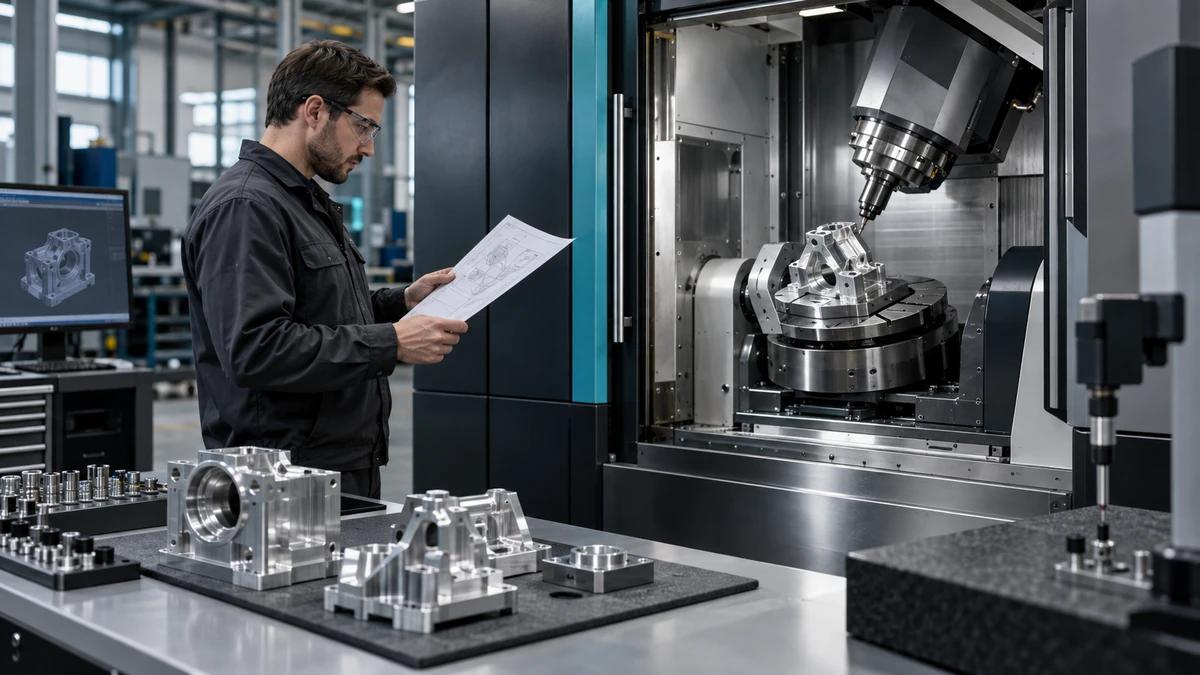
A horizontal machining center should be compared through accepted pallet-hours: the time required to load, locate, cut, manage tools and chips, inspect, recover and release a defined pallet. Zhihe CNC starts with the part family, faces, datums, bore relationships, fixture density, batch mix and release features. Spindle minutes alone cannot show whether multi-face access becomes stable production.
The Pallet-Hour Ledger
| Ledger segment | Record | Release question |
|---|---|---|
| Preparation | Fixture cleaning, tools, material and program | Is the pallet ready? |
| Loading | Datum, clamp, support and identification | Is the setup controlled? |
| Machining | Faces, tools, chips, coolant and events | Did the route remain stable? |
| Inspection | Gauge, sampling, raw data and holds | Can the pallet be released? |
| Recovery | Alarm, tool, correction and restart | Was traceability protected? |
| Handoff | Accepted count, open issues and next owner | Can the next queue proceed? |
Define the Pallet Identity
Record pallet, fixture revision, part positions, material lots, datum, clamp sequence, tool program and work status. Keep accepted and held parts identifiable by position. A horizontal machining center can carry several parts or faces at once, so pallet identity must survive unloading, inspection and correction.
Map Faces and Datum Handoffs
Group bores, planes, pockets, holes and threads by orientation and release relationship. Mark which features share a datum and which require probing or inspection before another face proceeds. Zhihe CNC uses a face map to test whether reduced setups actually protect the drawing relationships that matter.
Route Comparison by Pallet
| Route | Potential strength | Evidence needed |
|---|---|---|
| Single-face vertical route | Simple fixture and direct access | Setup count, datum transfers and released time |
| Multi-face horizontal route | Fewer handoffs and better face access | Tombstone, index, chips and bore relationship |
| Mixed route | Assigns features to the best process | Queue, identification and inspection handoff |
Do not assume one layout wins every part. Compare the complete released routes under the same part mix and inspection definition.
Design the Tombstone as a Production System
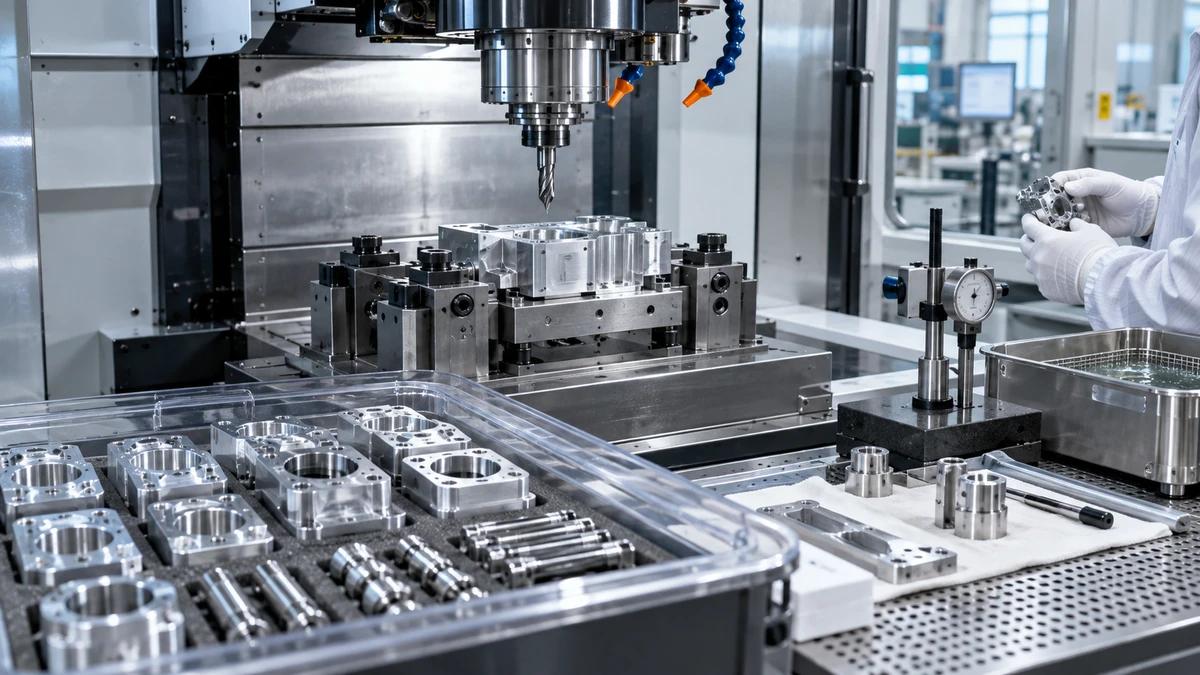
Record base contact, support, clamp load, part spacing, tool clearance, probe access, chips, coolant and lifting. Trial unload and reload. Fixture density has value only when every position remains accessible, identifiable and inspectable. Overloading a pallet can increase collision, chip and quality risk.
Protect Bore Relationships
For coaxial or related bores, record datum, index positions, fixture state, tool assemblies, temperature and inspection alignment. Preserve raw data by pallet position. A horizontal machining center can reduce datum handoffs, but the result remains conditional on rotary, fixture, tool and measurement control.
Watch Chips Through Every Index
Observe chip accumulation on faces, pockets, fixture ledges, tombstone contacts and the machine work zone. Define coolant delivery, washdown, filtration, cleaning and safe access. Chips can alter seating, tools, surface condition and labor. Zhihe CNC includes chip work in the pallet-hour ledger rather than hiding it outside cycle time.
Measure Tool Capacity Against the Part Mix
List tools by face, feature, holder, projection, preset, life and replacement trigger. Include sister tools and verification where used. A larger magazine helps only when the approved mix, changeover and maintenance route can use it. Record unavailable or shared tools that may create queue time.
Separate Machine Time From Queue Time
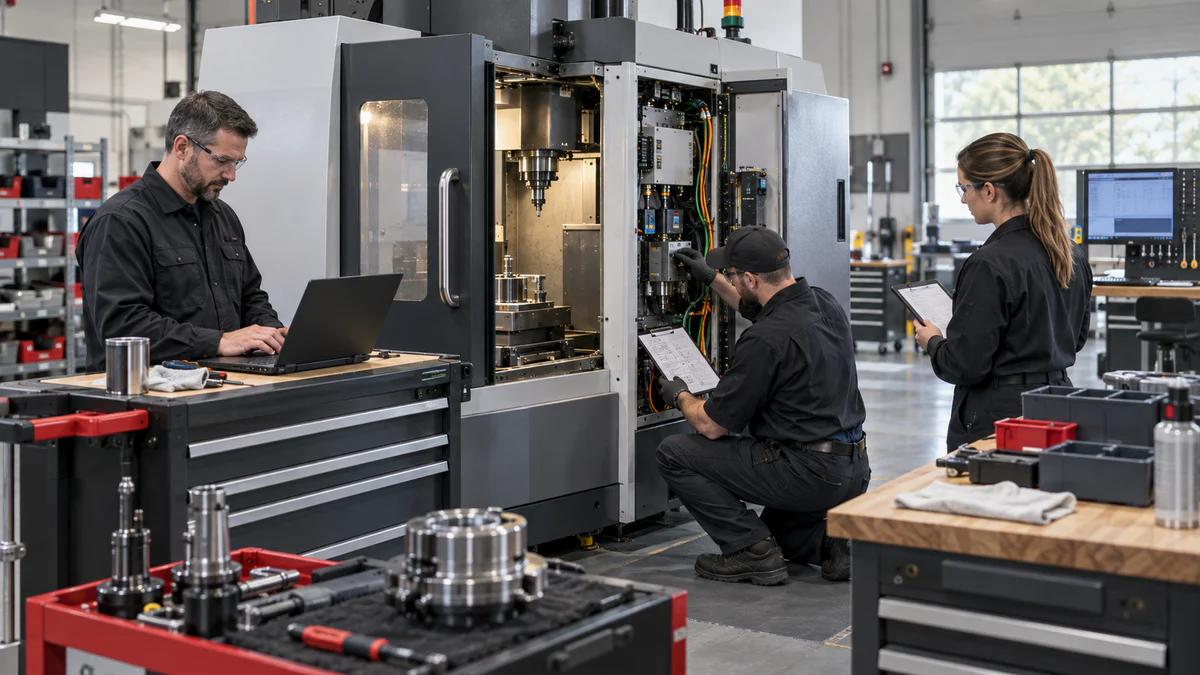
Track pallet preparation, waiting, loading, cutting, inspection, held-work review and downstream transfer. A pallet changer can reduce idle time while another queue still limits released output. Zhihe CNC asks which queue owns each delay and whether staffing, gauges, fixtures or decisions are included in the commercial capacity model.
Run a Normal Interruption
Use a planned tool-life event, inspection hold or programmed stop. Record pallet state, affected positions, containment, correction, verification and restart owner. Do not create unsafe conditions. The objective is to show how the route protects work in process and data when the ideal sequence is interrupted.
Use a Two-Pallet Acceptance Window
When applicable, observe preparation and cutting across at least two pallet turns or an equivalent declared sequence. Record fixture cleaning, repeat loading, index, tools, chips, inspection and released quantity. This reveals whether performance depends on one carefully prepared pallet rather than on the intended operating rhythm.
Calculate Accepted Pallet Hours
Accepted pallet hours include all declared time from preparation through released work. State batch mix, fixture occupancy, operator coverage, sampling, planned maintenance and escalation delay. Do not present spindle-on time as plant capacity. For a horizontal machining center, the ledger should explain both output and the work required to protect it.
Plan Maintenance Around the Pallet Route
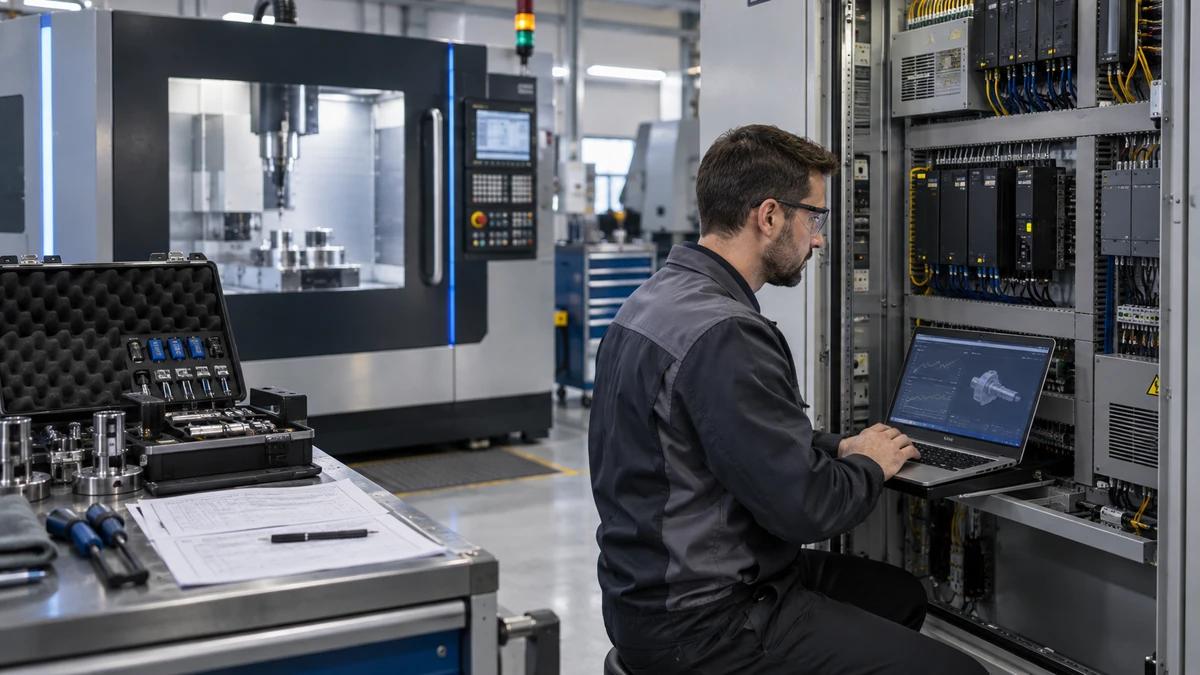
Define lubrication, coolant, chips, pallets, rotary checks, fixtures, probes, tool magazine, backups and housekeeping. Assign frequency, evidence and escalation. Demonstrate selected tasks with delivered access. Maintenance time and availability belong in the ownership model even when they are not part of every pallet cycle.
Transfer the Pallet Baseline
Handoff pallet identity, fixtures, tools, programs, offsets, probe routines, inspection, maintenance, backups, held-work rules and service contacts. Preserve superseded versions. Reopen affected evidence after part, material, fixture, tool, program, gauge, pallet, site or maintenance changes.
Write the Commercial Boundary
State what is included in pallets, fixtures, tooling, probing, gauges, chip systems, training, service and acceptance. Product certification, fatigue, pressure performance and downstream assembly remain separate unless contracted and tested. A clear boundary keeps the capacity promise connected to the demonstrated route.
Buyer FAQ: Horizontal Machining Center
What is an accepted pallet hour?
It is declared time from preparation through released work, including support events and holds.
Why not compare spindle time?
Spindle time excludes loading, fixture work, tools, chips, inspection, maintenance, holds and recovery.
When is a horizontal layout useful?
It can be useful when multi-face access and reduced datum handoffs solve a defined part-family problem.
What should a tombstone trial include?
Include support, clamp sequence, position identity, tool access, chips, probing, reload and inspection.
How should related bores be checked?
Record datum, index, fixture, tools, temperature, alignment, raw data and pallet position.
Why observe two pallet turns?
It tests repeat preparation, loading, chips, tools, inspection and the intended operating rhythm.
What belongs in a pallet hold record?
Record pallet and position identity, quantity, state, result, containment, correction, retest and owner.
How does Zhihe CNC compare capacity?
Zhihe CNC compares released output and complete pallet-hour work under a declared part mix.
When should the baseline be reopened?
Reopen affected evidence after changes to part, material, fixture, tools, program, gauge, pallet, site or maintenance.
What should buyers send first?
Send part families, faces, datums, volumes, fixtures, tools, inspection, site and service requirements.
Place the Machine Inside the Production Cell
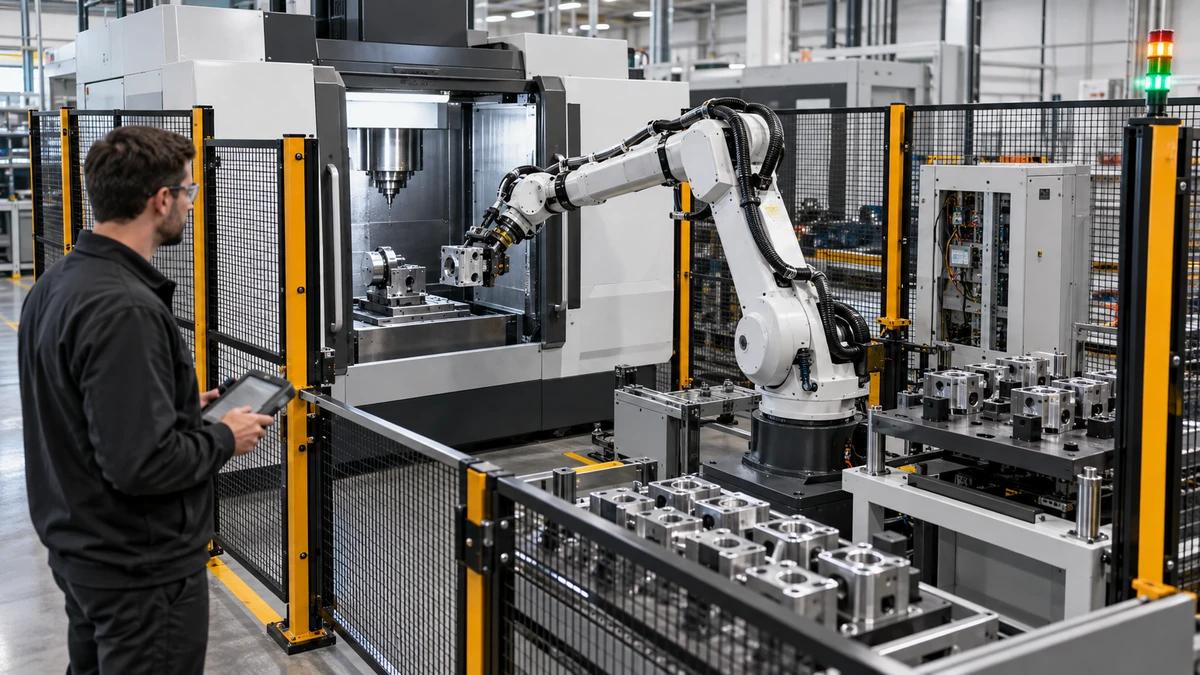
Map raw material, pallets, tombstones, fixtures, presetting, tools, machine loading, chips, coolant, inspection, held-work area and finished-part transfer. Record walking, waiting and handling separately from cutting. A horizontal machining center can reduce spindle idle time while the cell remains constrained by fixture preparation, gauge access or downstream decisions. The cell map reveals where the pallet actually waits.
Include operator, maintenance, quality and logistics tasks with realistic access. If automation is proposed, identify material presentation, sensing, identification, exception handling, safe states and manual recovery. Zhihe CNC keeps automation claims tied to the delivered interfaces and tested sequence. A robot or pallet system is not automatically a complete operating route.
Stress-Test the Product Mix
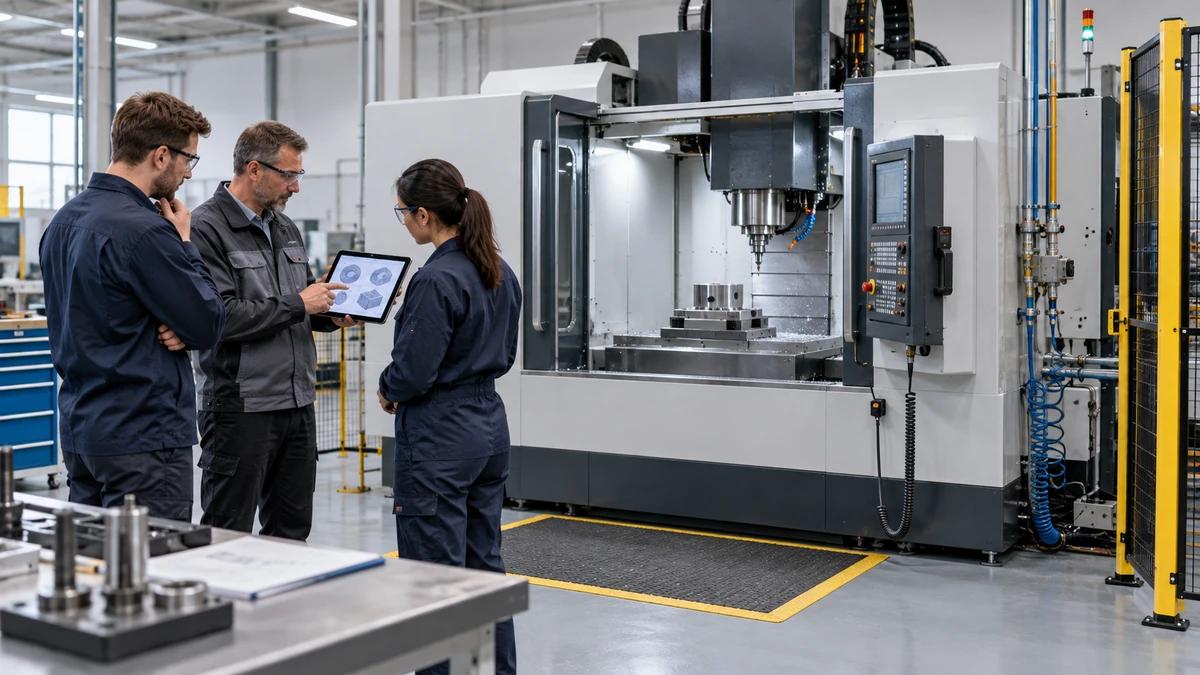
Build a portfolio with part envelope, material, faces, datums, batch size, fixture positions, tools, inspection and release features. Select a frequent part, a boundary part and a high-changeover part. Compare pallet preparation, machine time, tool capacity, chip work, gauge demand and held-work exposure. The largest part may control physical fit while another part controls labor or tool availability.
Run a declared sequence that includes at least one changeover, tool-life event or inspection hold. Record accepted pallet hours and open assumptions. For a horizontal machining center, this stress test shows whether the proposed cell supports the expected mix instead of only one prepared component. Reopen affected evidence when the mix, staffing, gauges, tools, fixtures or service conditions change.
Close the Cell Acceptance File
The final file should include machine configuration, pallets, fixtures, tools, programs, offsets, probe routines, chip and coolant plan, gauges, raw data, accepted pallet hours, training, maintenance, backups, spares and service contacts. A horizontal machining center is ready only when the cell can reproduce the declared release route, not merely when every axis moves.
List open issues by pallet, position or cell interface where possible. Name containment, evidence, owner, due date and release authority. Review the file after the first normal changeover and tool-life event. This confirms that identification, inspection and recovery remain intact after the prepared acceptance sequence.
Review the accepted cell file with production, quality and maintenance after the first representative batch. Record any difference in pallet preparation, tool availability, chips, gauge queue, labor or recovery. Close the difference with evidence, an accepted limitation or a dated action owner. This short review protects the original capacity assumptions when daily work replaces the prepared acceptance sequence.
Bring the Decision to Zhihe CNC
Send Zhihe CNC controlled drawings or CAD, material and stock, critical features, annual volume, batch mix, fixture ideas, tool constraints, inspection methods, site conditions and service region. Review the Zhihe CNC product portfolio, the company and factory profile, and the engineering inquiry route. For horizontal machining center, ask for a dated configuration, representative trial, acceptance boundary, open-assumption list and named support owner.
Reference Boundary
The ISO 10791 machining-centre reference and the OSHA machine-guarding guidance provide machine-test or safeguarding context. They do not replace drawing-specific acceptance, local risk assessment, product certification, regulatory release or the buyer's operating procedures.