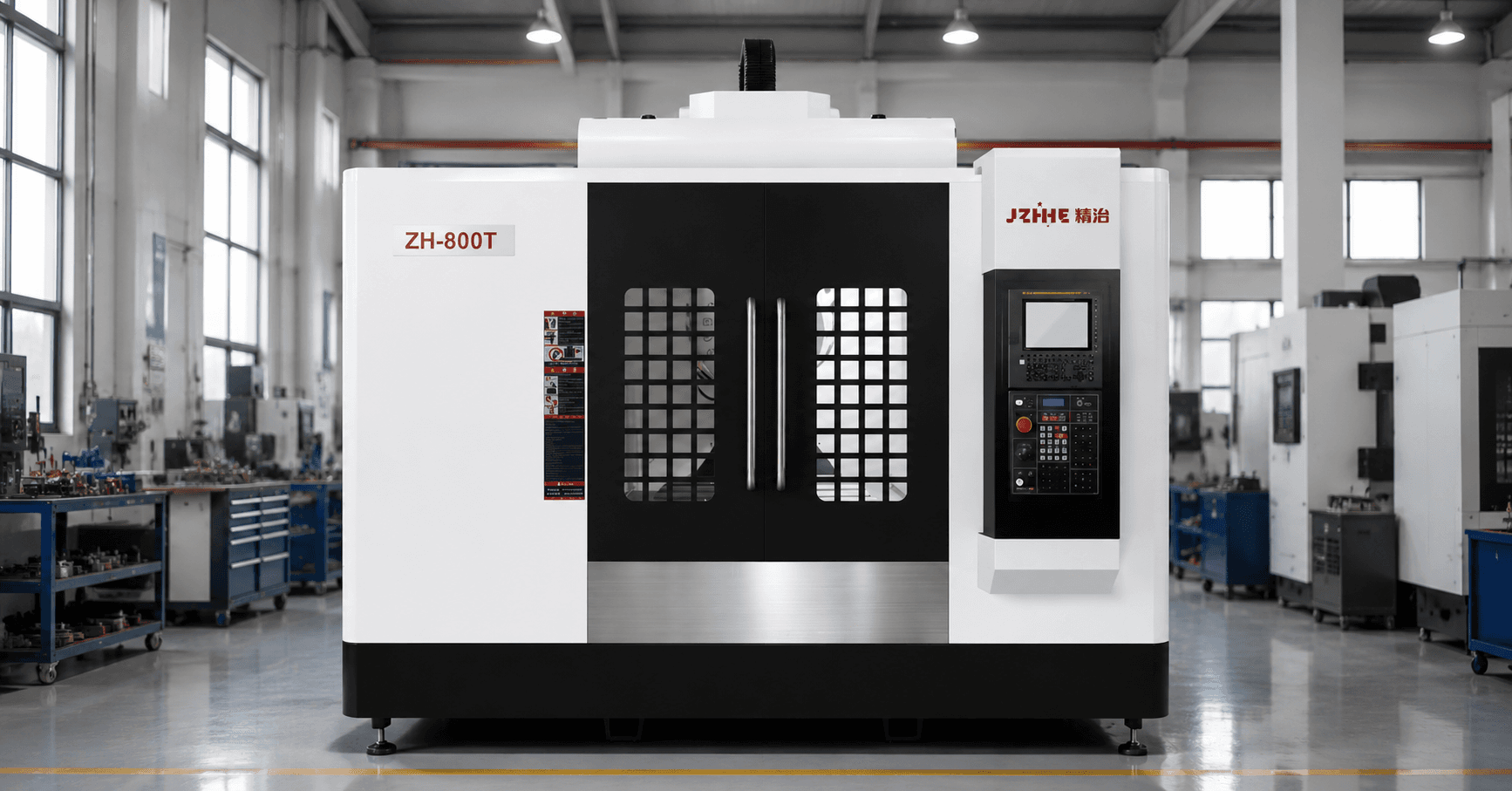
Horizontal machining center price should be compared through a price-to-capacity bridge that shows how each configuration item changes part fit, setup consolidation, pallet flow, cutting duty, tool availability, chip control, inspection, service, and accepted output. A lower base price can become a higher project cost when essential scope is excluded.
A horizontal machining center price is not reliable without a defined machine, options, destination, application, and acceptance scope. The bridge does not publish a fixed number; it makes quotations comparable and connects spending to measurable production value.
Bridge Span 1: Normalize the Base Machine
Confirm travels, table or pallet size, load, swing envelope, spindle, controller, axes, tool interface, magazine, enclosure, lubrication, coolant, conveyor, electrical standard, and included documents. Model names and nominal classes are not universal specifications.
Use a mounted-part review. Add fixture, clamps, tombstone, longest tools, probe, rotation, loading, and maintenance clearance. A less expensive configuration has no value if the complete setup cannot fit or reach the critical features.
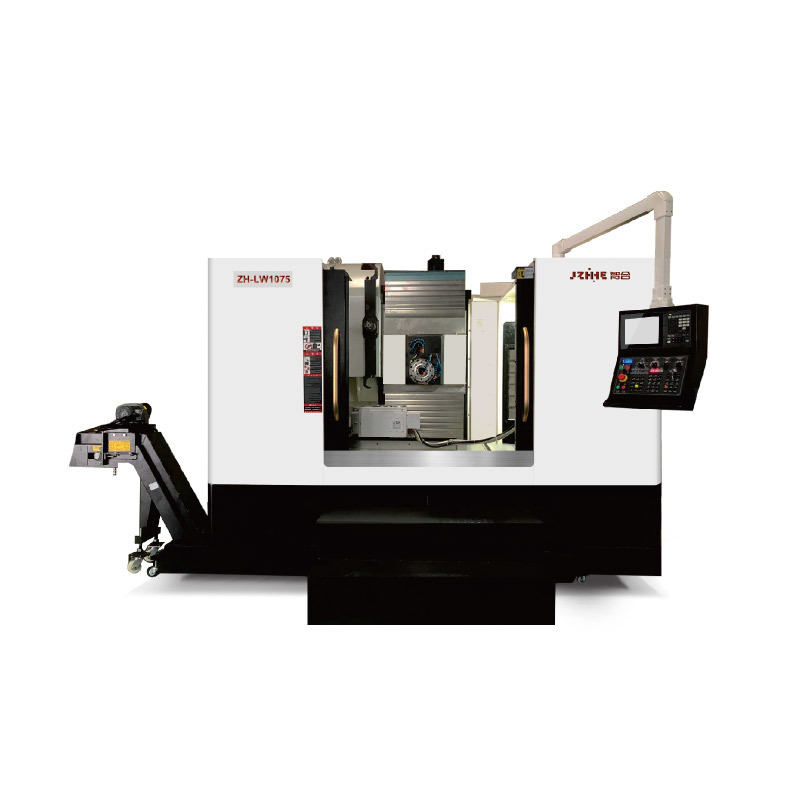
Bridge Span 2: Price Pallet and Rotary Scope
Identify the number of pallets, pallet changer, rotary table, indexing or simultaneous requirements, fixture interfaces, clamp confirmation, and pallet identification. Confirm what is standard, optional, buyer-supplied, or excluded.
Link the scope to external loading time, setup consolidation, queue reduction, and cross-face accuracy. An additional pallet may create value only when operators, fixtures, material, inspection, and downstream processes keep the loop supplied.
Bridge Span 3: Match Spindle Cost to Cutting Duty
Define material, cutter diameter, engagement, boring, drilling, tapping, tool reach, roughing duration, finishing duty, speed range, torque demand, and expected load. Compare spindle options in the operating range, not only at maximum values.
Include cooling, warm-up, thermal behavior, tool interface, maintenance, and repair implications. Do not pay for heavy-duty capability that the part family never uses, or under-specify a spindle that spends every batch near an unstable limit.
Bridge Span 4: Convert Tool Capacity Into Uptime
List production tools, sister tools, probes, redundant tools, changeover families, holder sizes, longest and largest assemblies, and magazine restrictions. A larger magazine can reduce manual loading and changeover, but it adds cost and does not solve poor tool-life control.
| Price element | Capacity consequence | Evidence |
|---|---|---|
| Extra pallet | External setup and lower machine waiting | Pallet-loop time study |
| Rotary capability | Fewer setups and datum transfers | Feature-access route |
| Spindle option | Stable cutting duty and tool life | Representative load and trial |
| Tool capacity | Less attended loading and more redundancy | Tool-family and sister-tool plan |
| Probing | Setup, control, and recovery support | Approved probing sequence |
Bridge Span 5: Add Chips, Coolant, and Filtration
Specify material mix, chip form, removal rate, coolant delivery, through-tool needs, filtration, tank, temperature control, conveyor, wash, mist or extraction interfaces, and cleaning access. A horizontal layout can support chip evacuation, but fixtures and deep features still trap chips.
Calculate manual cleaning, coolant care, filter service, disposal, and downtime. A horizontal machining center price comparison should include the chip and fluid system needed for the real production duty.
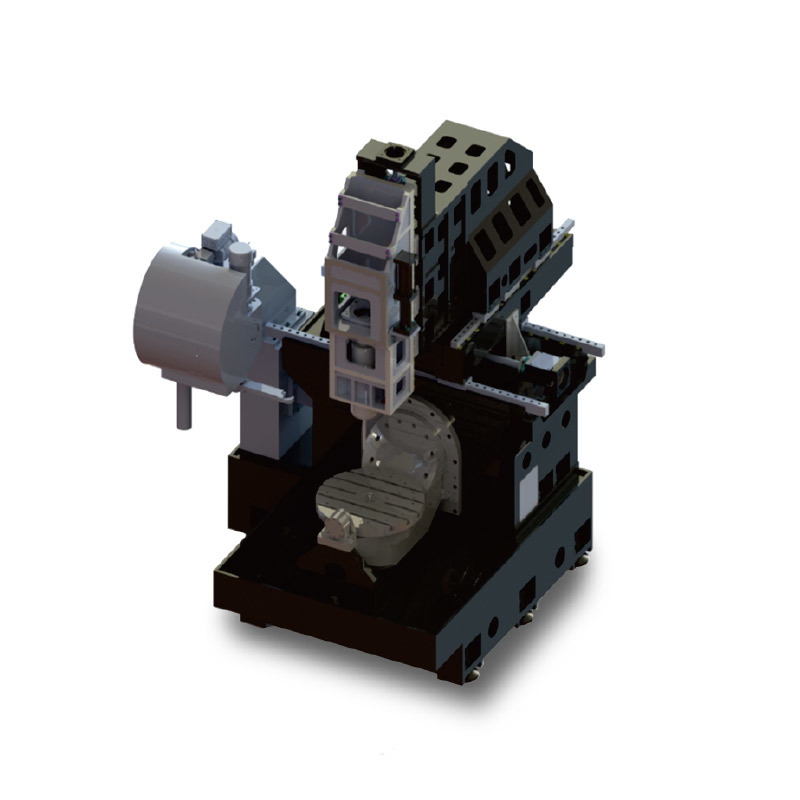
Bridge Span 6: Define Probing and Inspection Boundaries
Clarify part probe, tool measurement, calibration artifacts, software cycles, training, macros, and integration. State whether probing controls setup, in-process trends, tool breakage, or acceptance. Machine probing does not automatically replace independent final inspection.
Include gauges, coordinate measurement, fixtures, temperature control, sampling, traceability, and buyer-owned metrology where they affect release capacity.
Bridge Span 7: Include Delivery, Site, and Support
Add packing, freight, insurance, duties, inland transport, rigging, foundation, utilities, transformer, fluids, installation, leveling, commissioning, training, travel, spares, warranty scope, and service response. Assign each cost and responsibility explicitly.
Review the horizontal machining center range and the heavy-duty horizontal platform as configuration references.
Normalize Every Quotation
- Use the same part, volume, mounted envelope, and acceptance target.
- Separate standard equipment, options, buyer scope, and exclusions.
- Convert currencies, taxes, freight terms, and payment milestones consistently.
- Record assumptions, alternatives, lead time, warranty, and validity.
- Calculate accepted output, attended work, changeover, maintenance, and recovery.
- Compare total project and ownership consequences, not one headline number.
Test the Capacity Consequence
For each material price difference, ask what measurable constraint it removes. Does it fit the fixture, eliminate a setup, support the required torque, hold enough tools, control chips, reduce loading wait, improve inspection, or shorten recovery? If no consequence can be defined, the option may be unnecessary or insufficiently justified.
Limits of Price Comparison
The lowest quotation is not automatically the best value, and the most expensive configuration is not automatically the most capable for a specific part. Exchange rates, freight, taxes, regulations, and availability can change. Final commercial decisions require the current written quotation, technical agreement, contract, and qualified local advice where applicable.
FAQ
Why are fixed online HMC prices unreliable?
Configuration, options, destination, freight, taxes, installation, acceptance, and service scope can change the total materially.
Should pallets and fixtures be compared separately?
Show them separately for transparency, then evaluate their combined effect on loading, setups, capacity, and quality.
How should two different spindle options be compared?
Use the actual material, cutters, engagement, speed, torque, load, tool life, thermal duty, and representative trial evidence.
What is the most important quotation attachment?
The controlled technical scope that identifies configuration, inclusions, exclusions, assumptions, acceptance, delivery, and responsibilities.
Request a Normalized Price Review
For a useful horizontal machining center price review, send drawings, blanks, materials, fixture concept, tool list, cutting duty, batch size, annual volume, shift pattern, loading method, inspection needs, destination, utilities, service expectations, and required acceptance. Use the contact page to request a configuration and commercial proposal.