Buyer Answer: Trace the Flow Path
Zhihe CNC audits pump-housing machining by following ports, bores, sealing faces, chip routes and inspection boundaries from casting to release. The useful decision is whether the proposed route can preserve the feature relationships that matter after support release, inspection and downstream handoff.

Port-to-Bore Audit Table
| Feature family | Relationship | Separate validation |
|---|---|---|
| Ports | Fluid path and access | Pressure test |
| Bores | Coaxiality and bearing seat | Assembly fit |
| Seal faces | Gasket or O-ring interface | Leak method |
| Cavity | Chip route and cleanout | Service procedure |
Trace the Fluid Path First
Mark inlet, outlet, cavity, impeller seat, shaft bore, seal land, drain and service interfaces. Group housings by casting route, size, material, pressure role and inspection path. A generic box-part sample rarely exposes the difficult relationship.
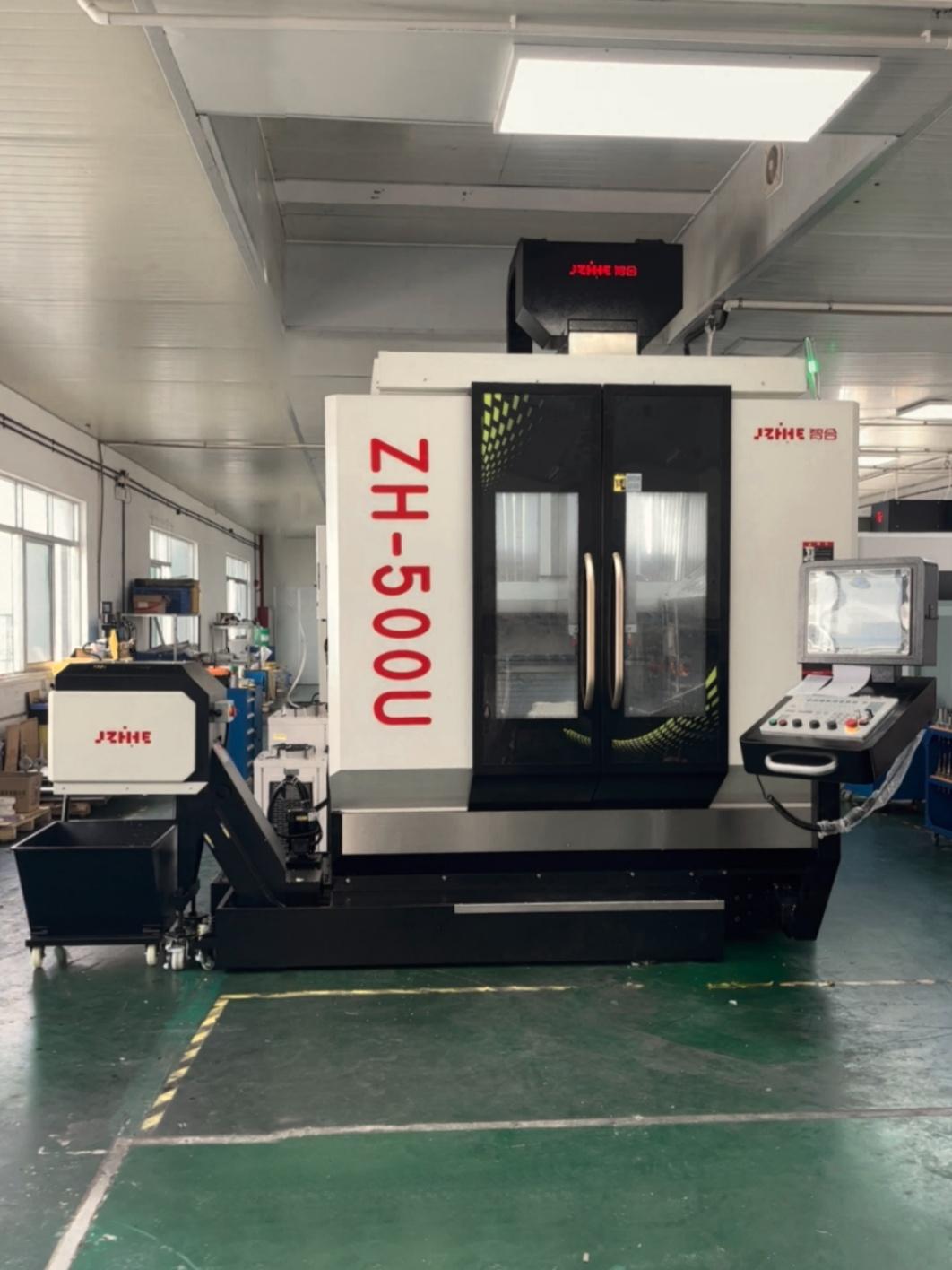
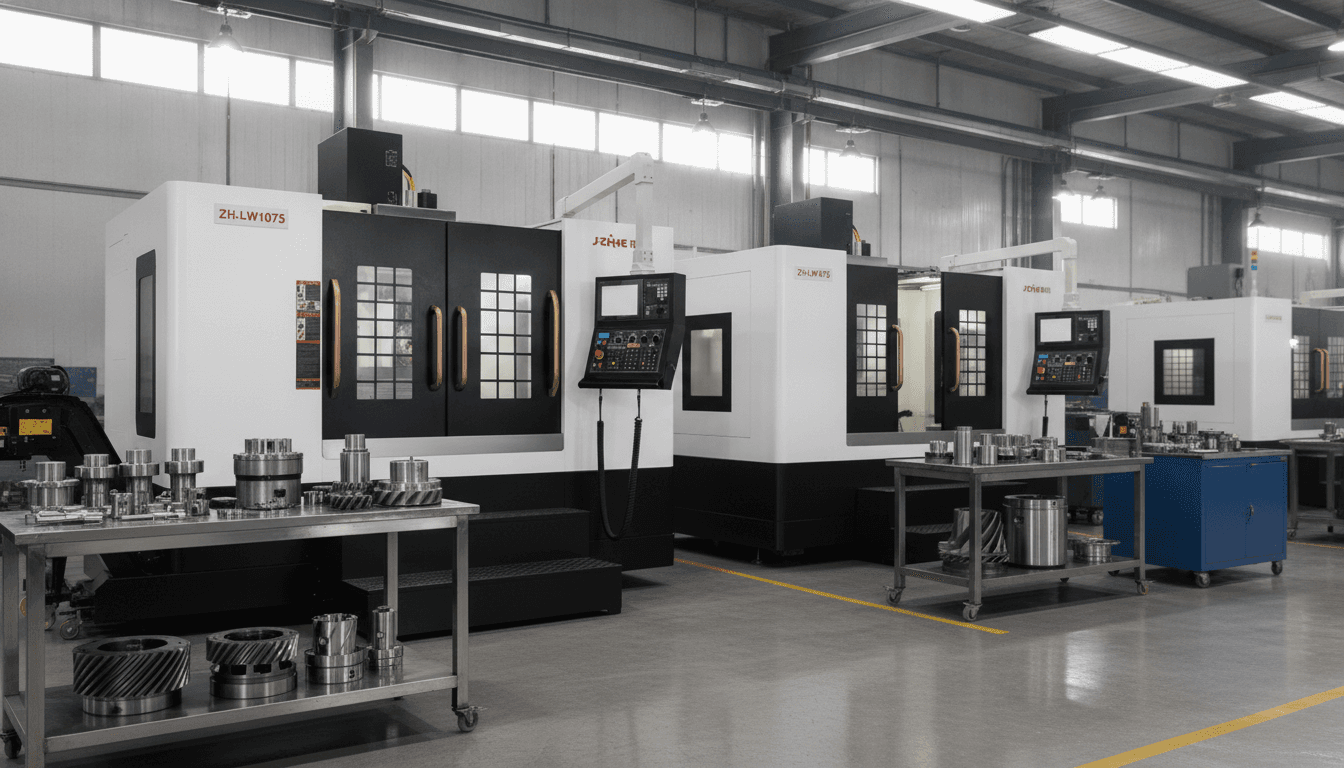
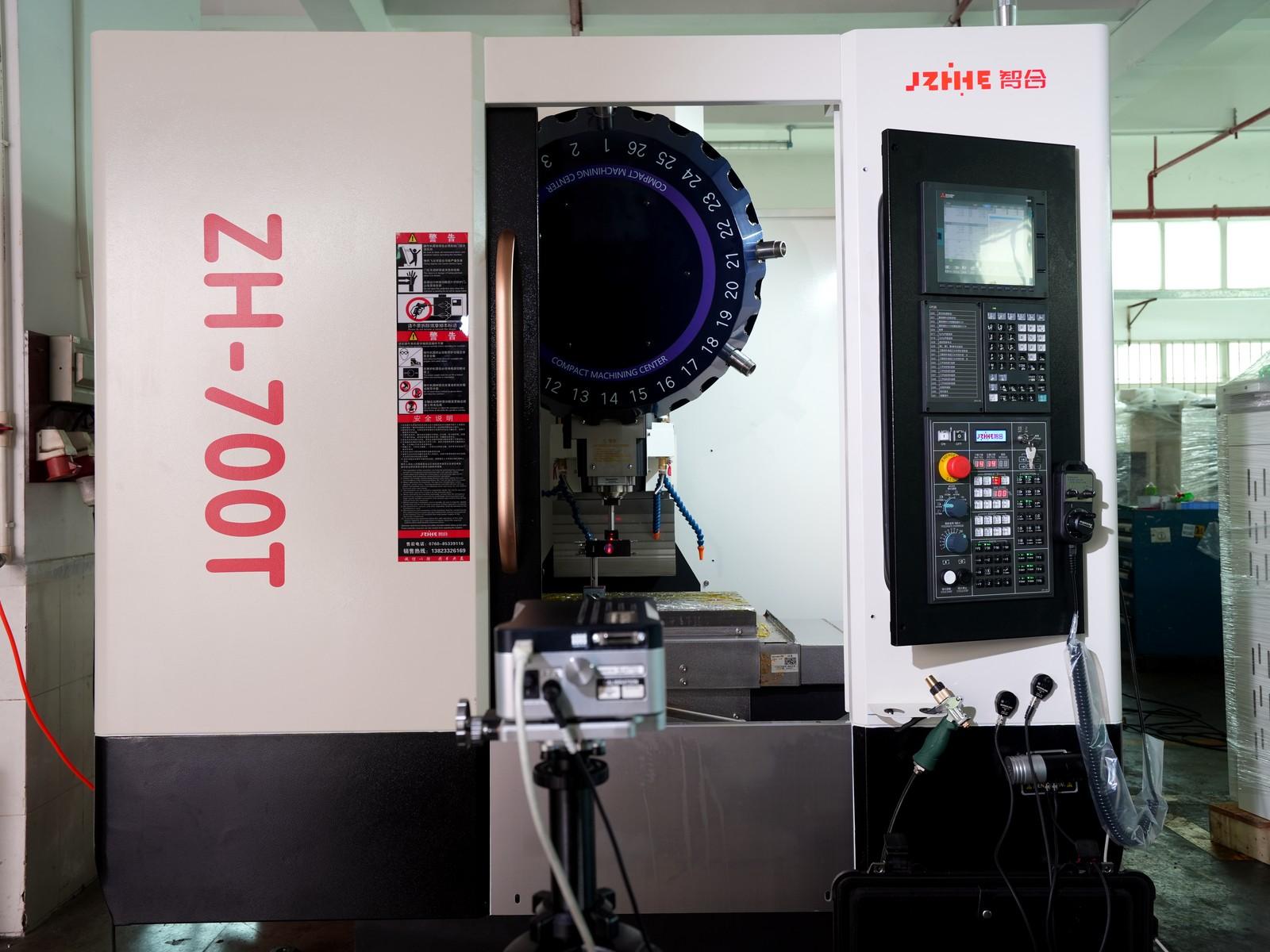
A horizontal machining center for pump housings should be judged by how it maintains connected ports, bores and faces through loading, indexing, chip removal and inspection. Zhihe CNC begins with a flow map, not a spindle headline.
Read the Casting Before Cutting
Record casting identity, material, wall thickness, stock, flash, datum pads, distortion and internal cavities. Incoming variation should be visible before the first locating decision.
Measure one common and one boundary casting. If the foundry route or material state changes, reopen support and allowance assumptions instead of treating the old trial as universal.
Create a Port-to-Bore Ledger
List every port, bore, face, thread and pocket with its functional relationship and inspection method. Show which features share a setup and which require an index or reload.
A ledger helps the buyer see whether the proposed route protects coaxiality and sealing relationships rather than only individual dimensions.
Use Horizontal Access Deliberately
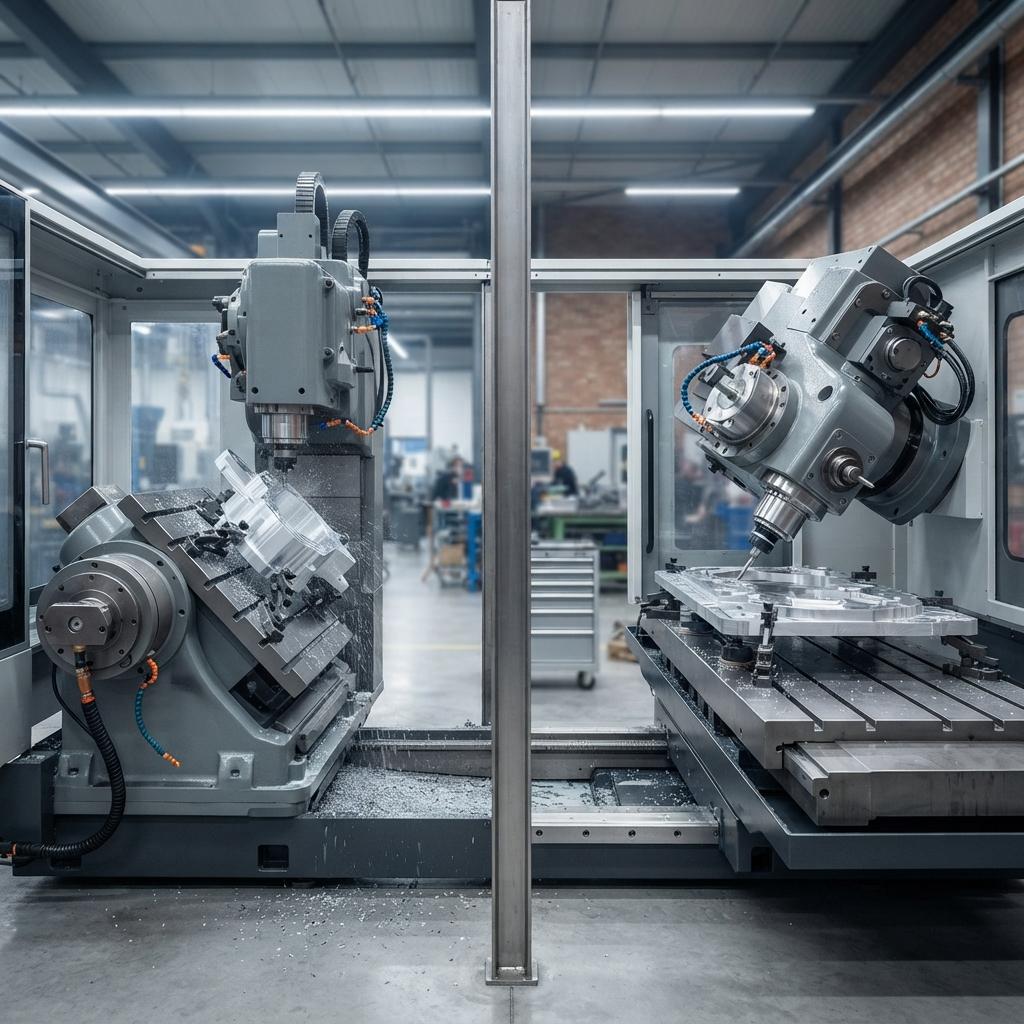
Map pallet orientation, tombstone contact, tool reach, holder clearance, underside access and chip fall. Horizontal access can help clear chips, but fixture and transfer choices still determine the real result.
Run the largest housing through loading, indexing and unloading. Record what the operator must touch and what the inspection team can actually reach.
Flow-Path Release Sequence
- Inspect casting and establish the reference.
- Machine ports, bores and faces by declared setup.
- Clean chips and inspect the support state.
- Transfer the housing to pressure-test ownership.
Treat Seal Faces as a Chain
Classify gasket lands, O-ring grooves, cover faces, bearing seats and nonsealing surfaces. Define allowance, edge treatment, finish route, inspection and downstream pressure-test owner.
Keep dimensional release separate from pressure or leak testing. A clean face measurement is not a pressure-test result.
Make Threads and Cross-Holes Recoverable
Record thread tool, depth, entry, chip escape, burr check and gauge. Cross-holes can trap chips or break through thin walls, so support and cleaning need their own checkpoints.
Rehearse one interrupted tool or gauge question. Retain held parts and document the restart state before work resumes.
Inspect in the Support State Used for Acceptance
State whether the housing is measured on the pallet, fixture, nest or free-state. Record temperature, alignment, gauge, sampling and raw-data location.
Compare one reference before and after transfer if the housing is moved. This shows whether the acceptance condition survives the handoff.
Build a Pressure-Test Boundary
Write down what machining releases and what the pressure-test team must validate: plugs, fluid, pressure, dwell, temperature, safety and disposition.
The boundary prevents a machine supplier from being asked to claim a test it did not perform and prevents a buyer from confusing dimensional evidence with pump performance.
Housing Release Boundary
| Machining may release | Pressure team must define | Evidence owner |
|---|---|---|
| Ports, bores and faces | Fluid, pressure and dwell | Test engineering |
| Threads and burrs | Plug and safety method | Quality |
| Cleanliness state | Final service cleanout | Operations |
| Records | Traceable revision | Program owner |
Review Chip Routes Around the Cavity
Observe chips in ports, pockets, cross-holes and the cavity. Count air, coolant, inversion, manual cleanout, reinspection and protection of seal faces as real work.
A chip route that works on a clean sample may fail after a normal tool sequence. Capture the production-like state and the cleanout owner.
Calculate Accepted Housing Hours
Include casting receipt, setup, probing, cutting, indexing, tool events, cleaning, deburring, inspection, holds and maintenance. State batch mix and gauge availability.
Zhihe CNC compares accepted housings over a declared window. The bottleneck may be casting preparation or inspection rather than spindle time.
Audit the Mating Drawing
When port, cover, bearing, thread, casting, fixture, tool, program or gauge changes, identify affected evidence and define revalidation. Preserve old and new revisions.
A dated audit keeps a successful correction from becoming an undocumented tribal setting.
Close With a Flow-Path Release
Summarize housing revision, casting, datums, pallet, tools, programs, ports, bores, seal faces, cleaning, inspection, accepted quantity and pressure-test handoff.
The final memo for a horizontal machining center for pump housings should exclude pump efficiency, NPSH, pressure performance and field service claims unless separately validated.
Invite manufacturing, quality and test engineering to read the same flow-path map. They do not need identical responsibilities, but they do need a shared vocabulary for ports, bores, seal faces, chips and holds. When the pressure-test boundary is written early, the machining team can protect the right surfaces and the test team can prepare the right fixtures without asking the machine record to prove too much.
For horizontal machining center for pump housings, keep the machine decision attached to a real part family, a dated trial and an acceptance owner. A horizontal machining center for pump housings review is strongest when the buyer can see the setup, the evidence and the limits together. That is how horizontal machining center for pump housings becomes a repeatable procurement conversation instead of a generic machine claim.
Pump Housing Buyer FAQ: horizontal machining center for pump housings
What should a pump-housing review begin with?
Begin with ports, bores, sealing faces, casting variation and pressure-test ownership.
Why use a horizontal machining center for pump housings?
The orientation may support multi-face access and chip fall, but fixture and transfer evidence still matter.
Does machining prove pressure performance?
No. Pressure testing needs its own method, conditions and owner.
How should castings be sampled?
Use a common casting and a declared boundary casting with identity and incoming measurements.
What belongs in the port-to-bore ledger?
Feature, functional relationship, setup, tool, inspection method and downstream owner.
How does Zhihe CNC count capacity?
Zhihe CNC counts accepted housing hours including cleaning, inspection and holds.
When should the route reopen?
After changes to casting, drawing, pallet, tool, program, gauge or test boundary.
How should threads be controlled?
Record tool, depth, gauge, burr check, chip route and restart ownership.
Can a clean face replace a leak test?
No. Surface and dimensional evidence does not replace pressure validation.
What should an RFQ include?
Send casting data, ports, bores, material, tolerances, volume and test requirements.
Send Zhihe CNC a Pump-Housing Flow Map
Send Zhihe CNC the controlled drawing or CAD, material and stock condition, critical datums, tolerances, annual volume, batch mix, fixture assumptions, inspection method, site conditions and service region. Review the Zhihe CNC machining center range, the company and factory profile, and the engineering inquiry route. Request a dated configuration, representative trial, acceptance boundary, open assumptions and named support owner.
Reference Boundary and Responsible Use
The first authoritative reference and second authoritative reference provide general machine-test, drawing, quality or safety context. They do not approve a particular machine, part, supplier or production site. Drawing-specific acceptance, local risk assessment, product validation and the buyer's operating procedures remain separate responsibilities.