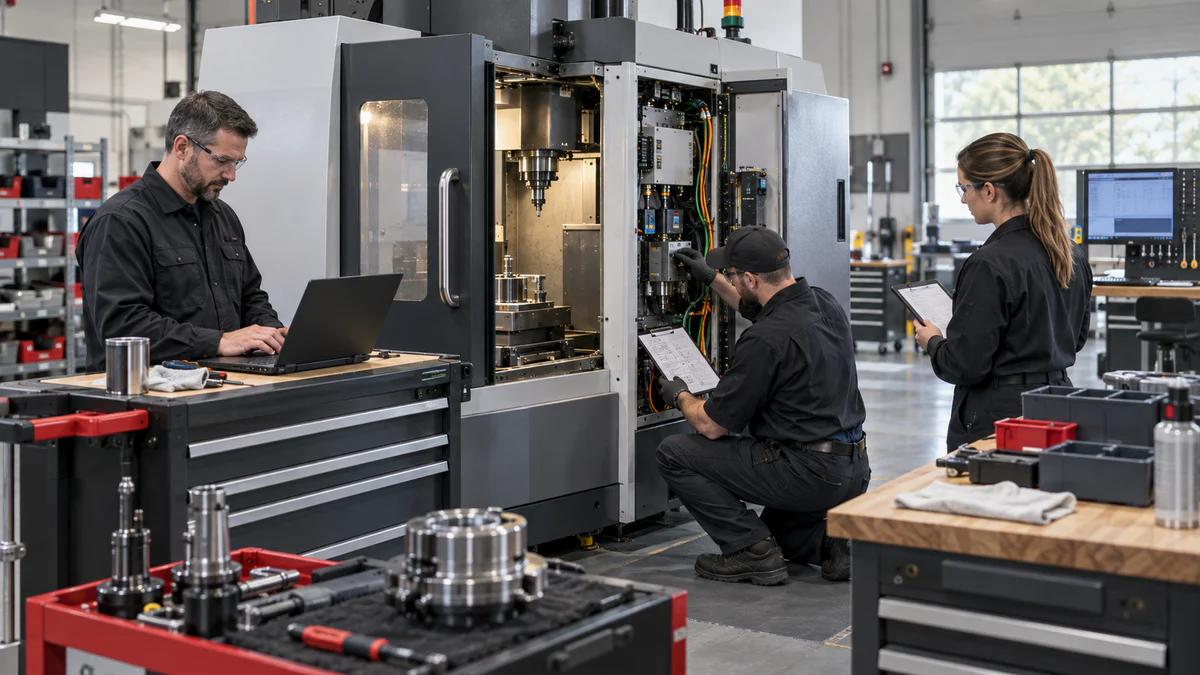
Pressure Boundary Map
Zhihe CNC evaluates valve-body machining by linking ports, seats, threads, sealing faces, chip routes and pressure-test ownership. A valve body is a network of ports, seats, bores, threads and sealing faces. The machining decision should show how that network survives loading, indexing, chip removal and inspection, while keeping pressure testing under its own method and owner.

Pressure Boundary Grid
| Feature | Machining record | Separate validation |
|---|---|---|
| Ports | Axis, size and chip route | Flow test |
| Seats | Surface, support and gauge | Leak method |
| Threads | Tool, depth and burr | Plug or assembly |
| Cavity | Cleanout and transfer | Service procedure |
List the Pressure-Critical Features
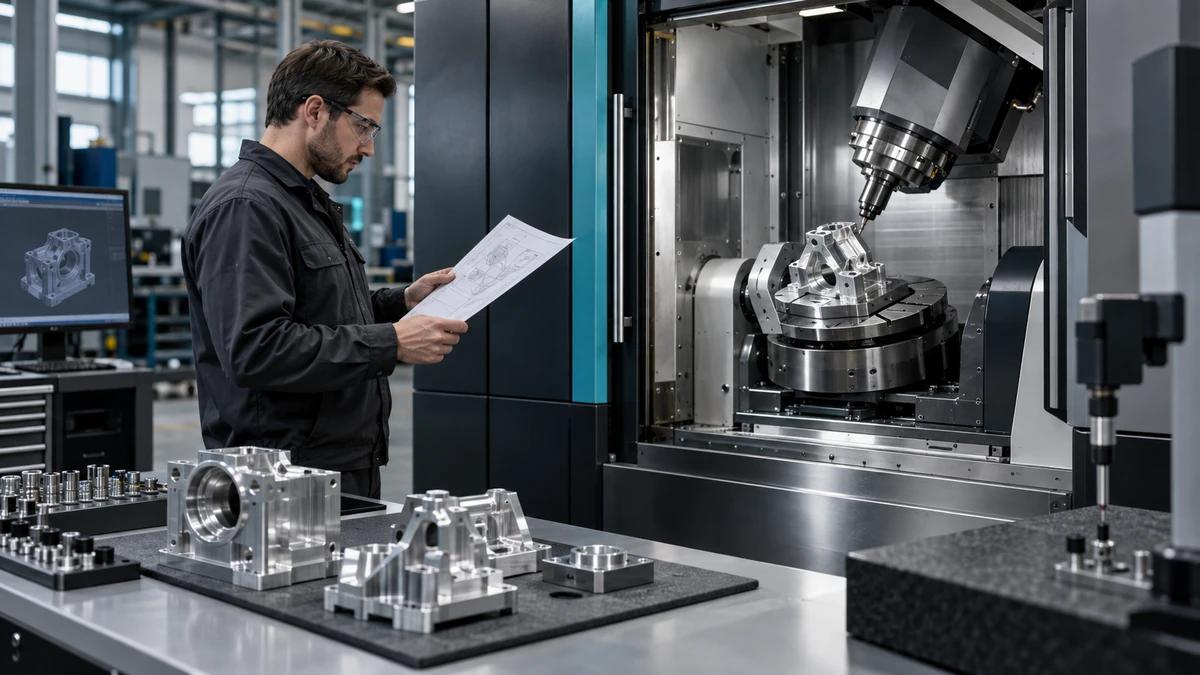
Mark inlet, outlet, cavity, seat, stem bore, flange, thread, gasket land and drain. Group bodies by casting, material, pressure role and inspection route.
A horizontal machining center for valve bodies should be judged by connected feature relationships, not by isolated diameter claims.
Read the Casting and Stock Map
Record casting identity, wall thickness, stock, flash, cavities, datum pads and incoming distortion.
Use a common and boundary body. Reopen support and allowance assumptions when foundry route or material state changes.
Build a Port-to-Seat Ledger
For every port, seat, bore, face and thread record relationship, setup, tool and inspection method.
The ledger makes it clear which features share a setup and which need an index or reload.
Use Horizontal Access Deliberately
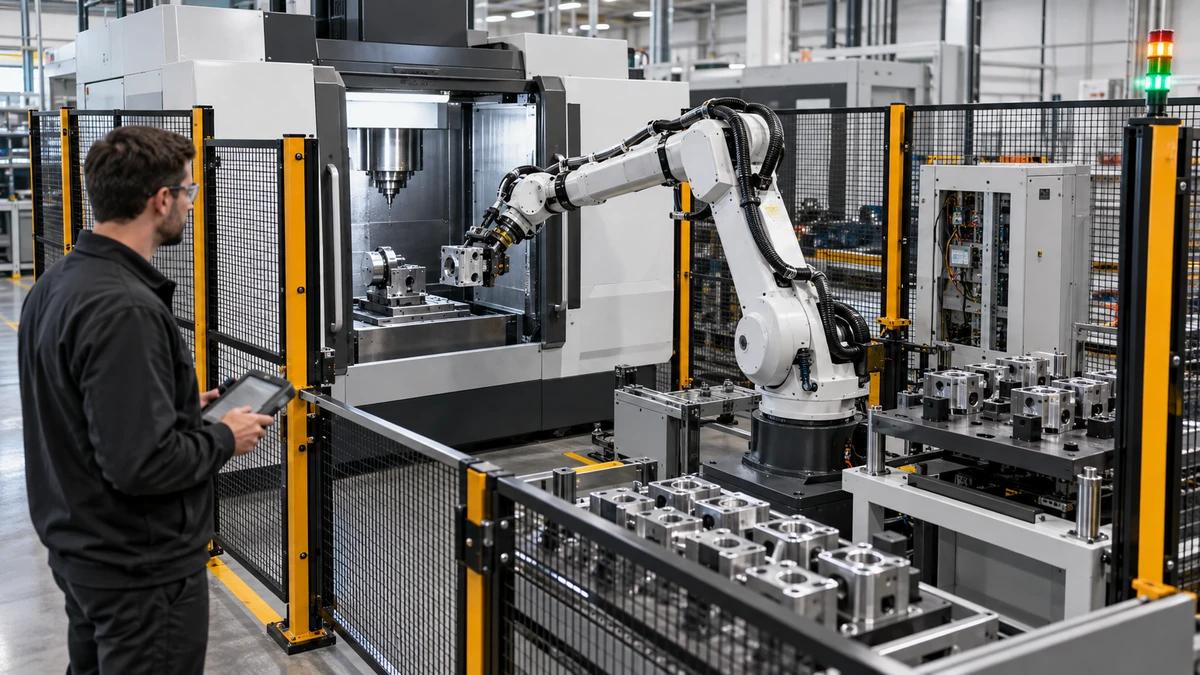
Map pallet, tombstone, contact, holder clearance, underside access, chip fall and measurement reach.
Run the largest body through loading, indexing and unloading. Record operator touch points and inspection access.
Treat Sealing Faces as a Chain
Classify gasket lands, O-ring grooves, cover faces, seats and nonsealing surfaces. Define allowance, finish, edge treatment and pressure-test owner.
Dimensional release is not pressure validation. Keep both records linked but separate.
Make Threads Recoverable
Record thread tool, depth, entry, chip escape, burr check and gauge.
Rehearse one interrupted tool or gauge question and document the restart state before work resumes.
Inspect in the Declared Support State
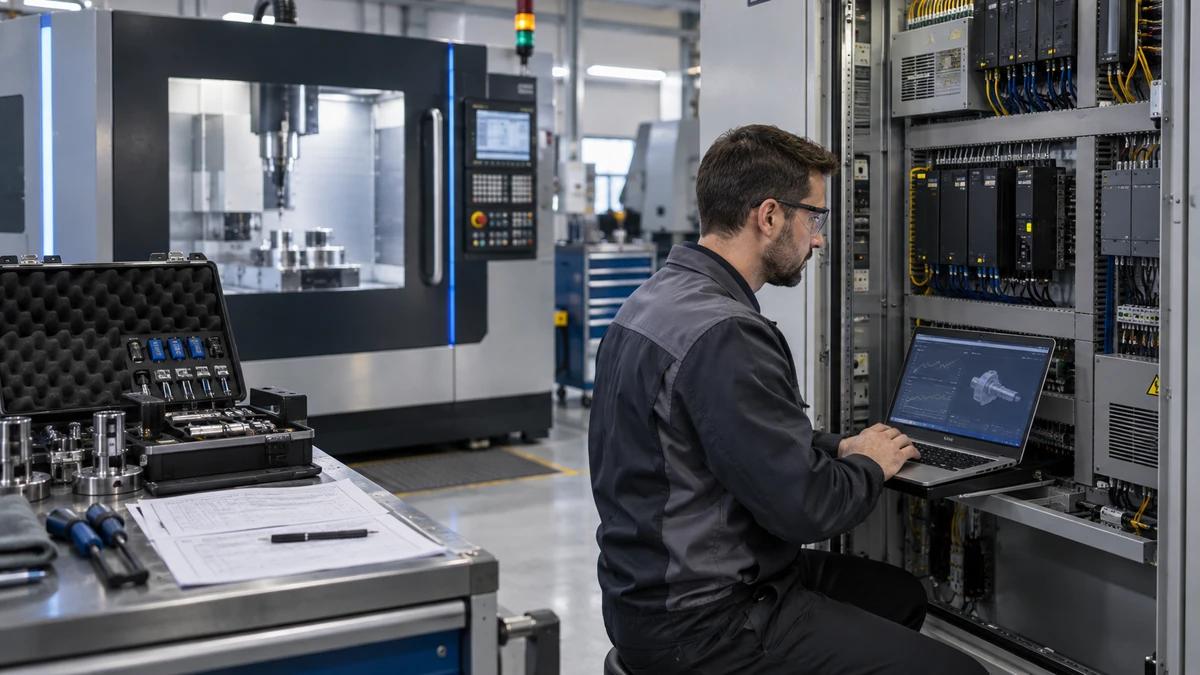
State pallet, fixture or free-state, temperature, alignment, gauge, sampling and raw-data location.
Compare one reference before and after transfer if the body moves.
Route Chips Around Seats and Cavities
Observe ports, seats, cross holes and cavities through a full tool sequence. Record cleanout, protection and reinspection.
A clean sample is not proof of production cleanliness. Count air, coolant and manual work as real operations.
Write the Pressure-Test Boundary
Define what machining releases and what pressure testing must own: plugs, fluid, pressure, dwell, temperature, safety and disposition.
This boundary prevents dimensional records from being mistaken for a test certificate.
Calculate Accepted-Body Hours
Include casting receipt, setup, probing, cutting, indexing, tool events, cleaning, inspection, holds and maintenance.
Zhihe CNC compares accepted bodies over a declared window; inspection or cleaning may control output.
Audit a Port or Seat Revision
When port, seat, thread, casting, pallet, tool, program or gauge changes, identify affected evidence and define revalidation.
Preserve old and new revisions with a dated reviewer and effective date.
Close With a Pressure Handoff Memo
Summarize body revision, casting, datums, pallet, tools, ports, seats, threads, cleaning, inspection, accepted quantity and test owner.
The final memo for a horizontal machining center for valve bodies should exclude pressure rating, leakage, flow and field approval unless separately validated.
Valve-Body Pressure Handoff
- Freeze the drawing, material, boundary part and owners.
- Confirm fixture, support, tools and coordinate references.
- Run the representative part with one controlled interruption.
- Inspect in the declared support state and preserve raw data.
- Transfer the part with exclusions and open assumptions.
Decision Record
| Question | Recorded answer | Owner |
|---|---|---|
| What is controlled? | Drawing, material, fixture, program and inspection state | Engineering |
| What is measured? | Feature relationships, support state and raw data | Quality |
| What remains open? | Downstream validation, site limits and change triggers | Buyer team |
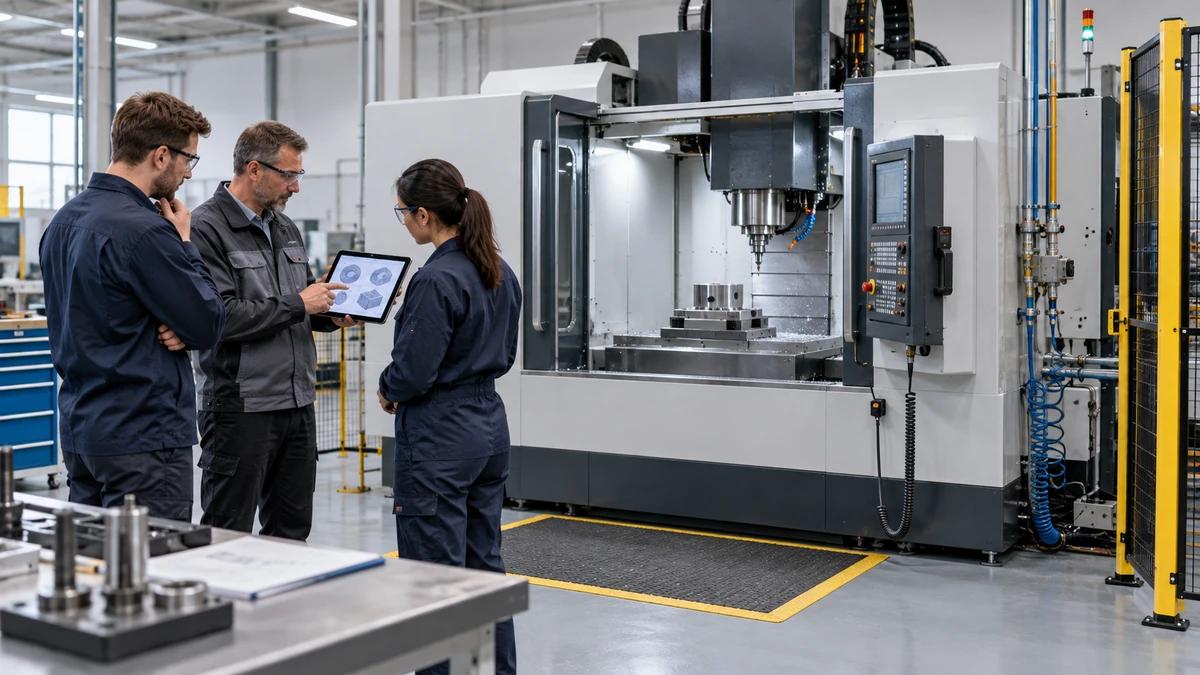
For horizontal machining center for valve bodies, keep the machine decision attached to a real part family and a dated trial. A buyer comparing horizontal machining center for valve bodies options should see the setup, the evidence and the limits together. Zhihe CNC uses this horizontal machining center for valve bodies review format to turn a machine discussion into a repeatable procurement record. The final horizontal machining center for valve bodies recommendation should name the acceptance owner and the next action.
Valve Body Buyer FAQ: horizontal machining center for valve bodies
What should valve-body machining start with?
Start with ports, seats, bores, sealing faces, casting variation and pressure-test ownership.
Why use a horizontal machining center for valve bodies?
The orientation may support multi-face access, but fixture and transfer evidence still matter.
Does machining prove leakage performance?
No. Pressure and leakage require their own methods and conditions.
What belongs in a port-to-seat ledger?
Feature, relationship, setup, tool, inspection and downstream owner.
How should threads be controlled?
Record tool, depth, gauge, burr check, chip route and restart ownership.
How does Zhihe CNC count capacity?
Zhihe CNC counts accepted-body hours including cleaning, inspection and holds.
When should evidence reopen?
After port, seat, casting, pallet, tool, program, gauge or test-boundary changes.
Can a clean seat replace a pressure test?
No. Surface and dimensional evidence does not replace pressure validation.
What should an RFQ include?
Send casting data, ports, seats, material, tolerances, volume and test requirements.
What does the handoff memo separate?
It separates machining release from pressure, flow and field-approval decisions.
Send Zhihe CNC a Valve-Body Pressure Map
Send Zhihe CNC the controlled drawing or CAD, material and stock condition, critical datums, tolerances, annual volume, batch mix, fixture assumptions, inspection method, site conditions and service region. Review the Zhihe CNC machining center range, the company and factory profile, and the engineering inquiry route. Request a dated configuration, representative trial, acceptance boundary, open assumptions and named support owner.
Reference Boundary and Responsible Use
The first authoritative reference and second authoritative reference provide general machine-test, drawing, quality or safety context. They do not approve a particular machine, part, supplier or production site. Drawing-specific acceptance, local risk assessment, product validation and the buyer's operating procedures remain separate responsibilities.