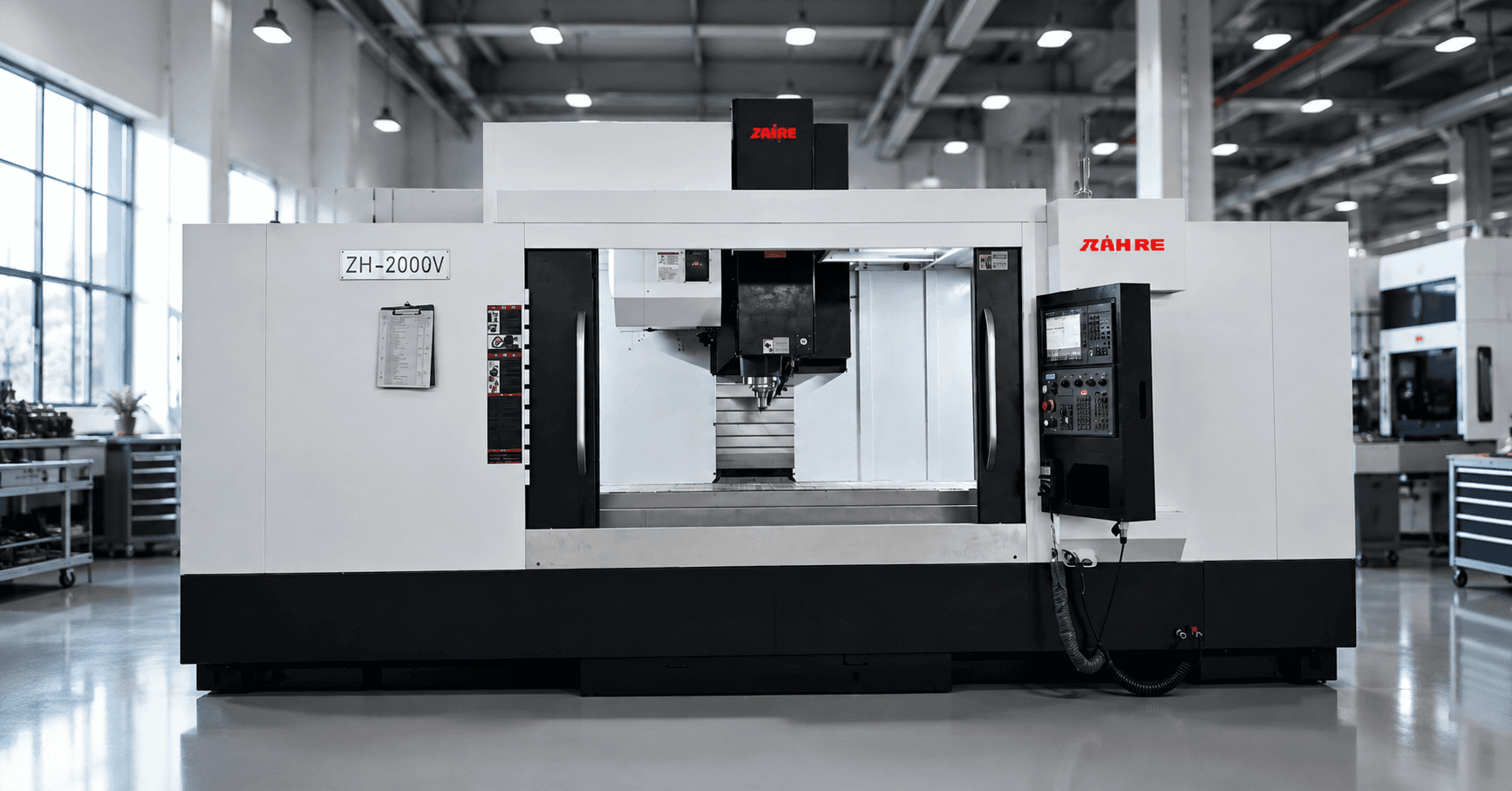
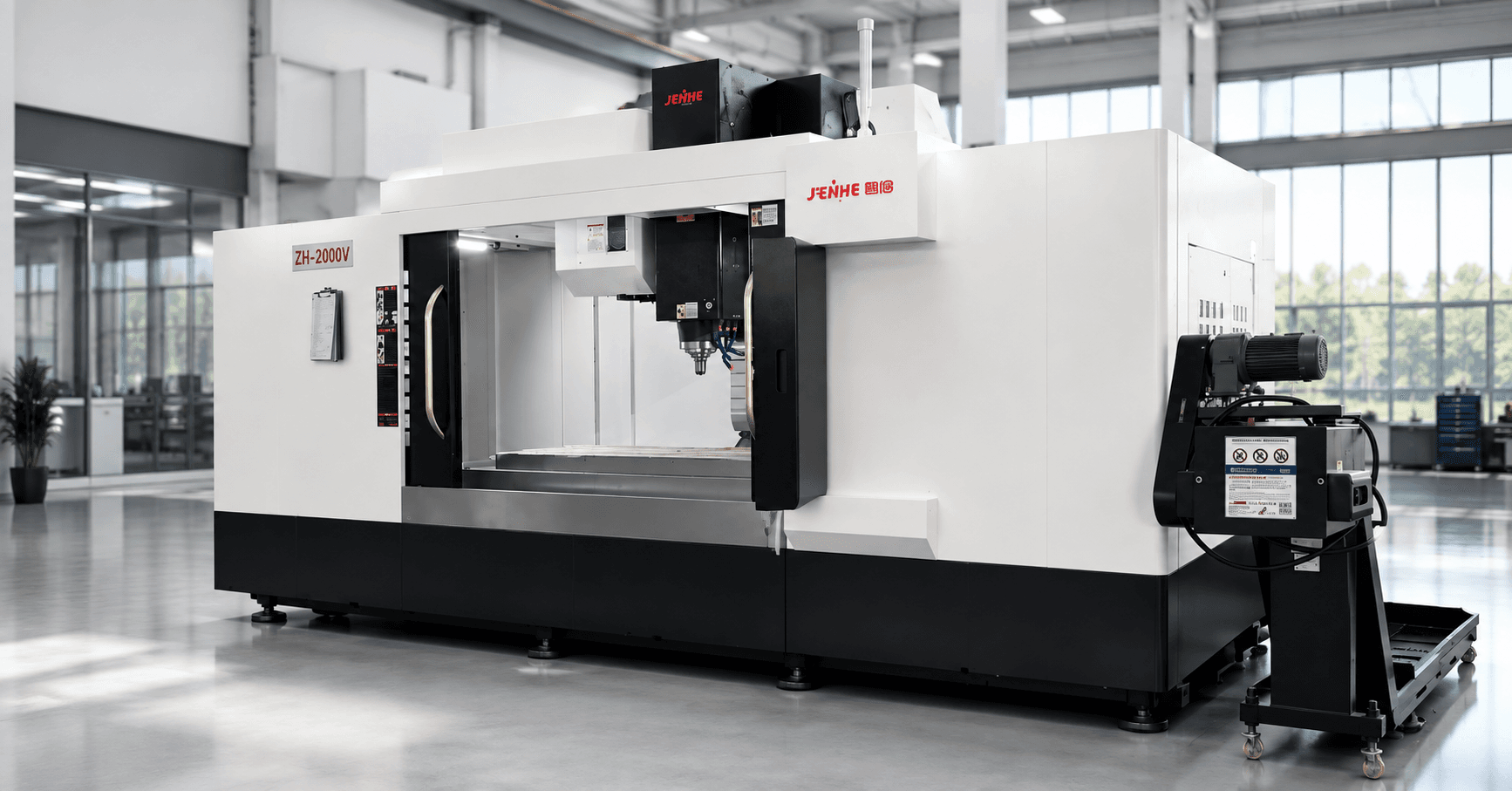
An OEM CNC machine manufacturer should be evaluated through an ownership and change-control map that defines who owns the product specification, brand assets, technical data, configuration, quality evidence, supplier decisions, service content, warranty response, and future revisions. A logo change alone is not an OEM program.
The map prevents commercial expectations from outrunning engineering and service capability. It turns the partnership into a controlled product lifecycle with named decisions, evidence, and release gates.
Map Layer 1: Define the OEM Product Boundary
List the machine family, intended parts, materials, travels, spindle duty, controller, axes, tool system, enclosure, coolant, chips, probing, automation interfaces, safety scope, target markets, documentation languages, and forecast volumes. Mark what is standard, configured, redesigned, buyer-supplied, or excluded.
Separate current release requirements from future options. A possible future market should not silently change voltage, certification, guarding, software, documentation, or service obligations in the first project.
Map Layer 2: Assign Brand and Intellectual Property
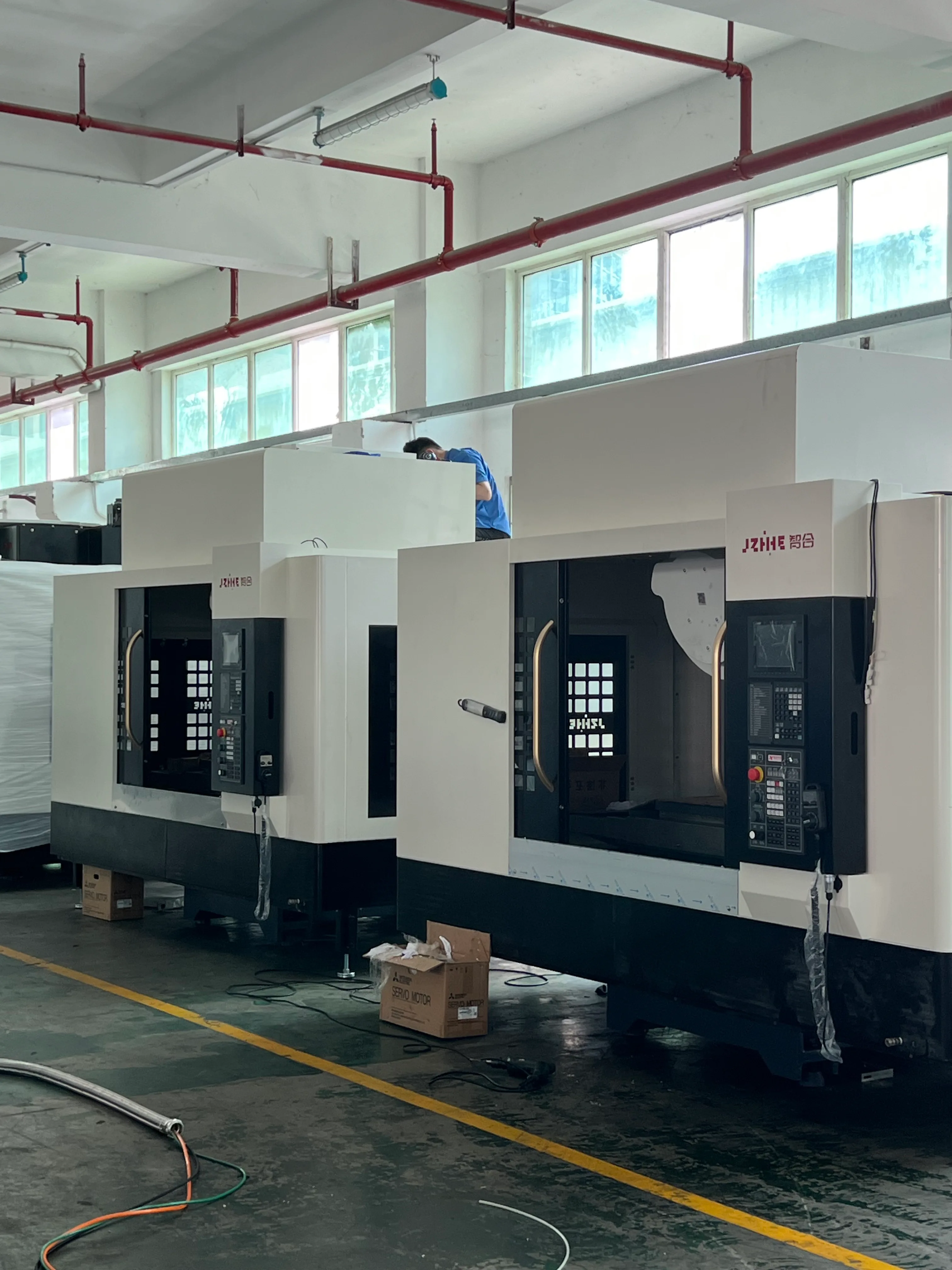
Define trademarks, colors, model names, labels, manuals, photographs, drawings, software, parameters, macros, fixture designs, customer data, and marketing claims. State who may use each asset, in which markets, for how long, and under what approval process.
Do not assume payment automatically transfers ownership. Confidentiality, licensing, exclusivity, tooling, source files, and post-termination use require explicit agreements reviewed by qualified legal advisers.
Map Layer 3: Freeze the Controlled Configuration
Create a configuration record containing approved components, suppliers, drawings, bills of material, software, controller and firmware, electrical standards, labels, manuals, options, spares, and packaging. Give every released machine a traceable genealogy.
An OEM CNC machine manufacturer should notify and approve changes according to defined classes. A substitute motor, sensor, bearing, pump, controller version, or safety component can affect performance, certification, spares, documentation, and service.
| Change class | Example | Required control |
|---|---|---|
| Form/fit/function | Spindle, axis, controller, structure | Technical review and revalidation |
| Compliance | Safety device, electrical component, label | Market and document review |
| Service | Sensor, pump, software, spare | Compatibility and stock update |
| Cosmetic | Color, panel, logo placement | Brand approval and drawing revision |
| Process-only | Internal assembly method | Supplier quality assessment |
Map Layer 4: Define Quality Evidence
Specify incoming inspection, assembly checks, geometry, positioning, rotary verification, spindle or load checks, safety, trial cutting, documentation, packing, and traceability. Tie each requirement to a method, condition, equipment, record, limit, and responsible party.
Separate factory acceptance from site acceptance. Define how open items are recorded and closed. A sample machine can support pilot approval but does not automatically prove series consistency.
Map Layer 5: Control Suppliers and Substitutions
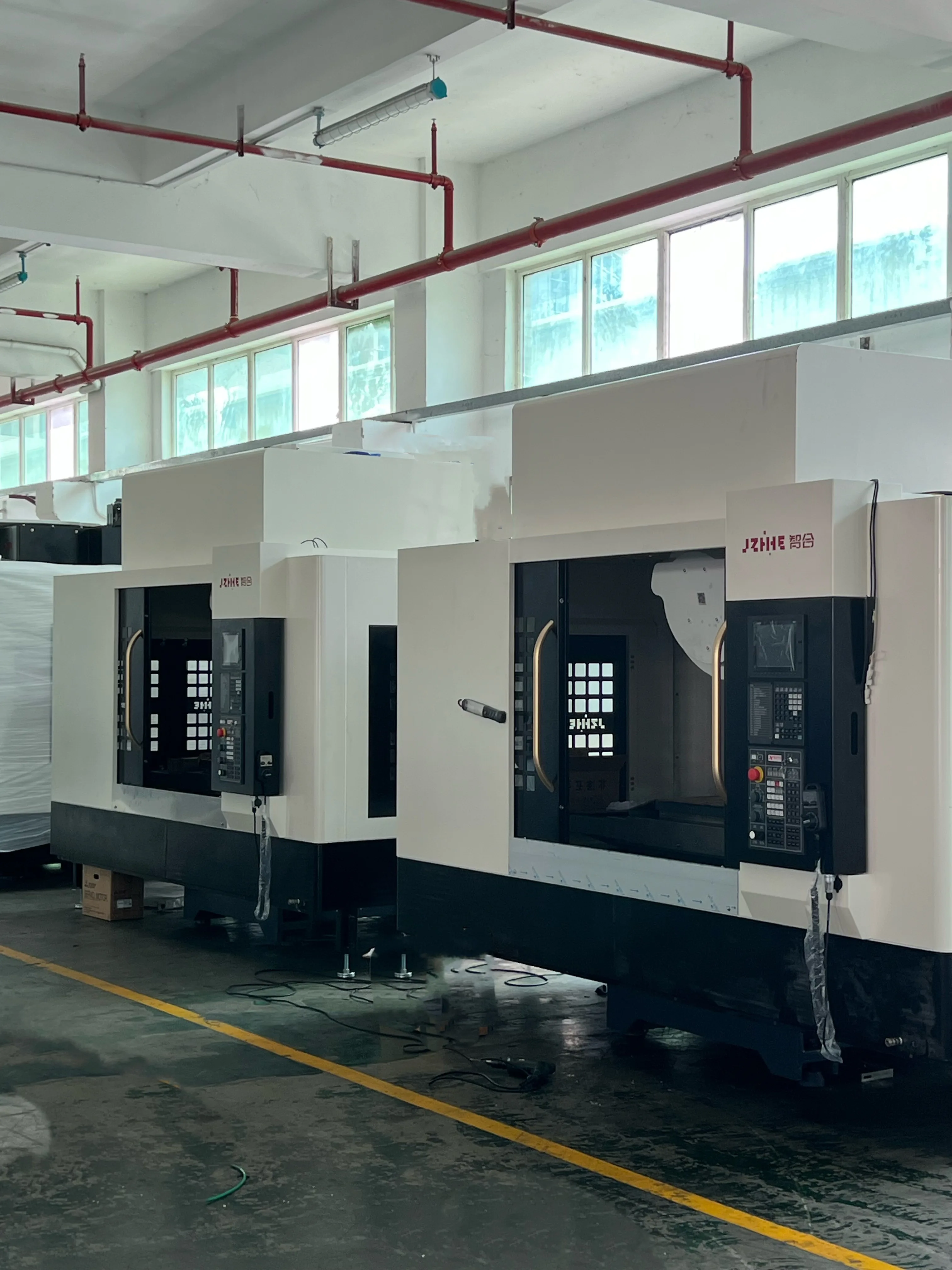
Identify critical components and the approved supplier strategy. Define notification for shortages, obsolescence, alternative parts, lead-time risk, and quality incidents. Decide which substitutions require buyer approval and which the manufacturer can manage within an agreed specification.
Balance transparency with practical supply management. Requiring approval for every minor consumable can slow delivery, while uncontrolled critical substitutions can damage consistency and service.
Map Layer 6: Divide Documentation and Compliance Work
Assign technical files, risk assessments, electrical diagrams, declarations, labels, manuals, translations, import data, testing, and local-market responsibilities. Requirements vary by destination and can change; use qualified legal, safety, customs, and certification advice.
Ensure marketing claims match the approved machine and evidence. Avoid publishing universal accuracy, performance, or compliance statements that apply only to a specific configuration or test condition.
Map Layer 7: Design Service and Warranty Ownership
Define first response, remote diagnosis, local technician work, escalation, spare identification, stocking, travel, labor, freight, software access, training, and warranty approval. Decide whether the OEM brand, manufacturer, distributor, or integrator communicates with the end customer.
Review Zhihe CNC's manufacturing and service background and the product portfolio when assessing platform and lifecycle responsibilities.
Run a Pilot-to-Series Release
- Approve the product boundary, brand assets, configuration, and acceptance plan.
- Build the pilot with traceable components and controlled documents.
- Complete factory testing, trial evidence, packing, delivery, and site feedback.
- Close engineering, quality, service, documentation, and market actions.
- Freeze the series baseline and permitted change process.
- Review early serial machines for consistency before volume expansion.
Keep a Configuration Genealogy
For every serial number, retain the released specification, component revisions, software, options, tests, deviations, shipment, installation, warranty events, and approved changes. This genealogy supports spares, diagnosis, upgrades, field actions, and resale documentation.
Where OEM Programs Fail
OEM is not automatically the best route when forecast volume is too low for governance and documentation effort, when the buyer lacks service capability, when customization remains undefined, when compliance ownership is unclear, or when exclusivity expectations are unsupported by commitments. A standard branded machine or distributor agreement may be simpler and lower risk.
FAQ
Does OEM always require a fully redesigned machine?
No. It can range from controlled branding and configuration to deeper engineering, but the exact scope and ownership must be written.
Who owns drawings and software?
Ownership depends on contracts, licenses, pre-existing assets, and project agreements; payment alone should not be treated as the answer.
How many pilot machines are required?
The number depends on technical novelty, markets, configuration variation, quality risk, service model, and evidence from early operation.
Can a component be substituted without notice?
Only within the agreed change classes and specification. Critical changes should follow defined notification, approval, and validation rules.
Submit an OEM Governance Brief
To evaluate an OEM CNC machine manufacturer, send target products, markets, application drawings, forecast, required customization, brand scope, documentation languages, compliance responsibilities, component preferences, acceptance plan, service model, warranty expectations, exclusivity needs, and launch timing. Use the contact page to request a platform and governance review.