What buyers really mean when they ask for precision CNC machine tools
In most purchasing conversations, precision CNC machine tools is less a single product category than a short way of saying, “We need stable machining results, repeatable setup, and a machine that won’t become the bottleneck.” That matters whether you are buying for a job shop, a mold room, or a small production line. The wrong machine can look fine on paper and still struggle with surface finish, cycle consistency, or everyday operator handling.
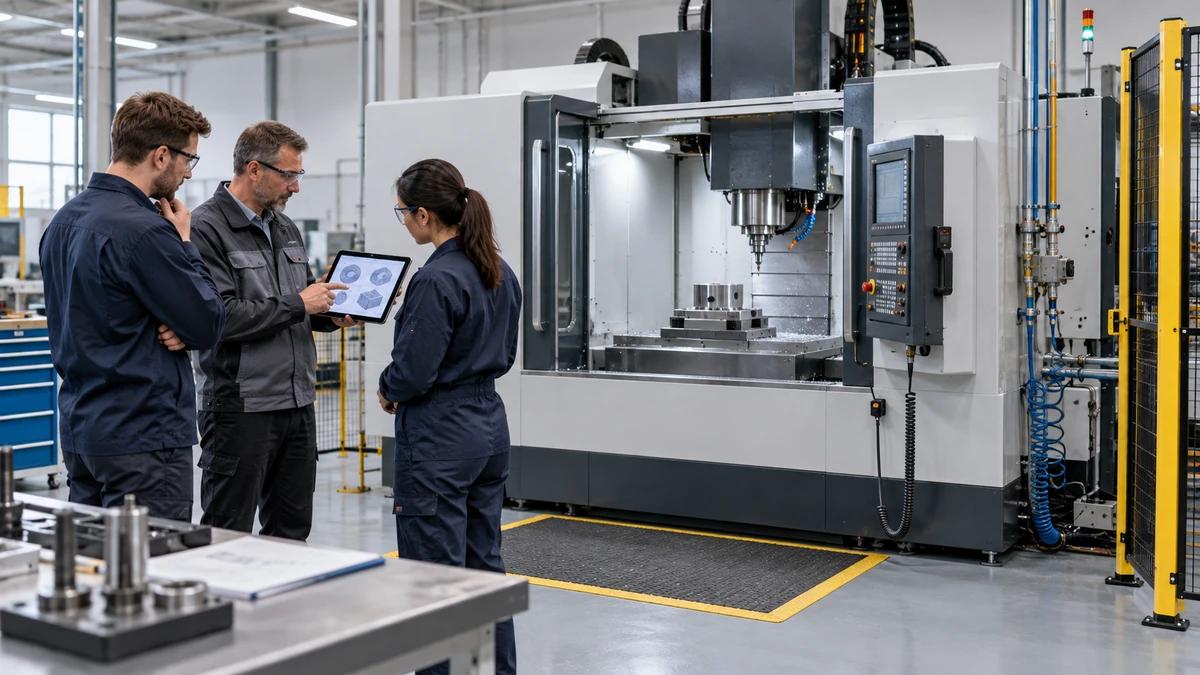
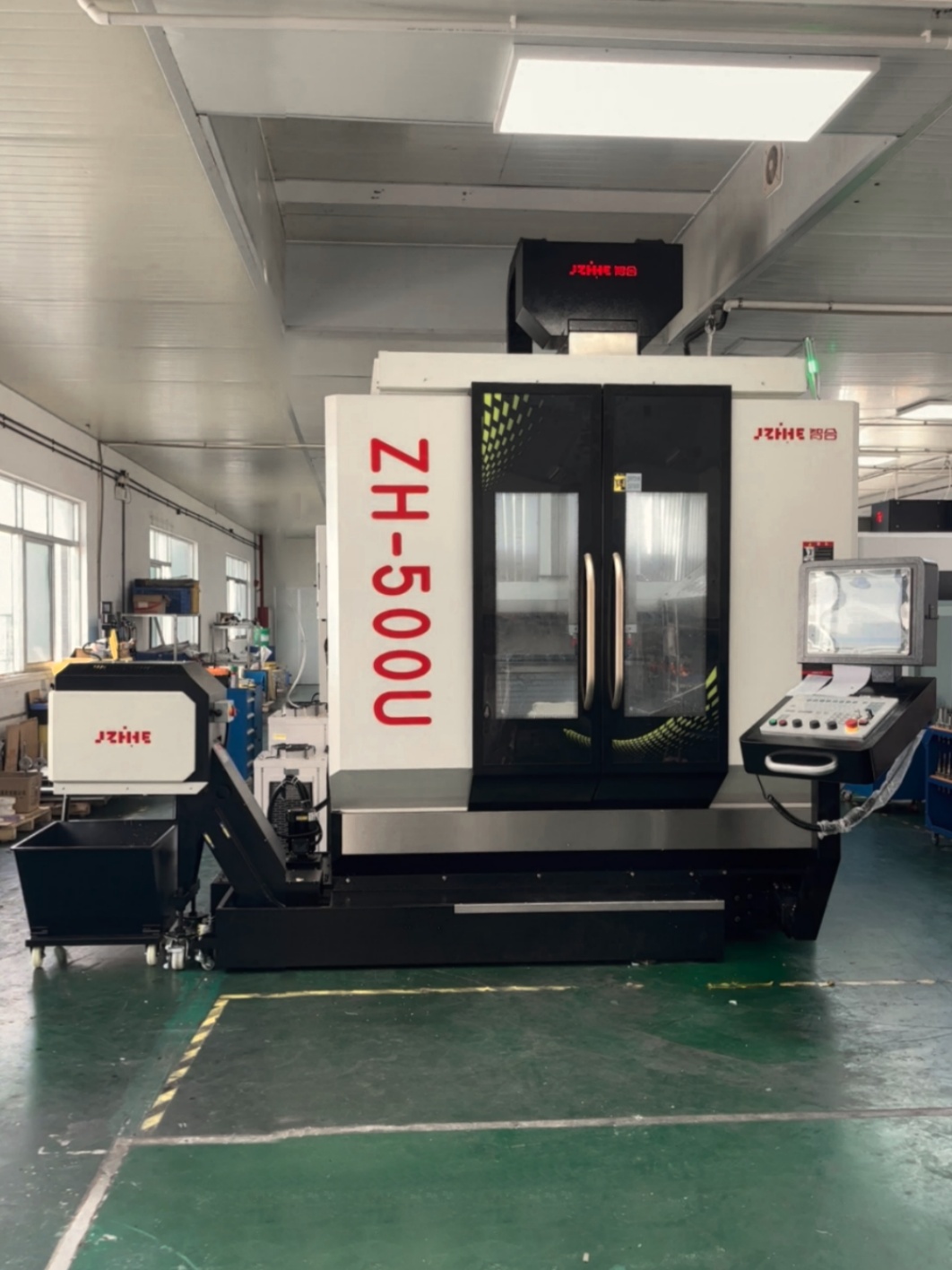
The enclosed CNC milling machine shown here, marked ZH-855V and branded JZHIE, fits the practical side of that discussion. It is a vertical machining center layout with a fully enclosed work area, front access doors, an integrated control console, and coolant hoses inside the chamber. Those are basic features, but they are the features buyers notice once chips start flying and parts start stacking up.
Why this machine format is so common in metalworking
An enclosed vertical machining center is widely used because it keeps the cutting zone contained. That helps with chip control, coolant management, and general shop safety. For teams running drilled, milled, or tapped parts all day, enclosure design is not cosmetic; it affects cleanliness around the machine, operator visibility, and how often the machine has to be stopped for cleanup.
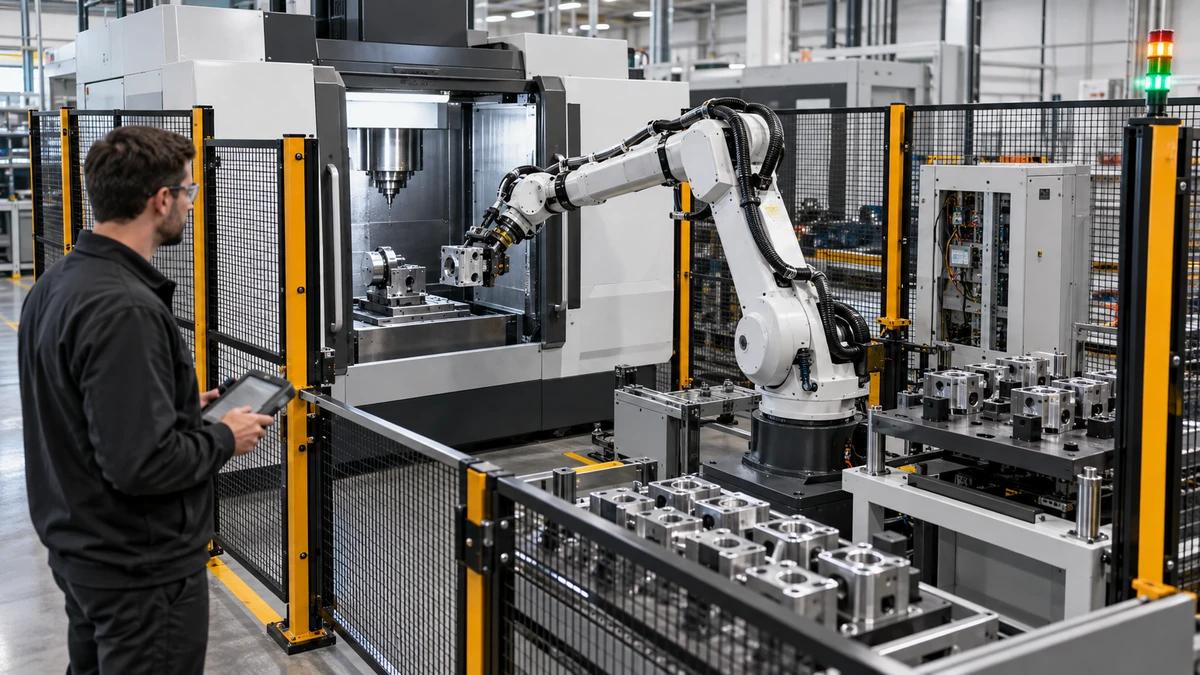
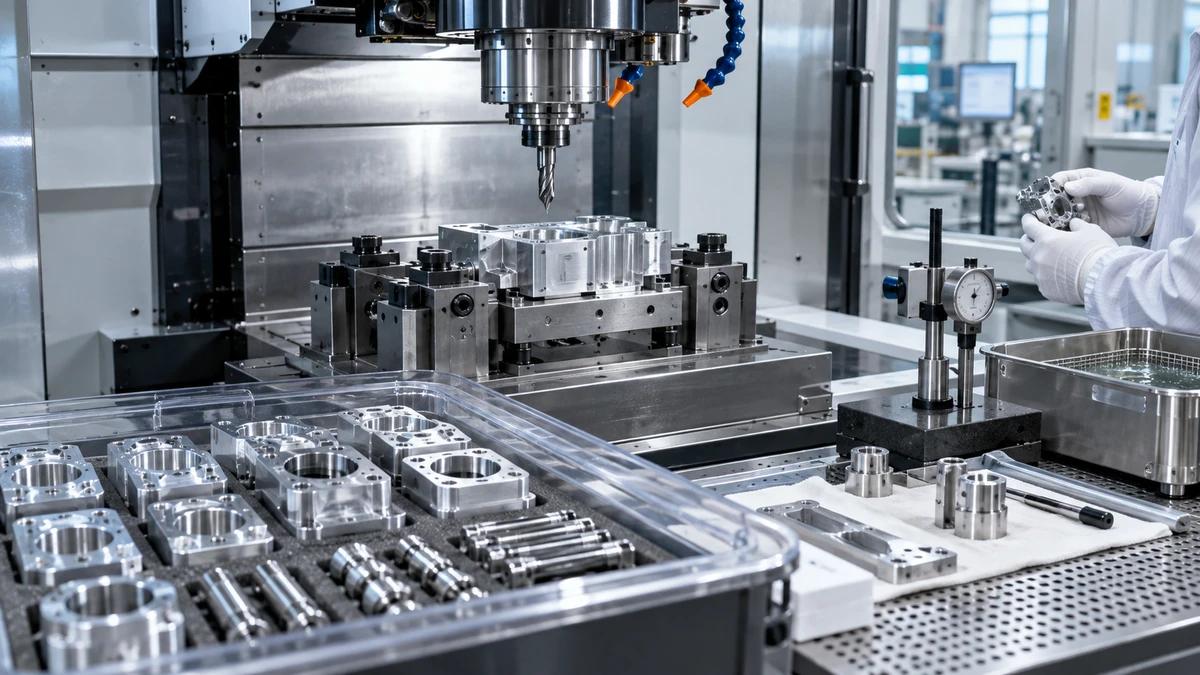
This type of machine is often selected for fixture machining, prototype parts, small-to-medium batch work, mold and die components, and general metalworking jobs. It is also a familiar format for buyers who need one platform to handle several operations without moving the workpiece between separate machines. That can save time, though it also means the buyer needs to be honest about part size, tool access, and the actual mix of operations.
Quick comparison: what to check before you compare price
When sourcing a CNC machining center supplier, the visible machine style is only the beginning. Two machines can look similar and behave very differently on the floor. Before comparing offers, ask what really matters for your parts:
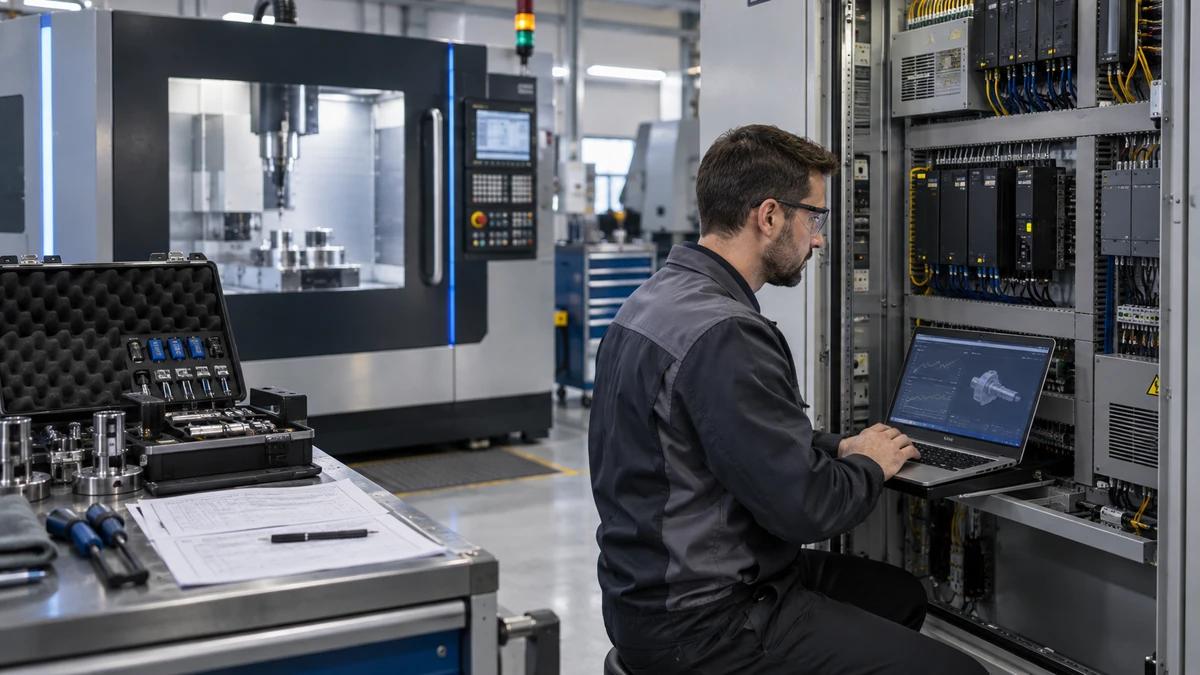
First, confirm the machine’s intended workload. A machine for aluminum fixture plates is not automatically the right choice for heavy steel cutting. Second, look at the control layout and operator access. The integrated console on the ZH-855V suggests a conventional shop-friendly interface, but the controller brand and software are not visible here, so that still needs confirmation. Third, evaluate enclosure access and chip evacuation. A fully enclosed machine helps, but poor chip removal can still slow production.
How to think about a vertical machining center China offer
For many international buyers, the phrase vertical machining center China appears in searches because they want a balance of capability, configuration options, and sourcing flexibility. That is sensible, but it also creates a familiar trap: people fixate on catalog claims and underweight after-sales support, installation guidance, and spare parts planning.
Zhongshan Zhihe CNC Technology Co., Ltd. says it was established in 2018 and works across vertical machining centers, horizontal machining centers, gantry machining centers, drilling and tapping centers, CNC milling machines, and five-axis machining centers. The company also indicates support across selection, delivery, installation guidance, operator training, warranty service, and spare parts. For buyers, that kind of full-chain support can matter as much as the machine itself, especially if the machine is going into a first-time CNC application or a plant that cannot afford long downtime.
Useful questions to ask a supplier
Ask which workpiece types the machine is being recommended for, and whether the recommendation changes with material, precision target, or production volume. Ask for proof of configuration rather than assuming a single model covers every use case. If your parts involve repeated drilling, tapping, and multi-face machining, the machine’s rigidity and control consistency become more important than a broad brochure list of features.
Common buyer mistakes with enclosed CNC milling machines
A frequent mistake is buying for the part drawing but not for the process flow. Another is assuming that all enclosed machines are equally suited to automation, fixture loading, or continuous shifts. A third mistake, and one I still see too often, is failing to ask for trial cutting or verification with real materials. Zhihe notes that it can support trial cutting verification, which is worth taking seriously if your parts have tight process windows.
Buyers should also be careful not to overread what is visible in a product photo. The ZH-855V clearly shows the enclosure, control console, spindle area, and coolant lines, but it does not show spindle speed, travel range, tool magazine capacity, table size, or axis configuration. Those are not small details. They decide whether the machine fits your program or simply fits your floor.
Practical selection advice for engineering and sourcing teams
If you are selecting precision CNC machine tools for an internal production cell, build the conversation around parts, not brochures. Start with material, dimensions, tolerance expectations, and daily output. Then check whether the vendor can recommend a machine model, control system, and fixture support that fits those realities. For a supplier like Zhongshan Zhihe CNC Technology Co., Ltd., the value proposition appears to be configuration flexibility and service support, which is useful if your production mix changes often.
For buyers managing import logistics, packaging and transport support also deserve attention. The company states that it can support safe packaging, sea freight, land transport, logistics coordination, and delivery documents for overseas customers. That is not glamorous, but it is the kind of detail that prevents headaches after the purchase order is signed.
FAQ: short answers buyers usually need
Is the ZH-855V a 3-axis machine?
The image suggests a vertical machining center layout, but the exact axis configuration is not confirmed from the available information.
What types of parts is it suited for?
It appears suitable for drilling, milling, and general metal part machining, including job shop work, mold components, fixtures, prototypes, and small-to-medium batch production.
What should I request before quoting?
Ask for workpiece drawings, material, dimensions, precision requirements, expected output, and the preferred machine configuration. That is the fastest way to get a relevant recommendation rather than a generic model list.
Next step for buyers
If you are comparing enclosed vertical machining centers, use the parts you actually run as the starting point. Share drawings, material data, target tolerances, and production volume with the supplier, then ask how the machine will be configured and supported. That is the difference between buying a machine that looks suitable and buying one that earns its keep on the floor.
For specific machine recommendations, Zhongshan Zhihe CNC Technology Co., Ltd. says it can help with model selection, control system choice, fixture support, trial cutting, installation guidance, and service planning. In this category, that combination is often what turns a technical inquiry into a workable purchasing decision.