What buyers are really looking for in precision CNC machine tools
When engineers or sourcing teams start comparing precision CNC machine tools, they are usually not shopping for a shiny cabinet or a big-name badge. They are trying to reduce risk: can the machine hold up in daily production, fit the parts in front of them, and stay practical when the job changes from aluminum brackets to steel fixtures or a mold component? That is the real decision behind the spec sheet.
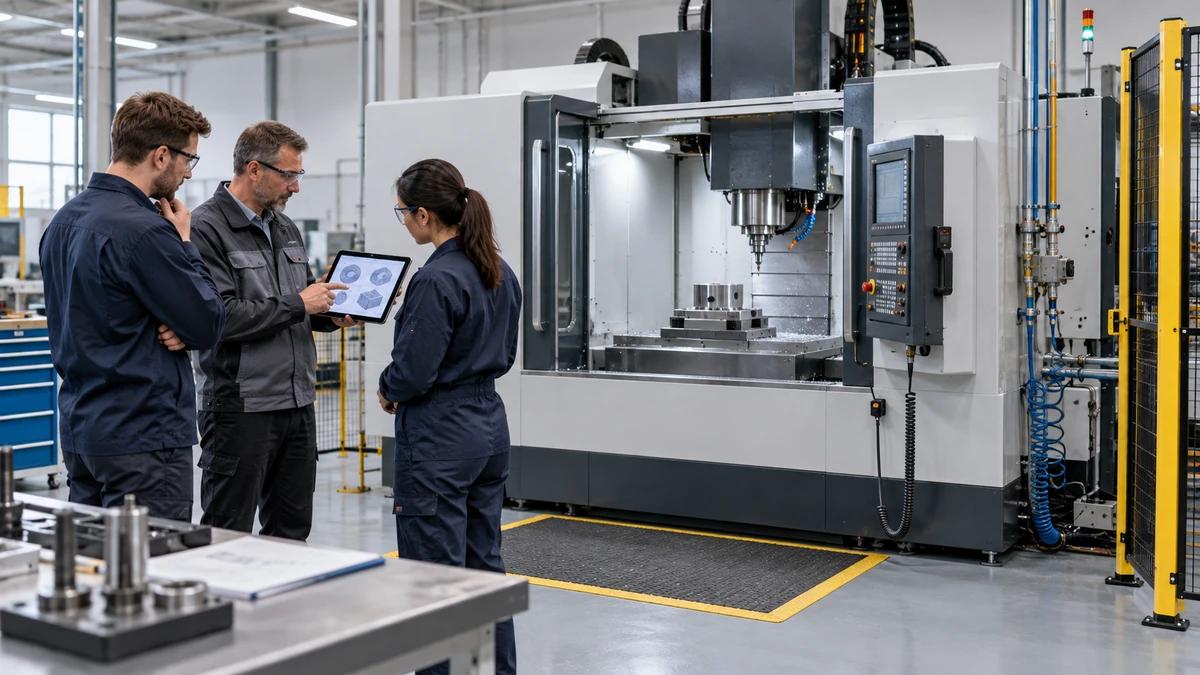
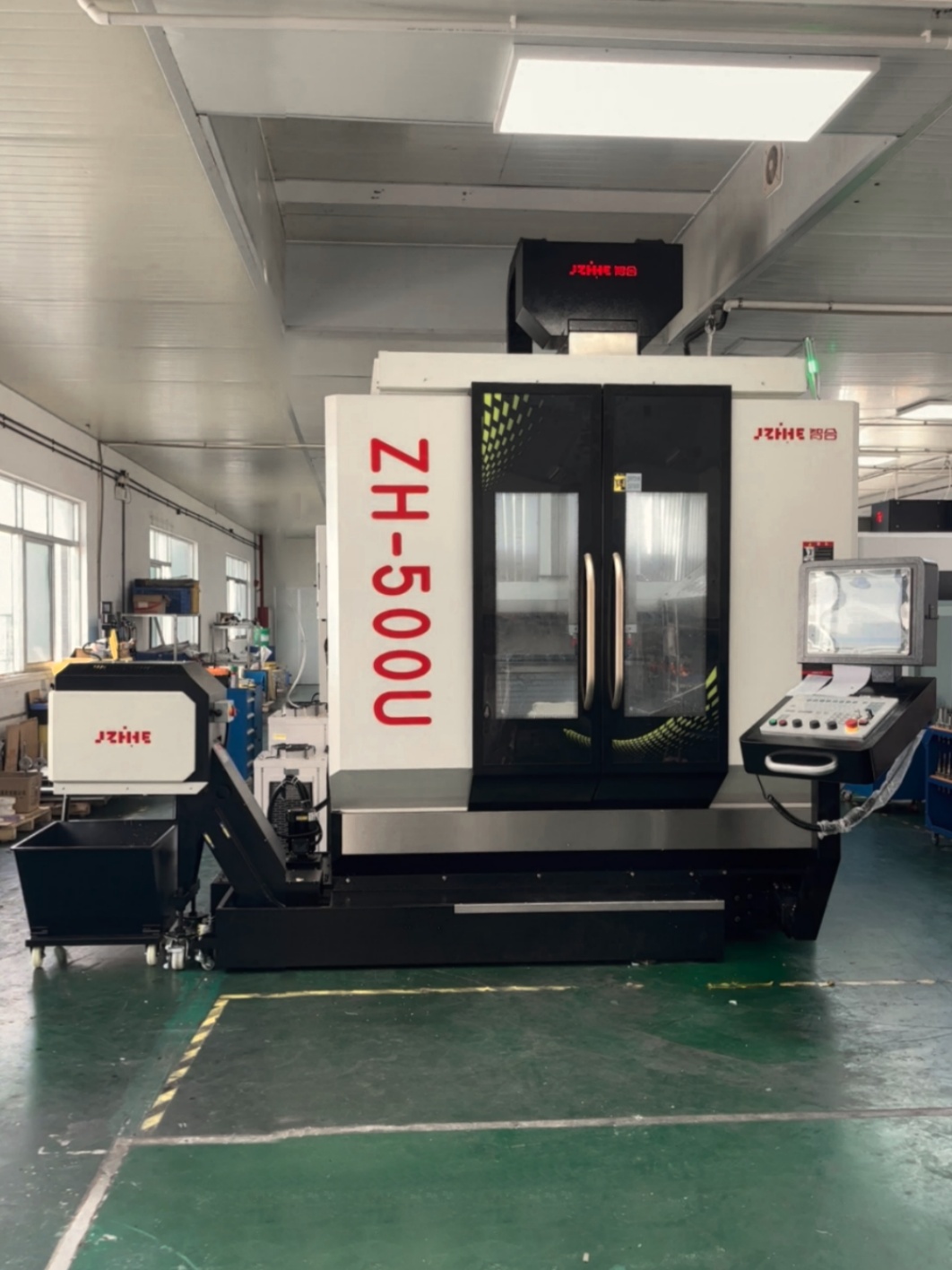
For many plants, an enclosed vertical machining center sits at the center of that decision. The ZH-855V shown by JZHE / 智合 is a good example of the category: a floor-standing, enclosed CNC machining center with front access doors, an integrated control panel, and the kind of compact industrial layout buyers expect for milling, drilling, tapping, and contour work. It is not the sort of machine that answers every manufacturing question, but it does tell you a lot about how the supplier thinks about usability and shop-floor safety.
Why the machine format matters more than the brochure language
There is a habit in procurement to compare broad machine labels without first matching the machine format to the parts. That can be expensive. A vertical machining center, for example, is often chosen because it handles common subtractive machining tasks efficiently and keeps setup logic straightforward for operators. If your parts are mostly prismatic, repeatable, and need multiple face operations, the VMC format usually makes more sense than chasing a more complex platform before you need one.
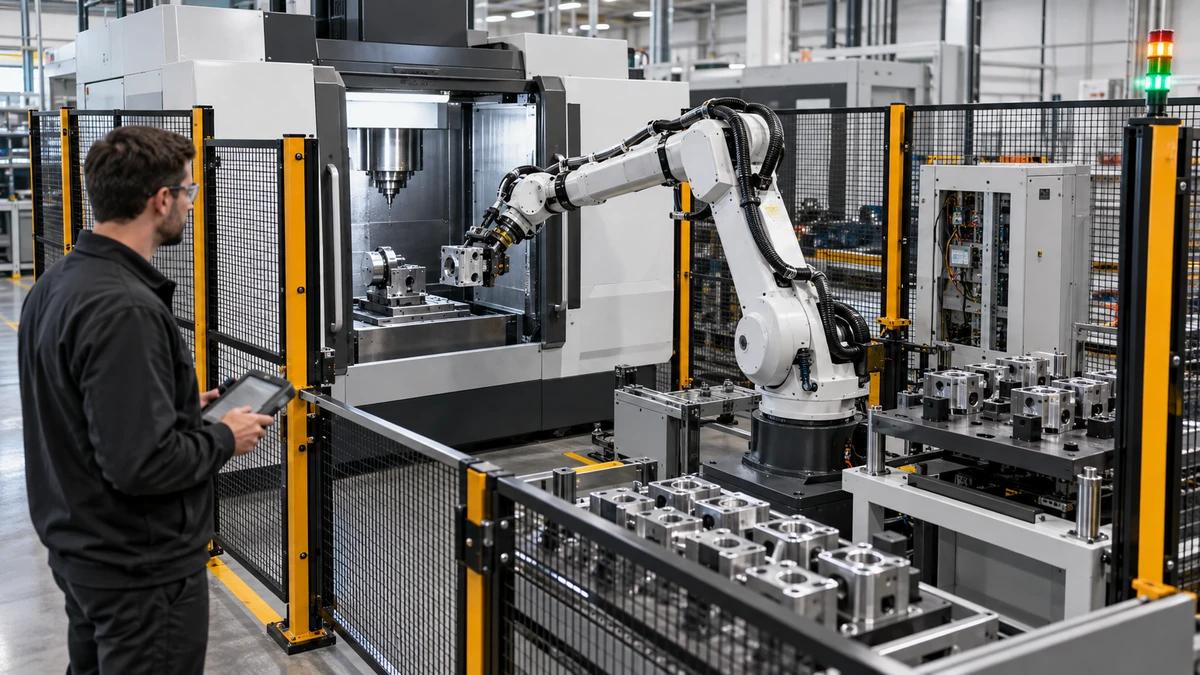
In the case of the ZH-855V, the visible enclosure and control console suggest a machine designed for regular production use rather than casual prototyping. The cabinet-style guarding is not just a safety feature; it also helps contain chips and coolant, which matters when a shop is trying to keep uptime reasonable. Small details such as front doors with long handles, machine lighting, and accessible coolant nozzles can save time over a long shift. That is not glamorous, but it is how real output gets protected.
What a CNC machining center supplier should be able to explain clearly
A serious CNC machining center supplier should be able to talk beyond the base machine photo. Buyers need to know how the machine is intended to be used, what options can be configured, and what support follows after delivery. Zhongshan Zhihe CNC Technology Co., Ltd., founded in 2018, says its product range includes vertical machining centers, horizontal machining centers, gantry machining centers, drilling and tapping centers, CNC milling machines, and five-axis machining centers. More importantly, it describes support that runs from selection and delivery through installation guidance, operator training, warranty service, and spare parts support.
That matters because machine selection is rarely only about axes and spindle power. A supplier that can help with fixture support, test cuts, controller selection, and process matching is often more useful than one that only sends a quotation. In practice, buyers often need help aligning the machine to the part family, not just to the budget.
Questions worth asking before you place an order
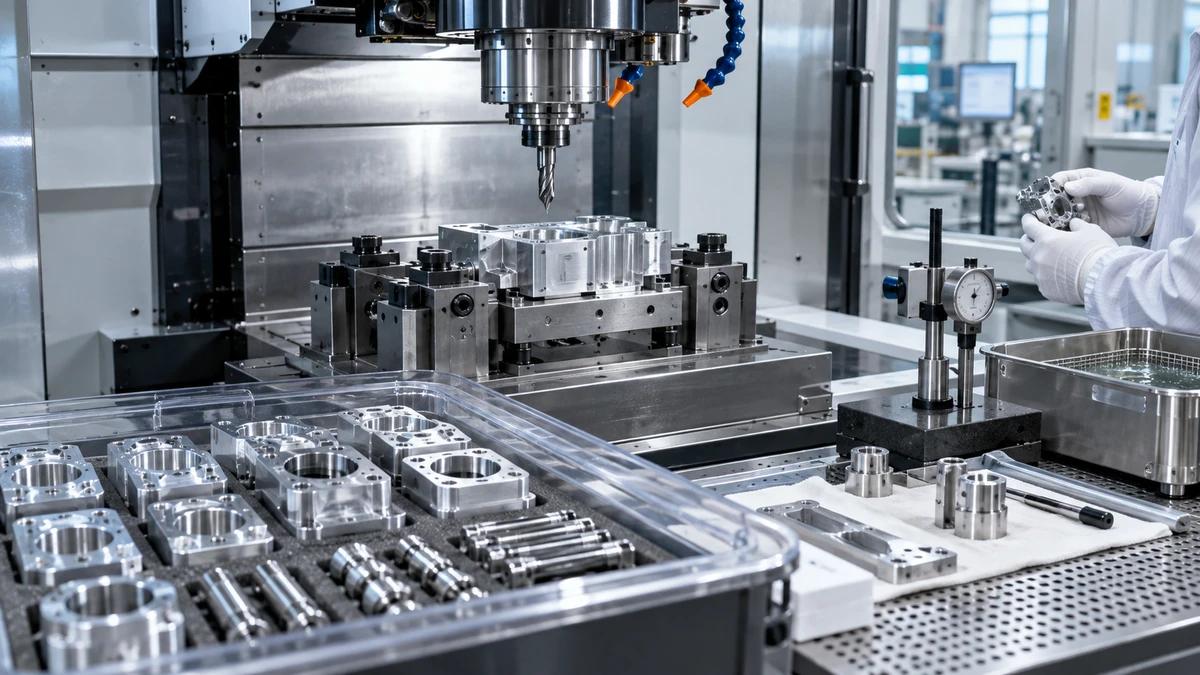
What materials will the machine see most often: steel, aluminum, or a mixed production flow? What is the tolerance expectation, and how stable is the workload? Will the machine serve batch production, tooling, or fixture work? Can the supplier recommend a control system and support the first trial cuts? These questions are more useful than asking for a generic “high precision” promise.
For overseas buyers, logistics also deserves a plain answer. Zhihe states that it supports safe packaging, domestic and international transport coordination, and can provide packing photos and shipping documents for export customers. That kind of operational detail is often overlooked until the machine is already on a vessel or at a customs point.
How to judge a vertical machining center China offer without getting lost in specifications
When people search for a vertical machining center China source, the temptation is to compare the longest feature list. That is the wrong order. Start with the parts, then the process, then the machine. A buyer should look at workpiece size, material, required features, number of setups, and the production target before getting distracted by extras. A machine with the wrong envelope or poor service support can cost more over a year than a slightly higher initial purchase price.
There is also a practical warning here: not every visible machine detail tells you the whole story. From the ZH-855V image, we can see the enclosed structure, the integrated control panel, and the general VMC layout, but we cannot verify table size, travels, spindle speed, spindle taper, controller model, weight, or exact accuracy. Those must come from the supplier’s confirmed documentation and, ideally, trial machining on your own part.
Common buyer mistakes that slow down projects
One common mistake is choosing a machine for peak capability when the real workload is routine and repetitive. Another is assuming that a standard enclosure and control panel mean the machine will be easy to integrate without checking power, floor space, chip handling, or operator workflow. A third is skipping fixture planning. For many shops, the machine is not the bottleneck; clamping and part changeover are.
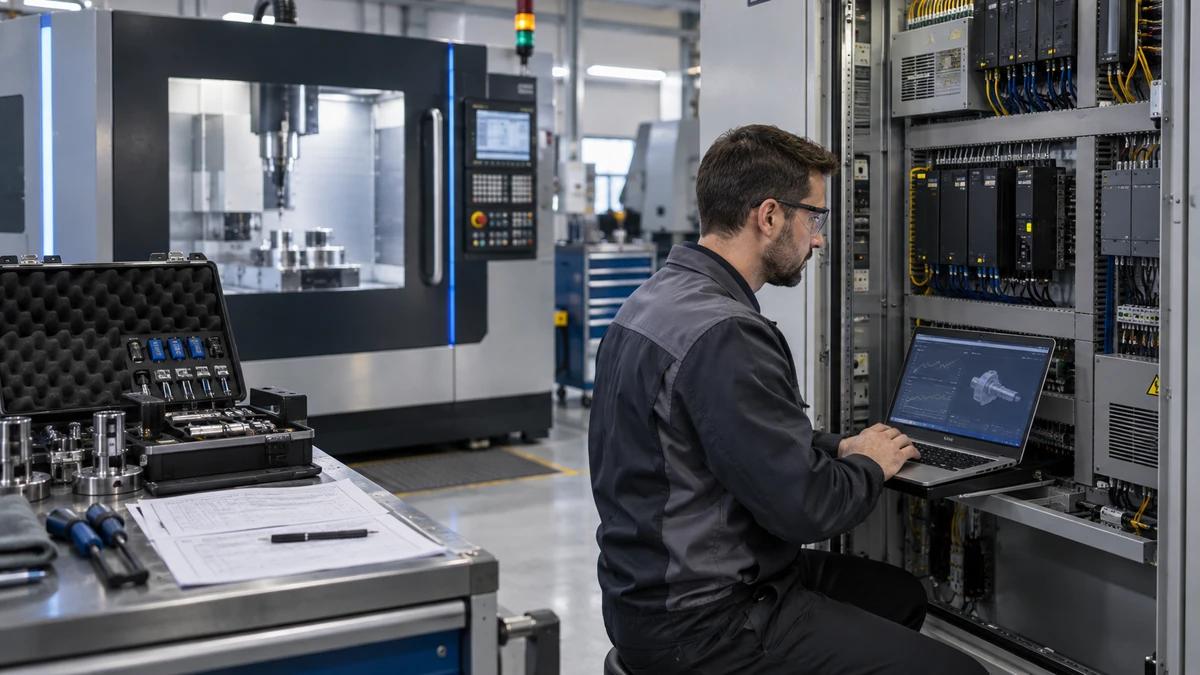
It is also easy to ignore training. A machine may be mechanically suitable, but if operators do not understand setup discipline, tool offsets, or basic preventive care, production quality will drift. Suppliers that include installation guidance and operation training are usually saving the buyer from later frustration, even if that support is not fully visible in the spec sheet.
Where this kind of machine fits in real production
The applications listed by Zhihe give a sensible picture: automotive parts, 3C electronics, aluminum components, precision hardware, communication equipment, molds, home appliances, and lithium battery equipment. That is the kind of cross-industry range typical of precision CNC machine tools used for drilling, tapping, milling, multi-face machining, mold work, and batch production. The ZH-855V, as presented, fits squarely into that world.
If your shop is still comparing options, the best next step is to request a recommendation based on part drawings, material, dimensions, accuracy targets, and production volume. That is the point where a machine becomes a process decision rather than a catalog entry. For buyers trying to narrow down a supplier, it is often worth asking for a machine proposal, control configuration advice, and a trial-cut discussion before the purchase moves forward.
Practical next step
If you are evaluating precision CNC machine tools for a new production cell or a capacity upgrade, ask suppliers to map the machine to your actual part family. For Zhihe, that means sharing drawings, material details, precision requirements, and output targets so the recommendation is grounded in the work, not the brochure. That is usually where a good sourcing conversation starts to become a useful manufacturing decision.