What buyers are really checking when they look at precision CNC machine tools
When engineers and sourcing teams start comparing precision CNC machine tools, they are usually not shopping for a shiny enclosure. They are trying to reduce risk: can the machine hold repeatable quality, fit the part mix, and run without turning the shop floor into a firefight of chips, coolant, and late deliveries? That is the real decision behind the spec sheet.
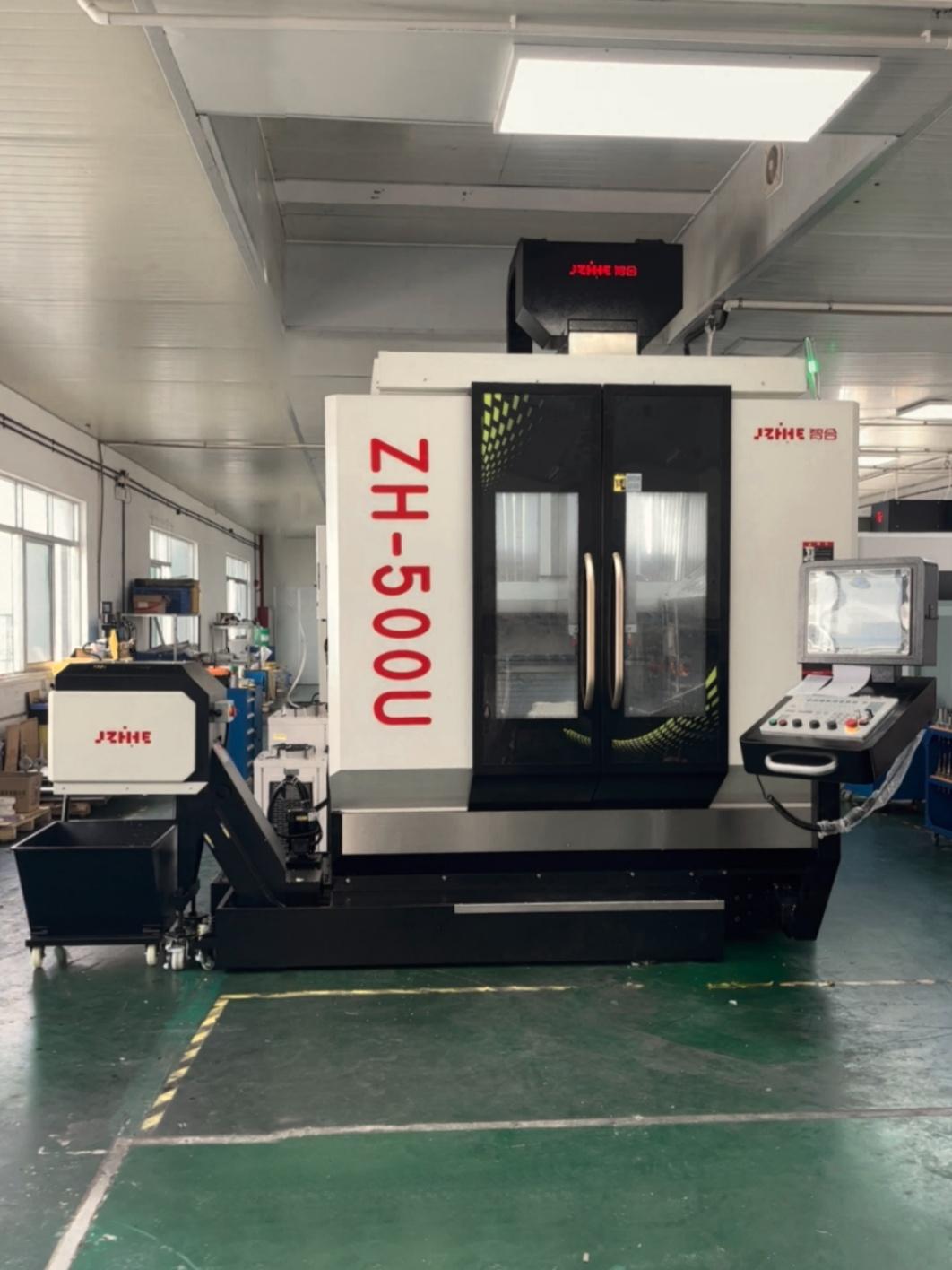
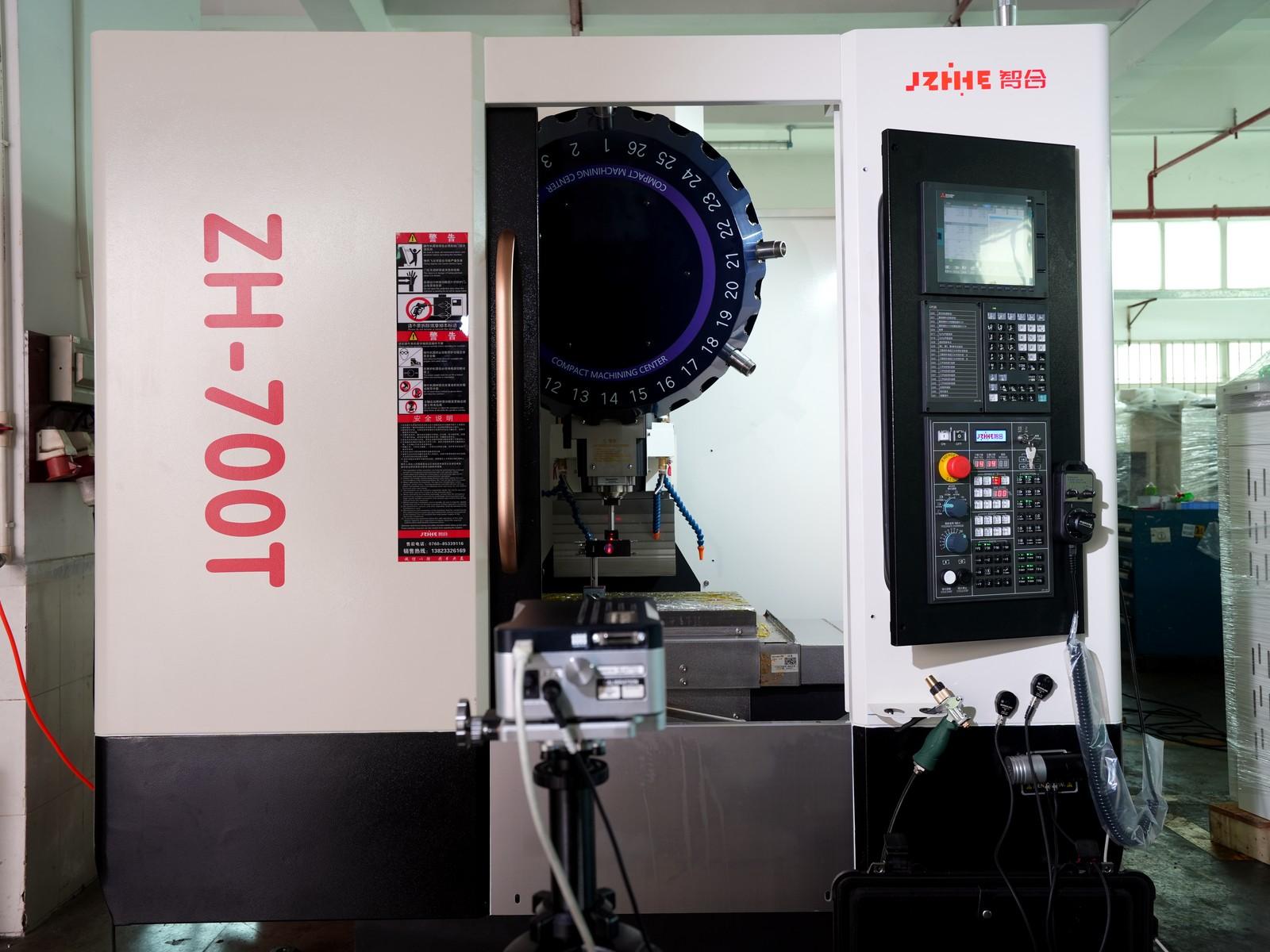
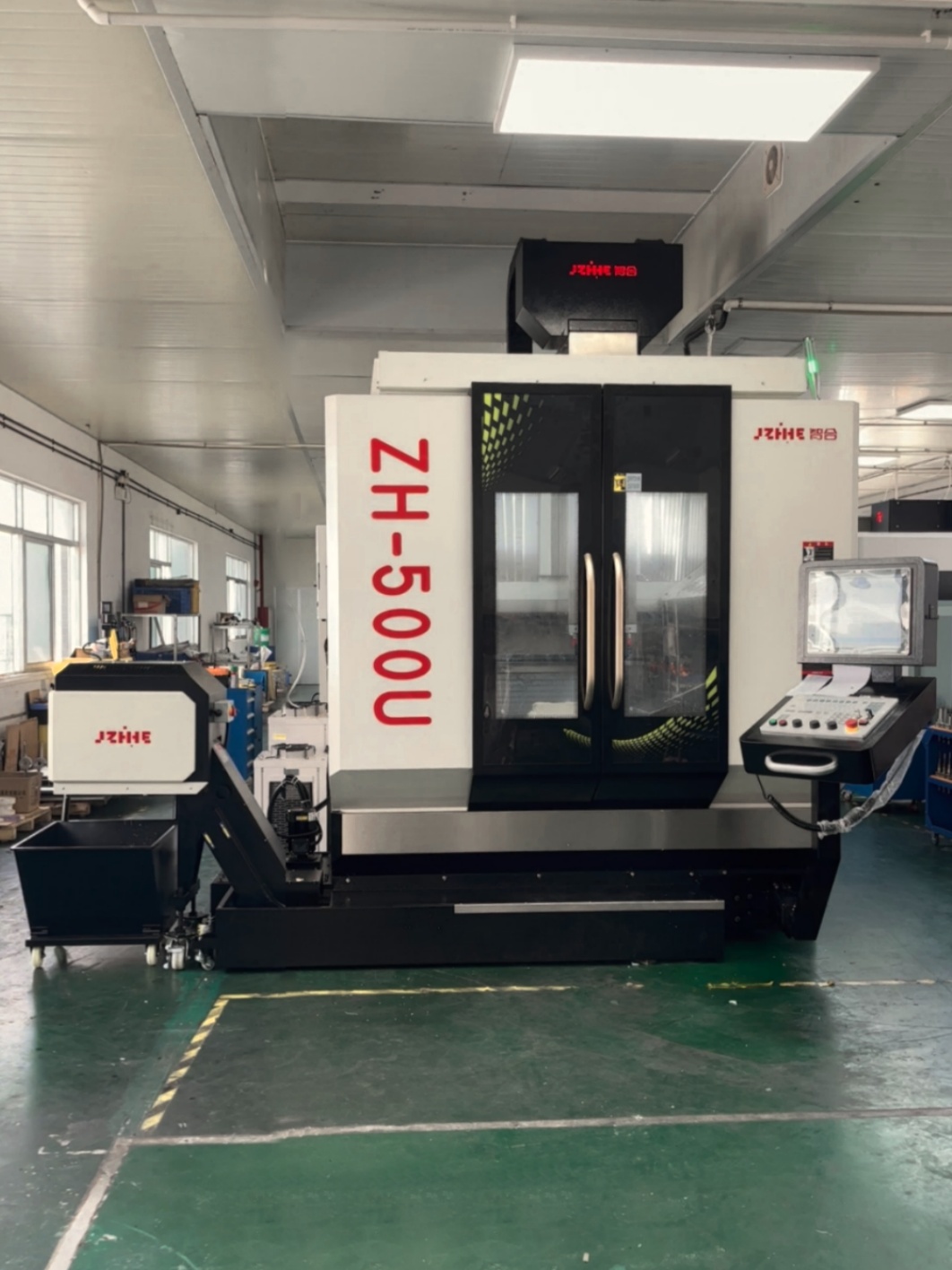
A machine like the ZH-855V shown in the provided product details sits squarely in that practical middle ground. It appears to be an enclosed vertical CNC machining center with a T-slot table, front-opening doors, a right-side control panel, and visible coolant delivery. That combination tells buyers something useful even before the exact spindle speed or travel ranges are known: this is the kind of cabinet-style machine built for enclosed metal cutting, drilling, tapping, and milling where chip control and repeatability matter.
A quick read on the machine type
The image and product notes suggest a 3-axis vertical machining setup, though the exact axis count is not confirmed. That caution matters. Too many buyers assume every vertical machine will behave the same way once the doors close and the program starts. In practice, the value comes from the match between the machine’s structure and the job in front of it.
The visible features point to a general-purpose production environment:
An enclosed work chamber helps contain chips and splash, which is more than a housekeeping issue. It protects operators, improves cleanliness around the machine, and makes coolant management less of a daily nuisance.
The spindle head and coolant nozzles suggest the machine is intended for metal removal work rather than light routing or bench-style use. The T-slot table indicates conventional workholding flexibility, which is still important for fixtures, vises, plates, and small batch setups.
The digital CNC control panel on the right side is another practical clue. For production teams, the interface often matters as much as the hardware. If operators cannot set up jobs quickly or recover from a stoppage without confusion, the machine’s mechanical precision never gets fully used.
Where this kind of machine fits in production
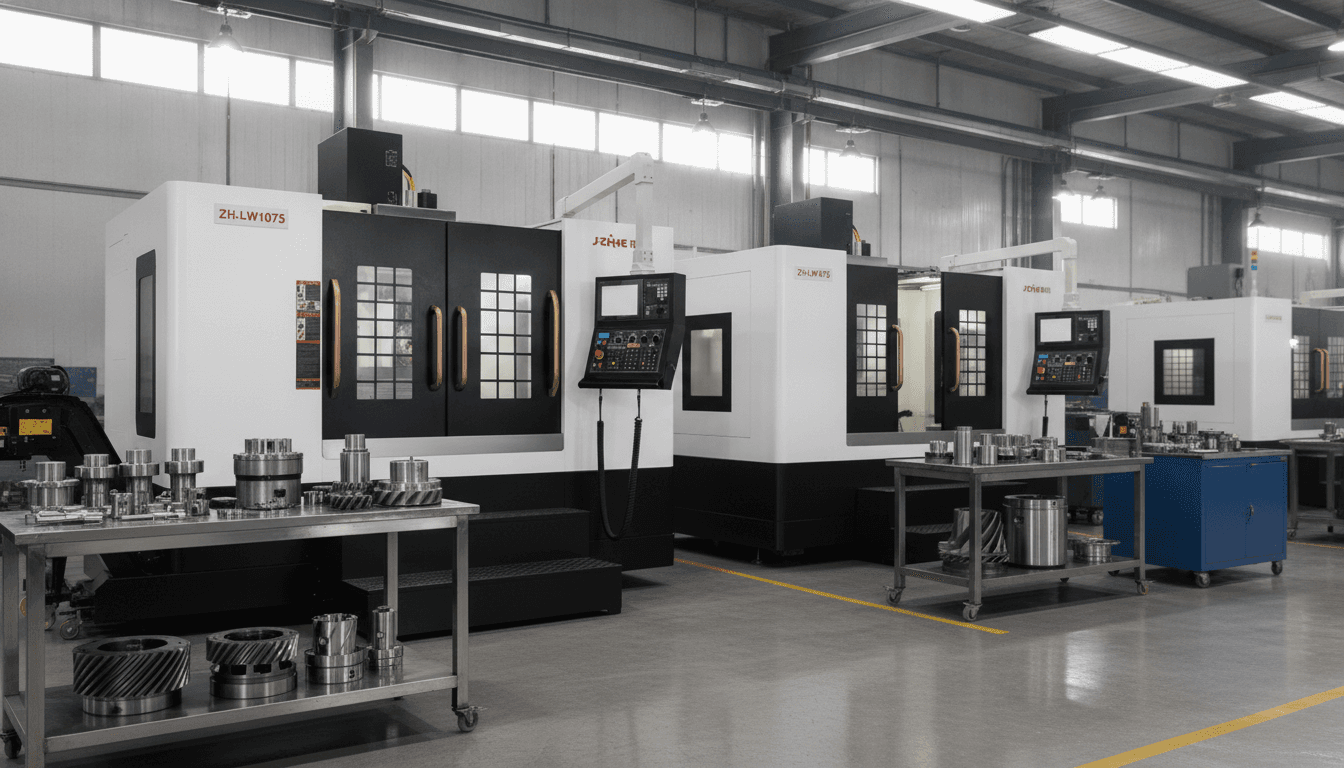
Zhongshan Zhihe CNC Technology Co., Ltd. describes its product range as including vertical machining centers, horizontal machining centers, gantry machining centers, drilling and tapping centers, CNC milling machines, and five-axis machining centers. That broader lineup suggests the company is positioned to support different part sizes and process routes, not just one narrow application.
For the ZH-855V category, the likely buyers are job shops, mold and die shops, hardware manufacturers, and industrial parts producers. These users tend to need a machine that can move between part families without excessive drama. Fixtures, jigs, housings, precision components, and machined metal parts all fit the same basic envelope, even if the final process path differs.
The company information also points to customers in automotive parts, 3C electronics, aluminum processing, precision hardware, communications equipment, molds, home appliances, and lithium battery equipment. That is a useful reminder: the same vertical machining center can be asked to do very different work, but the buyer should always confirm whether the machine configuration matches the material, accuracy target, and production volume.
Selection criteria that matter more than brochure language
A sourcing manager comparing a CNC machining center supplier should look past the headline description and press for the details that affect daily output.
Start with part size and fixturing. If the work envelope is too small, the team will spend time re-clamping parts or redesigning fixtures. If it is too large, the machine may be overkill for the duty cycle.
Then look at spindle and controller suitability. The provided data does not confirm spindle power, speed, or controller brand, so those should be asked directly. For precision work, those omissions are not trivial; they determine whether the machine is better suited to light finishing, heavier cuts, or mixed production.
Finally, ask about service support. Zhihe says it supports selection guidance, installation direction, operator training, trial cutting verification, warranty service, and spare parts support. That is the kind of backend help that can save a buyer from a bad start-up, especially when the machine is being shipped into a plant that does not have spare capacity for long debugging cycles.
Common mistakes when buying vertical machining equipment
One common mistake is buying to a headline axis count or body size without checking the actual workpiece mix. Another is assuming all enclosed machines handle coolant and chip evacuation equally well. They do not. A weak chip-handling setup can turn a supposedly efficient machine into a daily maintenance job.
A second mistake is treating “precision” as a single number. Real-world precision depends on structure, setup discipline, tooling, thermal behavior, and operator practice. A machine with a solid frame and sensible enclosure can still underperform if fixturing is sloppy or the part process was never thought through.
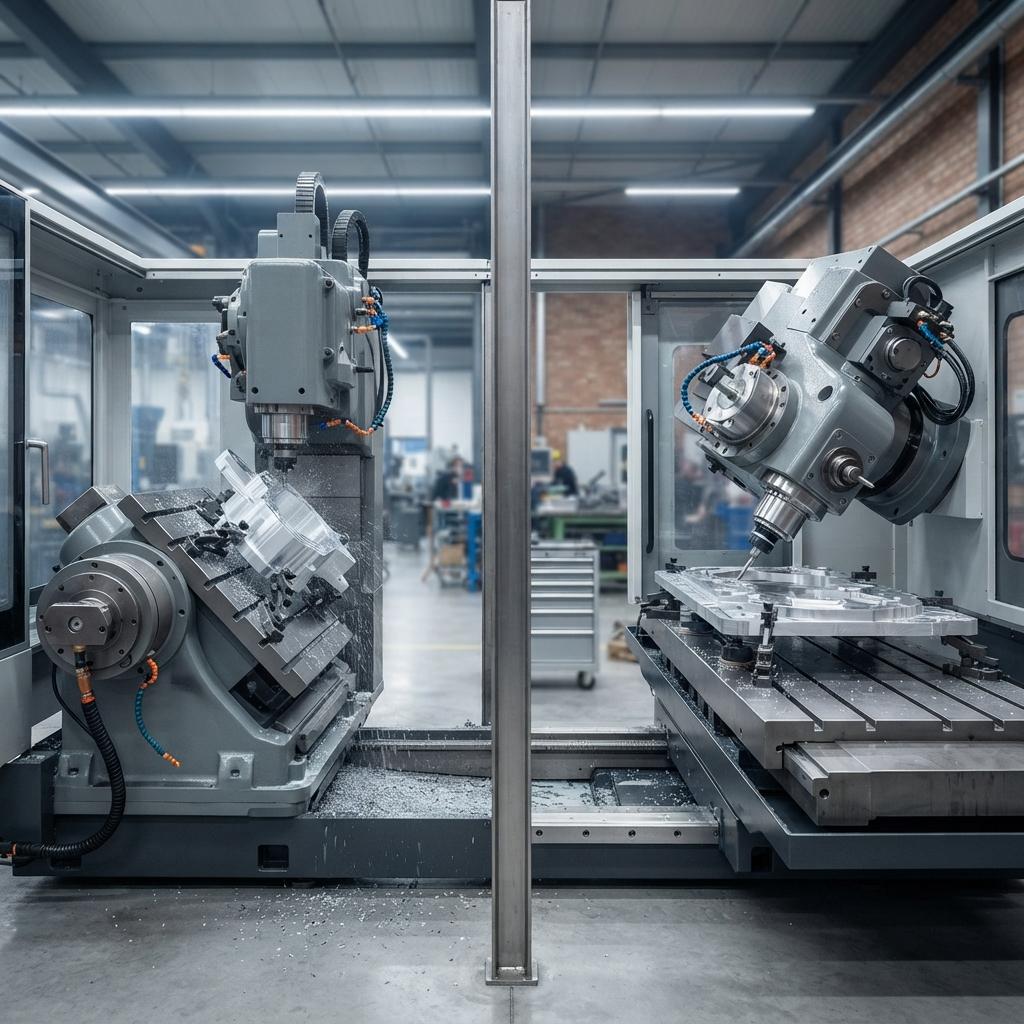
Buyers also sometimes overestimate how much flexibility comes standard. If you need mold work, batch production, or multi-face machining, confirm the machine’s actual configuration rather than assuming the model family covers everything the same way.
Practical questions to ask before you request a quote
If you are evaluating precision CNC machine tools for a new line or replacement purchase, ask for the workpiece drawing, material, target tolerance, machine model recommendation, control system options, fixture support, and trial-cut validation where possible. Zhongshan Zhihe’s own inquiry guidance reflects this approach, and it is the right one.
For overseas buyers, the logistics side matters too. The company notes packaging photos, shipping documents, and delivery support for export orders, plus sea freight, land transport, and logistics coordination. That is not a detail to ignore when a machine is leaving the factory and heading into a schedule already under pressure.
FAQ from shop-floor buyers
Is the ZH-855V a milling machine or a machining center?
The provided information suggests an enclosed CNC machining center, likely a vertical type, and it may also be described as a vertical milling machine in broader market language. Exact configuration should be confirmed with the supplier.
Can it handle aluminum and steel?
The machine is presented as a general subtractive metalworking platform, but the exact material envelope is not stated. Ask for application confirmation based on your part and cutting conditions.
What makes a vertical machining center China option worth considering?
Not the country label by itself. The real question is whether the supplier can match machine structure, control choice, service support, and shipment handling to your production needs without overpromising.
Next step for buyers
If you are comparing machine options now, treat the ZH-855V category as a starting point, not a final answer. Send the supplier your part drawing, material, size, accuracy target, and production volume, then ask for the recommended configuration and support scope. That is usually where the real differences between machines show up.