Why a Vertical Machining Center Still Earns Its Place on the Shop Floor
A Vertical Machining Center is rarely bought on impulse. Engineers, sourcing managers, and production teams usually come to it with a specific problem: how to machine parts faster, hold repeatable quality, and stop setup changes from quietly eating the shift.
That is exactly why the VMC format remains so common in job shops and serial production. It is practical. It is familiar. And when the machine is properly matched to the part family, it can become one of the most dependable pieces of equipment on the floor.
For buyers, the decision is not simply whether to buy a CNC machine. The real question is whether the machine layout, rigidity, enclosure, control system, chip removal, and support package fit the parts being produced every day. A VMC is often the right answer for drilling, tapping, milling, surface machining, and general precision part production. But the details matter far more than the label on the door.
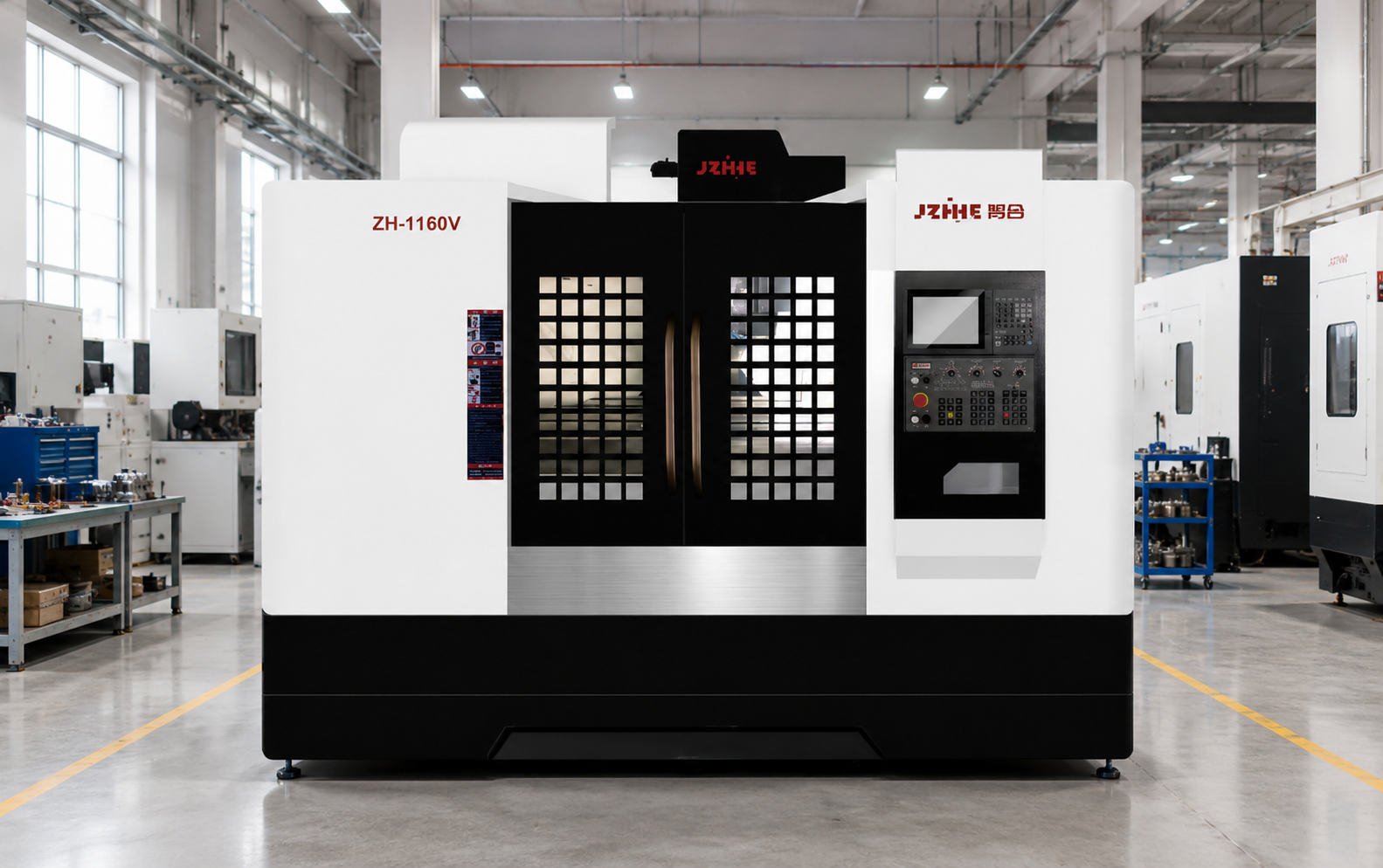
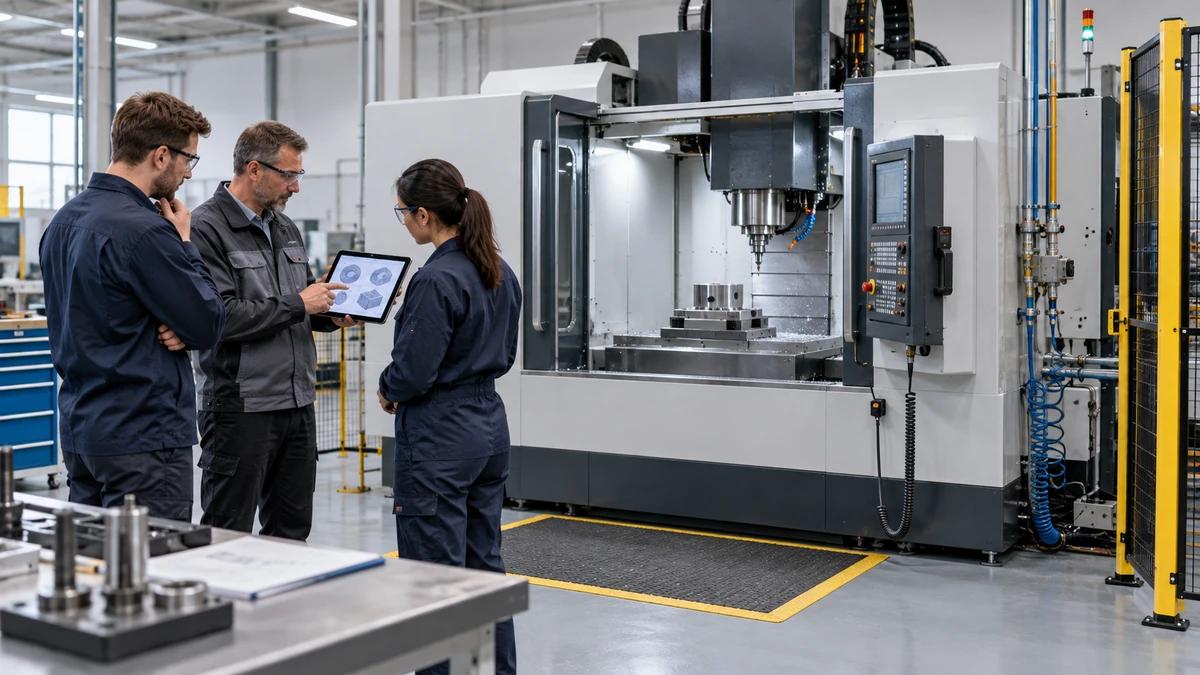
The ZH-1160V Fixed-Column Vertical Machining Center from Zhihe CNC is a useful reference. The product page describes it as a high-performance vertical machining center designed for precision machining and mass production, using a fixed-column integral layout and reinforced cross-slide table structure to support rigidity, smooth motion control, and positioning accuracy during high-speed machining.
What Makes a VMC So Useful in Real Production
A CNC Vertical Machining Center is valued because it can handle a wide range of common machining operations without requiring a large or overly complex machine platform.
Many shops use it for:
- Milling flat and contoured surfaces
- Drilling repeated hole patterns
- Rigid tapping
- Pocket machining
- Fixture plates
- Housings and brackets
- Mold-related components
- General precision metal parts
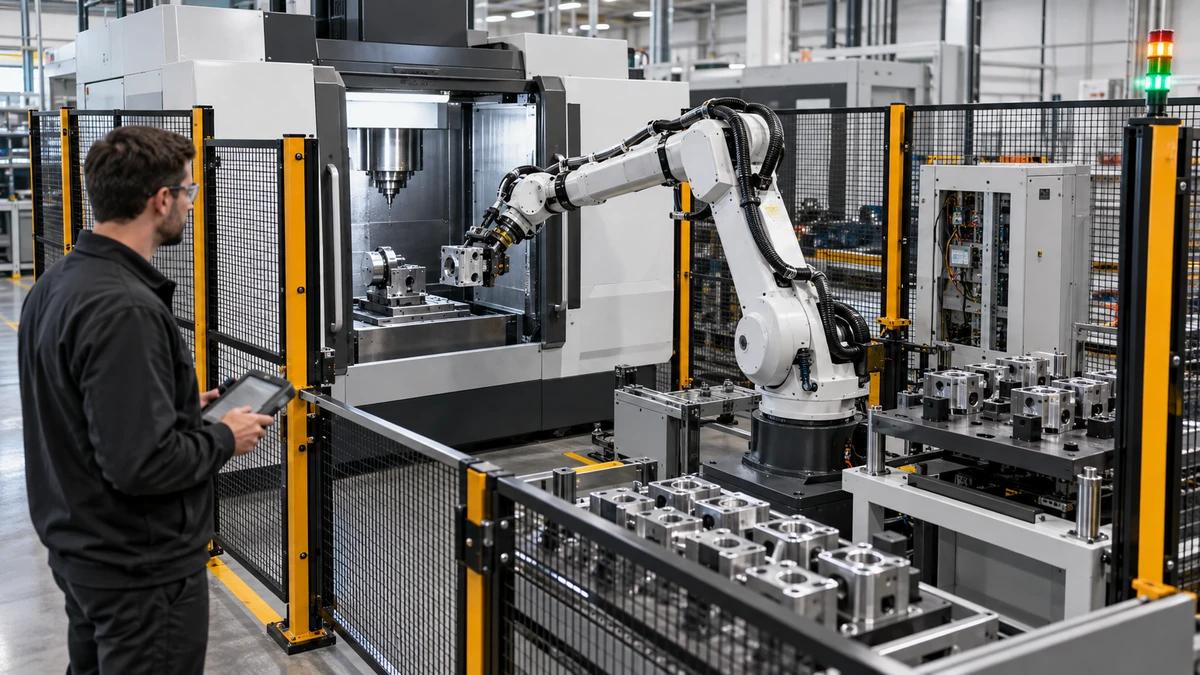
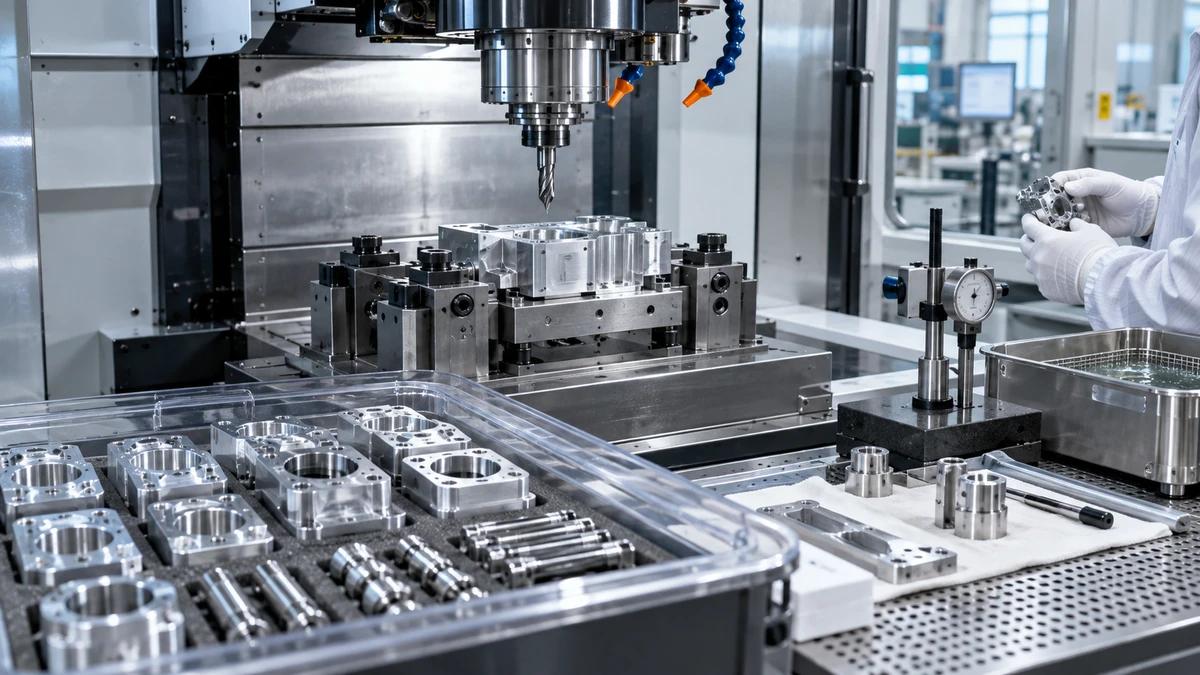
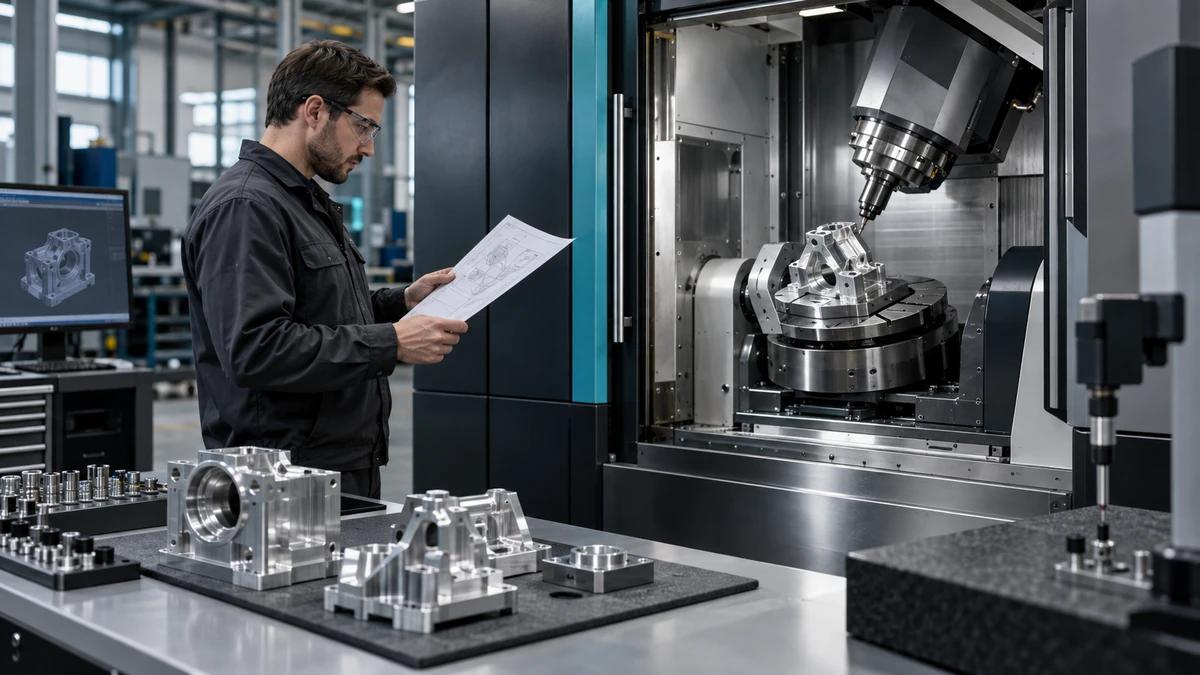
That versatility explains why VMCs remain common in automotive parts production, communication components, medical device parts, premium hardware, small precision assemblies, and high-volume industrial component manufacturing. The ZH-1160V product page lists these same application areas, including 5G communication structural components, automotive parts, medical device production, premium hardware products, small precision assemblies, and high-volume industrial components.
In other words, a VMC is not only a machine for occasional milling. It is often the daily platform for repeatable production.
Why the ZH-1160V Structure Deserves Attention
Buyers sometimes start with spindle speed, travel range, or price. Those details matter, of course. But on the shop floor, structure often decides whether the machine remains stable after repeated cutting cycles.
The ZH-1160V uses a fixed-column high-rigidity machine structure. Its product information highlights an extra-large monolithic machine base and a wide-span A-frame column structure, designed to improve vibration resistance and deformation control under intensive cutting conditions.
That matters because machining problems rarely appear as one dramatic failure. More often, they show up as chatter, poor surface finish, shorter tool life, dimensional drift, or operators slowing down the process just to keep parts stable.
A rigid structure gives the shop more room to work. It supports stable cutting, cleaner finishes, and better repeatability. For production teams, that often matters more than a specification that looks impressive but does not solve the real bottleneck.
Heavy-Duty Roller Linear Guideways and Motion Stability
A High Rigidity Vertical Machining Center is not only about the machine base. Axis movement also matters.
The ZH-1160V is equipped with heavy-duty roller linear guideways on all three axes. According to the product page, these guideways improve dynamic responsiveness and operational stability while helping maintain machining consistency.
For buyers, this is a practical point. A machine does not only need to move accurately once. It needs to repeat the same motion again and again while drilling, milling, tapping, and finishing parts across batches.
If axis motion is unstable, the shop may see more inspection pressure, more operator adjustment, or more inconsistent output. If the motion is stable, the machine becomes easier to trust.
That is what most shops really want: not one good sample, but repeatable production.
Chip Removal Is Not a Minor Feature
Chip control is easy to overlook during sourcing. It should not be.
A machine that cuts well but traps chips around the work area can still create downtime. Chips can interfere with fixtures, scratch surfaces, collect around pockets, or slow down cleaning between cycles.
The ZH-1160V integrates a rear-mounted coolant flushing and chip evacuation system. The product page says this system helps remove chips during machining, prevent buildup, improve production reliability, and make maintenance and cleaning easier.
That is a small detail only in the brochure. On a busy shop floor, it is much bigger. Better chip evacuation supports cleaner operation, safer work, and fewer interruptions.
For shops running long shifts, those minutes add up.
3 Axis Vertical Machining Center or 4 Axis Vertical Machining Center?
For many buyers, the choice is not only whether to buy a VMC. It is whether a 3 Axis Vertical Machining Center is enough, or whether a 4 Axis Vertical Machining Center is worth the additional investment.
A 3-axis VMC is usually the workhorse option. It is suitable for parts that can be machined from the top, or with straightforward repositioning. It is often the practical choice for plates, brackets, housings, fixtures, mold plates, and many precision components.
A 4-axis VMC becomes more attractive when the part needs side access, indexed machining, or fewer re-clamping steps. If the part has multiple faces and the shop is losing time on manual repositioning, the extra axis can improve consistency and reduce labor.
But there is a catch. More axis capability only helps if the part family uses it often enough. Adding complexity just to “play safe” can increase programming, fixturing, and training requirements without creating enough return.
The buying decision should come from the part drawing, not from the idea that more axes automatically mean a better machine.
Where the ZH-1160V Fits Best
The ZH-1160V is positioned for precision machining and mass production. Its product page emphasizes rigidity, precision, efficiency, consistent machining quality, reduced downtime, and improved productivity for modern smart manufacturing environments.
This makes it suitable for buyers who need a stable, production-oriented VMC rather than a light-duty machine for occasional work.
| Application Area | Typical Parts | Why This VMC Type Fits |
|---|---|---|
| Automotive parts | Brackets, housings, fixture parts | Stable milling, drilling, and batch repeatability |
| 5G communication components | Structural frames and precision parts | Controlled machining and consistent quality |
| Medical device production | Small precision assemblies and metal parts | Accuracy and surface stability |
| Premium hardware | Metal fittings and machined components | Repeatable finishing and drilling |
| Industrial components | High-volume machined parts | Reduced downtime and stable output |
The value is not that one machine can do everything. No serious buyer should think that way. The value is that a fixed-column VMC gives many manufacturers a stable platform for the part families they machine most often.
What to Evaluate Before You Buy
When sourcing a Vertical Machining Center, the most expensive mistake is often not choosing the wrong brand. It is choosing the wrong configuration for the part mix.
Buyers should start with practical production questions:
| What to Check | Why It Matters |
|---|---|
| Workpiece size | Confirms whether the machine fits real parts and fixtures |
| Material | Affects spindle load, tooling, rigidity, coolant, and chip behavior |
| Tolerance target | Helps judge whether the machine structure is suitable |
| Batch volume | Decides whether speed, repeatability, and downtime matter more |
| Setup frequency | Shows whether flexibility or standardization is more important |
| Axis requirement | Helps compare 3-axis and 4-axis options |
| Chip removal | Affects uptime, cleaning, and operator workload |
| Supplier support | Reduces installation and production risk |
The ZH-1160V product information specifically highlights fixed-column structure, heavy-duty roller linear guideways, positioning accuracy and repeatability, stable high-speed machining, vibration resistance, thermal stability, coolant flushing chip removal, compact design, user-friendly operation, and intelligent manufacturing suitability.
Those are the points buyers should connect back to their own drawings and production plan.
Common Buying Mistakes
One common mistake is choosing a machine only by headline specifications. A high spindle speed or larger machine body does not automatically mean better production.
Another mistake is ignoring part mix. A machine that is ideal for one bracket may be awkward for the next family of housings. If the shop changes jobs often, flexibility and fixture strategy may matter more than maximum capacity.
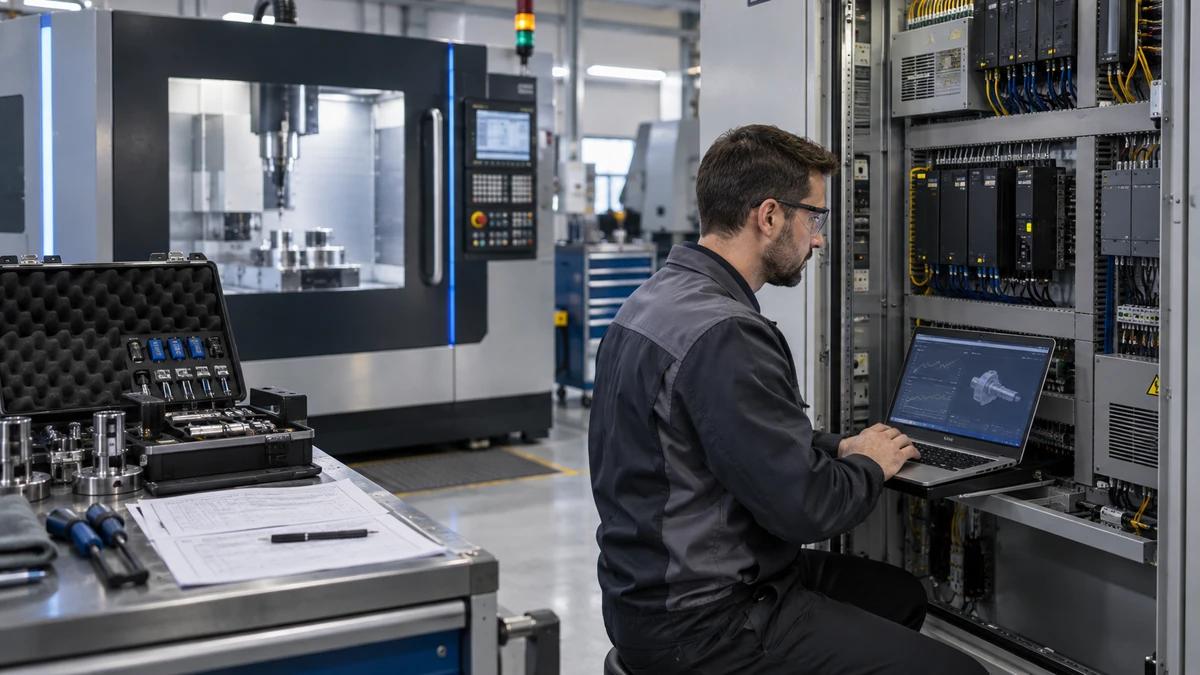
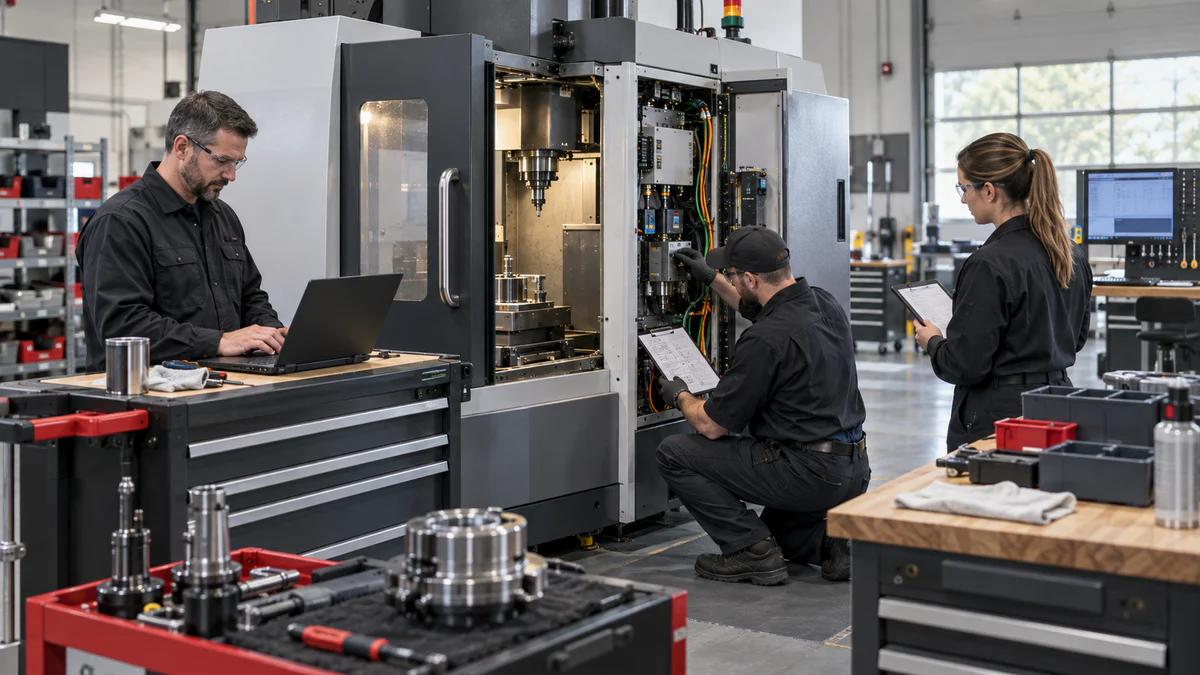
A third mistake is underestimating support. Installation guidance, operator training, maintenance access, and spare parts availability can affect uptime more than a single feature in the brochure.
The quietest mistake is failing to describe the workpiece clearly. Without drawings, material, dimensions, tolerance requirements, and expected output, even a good supplier can only make a weak recommendation.
Practical Advice for Sourcing Teams
Start with the workpiece, not the brochure.
Send the supplier:
- Part drawings
- Material
- Dimensions
- Tolerance requirements
- Surface finish expectations
- Machining operations
- Fixture needs
- Batch quantity
- Target output
Then ask how the machine will support the process. Will a 3-axis configuration handle the part economically? Would a 4-axis setup reduce enough clamping time to justify the added complexity? Is the machine structure rigid enough? Will chip removal support daily operation? Can the supplier help with setup and service after delivery?
A strong machine recommendation should answer those questions clearly.
FAQ
What kind of parts is a Vertical Machining Center best for?
A VMC is commonly used for precision metal parts, fixtures, housings, brackets, mold components, communication structural parts, automotive parts, premium hardware, and small industrial assemblies.
How do I choose between a 3-axis and 4-axis machine?
Choose based on part geometry, number of machined faces, fixture complexity, and whether reducing manual re-clamping will improve production enough to justify the added capability.
Why does fixed-column structure matter?
A fixed-column structure can improve rigidity and help reduce vibration and deformation during machining. This supports stable accuracy and surface finish, especially in repeated production.
What should I ask before requesting a quotation?
Provide drawings, material, dimensions, tolerance requirements, machining operations, preferred axis configuration, fixture needs, and production volume.
Why is chip evacuation important?
Chip evacuation helps prevent buildup inside the machine, improves cleaning and maintenance, and reduces interruptions during production.
Conclusion
A Vertical Machining Center still earns its place on the shop floor because it solves practical production problems. It gives manufacturers a stable platform for milling, drilling, tapping, and precision machining without forcing every job into an oversized or overly complex machine.
The ZH-1160V Fixed-Column Vertical Machining Center shows why buyers should look beyond the machine label. Its fixed-column integral layout, reinforced cross-slide table structure, heavy-duty roller linear guideways, monolithic base, A-frame column, coolant flushing chip evacuation system, and production-focused application range make it a strong reference for precision machining and mass production.
The right machine is not always the one with the longest feature list. It is the one that fits the part, supports the process, and keeps producing accurate work after installation. For most sourcing teams, that is where the real value begins.