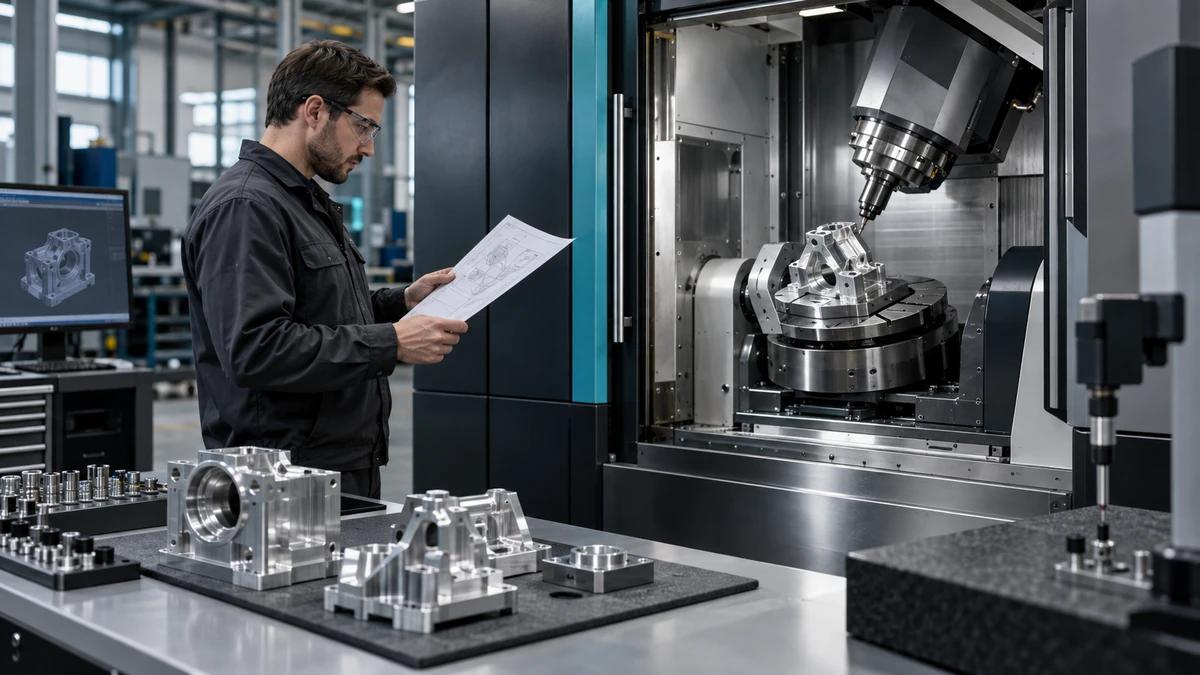
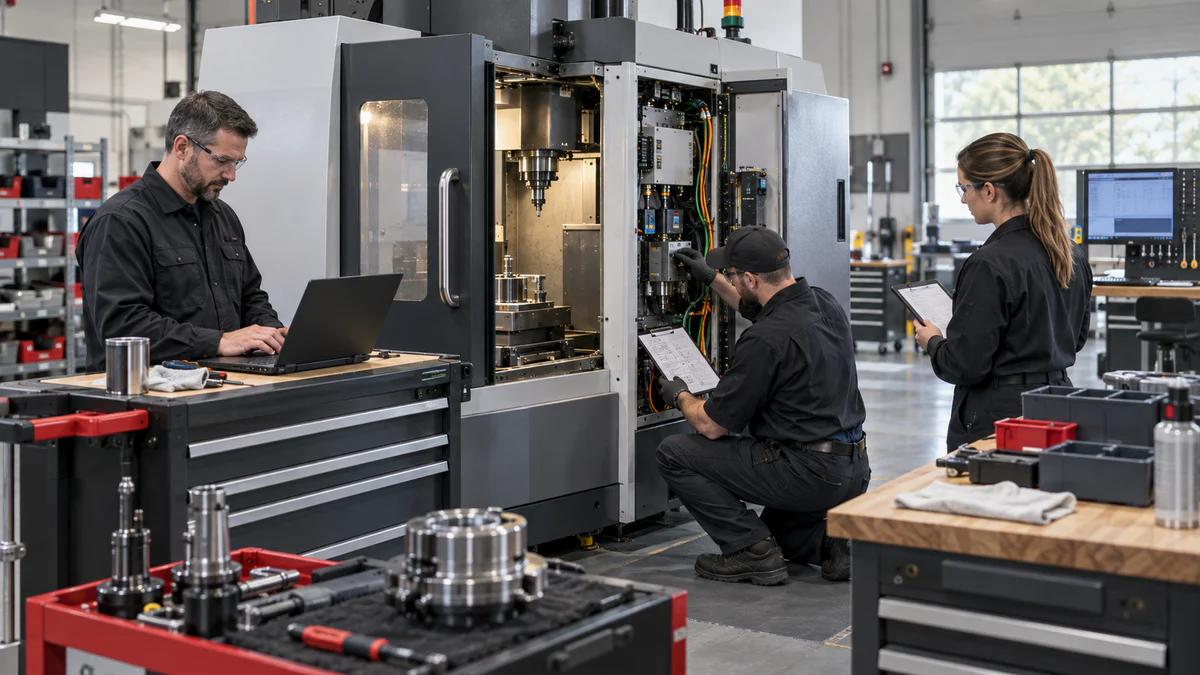
Follow the Heat Path Before the Tool Path
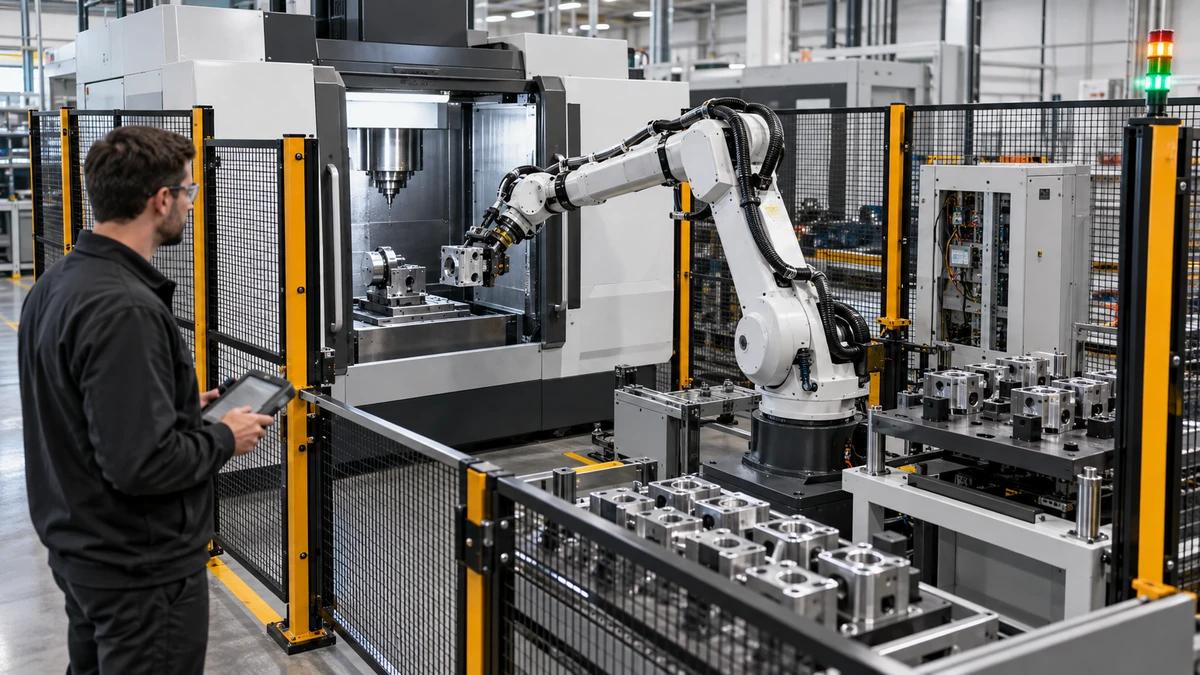
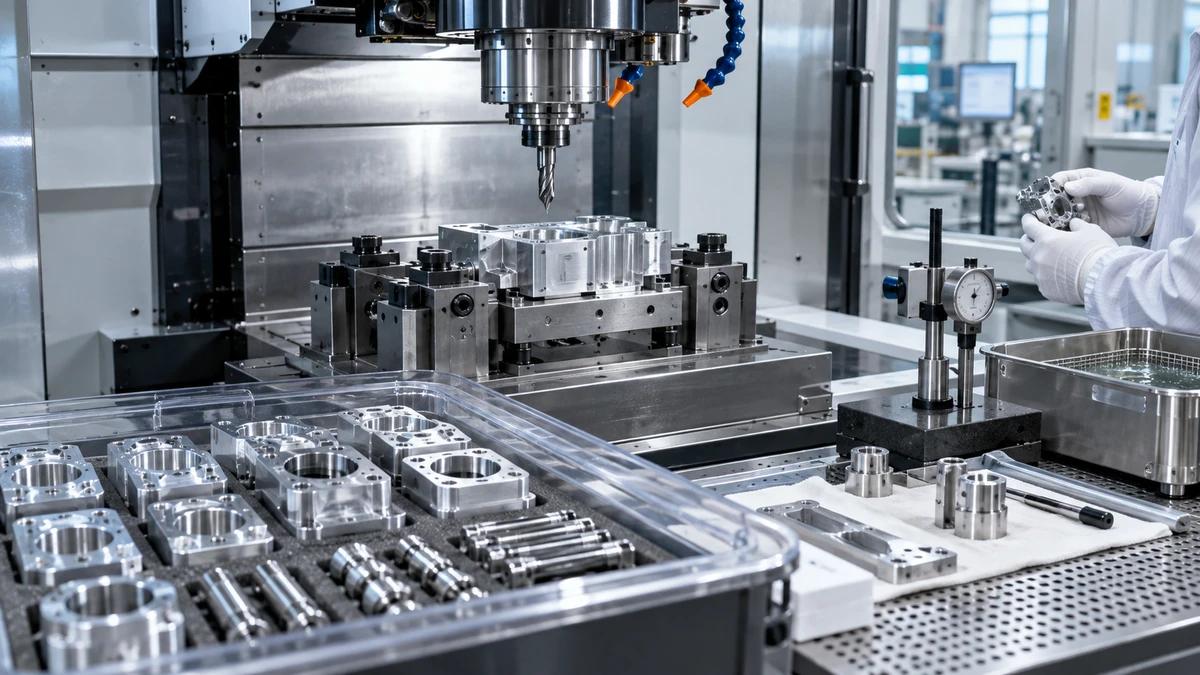
Zhihe CNC maps EV motor housing machining through alignment, thermal interfaces, cooling passages, sealing faces and production recovery. For a vertical machining center for EV motor housings project, the buyer should connect axis, bearing bores, sealing faces, cooling passages, heat context and recovery before comparing machine options.

Thermal-Path Map
| Thermal-path layer | What the buyer must align | Release signal |
|---|---|---|
| Reference | Which bore and face establish the motor axis? | Datum and probing record |
| Cooling | Are passages, ports and chips controlled? | Flow-path inspection |
| Sealing | Are faces, grooves and holes related? | Interface report |
| Heat | What temperature state is measured? | Declared conditions |
| Recovery | Can a held housing restart safely? | Restart passport |
Stage 1 — Axis and Incoming Variation
Start With the Motor Axis
A vertical machining center for EV motor housings should be evaluated from the rotor or stator reference, bearing seats, seal faces, bolt patterns and cooling interfaces. Zhihe CNC begins with the relationship that the assembly cannot tolerate being guessed.
Mark which features are machined in one setup and which require transfer. Keep alignment, probing and inspection references consistent between the machine file and the assembly drawing.
Freeze Casting or Billet Variation
Record material, casting or billet revision, lot, stock range, porosity or surface conditions, trim state and cleaning. A nominal housing can still arrive with a different seating or machining allowance.
Run normal and boundary inputs. If stock or trim leaves the declared envelope, hold the part and assign an owner rather than improvising a new offset.
Build the Bearing-Bore Stack
List bore diameter, axis, depth, coaxiality, face relationship, tool assembly, temperature context and gauge. Individual dimensions do not guarantee the bearing stack will assemble.
Preserve raw aligned measurements by housing identity. Repeat a reference bore after a planned tool event so the route is tested beyond a fresh-tool snapshot.
Trace Cooling Passages
Map ports, channels, intersections, plugs, chips, burrs, flushing, drying and inspection. A passage that looks open at one end may still contain a chip or burr at an intersection.
Observe a full production window with cleaning included. Count the time and identify who releases the passage before downstream flow or leak testing.
Separate Sealing From Performance
Release faces, grooves, holes, threads, burrs and cleanliness through machining evidence. Keep pressure, leak, flow, thermal and motor-performance tests separate unless explicitly contracted.
This boundary prevents a vertical machining center for EV motor housings trial from becoming an unsupported system-performance claim. Zhihe CNC keeps the downstream owner visible.
Control Heat and Measurement Timing
State warm-up, coolant condition, ambient range, cutting duration, handling time and measurement timing where alignment or flatness is sensitive. Do not invent a compensation value without a declared method.
Compare early and late housings around a normal tool-life window. Explain which result is demonstrated and which remains open.
Design the Chip-Release Route
Specify coolant direction, air, washdown, filtration, brushing, drying, safe access and protection for sealing faces. Long chips or trapped debris can alter seating and inspection.
Include cleaning in accepted housing hours. A fast spindle does not create capacity if chip removal and reinspection remain unowned.
Housing Gate Board
| Gate | Pass question | Evidence owner |
|---|---|---|
| Axis | Are bore and face relationships aligned? | Engineering |
| Cooling | Are passages open and clean? | Production |
| Sealing | Are faces and grooves released? | Quality |
| System test | Is the downstream boundary named? | Buyer and test owner |
Stage 2 — Recovery and Handoff
Use a Recovery Passport
Plan an inspection hold, gauge disagreement or tool replacement. Record housing identity, machine and fixture state, completed operations, offsets, affected quantity, correction, retest and disposition.
Demonstrate a safe restart with the delivered backup and documents. Keep held and released housings physically separated and traceable.
Review the First Assembly Handoff
Transfer bore data, face condition, cooling-path status, cleaning record, fixture revision, program, inspection and open issues to the assembly or test owner.
Ask the downstream team to confirm the contact faces and test boundary before commercial release. Record unresolved interfaces as dated actions.
Measure Released Housing Capacity
Count incoming checks, setup, probing, cutting, tool events, cooling-path cleaning, inspection, holds, maintenance and released housings. Compare a normal and boundary housing under the same mix.
State whether output is limited by machining, cleaning, gauge access, assembly queue or downstream testing. Zhihe CNC reports the controlling queue, not just spindle utilization.
Confirm Rotor-Seat Runout
For the vertical machining center for EV motor housings route, define the bearing-seat or stator-seat runout relationship, inspection alignment, temperature state and permitted correction. Keep the seat, face and bore results together so a local pass does not hide an assembly-level mismatch.
Use a marked reference housing and repeat the measurement after a planned tool event or reload. Record gauge, contact, raw data, reviewer and disposition. The result should explain whether variation entered through stock, support, cutting, release or measurement. Add the acceptance boundary to the assembly handoff so a later team does not infer motor performance from one machining value. Keep the original and corrected readings side by side for audit.
EV Motor Housing Buyer FAQ: vertical machining center for EV motor housings
What is the first EV housing question?
Which bore, face and datum establish the motor axis and assembly relationships?
Why inspect cooling passages separately?
Intersections can hide burrs, chips or incomplete flushing even when ports look open.
Does machining prove motor performance?
No. Flow, leak, thermal and electrical performance require separate tests.
How should casting variation be handled?
Record lot, stock, trim and seating; hold inputs outside the declared envelope.
Why state measurement timing?
Warm-up, coolant and handling can influence alignment and flatness results.
How does Zhihe CNC calculate output?
Zhihe CNC includes cleaning, inspection, holds and released housings under a named mix.
What belongs in a recovery passport?
Identity, state, completed operations, offsets, affected quantity, correction, retest and owner.
How should sealing faces be protected?
Define chips, contacts, cleaning, trays and the handoff condition before assembly.
When should the housing baseline reopen?
After changes to casting, bore, fixture, tool, coolant, program, gauge or test boundary.
What should buyers provide?
Send housing CAD, bore stack, cooling map, sealing features, volume, fixtures and tests.
Turn the Review Into a Zhihe CNC Decision
Send Zhihe CNC the controlled drawing or CAD, material and stock, critical features, annual volume, batch mix, fixture concept, tool constraints, inspection method, site conditions and service region. Review the Zhihe CNC product portfolio, the company and factory profile, and the engineering inquiry route. For vertical machining center for EV motor housings, ask for a dated configuration, representative trial, acceptance boundary, open assumptions and named support owner.
Reference Boundary and Responsible Use
The first reference and second reference offer method, safety or quality context. They do not replace drawing-specific acceptance, local risk assessment, product certification, regulatory release, customer specifications or the buyer's operating procedures.