A vertical machining center for sale should enter the shortlist only when it fits three windows: the hard part envelope, the normal operating band, and a justified growth margin. The same test should cover spindle duty, tools, quality evidence, output, site conditions, service, and ownership.
The method prevents buyers from selecting only by catalog travel or price. A machine can technically accept the largest part yet perform poorly on daily work because fixtures, holders, chip volume, tool count, loading, or recovery were not included.
Window One Is the Mounted-Part Envelope
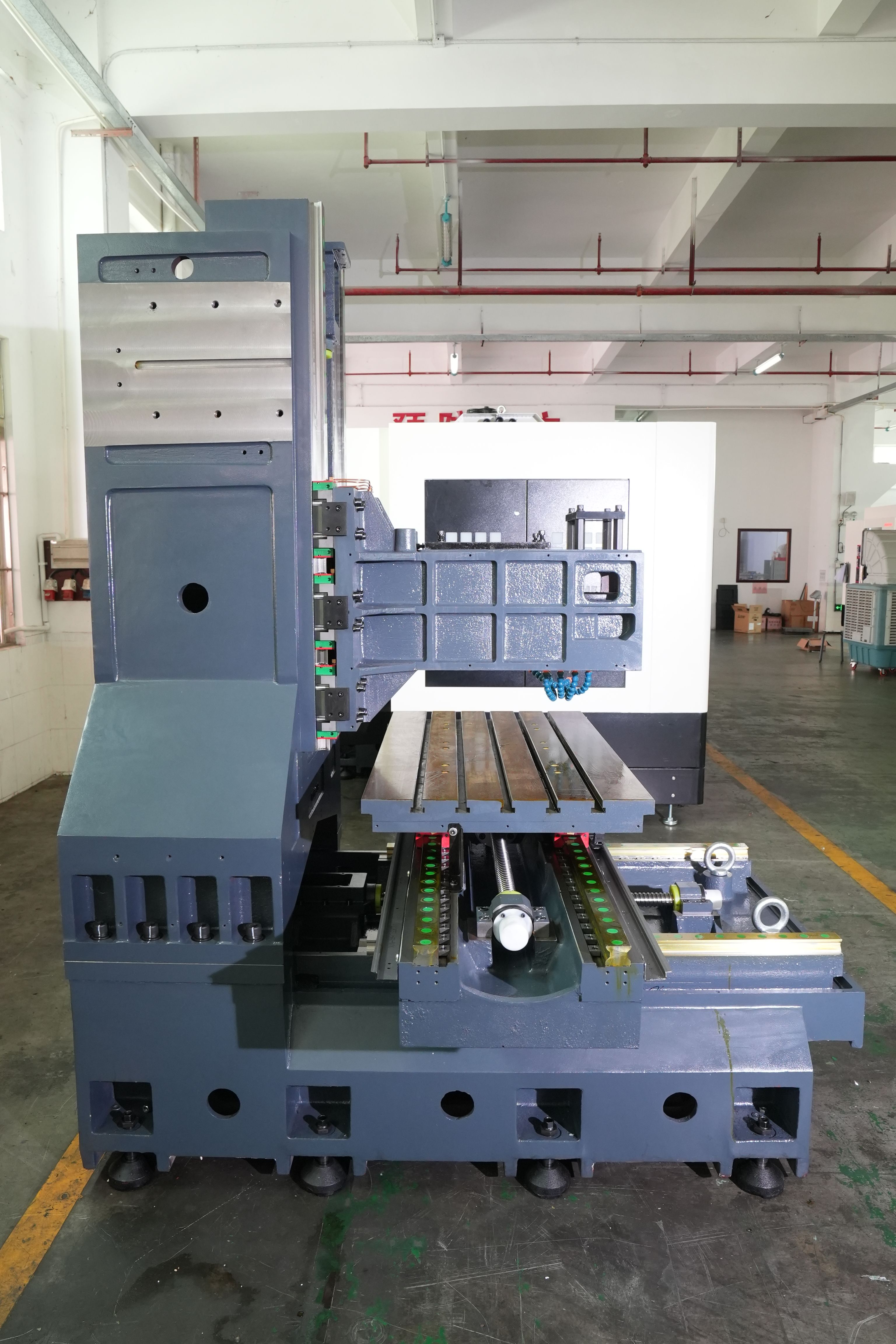
Model the blank, fixture, clamps, locators, tombstone or subplate, tool holders, probe, spindle nose, table edges, doors, covers, and chip space. Check loading orientation and maintenance access as well as cutting positions.
Record the minimum clearance at the worst tool angle and longest holder. Nominal X, Y, and Z travel do not describe every collision or access limit.
Window Two Defines the Daily Work Band
Separate the largest exceptional part from the parts that consume most machine hours. Plot material, dimensions, mass, setups, cutting time, tolerances, and batch size for the normal mix.
A large machine may carry unused travel and slower handling for small daily parts. A compact machine may fit most work but create costly exceptions. The shortlist should show the hours inside and outside the preferred band.
Window Three Matches Spindle Duty
Map cutter diameter, speed, torque, power, engagement, material removal, drilling, tapping, finish passes, acceleration, and continuous duty. Ask for curves and conditions rather than comparing one peak value.
High speed supports some aluminum and finishing work, while torque and thermal control may dominate steel, larger tools, or long cycles. The required window follows the workload.
Window Four Fits the Tool Ecosystem
List holders, cutting tools, probes, sister tools, broken-tool checks, maximum diameter, length, mass, adjacent-pocket limits, change time, presetting, and replacement strategy. Include the whole part family.
For a vertical machining center for sale comparison, a tool magazine is not just a pocket count. It must support production without frequent manual swaps or unsafe exceptions.
| Fit window | Minimum proof | Typical hidden miss |
|---|---|---|
| Envelope | Mounted model and collision review | Holder, clamp, or door interference |
| Spindle | Duty mapped to tools and material | Peak data used as continuous data |
| Tools | Full family tool list | Sister tools exceed capacity |
| Quality | Conditioned acceptance plan | Catalog number lacks method |
| Ownership | Named responsibility map | Site or service scope omitted |
Window Five Requires Quality Evidence
Define geometry, positioning, repeatability, warm-up, compensation, probing, trial part, inspection method, uncertainty, and factory-versus-site tests. Link evidence to the feature relationships that matter.
Do not demand an impressive number without conditions. A broader test package costs time and money, so select evidence that controls the intended process risk.
Window Six Converts Cycle Time to Accepted Output
Break the cycle into loading, probing, tool changes, spindle ramps, cutting, chips, inspection, unloading, cleaning, and recovery. Add tool life, planned stops, changeovers, and likely disturbances.
Review the vertical machining center range, then test the proposed model with production-like assumptions. The shortest dry cycle may not deliver the highest accepted output.
Window Seven Checks the Site Interface
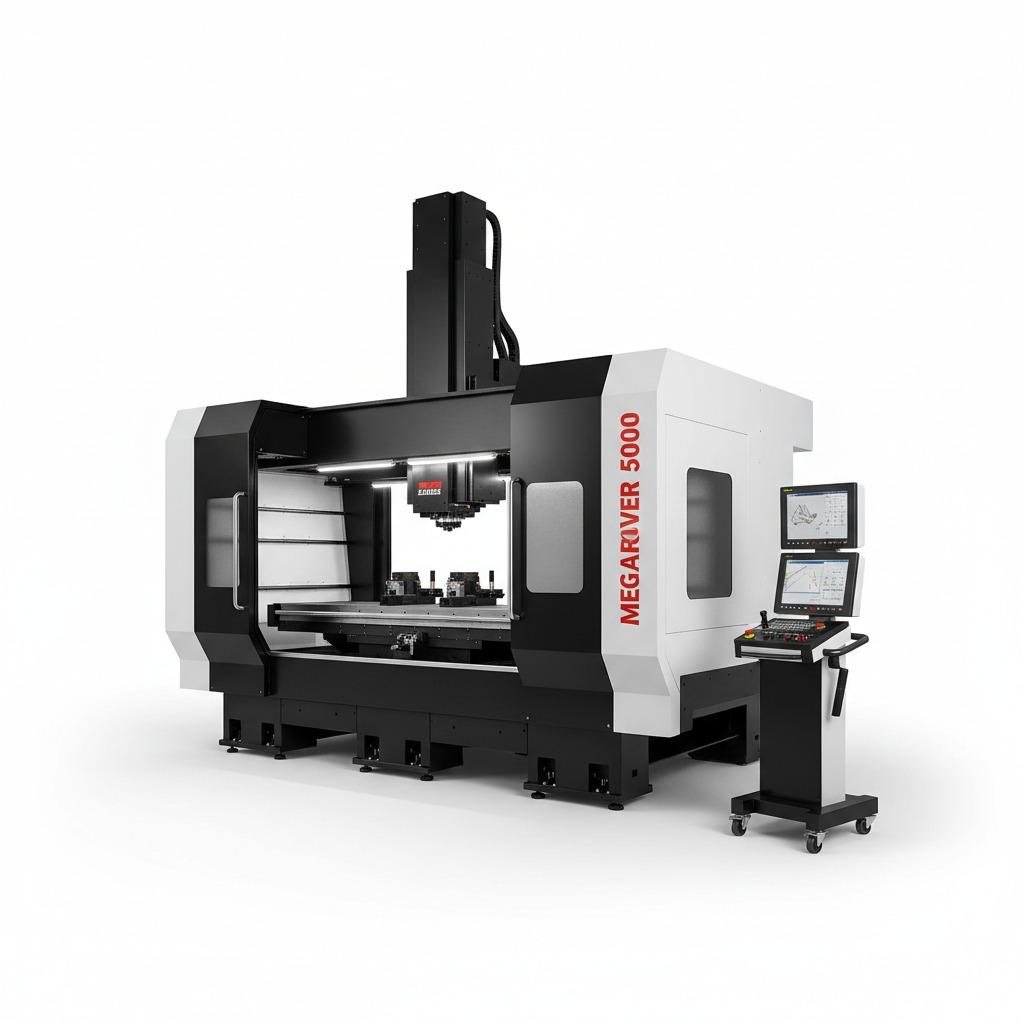
Record footprint, service clearance, floor and foundation, unloading route, lifting, power, transformer, air, coolant, extraction, temperature, humidity, network, safety, and waste handling. Assign preparation dates and owners.
A machine that fits the part but not the building is not ready for purchase. Site exceptions should be priced before order release.
Window Eight Tests Service Recovery
Review remote diagnostics, local response, controller and spindle expertise, spare strategy, warranty boundaries, travel, escalation, software access, documentation language, and training. Simulate one high-impact failure.
Response promises should name a route, responsibility, and expected evidence. Distance alone does not define service strength.
Build the Red-Yellow-Green Shortlist
- Mark red when a mandatory requirement is not proven.
- Mark yellow when evidence, responsibility, or margin is incomplete.
- Mark green only when the fit condition and owner are documented.
- Separate useful growth margin from speculative capacity.
- Normalize price to installed and production-ready scope.
- Release the shortlist after yellow items have dated closures.
Where a Smaller Machine Can Win
A smaller platform can be the better choice when most hours fall within its envelope, tools remain short, loading is easier, floor space is constrained, and exceptional parts can use another route. Buying unused travel is not automatically strategic.
Conversely, a larger platform is justified when fixtures, door access, tool reach, part growth, or duty would otherwise sit at an unstable limit. Margin should have a named reason.
FAQ
How much travel margin is enough?
Use the mounted model and foreseeable fixtures. Margin should protect access and growth without paying for capacity with no identified use.
Should price be compared before the fit test?
No. First remove configurations that cannot meet mandatory requirements, then normalize included scope and ownership.
Is a trial cut always necessary?
It is especially useful for demanding materials, quality relationships, tool reach, thermal duty, or uncertain cycle assumptions.
What data should a supplier receive?
Provide drawings, blanks, materials, fixtures, tools, tolerances, volume, cycle target, site data, acceptance needs, and service region.
Request a Fit-Window Recommendation
To assess a vertical machining center for sale, send the part family, mounted dimensions, materials, mass, setups, tool list, tolerances, annual volume, batch size, cycle assumptions, destination, utilities, and budget boundary. Use the contact page for a shortlist and consult the vertical-versus-horizontal guide when architecture remains open.