Why Buyers Start with a Vertical Machining Center Manufacturer
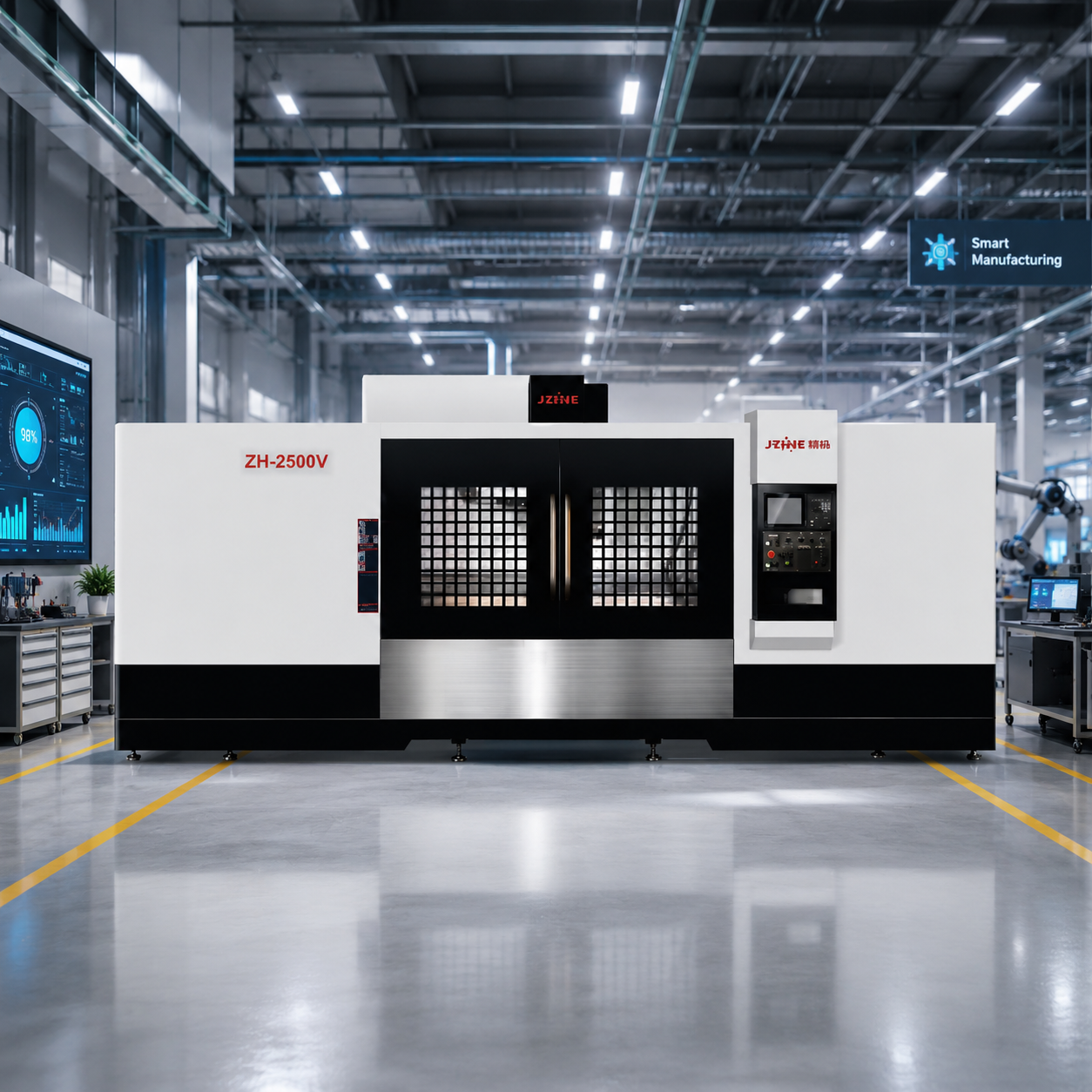
When a plant manager, engineer, or sourcing team searches for a vertical machining center manufacturer, the real question is rarely just “Who can sell us a machine?” The more important question is usually this: can the supplier recommend a machine that fits the workpiece, material, tolerance target, fixture method, and production rhythm?
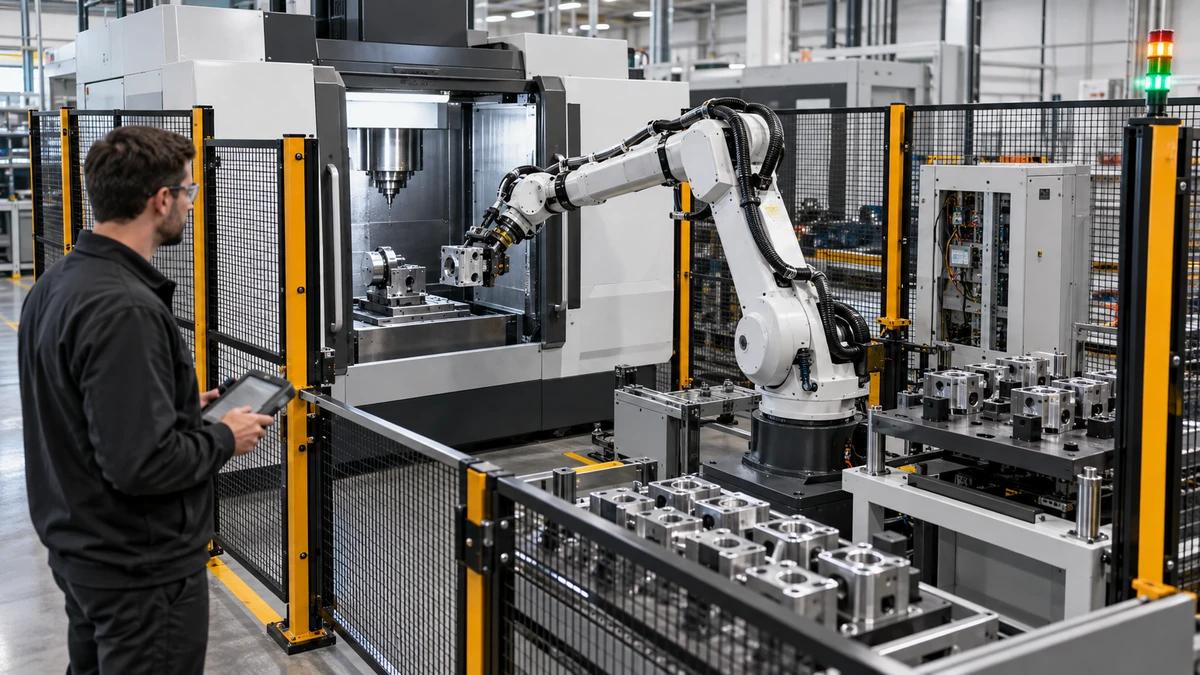
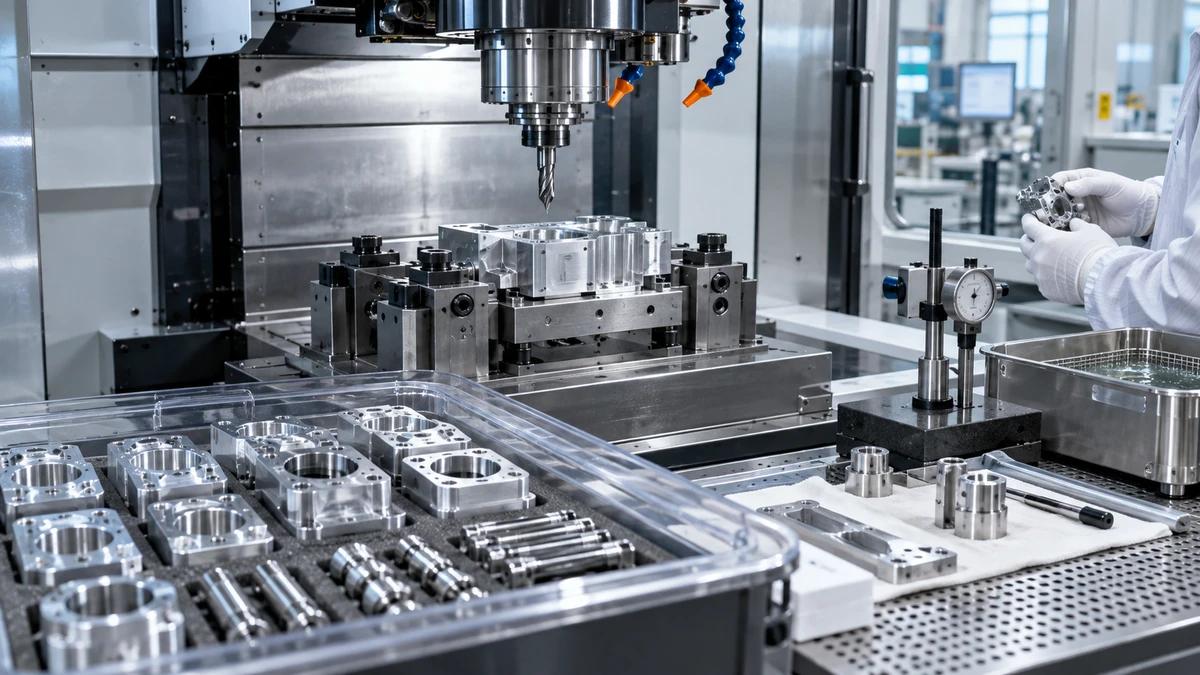
That difference matters. A machine can look strong in a photo and still become difficult to run if it does not match the actual job. This is especially true for aluminum profile processing, long workpieces, precision electronics parts, automation components, and mixed-batch machining. These applications may involve drilling, milling, tapping, slotting, contour machining, and repeated positioning across many cycles.
For buyers, the right supplier is not only a seller. A good vertical machining center manufacturer should help reduce uncertainty before the purchase order is signed.
Why Buyers Do Not Start with Price Alone
Price matters, of course. No sourcing team can ignore it. But in CNC equipment purchasing, a low quote does not automatically mean a good decision.
A vertical machining center may be used for years. During that time, the buyer will deal with fixture setup, operator training, cutting stability, maintenance, spare parts, and production changes. If the machine is not suitable for the part family, the real cost appears later through rework, downtime, slow cycle times, poor surface finish, or constant adjustment.
That is why buyers often start by evaluating the manufacturer. They want to know whether the supplier understands machine structure, application matching, and long-term service—not just whether it can send a catalog.
Zhihe CNC’s Vertical Profile Machining Center is described as a machine for high-precision processing of long-profile workpieces and complex components. The product page lists suitable materials including aluminum, copper, stainless steel, and engineering plastics, which shows the machine is positioned for more than one narrow material group.
What the Vertical Profile Machining Center Is Built For
The linked product page focuses on long-profile machining and complex component processing. That matters for buyers in aluminum profile production, because long workpieces create problems that compact parts do not.
A short bracket may be easy to clamp. A long aluminum profile is different. It may flex, vibrate, or show positional error if the machine structure and fixture method are not suitable. If the profile needs repeated holes, slots, pockets, or tapped features along its length, repeat positioning becomes very important.
The Zhihe CNC product page states that this vertical profile machining center is engineered for high-precision processing of long-profile workpieces and complex components, while supporting stringent dimensional tolerances and surface finishes required in modern precision manufacturing.
For a buyer, that is the key point. The machine is not only intended to “cut metal.” It is aimed at production environments where long workpieces, repeatability, and surface quality matter.
Machine Structure Should Be Checked Early
A high rigidity vertical machining center is valuable because rigidity affects cutting stability, surface finish, tool life, and repeatability. This is not just important for steel. Aluminum profile machining can also suffer from chatter, burrs, and clamping-related deformation if the setup is weak.
The Zhihe CNC Vertical Profile Machining Center uses a high-rigidity cross-slide table structure with an integrated monolithic base. According to the product page, this structure is designed to improve machine stability and vibration resistance during high-speed machining, while supporting long-term machining accuracy.
That kind of structure is worth checking because buyers often underestimate vibration until production starts. A machine may pass a simple demonstration, but repeated batches reveal whether the base, table, and motion system can stay stable.
For profile machining, rigidity is not a luxury feature. It is part of process control.
Precision Transmission Matters for Long Workpieces
A vertical machining center manufacturer should also explain the transmission system clearly. Long-profile machining often requires accurate movement across a wider working range. If positioning is inconsistent, the problem may appear as misaligned holes, uneven slots, or assembly issues.
The Zhihe CNC page states that the machine is equipped with precision C3-grade large-pitch ball screw drive systems on the X, Y, and Z axes. The page also says this system supports dynamic response and repeat positioning accuracy, while reducing acceleration and deceleration time compared with conventional moving-column machining structures.
This matters because profile machining is repetitive. One hole may be easy. A full row of holes across a long profile is a different test. Buyers should ask how the machine maintains repeatability over real production cycles, not only what the brochure says in one line.
Application Areas: Where This Machine Type Fits
The Vertical Profile Machining Center is positioned for multiple advanced manufacturing sectors, including precision electronics, automotive components, medical devices, automation equipment, 3C electronics, robotics, and new energy industries.
That application range makes sense for a profile-focused VMC. Many of these industries use long or semi-long structural components, precision frames, aluminum parts, guide-related components, support plates, and machined profiles.
| Application Area | Typical Buyer Concern | Why a Vertical Profile Machine Helps |
|---|---|---|
| Aluminum profile processing | Long workpieces, burrs, repeated holes | Supports stable machining of profile parts |
| Precision electronics | Surface quality and small feature accuracy | Helps maintain repeatability and finish |
| Automotive components | Batch stability and fixture reliability | Supports repeated machining cycles |
| Automation equipment | Long beams, rails, support parts | Benefits from long-profile processing capability |
| 3C electronics | Aluminum frames and clean appearance | Requires stable cutting and controlled surfaces |
| Robotics | Guide rails and precision supports | Needs consistent dimensions |
| New energy parts | Aluminum structures and profile components | Often involves long parts and repeated features |
The useful point is not that one machine solves every job. It does not. The value is that a profile-oriented vertical machining center gives buyers a clearer direction when long workpieces and repeatable CNC processing are part of the job.
Why Manufacturer Support Changes the Buying Decision
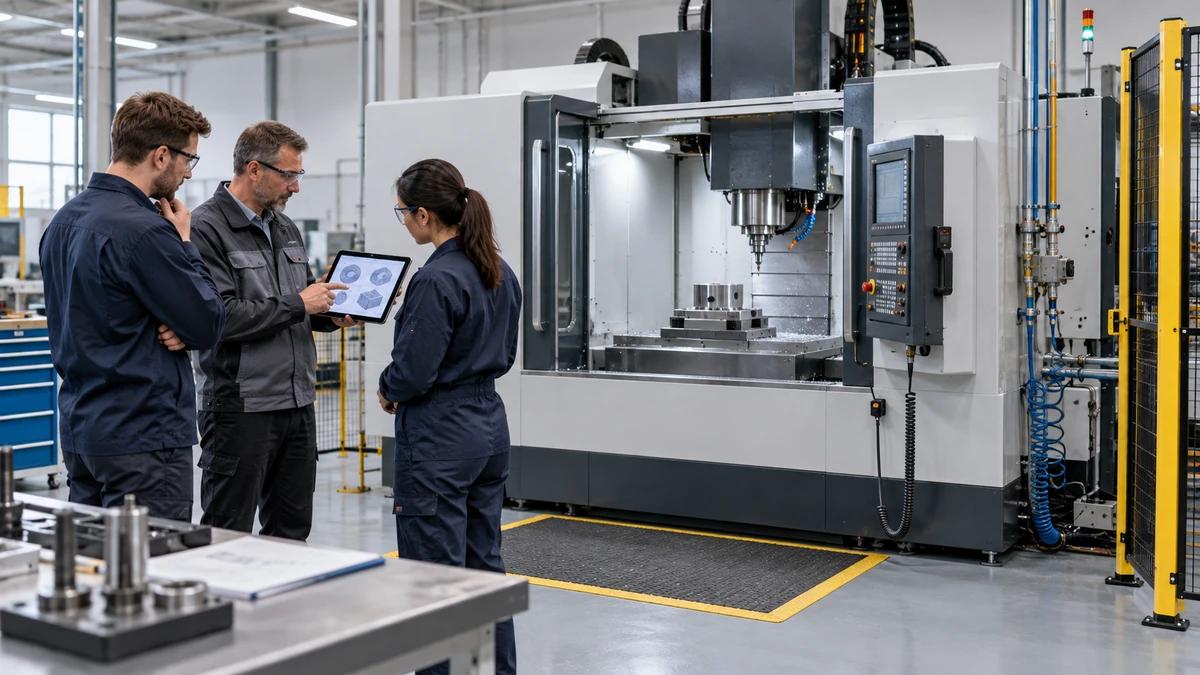
A machine body is only one part of the project. Buyers also need help with application matching, machine configuration, fixtures, installation, service, and long-term operation.
The product page identifies Zhongshan Zhihe CNC Technology Co., Ltd. as a national high-tech enterprise specializing in CNC machine tool R&D, manufacturing, sales, and service. It also says the company provides diversified customization solutions and professional after-sales support for global industrial customers.
For B2B buyers, this is important. A factory buying a vertical machining center may need custom fixture discussion, material-specific process advice, or machine selection support. If the supplier cannot explain the fit between workpiece and machine, the buyer may end up solving those problems alone after delivery.
That is not a good place to discover a mismatch.
What Buyers Should Send Before Asking for a Quote
A useful quotation starts with useful information. A short request such as “send VMC price” rarely gives the manufacturer enough context to recommend the right model.
Before contacting a vertical machining center manufacturer, buyers should prepare:
| Information | Why It Matters |
|---|---|
| Part drawings | Shows geometry, machining features, and possible risks |
| Material | Aluminum, copper, stainless steel, and plastics behave differently |
| Workpiece length and size | Confirms whether profile machining capacity is suitable |
| Tolerance requirements | Helps judge rigidity and transmission needs |
| Surface finish expectations | Affects spindle, tooling, and machining strategy |
| Batch quantity | Decides whether cycle time and loading efficiency matter more |
| Fixture limitations | Prevents clamping and tool-access problems |
| Target output | Helps match machine capacity to production rhythm |
This information allows the supplier to recommend a practical configuration instead of guessing. It also helps the buyer compare suppliers more fairly.
Vertical Machining Center for Mold Manufacturing: Different Priorities
Some buyers search for a vertical machining center for aluminum profiles. Others search for a vertical machining center for mold manufacturing. The machine category may overlap, but the buying priorities can change.
Mold work usually emphasizes rigidity, surface finish, toolpath stability, and long cutting cycles. Aluminum profile work may focus more on long travel, fast setup, repeated hole patterns, burr control, and fixture efficiency.
A capable manufacturer should not force every inquiry into the same machine. The correct recommendation depends on the workpiece. A profile-focused VMC may be excellent for long aluminum or precision profile components, while a mold shop may need a different balance of rigidity, spindle behavior, and finishing performance.
That is why the application discussion matters before the quote.
Common Mistakes Buyers Should Avoid
One mistake is choosing by machine label. “VMC” is too broad. A buyer should ask whether the machine is designed for profile processing, general machining, mold work, or heavier cutting.
Another mistake is looking only at machine size. A large work envelope does not guarantee a good process. Fixture space, rigidity, tool access, loading method, and chip control may matter more in daily use.
A third mistake is ignoring material behavior. Aluminum, copper, stainless steel, and engineering plastics do not cut the same way. The product page lists all four material groups as suitable for the Vertical Profile Machining Center, but buyers should still confirm tooling and process recommendations for their specific parts.
The final mistake is treating after-sales support as an afterthought. A CNC machine is a long-term asset. Service response, spare parts, training, and technical support affect its value long after installation.
FAQ
Is a vertical profile machining center only for aluminum?
No. The Zhihe CNC product page lists aluminum, copper, stainless steel, and engineering plastics as suitable materials for the Vertical Profile Machining Center.
What industries can use this type of machine?
The product page lists precision electronics, automotive components, medical devices, automation equipment, 3C electronics, robotics, and new energy industries.
Why does rigidity matter for profile machining?
Rigidity helps reduce vibration, chatter, tool instability, and surface defects. This is especially important for long profiles, repeated hole patterns, and high-precision batch work.
What should buyers ask before ordering?
Buyers should ask about machine structure, transmission accuracy, material suitability, fixture support, customization options, after-sales service, and whether the machine is suitable for the actual workpiece family.
Should buyers start with the machine model or the part drawing?
Start with the part drawing. The drawing shows the real machining problem: size, material, tolerances, surfaces, holes, slots, and fixture requirements.
Conclusion
Buyers start with a vertical machining center manufacturer because they are not only buying a machine. They are buying production confidence.
The Zhihe CNC Vertical Profile Machining Center offers a useful example of what buyers should check: high-rigidity cross-slide table structure, integrated monolithic base, C3-grade large-pitch ball screw transmission on X/Y/Z axes, long-profile workpiece capability, material compatibility, and support from a CNC machine tool manufacturer with customization and after-sales service.
For aluminum profile processing, precision electronics, automotive components, automation equipment, robotics, new energy parts, or similar long-workpiece applications, the best next step is simple: send the supplier the drawing, material, tolerance requirements, fixture needs, and expected output. A serious machine recommendation should begin there—not with a generic brochure headline