What Buyers Really Mean When They Search for a Vertical Machining Center Manufacturer
When buyers search for a vertical machining center manufacturer, they are usually not just looking for a machine name. They are trying to reduce risk.
A purchasing manager may want a stable supplier. A production engineer may care more about rigidity, tool access, and repeatability. A factory owner may ask whether the machine can handle today’s aluminum profiles and still stay useful when new orders arrive. Different people search the same keyword, but behind the search is the same concern: can this machine fit the part, the process, and the shop floor?
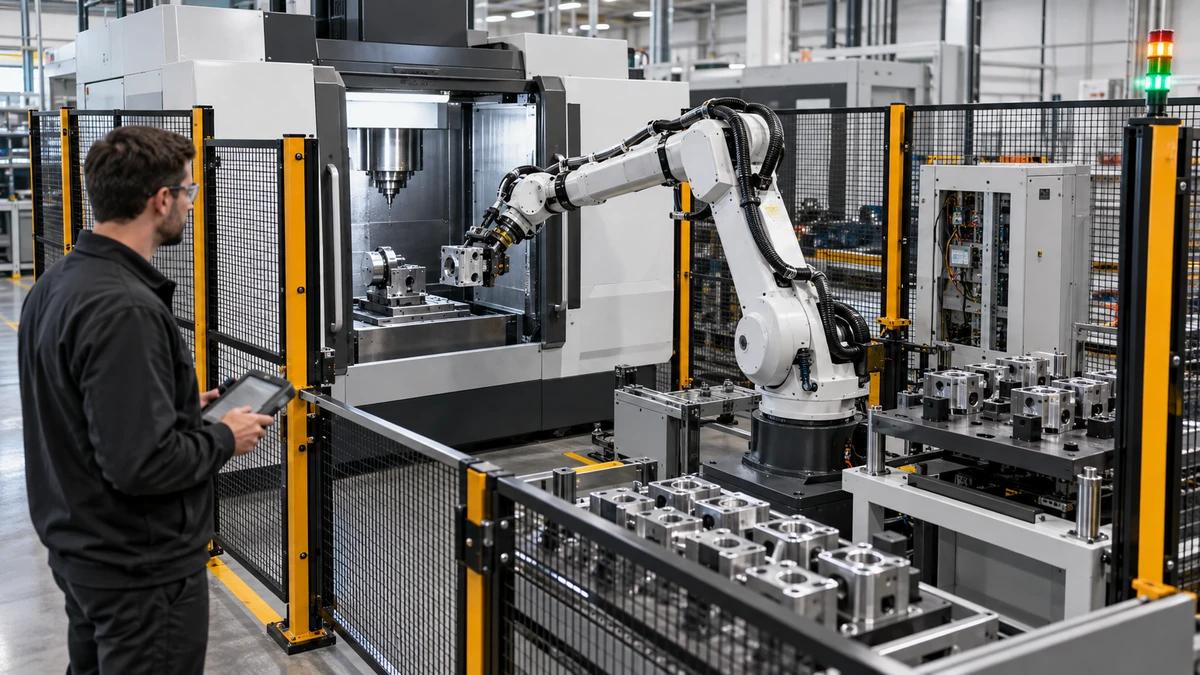
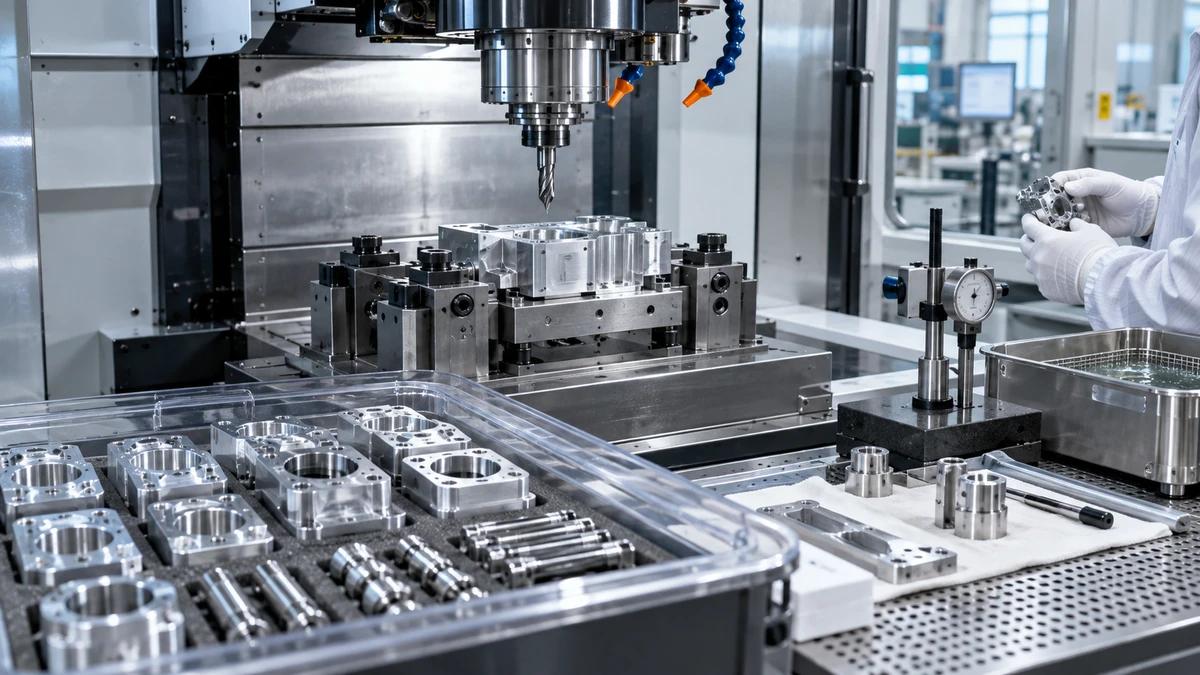
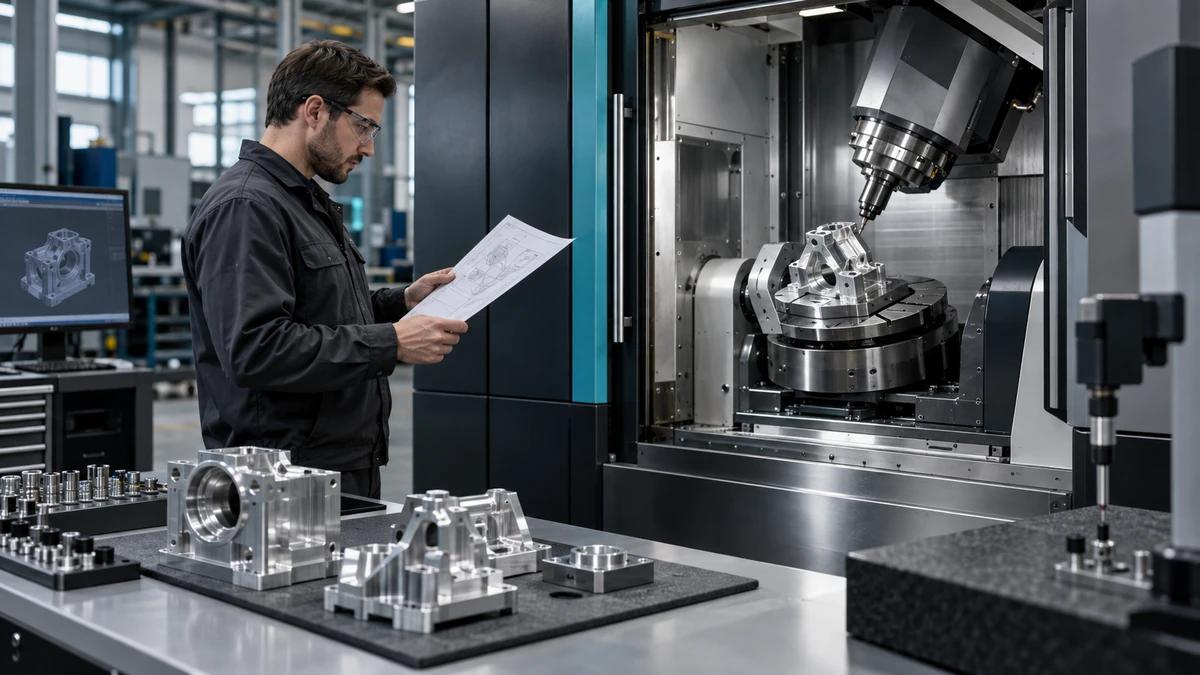
That is why choosing a manufacturer requires more than comparing photos, spindle speed, or a short specification table. A vertical machining center may look similar from the outside, yet behave very differently once it starts cutting long aluminum profiles, stainless steel parts, precision electronics components, medical parts, or automation equipment components.
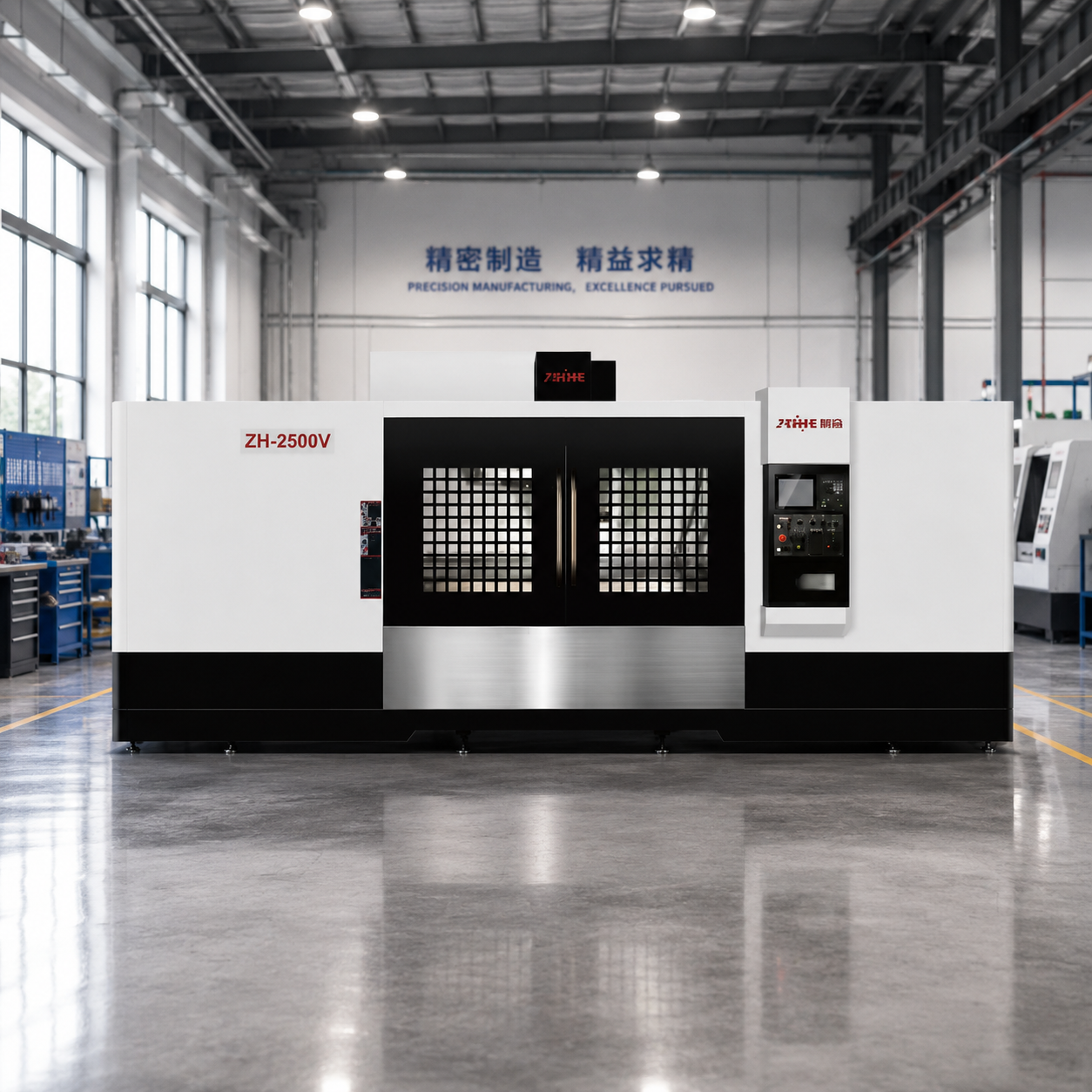
The Vertical Profile Machining Center from Zhongshan Zhihe CNC Technology Co., Ltd. gives buyers a practical reference point. The product page describes a machine built for high-precision processing of long-profile workpieces and complex components, with applications across aluminum, copper, stainless steel, and engineering plastics. It is also positioned for industries such as precision electronics, automotive components, medical devices, automation equipment, 3C electronics, robotics, and new energy.
Why Buyers Search for a Manufacturer, Not Just a Machine
A machine catalog can show size, structure, spindle information, and photos. Useful? Yes. Enough? Usually not.
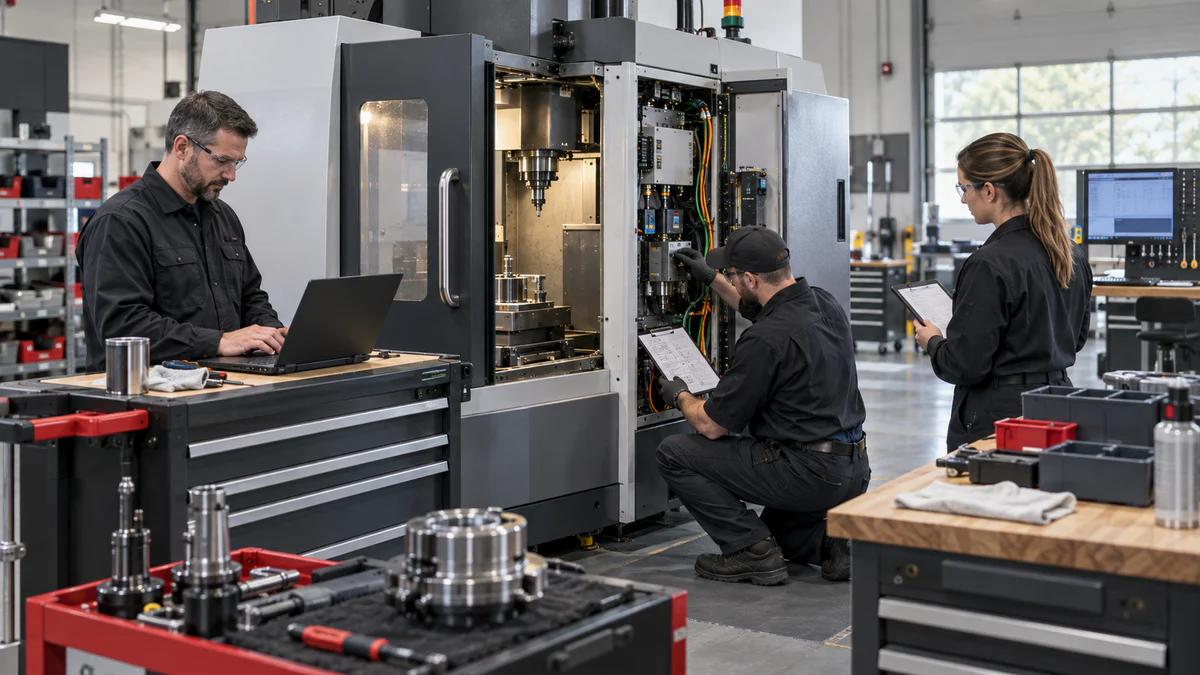
A serious buyer needs answers to more practical questions. Will the machine hold accuracy during repeated production? Can it support long workpieces without unstable vibration? Is the structure suitable for profile machining? Can the supplier provide customization and after-sales support? What happens after the machine arrives?
This is why the word manufacturer matters. Buyers want more than a reseller who forwards a quotation. They want a company that understands machine design, workpiece requirements, fixture logic, and production service.
Zhihe CNC’s product page identifies Zhongshan Zhihe CNC Technology Co., Ltd. as a national high-tech enterprise specializing in CNC machine tool R&D, manufacturing, sales, and service, with diversified customization solutions and professional after-sales support for global industrial customers. For B2B buyers, that manufacturer background is part of the buying decision, not just company decoration.
Machine Structure Tells Buyers a Lot
A high rigidity vertical machining center is often preferred when the job involves long workpieces, repeated hole patterns, stable clamping, and parts that cannot tolerate chatter.
The linked Vertical Profile Machining Center page highlights a high-rigidity cross-slide table structure combined with an integrated monolithic base. According to the page, this design is intended to improve machine stability and vibration resistance during high-speed machining, while supporting long-term machining accuracy for demanding industrial applications.
That matters because machine rigidity is not an abstract selling point. It affects daily production. If the structure is weak, the operator may need to slow down cutting parameters, adjust fixtures more often, or accept rougher surfaces. On long-profile workpieces, even a small vibration problem can show up as chatter marks, dimensional drift, or inconsistent hole locations.
For aluminum profile machining, buyers sometimes assume rigidity is less important because aluminum is easier to cut than steel. That assumption can be costly. Aluminum profiles may be light, but they are often long, thin-walled, and sensitive to clamping pressure. They cut easily, yet they also reveal process instability quickly.
Why Profile Machining Needs Precision Transmission
A vertical profile machine is not only judged by its spindle or enclosure. Motion accuracy is just as important.
The Zhihe CNC page states that the machine uses precision C3-grade large-pitch ball screw drive systems on the X, Y, and Z axes, helping improve dynamic response and repeat positioning accuracy. The page also notes that the optimized design reduces acceleration and deceleration time compared with conventional moving-column structures, which can improve machining efficiency and contour precision.
This is valuable for profile machining because many parts require repeated operations along the length of the workpiece. One profile may need rows of holes, slots, threaded features, end-face milling, and light contouring. If positioning behavior is unstable, the problem does not stay hidden. It appears during assembly, inspection, or batch production.
For buyers, this is one of the key differences between “a machine that can move” and “a machine that can repeat.”
Common Application Areas for a Vertical Profile Machining Center
A vertical profile machining center is especially useful when the workpiece is long, narrow, or feature-heavy. The linked page says the machine is engineered for high-precision processing of long-profile workpieces and complex components, and it is suitable for aluminum, copper, stainless steel, and engineering plastics.
That application range fits many B2B industries.
| Industry | Typical Workpieces | Why a Vertical Profile Machine Fits |
|---|---|---|
| Precision electronics | Frames, support plates, compact structural parts | Needs stable holes, slots, and clean surfaces |
| Automotive components | Brackets, rails, aluminum or metal profiles | Requires repeatable machining and fixture stability |
| Medical devices | Precision frames, equipment parts, non-ferrous components | Needs controlled accuracy and clean finish |
| Automation equipment | Long beams, guide supports, mounting profiles | Benefits from long-workpiece machining |
| 3C electronics | Aluminum frames, structural housings | Requires surface quality and batch repeatability |
| Robotics | Guide rails, support profiles, precision metal parts | Needs dimensional consistency |
| New energy industries | Aluminum structures, battery-related profiles | Often involves long components and repeated features |
The important point is not that one machine solves every job. It does not. The value is that a profile-oriented vertical machine gives buyers a better match when long workpieces, profile geometry, and batch stability are part of the production problem.
What Buyers Should Ask Before Choosing a Supplier
Before buying from a vertical machining center manufacturer, buyers should prepare clear technical information. A vague inquiry usually leads to a vague recommendation.
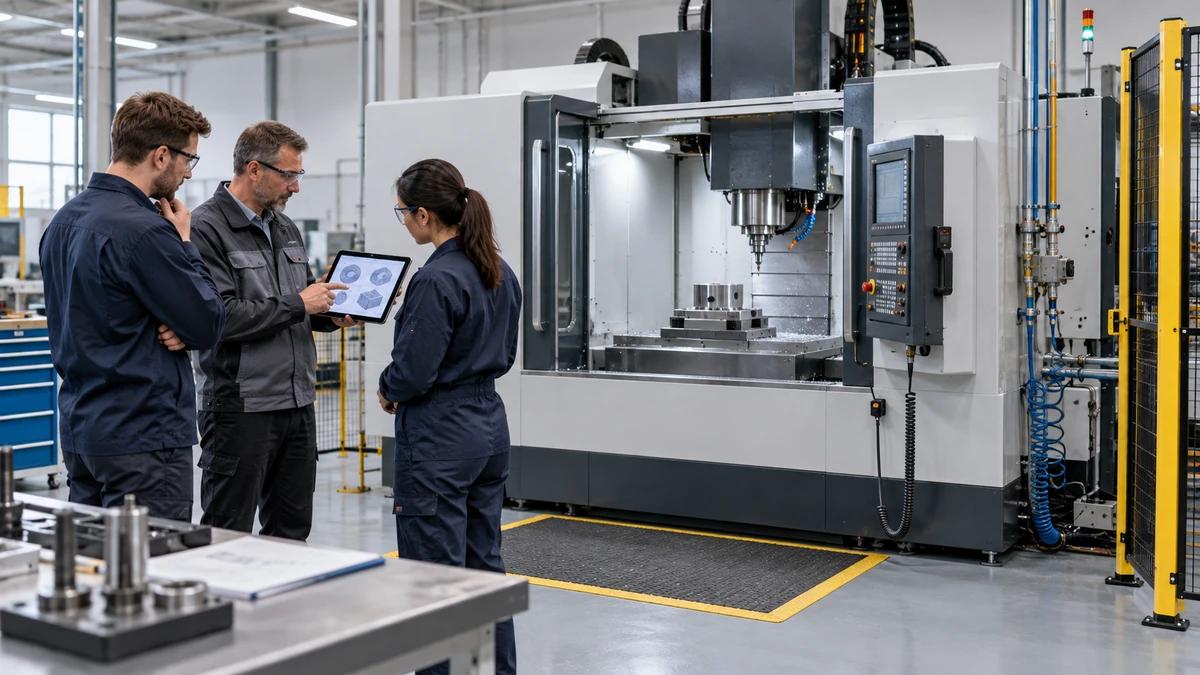
Send the supplier part drawings, material, profile length, part weight, tolerance requirements, surface finish needs, hole and tapping details, expected output, fixture constraints, and preferred control system. These details help the manufacturer judge whether a vertical profile machining center is suitable, or whether another machine type would be more efficient.
A serious supplier should be able to discuss:
| Buyer Question | Why It Matters |
|---|---|
| Is the machine suitable for the longest regular workpiece? | Prevents travel and fixture mismatch |
| Can the structure control vibration during profile machining? | Protects surface finish and tool life |
| How is repeat positioning accuracy supported? | Affects batch consistency |
| What materials can the machine handle? | Confirms fit for aluminum, copper, stainless steel, plastics, or mixed parts |
| Can the supplier support customization? | Helps adapt the machine to real production |
| What after-sales support is available? | Reduces risk after installation |
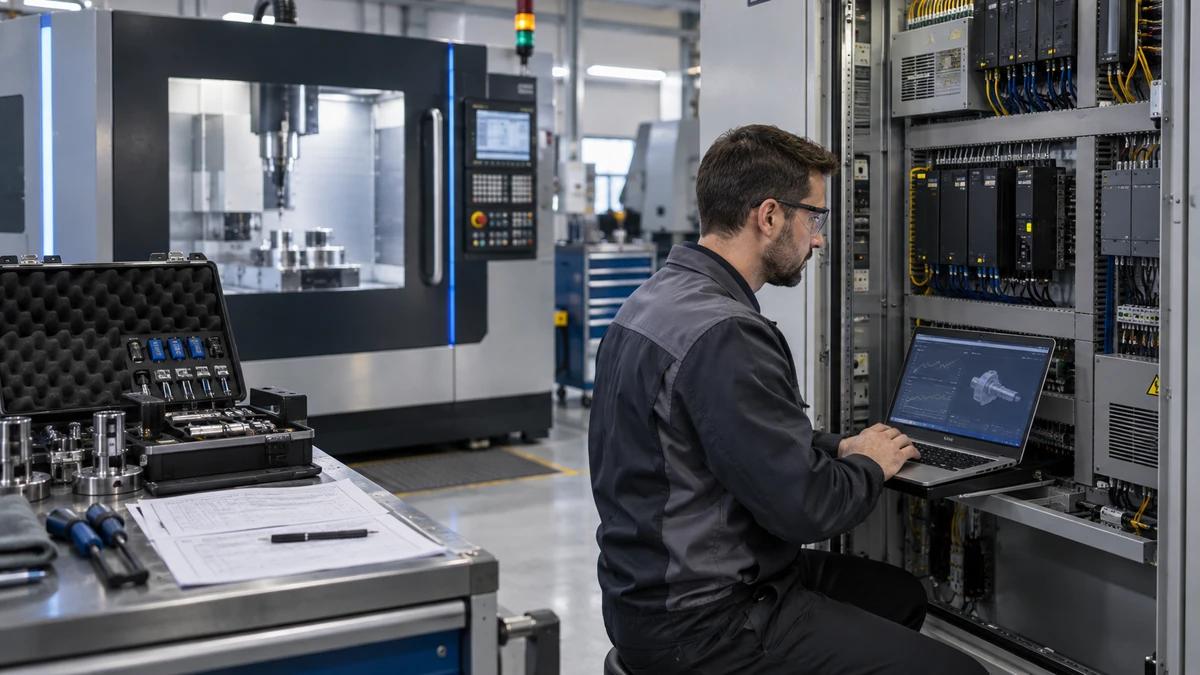
The linked page states that the manufacturer provides diversified customization solutions and professional after-sales support for global industrial customers. That is especially relevant for overseas buyers who need more than delivery; they need installation confidence, service communication, and long-term support.
Vertical or Horizontal: Which One Should Buyers Consider?
A CNC vertical machining center is often the first choice when the workpiece can be loaded easily from the front or top, when operators need clear visibility, and when the machining process includes drilling, milling, tapping, slotting, and light contouring.
A horizontal machining center may be better when side access, chip fall, automation, or multi-face machining dominates the job. That does not make one layout universally better than the other. The correct answer depends on the drawing.
For profile work, vertical machining often makes sense when the part can be supported along the table and most features can be accessed from the top or from a manageable fixture position. The vertical profile format is especially practical for manufacturers processing aluminum profiles, long structural parts, equipment beams, and precision industrial components.
A buyer should not choose by habit. Choose by workpiece geometry.
Selection Criteria Buyers Should Not Skip
A good buying decision should cover machine structure, transmission system, material range, application fit, supplier capability, and after-sales support.
The Zhihe CNC Vertical Profile Machining Center page gives several useful selection points: high-rigidity cross-slide structure, integrated monolithic base, C3-grade ball screw transmission on X/Y/Z axes, suitability for long-profile workpieces, compatibility with aluminum, copper, stainless steel, and engineering plastics, and application coverage across precision electronics, automotive, medical, automation, 3C, robotics, and new energy industries.
For procurement teams, these points can be turned into a checklist:
| Selection Area | What to Confirm |
|---|---|
| Structure | Cross-slide design, base rigidity, vibration resistance |
| Transmission | Ball screw grade, repeat positioning behavior, dynamic response |
| Workpiece fit | Profile length, fixture space, tool access |
| Material fit | Aluminum, copper, stainless steel, plastics, or mixed materials |
| Industry fit | Electronics, automotive, automation, robotics, new energy |
| Supplier support | Customization, service, training, after-sales response |
This checklist helps buyers avoid choosing by brochure language alone.
Practical Mistakes That Create Problems Later
One common mistake is overbuying machine size while ignoring process fit. A larger machine is not always better if fixture access is poor or if the workpieces do not need the extra capacity.
Another mistake is treating all vertical machining centers as the same. A general VMC and a profile-focused VMC may serve different production needs. If the main work involves long profiles, repeated features, and batch consistency, the buyer should check whether the machine is actually optimized for long workpieces.
A third mistake is ignoring support. If the supplier cannot explain customization, fixture planning, trial cutting, or after-sales support clearly, the buyer may face problems after delivery.
The quieter mistake is failing to share enough information. Without drawings, materials, tolerances, and output targets, even a good manufacturer cannot make a precise recommendation.
FAQ
Is a vertical profile machining center only for aluminum?
No. The Zhihe CNC product page lists aluminum, copper, stainless steel, and engineering plastics as suitable materials.
What industries can use this type of machine?
The product page lists precision electronics, automotive components, medical devices, automation equipment, 3C electronics, robotics, and new energy industries.
Why does machine rigidity matter for profile machining?
Rigidity helps reduce vibration, chatter, and dimensional instability. This is important for long profiles, thin-wall parts, repeated holes, and high-precision batch production.
What should buyers send before requesting a quote?
Buyers should send drawings, material, dimensions, tolerance requirements, surface finish needs, machining operations, expected output, and fixture requirements.
Should buyers choose vertical or horizontal machining?
It depends on the part. Vertical machining is often practical for top-side milling, drilling, tapping, and long-profile work. Horizontal machining may be better for side access, multi-face cutting, and certain automation layouts.
Conclusion
When buyers search for a vertical machining center manufacturer, they are really searching for production confidence. They want a supplier that can match machine structure, motion system, material capability, customization support, and after-sales service to a real workpiece.
The Zhihe CNC Vertical Profile Machining Center is positioned for high-precision long-profile and complex component machining. Its high-rigidity cross-slide table structure, integrated monolithic base, C3-grade X/Y/Z ball screw transmission, and wide application range make it relevant for aluminum profiles, precision electronics, automotive parts, medical devices, automation equipment, robotics, and new energy applications.
The best sourcing process starts with the part drawing. Once buyers understand the material, profile length, fixture plan, tolerance target, and output requirement, the right vertical machining center is much easier to identify—and much easier to justify.