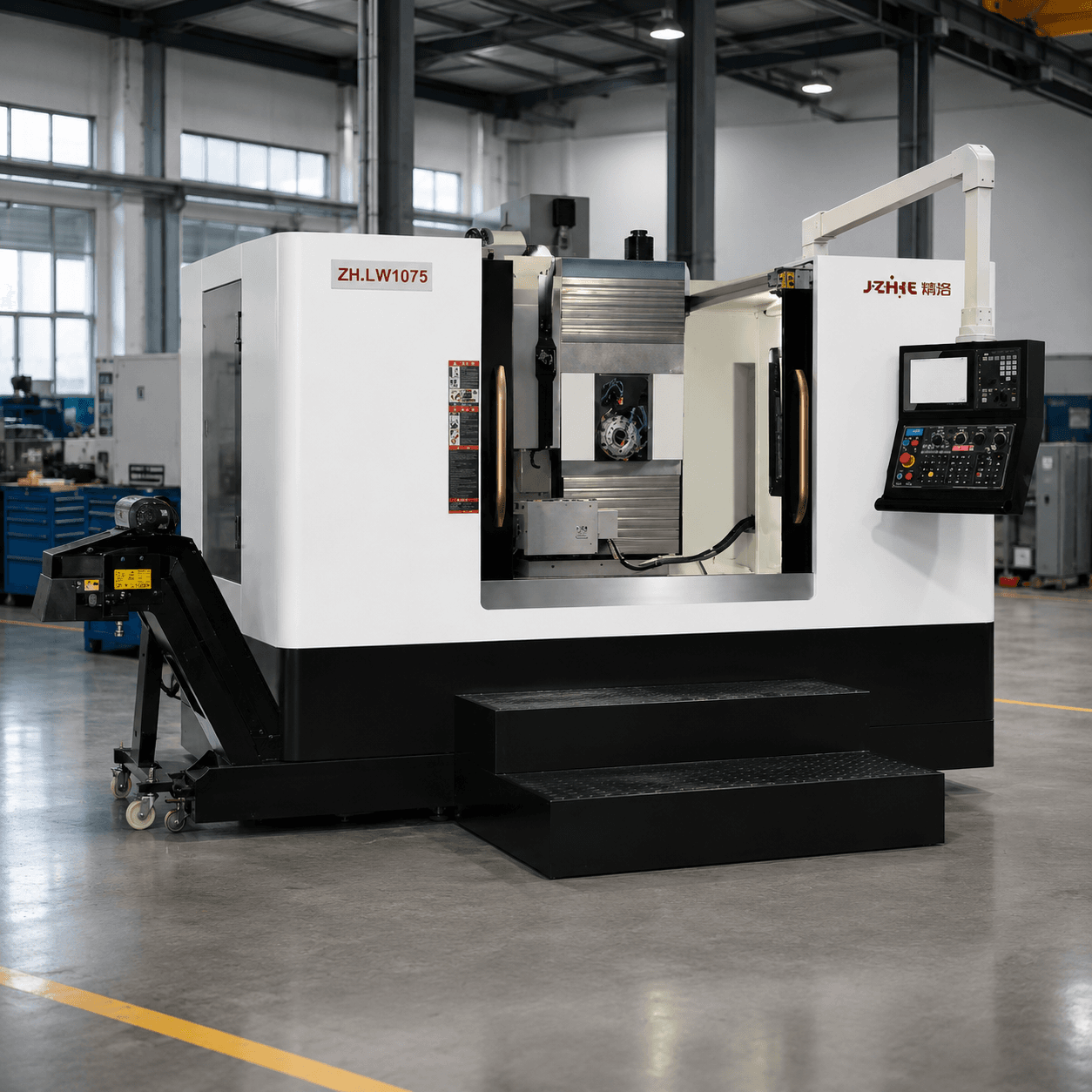
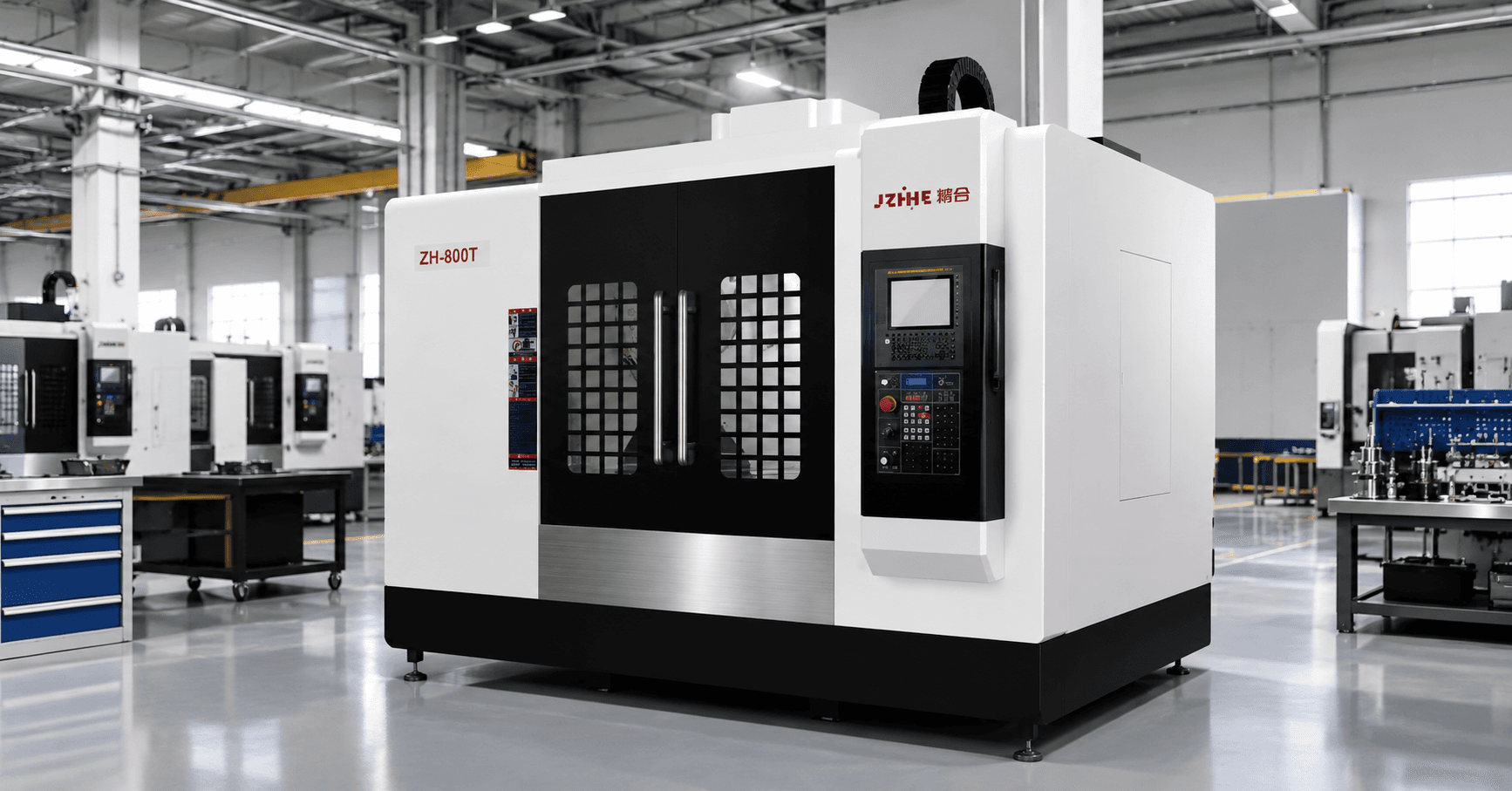
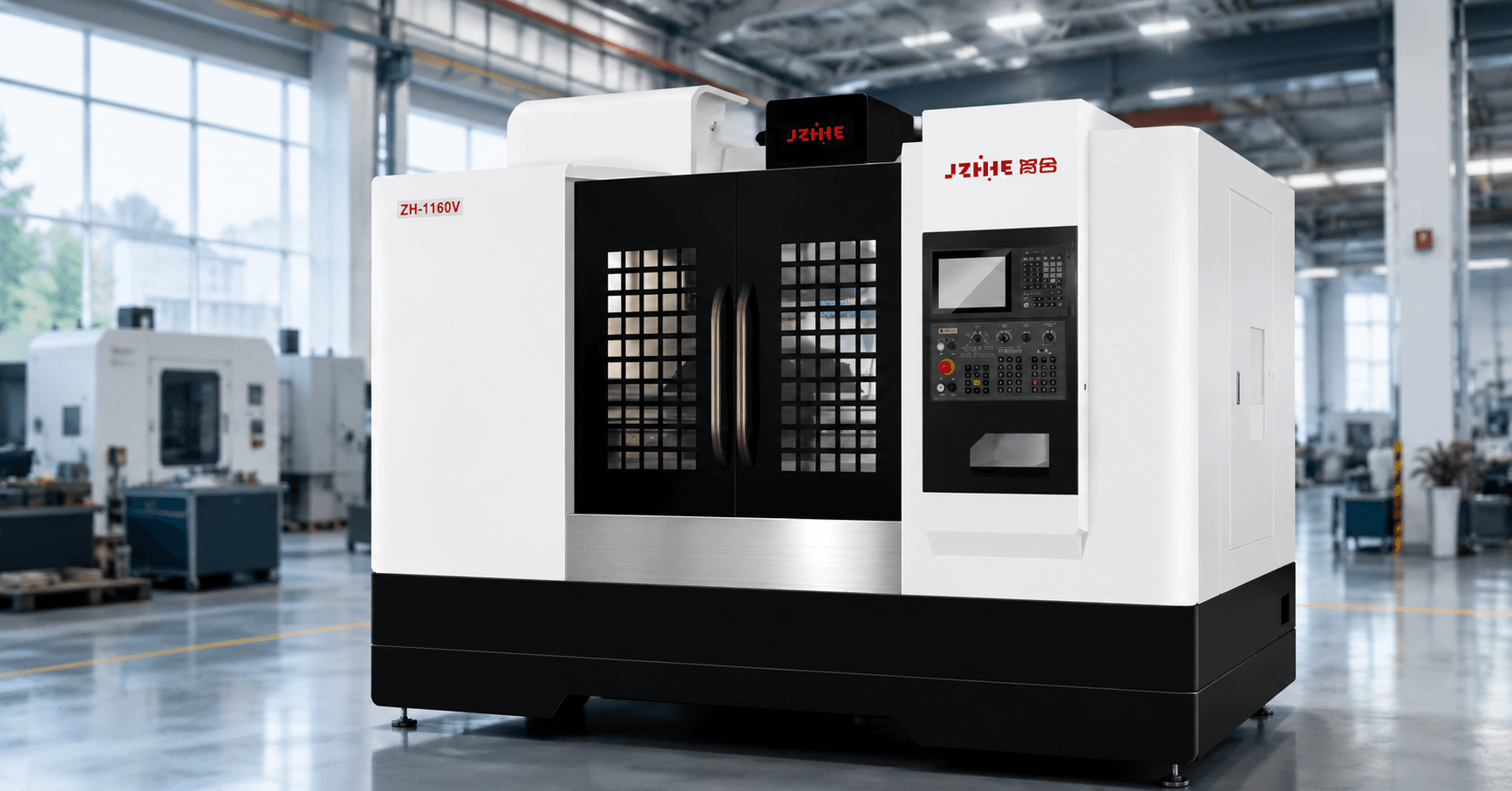
A vertical machining center is often one of the first serious CNC investments for a growing metalworking factory. It can handle milling, drilling, tapping, boring, face machining, pocket machining, and fixture-based batch production. Yet not every VMC is suitable for medium-to-large workpieces.
A small machine may look affordable, but it can quickly become a bottleneck when the workpiece gets wider, heavier, or more difficult to clamp. A plate may not fit comfortably. A valve body may require multiple setups. A mold base may need deeper Z-axis clearance. A housing may lose accuracy after repeated repositioning.
For B2B buyers, the question is not simply, “Can this machine cut metal?” The better question is: can this machine support our real parts with fewer setups, stable accuracy, and predictable batch output?
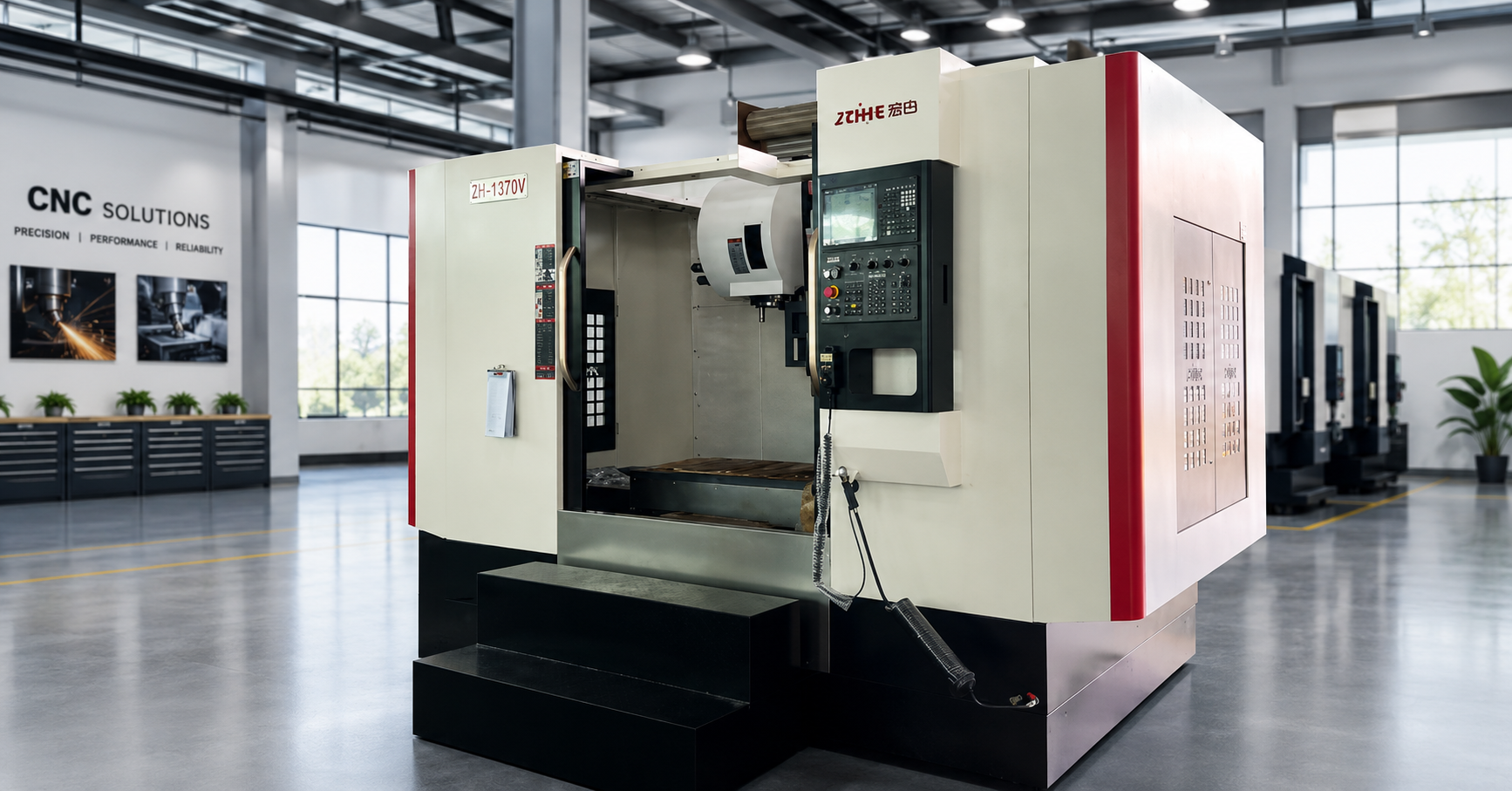
The ZH-1370V Vertical Machining Center from Zhihe CNC is designed for medium-to-large plates, housings, mold parts, complex profiles, and high-rigidity batch production. The product page lists 1300 / 700 / 700 mm X/Y/Z travel, 1400 × 700 mm worktable, 1200 kg maximum table load, BT40 spindle, 11 kW spindle motor, and MITSUBISHI M80VB CNC controller.
Why Medium-to-Large Parts Need a Stronger VMC
Many factories start with a compact vertical machining center. It works well for small fixtures, short plates, aluminum blocks, brackets, and simple housings. But production needs change. Customers may begin sending larger mold bases, automotive components, valve bodies, automation structures, or new energy parts.
At that point, three problems usually appear.
The first problem is travel limitation. If the machine cannot cover the workpiece in one setup, operators must reposition the part. Every re-clamping step adds time and risk.
The second problem is rigidity. Larger parts usually mean heavier cutting load, larger fixtures, deeper cavities, and longer tools. A weak machine may vibrate, lose surface quality, or force the operator to reduce cutting parameters.
The third problem is batch consistency. A machine may produce one acceptable sample but fail to hold stable accuracy across repeated parts. For production buyers, that is not acceptable.
ZH-1370V is positioned for high-precision and high-rigidity batch production of medium-to-large plates, housings, and complex profiles. Its applicable materials include aluminum alloys, copper alloys, carbon steel, and low-carbon alloy steel, while target industries include general machinery, precision molds, hardware stamping parts, automation equipment bases, automotive components, and new energy structures.
Key Product Features Buyers Should Notice
The ZH-1370V gives buyers a larger and stronger machining platform than a small general-purpose VMC. Its specification is especially relevant when the factory needs a balance between machining envelope, rigidity, spindle power, and production flexibility.
| Buyer Concern | ZH-1370V Product Data | Why It Matters |
|---|---|---|
| Medium-to-large workpieces | X/Y/Z travel: 1300 / 700 / 700 mm | Supports larger plates, housings, valve bodies, and mold bases |
| Fixture and part weight | Max. table load: 1200 kg | Allows heavier parts and stronger fixture design |
| Workholding space | Worktable: 1400 × 700 mm | Gives more room for clamps, jigs, and multi-part setup |
| Heavy milling | 11 kW BT40 spindle motor | Supports stronger cutting force for face milling and roughing |
| Batch machining | ±0.005 mm positioning accuracy / 300 mm | Helps maintain production consistency |
| Tool efficiency | 24-tool arm-type BT40 magazine | Reduces manual tool change interruptions |
| Future expansion | Standard 4th-axis interface | Allows optional indexer or rotary table if needed |
These technical details come from the ZH-1370V product specifications and standard configuration page.
Where ZH-1370V Fits in Real Production
The ZH-1370V is especially useful for factories that need to machine parts too large or too heavy for small VMCs, but do not necessarily need a gantry or horizontal machining center.
Good-fit applications include:
- Precision mold bases
- Large valve bodies
- Medium-to-large plates
- Industrial housings
- Gearbox covers
- New energy vehicle parts
- Automation equipment bases
- Hardware stamping die components
- General machinery structural parts
- Automotive aluminum or cast iron components
This machine category fits companies that need a stronger all-around vertical machining platform. It is not only about size. It is about reducing re-clamping, protecting tolerance, and giving operators enough machine capacity to work more confidently.
Why Table Load Matters More Than Buyers Expect
Many buyers look at X/Y/Z travel first. That is natural. But table load is just as important.
A part may fit within the machine travel, but if the part and fixture together are too heavy, machining stability may suffer. A large cast iron mold base, valve body, or steel fixture can place serious load on the worktable.
The ZH-1370V’s 1200 kg maximum table load gives buyers more room for heavier workpieces and rigid fixture systems.
This matters because weak fixturing often ruins the benefit of a good machine. A stable VMC needs a stable part setup. When the table capacity is too limited, buyers may have to compromise on fixture design. That can create vibration, deformation, or repeatability problems.
Why the 700 mm Y-Axis and Z-Axis Are Valuable
A common problem in medium part machining is not only length. Width and height also matter.
A mold base or valve body may have enough length clearance, but the Y-axis may not cover the full width in one setup. The Z-axis may not provide enough room for the workpiece, fixture, tool holder, and cutting tool.
The ZH-1370V offers 700 mm Y-axis travel and 700 mm Z-axis travel, which helps with wider and taller parts.
For buyers, this can reduce the need for awkward setups. It also helps when machining deep cavities, large holes, stepped surfaces, and large face milling areas.
What Makes This Machine Stronger Than a Smaller VMC?
A smaller vertical machining center may be cheaper and easier to place in a workshop. For small parts, that may be enough. But for larger plates and housings, the ZH-1370V has clear advantages.
| Comparison Area | Smaller VMC Limitation | ZH-1370V Advantage |
|---|---|---|
| Workpiece size | May require segmented machining | Larger 1300 / 700 / 700 mm travel |
| Table load | Often limited for heavy fixtures | 1200 kg table load supports heavier parts |
| Cutting force | Smaller spindle power may limit roughing | 11 kW BT40 spindle supports stronger cutting |
| Tool changes | Limited tool capacity can slow production | 24-tool arm magazine supports multi-process parts |
| Batch accuracy | Less rigidity may affect consistency | Roller guides and C3 ball screw support stable machining |
| Expansion | May lack future flexibility | Standard 4th-axis interface supports optional rotary work |
The advantage is not that ZH-1370V is “bigger” in a simple sense. Its advantage is that it gives factories more practical production margin.
How Buyers Should Decide Whether This Machine Fits
Before buying this type of machine, buyers should prepare real production information. A good machine recommendation cannot be made from a model name alone.
Send the supplier:
- Workpiece drawings
- Maximum part size
- Part weight
- Material
- Tolerance requirements
- Current setup method
- Current machining problems
- Tool list
- Batch quantity
- Fixture plan
- Required surface finish
- Future expansion needs
If your current machine forces multiple clamping operations, struggles with wider parts, vibrates during heavy cutting, or cannot maintain batch precision, the ZH-1370V may be worth serious evaluation.
FAQ
What type of factory should consider the ZH-1370V?
Factories machining mold bases, valve bodies, medium-to-large plates, housings, automation bases, automotive parts, new energy structures, and general machinery parts should consider it.
Is the ZH-1370V suitable for heavy cutting?
Yes. The product page lists an 11 kW BT40 spindle and roller guide configuration, and one case specifically uses the machine for cast iron mold base / valve body machining.
What is the biggest advantage of this machine?
Its main advantage is the combination of large travel, 1200 kg table load, 11 kW BT40 spindle, high positioning accuracy, 24-tool magazine, and strong suitability for medium-to-large parts.
Should buyers choose optional 4th-axis equipment?
Only if the workpiece needs indexed machining, rotary positioning, or more complex multi-face operations. The machine includes a standard 4th-axis interface, with optional indexer or rotary table.
Conclusion
A vertical machining center for medium-to-large parts should be selected based on actual production pain points. If the factory struggles with workpiece width, fixture weight, deep cavities, heavy cutting, re-clamping error, or unstable batch output, a larger and more rigid VMC can improve the process.
The ZH-1370V stands out because it combines 1300 / 700 / 700 mm travel, 1400 × 700 mm worktable, 1200 kg table load, 11 kW BT40 spindle, 24-tool arm-type magazine, roller guide structure, C3-grade ball screw, MITSUBISHI M80VB controller, and verified accuracy inspection.
For B2B buyers, the next step is simple: start with the part drawing. Once the workpiece size, material, tolerance, fixture plan, and batch target are clear, it becomes much easier to decide whether the ZH-1370V is the right production machine.