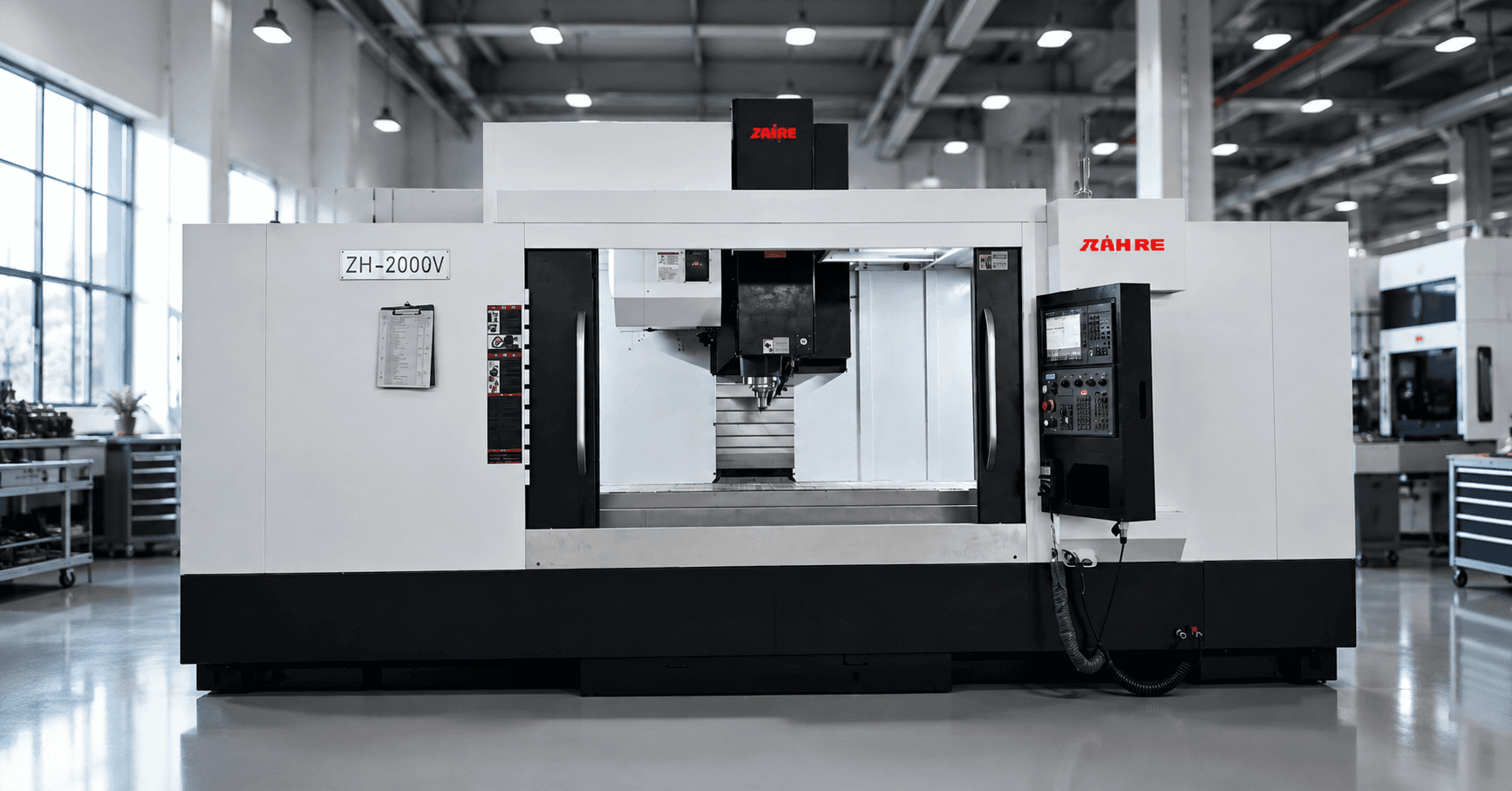
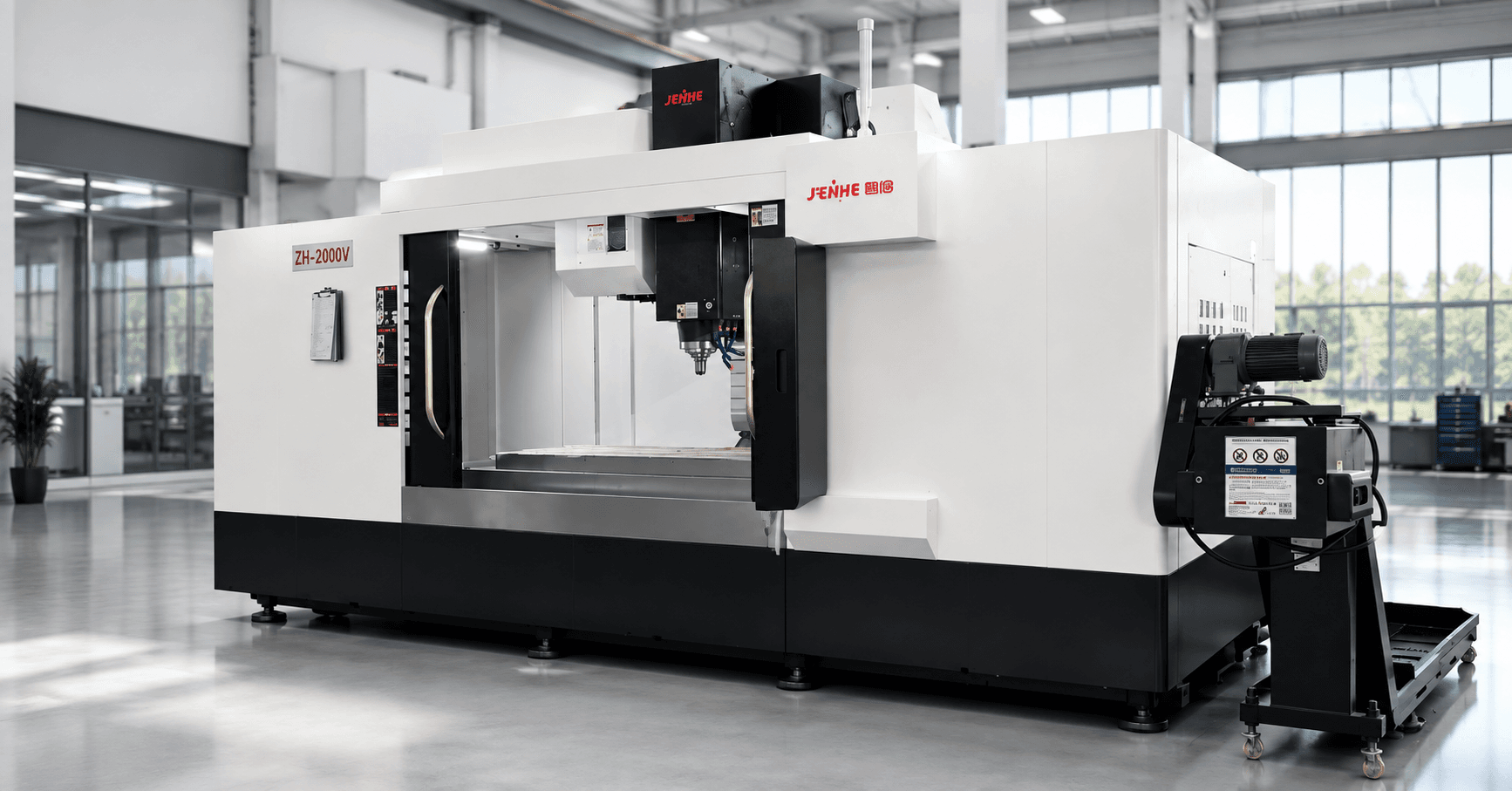
A vertical machining center price should be compared through a configuration delta ledger, not as one isolated number. The ledger begins with a defined base machine and records every change in travel, spindle duty, tool capacity, coolant, chips, probing, accuracy evidence, delivery, and site work. Each price difference must point to a production consequence.
The method separates useful capacity from optional scope and exposes quotations that omit costs or quietly assign work to the buyer.
Open the Ledger With One Reference Part Family
Define the parts that the investment must support: material, blank size, finished envelope, mass, setup orientation, features, tolerances, surface requirements, annual volume, batch size, and changeover frequency. Mark the largest part, the most accurate part, and the part with the longest cutting duty.
Use the same reference family for every supplier. Without a workload, one quote may assume aluminum plates and another may assume steel housings, yet both appear under the same machine label. The ledger needs one agreed demand baseline before it can explain commercial differences.
Column A Records the Base Machine Boundary
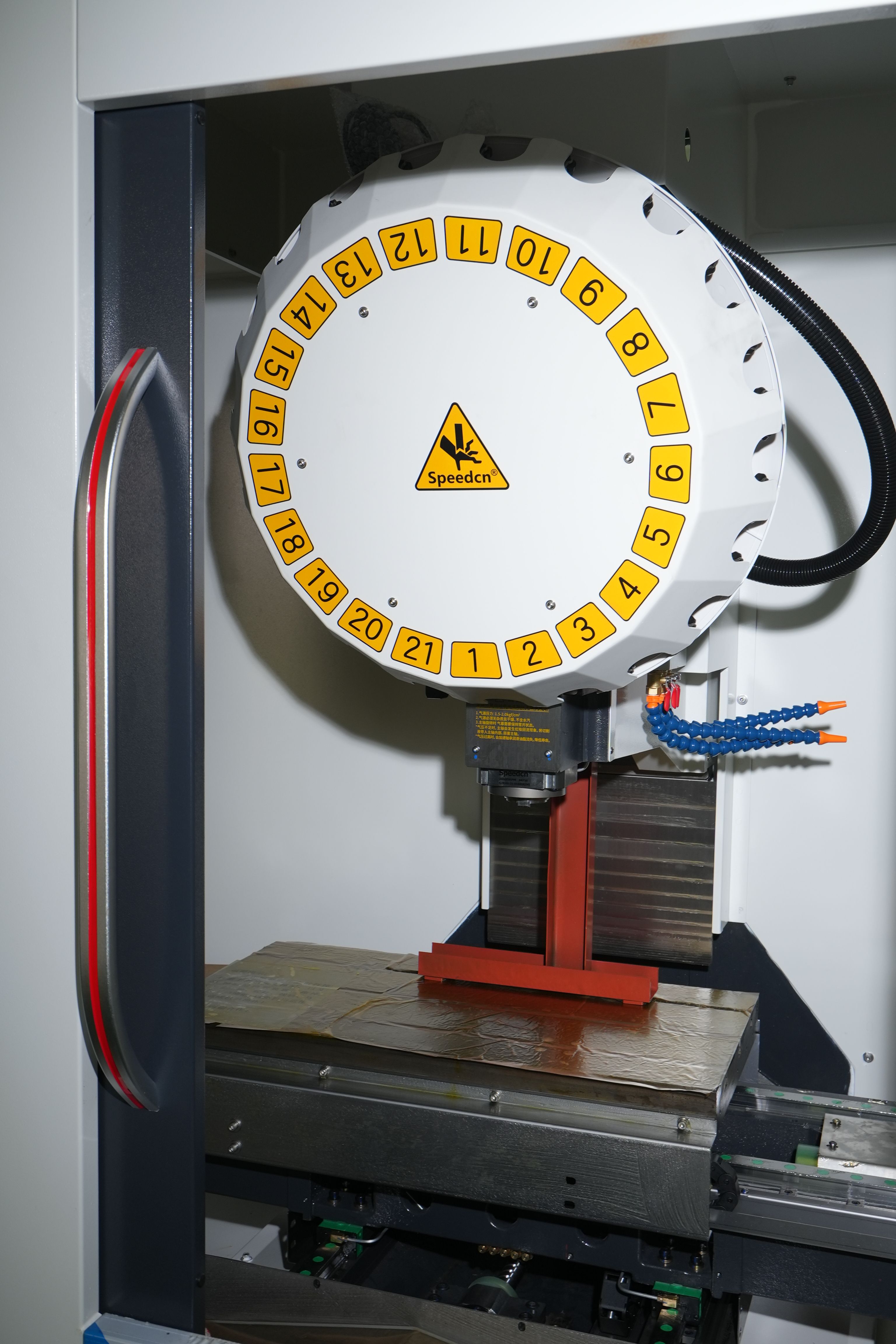
Write down travels, table size, table load, spindle interface, maximum speed, torque information, axis rates, guideway architecture, tool magazine, controller, enclosure, coolant tank, chip device, electrical standard, and included documentation. State the exact model and revision.
Do not accept the phrase standard configuration without a line-item list. A base machine can exclude transformer, coolant-through-spindle preparation, probing interfaces, chip conveyor, oil mist management, tool holders, leveling elements, freight protection, or commissioning.
Column B Prices the Work Envelope Change
Record changes in X, Y, and Z travel, table dimensions, door opening, fixture height, spindle nose clearance, tool reach, workpiece loading, and maintenance access. Note whether the change affects the machine structure or only an option package.
A small travel increase can trigger a larger casting, different ballscrew, longer covers, heavier table, changed acceleration, larger footprint, or different transport plan. The ledger must show what changed physically and why the reference part needs it.
Column C Separates Peak Spindle Data From Duty
Compare spindle speed, torque and power across the operating range, tool interface, bearing and cooling arrangement, acceleration, rigid tapping, thermal management, and expected continuous duty. Link the choice to cutter diameter, drilling size, material, engagement, and cycle duration.
For a vertical machining center price review, maximum speed alone is a weak explanation. A high-speed aluminum process, a long steel roughing cycle, and a mold-finishing route create different requirements. Ask for the data and trial conditions that support the proposed spindle package.
| Ledger line | Commercial change | Production consequence |
|---|---|---|
| Travel and table | Base or enlarged structure | Mounted-part and fixture clearance |
| Spindle package | Speed, torque, cooling, interface | Tool window and sustained duty |
| Tool magazine | Pockets and change mechanism | Family coverage and recovery |
| Coolant and chips | Pumps, filtration, conveyor, wash | Process stability and operator work |
| Acceptance | Tests, artifacts, records, travel | Evidence and release confidence |
Column D Values Tool Capacity and Recovery
List the production tool set, sister tools, probes, breakage detection, holder type, pull studs, offline presetting needs, and replacement policy. Check maximum tool diameter, length, mass, adjacent-pocket restrictions, and tool-change interference.
The lowest purchase price can create frequent manual tool loading or weak recovery after wear. Compare the number of tools needed for the whole family, not one demonstration part. Include the time and risk of restoring offsets after a broken tool or interrupted shift.
Column E Makes Coolant and Chips Visible
Define flood delivery, through-tool requirements, pressure and flow, filtration, tank capacity, oil separation, temperature control, conveyor type, wash-down, mist control, and material change cleaning. Connect them to chip volume, fine particles, tapping, deep holes, and unattended time.
Coolant and chip options are often treated as accessories even though they can govern uptime and surface quality. A process that stops for chip removal every cycle has a different economic result from one that runs to the planned inspection point.

Column F Defines the Accuracy Evidence Package
Separate catalog specifications from acceptance evidence. State geometry checks, positioning verification, repeatability, warm-up condition, compensation status, measurement equipment, trial part, inspection method, and reporting format. Clarify which tests occur at the factory and which occur after installation.
A tighter acceptance package may add engineering, machine time, artifacts, travel, and documentation. The buyer should pay for evidence that matters to the part, not demand every possible test or accept a general accuracy claim without a method.
Column G Normalizes Delivery and Site Scope
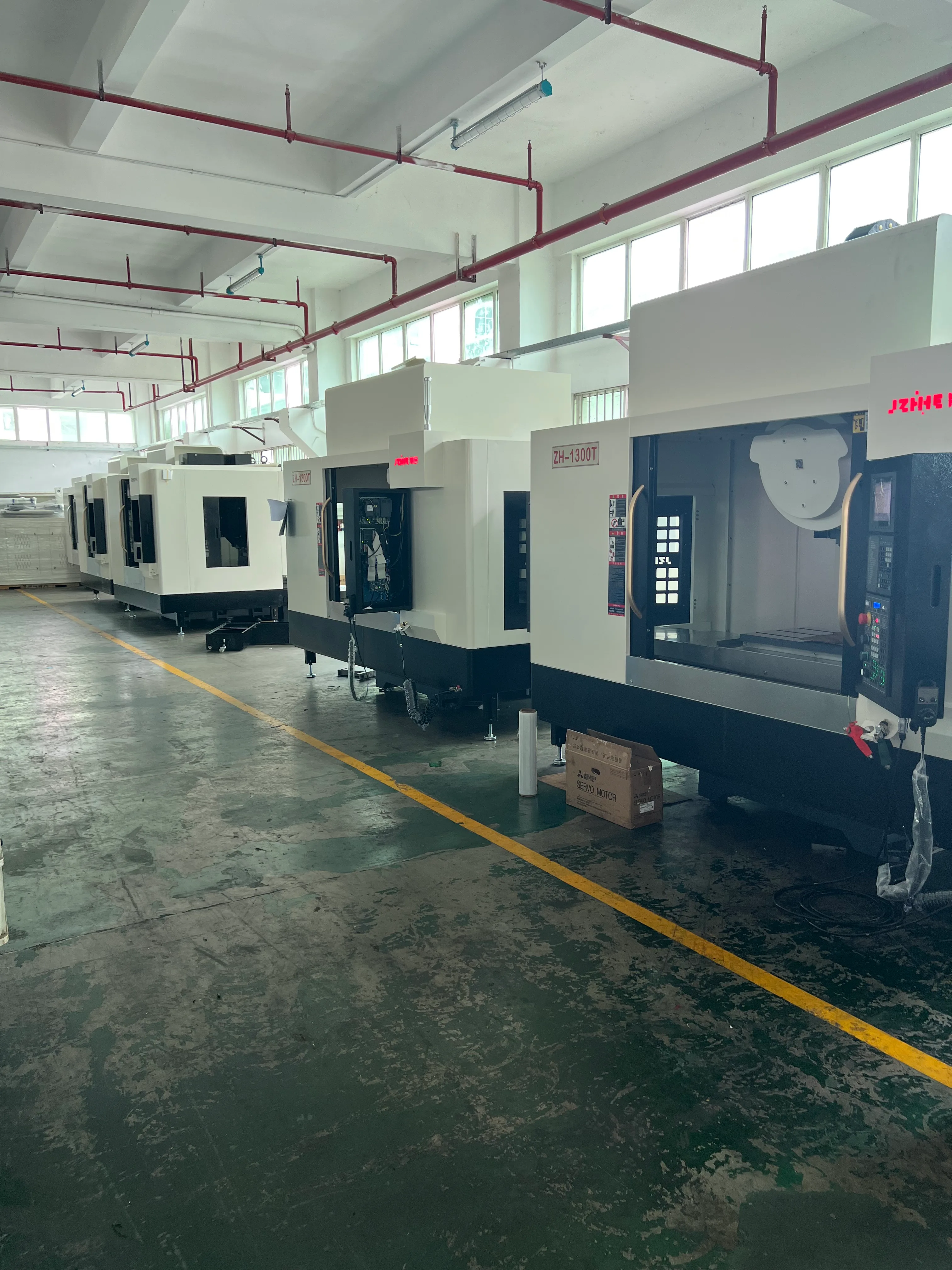
Record packing, inland transport, export handling, freight, insurance, unloading, rigging, foundation, electrical supply, air, coolant, network, environmental conditions, installation, commissioning, training, and trial production. Assign each task to a named party.
Review the vertical machining center range for platform context, then compare the quoted scope with the actual destination and startup plan. A machine price becomes meaningful only when the route to stable production is visible.
Close Exceptions Before Ranking Suppliers
- Issue one reference workload and response format.
- Mark every line as included, optional, excluded, buyer-supplied, or unresolved.
- Ask suppliers to explain production consequences for each delta.
- Normalize delivery, acceptance, training, spares, and warranty boundaries.
- Close assumptions and exceptions before calculating the final comparison.
- Keep the ledger with the purchase specification and acceptance record.
Where the Cheapest Ledger Can Still Be Correct
The lowest offer may be the right choice when the part family is simple, the plant already owns tooling and support equipment, local integration is strong, and optional capacity would remain unused. A more complete package is not automatically better. The decision must follow workload, risk, and ownership.
Likewise, the highest offer does not prove higher capability. Reject unexplained premiums, duplicated scope, or options that cannot be connected to a measurable process requirement.
FAQ
Should suppliers reveal a detailed cost breakdown?
They may not disclose internal margins, but they should identify included scope, option deltas, technical changes, assumptions, exclusions, and acceptance responsibilities.
How should two different VMC sizes be compared?
Use the same mounted-part envelope and production target, then show which larger-machine features are required, protective margin, or unused capacity.
Is tooling part of the machine quotation?
Sometimes. The ledger should state holders, pull studs, cutting tools, probes, presetting, and customer-supplied items explicitly.
What price should enter the investment case?
Use the normalized installed and production-ready cost, then model operating, maintenance, quality, and downtime consequences separately.
Request a Configuration Delta Review
To compare vertical machining center price on a common basis, send part and blank drawings, material, tolerances, annual volume, batch size, required tools, cycle expectations, destination, utilities, acceptance needs, and preferred responsibilities. Use the contact page for a quotation review and consult the full machining center portfolio when another architecture may fit the workload better.