Vertical Machining Center Review: What Buyers Should Notice Before They Compare Specs
A Vertical Machining Center can look straightforward from a distance. It has an enclosed body, a worktable, a spindle, a control panel, and a familiar shop-floor footprint. But once engineering teams and sourcing managers start comparing machines, the discussion becomes more serious.
The question is rarely, “Can it cut metal?” Most VMCs can. The real question is whether the machine fits the parts your factory actually makes: the material, tolerance, fixture weight, workpiece size, operator workflow, tool list, chip control, and expected batch volume.
That is why buyers should not compare only exterior design or headline specifications. A well-enclosed machine may still be the wrong choice if the table load is too low, the Z-axis lacks rigidity, the tool magazine is too limited, or the machine cannot hold accuracy during repeated production.
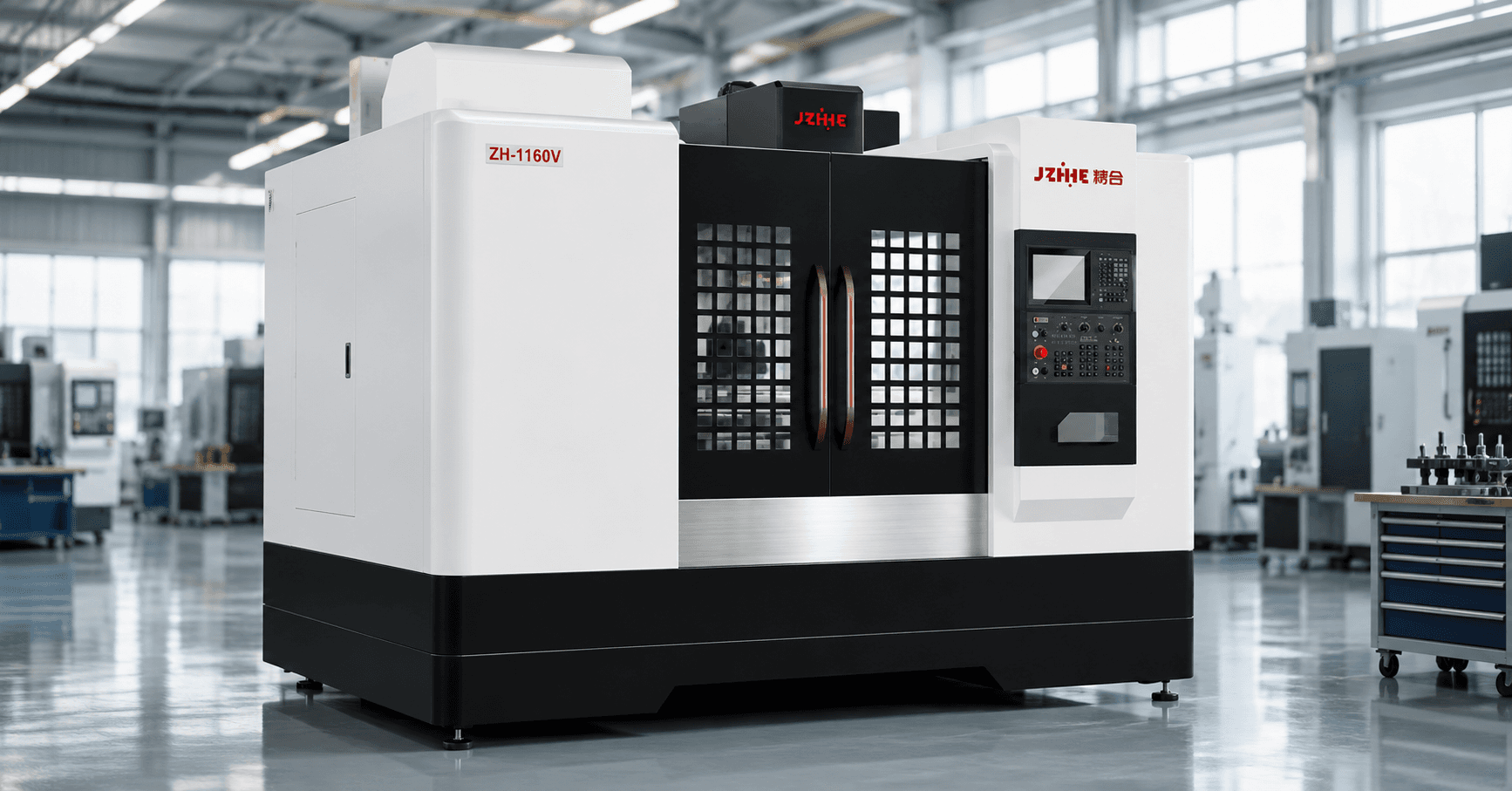
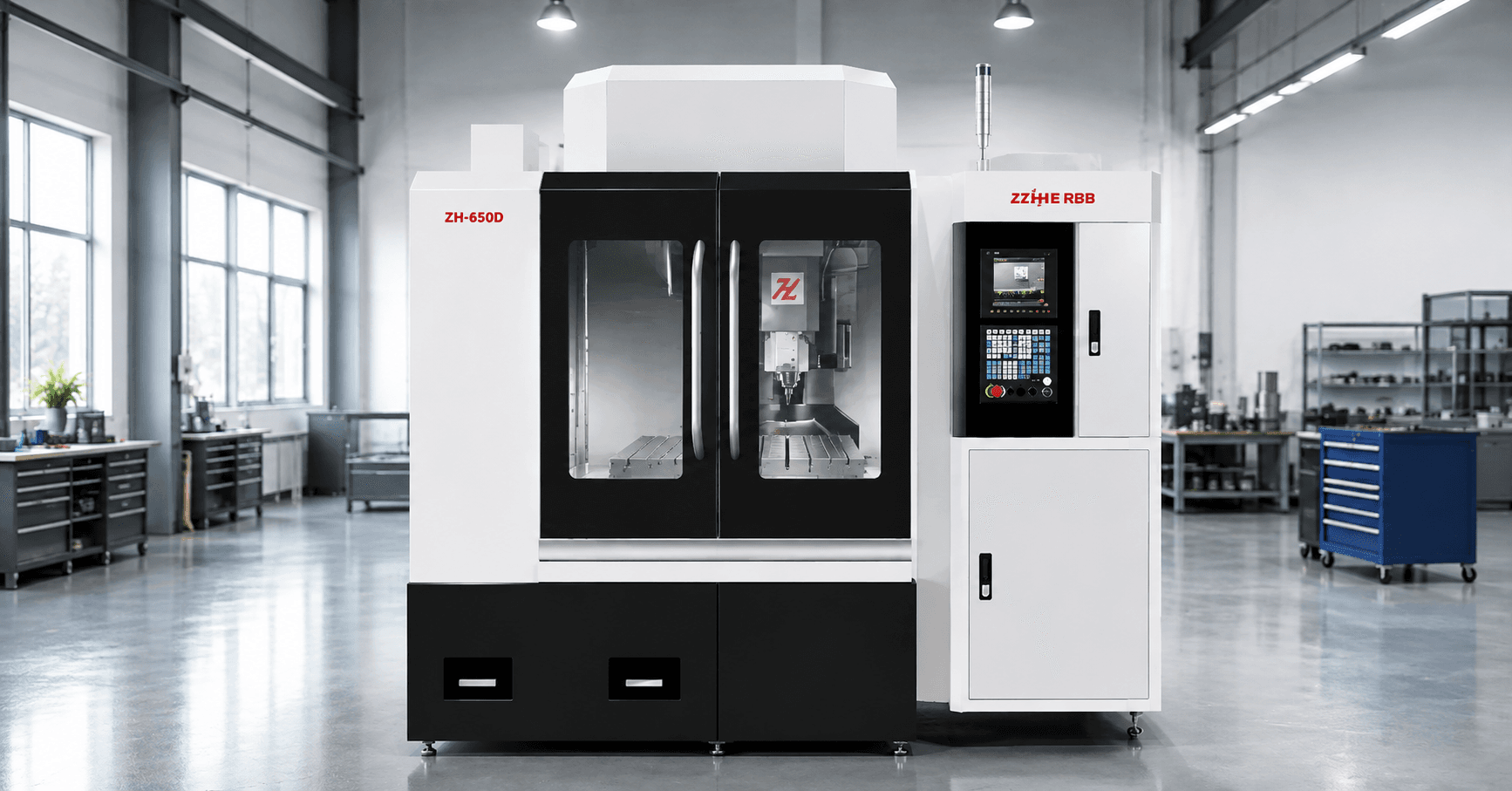
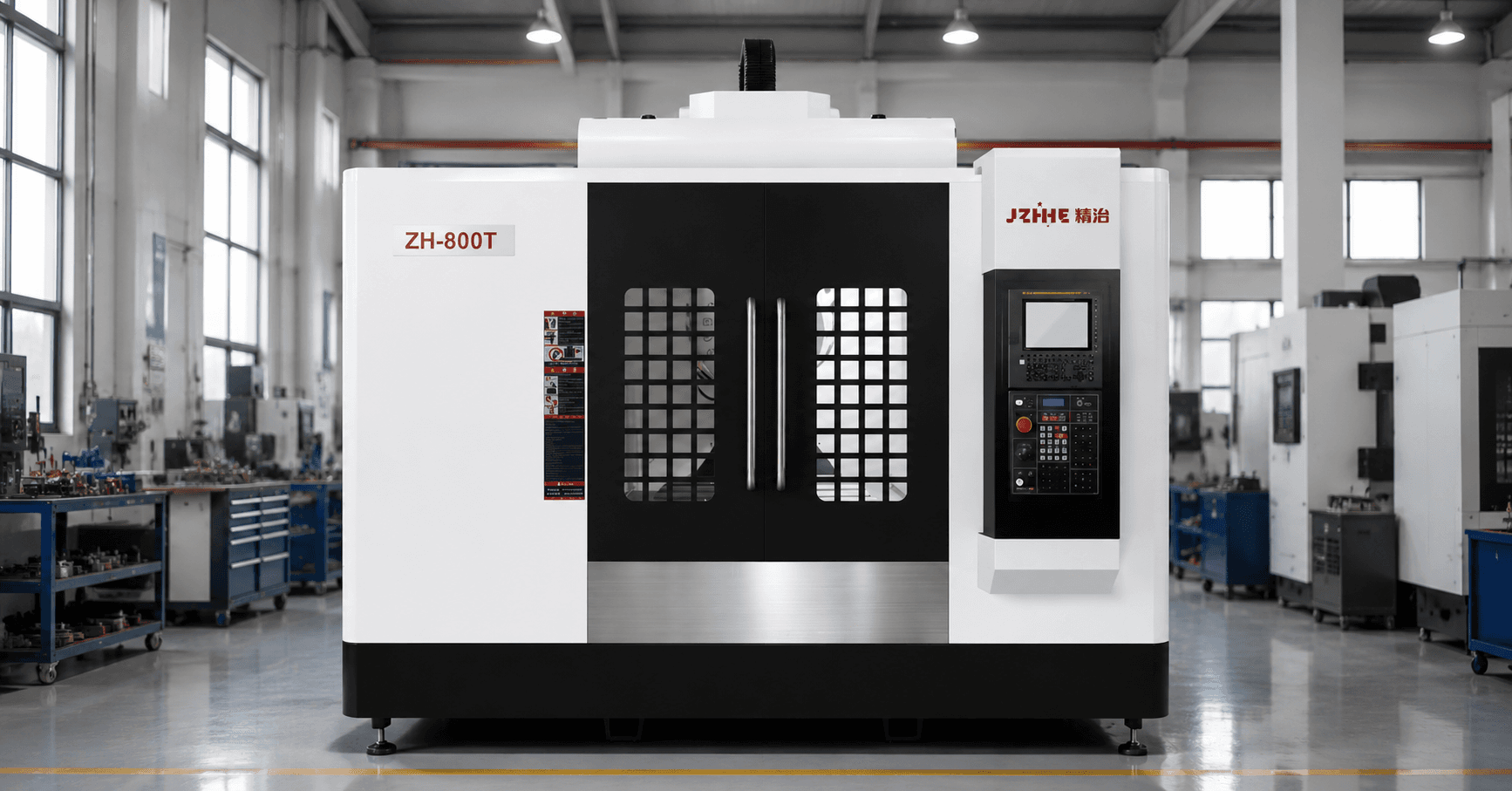
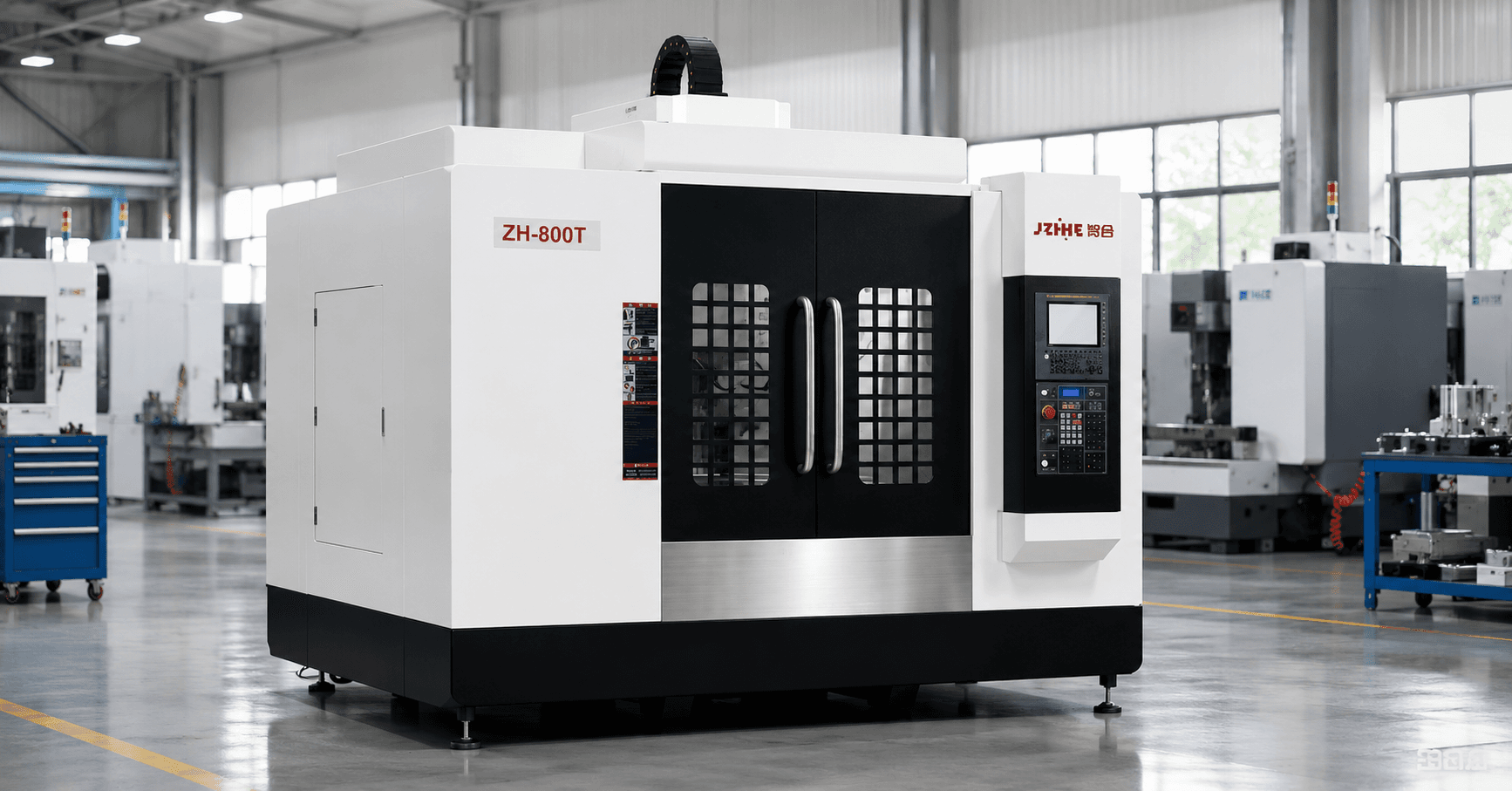
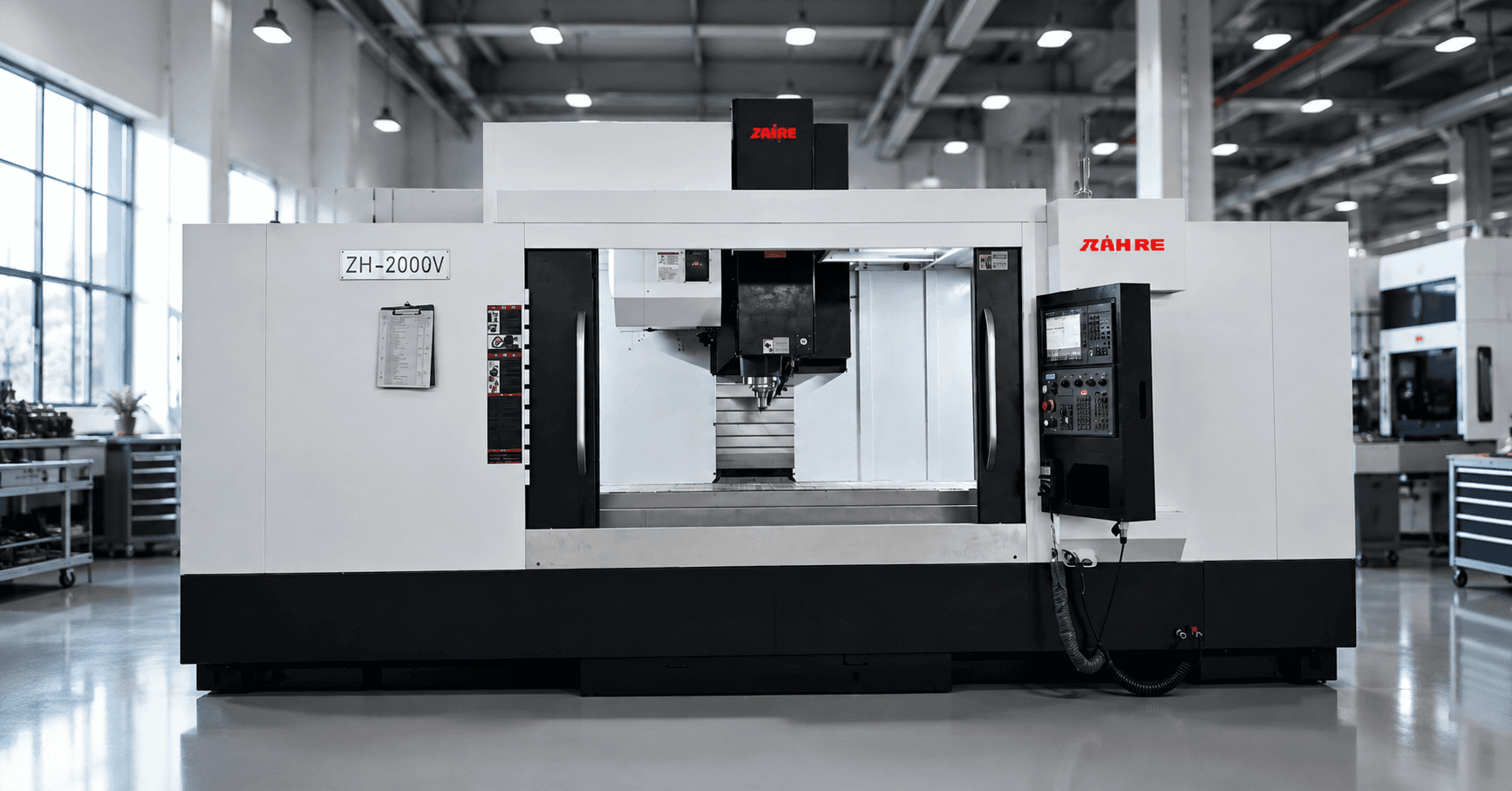
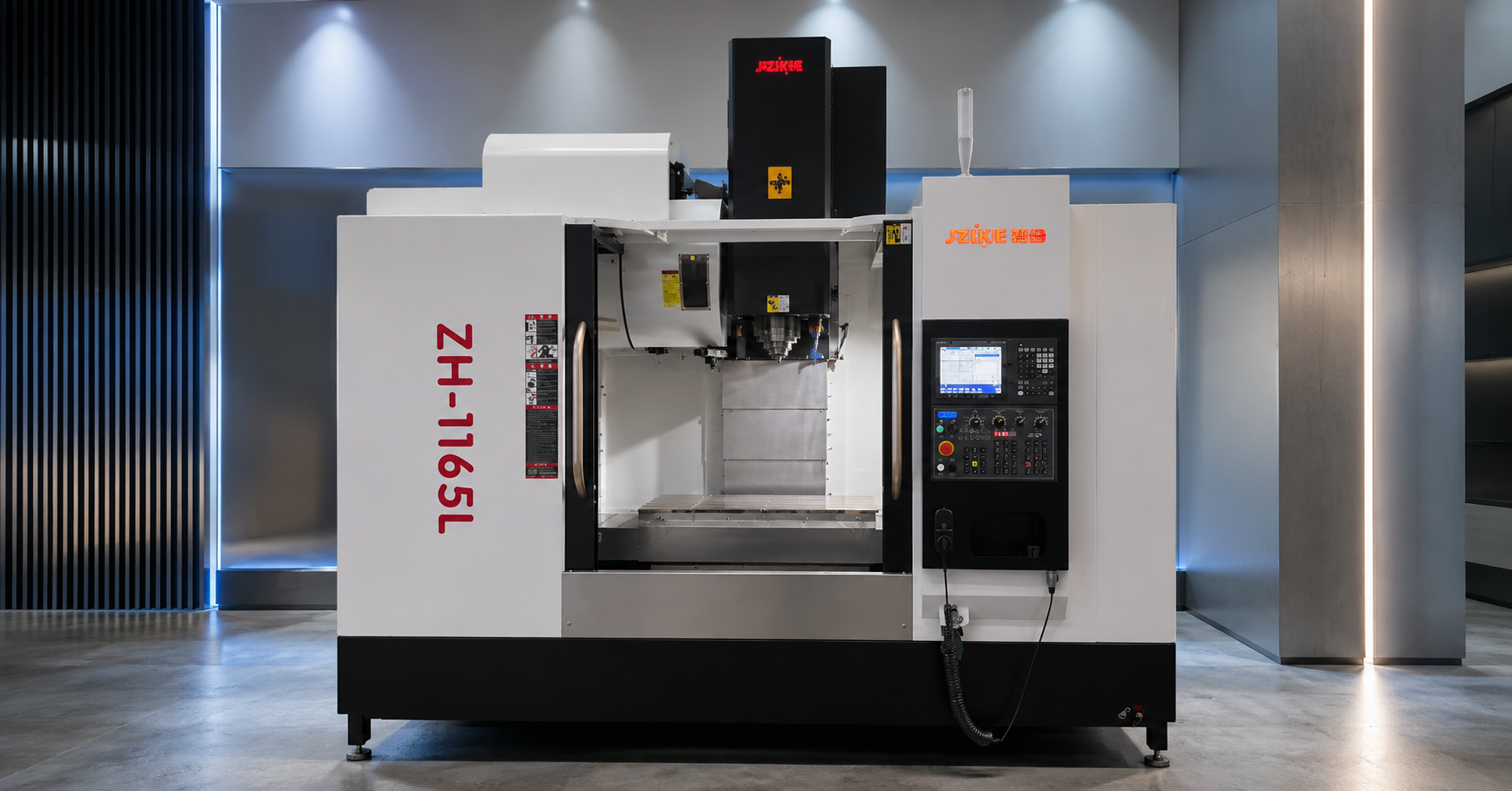
The linked Zhihe CNC heavy-duty vertical machining center provides a useful product reference. Its product page lists 1100 / 650 / 600 mm X/Y/Z travel, 1200 × 600 mm worktable, 1000 kg maximum table load, BT40 belt-drive spindle, 11 kW spindle motor, MITSUBISHI M80VB CNC controller, ±0.005 mm positioning accuracy, and ±0.003 mm repeatability.
What This Type of VMC Is Meant to Solve
In practice, buyers choose a CNC Vertical Machining Center when they need stable subtractive machining with a vertical spindle and a controlled work zone. This is useful for milling, drilling, tapping, boring, facing, pocketing, and general precision machining.
For light aluminum parts or simple prototype work, a basic VMC may be enough. But medium-sized industrial parts create different pressure. A housing may require multiple tools in one setup. A hydraulic valve block may need stable hole accuracy. A robot bracket may include deep cavities. A battery module beam may need flatness control across repeated batches.
The linked machine is positioned for general machinery components, automotive chassis and mold making, precision housings and boxes, automation equipment bases, and hydraulic valve blocks. Its listed applicable materials include aluminum alloys, copper alloys, carbon steel, and low-carbon alloy steel.
Why Enclosure Is Useful, but Not Enough
A fully enclosed VMC helps contain chips, coolant, and cutting noise. It also gives operators a safer and cleaner environment than an open machine. For production floors, this matters because poor chip control and coolant splash can slowly turn into cleanup time, machine contamination, and unstable operation.
Still, enclosure is only one part of the decision. Buyers should also check door opening, table access, lighting, viewing window quality, control position, chip conveyor type, coolant system, and maintenance access. A machine can look clean in photos but still be inconvenient for daily setup.
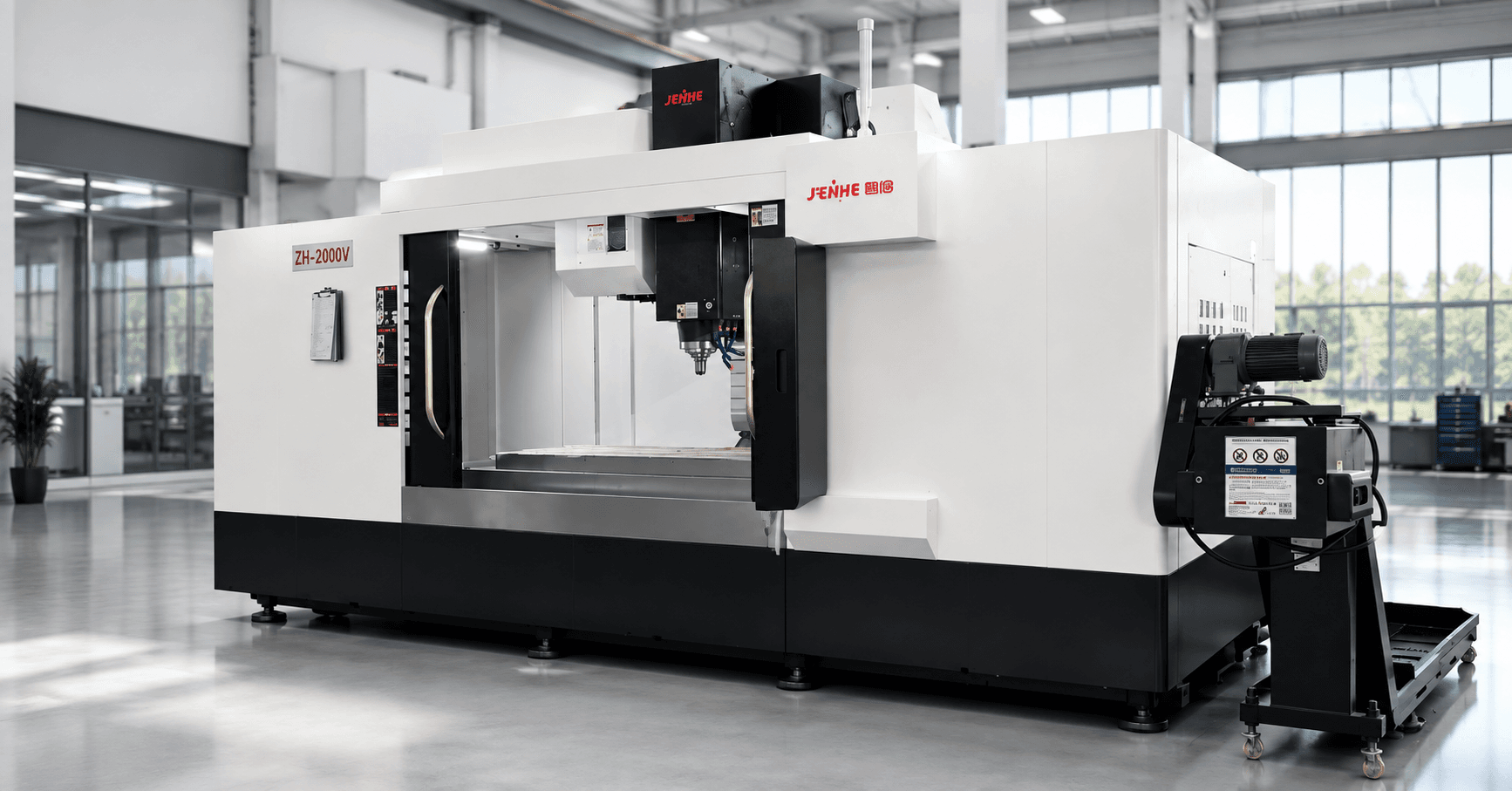
For the linked product, the standard configuration includes a rear discharge spiral chip conveyor with chip cart, optional chain-type conveyor, and a coolant system with 3 independent pumps for machining, rear flushing, and CTS supply. The page also lists a 50 kg center-through coolant system and high-pressure wash gun.
Key Product Data Buyers Should Review
| Review Point | Product Data | Why It Matters to Buyers |
|---|---|---|
| X/Y/Z Travel | 1100 / 650 / 600 mm | Supports medium-sized housings, brackets, bases, and valve blocks |
| Worktable | 1200 × 600 mm | Gives fixture space for medium-sized parts |
| Maximum Table Load | 1000 kg | Supports heavier workpieces and stronger fixture setups |
| Spindle | BT40 belt drive | Common tooling interface for milling, drilling, and tapping |
| Spindle Motor Power | 11 kW | Helps support heavier cutting than light-duty VMCs |
| Tool Magazine | 24-tool arm-type magazine | Reduces interruption for multi-step machining |
| Controller | MITSUBISHI M80VB | Supports production CNC machining and rigid tapping |
| Accuracy | ±0.005 mm positioning, ±0.003 mm repeatability | Supports batch precision requirements |
These data points should be compared with real drawings, not reviewed separately. A machine that looks strong on paper may still be too large, too small, or incorrectly configured for a specific factory.
Structure and Rigidity Matter More Than Paint or Cabinet Size
A buyer cannot judge rigidity from paint color or enclosure shape. Rigidity depends on the frame, spindle system, drive components, guideway design, and how the machine behaves under cutting load.
The linked machine uses C3-grade ball screws, X/Y-axis 45 mm roller guides, and a Z-axis hard rail. This hybrid guideway structure is relevant because X/Y movement benefits from smoother feed response, while the Z-axis often needs stronger damping during drilling, tapping, deep cavity machining, and heavier milling.
For buyers machining cast iron brackets, valve blocks, housings, or mold-related parts, this is not a minor detail. A weak Z-axis may cause chatter, tool wear, poor surface finish, or positional deviation between holes and faces.
What the Application Cases Show
The product page includes a case for a 6061 aluminum alloy new energy battery module end plate mounting beam, sized 1050 × 200 × 60 mm. The previous process had Z-axis deflection under heavy cutting, flatness deviation up to 0.04 mm/m, precision degradation after 100 pieces, frequent rework, and more than 35% non-cutting time per piece due to excessive tool changes. After using the machine, milling, drilling, and tapping were completed in one setup; flatness was controlled within 0.012 mm/m; precision fluctuation stayed within ±0.005 mm over 200 consecutive pieces; cycle time was reduced to 22 minutes; efficiency increased by 42%; and yield improved from 88% to 98.5%.
Another case involves an HT300 gray cast iron industrial robot joint support bracket, sized 600 × 500 × 280 mm. The previous process had deep cavity rigidity problems, rapid tool wear, position deviation of 0.06 mm, assembly interference, and surface roughness of Ra3.2 μm requiring secondary polishing. The reported results after using the machine included tool life extended from 5 pieces per change to 25 pieces per change, position deviation controlled within ±0.015 mm, surface roughness improved to Ra1.6 μm, secondary polishing eliminated, and machining cost per piece reduced by 28%.
These cases should be treated as reference examples, not guaranteed results for every buyer. Their value is that they show what types of production problems this machine class is designed to address: Z-axis deflection, unstable flatness, excessive tool changes, short tool life, surface roughness problems, and assembly-related dimensional error.
How Buyers Should Compare a VMC to Other Options
A VMC is often compared with horizontal machining centers, drilling and tapping centers, gantry machines, or general-purpose CNC milling machines. The comparison should not be based on which machine sounds more advanced. It should be based on the part.
For prismatic parts, plates, housings, brackets, valve blocks, and many fixture-based components, a vertical machining center is often practical because it is easier to load, easier to inspect, and easier to integrate into an existing shop. If the part requires heavy side machining, multi-face machining in fewer setups, or very large workpiece support, another machine category may be more suitable.
The linked machine also includes a standard 4th-axis interface, with optional indexer or rotary table. Optional Renishaw / Marposs probing is listed for automatic workpiece alignment and in-process measurement.
Those options are useful, but they should be selected according to actual production needs. A probe system may be valuable for frequent setup changes or higher-precision parts. A 4th-axis option may be useful if future parts require indexed machining.
Common Mistakes When Sourcing a CNC Vertical Machining Center
One common mistake is buying by headline size and ignoring the actual working envelope. Travel matters, but so do table load, fixture space, tool length, spindle nose distance, and operator access.
Another mistake is overvaluing spindle speed while underestimating rigidity. The linked machine lists maximum spindle speed options of 8000 / 10000 / 12000 rpm, but spindle speed alone does not define performance. Buyers also need to check spindle motor power, spindle taper, guideway structure, material type, cutting depth, and tool strategy.
A third mistake is ignoring trial cutting. The product page states that buyers may conduct pre-acceptance trial cutting at the supplier’s facility after assembly and commissioning, followed by final acceptance trial cutting after delivery, installation, and commissioning at the buyer’s facility. The 12-month warranty starts after final acceptance is confirmed.
For important projects, trial cutting is often more useful than brochure comparison because it reveals whether the machine, fixture, tooling, coolant, and program can meet the buyer’s real production target.
Selection Criteria That Matter More Than Marketing Language
Before buying a Metal CNC Machine in this category, buyers should start with the part drawing, not the catalog.
Ask these questions:
- What materials will be machined most often?
- What is the maximum part size?
- What is the combined weight of the part and fixture?
- Does the part require deep cavity machining?
- How many tools are needed in one program?
- Is surface finish or flatness a common problem?
- Does the part require rigid tapping?
- Will batch precision be checked after 100 or 200 pieces?
- Is probing or 4th-axis expansion needed?
- Can the supplier support trial cutting and installation?
The linked machine’s commercial terms include approximately 45–60 working days delivery after down payment and signed contract, export wooden case packaging, on-site installation and commissioning, free 2–3 days training, 12-month warranty, and long-term genuine spare parts supply.
For B2B buyers, these details affect the real project schedule. A technically suitable machine can still create delays if installation, training, or spare parts planning is weak.
Who Should Consider This Type of Machine?
This type of heavy-duty vertical machining center is suitable for factories that need more rigidity and batch stability than a light-duty VMC can provide.
Good-fit buyers include:
- Precision housing manufacturers
- Hydraulic valve block factories
- Robot bracket suppliers
- New energy battery component manufacturers
- Automation equipment base producers
- Automotive chassis part suppliers
- Mold component machining shops
- General machinery component suppliers
- Contract machining factories handling medium-sized industrial parts
It may not be necessary for shops that mainly machine small aluminum parts, simple prototypes, or low-tolerance work. In those cases, a smaller and less expensive machine may be more practical.
FAQ: Short Answers Buyers Usually Want
Is this type of VMC only for large factories?
No. Smaller job shops, toolrooms, and contract machining suppliers may also use this type of VMC when their parts require rigidity, repeatability, and stable tool life.
Can it handle different metal parts?
The linked product page lists aluminum alloys, copper alloys, carbon steel, and low-carbon alloy steel as applicable materials. Actual capability still depends on tooling, fixtures, cutting parameters, and part geometry.
Why does Z-axis rigidity matter?
The Z-axis often carries direct cutting load during drilling, tapping, heavy milling, and deep cavity machining. Better damping can help reduce chatter, tool wear, and surface finish problems.
Should buyers ask for trial cutting?
Yes. Trial cutting is especially useful when the part has tight tolerance, deep cavities, surface finish requirements, or batch quality expectations.
What information should buyers send first?
Send drawings, material, dimensions, tolerance, surface finish target, fixture plan, tool list, batch quantity, and current machining problems.
What to Ask Before You Place an Order
Before buying a Vertical Machining Center, request complete machine specifications and compare them with your part family. Do not start with the brochure alone. Start with part drawings, material data, size range, target precision, fixture method, and production volume.
For the linked Zhihe CNC heavy-duty VMC, the strongest purchasing argument is not appearance. It is the combination of 1100 / 650 / 600 mm travel, 1000 kg table load, 11 kW BT40 spindle, 24-tool magazine, MITSUBISHI M80VB controller, X/Y roller guides, Z-axis hard rail, coolant and chip removal configuration, and documented production cases for battery module beams and robot brackets.
If you are comparing vertical machining options now, the safest next step is to share the workpiece requirements and production goals with the supplier. A sensible purchase starts with the part, then matches the machine to the work.