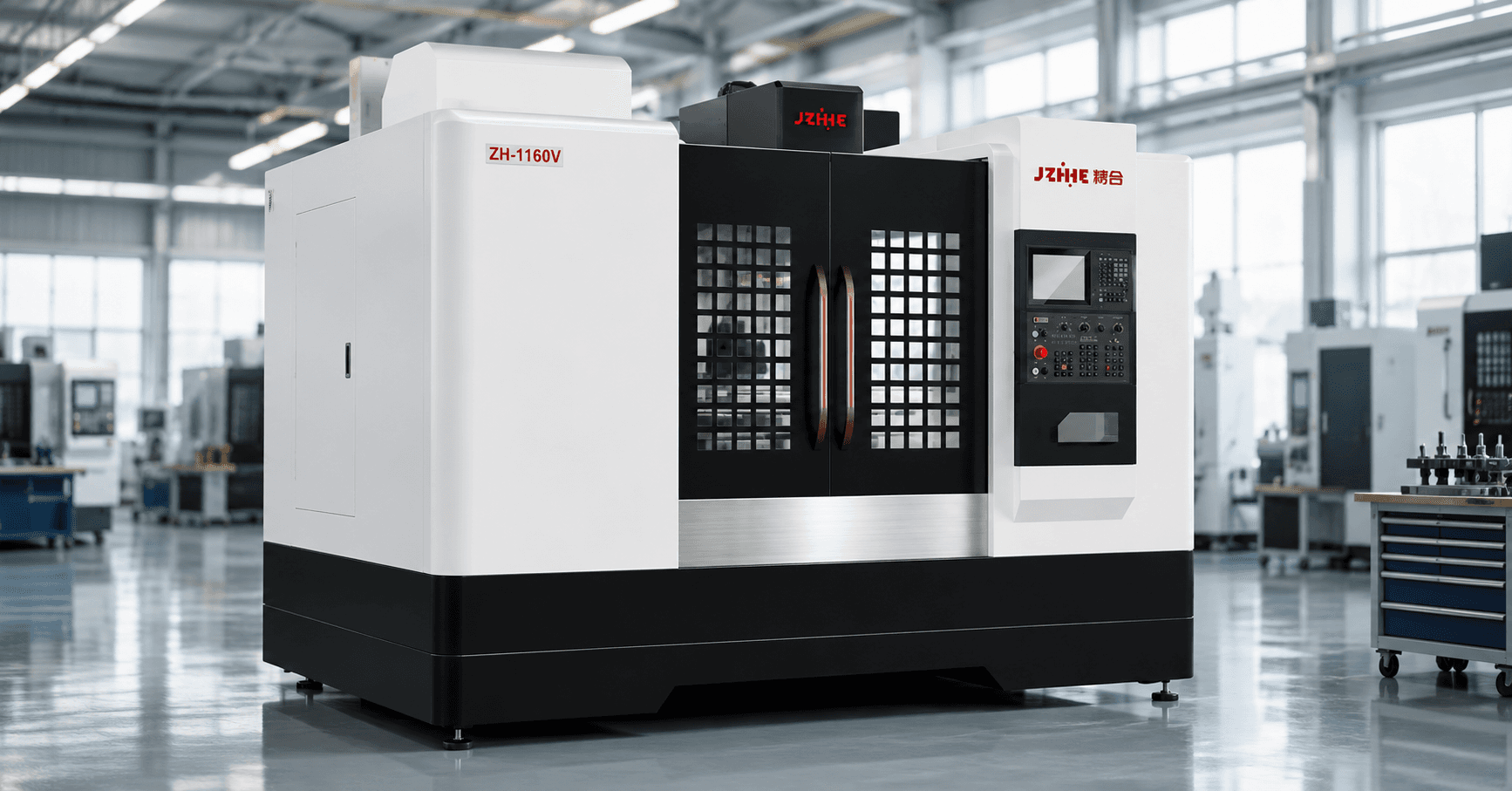
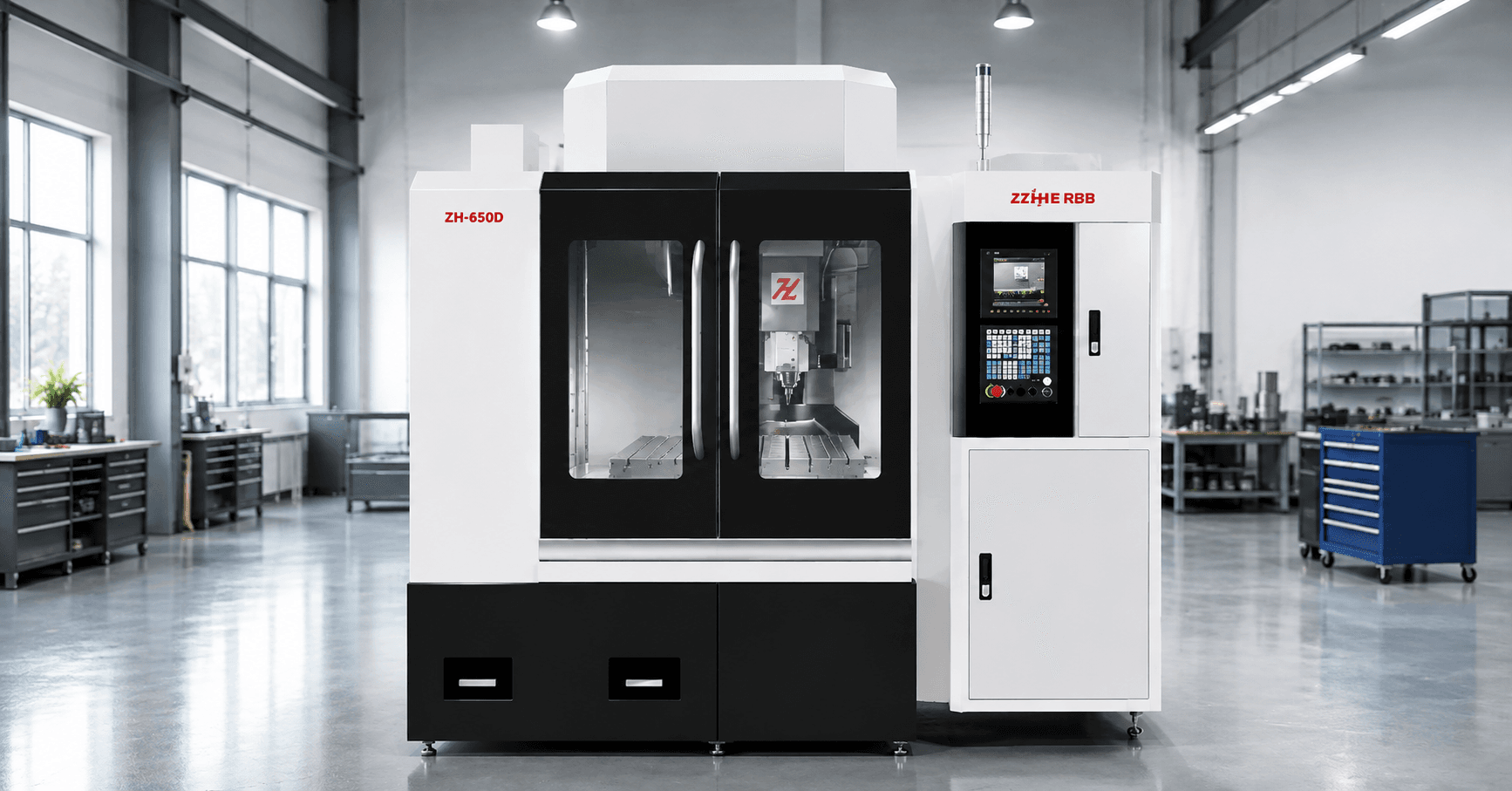
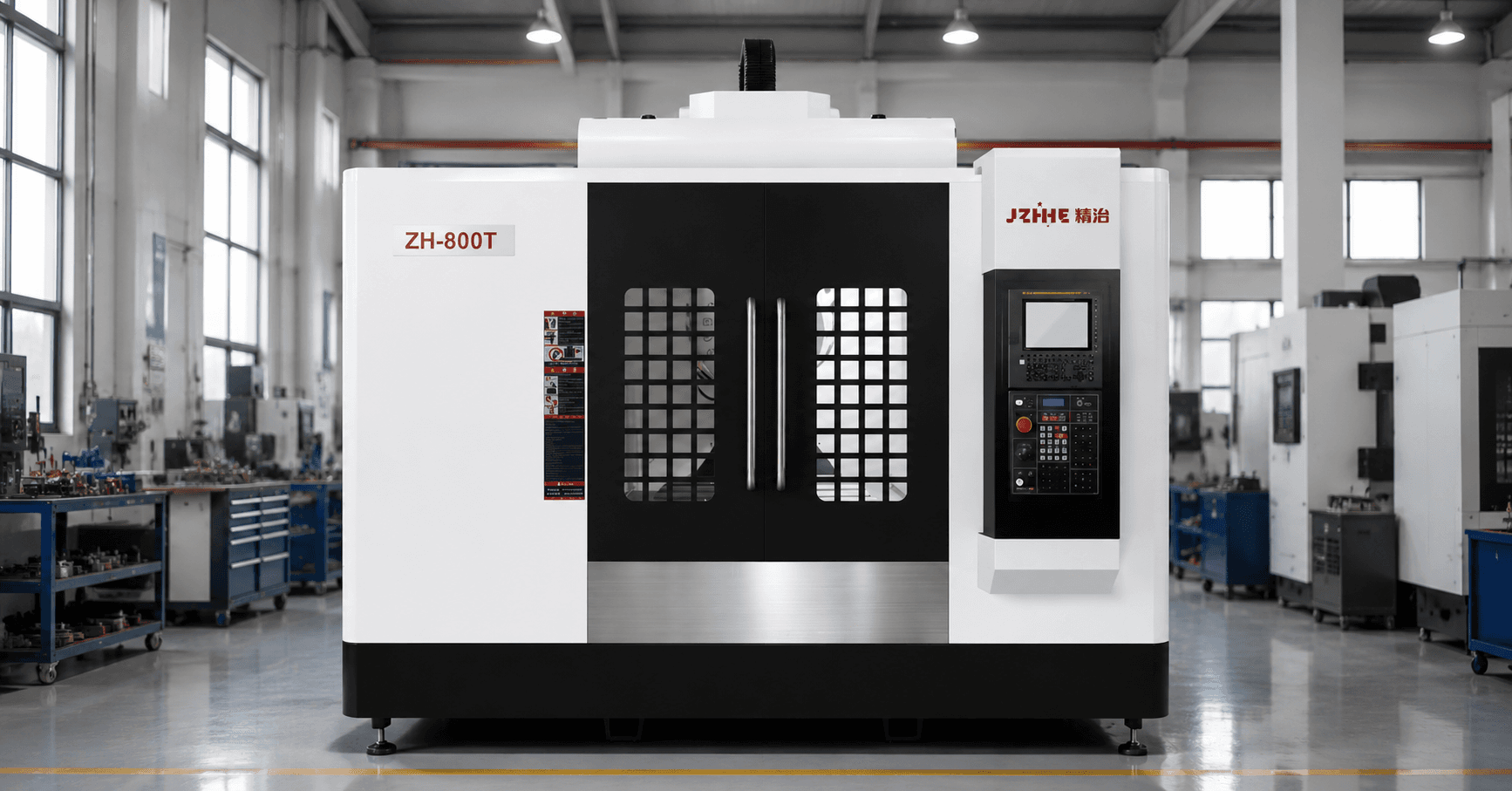
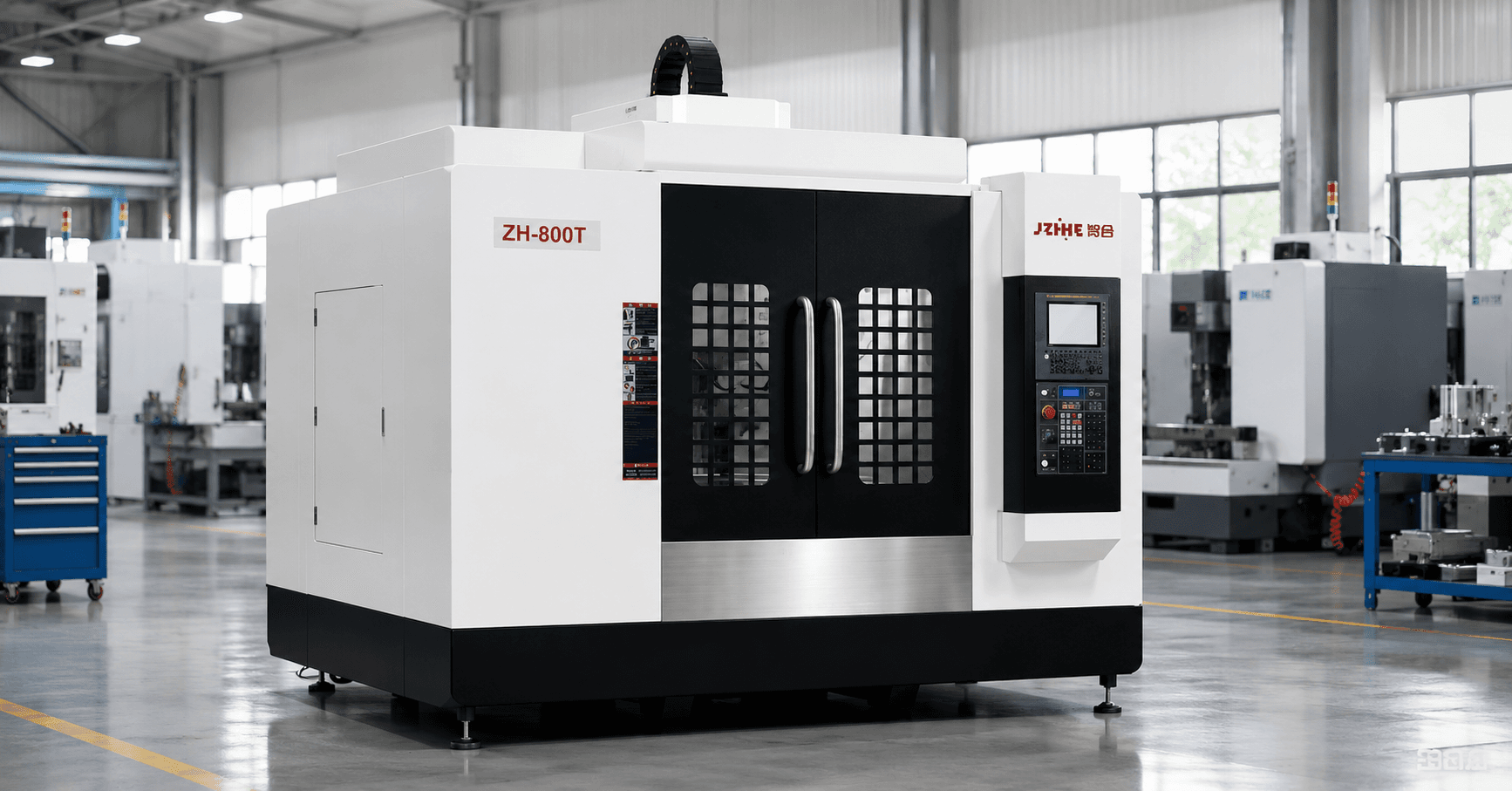
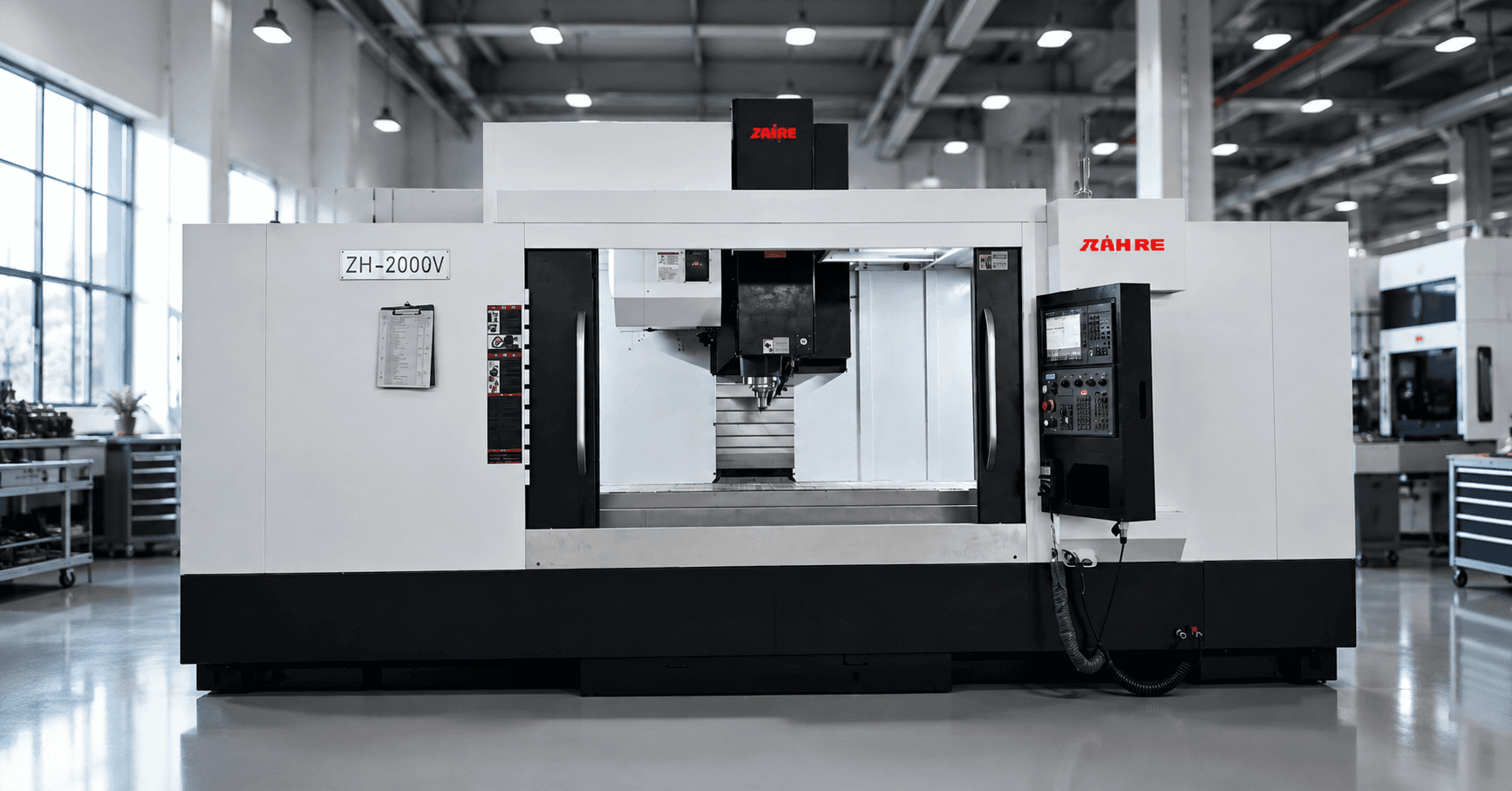
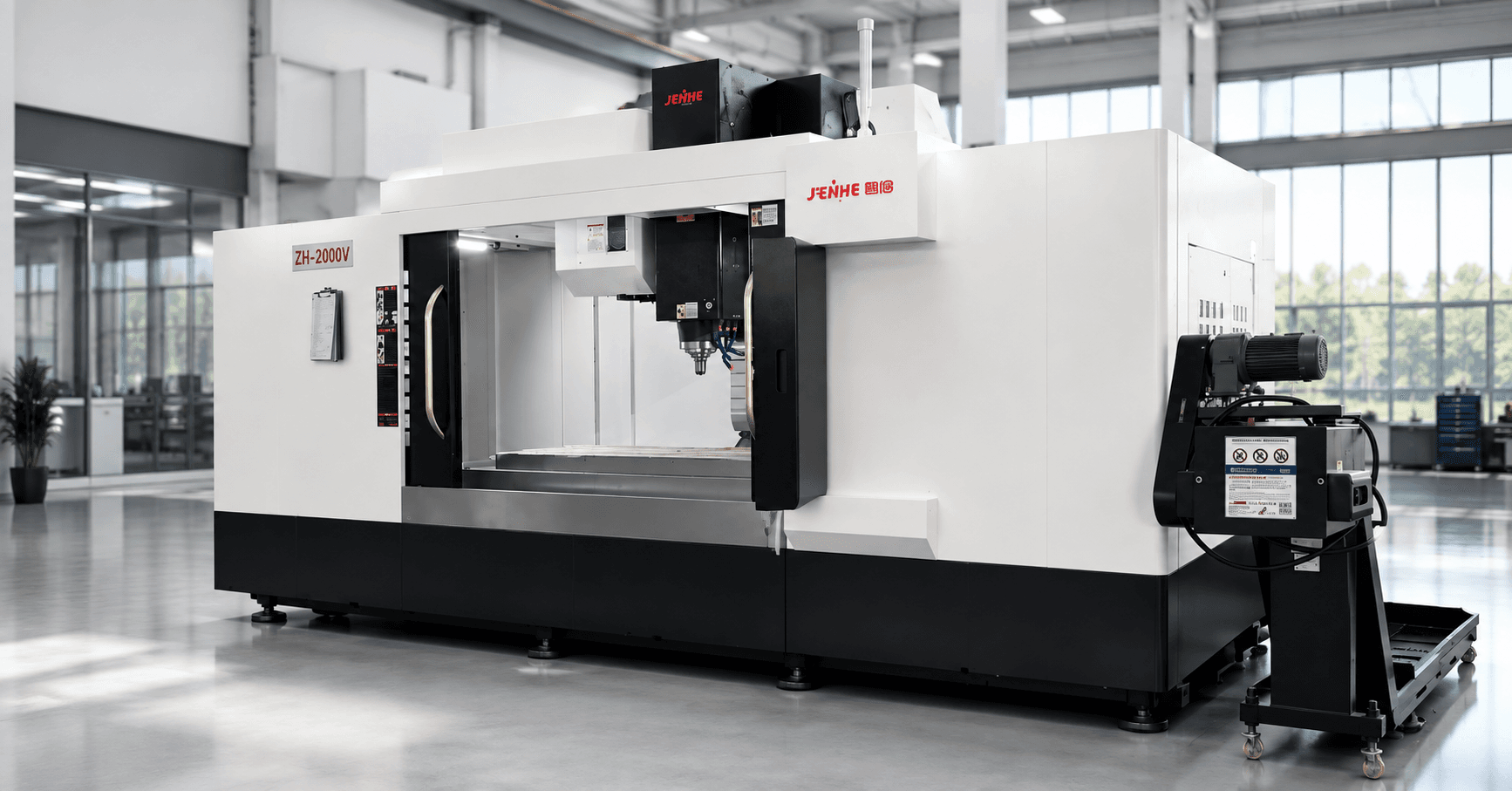
A ZH-600T drilling tapping center should enter production through a controlled first-part runbook, not through a quick power-on demonstration. Zhihe CNC uses release gates for site readiness, configuration, tools, warm-up, probing, trial cutting, inspection, operator handover, and recovery.
The runbook converts published specifications into actions and evidence. It is written for production engineers and factory owners planning high-efficiency batch drilling, tapping, and light milling of aluminum, copper alloys, carbon steel, and other compatible workpieces.
Gate 1: Freeze the Quoted ZH-600T Configuration
Confirm the controller, spindle speed option, spindle interface, motor, tool magazine, chip conveyor, coolant system, probing, fourth-axis interface, voltage, language, guarding, manuals, and included services. Mark every option and exclusion on one signed baseline.
The official Zhihe CNC product page lists a Mitsubishi M80VB controller, direct-drive BT30 spindle, maximum 20,000 rpm with a 15,000 rpm option, 5.5 kW spindle motor, and a 21-tool arm-type magazine. The offered machine must be checked against the actual quotation because configuration can vary.
| Published item | ZH-600T reference | Buyer verification |
|---|---|---|
| X/Y/Z travel | 600 / 400 / 300 mm | Fixture and tool clearance model |
| Worktable | 700 x 420 mm | Clamping layout and load distribution |
| Maximum table load | 250 kg | Blank plus fixture plus accessories |
| Rapid traverse | 48 / 48 / 48 m/min | Program path and safe acceleration |
| Positioning reference | ±0.005 mm / 300 mm | Method, conditions, report, and limits |
| Repeatability reference | ±0.003 mm / 300 mm | Method, conditions, report, and limits |
Gate 2: Prove the Workpiece Fits the Usable Envelope
Model the blank, fixture, clamps, parallels, rotary option, spindle nose, holder, tool gauge length, probe, coolant nozzles, covers, and safe planes. Check loading access and chip escape. The 600 x 400 x 300 mm nominal travel is only the starting boundary.
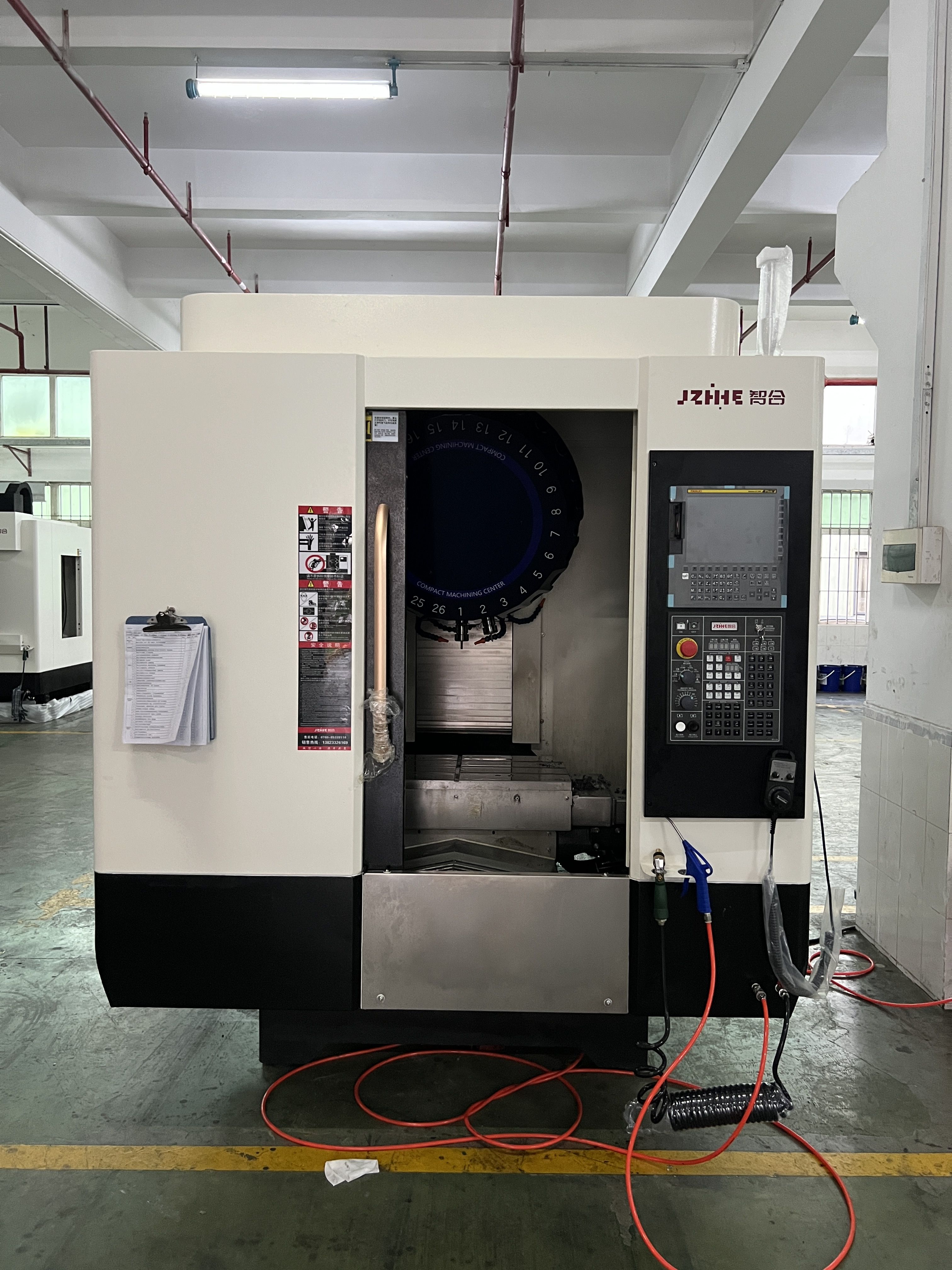
Gate 3: Release the Site Before Delivery
Verify the unloading route, door height, floor capacity, lifting plan, machine position, service clearances, foundation condition, power quality, grounding, air, coolant, drainage, chip handling, lighting, network, temperature, and maintenance access. Record measurements and responsible owners.
Machine guarding and safe access must remain part of the installation plan. The OSHA machine guarding resource describes the general purpose of safeguarding against hazards such as points of operation, rotating parts, and flying chips. Local legal requirements and the machine manual govern the final site.
Gate 4: Build the Production Tool Pack
Create a controlled tool list with operation, tool number, holder, diameter, gauge length, runout limit, cutting data, life rule, sister tool, preset value, and replacement stock. Reserve magazine positions for the probe and recovery tools. A 21-tool magazine is useful only when the real family fits without frequent uncontrolled swaps.
Gate 5: Define the Warm-Up and Reference Check
Record idle history, room condition, leveling status, lubrication, coolant state, spindle stages, axis motion, warm-up duration, probe check, reference artifact, and release limit. Use the same routine during acceptance and early production so trends remain comparable.
Gate 6: Dry-Run the Digital Chain
Control CAD, CAM, postprocessor, machine definition, tools, holders, fixture, probing routine, offsets, NC file, controller options, transfer method, version, approver, and backup. Run graphics, simulation, safe-plane review, single block, feed override, and dry checks before cutting.
A ZH-600T drilling tapping center can move rapidly, so unsafe clearance decisions can become expensive quickly. Keep program release separate from operator convenience edits.
Gate 7: Cut the First Part in Measured Stages
- Face or reference the blank and confirm the datum.
- Run the lowest-risk drilling operation and inspect location.
- Test tapping with controlled tool condition and coolant.
- Add light milling features while monitoring load, chips, burrs, and vibration.
- Inspect critical features before completing the full cycle.
- Record corrections and rerun only from an approved restart point.
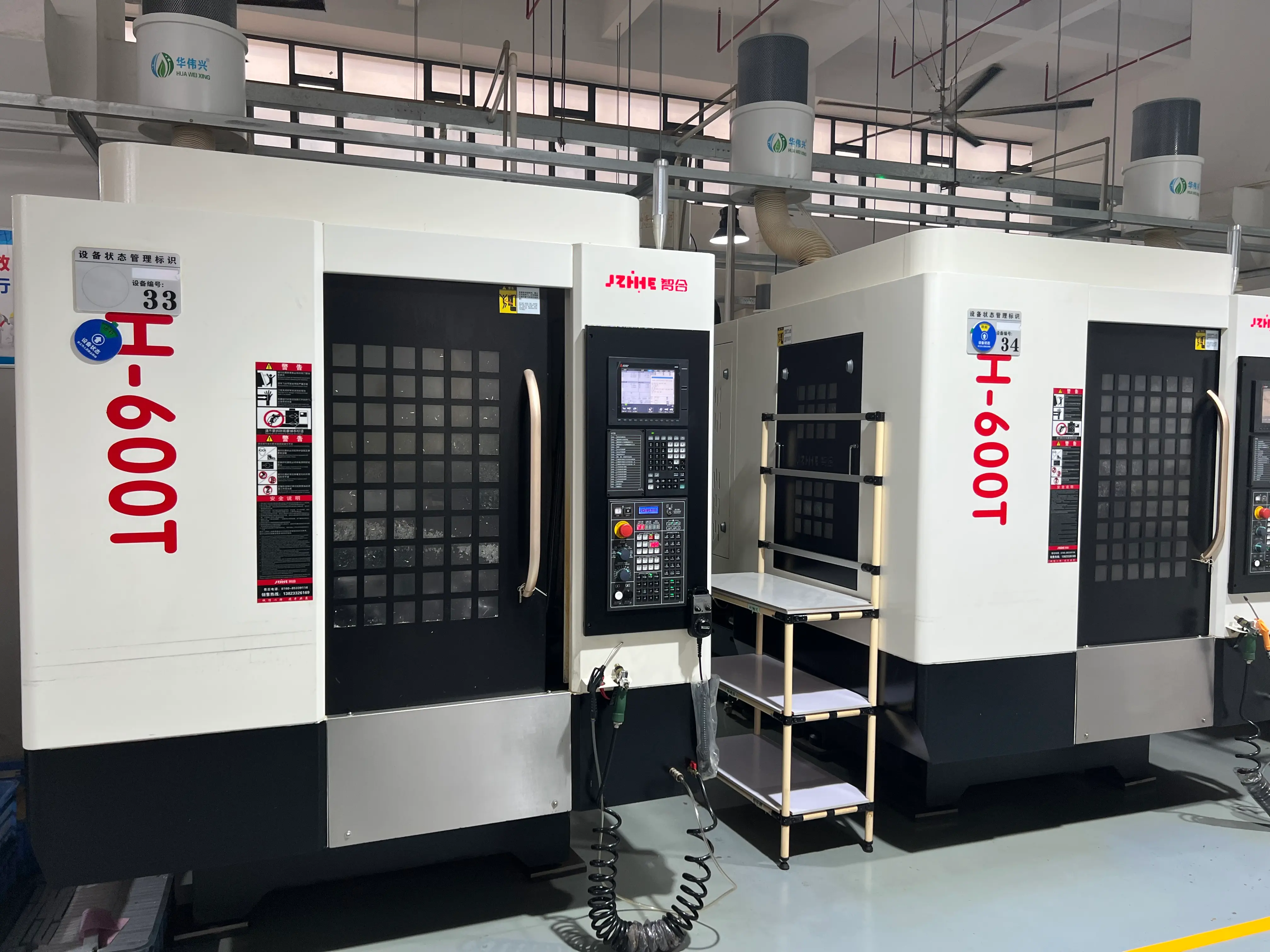
Gate 8: Separate Machine Evidence From Process Evidence
The ISO 230-2 positioning test reference helps frame axis positioning and repeatability tests. Part results additionally depend on fixtures, tools, material, thermal state, probing, programs, coolant, and measurement. Preserve both the machine report and the trial-part process record.
| Evidence | Question answered | What it does not prove alone |
|---|---|---|
| Positioning test | Axis positioning behavior | Part tolerance under all cutting loads |
| Ballbar test | Interpolated motion condition | Tool life or surface finish |
| Trial part | Selected process result | Long-term capacity |
| Capability sample | Short-run variation | Every future material and program |
| Operator handover | Role readiness | Automatic recovery from every fault |
Gate 9: Release a Capability Sample
After the first piece, run a representative sample that includes normal tool wear, load/unload, inspection, chip clearing, and at least one tool replacement or sister-tool event. Agree the sample size and acceptance method. Record accepted parts, rejected parts, rework, stop reasons, and timestamps.
Gate 11: Train Each Role on the ZH-600T Drilling Tapping Center
Separate operator, setup, programmer, quality, maintenance, and supervisor outcomes. Operators need loading, tool, coolant, alarm, cleaning, and safe-stop competence. Setup staff need fixtures, probes, offsets, dry runs, and first-piece release. Maintenance staff need lubrication, backups, inspection points, electrical documentation, and escalation evidence.
Zhihe CNC can demonstrate the configured functions, but the plant should verify each role by observation and a practical task. A ZH-600T drilling tapping center is not fully handed over when one expert understands it and the remaining shifts depend on that person.
Gate 12: Review the First 30 Days of Production
Track accepted cycle, setup time, tool changes, broken tools, tapping faults, chip stops, coolant events, probe alarms, dimensional corrections, surface defects, downtime, response time, and recurring operator questions. Compare the data by part family and shift rather than using one overall average.
Zhihe CNC and the buyer can use the review to update tool-life rules, spare stock, maintenance intervals, training, programs, and support notes. The ZH-600T drilling tapping center baseline should remain stable while controlled process improvements are documented.
Maintain a Serial-Number Production File
Store the signed configuration, acceptance results, controller and software versions, parameters, PLC and NC backups, manuals, tool list, fixture drawings, probing routines, reference measurements, training records, open issues, service history, and approved changes. Give the file an owner and backup location.
When a ZH-600T drilling tapping center moves, receives a major repair, changes spindle configuration, or shows a new accuracy trend, the file provides the before-and-after evidence needed for diagnosis and targeted requalification.
Review the file during the first weekly production meeting, then monthly once the process is stable. Close obsolete revisions, confirm backup readability, and attach important service findings to the affected configuration. A short, current record is more useful during downtime than hundreds of unindexed messages. It also allows a new engineer to understand which performance was accepted, which conditions were required, and which open risks still need monitoring.
Gate 10: Hand Over an Interruption Recovery Card
The card should show how to capture an alarm, preserve the machine state, identify the last completed operation, inspect the tool and part, select a safe restart block, confirm offsets, perform a reference check, and release quality after restart. Store contacts, controller backup, parameters, PLC backup, electrical drawings, and spare information with it.
What the Runbook Cannot Promise
The runbook cannot guarantee cycle time, tool life, surface finish, or yield for an untested workpiece. Results remain sensitive to material, hole depth, thread, cutter, fixture, chip evacuation, coolant, program, temperature, maintenance, and inspection. Use real trial evidence and keep configuration-dependent claims explicit.
FAQ
Is 20,000 rpm standard on every quoted machine?
The official page lists 20,000 rpm with a 15,000 rpm option. Confirm the quoted spindle and controller combination.
Can the machine perform milling?
It is presented for drilling, tapping, and light milling. Validate material removal, tool, rigidity, surface, and duty with the actual part.
Does the 250 kg table load include the fixture?
The load check should include blank, fixture, clamps, rotary equipment, and all accessories on the table.
Is a fourth axis included?
The product information describes a standard interface with an optional indexer or rotary table. Confirm scope and integration.
Are Renishaw or Marposs probes standard?
The official specifications list them as optional probe systems. Confirm model, software, macros, training, and acceptance.
How should tapping be validated?
Use the real thread, material, tool, holder, coolant, depth, chip strategy, gauge, and sample plan.
What should be ready before installation?
Prepare route, lifting, location, foundation, power, grounding, air, coolant, chips, network, tools, gauges, and trained owners.
How long should warm-up take?
Use the manufacturer routine and establish a measured plant standard based on idle history and reference checks.
Can positioning accuracy predict part capability?
It is important evidence, but fixture, tool, thermal, cutting, probing, and measurement effects must also be controlled.
Who releases normal production?
Name an authorized production and quality owner after configuration, first piece, sample, training, and open issues are accepted.
Plan Your ZH-600T Launch With Zhihe CNC
To evaluate a ZH-600T drilling tapping center, send Zhihe CNC your drawings, material, blank, fixture, holes, threads, milling features, tolerances, surface, volume, tool list, inspection plan, utilities, and launch target. Use the contact page and review the drilling and tapping range.