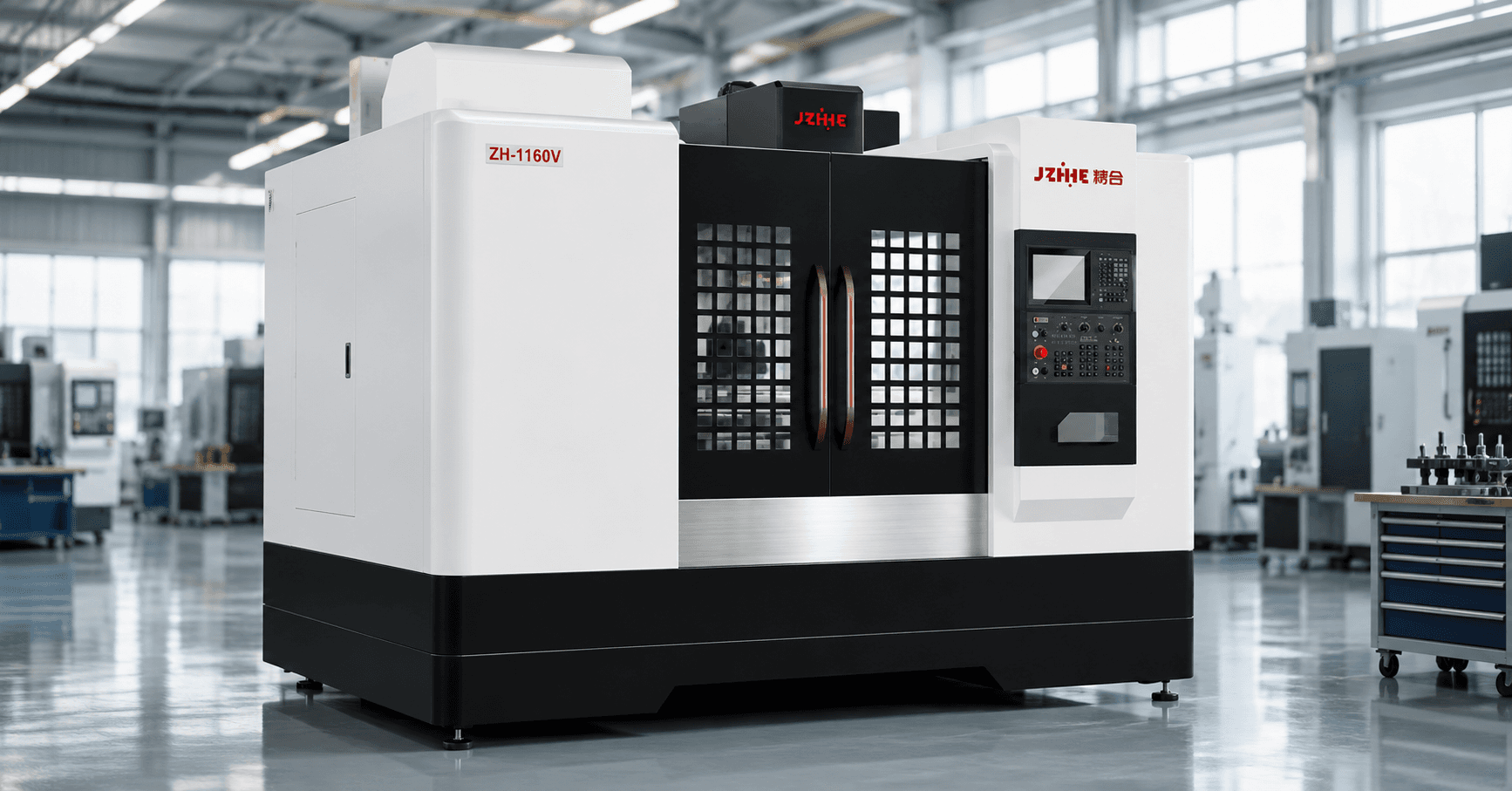
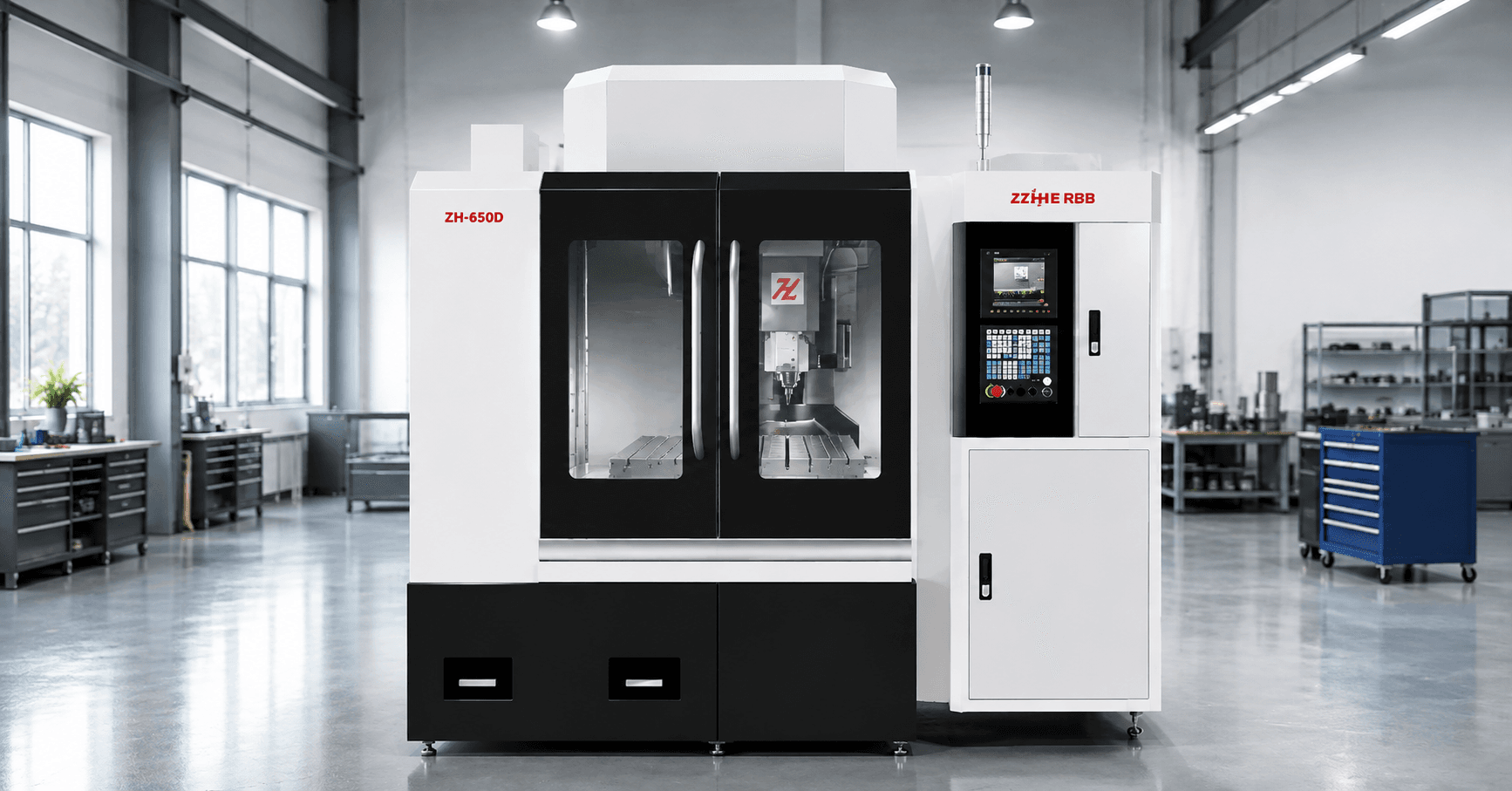
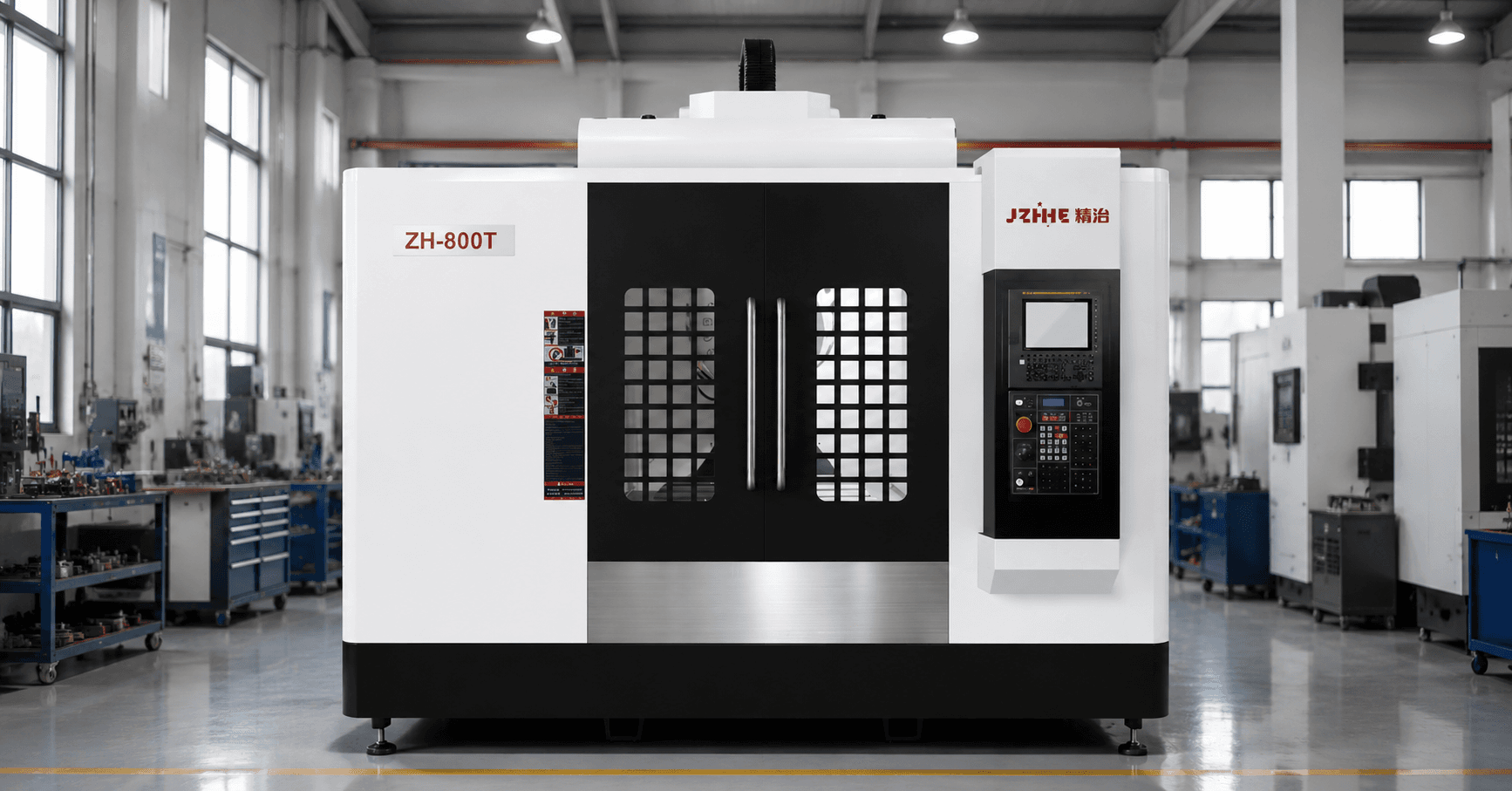
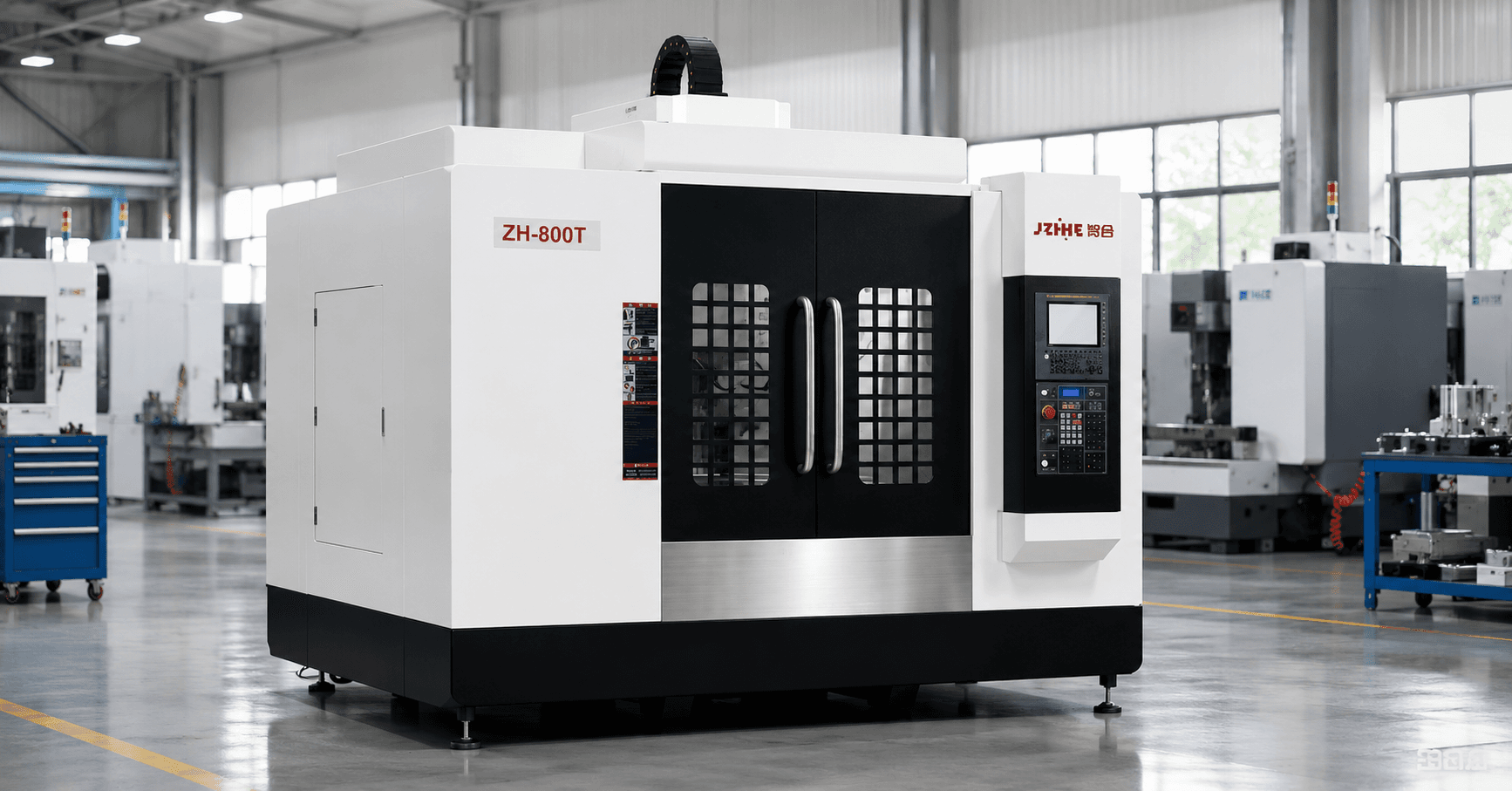
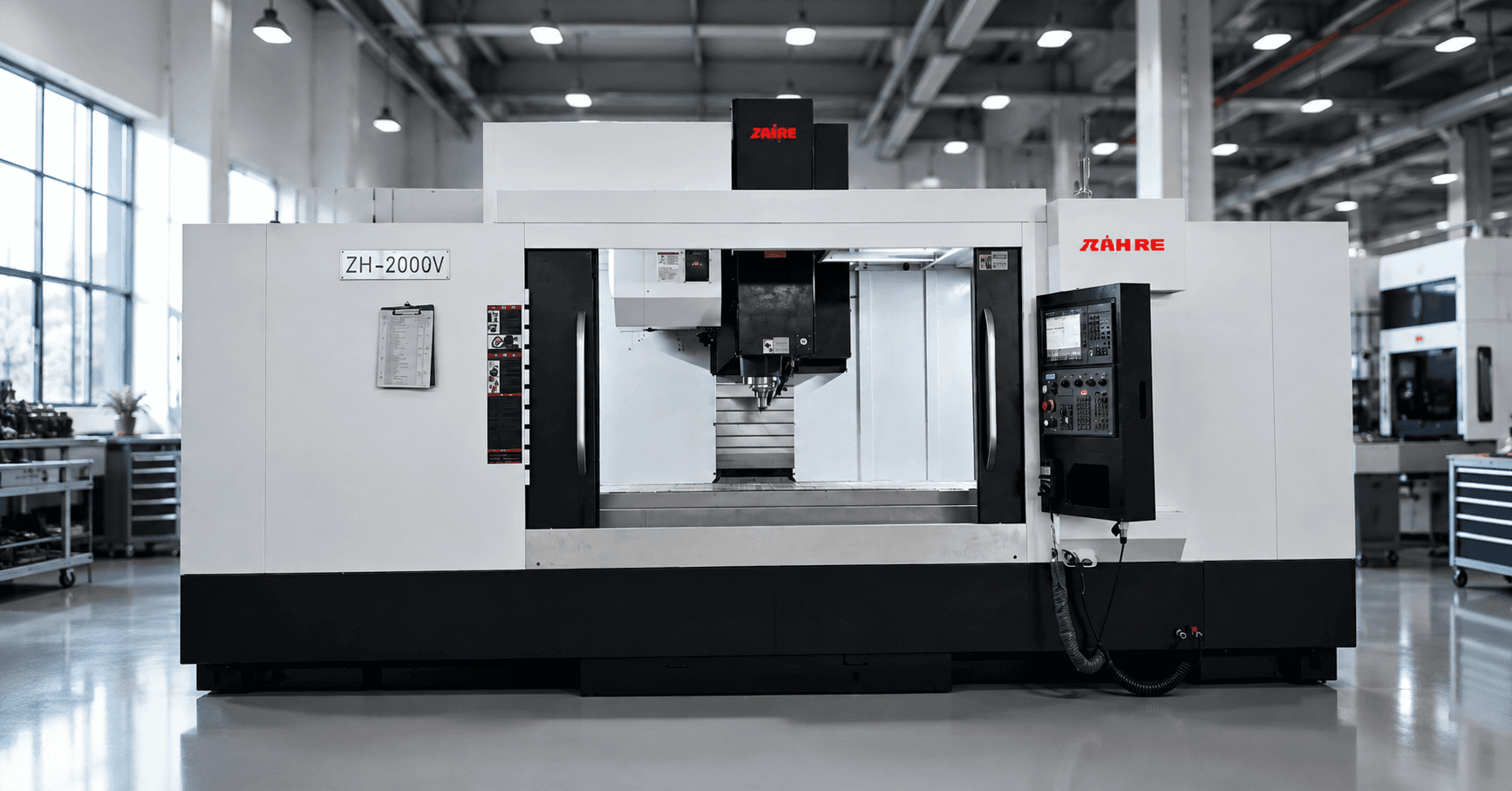
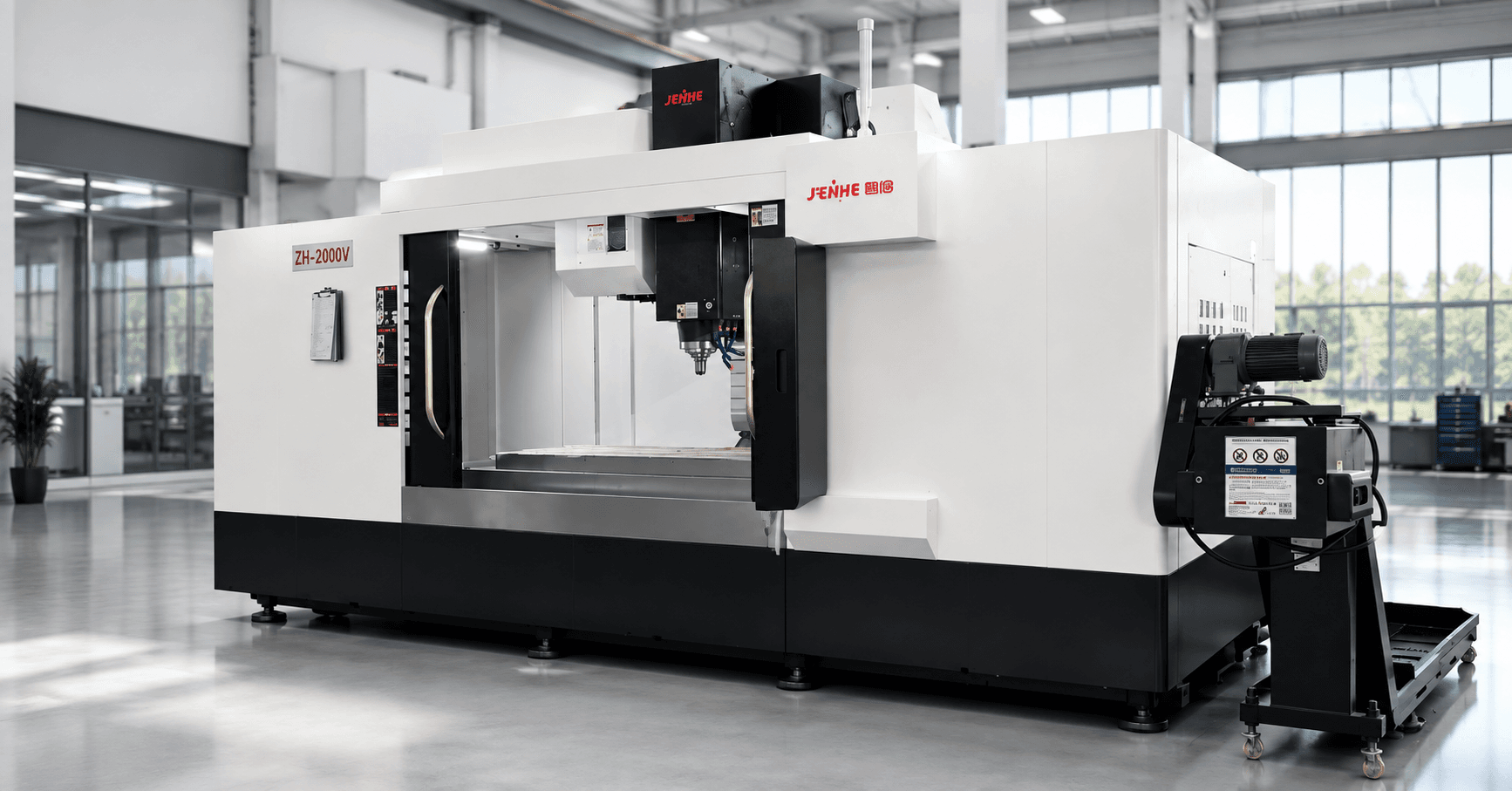
A 5 axis machining center for sale should be evaluated by following one critical feature through the complete digital thread: design intent, CAM strategy, postprocessing, machine configuration, setup, simulation, cutting, inspection, training, and recovery. Zhihe CNC uses this trace to expose compatibility risks before they become production errors.
The thread does not claim that software removes process risk. It shows where geometry, transformations, limits, and ownership change between systems.
Select One Feature With Consequences
Choose a feature that carries orientation, access, tolerance, surface, collision, or datum risk. Record the controlled CAD model, drawing revision, material, blank, datum structure, tolerance definition, surface requirement, inspection method, and production purpose.
Zhihe CNC can then evaluate whether simultaneous motion, indexed positioning, tool access, work envelope, or an alternative process is justified by that feature.
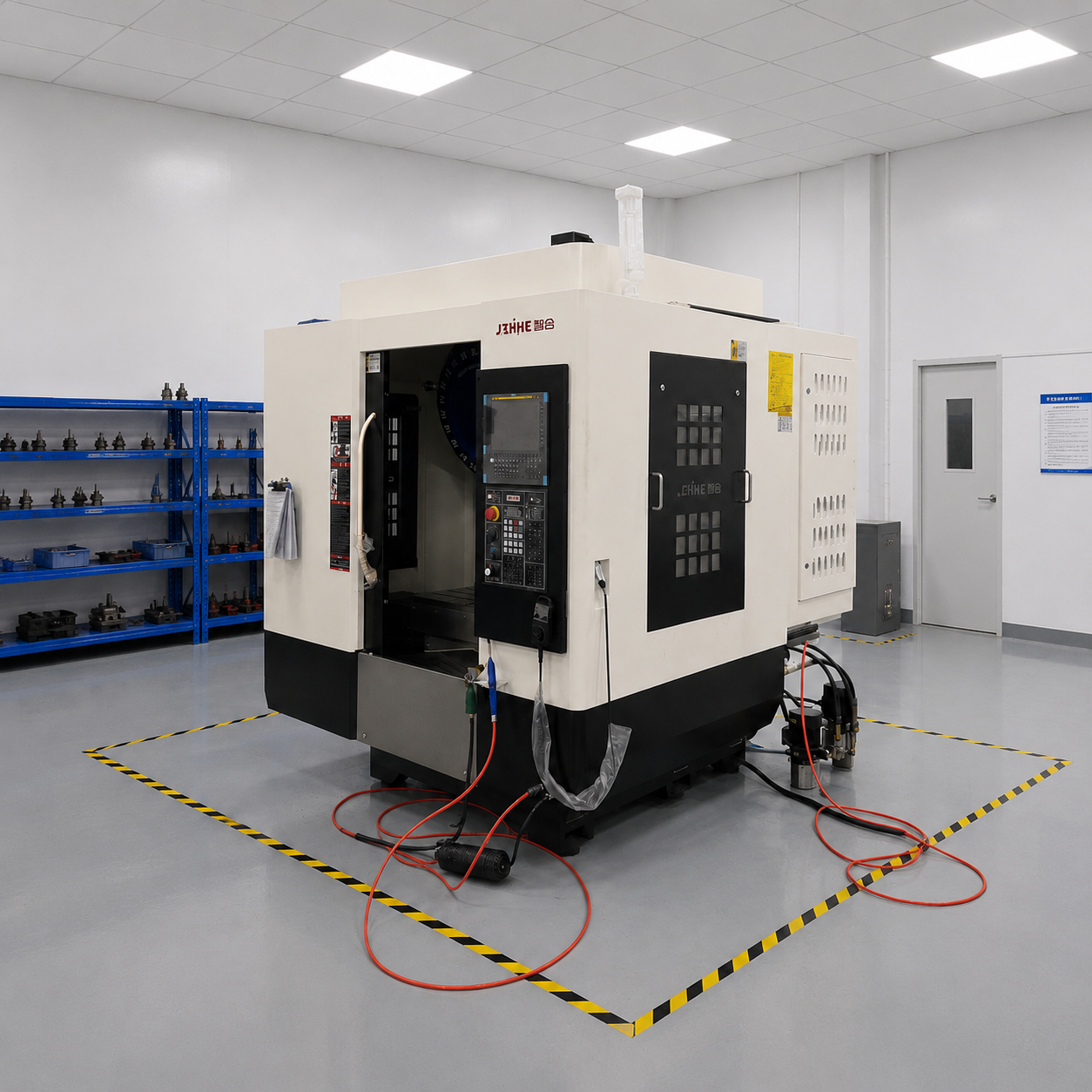
Trace the CAM Interpretation
Document setup coordinates, stock, fixtures, avoidance geometry, tool assemblies, reach, engagement, lead and tilt, smoothing, tolerance, linking moves, retracts, feeds, spindle strategy, and tool-life assumptions. Record the CAM version and approved template.
A visually smooth toolpath can still contain inaccessible orientations, unstable tool extensions, or transitions that the physical machine cannot reproduce safely.
Inspect the Postprocessor Contract
State machine kinematics, rotary direction, zero definitions, axis limits, preferred solutions, singularity handling, unwind behavior, feed treatment, cycles, probing, controller options, and output revision. Assign ownership for changes and validation.
Review the Zhihe CNC five-axis machining center range, then match the postprocessor to the exact machine and controller configuration rather than a generic family.
Stop at Every Transform Checkpoint
Verify CAD coordinates, CAM work offset, post output, machine work coordinate, rotary center, fixture location, probe result, tool length, and inspection alignment. Record units, signs, rotations, and the source of each value.
For a 5 axis machining center for sale, small transformation errors can create large positional or collision consequences. A checkpoint should be independently readable, not hidden inside one expert's memory.
| Thread node | Controlled item | Failure signal |
|---|---|---|
| Design | Feature and datum intent | Wrong requirement |
| CAM | Tool, orientation, path | Access or finish risk |
| Post | Kinematics and output | Axis or feed error |
| Machine | Offsets and configuration | Position or collision risk |
| Inspection | Alignment and result | False acceptance |
Build the Physical Setup Twin
List table or rotary interface, fixture, clamps, support, part location, tool holders, gauge lengths, probe, stylus, safe planes, cables, coolant, chips, access, and operator loading. Use measured values where they affect simulation.
Zhihe CNC should define machine envelopes and configured options, while the buyer controls the actual fixtures, tools, models, and process revisions used for production.
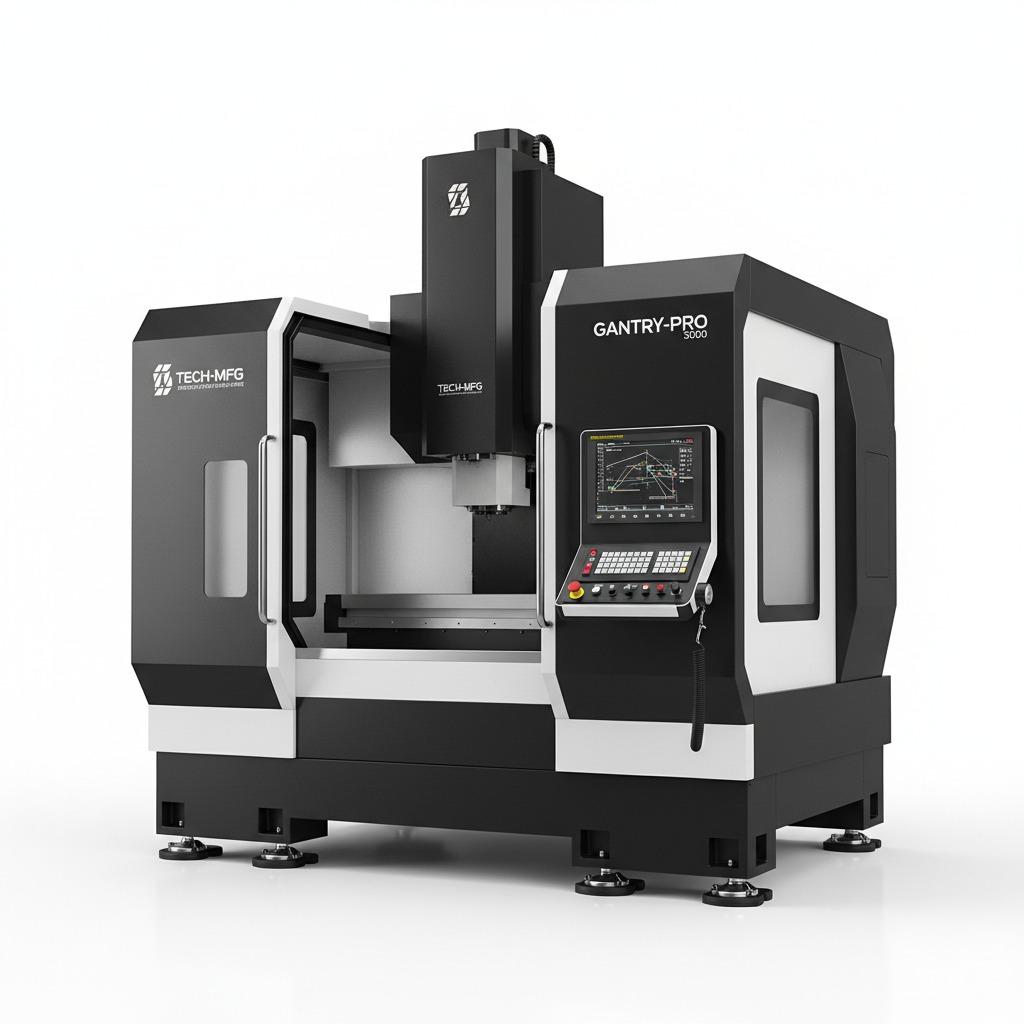
Validate Beyond a Screen Simulation
Use postprocessed code, machine-aware simulation, limit checks, collision checks, controlled dry run, single block where appropriate, reduced feed, safe offsets, and staged cutting. Verify rotary behavior, unwinds, retracts, and restart points.
Simulation quality depends on current models and parameters. Record known omissions and keep operator safeguards in the release plan.
Join Inspection to the Same Thread
Define datum transfer, probing routines, measurement sequence, in-process checks, final instrument, alignment method, temperature, support, uncertainty, sampling, and data format. Link results to program, tool, fixture, offset, and machine revisions.
A measured deviation is easier to diagnose when the team can follow the same feature backward through setup, post, CAM, and design intent.
Run a Restart-Validity Test
Choose a realistic stop after a tool change, rotary move, probe cycle, or long surface. Capture machine state, tool, offsets, modal commands, rotary position, safe re-entry, inspection need, and approval responsibility.
The test should show when restart is allowed, when the program must return to an earlier checkpoint, and when the part must be quarantined.
Teach the Thread by Role
- Design explains feature and datum intent.
- CAM demonstrates toolpath and avoidance logic.
- Post ownership demonstrates revision and test control.
- Setup verifies fixtures, tools, offsets, and probes.
- Quality traces results to the process revision.
- Maintenance restores files and confirms machine state.
Protect Versions and Recovery
Store approved CAD, CAM, post, simulation model, NC program, setup sheet, tool list, probe program, offsets, controller and software versions, parameter and PLC backups, inspection plan, manuals, and change history. Define access and backup testing.
A folder full of files is not a controlled thread. Use naming, approvals, release status, and restoration tests so the team knows what may return to production.
Know When Five Axes Do Not Pay
Three-axis machining with additional setups, a positional rotary, or a different platform may be more economical when features are simple, volumes are low, programming resources are limited, or inspection cannot support the complexity.
The digital thread should quantify setup reduction, datum retention, access, surface continuity, cycle, quality, and staffing value instead of assuming more axes always win.
FAQ
Is a postprocessor included with every machine?
Scope varies. Define software, post development, machine model, testing, licenses, updates, ownership, and acceptance in the quotation.
Does simulation eliminate collision risk?
No. Its value depends on model accuracy, parameters, code path, setup fidelity, and disciplined physical verification.
Who should control work offsets?
Assign trained roles, approval rules, backup methods, and verification steps appropriate to the plant's process and risk.
Must every operator understand CAM?
No, but operators need the setup, limit, alarm, restart, and escalation knowledge required for safe controlled production.
Trace a Feature With Zhihe CNC
To review a 5 axis machining center for sale, send CAD and drawings, material, blank, critical features, datums, fixtures, tools, CAM system, post status, tolerance, surface, inspection, volume, destination, and training needs. Use the Zhihe CNC inquiry page and compare the plan with the 3-axis versus 5-axis guide.