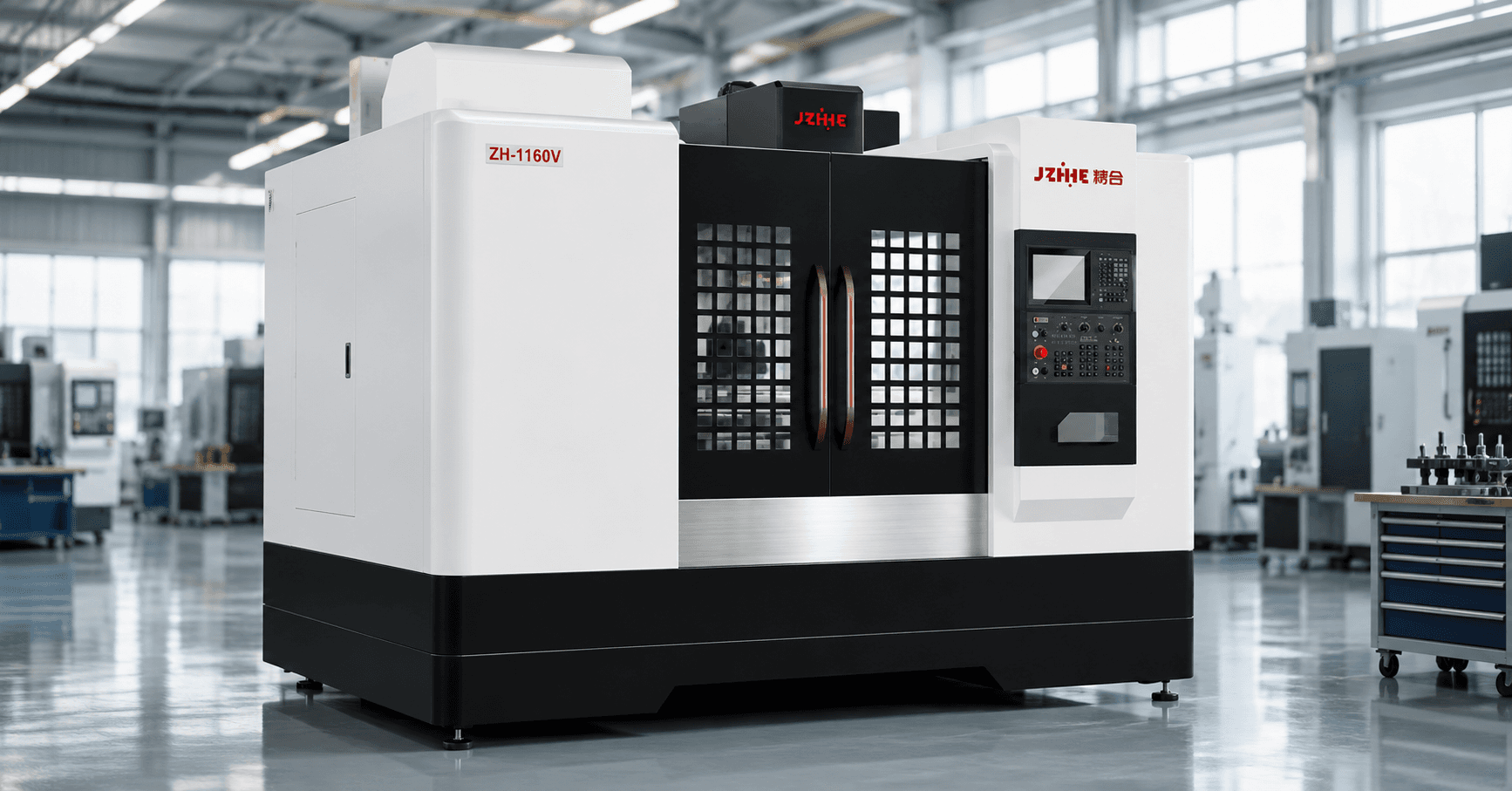
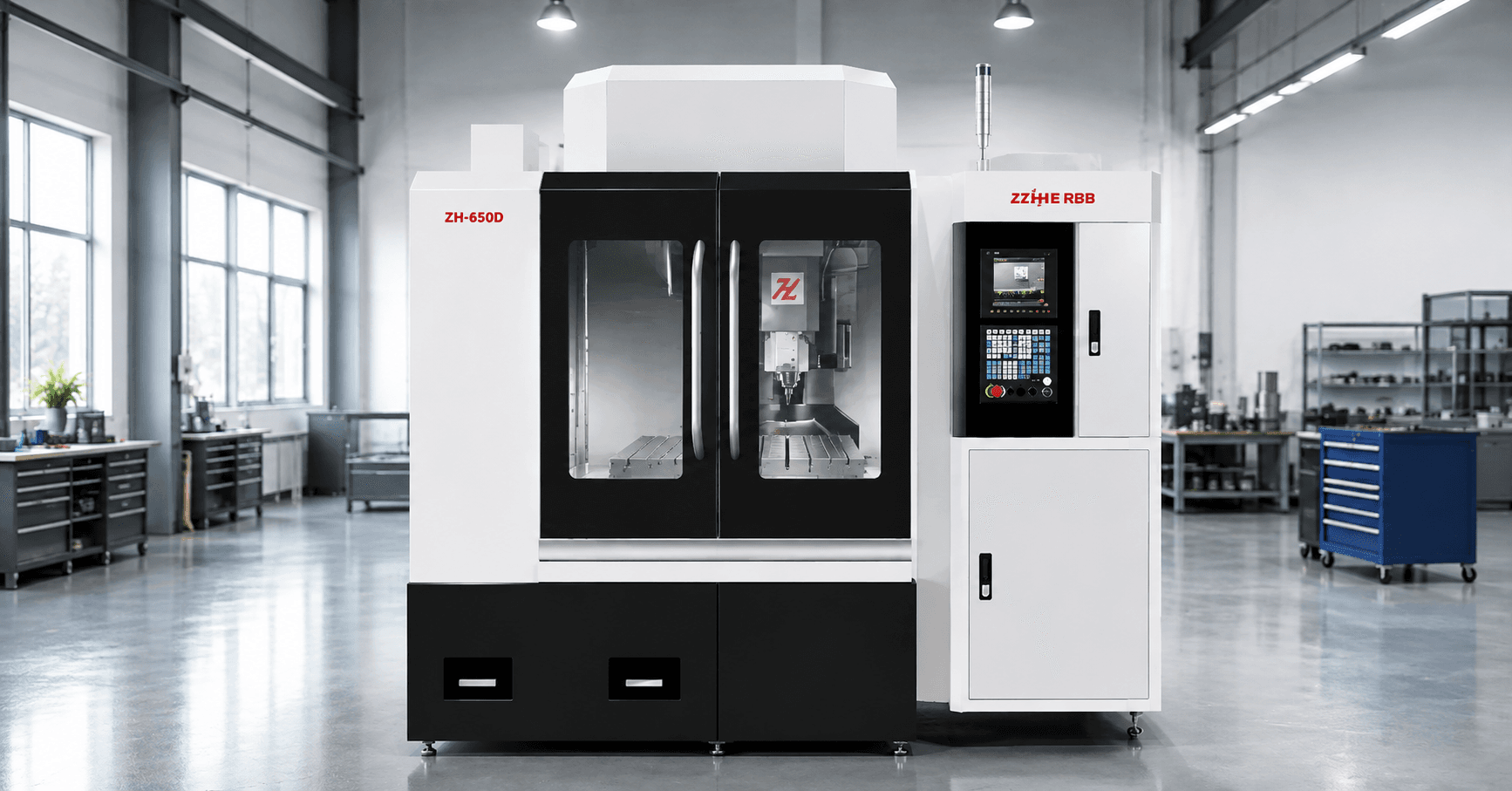
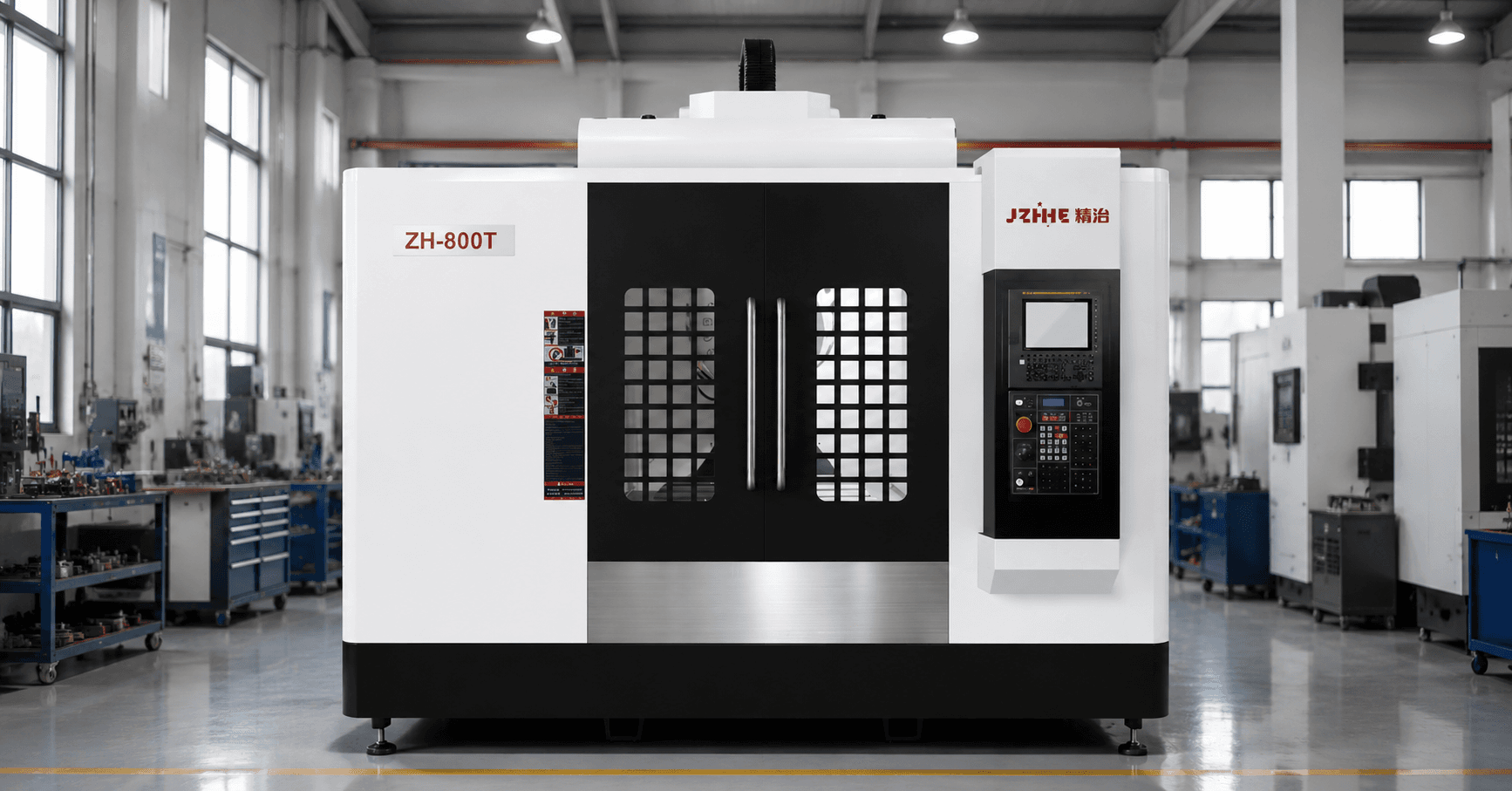
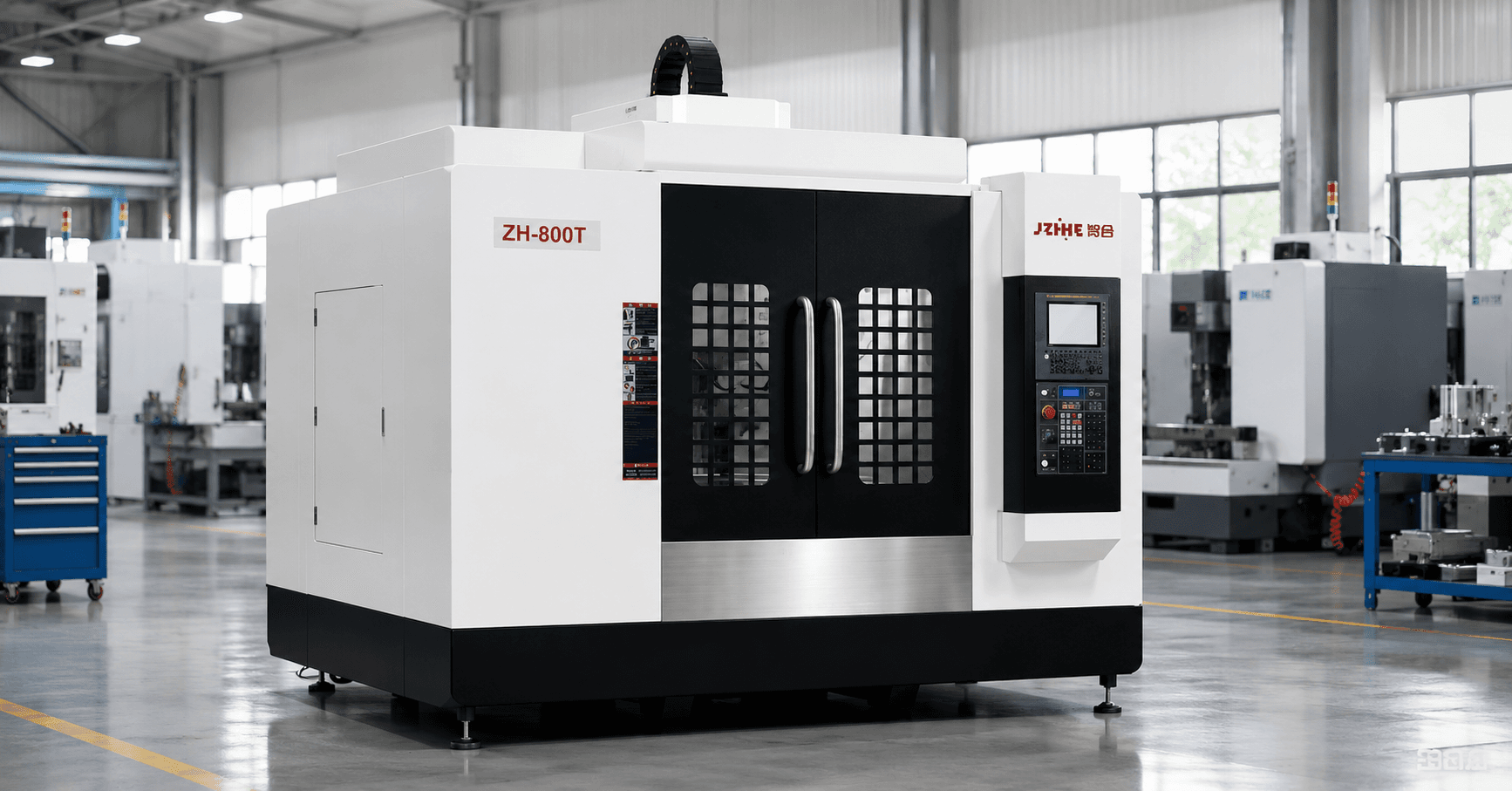
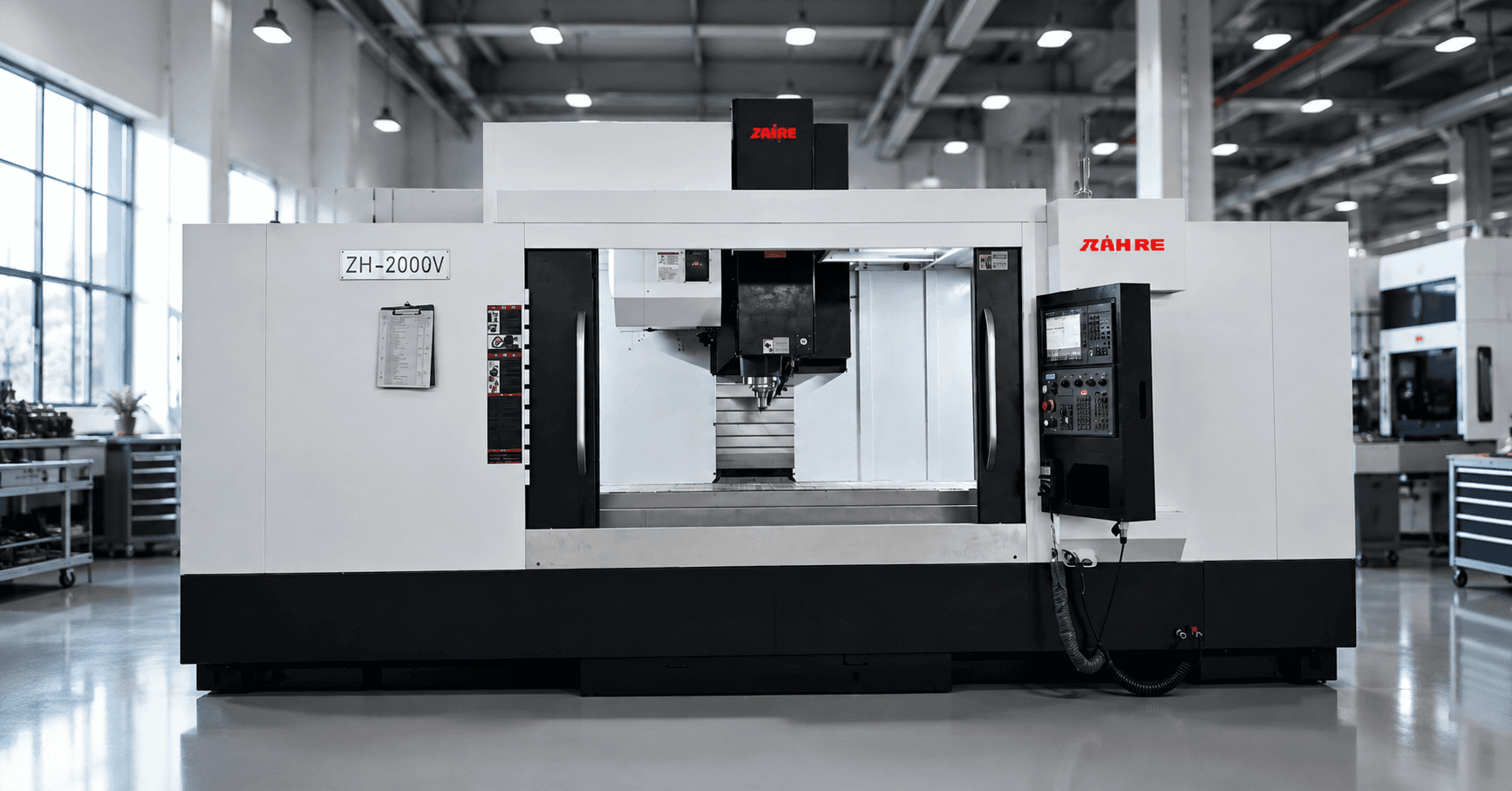
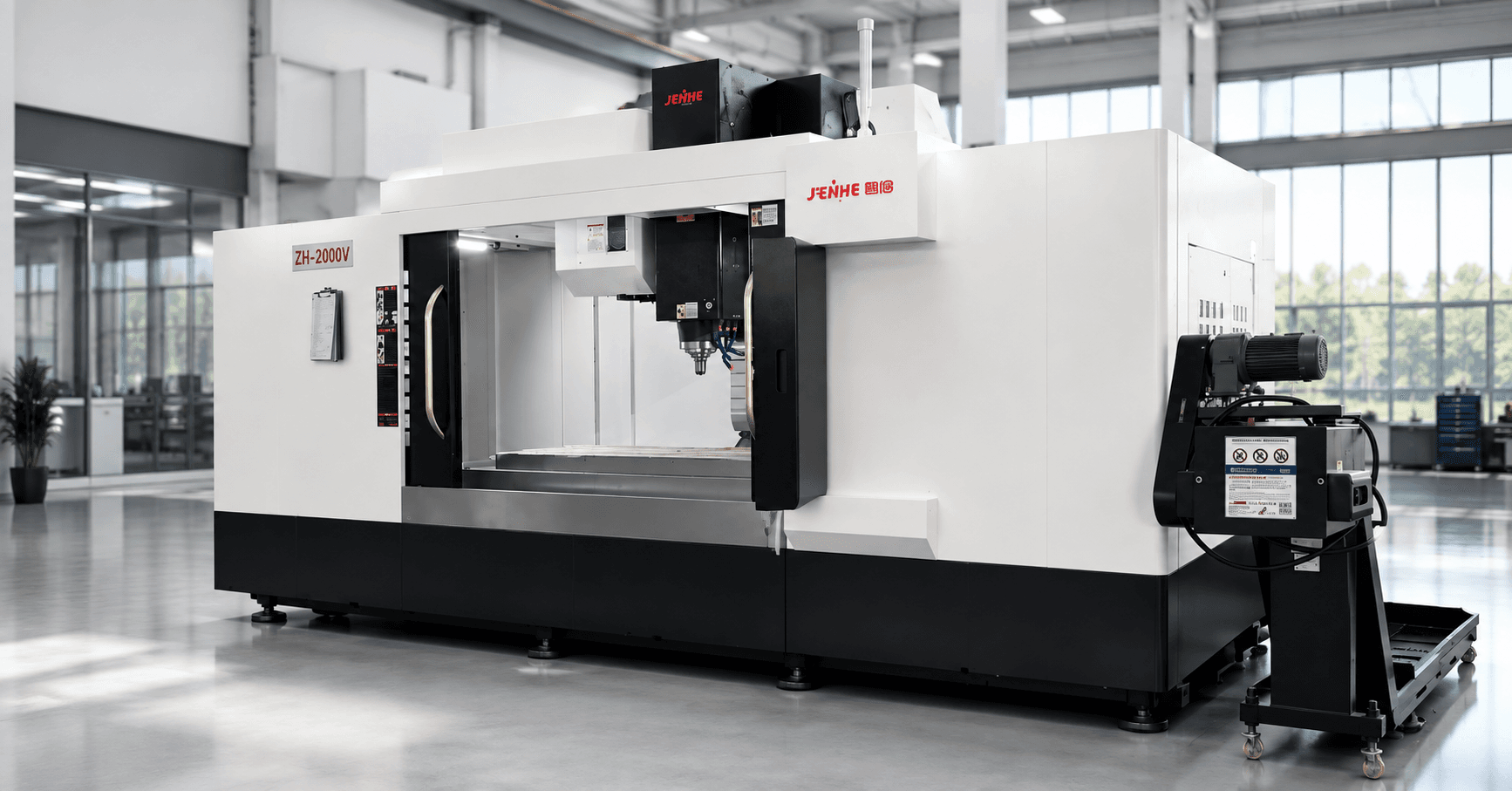
A CNC machining center manufacturer should be reviewed through separate evidence dossiers for the workpiece, product platform, engineering decisions, production control, testing, delivery, launch, and support. Zhihe CNC uses this audit format to keep broad company claims from replacing project-specific proof.
Each dossier answers one release question. Buyers can inspect the areas with the highest risk instead of treating every document as equally important.
Dossier One Defines the Workpiece Truth
Record drawing and model revision, material, blank condition, dimensions, mass, datums, setups, features, tolerances, surfaces, annual volume, batch size, shifts, cycle expectation, inspection, destination, and launch date. Label estimates and missing inputs.
Zhihe CNC can then distinguish mandatory output from future options and identify which part creates the bounding travel, load, tool, spindle, thermal, or access condition.
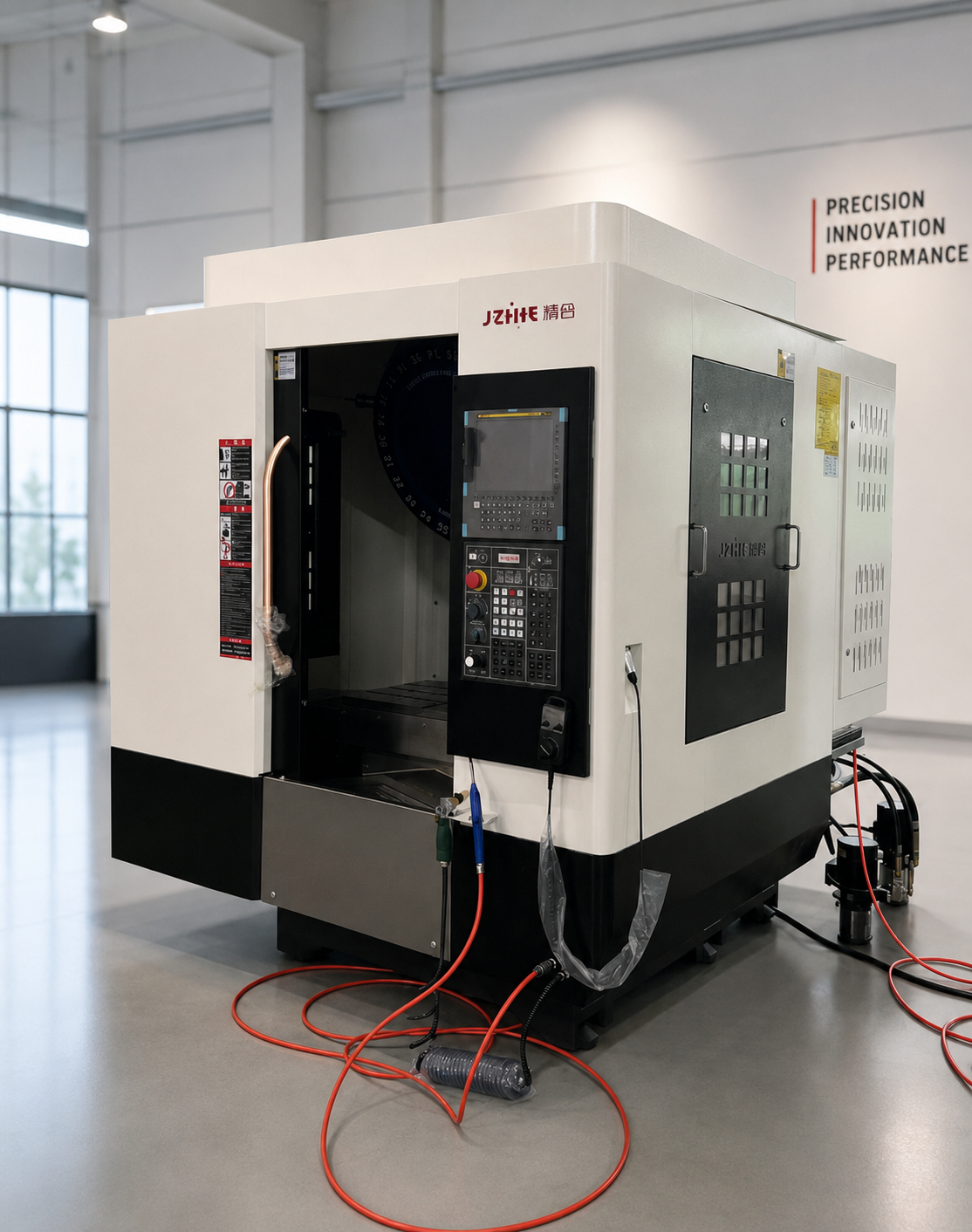
Dossier Two Maps the Product Architecture
List vertical, horizontal, gantry, drilling and tapping, milling, and five-axis alternatives that could serve the workload. Compare access, setups, table, spindle duty, tool capacity, chips, automation, staffing, floor space, and recovery.
The Zhihe CNC product range provides platform context, while the dossier explains why the selected architecture fits this buyer's part family.
Dossier Three Records Engineering Decisions
Freeze travels, table, load, spindle, guideways, magazine, controller, probing, coolant, chip handling, scales, software, guarding, voltage, language, and automation interfaces. Give every option a requirement reference and revision.
Design changes should update drawings, manuals, tests, spares, price, delivery, and acceptance together. An email alone is not a controlled technical baseline.
Dossier Four Shows Production Control
Review incoming checks, key component traceability, assembly records, alignment, parameter control, software versions, inspection equipment, nonconformance handling, corrective action, and final configuration verification. Sample records connected to the offered machine family.
Company procedures are useful, but the audit should also show how an exception is identified, approved, repaired, retested, and prevented from disappearing between teams.
Sample one normal record and one exception record. The comparison shows whether controls work only on routine builds or remain usable when schedules, components, measurements, or responsibilities change.
| Dossier | Release question | Strong evidence |
|---|---|---|
| Workpiece | Is the requirement controlled? | Approved input pack |
| Architecture | Is the platform justified? | Alternative comparison |
| Engineering | Is configuration frozen? | Line-item baseline |
| Production | Are changes controlled? | Traceable records |
| Testing | Are claims reproducible? | Conditions and results |
Dossier Five Makes Testing Reproducible
State geometry, positioning, repeatability, warm-up, compensation, spindle condition, tool change, probing, trial material, tool assemblies, sample size, measurement instruments, environment, limits, exceptions, and retest rules.
When comparing a CNC machining center manufacturer, give evidence an expiry label. A result may become stale after configuration, software, foundation, fixture, tool, or environmental changes.
Dossier Six Prices the Delivery Boundary
Record packing, preservation, dimensions, mass, trade term, inland transport, freight, insurance, customs data, unloading, rigging, foundation, utilities, extraction, network, installation, commissioning, travel, and exclusions. Assign every interface.
A factory price and a production-ready investment are different numbers. The dossier prevents buyer-supplied work from vanishing during quotation comparison.
Dossier Seven Releases the Production Launch
List fixtures, tools, holders, probes, gauges, programs, postprocessor, backups, coolant, chips, first-piece approval, supervised batches, training by role, open issues, and stable-production criteria. Name the launch owner.
Zhihe CNC should define included services and evidence, while the receiving plant confirms people, utilities, local contractors, materials, and inspection readiness.
Dossier Eight Protects Recovery
Store serial configuration, controller and software versions, parameters, PLC backup, electrical drawings, manuals, alarm capture steps, maintenance history, support contacts, remote-access rules, local partners, consumables, wear items, and spare strategy.
Run one tabletop failure from alarm evidence to diagnosis, parts, restart, and quality release. A response-time promise covers only one segment of recovery.
Run the Contradiction Check
- Compare workpiece needs with the offered configuration.
- Compare quotation options with drawings and tests.
- Compare factory evidence with site acceptance conditions.
- Compare training scope with assigned plant roles.
- Compare warranty wording with recovery responsibilities.
- Close contradictions before commercial ranking.
Respect the Audit Boundary
Eight complete folders cannot guarantee uptime, cycle, tool life, or quality under untested conditions. They also cannot replace competent operators, stable material, controlled programs, maintenance, and inspection.
The audit is valuable because it exposes assumptions and ownership. It should not be used to create false certainty or demand irrelevant paperwork.
FAQ
Must every dossier be the same size?
No. Scale each dossier to risk, investment, novelty, destination, and the buyer's governance requirements.
Can a video replace factory records?
Video can support observation, but controlled conditions, configuration, measurements, results, and exceptions still need a durable record.
How should confidential information be handled?
Agree access, redaction, retention, and permitted use while preserving enough evidence for the purchasing decision.
Who signs the audit?
Name accountable technical and commercial owners on both sides and record unresolved exceptions with dates.
Request the Zhihe CNC Eight-Dossier Pack
To evaluate a CNC machining center manufacturer, send drawings, materials, volumes, cycle targets, tolerances, inspection, destination, acceptance, launch, and support expectations. Use the Zhihe CNC contact page and review the company profile beside the project evidence.