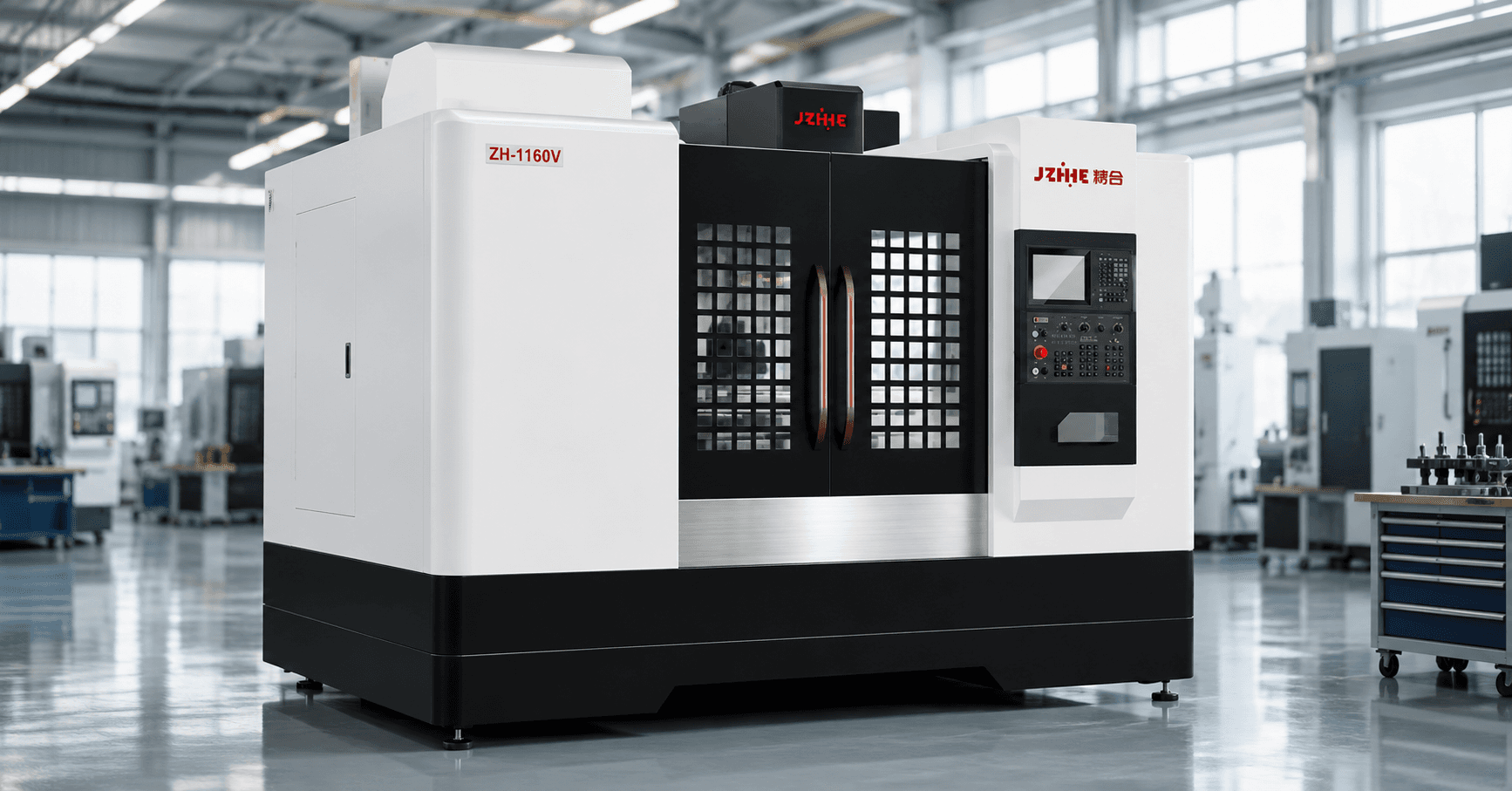
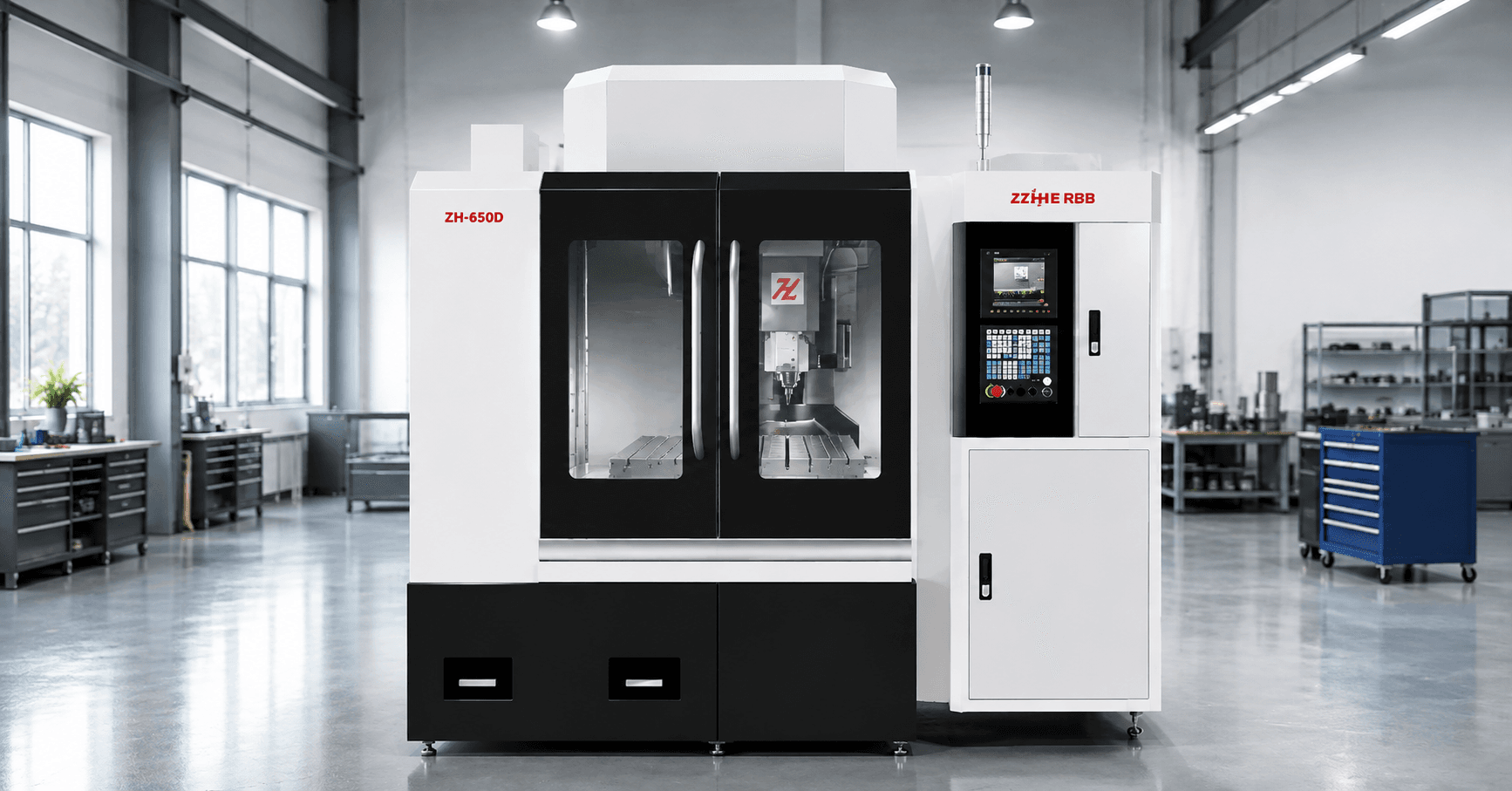
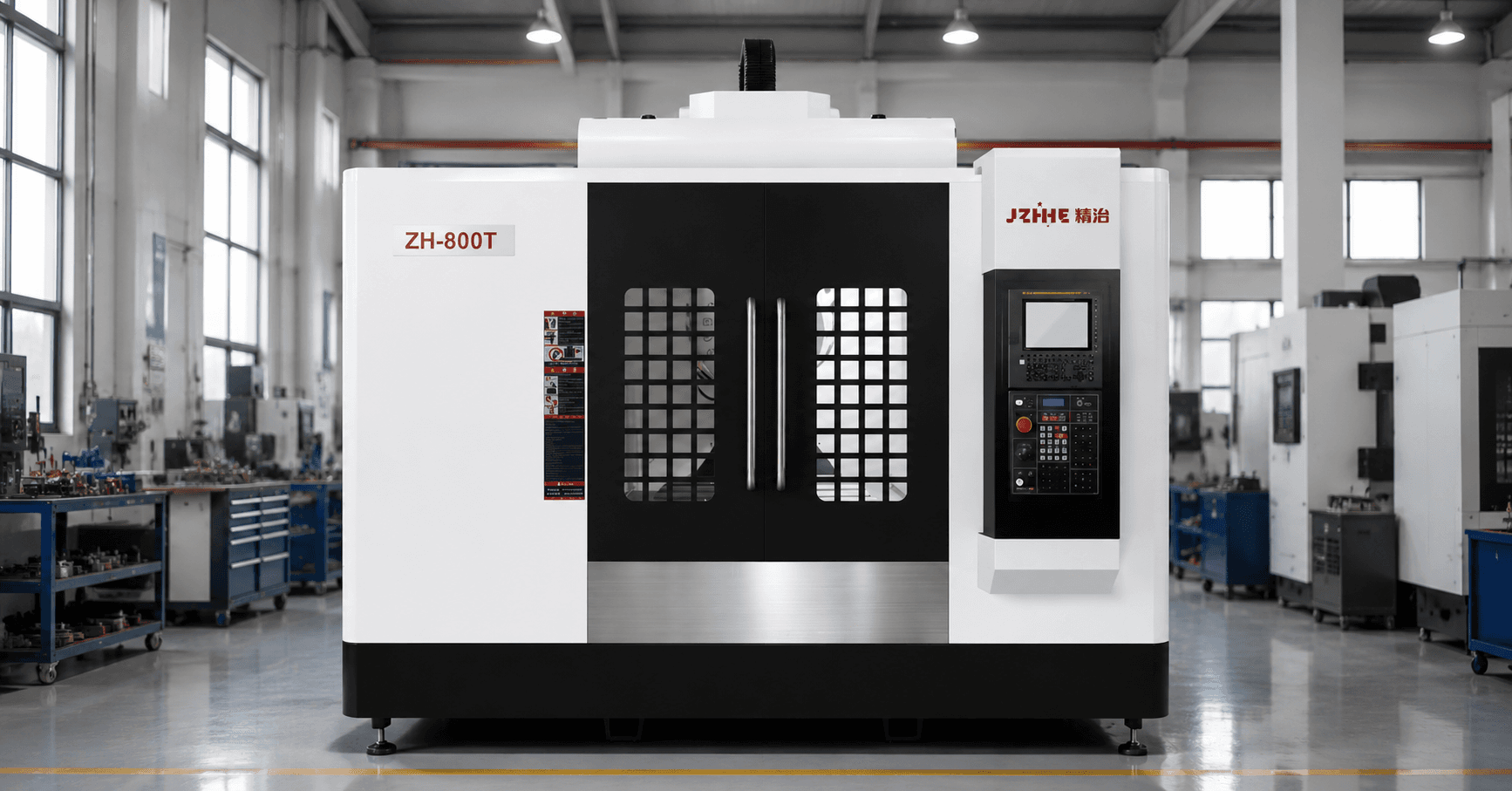
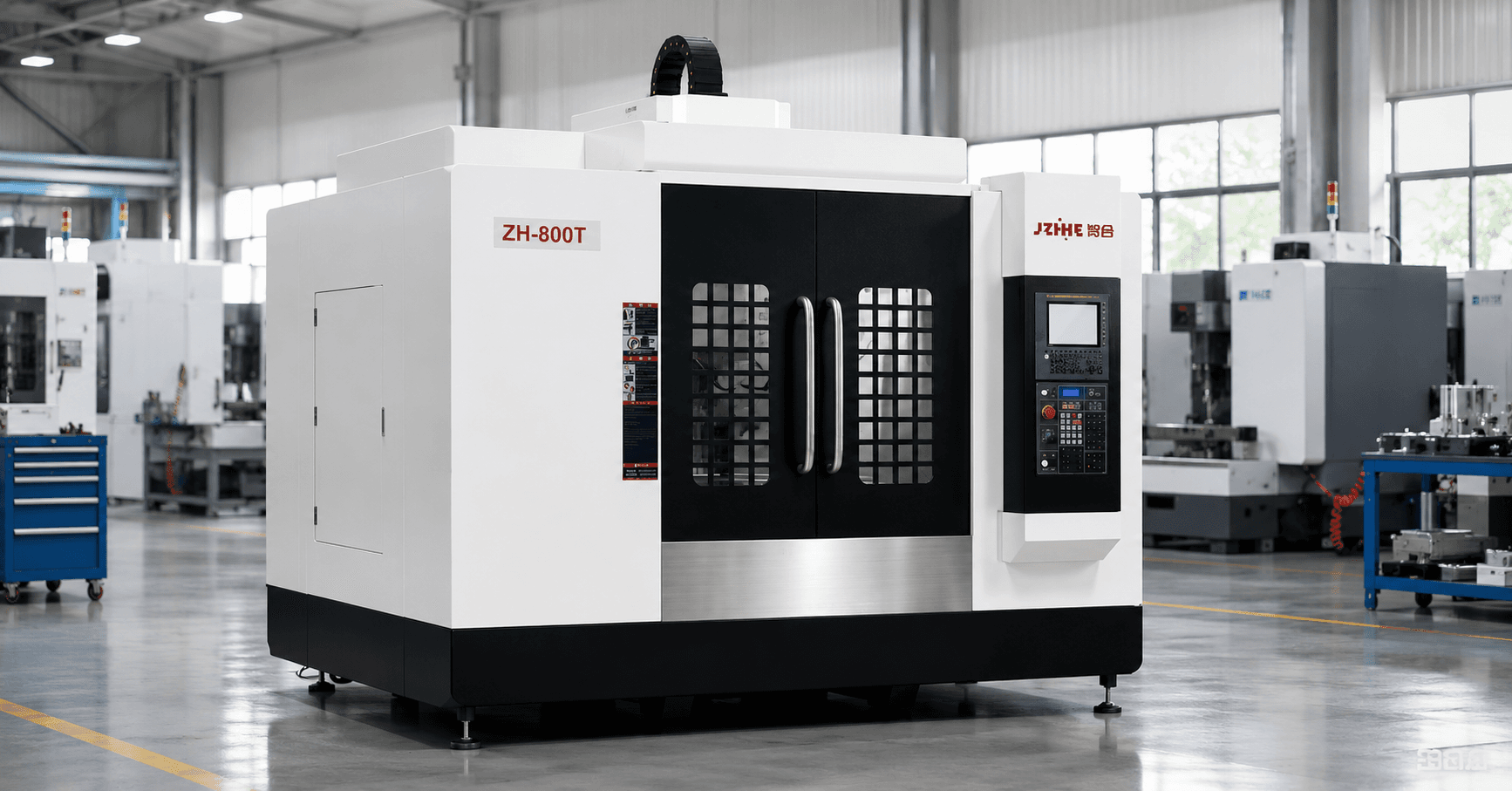
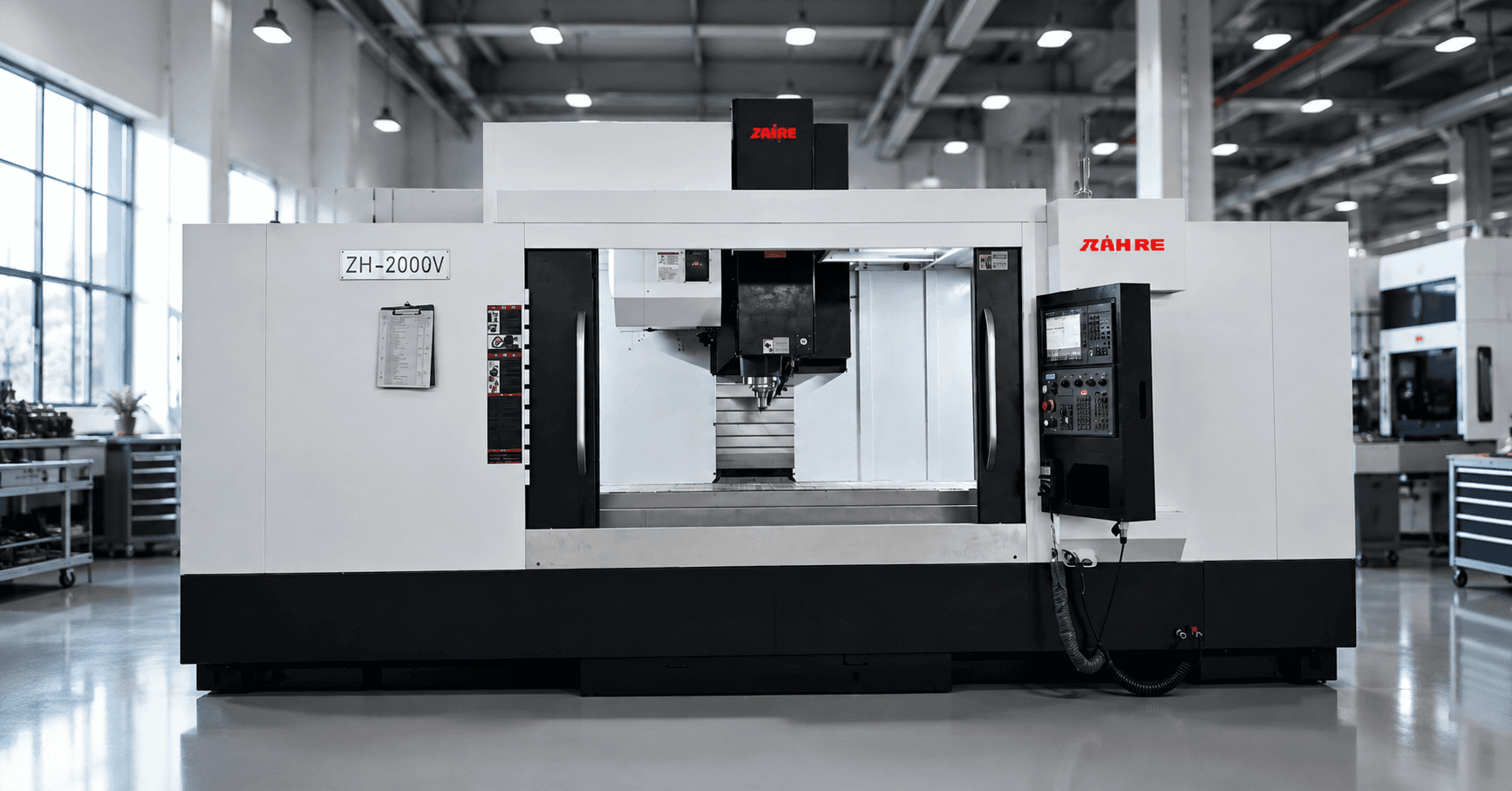
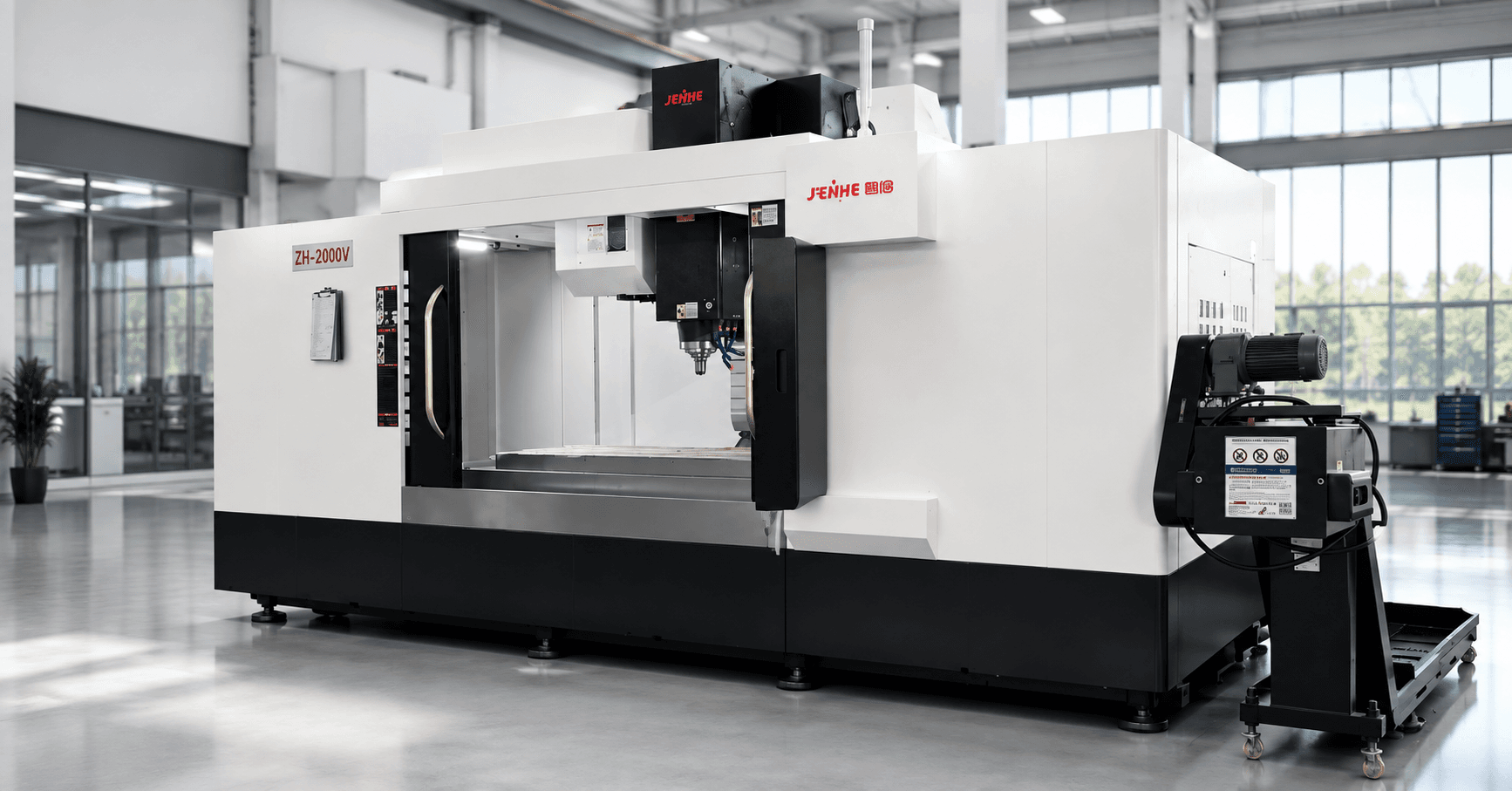
A drilling tapping center manufacturer should be assessed with a changeover cockpit that shows whether the next part, fixture, tool set, program, inspection route, and restart plan are ready before the current batch ends. Zhihe CNC uses this view to separate fast machine motion from flexible production readiness.
The cockpit is a shared decision surface for planning, setup, tooling, quality, maintenance, and supplier support.
View One Shows the Next-Part Queue
Display drawing revision, material, blank, quantity, priority, due time, hole and thread features, tolerance, burr requirement, fixture, tool kit, program, inspection, and approval status. Highlight missing inputs.
Zhihe CNC can use the queue to confirm travels, table, spindle, magazine, probing, coolant, chips, and automation for the real mix rather than one sample.
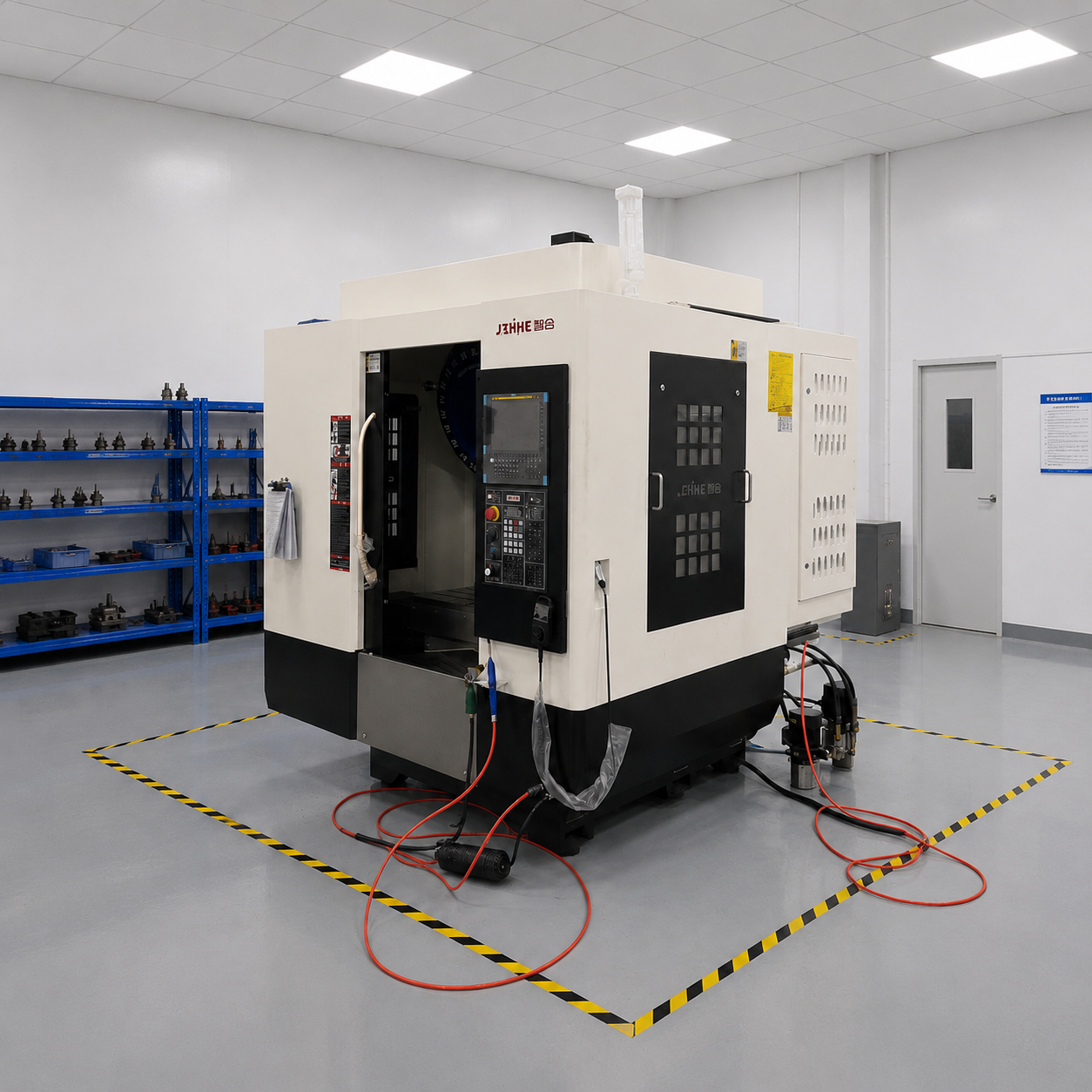
View Two Tracks Fixture Readiness
Show fixture location, cleaning, wear, locating elements, clamps, torque method, subplates, lifting, spare components, validation part, and ownership. Include the time when the fixture must arrive at the machine.
A rapid tool change cannot compensate for a fixture that is still being repaired, searched for, or approved.
View Three Loads the Tool Kit
List holders, pull studs, drill and tap types, diameter, gauge length, pocket, sister tools, runout, life remaining, breakage detection, preset offsets, replacement stock, and adjacent-pocket restrictions. Mark exceptions visibly.
Review the Zhihe CNC drilling and tapping range, then connect magazine scope to the actual kit and change frequency.
View Four Releases the Digital Setup
Control NC program, revision, postprocessor, work offsets, tool data, probing routine, safe start, restart points, simulation status, parameter dependencies, network path, and backup. Name the person permitted to release changes.
For a drilling tapping center manufacturer comparison, digital readiness belongs in the capacity case because program searching and offset correction consume production minutes.
| Cockpit signal | Green condition | Red-minute owner |
|---|---|---|
| Part | Material and revision ready | Planning |
| Fixture | Clean, verified, available | Setup |
| Tools | Preset with life remaining | Tooling |
| Program | Released and backed up | Process |
| Quality | Gauge and route available | Quality |
View Five Watches Chips and Coolant
Display material, chip form, wash-down need, filtration, tank condition, concentration, flow, conveyor status, disposal capacity, cleaning schedule, and recent interventions. Include thread contamination and recutting risk.
Zhihe CNC should state the configured system, while the plant confirms coolant management, waste, cleaning, and site operating practice.
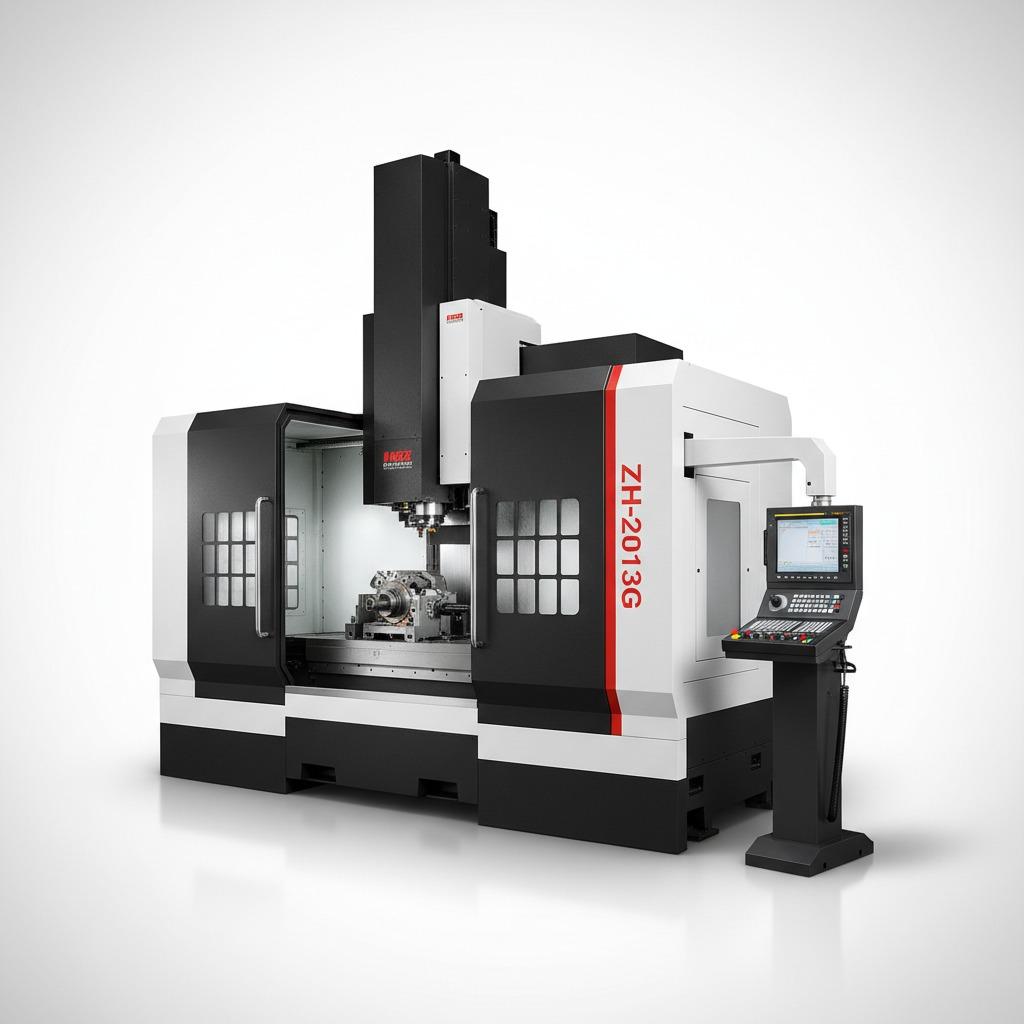
View Six Opens the Quality Lane
Show first-piece features, thread gauges, dimensional gauges, CMM demand, sampling, cleaning, deburring, data entry, quarantine, approval authority, and expected release time. Track queues outside the machine.
A completed cycle is not useful output until the part is accepted and available to the next operation.
Count Every Red Minute
Timestamp changeover start, last good part, fixture release, tool load, program release, first cycle, first inspection, correction, approval, and first normal part. Code each delay by cause and owner.
Red-minute ownership prevents a broad label such as setup delay from hiding material, tooling, quality, software, or staffing problems.
Review the ledger weekly by frequency, duration, and recurrence. Close the largest controllable loss first, then verify that the improvement does not create a new wait at inspection, material handling, tool preparation, or maintenance. Preserve the baseline so later gains remain measurable and credible.
Turn the Cockpit Before the Batch Ends
- Confirm the next queue and revision.
- Stage fixture, tools, and material.
- Release programs and inspection routes.
- Check chips, coolant, and cleaning capacity.
- Assign unresolved red signals.
- Start only when safety and critical readiness are green.
Light the Restart-Ready Lamp
Store controller state, tool and offset data, safe blocks, probe results, alarm evidence, backups, manuals, contacts, spare taps and drills, and quality recheck rules. Practice one interrupted tapping or tool-change scenario.
Zhihe CNC can support machine evidence and escalation, while trained plant roles control safe access, process decisions, and production release.
Know When the Cockpit Says No
A drilling and tapping platform is not automatically suitable for heavy roughing, long tools, large workpieces, complex multi-face access, or thermal processes. A cockpit full of permanent red signals may indicate the wrong architecture.
Use those signals to compare vertical, horizontal, milling, gantry, or five-axis alternatives instead of forcing the selected machine into an unsuitable role.
FAQ
Does the cockpit require special software?
No. A board, shared sheet, or production system can work if status, revision, timing, and ownership stay controlled.
When should preparation begin?
Begin early enough to close material, fixture, tool, program, and inspection gaps before the current batch ends.
Should every signal be green?
Safety and critical release items must be satisfied. Noncritical exceptions need explicit approval, ownership, and risk control.
How is changeover time defined?
Agree the boundary, often from the last accepted part of one batch to the first accepted normal part of the next.
Design the Cockpit With Zhihe CNC
To compare a drilling tapping center manufacturer, send part mix, holes, threads, materials, fixtures, tools, batches, changeover targets, inspection, chips, staffing, utilities, destination, and support needs. Contact Zhihe CNC and use the high-speed application guide as a process reference.