High Speed CNC Milling Machine for Optical Molds and High-Gloss Surface Finishing
A high speed CNC milling machine for optical molds is not chosen in the same way as a general machining center. The buyer is not only asking whether the machine can remove material. The real question is whether it can create a surface that needs less correction afterward.
That is a tougher question.
Optical molds, high-gloss mold surfaces, fine engraving details, and complex curved parts demand stability from the entire machine system. The spindle must run smoothly. The structure must resist vibration. Thermal behavior must remain controlled during longer finishing cycles. The enclosure must keep the machining area clean. The tool path must be matched to the material and surface target.
One weak link can affect the final surface.
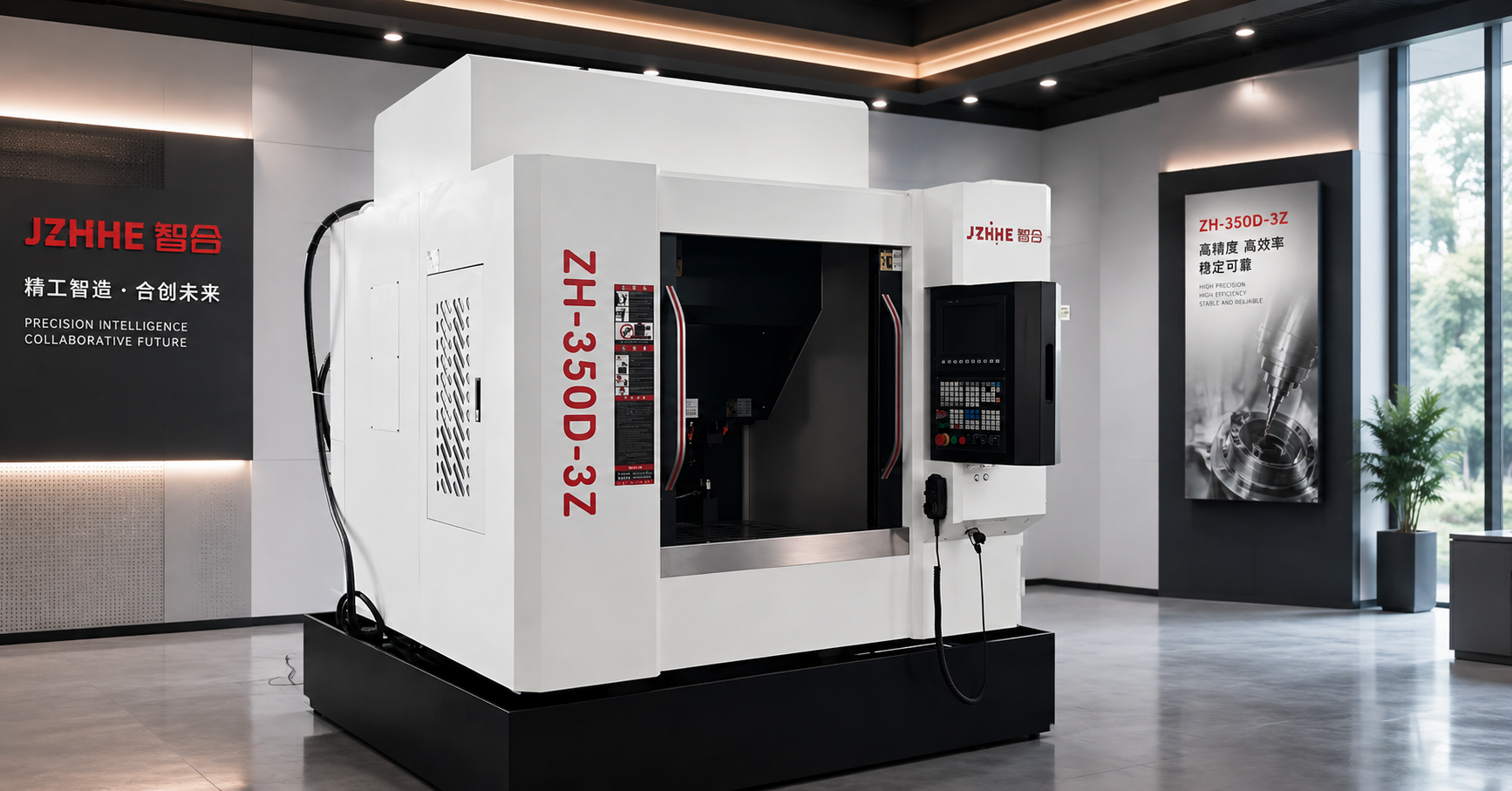
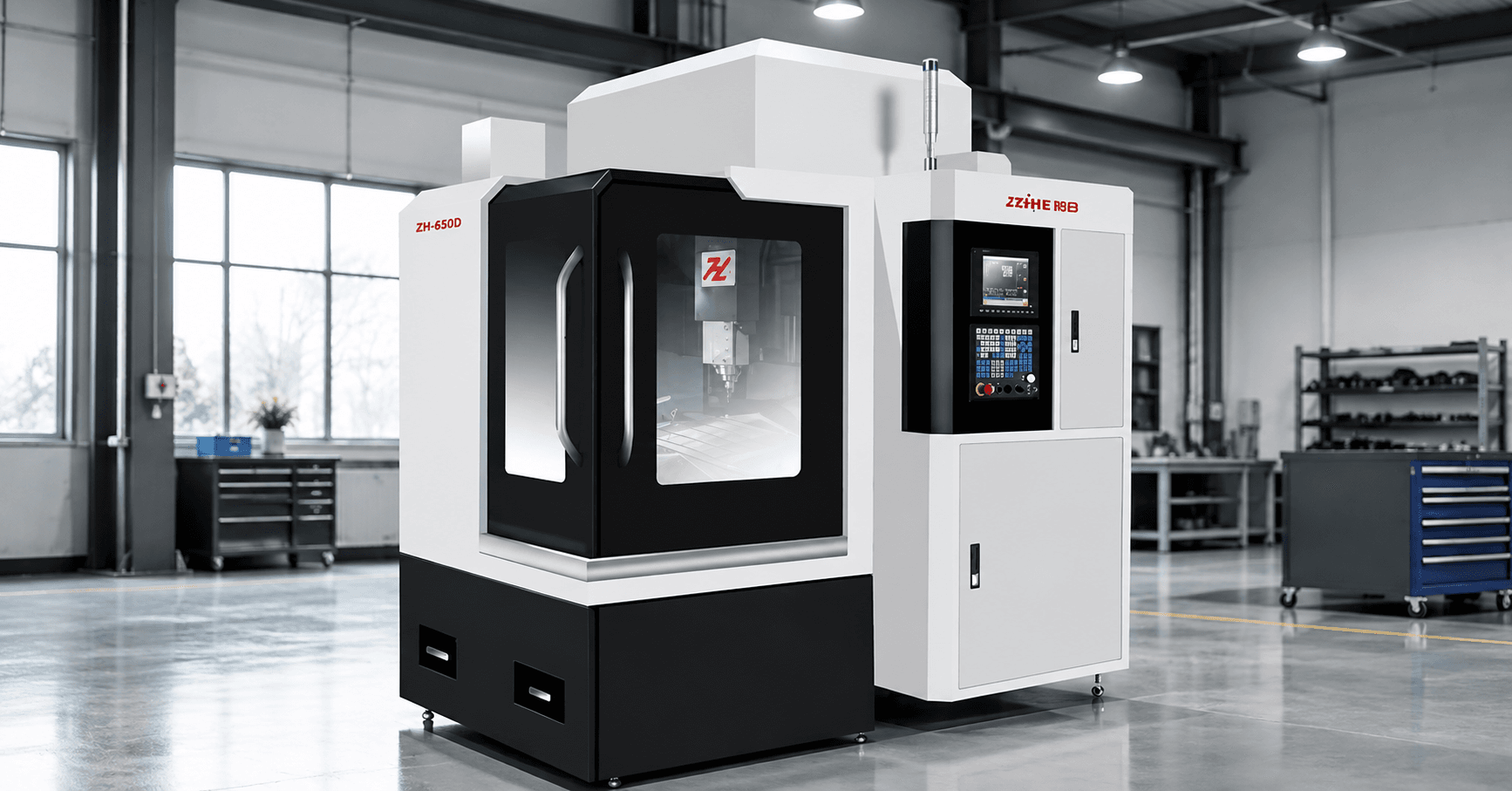
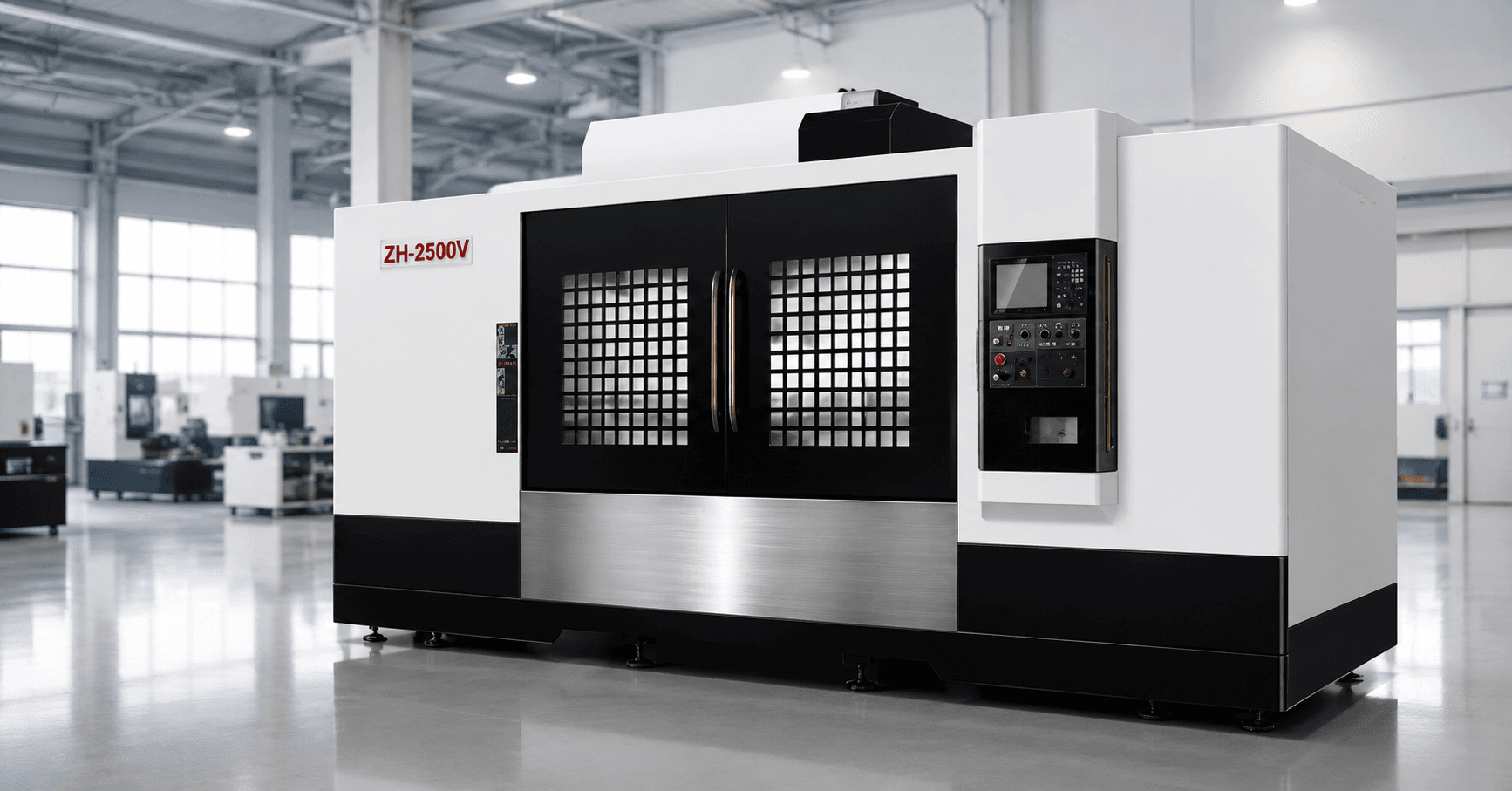
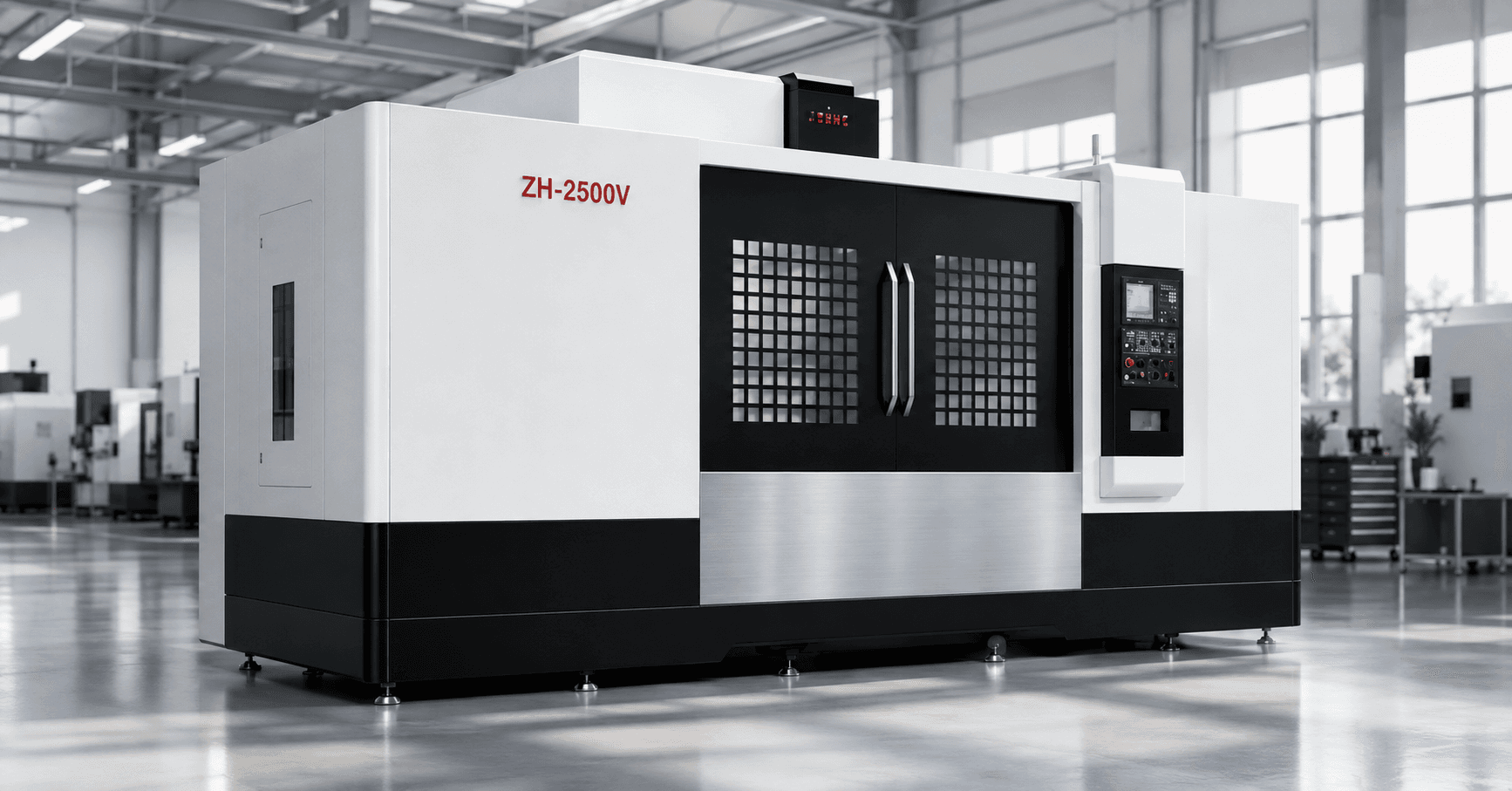
The Zhihe CNC High-Speed Milling Machining Center is positioned for these demanding applications. Its product page states that the machine uses a high-speed electric spindle with a typical speed range of 18,000–24,000 rpm, supported by precision dynamic balancing, efficient cooling, and low-vibration control. The same page lists complex curved surfaces, precision microstructures, high-gloss mirror finishing, and fine engraving as suitable applications.
For optical mold buyers, that combination is worth studying carefully.
Why Optical Mold Machining Is So Demanding
Optical mold machining is difficult because the surface often carries the value of the part. A small tool mark, ripple, or vibration pattern may lead to extra polishing. In some cases, it can affect the performance of the final molded component.
The challenge is not only accuracy. It is surface integrity.
A standard CNC machine may cut the mold shape correctly, but the finishing surface may still require too much handwork. That is a problem for production because manual polishing adds labor, time, and variation. It can also change the intended geometry if not controlled well.
High speed milling helps by using smaller tools, faster spindle speeds, and smoother finishing passes. But if the machine vibrates, the tool path is poor, or the spindle is not stable, the surface will not improve simply because the spindle rpm is higher.
This is why buyers should look at the machine as a complete finishing platform.
The Role of the High-Speed Electric Spindle
In optical mold and high-gloss finishing, the electric spindle is central.
The Zhihe CNC product page lists a high-performance electric spindle with a typical speed range of 18,000–24,000 rpm. It also mentions precision dynamic balancing, efficient cooling, and low-vibration control technologies.
For B2B buyers, each of those details matters.
Dynamic balancing helps reduce vibration at high rotational speeds. Cooling helps manage thermal growth during longer programs. Low-vibration control supports better surface finish and more predictable tool behavior.
But spindle speed should still be matched to the process. A small ball end mill for finishing a curved mold surface may benefit from high rpm. A larger roughing tool may not need the same speed. Different materials also respond differently.
A buyer should not ask only, “What is the maximum rpm?”
A better question is, “Which spindle speed, tool holder, tool diameter, and cutting strategy should be used for this mold material and surface finish target?”
Machine Rigidity Still Controls Surface Quality
Some buyers assume that fine finishing does not need much rigidity because cutting loads are light. That is not quite true.
Fine finishing may use lighter passes, but surface quality is extremely sensitive to vibration. A small structural movement can create visible marks. A weak base can reduce consistency. Thermal deformation can slowly shift the cutting condition.
The Zhihe CNC machine uses a high-rigidity fixed-beam gantry architecture and internally reinforced keel support structure. The product page states that this design enhances rigidity and long-term operational stability, suppresses vibration and thermal deformation, and supports geometric accuracy and repeat positioning precision during continuous production.
For optical mold machining, this is important. Long finishing cycles need stability from beginning to end. If the machine behaves differently after warming up, surface results can change.
That is why high-speed finishing is not only a spindle problem. It is also a structure problem.
Why a Fully Enclosed Design Helps Precision Work
A fully enclosed design is often discussed in terms of safety. In precision finishing, it also helps maintain a cleaner machining environment.
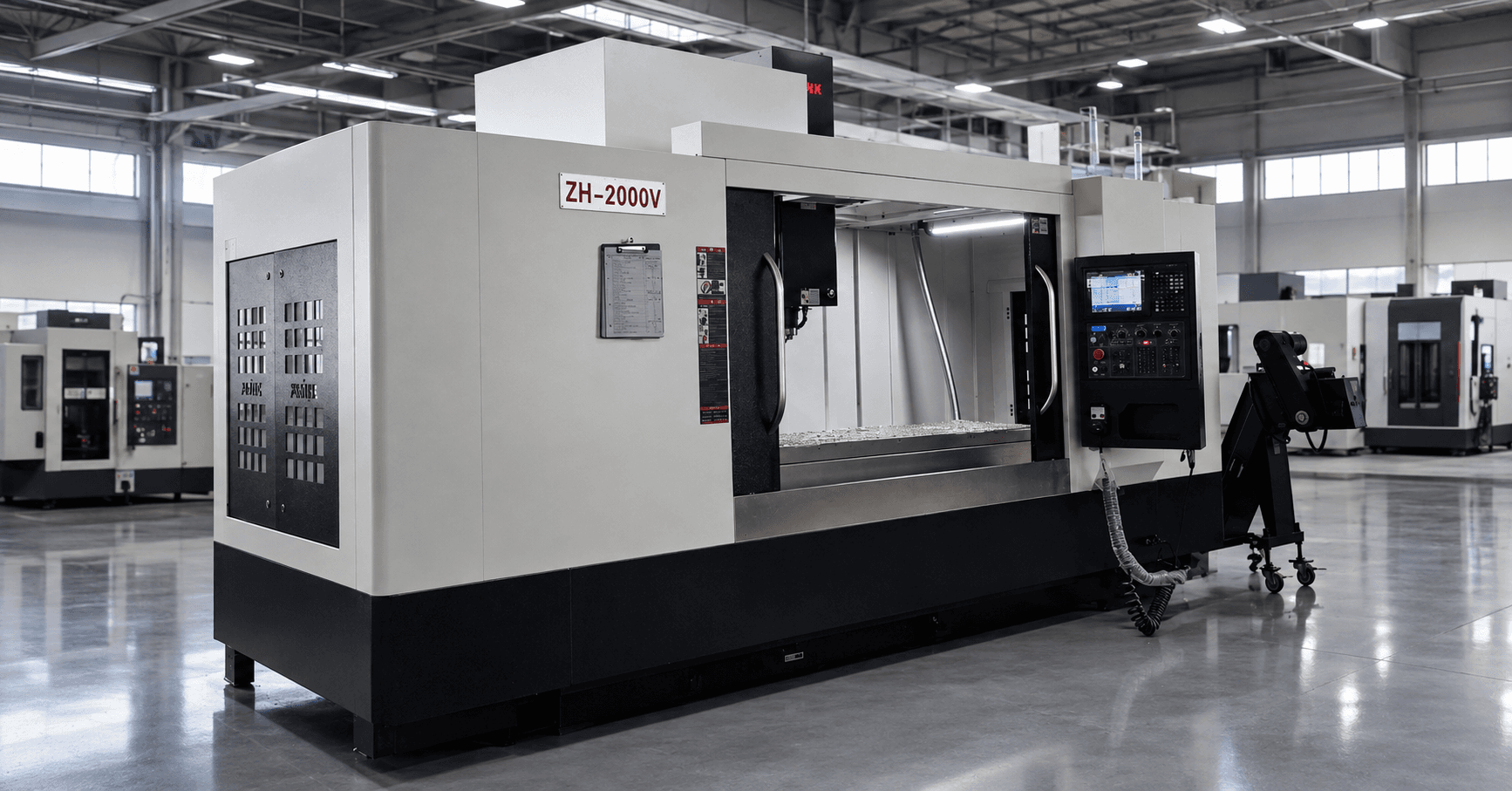
The Zhihe CNC page describes the machine’s fully enclosed protection system as offering dustproof, waterproof, and chip isolation performance. It also notes that this helps maintain the cleanliness and lifespan of key transmission components.
For optical mold production, cleanliness is not a luxury. Chips, dust, coolant mist, and contamination can interfere with the work area. Fine machining often involves careful inspection, controlled tool changes, and sensitive surfaces. A cleaner enclosure reduces avoidable risk.
Dual-side hinged protective doors also matter because they can improve access for loading, unloading, and observing the process. Buyers should check whether the door layout works with their mold size, fixture method, and operator workflow.
A machine that is difficult to load or clean may perform well during a demo but become frustrating in daily use.
Applications That Benefit from High-Gloss Milling
The product page lists several precision machining applications, including 3C electronic housings, optical molds, medical devices, precision hardware, composite materials, and high-precision mold manufacturing.
For this blog, optical molds and high-gloss surfaces are the focus, but the same principles often apply to other precision parts.
| Application | Main Challenge | Machine Requirement |
|---|---|---|
| Optical molds | Smooth surfaces and contour accuracy | Stable spindle, low vibration, accurate motion |
| High-gloss mold inserts | Reduced polishing and clean finish | High-speed finishing and thermal stability |
| Fine engraving | Small features and sharp detail | High rpm, tool control, stable structure |
| Precision microstructures | Very small geometry | Smooth movement and low vibration |
| 3C decorative parts | Appearance surfaces | Clean cutting and repeatability |
| Medical device components | Precision shape and finish | Stable process and controlled surface quality |
High speed milling becomes valuable when surface quality, detail, and repeatability matter more than heavy stock removal.
Tooling and Toolpath Planning Cannot Be Ignored
A high speed CNC milling machine does not automatically create a mirror finish. Tooling and programming still matter.
For optical mold finishing, buyers should pay attention to:
- Tool holder balance
- Cutter quality
- Tool diameter
- Step-over size
- Feed rate
- Spindle speed
- Tool runout
- Coolant or air blow strategy
- CAM smoothing settings
- Machining allowance after roughing
If roughing leaves uneven stock, finishing becomes harder. If tool runout is too high, the surface will show it. If the CAM path creates abrupt direction changes, the machine may slow down or leave marks.
The machine gives the foundation, but the process decides the result.
This is one reason supplier support matters. A buyer should ask whether the manufacturer can discuss application requirements, machine configuration, and trial machining for difficult parts.
What Buyers Should Ask Before Buying
Before choosing a CNC milling machine for optical molds, buyers should prepare a technical review.
| Question | Why It Matters |
|---|---|
| What mold material will be machined? | Steel, copper, aluminum, graphite, and composites behave differently |
| What surface finish is required? | Determines spindle, tool, and process requirements |
| Is roughing done on the same machine? | Affects rigidity and process planning |
| What is the smallest feature size? | Helps evaluate spindle speed and tool control |
| How long are finishing cycles? | Thermal stability becomes more important |
| What inspection method is used? | Surface and contour quality must be verified |
| Is operator training needed? | High-speed finishing requires disciplined setup |
This approach prevents vague quoting and weak machine recommendations.
A buyer should not simply send a product name and ask for a price. For optical molds, the supplier needs the part drawing, material, surface finish target, toolpath expectations, and current production problem.
Cost Factors Buyers Should Understand
A high speed CNC milling machine may cost more than a basic machining center, but the real comparison should be based on production value.
Cost factors include:
- Electric spindle configuration
- Spindle cooling and balancing quality
- Machine rigidity
- Motion system
- Enclosure design
- Controller and programming support
- Tool holder quality
- Fixture system
- Trial cutting
- After-sales service
The buyer should also consider hidden cost savings. If the machine reduces polishing time, improves mold surface consistency, lowers scrap, or shortens finishing cycles, the higher investment may be justified.
But not every part needs this machine type. If the factory mainly machines rough brackets or simple plates, a general vertical machining center may be more economical. High speed milling makes the most sense when the workpiece actually demands fine surfaces, complex contours, or small details.
Common Mistakes in Optical Mold Machine Selection
One mistake is assuming high rpm guarantees mirror finish. It does not.
Another mistake is ignoring thermal stability. Finishing cycles can be long, and heat can affect accuracy.
A third mistake is not checking spindle care requirements. High-speed electric spindles should be used and maintained correctly.
Some buyers also underestimate inspection. If the buyer cannot measure or evaluate the surface properly, it becomes hard to confirm whether the machine is meeting expectations.
A final mistake is treating trial cutting as optional. For optical molds and high-gloss parts, trial machining can reveal the real relationship between machine, tool, material, and surface finish.
FAQ
Why is a high speed CNC milling machine useful for optical molds?
Because optical molds often require smooth surfaces, fine contours, and reduced polishing. High-speed milling can support these goals when paired with a stable spindle, rigid structure, and correct tooling.
Is mirror finishing created by spindle speed alone?
No. Mirror finish depends on spindle stability, machine rigidity, tool quality, tool path, material, cooling, and inspection.
What spindle speed does the Zhihe CNC machine use?
The product page states that the machine integrates a high-speed electric spindle with a typical speed range of 18,000–24,000 rpm.
What applications are listed for the machine?
The product page lists 3C electronic housings, optical molds, medical devices, precision hardware, composite materials, and high-precision mold manufacturing.
What should buyers prepare before requesting a quote?
Buyers should prepare drawings, material, surface finish requirements, tolerance targets, tool size range, production volume, and current machining issues.
Conclusion
A high speed CNC milling machine for optical molds should be selected with surface quality in mind. Spindle speed matters, but it is only one part of the decision. Buyers should also evaluate machine rigidity, vibration suppression, thermal control, enclosure design, toolpath planning, and supplier support.
The Zhihe CNC High-Speed Milling Machining Center is positioned for demanding precision work, with a high-rigidity gantry structure, fully enclosed protection system, and 18,000–24,000 rpm electric spindle aimed at complex curved surfaces, microstructures, high-gloss mirror finishing, and fine engraving.
For optical mold manufacturers, the right machine can reduce polishing pressure, improve consistency, and make fine surface machining more predictable. The best starting point is still the drawing. Once the material, geometry, tolerance, and finish target are clear, machine selection becomes much more realistic.