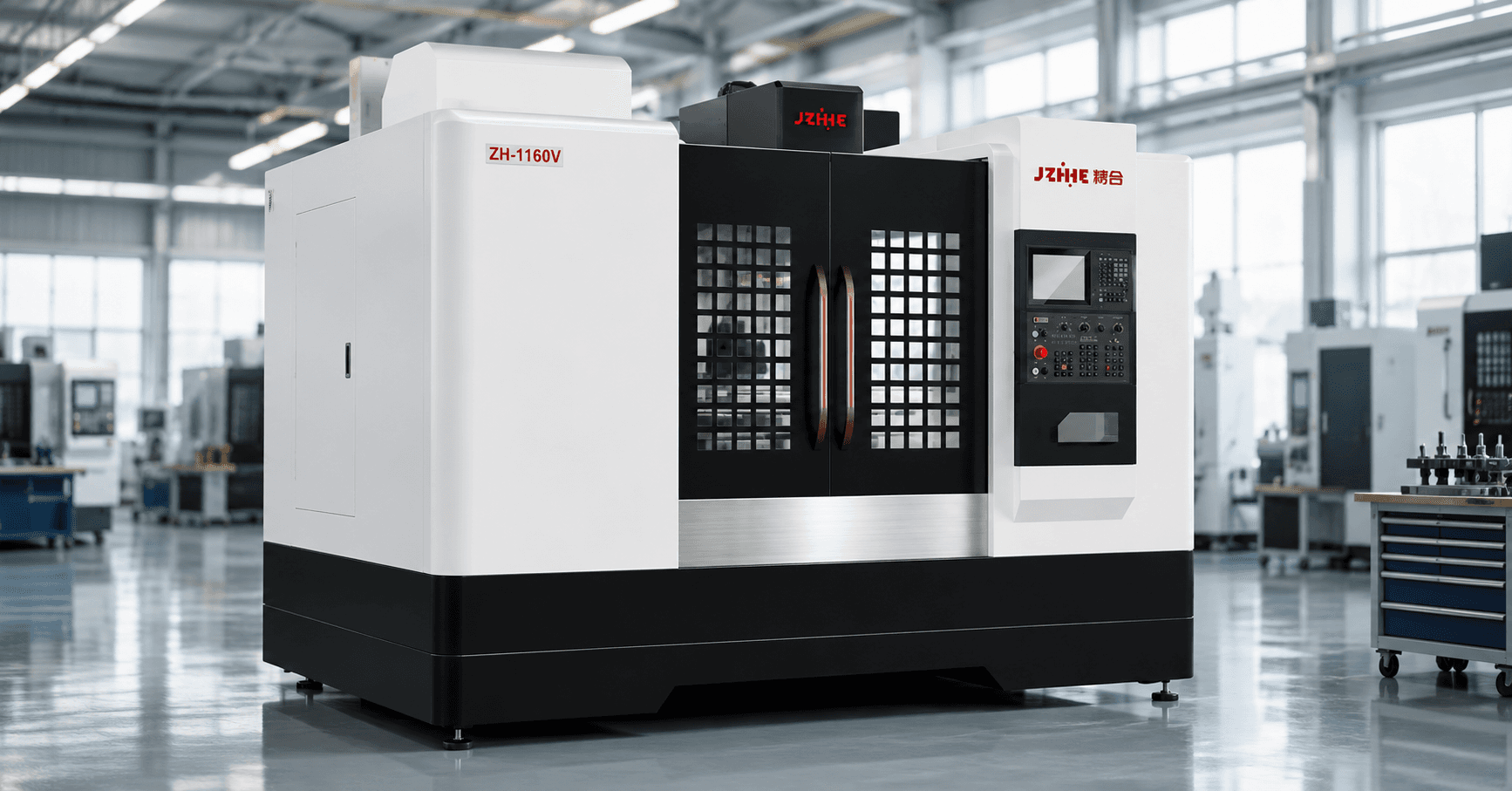
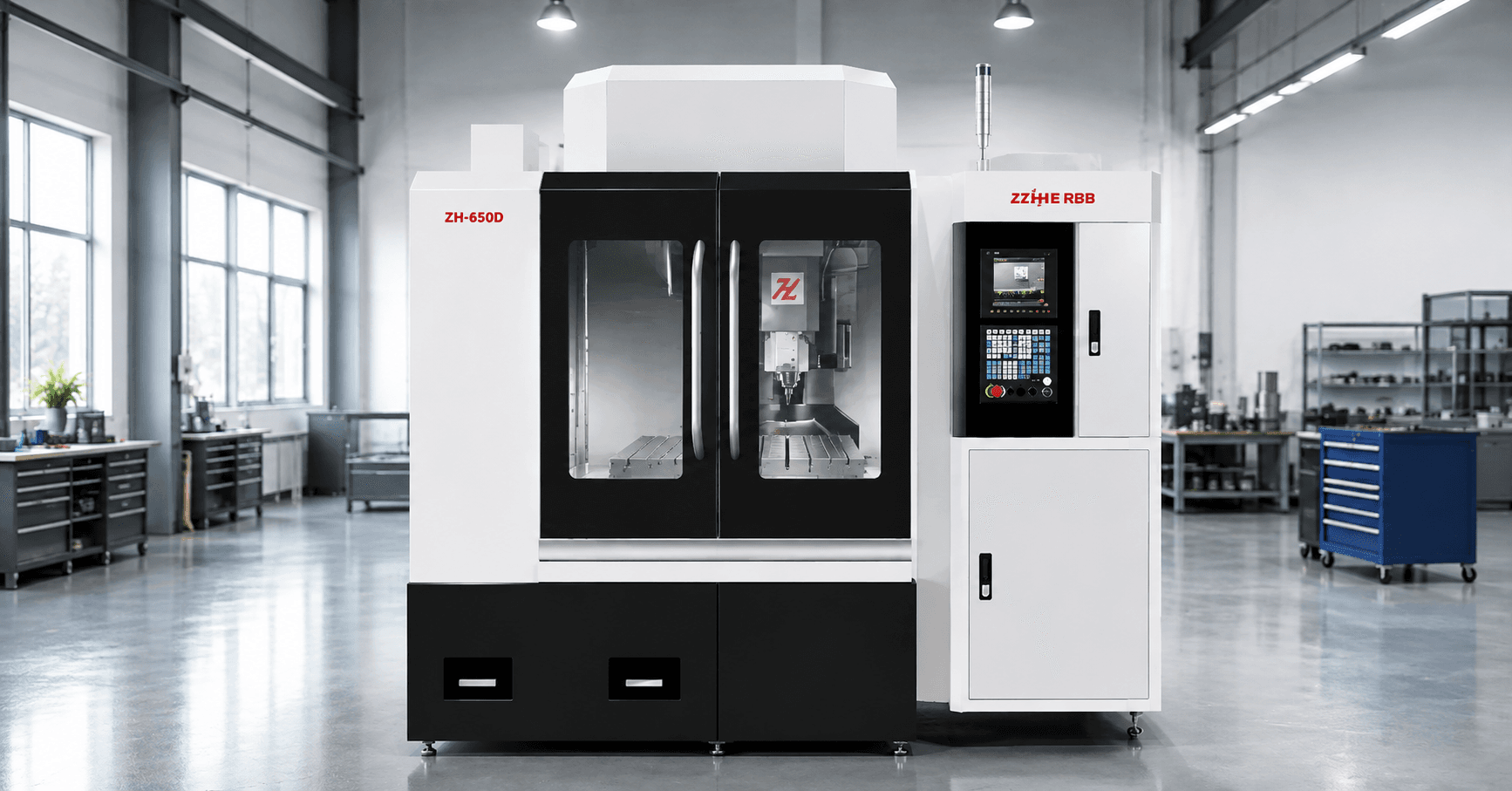
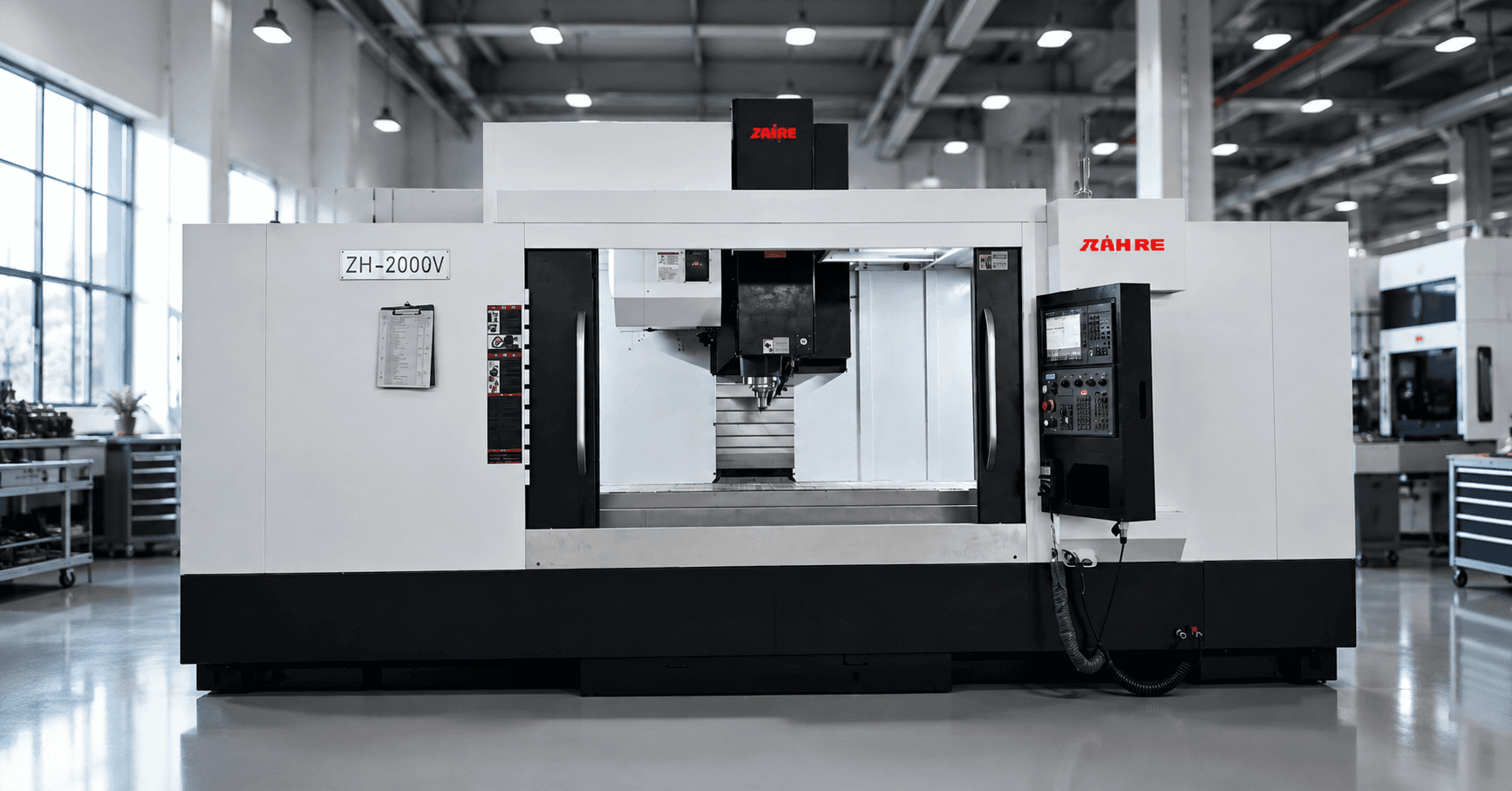
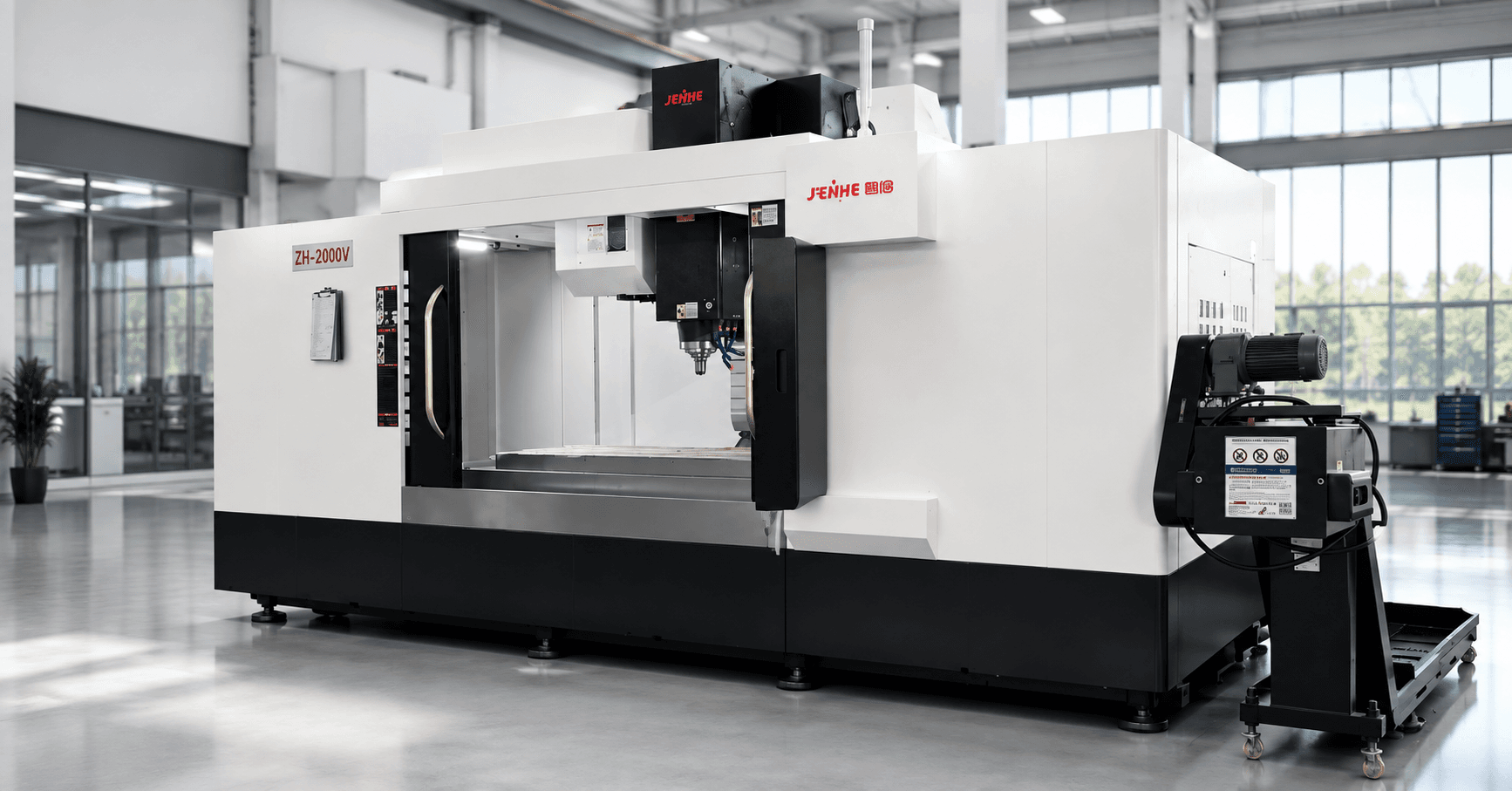
A vertical machining center manufacturer should be compared with a spindle-hour calendar that shows what happens before, during, and after cutting across a representative production day. Zhihe CNC uses the calendar to connect machine specifications with warm-up, tools, changeovers, inspection, stops, maintenance, and accepted output.
The calendar prevents one short trial from standing in for an entire shift and reveals where useful spindle time is lost.
Hour Zero Fixes the Workload
Record part families, materials, blanks, dimensions, mass, setups, features, tolerances, surfaces, batch mix, daily demand, shifts, tools, fixtures, inspection, and unattended expectations. Mark the hardest start, longest run, and most frequent change.
Zhihe CNC can then match travels, table, load, spindle duty, guideways, tool capacity, probing, coolant, chips, and automation to a real calendar.
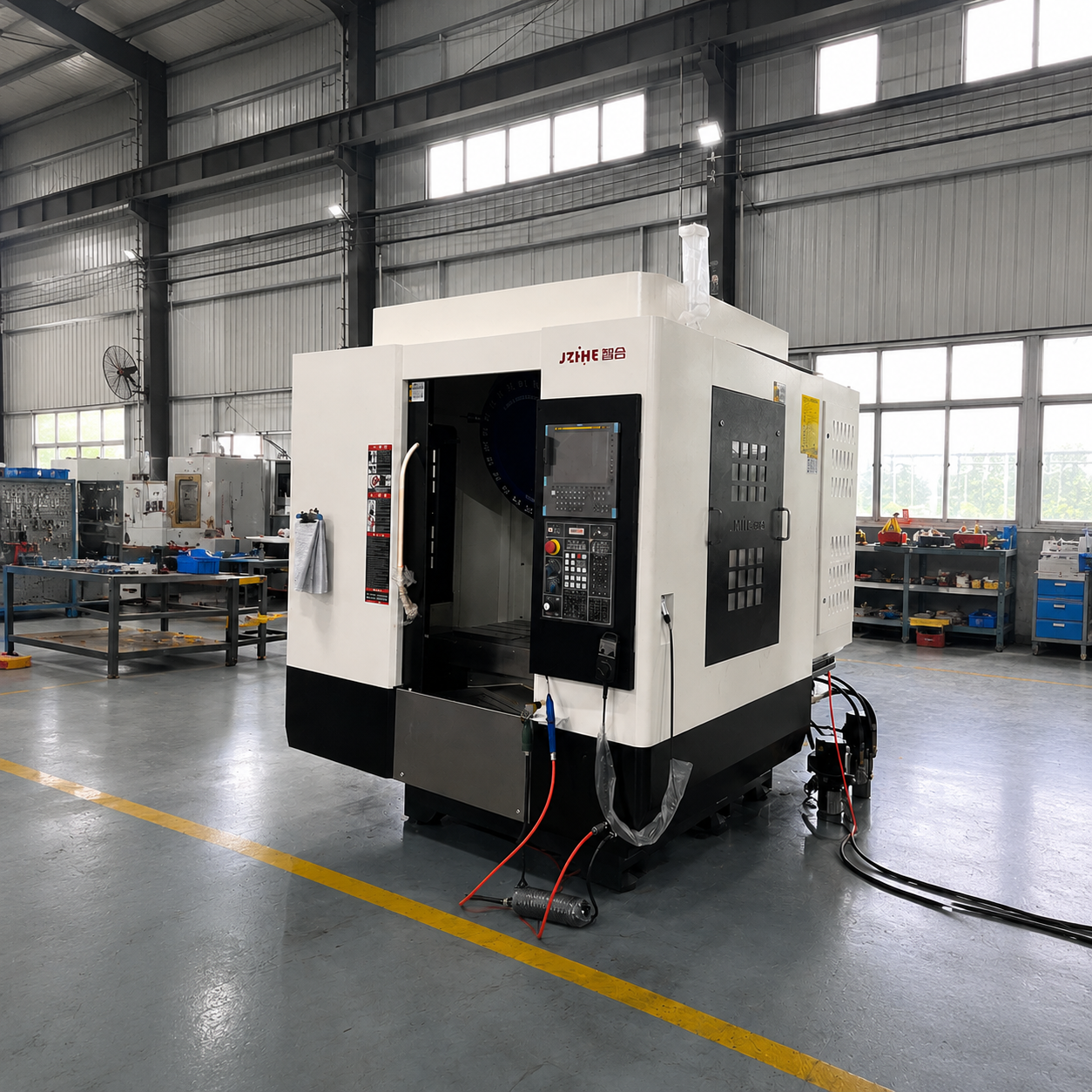
Hour One Establishes the Warm State
Define room condition, machine idle history, warm-up program, spindle speed stages, axis motion, coolant state, probe check, reference artifact, and release criteria. Record time and measurement rather than relying on habit.
A cold-start result and a stabilized production result answer different questions. Both may matter to the buyer.
Hours Two to Four Expose Setup Load
Time fixture preparation, cleaning, loading, clamps, tools, presetting, program release, offsets, probing, dry checks, first-piece inspection, approval, and corrective loops. Separate repeat setup from a new job.
Review the Zhihe CNC vertical machining center range, then confirm how the offered configuration supports the actual setup method.
Hours Five to Eight Track Cutting Behavior
Record commanded and actual cycle time, spindle load, tool engagement, acceleration effects, chip flow, coolant, vibration signals, surface marks, burrs, tool wear, probe events, and operator interventions. Use normal production programs.
For a vertical machining center manufacturer comparison, rapid traverse or spindle speed alone cannot describe accepted capacity.
| Calendar block | Primary evidence | Loss to watch |
|---|---|---|
| Warm state | Condition and reference check | Uncontrolled drift |
| Setup | First-piece release time | Waiting and rework |
| Cutting | Stable cycle and tool record | Micro-stops |
| Quality | Accepted-part timestamp | Inspection queue |
| Recovery | Restart and recheck | Extended downtime |
Hour Nine Opens the Tool-Life Window
Follow representative tools from new condition through wear, compensation, sister-tool change, replacement, presetting, and first-part verification. Record surface and dimension trends instead of testing only fresh tools.
Zhihe CNC should state magazine and tool-interface limits; the buyer controls approved assemblies, life rules, inventory, and replacement practice.
Hour Twelve Checks Mid-Shift Stability
Repeat a reference feature or artifact after sustained operation. Record machine, coolant, workpiece, and room conditions; tool state; support; measurement method; compensation; and any pause. Compare trends rather than isolated numbers.
A warm-state checkpoint helps distinguish predictable drift from a random process disturbance.
Hours Thirteen to Sixteen Count Quality Delay
Timestamp unload, clean, deburr, gauge, CMM queue, sample approval, data entry, quarantine, rework decision, and release. Separate machine output from accepted output.
A fast VMC may still miss demand when quality capacity or material flow cannot keep pace.
Hour Seventeen Schedules Maintenance
Plan lubrication checks, coolant concentration, filters, chip cleaning, tool magazine inspection, probes, air, guarding, backups, housekeeping, and condition observations. Put expected duration and ownership on the calendar.
Maintenance outside the capacity model creates an unrealistic utilization promise. Planned care and unplanned failure should be measured separately.
Hours Eighteen to Twenty Test Changeover
Run a representative family change with fixture, tool, program, offsets, material, inspection, and approval differences. Capture walking, searching, cleaning, adjustment, and waiting.
Standardized preparation can create more capacity than a small improvement in cutting speed, especially in mixed production.
Hour Twenty-One Runs a Recovery Drill
Select a plausible tool, probe, chip, coolant, program, or alarm interruption. Capture evidence, diagnose, escalate, restore files or components, restart safely, and release quality. Record the full elapsed time.
Zhihe CNC can provide support routes and documentation, while the plant confirms access, trained roles, spares, and local logistics.
Close With the Accepted-Hour Ratio
- Total scheduled production hours.
- Subtract planned setup and maintenance.
- Record unplanned stops by cause.
- Record inspection and release delay.
- Count accepted parts at the required mix.
- Compare the calendar with demand and alternatives.
Do Not Turn the Calendar Into a Guarantee
One observed day cannot guarantee future performance under different parts, tools, operators, material, temperature, maintenance, or demand. A highly utilized machine is not automatically the best investment if recovery is weak.
Use representative scenarios and keep uncertainty visible. The calendar is a decision model, not a promise of perfect production.
FAQ
How long should a calendar trial run?
Use enough duration to expose warm-up, tool wear, changeovers, inspection, normal stops, and the intended shift pattern.
Should setup time be included in capacity?
Yes. Keep it separate from cutting time, then include its effect on scheduled accepted output.
Can multiple machines share one calendar?
Yes, when the model clearly shows queues, labor, tools, inspection, maintenance, and recovery dependencies.
What is a good utilization target?
There is no universal number. Balance demand, variability, maintenance, recovery, staffing, and economic risk.
Build a Calendar With Zhihe CNC
To assess a vertical machining center manufacturer, send part mix, materials, fixtures, tools, cycles, shifts, changeovers, inspection, maintenance, staffing, utilities, destination, and launch date. Use the Zhihe CNC inquiry page and review the VMC launch guide.